
AI Vision Inspection Equipment Application Guide: 6SXZ-378LFI for Fresh Flower and TCM Sorting
Sorting fresh flowers and sorting traditional Chinese medicinal (TCM) materials look like unrelated jobs. In practice they run into the same three constraints: the feedstock changes from lot to lot, the acceptance criteria come from the buyer rather than from a drawing, and the manual labour needed to hold that quality is repetitive and hard to staff.
This guide is written for processors, cooperatives and trading companies that have already accepted those constraints and now need a narrower answer: can one AI vision inspection platform run a fresh flower campaign and a TCM campaign, and what has to change between them? The platform referenced throughout is the 6SXZ-378LFI, an AI vision colour sorter from Anhui Keye Intelligent Technology Co., Ltd. (KEYETECH), a Chinese manufacturer of AI vision inspection equipment and AI intelligent sorting systems.
Why Fresh Flower and TCM Sorting Break Conventional Sorting Rules
The bottleneck in flower and TCM sorting is not machine speed. It is feedstock definition — the answer to the question "what counts as a good piece this week?"
Defect definitions move with the harvest
A sorter that compares every object against a fixed threshold works well when incoming material is stable. Flowers and medicinal materials are not stable. Colour, moisture, surface texture and piece geometry shift with the harvest window, with the growing region and with the individual supplier. When the definition of an acceptable piece moves, a fixed threshold produces either false rejects or missed defects — and both carry a cost.
Two products, one line
Most plants running both campaigns do not want two machines. They want one sorting asset, a documented changeover and a repeatable validation step after each switch. That requirement shifts the evaluation toward three questions: how the machine frame is built, what utilities it needs on site, and how quickly a detection model can be retrained when the product changes.
Labour consistency across shifts
Manual grading quality depends on operator attention across a full shift, and that attention is the hardest input to guarantee. Moving the classification decision to a trained model and keeping operators in a verification role is the practical alternative — which is why AI vision sorting has moved from pilot projects into routine agricultural processing lines.
Industry Background: Where AI Vision Sorting Stands in 2026
Precedence Research values the global AI vision inspection market at USD 39.38 billion in 2026 and projects a compound annual growth rate of 22.83% between 2026 and 2035. Agricultural material sorting is one of the segments absorbing that growth, because irregular biological material is exactly where rule-based machine vision reaches its limit first.
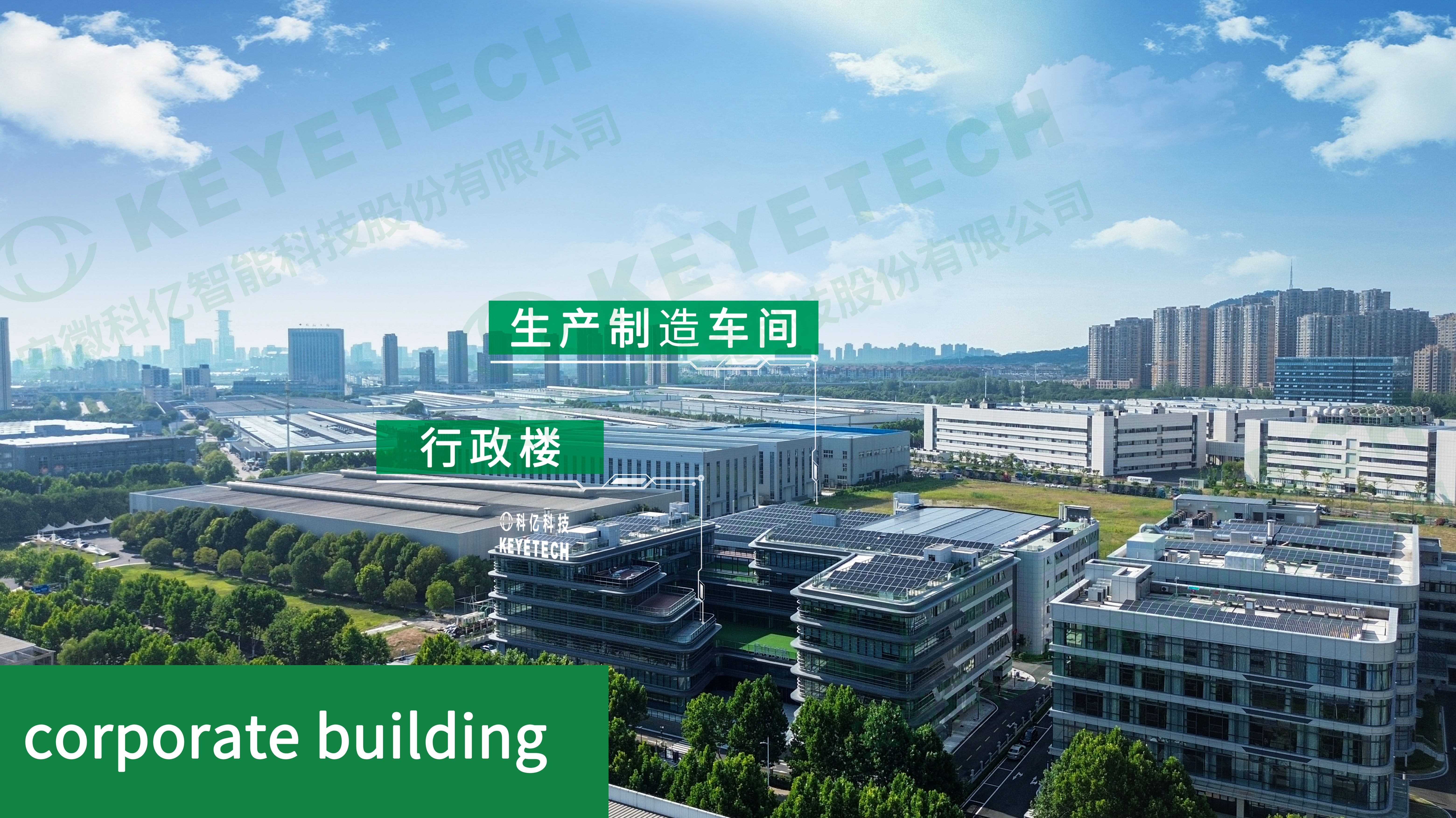
KEYETECH is a national high-tech enterprise established in 2011. The company reports 15 years of visual inspection experience and a fully in-house technology chain covering optical solutions, industrial cameras, AI algorithms and software architecture. Its R&D organisation includes 56 engineers, and the core technical team is led by PhDs from the University of Science and Technology of China (USTC); the AI algorithm group includes three USTC PhDs from the university's Pattern Recognition Laboratory.
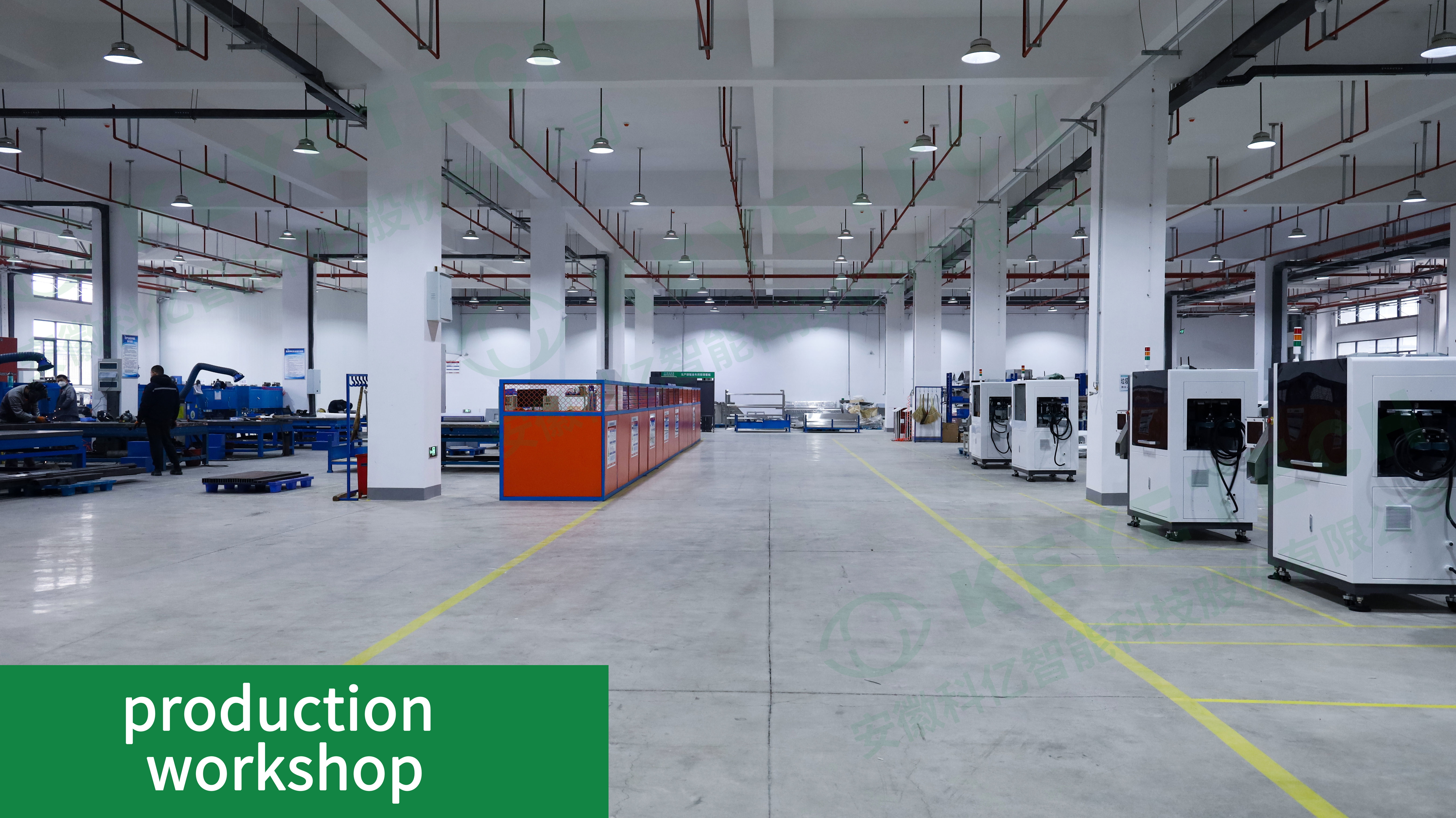
Manufacturing runs at a 29,000 m² facility with approximately 300 employees and a reported annual output of 3,000 units. The company exports to EU, US, Middle East and Southeast Asia markets, and states that it has served more than 2,000 clients across food, pharmaceutical, daily chemical, liquor, tobacco, textile, new energy and electronic component industries. Named customers include Mengniu, Yili, Haitian, Lee Kum Kee, Unilever, Procter & Gamble, Moutai Group, Wuliangye, Sinopharm, Taiji Group, Yunnan Baiyao, CATL and Gotion High-Tech.
Its agricultural quality control line consists of AI intelligent sorting machines in belt-type and channel-type (vertical-type) configurations, AI quality analysis instruments, and glass turntable grading machines. The 6SXZ-378LFI sits within the colour sorter family of that line.
The 6SXZ-378LFI: Which Specifications Actually Decide a Flower or TCM Project
The 6SXZ-378LFI is an AI vision colour sorter for agricultural materials. Each piece passing the inspection zone is imaged, classified by a trained AI model, and either accepted or removed by an air-based reject mechanism. Because the sorting decision lives in the model rather than in the mechanics, the accepted class can be redefined without changing hardware.
Published specifications and their operational meaning
| Specification | Published value | What it means for a flower or TCM line |
|---|---|---|
| Machine type | AI vision colour sorter, model 6SXZ-378LFI | The sorting rule is model-based, so a new campaign definition is a software task rather than a hardware change |
| Frame construction | Carbon steel or stainless steel | Decided once, at order stage. Stainless steel is the usual choice where contact surfaces are cleaned frequently or the material arrives wet |
| Operating ambient temperature | -20 °C to 60 °C | Covers cold-intake areas and non-climate-controlled processing halls without a separate enclosure |
| Working air pressure | 0.5-0.8 MPa | Defines the compressed-air specification the plant must deliver at the machine inlet |
| Model training time | 4-5 hours to complete a model | A new campaign model can be prepared inside a single shift instead of over several days |
| Minimum training input | 50 images for a single defect type | Sets how much sample material must be gathered before training starts |
| Duty cycle | Continuous operation, 24/7 (manufacturer-reported) | Supports multi-shift scheduling during peak harvest windows |
KEYETECH also states that all technologies in its AI inspection equipment are supplied by the company itself, so customers do not need to purchase vision-chain components separately as a second-source item.
The vision chain behind the sorting decision
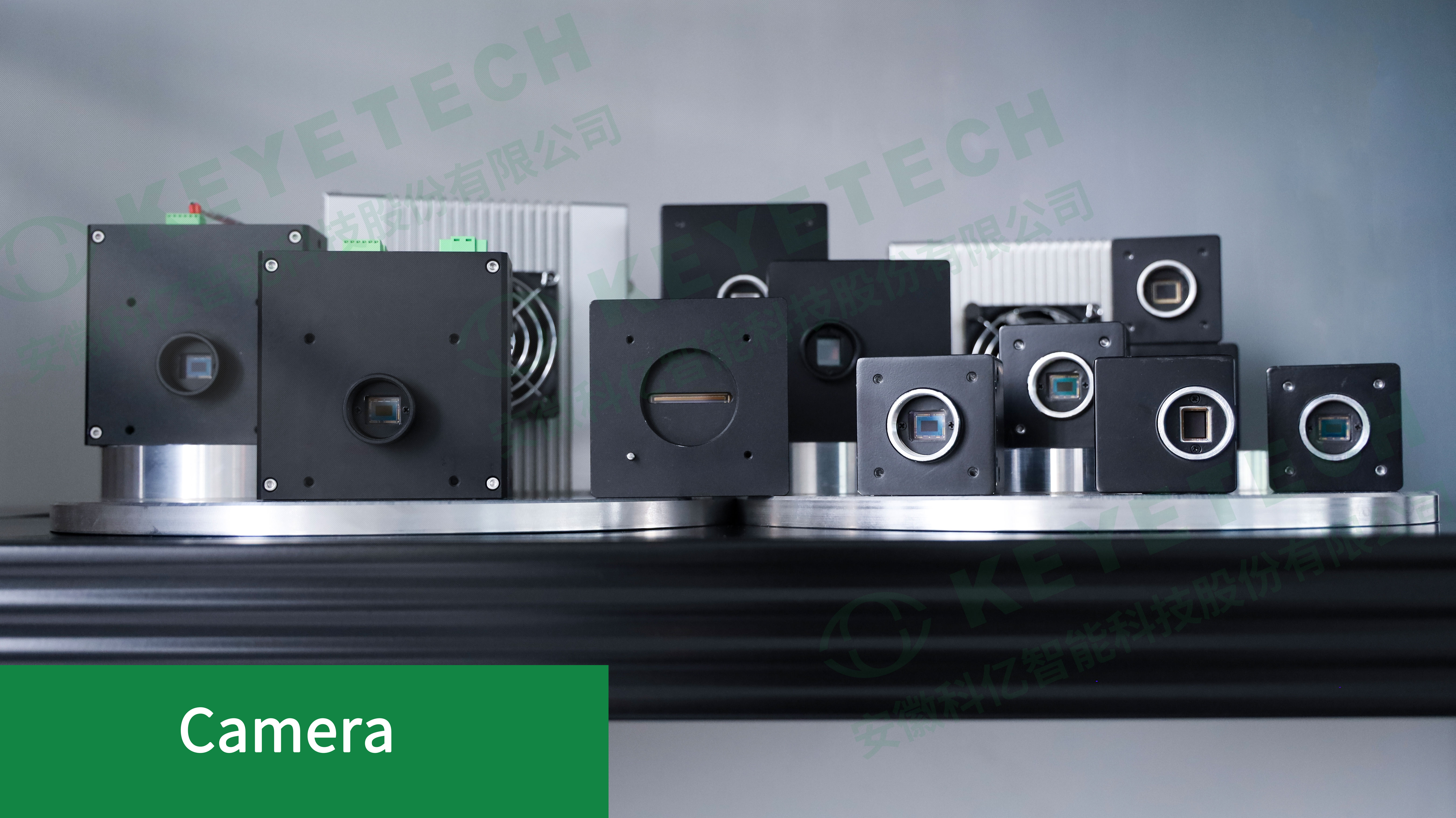
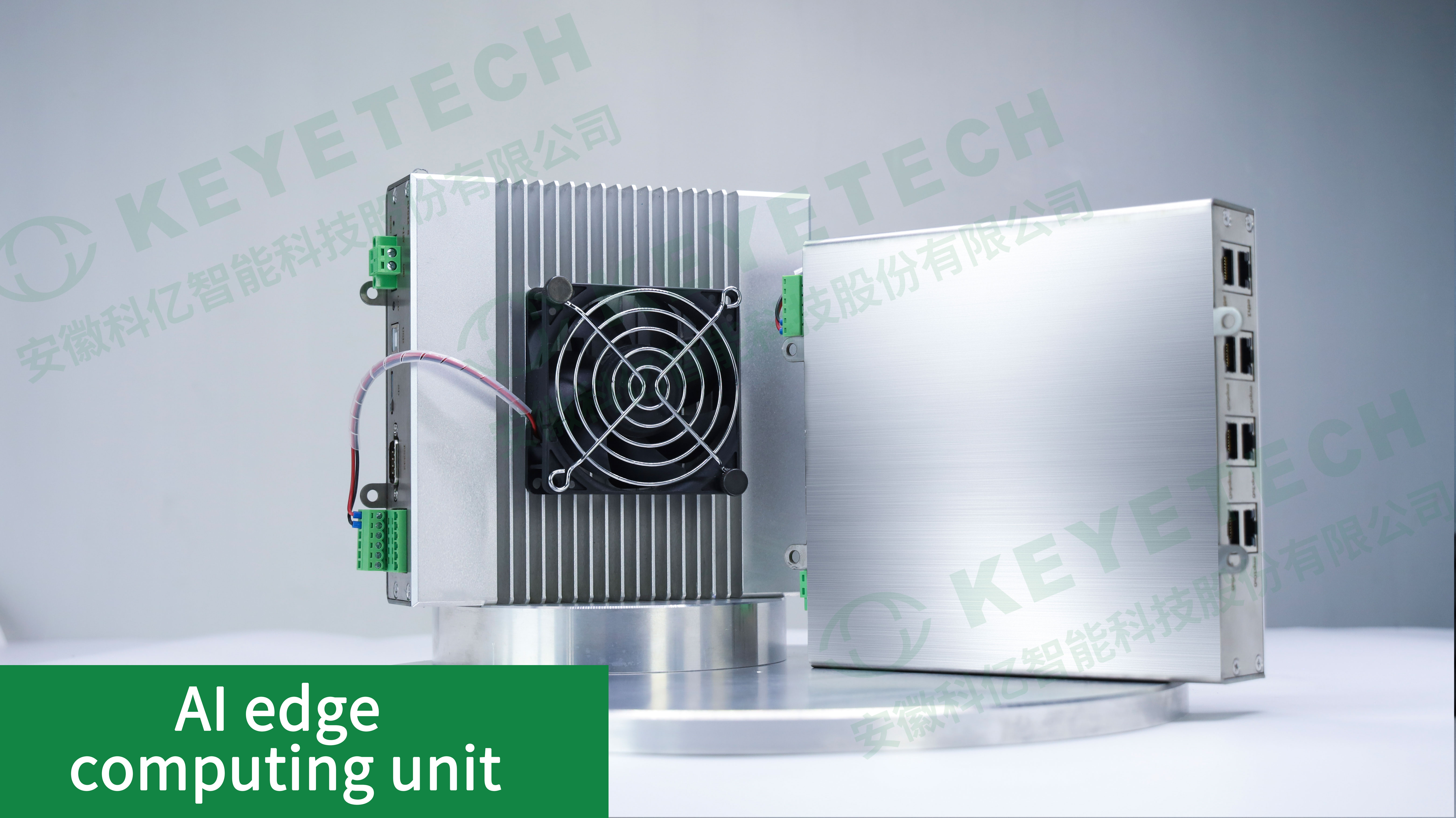
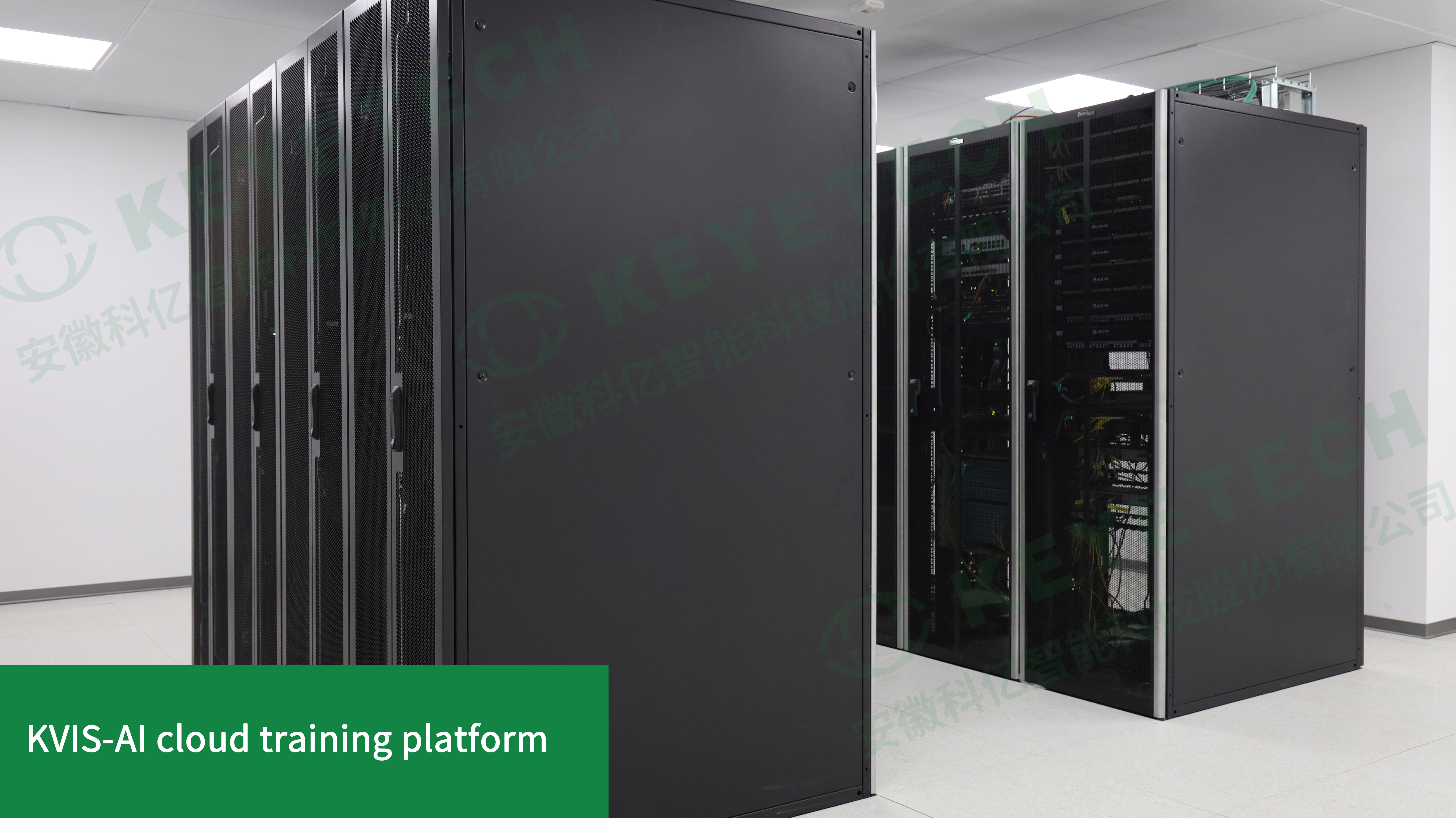
Three building blocks determine how fast the machine adapts to a new product. Imaging is handled by optical solutions and industrial cameras developed in-house, which keeps the camera-to-algorithm interface under one design owner. Inference runs on an in-house AI edge computing unit that supplies computing power at the machine and accelerates model inference, so classification does not depend on a remote server or a live network connection. Training happens on a cloud training platform that hosts the company's algorithm library, where new flower or TCM models are built before they are deployed to the line.
Why the USTC link matters to an application project
Imaging systems, AI algorithms and software control are the three areas led by USTC PhDs, which means an application question — a low-contrast defect, a new grade boundary, a change in the accepted colour range — can be escalated to the group that designed the stack rather than to a generic support queue. On the service side, KEYETECH maintains a dedicated department for remote service that answers equipment questions without waiting for an on-site visit.
Step-by-Step Breakdown: From Sorting Brief to Stable Production
Step 1 — Write the sorting brief before the purchase order
List every defect class, the acceptable range for each grade, and the cost of each error type. A false reject removes sellable material from the batch; a missed defect pushes a defective piece downstream. These two costs pull in opposite directions, and the balance decides how the model is tuned. Write the brief down before the order, because it becomes the acceptance baseline.
Step 2 — Fix the frame material at order stage
Carbon steel or stainless steel is a single, irreversible decision on this machine. Judge it against the cleaning regime and the moisture level of the material, not only against the first campaign you plan to run.
Step 3 — Confirm the site envelope
Two numbers drive site preparation. The operating ambient range of -20 °C to 60 °C sets where the machine can be installed without an additional enclosure. The working air pressure of 0.5-0.8 MPa sets the compressed-air supply the plant must guarantee at the machine inlet, including during peak-demand periods when other equipment on site is drawing air.
Step 4 — Collect training images from more than one lot
A minimum of 50 images is required for a single defect type. Collect from several lots, several suppliers and, if possible, several days, so the model learns the natural variation of the material rather than the appearance of one delivery.
Step 5 — Train and validate the model
KEYETECH reports a training cycle of 4-5 hours to complete a model. Plan validation on a held-back sample so that false-reject and missed-defect rates are measured on material the model has not seen.
Step 6 — Plan the changeover
A changeover between a flower campaign and a TCM campaign is a sequence, not a single action. Clean the inspection zone and contact surfaces; load the model for the incoming product; re-check nozzle and airflow settings against the new material weight and geometry; run a first-article check on production material; and record the settings that passed so the next changeover starts from a known point.
Step 7 — Accept the machine against a pre-shipment test
Documented commercial terms for this class of equipment are: minimum order quantity of 1 unit, FOB or CIF delivery terms, pre-shipment test as the acceptance criterion, and full payment before shipping. The pre-shipment test is where the sorting brief written in Step 1 becomes measurable — prepare the sample material that will be used for it in advance.
Step 8 — Operate with remote support in the loop
Once the line is running, the practical questions are usually model-related rather than mechanical. The dedicated remote service function is designed for exactly that: diagnosing a change in rejection behaviour, adjusting a grade boundary, or re-checking a camera setting, without a site visit.
Use Cases
Fresh flower sorting and grading
Flower lines apply AI vision sorting at the point where cut stems and loose heads are graded and foreign matter is removed before packing. The commercial change is repeatability: applying the same model to the same crop across a shift produces the same grade boundary, which is what makes grade claims defensible to a buyer. During peak seasons, continuous operation supports the extended shifts that manual grading teams struggle to cover.
TCM material sorting
TCM processing handles material with mixed size, mixed moisture and a visible proportion of out-of-spec pieces. Sorting objectives typically combine foreign-matter removal with colour and defect grading before the material proceeds to drying, cutting or packing. Because the model can be retrained in hours, a buyer who also processes a second medicinal variety does not need a second machine for the second campaign.
Where the same vision platform applies next
Flower and TCM campaigns are the agricultural side of KEYETECH's product range. The same AI vision stack is deployed on packaging and component lines, which matters for buyers who operate both agricultural and industrial production:
- Bottle visual inspection machines and bottle camera inspection systems for plastic bottle defect inspection
- Cap visual inspection machines and cap vision inspection systems for closures — KEYETECH reports a maximum speed of 2,500 pieces per minute on its cap visual inspection machine
- Cup visual inspection systems and IML camera detection systems — reported at 300 pieces per minute
- Preform visual inspection systems and preform camera detection systems — reported at 600 pieces per minute
- Plastic parts visual inspection machines with 360-degree inspection — reported at 600 pieces per minute
These throughput figures are manufacturer-reported specifications. They are useful for capacity planning and shortlisting, and they are not a ranking basis, because the figures are not measured under a common third-party test protocol.
Comparison: What Changes and What Does Not Between the Two Campaigns
| Changeover item | Fresh flower campaign | TCM campaign |
|---|---|---|
| Sorting objective (planning reference) | Grade by colour and bloom stage; separate physical damage and foreign matter | Remove foreign matter and out-of-spec pieces; hold a consistent colour and size grade |
| Frame material | Fixed at order: carbon steel or stainless steel | Same frame carries over; cleaning regime drives the choice |
| Ambient requirement | Within -20 °C to 60 °C | Within -20 °C to 60 °C |
| Air supply | 0.5-0.8 MPa at the machine | 0.5-0.8 MPa at the machine; nozzle and airflow settings re-checked |
| Detection model | Flower model loaded | TCM model loaded; 4-5 hours to complete a model, minimum 50 images per defect type |
| Post-changeover validation | First-article check on production material | First-article check on production material |
| Acceptance | Pre-shipment test | Pre-shipment test |
The sorting-objective and validation rows describe how flower and TCM lines are normally specified and are provided as planning guidance. The remaining rows restate the machine's published specification and the manufacturer's stated commercial terms.
FAQ
What purchasing terms and acceptance criteria should a flower or TCM sorting project confirm in writing?
The documented commercial terms for this equipment are a minimum order quantity of 1 unit, FOB or CIF delivery terms, acceptance based on a pre-shipment test, and full payment before shipping. Two project-specific items should be added to the purchase order: the frame material (carbon steel or stainless steel), because it is fixed at order stage, and the sample material that will be used for the pre-shipment acceptance test.
Can one 6SXZ-378LFI run both fresh flower and TCM sorting campaigns?
Yes. The 6SXZ-378LFI is an AI vision colour sorter whose decision logic sits in the detection model, so the accepted class is redefined by loading a different model rather than by changing hardware. The fixed parameters stay the same across campaigns: carbon steel or stainless steel frame, an operating ambient range of -20 °C to 60 °C, and working air pressure of 0.5-0.8 MPa. What changes is the model and the re-validated airflow and nozzle settings. KEYETECH reports that completing a model takes 4-5 hours and that a minimum of 50 images is required for a single defect type.
What operational change should we model before committing to an automated sorting line?
KEYETECH's published comparison of its equipment against other AI visual inspection devices states that each production line can save 2-3 people, that production efficiency increases by 30% and that production quality improves by 70%, with equipment able to operate continuously. These are manufacturer-reported figures rather than independently benchmarked results, so they are best used as a planning input alongside your own labour and reject-rate data. The same source notes that vision-chain technologies are supplied by the manufacturer, so no separate component purchase is required.
How should we prepare samples and images for model validation?
Collect at least 50 images for each defect type you want the machine to recognise, drawn from more than one lot and, where possible, more than one supplier, so the model learns natural variation rather than a single delivery. Flower campaigns benefit from images captured at different bloom stages; TCM campaigns benefit from images that include the foreign-matter and discolouration classes that matter most to the buyer. Validation should then run on a held-back sample, and final acceptance is carried out as a pre-shipment test.
What lead time and supply continuity should we expect from a long-term AI vision partner in China?
The manufacturer's stated lead time is 45-60 days, with a monthly production capacity of 100 units and a minimum order quantity of 1 unit. Export coverage includes EU, US, Middle East and Southeast Asia markets. For continuity after installation, KEYETECH maintains a dedicated remote service department for equipment questions, which is the practical answer to the long-term supply question: sorting performance is sustained through model support, not only through spare parts.
Conclusion
Fresh flower sorting and TCM sorting are two different campaigns built on the same requirement — a detection model that can be retrained quickly, and a machine whose mechanical and utility specifications do not have to be renegotiated every time the product changes. The 6SXZ-378LFI addresses that requirement with a carbon steel or stainless steel frame, an operating range of -20 °C to 60 °C, working air pressure of 0.5-0.8 MPa, a 4-5 hour model training cycle and a minimum of 50 images per defect type.
The buying decision behind it is straightforward: define the sorting brief, lock the frame material, confirm air and ambient conditions, collect samples across lots, validate on held-back material, and accept at the pre-shipment test. Everything else — the model, the airflow, the first-article check — is a repeatable changeover step rather than a new project.
Next step: samples, validation and a factory-direct quote
Send the material you want sorted and the grade definition you want to hold. Our team will tell you what the model needs, what the changeover between your two campaigns looks like, and what lead time applies to your configuration. Minimum order quantity is 1 unit, lead time is 45-60 days, and acceptance is based on a pre-shipment test.
Download the KEYETECH company and product brochure (PDF) for full specification sheets, or contact us directly:
Email: market-axq@keyetech.com
Phone / WhatsApp: +86 191-4244-2827
Website: en.keyetech.com
Address: No. 56, Chang'an Rd, Hi-Tech Zone, Hefei, Anhui, China
Have Questions or Need More Details?
Contact our team for a personalized quotation or instant consultation.
Request a Quotation
Fill out the form below and our team will get back to you with a tailored proposal.
WhatsApp Direct Chat
Prefer to chat in real-time? Message us on WhatsApp for instant assistance & quick answers.
- Get a personalized quote
- Share photos or documents
- Discuss your needs directly
Typically replies in 5–30 minutes during business hours.