AI Vision Inspection Equipment: How It Works & How to Choose
AI Vision Inspection Equipment: How It Works & How to Choose
AI vision inspection equipment is an automated quality-control system that uses cameras and artificial-intelligence algorithms to detect defects on production lines. This guide explains how these systems work, which KEYETECH machine types are available, and what to evaluate when choosing an AI vision inspection equipment supplier for bottles, caps, preforms, cups, and other plastic packaging parts.
What Is AI Vision Inspection Equipment?
AI vision inspection equipment is a complete machine that combines material handling, industrial cameras, AI algorithms, edge computing, and software to inspect product appearance at production speed. KEYETECH, the English brand of Anhui Keye Intelligent Technology Co., Ltd., is a manufacturer of AI visual inspection equipment. The company, established in 2011, is a national high-tech enterprise specializing in R&D and application of AI technology for AI vision inspection and automation production. It focuses on plastic packaging appearance defect detection, and its core technical team includes doctors from the University of Science and Technology of China. The R&D team comprises 56 engineers with 15 years of visual inspection experience.
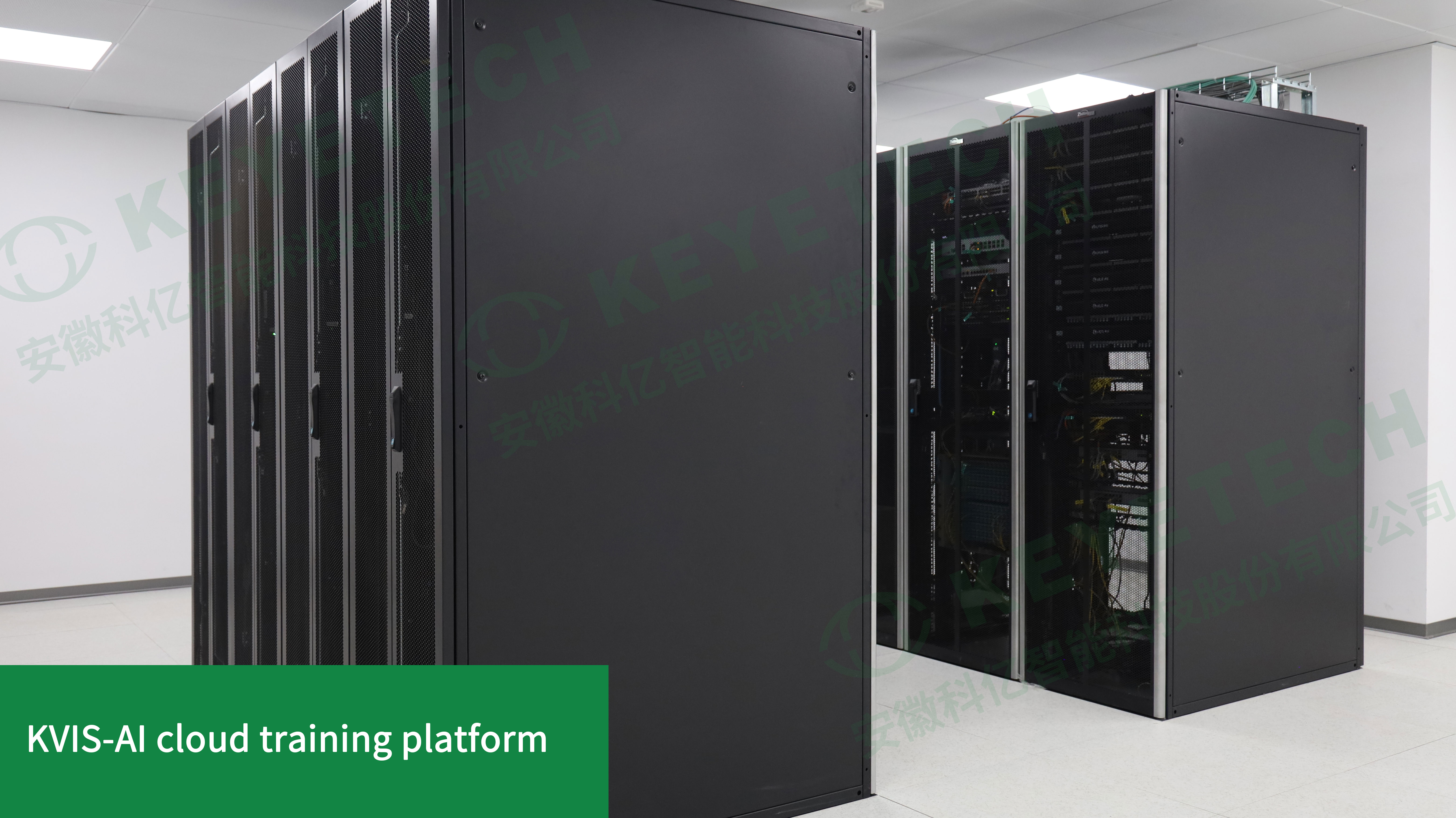
KEYETECH develops optical solutions, industrial cameras, AI algorithms, and software architecture in-house. In this architecture, the camera is equivalent to the human eye: it captures product images and provides data input for AI algorithms. An in-house edge computing unit provides computing power for AI algorithms and accelerates AI model inference. A cloud training platform hosts tens of thousands of AI algorithm models that support classification, defect detection, and object detection.
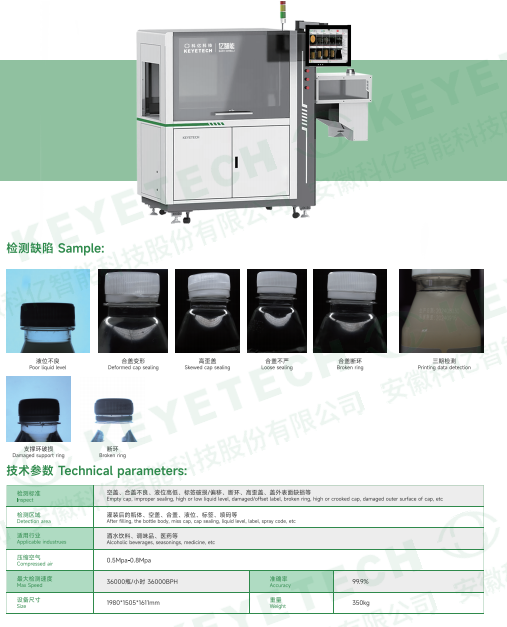
AI vision inspection equipment covers post-filling bottle inspection, cap sealing, liquid level, label, and spray-code checks.
Why Packaging Manufacturers Need AI Vision Inspection
Manual inspection is inaccurate and inefficient. AI vision systems for packaging achieve up to 99.8% defect detection accuracy compared with approximately 85% for manual inspection, according to iFactory AI (2024). KEYETECH inspection machines are designed for 24/7 operation and are used in the plastic packaging materials industry.
Market data shows why this category is growing. The global AI vision inspection market was estimated at USD 25.82 billion in 2024 (Market Research Future). Within packaging, the 360-degree bottle inspection systems market was valued at USD 1.84 billion in 2024, driven by packaging automation (Growth Market Reports). North America held a dominant 42% growth share of the AI visual inspection market in early 2024, while Asia-Pacific was the fastest-growing region (Technavio). Estimates vary by scope: Grand View Research (2024) estimated an AI-vision-focused market at USD 15.85 billion, so buyers should compare report definitions before citing a single total.
The broader vision inspection market includes Cognex Corporation, Keyence Corporation, Omron, and Basler AG (MarketsandMarkets, 2024). For European buyers, packaging inspection systems must comply with ISO 13849-1 for safety-related parts of control systems and with CE marking requirements for EU market entry (Cognex/ISO, 2024).
How KEYETECH Builds AI Vision Inspection Equipment
Anhui Keye Intelligent Technology Co., Ltd. provides fully integrated services covering R&D, manufacturing, and sales. The company operates a 29,000-square-meter facility with approximately 300 staff and an annual production capacity of 3,000 units. Production is divided into a production workshop and a machining workshop, which are responsible for equipment manufacturing.
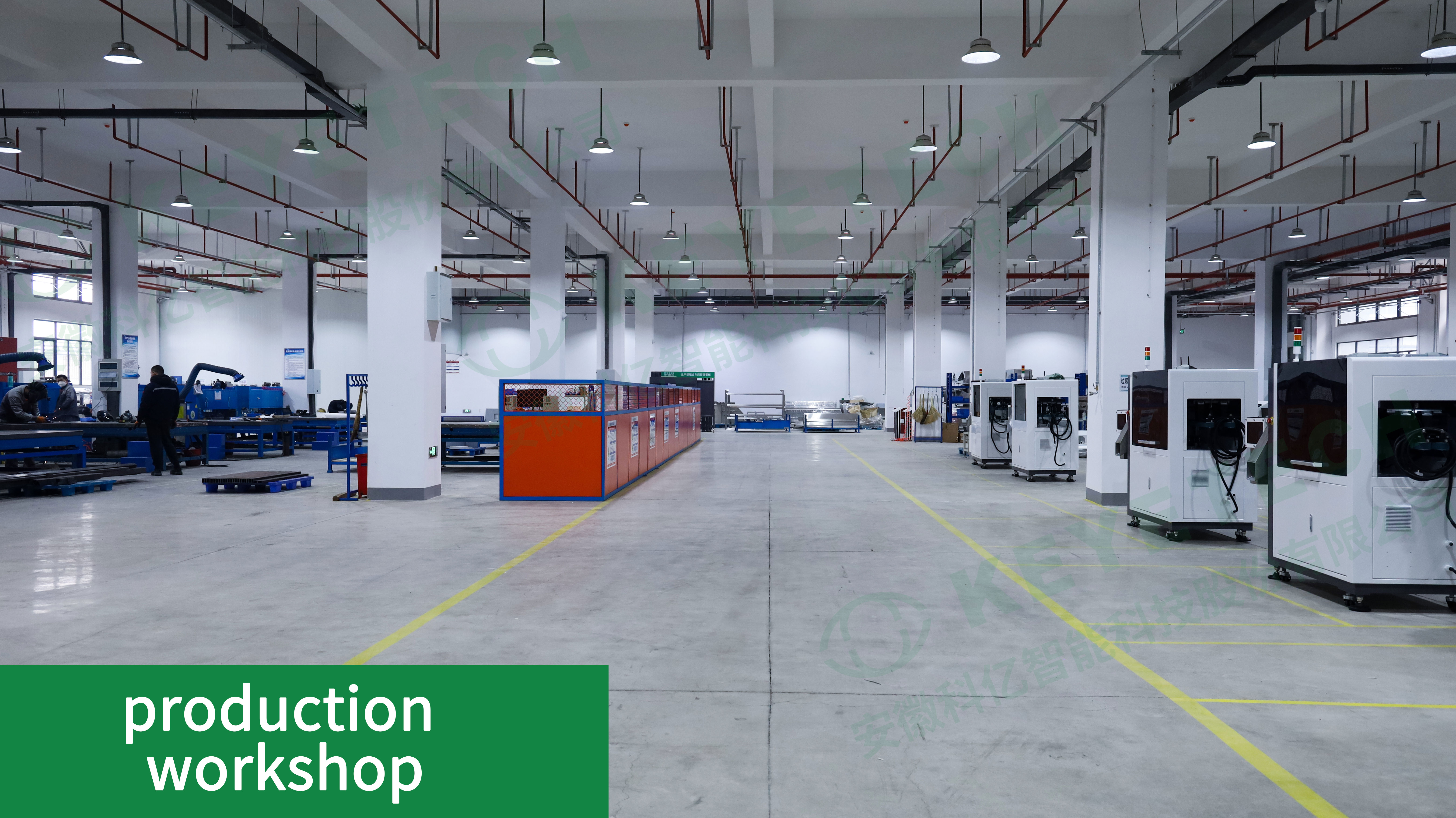
KEYETECH's production and machining workshops manufacture AI vision inspection equipment in-house.
KEYETECH's technology stack is fully self-developed across optics, mechanics, electronics, computing, and software, with 100% localization of the core technology chain. AI visual inspection is used to solve defects that are difficult for traditional methods, including bottle defects that cannot be detected because of interference caused by the scale on a bottle.
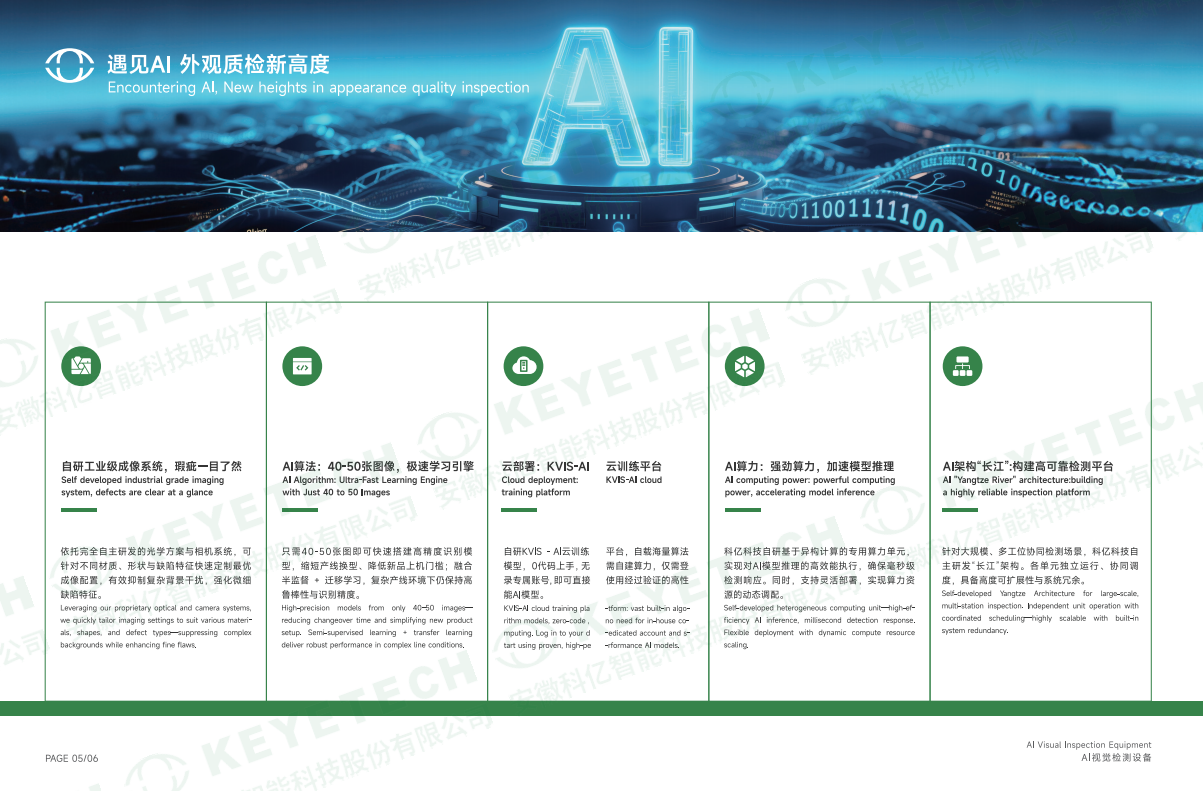
AI algorithms handle classification, defect detection, and object detection across inspection tasks.
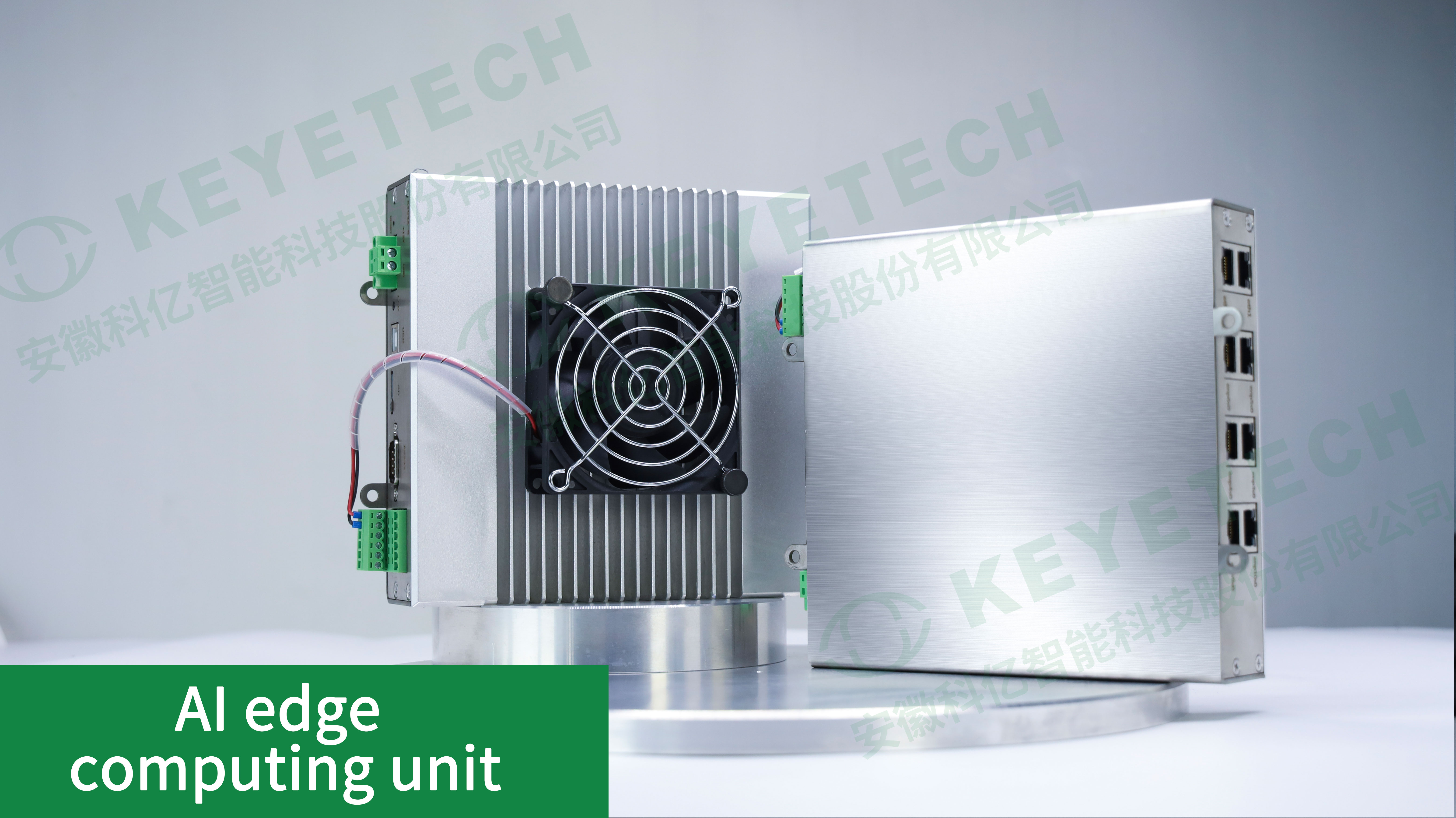
The edge computing unit accelerates AI model inference inside each inspection machine.
AI Vision Inspection Machine Types and Specifications
KEYETECH offers a range of AI-powered inspection machines for plastic packaging and filling lines. The models below are made of carbon steel or stainless steel and are intended for food, pharmaceutical, seasoning, and alcoholic beverage industries.
| Machine / Model | Max Speed | Inspection Scope |
|---|---|---|
| Bottle visual inspection machine / Bottle camera inspection machine / Bottle vision inspection system (KVIS-B, KVIS-B-CC06S) | 300 pcs/min | Black spots, color difference, impurities, threads, rings, notches, leftovers, flash, bubbles, holes, uneven thickness, deformation, size, inkjet, trademark, die number |
| Cap visual inspection machine / Cap camera inspection machine (KVIS-C) | 2500 pcs/min | Black spot, color difference, impurity, thread, pressing ring, broken ring, notch, batch edge, bur, flash, deformation, dimension, gasket, inner plug, die number |
| Preform visual inspection system (KVIS-C) | 600 pcs/min | Specks, color, foreign items, screw/thread, hole, crack, scratch, burr, flash, deformation; embryo mouth, support ring, embryo body, bottom |
| Plastic Parts Visual Inspection Machine (KVIS-SU) | 600 pcs/min | 360° visual inspection; black spot, color difference, impurity, thread, pressing ring, flash, deformation, dimension, etc. |
| Cup visual inspection system / IML camera detection system (KVIS-T) | 300 pcs/min | Poor labeling (punching, crooked, oblique, dislocation, bubbles, wrinkles), black spots, impurities, gaps, flash, holes, deformation; cup body, mouth, inner wall, outer bottom |
| AI Label Inspection Machine (KVIS-T) | 1500 pcs/min | Trapping label, labeling, in-mold labeling; various labels on the bottle |
| AI Paper Plastic Products Detector (KVIS-C) | 300 pcs/min | Specks, impurity, notches, burr, crack, hole, deformation; cup mouth, inner/outer wall, outer bottom, cover surfaces |
| AI Printing Inspection Machine (KVIS-B-CC) | 60-70 pcs/min | Missing characters, printing ghosting, color difference, ink splash in text printing area |
| Post Filling Inspection Machine (KVIS-B-CC) | 36000 BPH | Empty cap, improper sealing, high/low liquid level, damaged/offset label, broken ring, high/crooked cap, damaged outer cap surface; bottle body, miss cap, cap sealing, liquid level, label, spray code |
How an AI Vision Inspection System Works in Production
AI vision inspection equipment functions as a complete unit. The sequence below is typical for KEYETECH systems.
- Material handling: The product is fed and positioned by the material-handling mechanism. Because KEYETECH systems are whole-machine equipment, installation must reserve sufficient space.
- Imaging: Industrial cameras capture images of all inspected surfaces. The inspection area is defined by the product type, such as the cup body, cup mouth, cup inner wall, and cup outer bottom, or the embryo mouth, support ring, embryo body, and bottom for preforms.
- AI inference: The edge computing unit provides computing power for AI algorithms and accelerates model inference.
- Decision output: AI models perform classification, defect detection, and object detection, allowing the machine to accept or reject parts.
- Ongoing model support: The cloud training platform hosts tens of thousands of AI algorithm models, allowing the inspection system to be updated or tuned for new defect types.
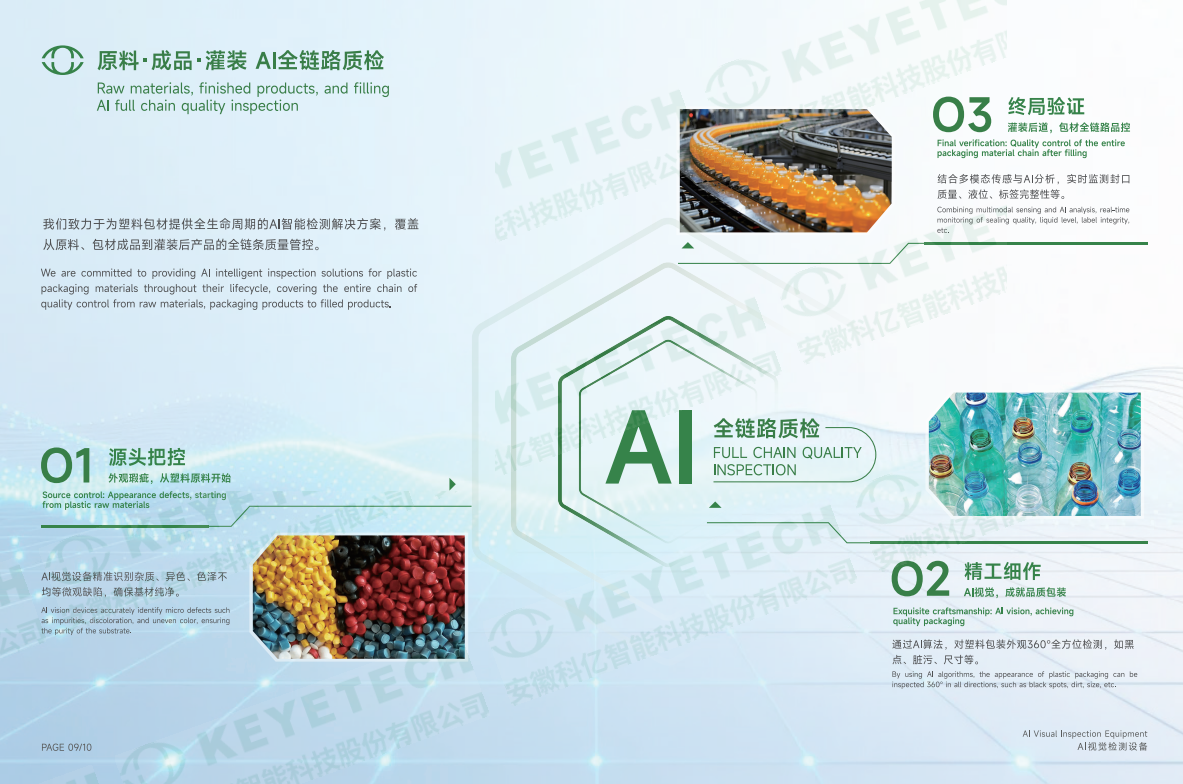
AI vision inspection can be applied across raw materials, finished products, and filling operations.
Use Cases Across Bottles, Caps, Preforms, Cups, and Labels
AI vision inspection equipment is used across plastic packaging categories. KEYETECH application scenarios include the plastic packaging materials industry, indoor factory environments with normal temperature and humidity, and 24/7 operation. The application scenario is common in Vietnam.
- Bottles and buckets: Bottle visual inspection machines and bottle vision inspection systems detect black spots, color differences, impurities, thread defects, rings, notches, flash, bubbles, holes, uneven thickness, deformation, inkjet codes, trademarks, and die numbers at up to 300 pcs/min.
- Caps and closures: Cap visual inspection machines inspect caps and lids at up to 2500 pcs/min, covering gaskets, inner plugs, pressing rings, broken rings, and die numbers.
- PET preforms: The preform visual inspection system checks embryo mouth, support ring, embryo body, and bottom at up to 600 pcs/min.
- Cups and in-mold labels: Cup visual inspection systems and IML camera detection systems inspect cup body, mouth, inner wall, and outer bottom for label and molding defects at up to 300 pcs/min.
- Paper-plastic cups and covers: The AI Paper Plastic Products Detector checks cup mouth, inner and outer walls, outer bottom, and cover surfaces at up to 300 pcs/min.
- Labels: The AI Label Inspection Machine checks trapping labels, labeling, and in-mold labeling at up to 1500 pcs/min.
- Printing quality: The AI Printing Inspection Machine detects missing characters, ghosting, color difference, and ink splash at 60-70 pcs/min.
- Post-filling lines: The Post Filling Inspection Machine runs at up to 36000 bottles per hour to check cap sealing, liquid level, labels, and spray codes.
Limitations and Supplier Selection Criteria
AI vision inspection equipment is complete whole-machine equipment, not a software-only add-on. The line must reserve sufficient space to place the equipment. Buyers should also verify that the inspection solution matches the product type, defect list, speed, and operating environment.
When evaluating suppliers, check whether the manufacturer develops its core technology in-house. KEYETECH's R&D team includes 56 engineers, with doctors from the University of Science and Technology of China. The company has served more than 2,000 clients in food, pharmaceuticals, daily chemicals, textiles, liquor, new energy, electronic components, and tobacco. Its major markets are the EU, USA, and Southeast Asia; export business accounts for 10% of total sales. Products have been exported to more than 50 countries.
Frequently Asked Questions
1. What compliance standards should AI vision inspection equipment meet?
Packaging inspection systems used in EU markets must comply with ISO 13849-1 for safety-related parts of control systems and with CE marking requirements for EU market entry (Cognex/ISO, 2024). Buyers should request the manufacturer's compliance documentation as part of the technical file before line integration.
2. Which defects can AI vision inspection equipment detect?
Depending on the machine type, KEYETECH equipment detects defects such as black spots, color difference, impurities, thread issues, pressing rings, broken rings, notches, flash, bubbles, holes, deformation, dimensional issues, gasket and inner-plug defects, die numbers, poor labeling, missing print characters, ghosting, ink splash, and post-filling defects such as missing caps and high or low liquid level.
3. What inspection speeds can KEYETECH equipment reach?
Cap visual inspection machines reach 2500 pieces per minute; bottle inspection machines reach 300 pieces per minute; preform and plastic-parts systems reach 600 pieces per minute; cup and IML systems reach 300 pieces per minute; label inspection reaches 1500 pieces per minute; printing inspection runs at 60-70 pieces per minute; post-filling inspection reaches 36000 bottles per hour.
4. What should I look for in an AI vision inspection equipment supplier?
Evaluate whether the supplier develops core technology in-house. KEYETECH builds its own optical solutions, industrial cameras, AI algorithms, and software, with 56 R&D engineers and a facility of 29,000 square meters. The company has served more than 2,000 clients across food, pharmaceuticals, daily chemicals, textiles, liquor, new energy, electronic components, and tobacco, and exports to more than 50 countries. KEYETECH systems are complete machines and require sufficient floor space.
5. How can I request a quote or sample for KEYETECH AI vision inspection equipment?
Contact KEYETECH sales at market-axq@keyetech.com, by phone at +86 191-4244-2827, or via WhatsApp to discuss your part type, defect list, and line speed. You can also download the company brochure. For a faster response, include the product type, defect list, and required speed.
Speak with a KEYETECH Vision Inspection Specialist
KEYETECH is a manufacturer of AI vision inspection equipment for plastic packaging. For quotes, samples, or a technical discussion, contact Nicole at market-axq@keyetech.com, call +86 191-4244-2827, or connect on WhatsApp. Visit en.keyetech.com for the latest product information.
Conclusion
AI vision inspection equipment is a practical alternative to manual inspection for bottle, cap, preform, cup, label, and post-filling quality control. KEYETECH designs and manufactures complete AI vision inspection machines with in-house algorithms, edge computing, and cloud training support. When selecting equipment, verify the defect list, line speed, floor space, and supplier's R&D depth before making a purchase decision.