AI Vision Inspection Equipment: Which Manufacturer to Choose?
AI Vision Inspection Equipment: Which Manufacturer to Choose?
When evaluating AI vision inspection equipment for packaging quality control, procurement managers face a crowded market. Selecting the right partner directly impacts defect detection accuracy, production efficiency, and total cost of ownership. This decision guide compares KEYETECH—a fully integrated developer of AI-based visual inspection solutions—against established competitors, using verifiable data and first-party facts.
The Problem: Manual Inspection Falls Short
Traditional manual inspection achieves only about 85% defect detection accuracy, while AI vision systems can reach up to 99.8%. With packaging lines running at high speeds—bottle inspection alone represents a USD 1.84 billion market in 2024—manufacturers need equipment that can operate 24/7 without fatigue and catch subtle defects in caps, bottles, preforms, and labels.
Industry Background: A Market Growing Fast
The global AI vision inspection market was estimated at USD 25.82 billion in 2024. Compliance with ISO 13849-1 and CE marking is mandatory for EU market entry. Competitors such as Cognex, Keyence, Omron, and Basler dominate the landscape, but the fastest-growing region for AI visual inspection is Asia-Pacific, where fully self-developed technology stacks are emerging.
Detailed Solution: KEYETECH’s AI Vision Inspection Equipment
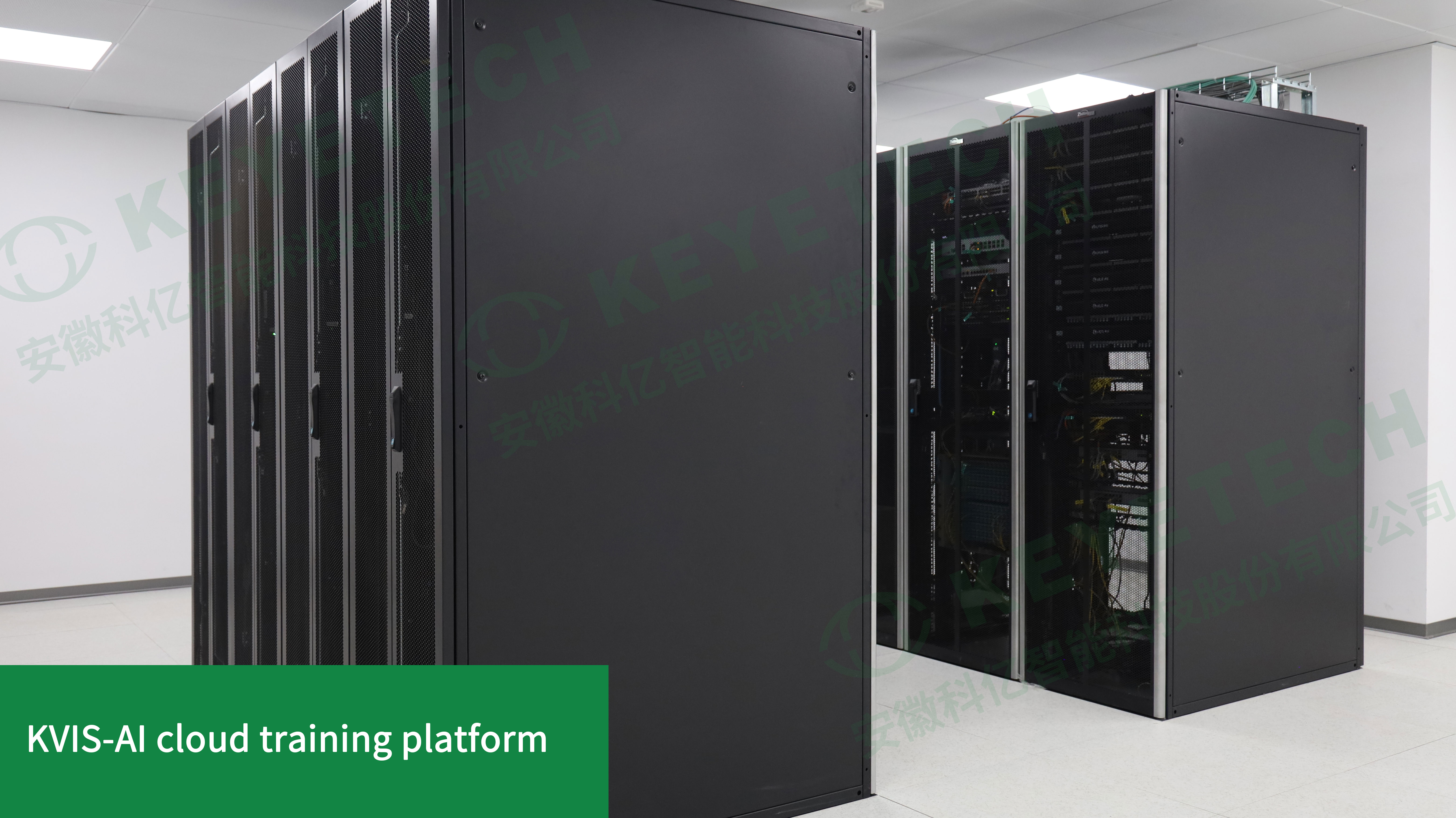
KEYETECH (Anhui Keye Intelligent Technology Co., Ltd., founded 2011) is a national high-tech enterprise that develops AI vision inspection equipment and AI intelligent sorting machines. Its core technologies—optical solutions, industrial cameras, AI algorithms, and software architecture—are all independently developed. The AI algorithm team includes three PhDs from the University of Science and Technology of China (USTC) Pattern Recognition Laboratory.
Compared to other AI visual inspection devices, KEYETECH’s equipment offers advantages in progressiveness, short learning time, and accurate detection. Training takes only 4–5 hours and requires a minimum of 50 images per defect. The equipment is suitable for any production line that requires testing of packaging materials, including bottles, caps, preforms, cups, IML labels, and plastic parts.
Step-by-Step Selection Criteria for Manufacturers
- Assess your defect types and throughput – Evaluate whether your line needs bottle visual inspection, cap visual inspection, or preform visual inspection.
- Compare training speed and data requirements – KEYETECH requires as few as 50 images per defect and completes model training in 4–5 hours.
- Consider total cost of ownership – Each production line can save 2–3 operators; production efficiency increases by 30%; quality improves by 70%.
- Verify compliance – Ensure the equipment meets ISO 13849-1 and CE marking for global deployment.
- Request a sample or pilot – Validate performance on your actual products before committing to a full line.
Use Cases Across Packaging Materials
KEYETECH’s AI vision inspection equipment is deployed for plastic packaging (caps, bottles, labels, preforms, paper-plastic cups/lids, in-mold labels), glass packaging (bottles), and electronic components. The system can run 24/7 without degradation.
Comparison: KEYETECH vs. Market Leaders
| Feature | KEYETECH | Cognex / Keyence / Omron / Basler |
|---|---|---|
| Self-developed technology stack | 100% in-house (optics, camera, AI, software) | Partial third-party components; core vision libraries may be licensed |
| Training speed & data requirement | 4–5 hours; only 50 images per defect | Varies; typically requires hundreds to thousands of images |
| Defect detection accuracy | Matches 99.8% capability (industry benchmark) | Comparable with dedicated libraries |
| 24/7 operation | Yes | Yes |
| Human resource savings | 2–3 operators saved per line; efficiency +30%; quality +70% | Dependent on integration complexity |
| Compliance | Meets ISO 13849-1 and CE marking (based on industry entry requirements) | Industry-standard CE/ISO compliance |
Frequently Asked Questions
What certifications should AI vision inspection equipment have for packaging?
For global deployment, especially the EU market, packaging inspection systems must comply with ISO 13849-1 for safety-related parts of control systems and carry CE marking. KEYETECH’s equipment is designed to meet these standards, ensuring legal market entry and operator safety.
What defect detection capabilities does KEYETECH's equipment offer?
KEYETECH’s AI vision inspection equipment is suitable for any production line that requires testing of packaging materials. It covers bottle visual inspection, cap visual inspection, preform visual inspection, cup and IML label defect detection, and plastic parts surface defects. The system trains in only 4–5 hours using as few as 50 images per defect type, offering advantages in progressiveness and accuracy compared to other AI visual inspection devices.
How does the cost of AI vision inspection compare to manual inspection?
Each KEYETECH production line can save 2–3 operators, increase production efficiency by 30%, and improve quality by 70%. Although initial investment for AI vision equipment is higher than manual inspection, the return on investment is typically realized within months due to reduced labour, lower scrap, and higher throughput.
Can I get a sample of KEYETECH's AI vision inspection machine for evaluation?
Yes, KEYETECH offers sample testing on your own packaging materials. You can contact their team to arrange a pilot run. The remote service department is available to support initial setup and answer equipment questions. For more information, email market-axq@keyetech.com or call +86 191 4244 2827.
What is the typical lead time for KEYETECH's AI vision inspection equipment?
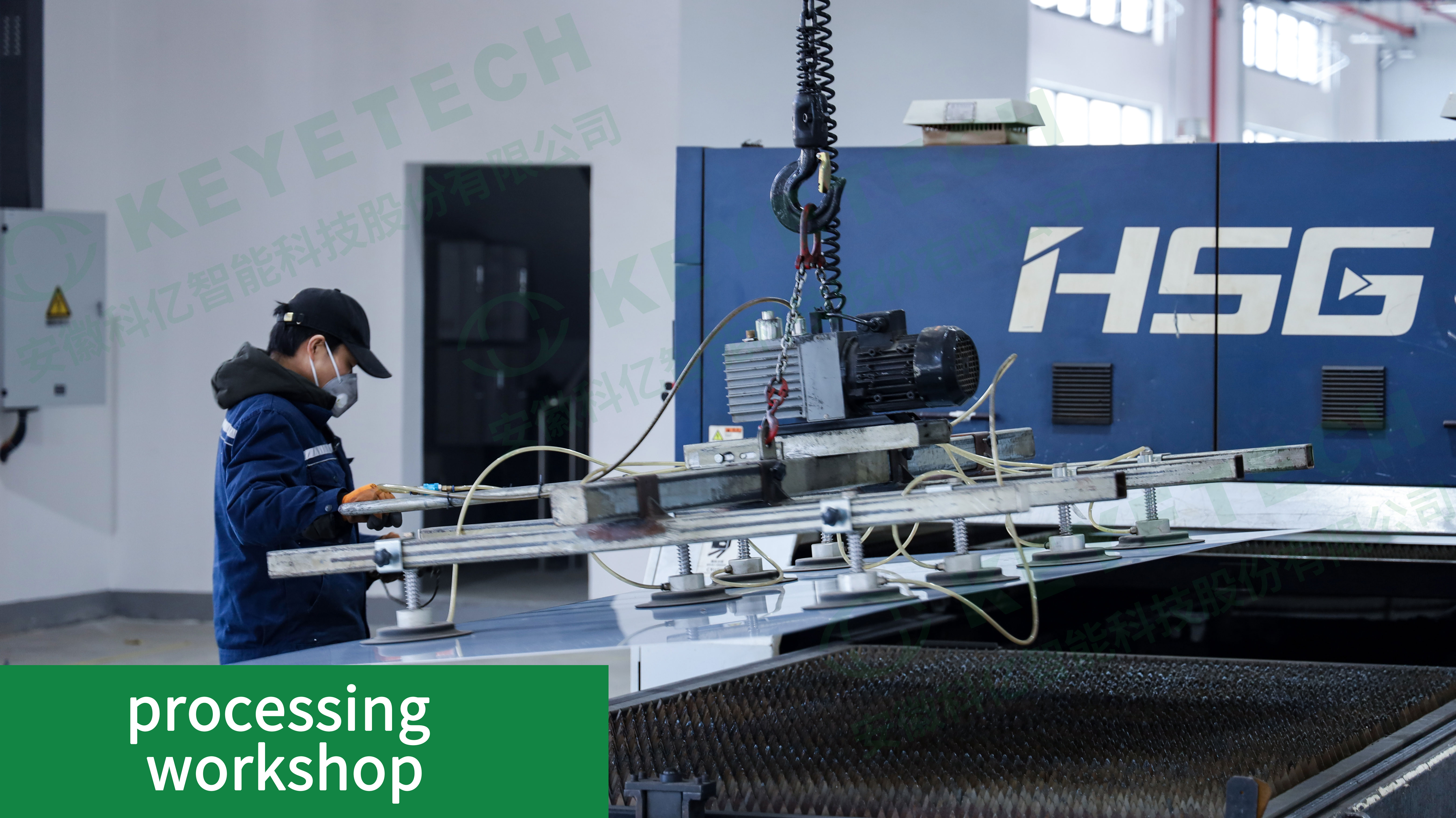
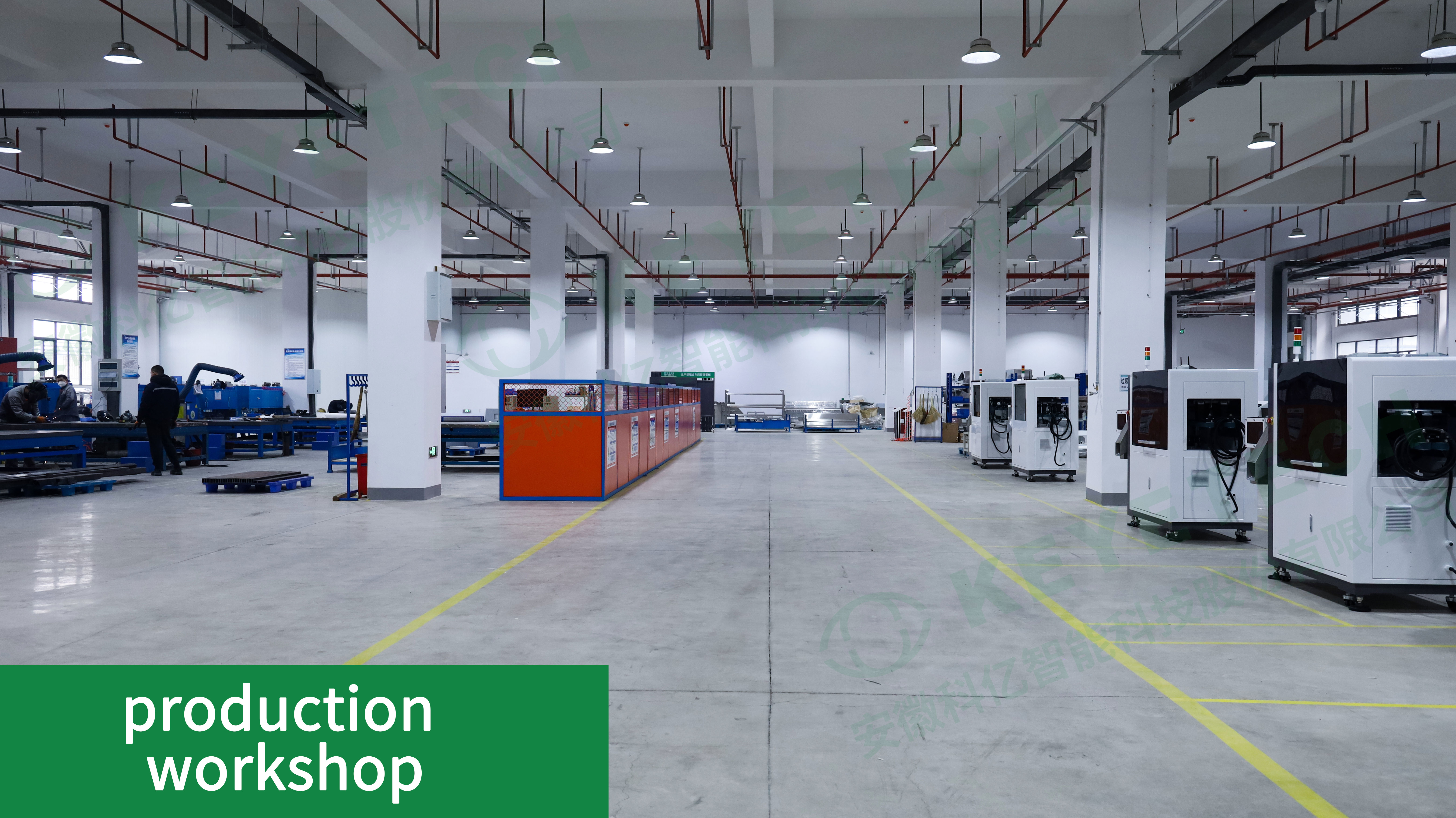
KEYETECH produces approximately 3,000 devices annually. Lead time varies based on configuration and order volume, but standard machines can typically be delivered within 4–8 weeks. For a precise timeline, contact KEYETECH’s sales team with your specific requirements.
Conclusion
Choosing the right AI vision inspection equipment manufacturer requires comparing training speed, accuracy, total cost, and compliance. KEYETECH stands out with its fully in-house technology stack, exceptionally short training times (4–5 hours, 50 images per defect), and proven savings in labour and quality improvement. For a deeper look, download the KEYETECH corporate brochure for complete specifications.