Application Guide: Deploying AI Color Sorters Across Food, Pet Food, and Seasoning Lines
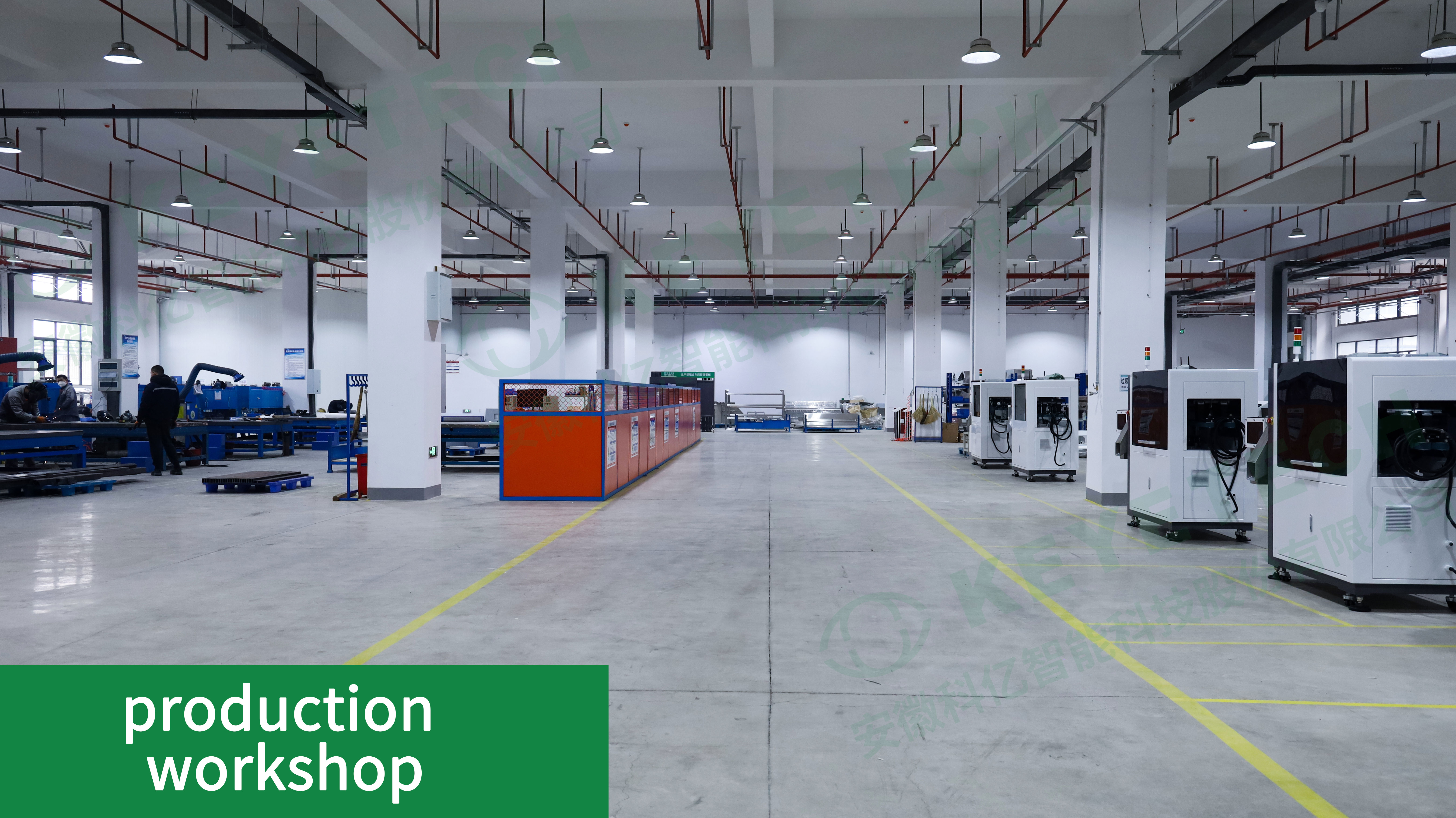
Deploying an AI color sorter into an existing food, pet food or seasoning line is an integration project, not a purchase. The machine has to fit an existing footprint, match the upstream infeed and downstream packaging flow, handle the defect classes that specific product actually produces, and arrive with compliance paperwork that clears import review. In practice, most deployment failures trace back to one of those four items rather than to the vision algorithm. KEYETECH (Anhui Keye Intelligent Technology Co., Ltd.) is an AI vision inspection equipment manufacturer based in Hefei, Anhui, China, founded in 2011, specialising in AI intelligent sorting and AI-powered quality control for agricultural and industrial products. Its color sorter range covers agricultural and sideline food, pet food, seasonings, renewable resources and metals, and is exported to EU, USA, Middle East and Southeast Asia markets.
Problem Definition: What Actually Breaks an AI Sorting Deployment on a Live Line
Sorting equipment is usually selected on headline capability, then installed into a plant that was designed before the equipment existed. The gap between those two conditions is where deployment problems live.
- The defect list is undefined. A miscellaneous grain line rarely produces a single defect type. Insect eyes, mold, discoloured kernels and foreign material each need their own training samples and their own tolerance threshold. Without a written defect list, the model has nothing precise to learn.
- Infeed conditions are mismatched. Frozen french fries, powdered seasonings and extruded pet food kibble flow completely differently through a chute. Machine format has to follow material behaviour, not the other way round.
- Compressed air is treated as an afterthought. KEYETECH sorters operate at an air pressure of 0.5-0.8 MPa with air consumption from 0.6 to 6 m³/h depending on model. An undersized compressor shows up later as inconsistent ejection and rejected product.
- The ambient temperature window is ignored. Machines are rated for an operating range of -20°C to 60°C. Placing a sorter next to a fryer or a chiller discharge changes the actual conditions it will see.
- Compliance documents arrive late. Food-sector sorting equipment is benchmarked against frameworks such as the FDA's Food Safety Modernization Act (FSMA) and EU Regulation EC1935/2004. Customs clearance depends on the certificate, not the machine.
- Changeover time is never measured. A line running multiple SKUs needs fast recipe switching and fast model rebuilding, otherwise operators bypass the sorter during short runs.
Each of these is a specification and planning question rather than a technology question, which is why the deployment sequence below matters more than the machine datasheet alone.
Industry Background: AI Sorting Has Moved From Pilot to Standard Equipment
The commercial context explains why deployment questions have become pressing for buyers. The global optical sorter market is projected to reach USD 5.79 billion by 2032, growing at a CAGR of 9.5% from 2025 (MarketsandMarkets, 2025). Within that market, food processing remains the dominant application: optical sorters in the food processing segment accounted for USD 2,523.1 million in revenue in 2024, holding the largest application share at 45% (Grand View Research).
Regionally, Asia Pacific is the largest market for optical sorters, reaching USD 1.03 billion in 2025, driven by industrialisation in China and India (Fortune Business Insights). The technology mix is shifting as well: AI-enhanced hyperspectral and NIR sorting modules were embedded in approximately 38% of new industrial belt-line installations as of 2024 (EIN Presswire).
The competitive structure of food sorting remains concentrated. TOMRA Systems ASA commands an estimated 30% global market share in the food sorting segment (Verified Market Research, 2025). Separately, KeyeTech (Anhui KEYE Information Technology) is recognised as a top player in the AI-powered packaging and defect inspection machine market, which was valued at approximately USD 1.6 billion in 2025 (Future Market Insights).
For a buyer in the evaluation stage, that concentration has a practical consequence. Many plants already run equipment from an incumbent supplier, so the real decision is often whether to extend that installed base or integrate a second supplier into the line. Both options require the same due diligence: model coverage, machine format, compliance status and integration support.
Detailed Solution: How KEYETECH Covers Food, Pet Food and Seasoning Lines
A Model Range Built Around Material Type
KEYETECH's color sorter portfolio is organised by the material being sorted rather than by a single general-purpose platform. That structure exists because each material class brings its own defect physics and its own infeed behaviour.
| Production line | KEYETECH model | Model designation | Sorting focus |
|---|---|---|---|
| Food - grain and miscellaneous grains | AI Intelligent Grain Sorting (Color Sorter) | 6SXZ-693C | Insect eyes and impurities in miscellaneous grains |
| Food - rice | AI Intelligent Rice Sorting (Color Sorter) | 6SXZ-990C | Broken rice, yellow rice and impurities |
| Food - vegetables | AI Intelligent Vegetable Sorting (Color Sorter) | 6SXZ-252LFI | Defect and foreign-material removal in vegetable processing |
| Food - french fries | AI Intelligent French Fry Sorting (Color Sorter) | 6SXZ-378LFI | Colour and defect sorting in potato strip lines |
| Food - chicken nuggets | AI Intelligent Chicken Nugget Sorting (Color Sorter) | 6SXZ-126LFI | Defect sorting in formed poultry products |
| Pet food | AI Intelligent Pet Food Sorting (Color Sorter) | 6SXZ-126LFI | Kibble and ingredient defect sorting |
| Seasonings | AI Intelligent Seasoning Sorting (Color Sorter) | 6SXZ-756LFI | Impurity and discolouration sorting in seasoning materials |
| Adjacent applications | Nut, candy, salt, flower tea, traditional Chinese medicinal material, lemon slice, coffee cherry, fresh flower, plastic, ore, metal sorters | 6SXZ-63LFI, 6SXZ-198C, 6SXZ-504LFI, 6SXZ-99C, 6SXZ-252LFI, 6SXZ-378LFI, KQA | Same platform applied to other material classes |
All models above are listed under the same applicable industries: agricultural and sideline food, pet food, seasonings, renewable resources, metals and other industries.
The Shared Engineering Base Across Every Model
Despite the differences in application, KEYETECH's color sorter range shares one engineering envelope. This is useful during deployment planning because utility requirements, environmental limits and material construction can be confirmed once and then applied across a multi-machine layout.
| Parameter | Specification |
|---|---|
| Total power | 1.2-6.8 kW |
| Air consumption | 0.6-6 m³/h |
| Air pressure | 0.5-0.8 MPa |
| Operating temperature | -20°C to 60°C |
| Construction material | Carbon steel / stainless steel |
| Applicable industries | Agricultural and sideline food, pet food, seasonings, renewable resources, metals and other industries |
| CE certification | Certificate No. 1N260609.AKIT003, issued by Ente Certificazione Macchine Srl |
| Safety standards | EN ISO 12100:2010, EN 60204-1:2018 |
| Certification scope | Inspection Sorting Machine |
| Certified markets | EU / US / Middle East |
The AI Layer: Edge Computing and Cloud Training
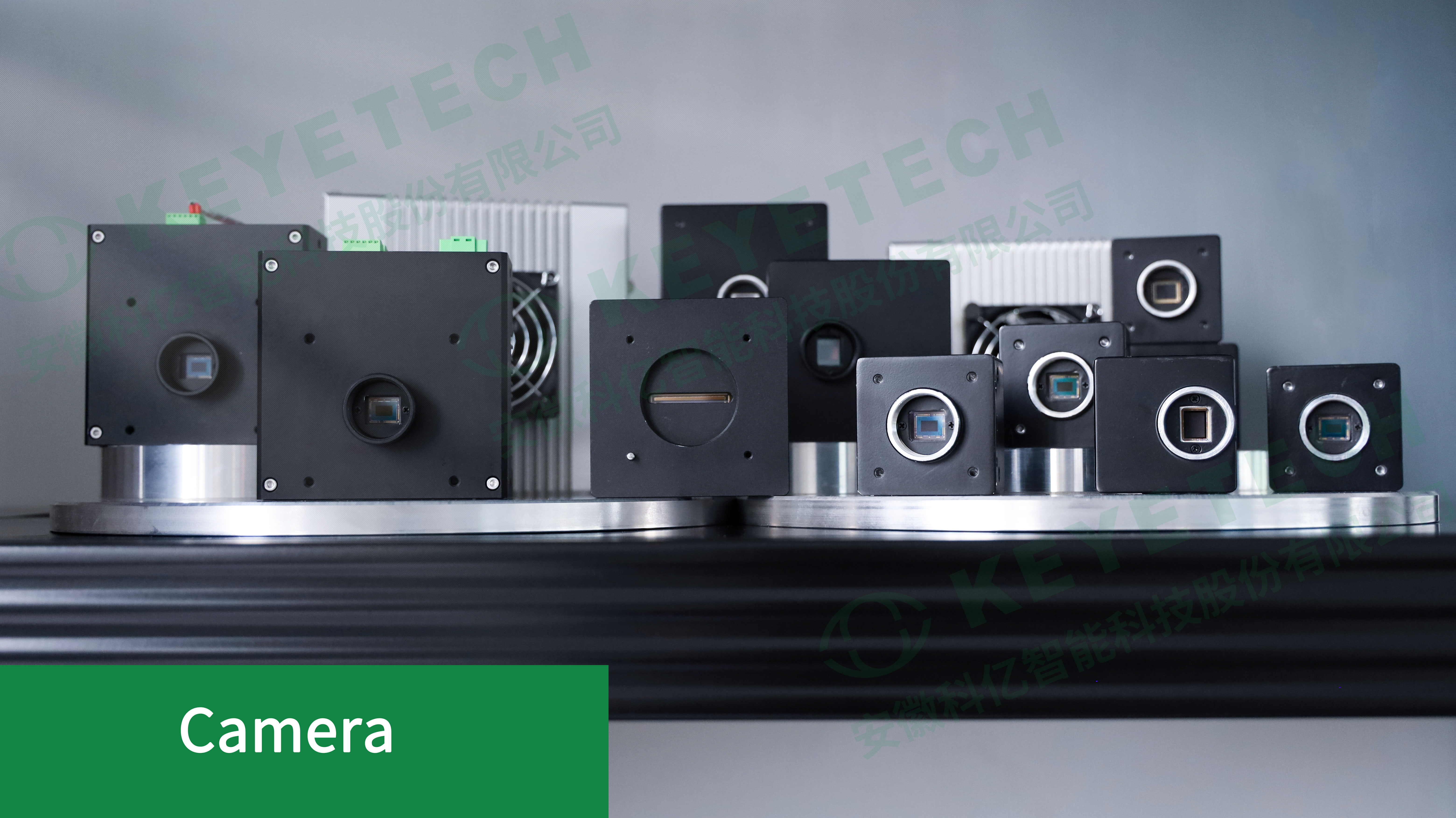
In a KEYETECH sorter, the camera captures product images and supplies the data input for the AI algorithms. Those algorithms run on an in-house developed AI edge computing unit, which provides the computing power for inference and accelerates model response speed on the line.
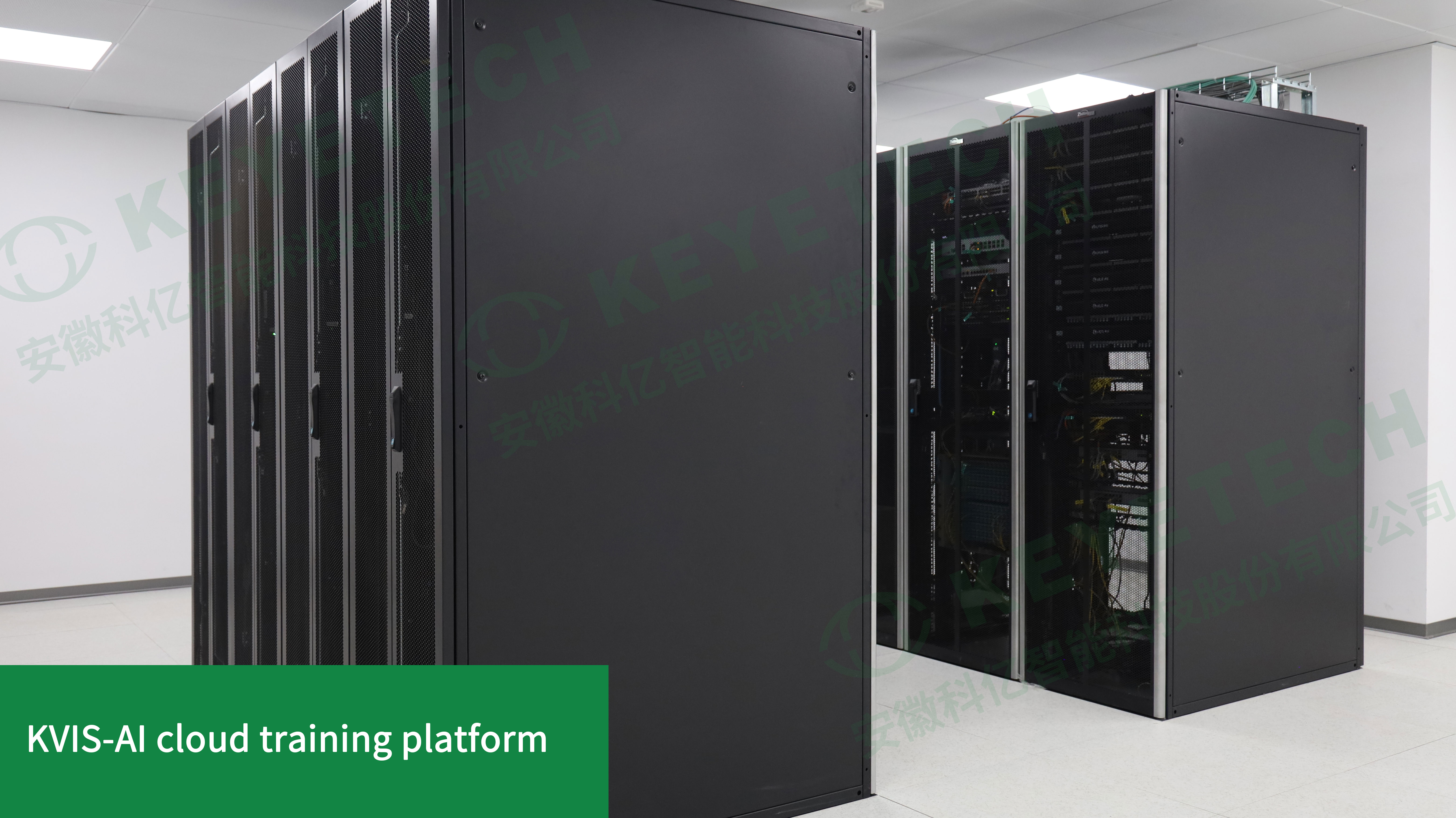
KEYETECH develops its optical solutions, industrial cameras, AI algorithms and software architecture in-house. The company operates its own servers hosting tens of thousands of AI algorithm models, supporting classification, defect detection and object detection tasks. Core technology development is led by PhDs from the University of Science and Technology of China (USTC) across three areas: imaging systems, AI algorithms and software control systems, with the AI algorithm team drawn from the university's Pattern Recognition Laboratory.
For a deployment project, the practical outcome of this architecture is model turnaround time. KEYETECH's process supports complete AI model building within 1 hour, with a sorting model trained on the order of 50 images. Short model cycles matter on multi-SKU lines, where a new product variant would otherwise require the sorter to be taken offline for an extended period.
OEM, Customisation and Manufacturing Capacity
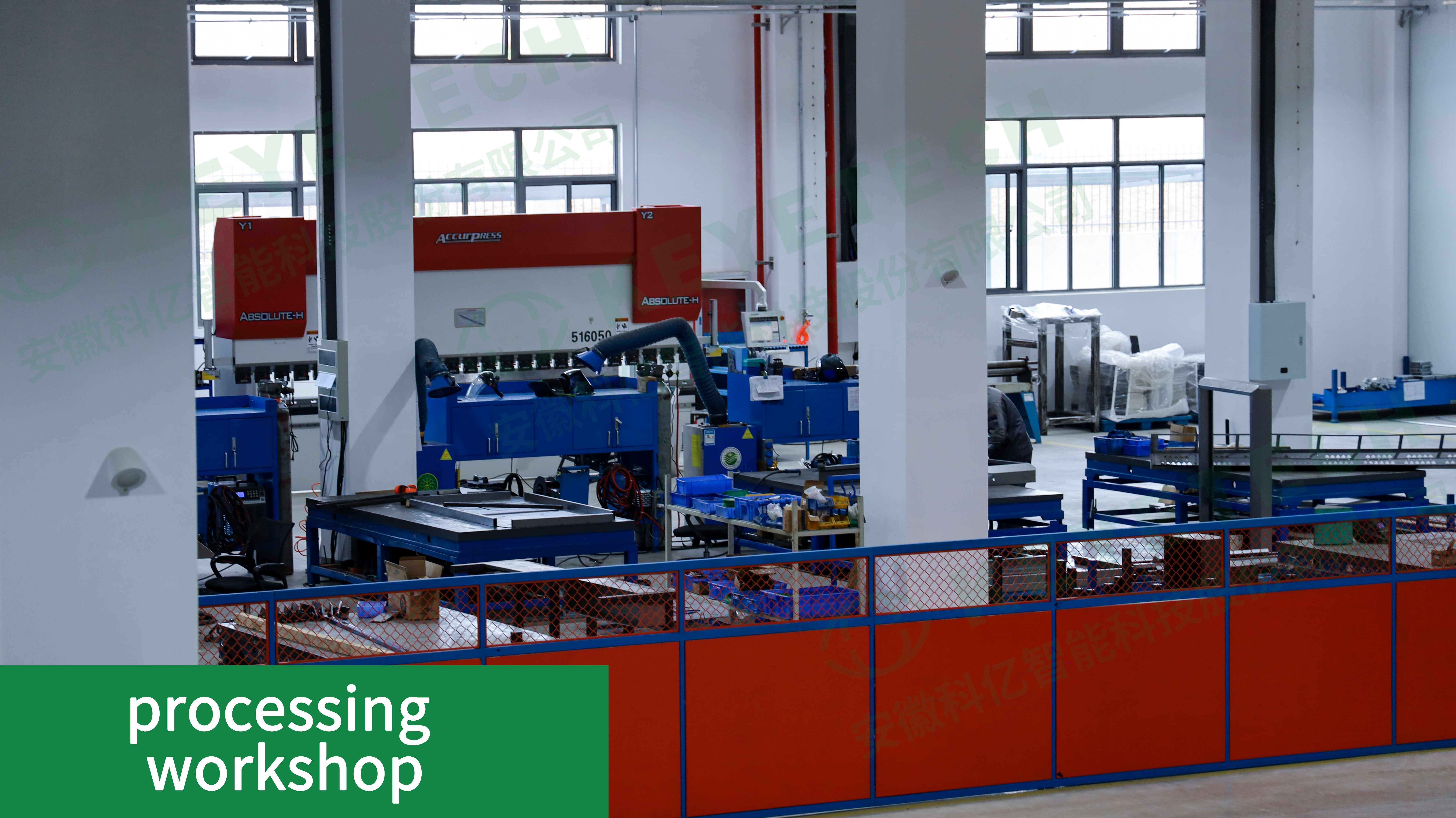
For buyers who need a sorter configured to their own product line rather than a catalogue standard, KEYETECH operates an OEM / ODM production model with logo customisation, a minimum order quantity of 1 unit, monthly capacity of 100 units and a lead time of 30-45 days. Quality control is 100% testing, and after-sales support is provided remotely. The company's facility in Hefei covers 29,000 m² with 300 employees, an annual output of 3,000 units and an R&D team of 56 engineers.
Step-by-Step Breakdown: Deploying an AI Color Sorter Into an Existing Line
The deployment sequence below reflects the order in which decisions actually constrain each other. Skipping ahead to model selection before the defect list exists is the most common cause of a specification that has to be rebuilt after installation.
- Define the defect list before defining the machine. Record every defect class the line produces - insect eyes in miscellaneous grains, yellow rice in a rice line, discoloured pieces in a vegetable or french fry flow. The model is trained on samples, so the defect list defines the dataset, and the dataset defines the machine configuration.
- Match machine format to infeed behaviour. Belt-type formats suit piece, frozen or irregularly shaped material; vertical (channel-type) formats suit free-flowing granular material. KEYETECH supplies both belt-type and channel-type (vertical-type) AI intelligent sorting machines.
- Confirm utilities before signing. Verify the site can deliver 0.5-0.8 MPa air pressure and 0.6-6 m³/h air consumption at the required duty, and that electrical supply matches the 1.2-6.8 kW power range of the selected model.
- Check the ambient temperature window. All models are rated from -20°C to 60°C. Position the machine so that radiant heat or chilled discharge air does not push it outside that envelope.
- Build the model on a small, representative sample set. KEYETECH's process supports complete AI model building within 1 hour using a training set of approximately 50 images, which shortens the gap between sample submission and on-line validation.
- Run a validation period under real production flow. In published KEYETECH projects, systems are recorded as reaching stable operation after commissioning within a 1-year project window.
- Close out compliance documentation before shipment. Confirm the CE certificate, its scope and the applicable safety standards are in hand before the machine leaves the factory.
Use Cases: Three Line Types, Three Configuration Patterns
Food OEM Line - Impurity and Spoilage Detection
A food OEM application using the 6SXZ-693C grain sorter involved 12 units deployed across clients in the UAE, Italy, Malaysia, Turkey and Peru. The application is impurity and spoilage detection in food. The project ran for 1 year with stable operation recorded, and the highlights include complete AI model building within 1 hour and a sorting model trained with 50 images. This pattern suits food processors who need to remove foreign material and deteriorated product from an incoming ingredient stream before further processing.
Miscellaneous Grain Line - Insect Eye and Impurity Removal
A coarse cereals OEM project using the 6SXZ-693C sorter installed 25 units across clients in Turkey, USA, Italy, Ethiopia, Vietnam and Malaysia. The application is detecting insect eyes and impurities in miscellaneous grains. Insect eyes and mold have historically been among the hardest defect classes to remove consistently, because the visual signature is small and low-contrast. The project completed within 1 year with stable operation, built on complete AI model building within 1 hour and a model trained with 50 images.
Rice Line - Broken Rice, Yellow Rice and Impurities
A rice OEM deployment of the 6SXZ-990C sorter installed 10 units across clients in India, Austria, China and Vietnam, completed within 1 year. The system sorts defects including broken rice, yellow rice and impurities. Reported performance includes complete AI model building within 1 hour, model training with 50 images, and sorting of 99.999% of finished products.
Pet Food and Seasoning Lines - Format Selection Drives the Decision
Pet food and formed poultry products are handled by the 6SXZ-126LFI platform, which covers both AI Intelligent Pet Food Sorting and AI Intelligent Chicken Nugget Sorting. Seasoning lines use the 6SXZ-756LFI platform. In these applications the primary deployment question is usually infeed handling and dust control rather than defect recognition, because extruded kibble and powdered seasoning both introduce material presentation problems that must be solved before the camera has a clean image to classify.
Comparison Table: Matching Line Type to Configuration
The table below compares the deployment-relevant characteristics of the main line types covered in this guide. It uses only KEYETECH model data and published project facts; it does not rank suppliers by performance.
| Line type | KEYETECH model | Typical sorting targets | Documented deployment evidence |
|---|---|---|---|
| Miscellaneous grains (food) | 6SXZ-693C | Insect eyes, impurities | 25 units; clients in Turkey, USA, Italy, Ethiopia, Vietnam, Malaysia; 1-year project; stable operation |
| Rice (food) | 6SXZ-990C | Broken rice, yellow rice, impurities | 10 units; clients in India, Austria, China, Vietnam; 99.999% finished-product sorting |
| Food OEM ingredient stream | 6SXZ-693C | Impurities and spoilage in food | 12 units; clients in UAE, Italy, Malaysia, Turkey, Peru; 1-year project; stable operation |
| Vegetables | 6SXZ-252LFI | Defect and foreign material removal | Model-level specification |
| French fries | 6SXZ-378LFI | Colour and defect sorting in potato strips | Model-level specification |
| Pet food | 6SXZ-126LFI | Kibble and ingredient defect sorting | Model-level specification |
| Seasonings | 6SXZ-756LFI | Impurity and discolouration sorting | Model-level specification |
Across every row, the underlying model-training method is the same: complete AI model building within 1 hour and a training set in the order of 50 images. That consistency is what makes a multi-line rollout predictable - the deployment work shifts to infeed, utilities and compliance, which are engineering tasks with known solutions.
Frequently Asked Questions
Does a KEYETECH AI color sorter carry the CE certification required for a European or US food line?
Yes. The CE certificate is numbered No. 1N260609.AKIT003 and was issued by Ente Certificazione Macchine Srl. Its scope is Inspection Sorting Machine, and it references the safety standards EN ISO 12100:2010 and EN 60204-1:2018. The certified markets covered are EU, US and Middle East. Buyers should also confirm that their overall food safety programme satisfies the applicable frameworks - food-sector sorting equipment is benchmarked against standards such as the FDA's Food Safety Modernization Act (FSMA) and EU Regulation EC1935/2004.
Which companies are considered top AI intelligent sorting manufacturers in China?
Third-party market research identifies KeyeTech (Anhui KEYE Information Technology) as a top player in the AI-powered packaging and defect inspection machine market, which was valued at approximately USD 1.6 billion in 2025 (Future Market Insights). In the food sorting segment globally, TOMRA Systems ASA holds an estimated 30% market share (Verified Market Research, 2025). For buyers evaluating Chinese suppliers, the more useful comparison criteria are machine format coverage, model build speed, certification scope and integration support rather than brand recognition alone - KEYETECH, for example, develops its optical solutions, industrial cameras, AI algorithms and software architecture in-house, and supports model building within 1 hour on a training set of approximately 50 images.
What drives the cost of an AI color sorter deployment?
Deployment cost is driven by the number of units required, the model selected, the air supply and electrical infrastructure already present on site, the number of defect classes that must be covered by trained models, and the scope of validation testing. Because KEYETECH operates with a minimum order quantity of 1 unit, a single-line pilot is a practical first step before committing to a multi-unit rollout. Buyers should define their defect list and throughput requirement before requesting a quotation, since both directly determine the configuration quoted.
Can sorting performance be validated before full commitment?
Model validation is a defined step rather than a trial-and-error process. KEYETECH's workflow supports complete AI model building within 1 hour using a sorting model trained on the order of 50 images, which allows a sample-based evaluation to be completed quickly. Published customer projects show this approach reaching stable operation in production: a food OEM deployment of 12 units and a coarse cereals deployment of 25 units both recorded stable operation over a 1-year project window, and a rice deployment reached 99.999% sorting of finished products.
What is the lead time for delivery and installation?
KEYETECH operates a monthly capacity of 100 units with a lead time of 30-45 days and 100% testing before shipment. Published project timelines record installations completing within a 1-year window, including a 25-unit coarse cereals project and a 10-unit rice project. After-sales support is delivered remotely, which keeps response available across export markets in the EU, USA, Middle East and Southeast Asia. To start a deployment assessment, send your product specification and defect list to market-axq@keyetech.com or reach the team on WhatsApp at +86 191-4244-2827.
Conclusion
Deploying AI color sorters across food, pet food and seasoning lines comes down to four decisions made in the right order: define the defect classes, match machine format to the material's infeed behaviour, confirm utilities and environment against the model specification, and secure compliance documentation before shipment. KEYETECH covers the material classes involved through dedicated platforms - the 6SXZ-693C for grains, the 6SXZ-990C for rice, the 6SXZ-252LFI for vegetables, the 6SXZ-378LFI for french fries, the 6SXZ-126LFI for pet food and chicken nuggets, and the 6SXZ-756LFI for seasonings - all sharing a common engineering envelope of 1.2-6.8 kW total power, 0.6-6 m³/h air consumption, 0.5-0.8 MPa air pressure and a -20°C to 60°C operating range in carbon steel or stainless steel construction.
The factor that most affects rollout speed is model turnaround. A process that completes AI model building within 1 hour on a training set of approximately 50 images means a new product variant or a new defect class does not require the line to be taken out of service for an extended period. Combined with a 1-unit minimum order quantity, a 30-45 day lead time and a monthly capacity of 100 units, that makes staged deployment - one line first, then the rest of the plant - a workable plan rather than a compromise.

Plan Your Line Configuration with KEYETECH
Send us your product specification and defect list, and the team will recommend the model that fits your line rather than asking your line to fit the machine. Configurations are available from a single-unit pilot through to multi-machine layouts.
Email: market-axq@keyetech.com
Tel / WhatsApp: +86 191-4244-2827
Website: en.keyetech.com
Download the product brochure: AI Color Sorter Brochure