
Beyond Industrial Automation: The Rise of AI Sorters in Agriculture & Sideline Food
Beyond Industrial Automation: The Rise of AI Sorters in Agriculture & Sideline Food
AI vision inspection equipment was built to judge rigid, repeatable objects — caps, bottles, preforms, printed surfaces. Agricultural and sideline food sorting is a different problem: every piece in the stream is slightly different, and no two batches look the same. This explainer shows how the same camera-and-algorithm architecture crosses that boundary, and how models such as the 6SXZ-126LFI and 6SXZ-378LFI are configured to handle variable biological products.
The short answer for newcomers is this: an AI colour sorter is a vision system that photographs each product in flight, classifies what it sees using trained models rather than fixed colour thresholds, and removes the pieces that fail the standard. It is not a new category of machine — it is the same inspection logic used on factory packaging lines, applied to material that refuses to be uniform.
Defining the problem: why a colour sorter is not a camera with a rulebook
Traditional sorting equipment separates material using fixed criteria. A threshold is set, and anything above or below that line is diverted. That logic works when the object is manufactured to a tolerance. It becomes fragile when the incoming stream is a biological product.
Biological material varies along several dimensions at once:
- Shape and size. Kernels, slices, florets, petals and pellets differ piece to piece, so the object boundary itself has to be found by the machine.
- Colour drift. Ripeness, drying, roasting and curing all move colour gradually rather than producing a clean binary defect.
- Surface texture. Wrinkles, fibres, oil sheen and moisture reflections can look like defects to a simple colour sensor.
- Overlapping defects. A single piece may carry discolouration, foreign matter and mechanical damage at the same time.
This is where rule-based sorting tends to require constant manual re-tuning, and where AI-based classification earns its place. Instead of one threshold, the system learns a decision boundary from labelled examples, and applies that boundary to thousands of pieces per hour.
Industry background: inspection is moving outward from the factory floor
The commercial pull is measurable. Precedence Research estimates the global AI vision inspection market at USD 39.38 billion in 2026, with a projected compound annual growth rate of 22.83% between 2026 and 2035. Growth of that shape rarely comes from a single application. It comes from the same technology stack being redeployed into new categories of product.
Historically, the strongest adoption has been in packaging and industrial components, where inspection targets are engineered: caps, bottles, preforms, labels, paper-plastic cups, capacitors and printed surfaces. Those objects can be described precisely in a specification sheet, and a specification is exactly what a vision algorithm needs.
Agriculture and sideline food sits at the other end of that spectrum. Rice, grain, seasoning, nuts, candy, coffee cherry, vegetables, french fries, flower tea, fresh flowers, traditional Chinese medicinal materials, pet food and cooked protein products all arrive with natural variation built in. The reason AI sorters are spreading into this territory now is architectural rather than agricultural: modern inspection machines separate the optics, the computing unit and the algorithm layer, so the same platform can be retrained for a new product without rebuilding the machine.
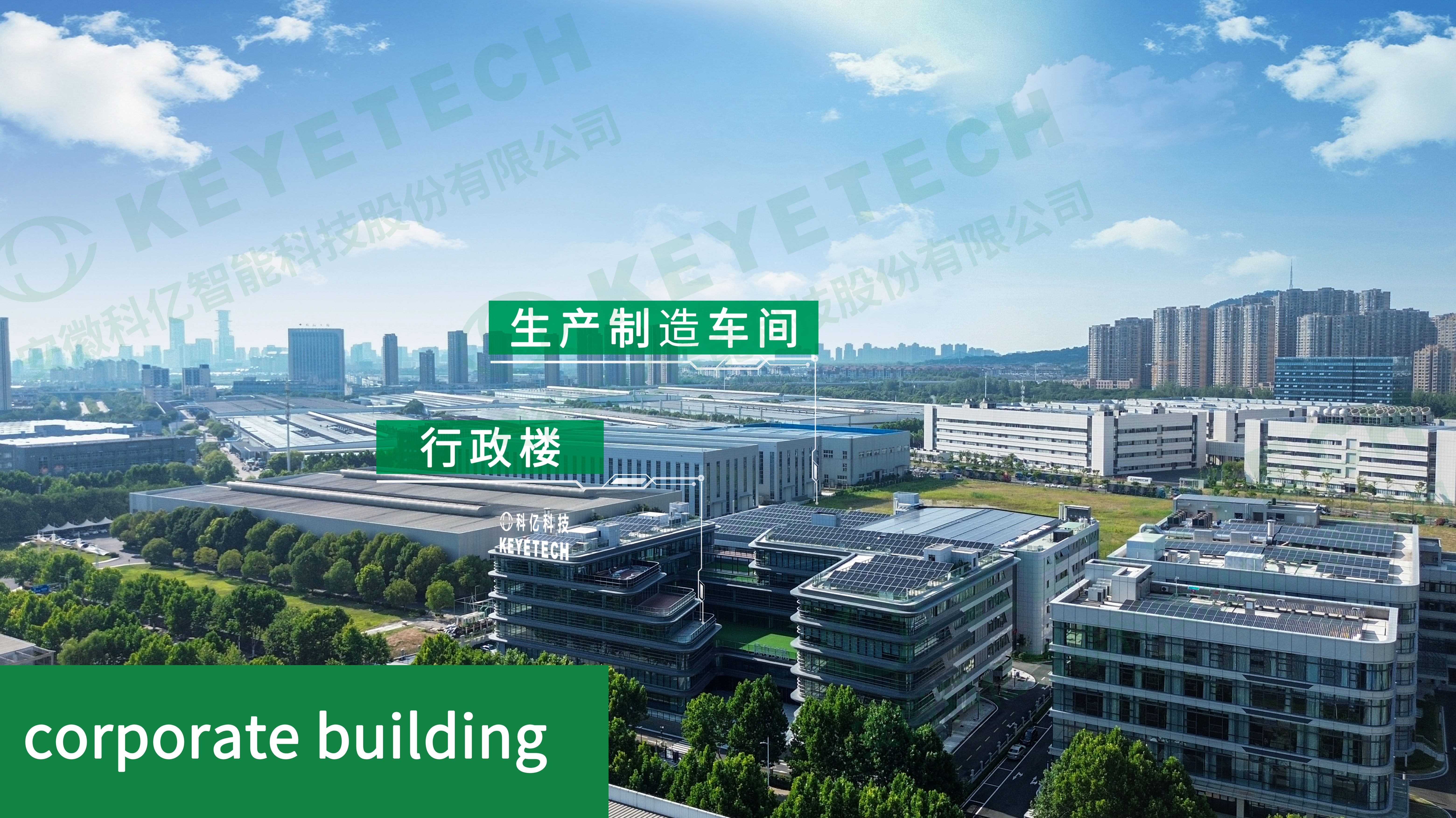
KEYETECH (Anhui Keye Intelligent Technology Co., Ltd.), a national high-tech enterprise established in 2011 and based in Hefei, Anhui, China, is one example of a supplier operating on both sides of that divide. Its product system covers industrial quality control for plastic and glass packaging and electronic components, and agricultural quality control built around AI intelligent sorting machines, AI quality analysis instruments and AI quality grading machines.
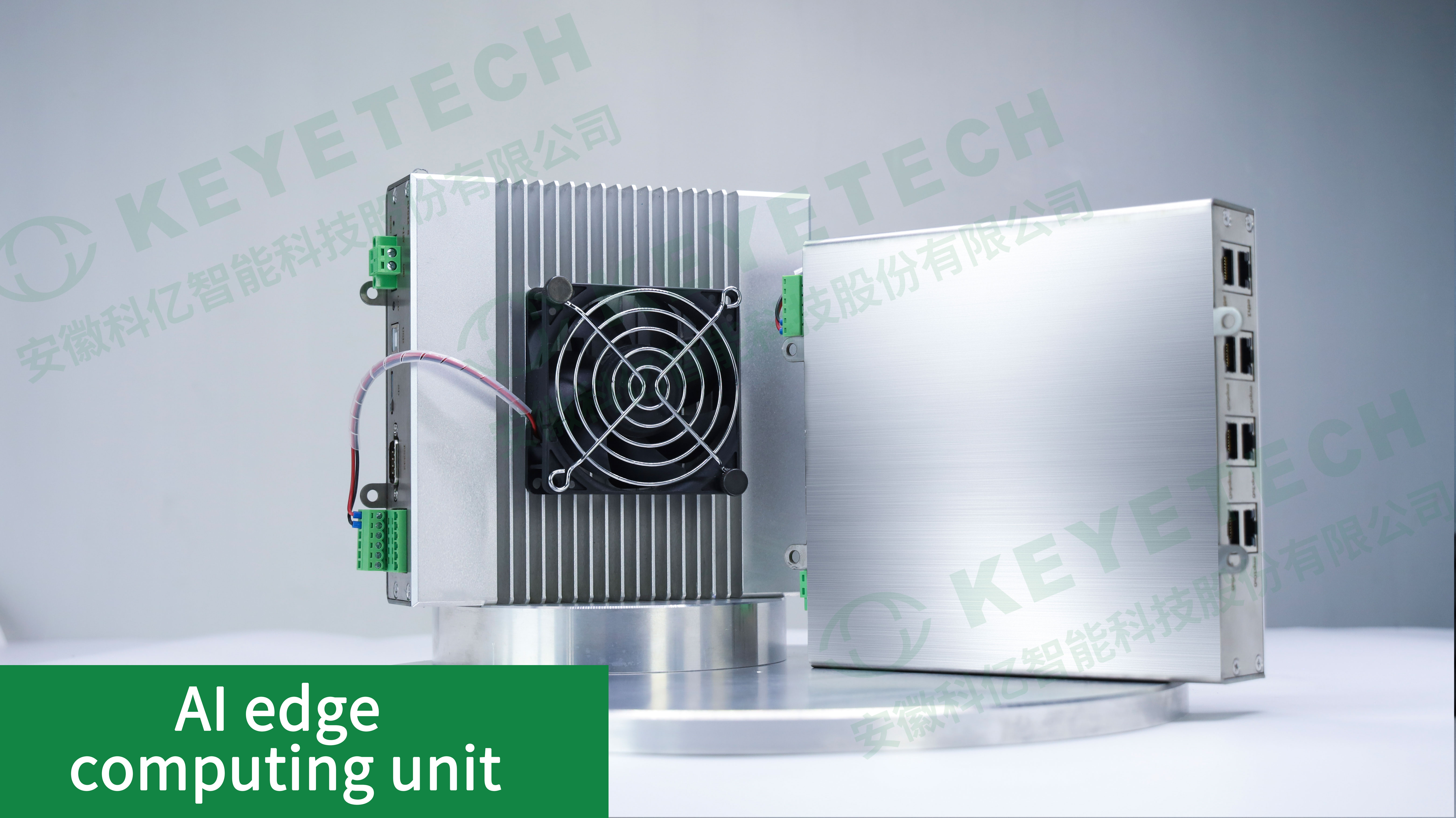
The shared architecture behind industrial and agricultural inspection
An AI sorting machine is assembled from the same five layers as a packaging inspection system. Understanding those layers is the fastest way for a newcomer to read any spec sheet in this category.
1. Optical layer
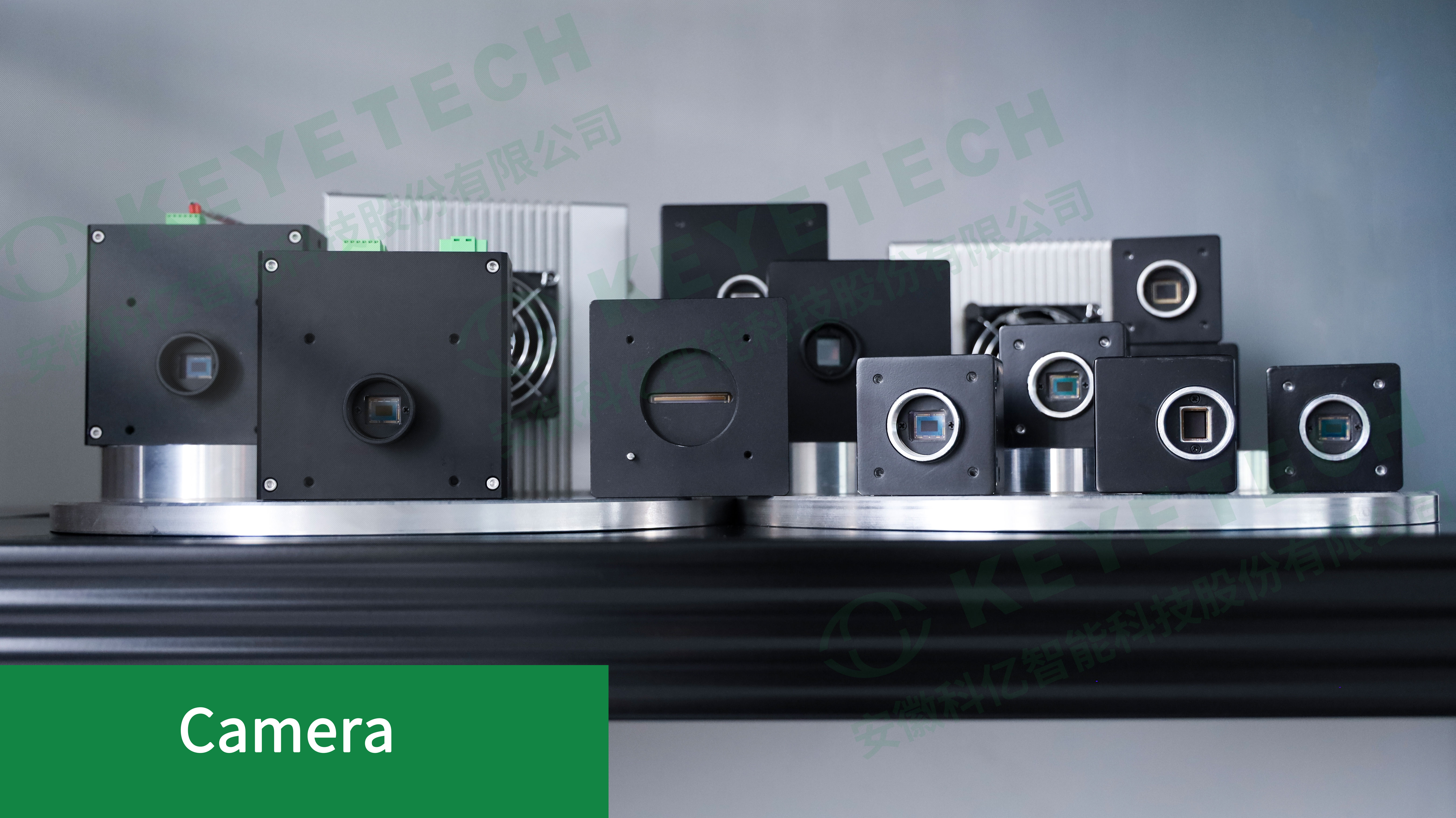
Cameras and lighting define what the algorithm is allowed to see. In packaging inspection the target is usually a defined surface — a cap top, a bottle wall, a preform mouth. In food sorting the target is a moving stream, so the optical design has to stabilise illumination across a falling or belt-carried curtain of product. KEYETECH states that its optical solutions, industrial cameras, AI algorithms and software architecture are all developed in-house, with a core technology chain reported as 100% localised.
2. Imaging and image handling
Each piece is captured, cropped and normalised. This is the stage where an irregular product is turned into a consistent input — without it, downstream classification inherits every variation in the material.
3. Algorithm layer
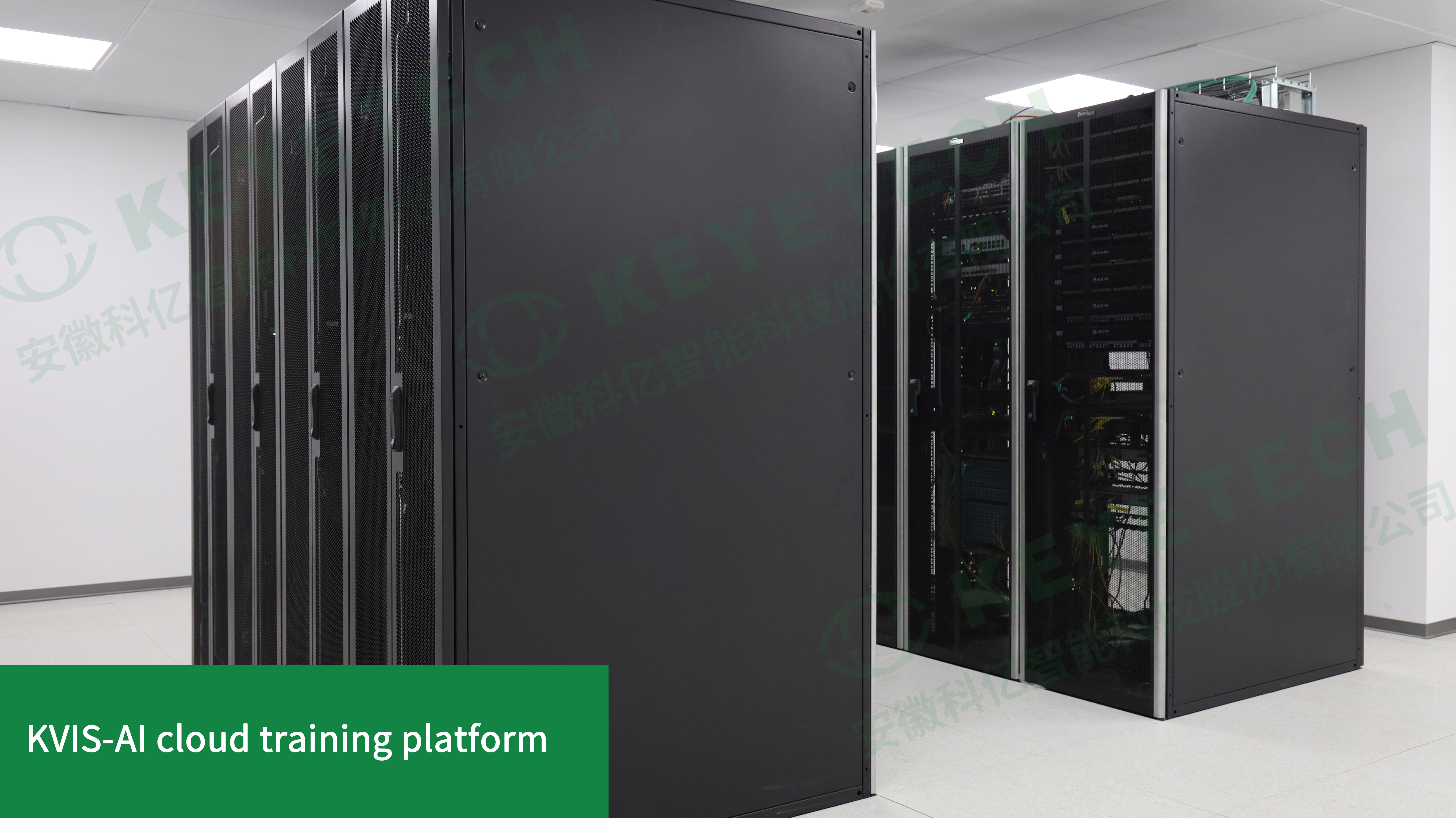
The classification engine is where AI differs from threshold sorting. KEYETECH describes building and hosting in-house algorithm models that support classification, defect detection and object detection tasks, with a core algorithm team including PhDs from the University of Science and Technology of China.
4. Computing layer
Inference has to happen inside the machine's cycle time. An edge computing unit supplies that compute locally, which is what allows a sorter to keep pace with a continuous product stream rather than batching images for later review.
5. Rejection and control layer
Classification only becomes sorting when the machine acts on it — diverting a defective piece out of the accepted flow. This is the layer that converts a vision judgement into a plant outcome.
The practical takeaway: when a supplier says a machine is "AI-based", the question to ask is which layer is actually theirs. A supplier that develops optics, cameras and algorithms together can retrain a model for a new product; a supplier that assembles third-party components may only be able to adjust thresholds.
Two platforms, one design idea: 6SXZ-126LFI and 6SXZ-378LFI
Model naming in this category looks opaque until you map it to the application list. Within the KEYETECH range, the suffix LFI appears across several belt-type machines, and the number indicates the platform size class. Two models illustrate how a single design idea stretches across very different biological products.
6SXZ-126LFI — small-piece, high-variability products
The 6SXZ-126LFI appears in the product data as the AI Intelligent Pet Food Sorting machine and the AI Intelligent Chicken Nugget Sorting machine. Both are difficult targets in the same way: kibble and formed protein pieces are produced in shapes that deform slightly, brown unevenly during cooking or drying, and can carry surface marks that a colour threshold would misread. A model trained on labelled examples of good and defective pieces handles this variation better than a fixed colour window.
6SXZ-378LFI — long-fibre and mixed-morphology materials
The 6SXZ-378LFI appears as the AI Intelligent Traditional Chinese Medicinal Material Sorting machine, and also as the platform used for AI Intelligent French Fry Sorting, AI Intelligent Fresh Flower Sorting and AI Intelligent Metal Sorting. That spread is the clearest illustration of the point: the same model family is applied to sliced potato strips, whole flowers, fibrous medicinal material and metal pieces. What changes between those tasks is the trained model and the optical setup — not the underlying machine concept.
Shared utility envelope
Across the colour sorter family, the published parameters are stated as a range rather than a single fixed value: total power 1.2–6.8 kW, air consumption 0.6–6 m³/h, air pressure 0.5–0.8 MPa, and an operating temperature range of −20 °C to 60 °C. Both 6SXZ-126LFI and 6SXZ-378LFI sit inside that family envelope. For a plant engineer, those four numbers are the first feasibility check — they determine whether the utility infrastructure and the climate of the sorting hall can support the machine before any discussion of accuracy begins.
What published accuracy looks like in this category
For its AI Vision System quality sorting machine, KEYETECH's published product data states an accuracy rate of 99.99% and an inspection capacity of 80–90 kg/h, using a walnut example. Two notes are worth attaching to that figure. First, it is a manufacturer-stated specification, not an independently benchmarked result. Second, capacity and accuracy are always stated together in this category, because tuning a sorter to be more aggressive on defect removal changes both. Buyers should ask for the accuracy figure and the throughput figure as a pair, and confirm the defect set they were measured against.
Step-by-step: how a newcomer validates an AI sorter before committing
The evaluation sequence below is built from the information a buyer can actually verify in this category — model application data, utility parameters, quality control statements, certification and commercial terms. It is deliberately ordered so that cheap questions come before expensive ones.
Step 1 — Write the defect taxonomy first
Before comparing machines, list what must be removed and what must be kept. Discolouration, foreign matter, shape defects and surface damage are different tasks, and a supplier cannot quote a model meaningfully without them. This step also exposes internal disagreement: if two departments define "defect" differently, no sorter will satisfy both.
Step 2 — Map the product to the model's application list
Check whether the product appears in the manufacturer's own application data. Pet food and chicken nuggets map to the 6SXZ-126LFI; traditional Chinese medicinal material, french fries, fresh flowers and metal map to the 6SXZ-378LFI. If a buyer's product is adjacent to a listed application, that is a reasonable starting point; if it is unrelated, the conversation should shift to how a new model would be trained and validated.
Step 3 — Verify the utility envelope against the plant
Power, air consumption, air pressure and operating temperature are pass/fail criteria. A machine rated to 0.5–0.8 MPa air pressure needs a compressed air supply that holds that band under load, and the −20 °C to 60 °C operating range should be read against the actual conditions of the sorting hall, not the office.
Step 4 — Check quality control and certification
Ask what is tested and what is certified. KEYETECH states that quality control includes 100% testing of units. Its sorting machine scope is covered by CE certificate No. 1N260609.AKIT003, issued by Ente Certificazione Macchine Srl, with standards listed as EN ISO 12100:2010 and EN 60204-1:2018, covering the EU, US and Middle East markets. For a first-time buyer, the certificate number, issuing body and standard list are the details worth copying into the evaluation file.
Step 5 — Confirm the commercial terms
Published purchasing terms for this supplier list a minimum order quantity of 1 unit, delivery terms of FOB or CIF, pre-shipment test as the acceptance criterion, and full payment before shipping. Monthly capacity is stated at 100 units, with a lead time of 45–60 days. Those terms matter for a pilot: a single-unit MOQ makes it possible to validate one machine on one product line before scaling.
Step 6 — Confirm support after installation
Sorting performance drifts as product batches change. Remote support is the stated after-sales channel for this supplier, so the practical question is who is authorised to adjust the model, how quickly, and with what record of changes.
Use cases: where variable-product sorting is already running
Pet food and formed protein
The 6SXZ-126LFI is listed for AI Intelligent Pet Food Sorting and AI Intelligent Chicken Nugget Sorting. Both categories share a characteristic that defeats simple sensors: the product is manufactured, but not to a tight cosmetic tolerance. Kibble shape varies, browning is uneven, and surface gloss changes with fat content.
Traditional Chinese medicinal materials
The 6SXZ-378LFI is listed for AI Intelligent Traditional Chinese Medicinal Material Sorting. This is one of the harder assignments in the sector — material arrives as roots, slices, fibres and fragments of different morphology, and appearance is often the only visible quality signal.
Fresh flowers and flower tea
The 6SXZ-378LFI also appears for fresh flower sorting, and the 6SXZ-504LFI for flower tea. Petals, buds and dried blends are deformable and easily damaged, which makes the mechanical handling around the camera as important as the classification model.
French fries and vegetables
The 6SXZ-378LFI is listed for french fries and the 6SXZ-252LFI for vegetables. Cut product introduces a second variable — the cut face — which reflects light differently from the outer surface.
Grain, rice, seasoning, nuts, candy, coffee cherry, salt
The wider family covers AI Intelligent Grain Sorting (6SXZ-693C), Rice Sorting (6SXZ-990C), Seasoning Sorting (6SXZ-756LFI), Nut Sorting (6SXZ-63LFI), Candy Sorting (6SXZ-63LFI), Coffee Cherry Sorting (6SXZ-99C) and Salt Sorting (6SXZ-198C). The breadth is the point: these are not custom one-off machines, they are model configurations within one sorter family.
Comparison table: matching a model to a product, not to a brochure
The table below uses only model-to-application mappings and parameters stated in the manufacturer's product data. It is a fit-finding tool, not a performance ranking — throughput and accuracy for a specific product depend on the defect set and line conditions, which are not standardised across vendors in this category.
| Model | Application listed in product data | Segment | Shared family utility envelope |
|---|---|---|---|
| 6SXZ-126LFI | AI Intelligent Pet Food Sorting; AI Intelligent Chicken Nugget Sorting | Agricultural & sideline food | 1.2–6.8 kW; 0.6–6 m³/h air; 0.5–0.8 MPa; −20 °C to 60 °C |
| 6SXZ-378LFI | Traditional Chinese Medicinal Material; French Fry; Fresh Flower; Metal Sorting | Agricultural & sideline food / recycling | 1.2–6.8 kW; 0.6–6 m³/h air; 0.5–0.8 MPa; −20 °C to 60 °C |
| 6SXZ-252LFI | Vegetable Sorting; Ore Sorting | Agricultural / industrial material | 1.2–6.8 kW; 0.6–6 m³/h air; 0.5–0.8 MPa; −20 °C to 60 °C |
| 6SXZ-504LFI | Flower Tea Sorting | Agricultural & sideline food | 1.2–6.8 kW; 0.6–6 m³/h air; 0.5–0.8 MPa; −20 °C to 60 °C |
| 6SXZ-756LFI | Seasoning Sorting | Agricultural & sideline food | 1.2–6.8 kW; 0.6–6 m³/h air; 0.5–0.8 MPa; −20 °C to 60 °C |
| 6SXZ-693C | Grain Sorting | Agricultural & sideline food | 1.2–6.8 kW; 0.6–6 m³/h air; 0.5–0.8 MPa; −20 °C to 60 °C |
| 6SXZ-990C | Rice Sorting | Agricultural & sideline food | 1.2–6.8 kW; 0.6–6 m³/h air; 0.5–0.8 MPa; −20 °C to 60 °C |
| 6SXZ-63LFI | Nut Sorting; Candy Sorting | Agricultural & sideline food | 1.2–6.8 kW; 0.6–6 m³/h air; 0.5–0.8 MPa; −20 °C to 60 °C |
| 6SXZ-99C | Coffee Cherry Sorting; Plastic Sorting | Agricultural / recycling | 1.2–6.8 kW; 0.6–6 m³/h air; 0.5–0.8 MPa; −20 °C to 60 °C |
| 6SXZ-198C | Salt Sorting | Agricultural & sideline food | 1.2–6.8 kW; 0.6–6 m³/h air; 0.5–0.8 MPa; −20 °C to 60 °C |
| Bottle camera inspection machine (KVIS-B-CC06S) | Bottle appearance defects: black, spots, colour difference, impurities, threads, rings, notches, bubbles, holes, deformation, inkjet, trademark, die number | Industrial packaging | Max speed 300 pcs/min; carbon steel / stainless steel construction |
The final row is included for contrast: in packaging inspection the defect list is enumerable and the speed can be stated per piece. In agricultural sorting, the defect definition itself is product-specific, which is why model-to-product mapping comes before specification comparison.
Where the same platform returns to the factory floor
The reverse of the story is also true, and it matters for buyers evaluating a mixed portfolio. A supplier that has solved variable biological products usually also carries the industrial inspection products built on the same stack. In the KEYETECH range that includes the bottle visual inspection machine, the bottle camera inspection machine, the bottle vision inspection system, the cap visual inspection machine, the Cap Camera Inspection Machine, the cup visual inspection system, the IML camera detection system, the preform visual inspection system, the plastic parts visual inspection machine, the AI label inspection machine, post-filling inspection machines and the aluminium printing inspection machine.
Those systems carry stated maximum speeds across a wide band: 2,500 pcs/min for the cap visual inspection machine (KVIS-C), 600 pcs/min for the preform visual inspection system and the plastic parts visual inspection machine, 300 pcs/min for bottle inspection and cup inspection, and 36,000 BPH for post-filling inspection. For a plant that runs both a packaging line and a sorting line, buying from one platform supplier reduces the number of support relationships to manage — a commercial consideration rather than a technical one, but a real one.
Evidence from the industrial side
Published case records give a sense of how these deployments behave over time. ALPLA, a global packaging company, is recorded with 10 units of the plastic parts visual inspection machine deployed across India, China and Austria over a five-year period, reporting a 99% yield rate and annual cost savings of over 700,000 yuan. MENSHEN, a packaging material supplier to Unilever and Procter & Gamble, is recorded with 15 units of cap and bottle inspection equipment across China, Japan and South Korea, in stable operation for four years under a long-term strategic cooperation agreement. On the glass side, Kweichow Moutai is recorded with 10 units of bottle camera inspection equipment in China over three years, detecting cracks, oil stains, air bubbles, stones, sticky material, glass wire and similar defects.

OEM, ODM and customisation: what actually gets customised
For distributors and brand owners entering the sorting category, the question is not whether a supplier offers OEM, but which layer of the machine is open to change. KEYETECH provides OEM and ODM production services, with LOGO customisation available, a minimum order quantity of 1 unit, monthly capacity stated at 100 units, lead time of 45–60 days, 100% testing as part of quality control, and exports to the EU, US, Middle East and Southeast Asia.
In practice, three layers can be customised separately:
- Brand layer. LOGO and labelling — the simplest form, and the one most buyers start with.
- Configuration layer. Application-specific settings: which product the model is trained and tuned for, and which reject logic is applied.
- Integration layer. How the machine connects to the surrounding line. This is where a supplier's own software and control architecture matters most, because integration work cannot be outsourced to a component vendor.
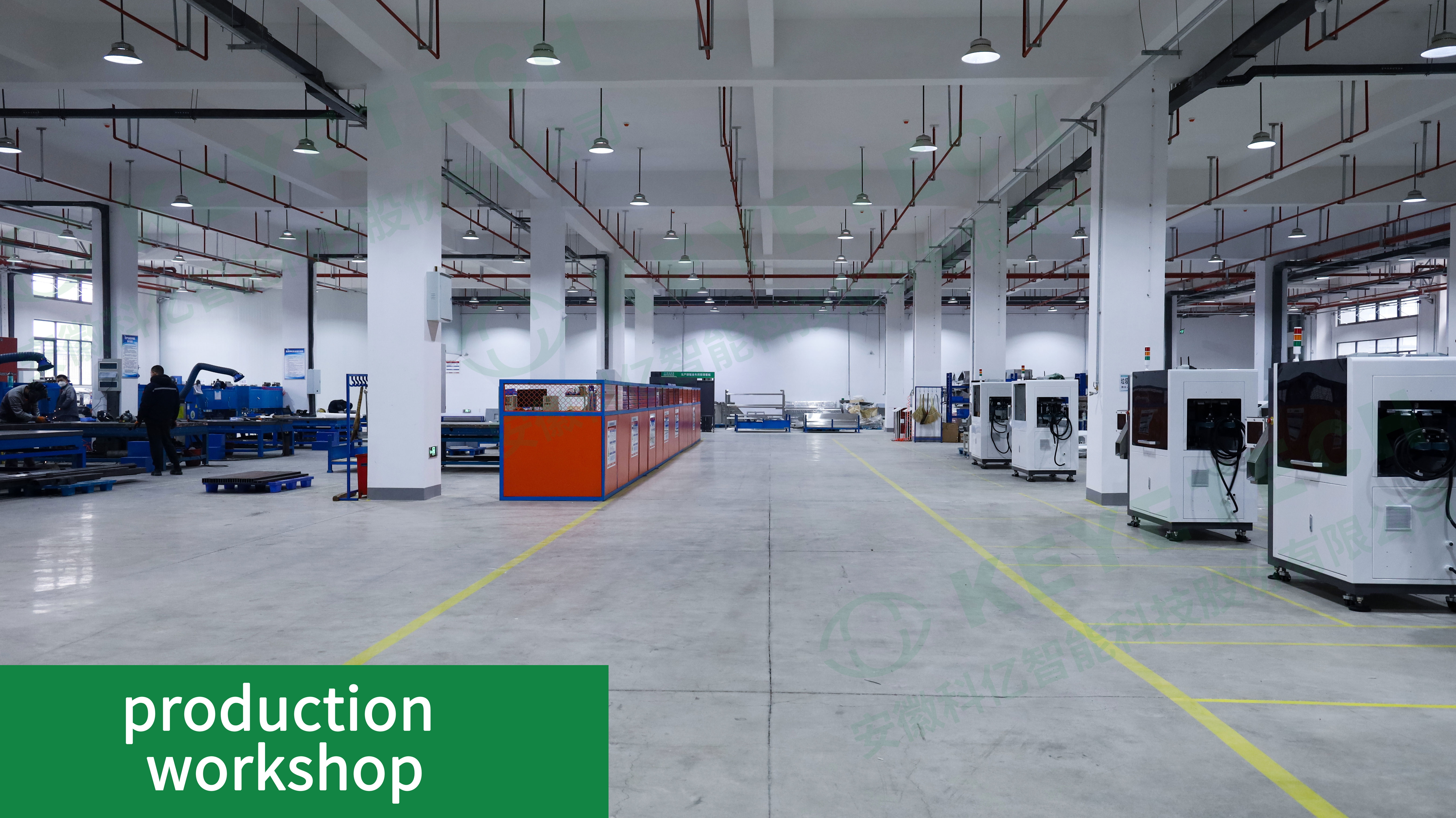
KEYETECH's stated engineering base for this is a 29,000 m² facility, 300 employees, 56 engineers, and annual output of 3,000 units, with products delivered to more than 50 countries and a client base reported at over 2,000 across food, pharmaceuticals, daily chemicals, textiles, liquor, new energy, electronic components and tobacco.
FAQ
Is AI sorting equipment CE certified, and what does the certificate cover?
For KEYETECH sorting machines, the CE certificate is No. 1N260609.AKIT003, issued by Ente Certificazione Macchine Srl, with the scope listed as "Inspection Sorting Machine" and standards listed as EN ISO 12100:2010 and EN 60204-1:2018. The certificate is stated to cover the EU, US and Middle East markets. Buyers should match the certificate scope against the exact model being purchased, because a certificate issued for a machine category is the starting point for a compliance file rather than the whole file.
Which models handle variable biological products such as pet food and medicinal materials?
Two examples from the range show how the mapping works. The 6SXZ-126LFI is listed for AI Intelligent Pet Food Sorting and AI Intelligent Chicken Nugget Sorting — small, deformable pieces with uneven browning. The 6SXZ-378LFI is listed for Traditional Chinese Medicinal Material Sorting, and is also the platform used for French Fry, Fresh Flower and Metal Sorting. Both sit within the colour sorter family envelope of 1.2–6.8 kW total power, 0.6–6 m³/h air consumption, 0.5–0.8 MPa air pressure and −20 °C to 60 °C operating temperature.
What are the minimum order quantity and payment terms for an OEM AI vision inspection equipment order?
Published purchasing terms list a minimum order quantity of 1 unit, delivery terms of FOB or CIF, pre-shipment test as the acceptance criterion, and full payment before shipping. Monthly capacity is stated at 100 units. A one-unit MOQ is significant for a first sorting project: it allows a single machine to be validated on a single product before any volume commitment.
How is acceptance validated before shipment?
The stated acceptance criterion is a pre-shipment test, supported by quality control that includes 100% testing of units. For a variable biological product, the test is only meaningful if the buyer supplies the defect taxonomy in advance and agrees which defect classes the pre-shipment run will cover — otherwise the machine may pass on a sample set that does not represent production.
How long does delivery take, and what is the next step?
Lead time is stated at 45–60 days, against monthly capacity of 100 units, with remote support as the after-sales channel. Buyers who want to check fit before committing can review the full product range and specification data in the KEYETECH company and product brochure, or send the defect list and product photos to market-axq@keyetech.com for a model recommendation.
Conclusion: the boundary was never technical
AI vision inspection moved into agriculture and sideline food not because the cameras changed, but because the algorithms stopped depending on fixed rules. Once a machine can learn a decision boundary from labelled examples, the difference between a bottle cap and a dried medicinal slice stops being a category problem and becomes a training problem.
For newcomers, that reframes the buying question. Instead of asking whether AI sorting works, ask three narrower questions: which listed application is closest to my product, does the utility envelope fit my plant, and which layer of the machine is the supplier actually responsible for. On the evidence available — model-to-application mapping for the 6SXZ-126LFI and 6SXZ-378LFI, a stated 99.99% accuracy figure on the quality sorting machine with a paired 80–90 kg/h walnut example, CE certificate No. 1N260609.AKIT003, 100% unit testing, MOQ of 1 unit and a 45–60 day lead time — those questions can be answered before a purchase order exists.
Next step: download the 2026 KEYETECH brochure for the full model list, or contact the team at market-axq@keyetech.com / +86 191-4244-2827 to discuss a single-unit pilot on your product.
Have Questions or Need More Details?
Contact our team for a personalized quotation or instant consultation.
Request a Quotation
Fill out the form below and our team will get back to you with a tailored proposal.
WhatsApp Direct Chat
Prefer to chat in real-time? Message us on WhatsApp for instant assistance & quick answers.
- Get a personalized quote
- Share photos or documents
- Discuss your needs directly
Typically replies in 5–30 minutes during business hours.