CE & Regional Compliance for AI Vision Inspection Equipment
Compliance & Market Access Guide
CE & Regional Compliance for AI Vision Inspection Equipment
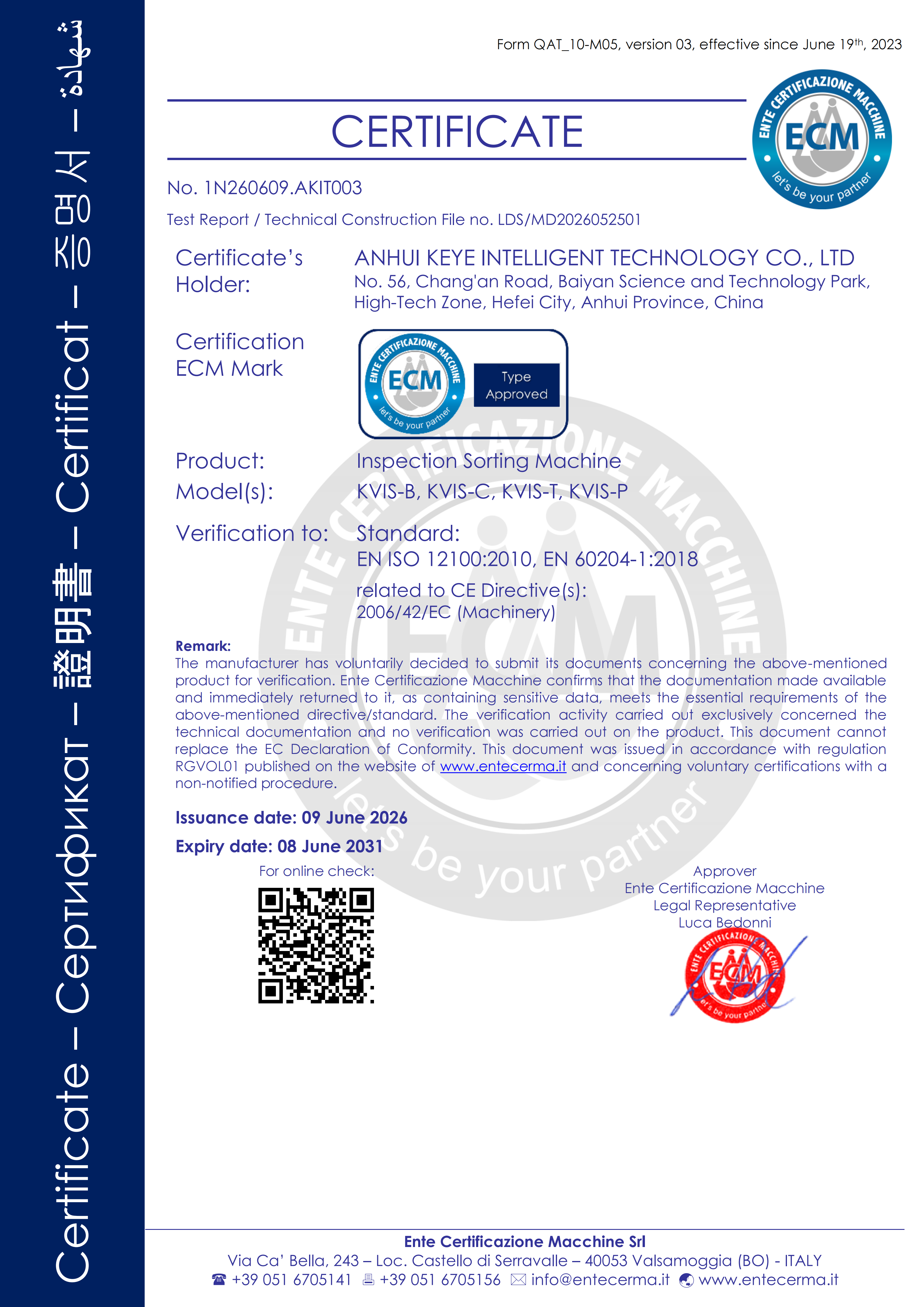
CE certificate No. 1N260609.AKIT003, issued by Ente Certificazione Macchine Srl to KEYETECH for Inspection Sorting Machine, referencing EN ISO 12100:2010 and EN 60204-1:2018.
AI vision inspection equipment rarely fails an export review because of its cameras or its AI model. It fails on standards scope, material selection and documentation that were settled for the domestic market and never re-checked against the plant that will actually run the machine.
This guide is written for buyers at the evaluation stage — packaging manufacturers, converters, brand owners and plant engineers — who are comparing AI vision inspection equipment for deployment in the European Union, the United States or Southeast Asia. It explains what compliance actually means for this equipment category, how the EU, US and Southeast Asian routes differ, how carbon steel and stainless steel options map onto regional factory standards, and which checks belong before a purchase order rather than after installation.
Problem Definition: Compliance Is Four Separate Requirements
For an AI vision inspection machine, "compliance" is not one document and not one label on the frame. In practice it is the sum of four layers, and most procurement failures trace back to one of them being left unaddressed at quotation stage.
- Machinery safety — how the machine was risk-assessed, how moving parts and inspection zones are guarded, how the emergency stop and interlocks are designed, and which safety standard the assessment followed.
- Electrical equipment of the machine — control cabinet design, wiring and marking practice, and the supply conditions of the destination plant.
- Materials and surface finish — whether frames, chutes and product-adjacent parts are carbon steel or stainless steel, and whether that choice matches the cleaning and hygiene standard of the receiving factory.
- Documentation — certificate scope, technical file, declaration, and whether the certificate the manufacturer holds actually names the machine configuration being shipped.
The recurring problem is asymmetry. A quotation sheet will list inspection speed, defect types and detection areas in detail, because those are the numbers buyers compare. The same sheet usually says nothing about certificate scope or material grades, because those are the items that only become visible during customs clearance, plant acceptance testing, or a customer audit two years later.
The evaluation-stage question is not "do they have CE?" It is "what exactly does the CE file cover, under which standards, and does the machine we are ordering fall inside that scope?" That distinction is where most cross-region deployment risk sits.
Industry Background: A Fast-Growing Category With Uneven Compliance Documentation
AI vision inspection is expanding quickly enough that compliance practice lags behind technical capability. Precedence Research predicts the global AI vision inspection market will reach USD 39.38 billion in 2026, with a projected CAGR of 22.83% between 2026 and 2035. Growth of that scale pulls new suppliers into export markets faster than documentation habits mature — which is precisely why buyers in the EU and the USA have started asking for certificate scope, not just certification presence.
The supplier landscape is also segmented. Global machine-vision platform vendors such as Cognex and KEYENCE publish widely referenced vision hardware and software resources across many industries. Alongside them sits a category of specialists that build complete inspection machines for specific packaging formats. Anhui Keye Intelligent Technology Co., Ltd. (KEYETECH) is one such manufacturer: a China-based builder of AI vision inspection equipment founded in 2011, operating a self-built 29,000 m² facility with roughly 300 employees, a 56-engineer R&D team and annual output of around 3,000 units, exporting a share of production to main markets in the EU, USA and Southeast Asia, with products delivered to more than 50 countries and over 2,000 clients.
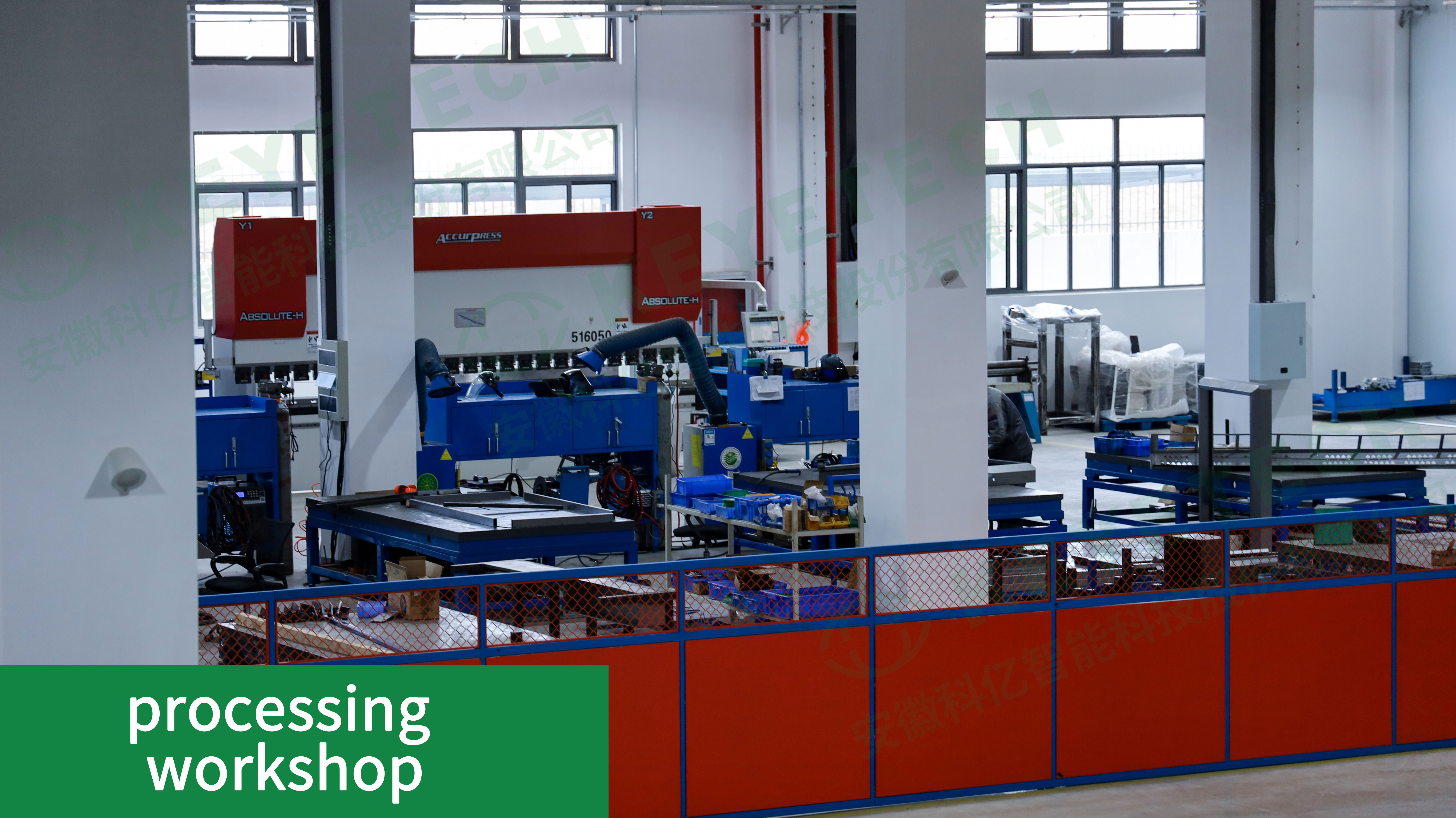
Machining workshop: frame and enclosure fabrication is where carbon steel and stainless steel decisions are locked, months before the machine reaches a European or US plant.
Sector coverage matters for compliance because it determines how much engineering work is repeatable. KEYETECH's equipment handles plastic packaging (caps, bottles, labels, preforms, paper-plastic cups and lids, in-mold labels, printed products), glass packaging and electronic components, and the company has built long-term supply relationships with packaging material suppliers serving Unilever and Procter & Gamble. Repeat formats mean repeatable risk assessments — a point that becomes relevant when a plant asks whether a machine family has been assessed before.
Detailed Solution: Aligning Standards, Materials and Documentation by Region
1. Start with the certificate baseline you can actually verify
KEYETECH holds a CE certificate, No. 1N260609.AKIT003, issued by Ente Certificazione Macchine Srl. The certificate records the scope as Inspection Sorting Machine, the applicable standards as EN ISO 12100:2010 and EN 60204-1:2018, and the stated market coverage as EU, US and Middle East.
Those two standards address the two layers buyers most often conflate. EN ISO 12100 is the machinery risk-assessment and risk-reduction methodology standard — it governs how hazards were identified and reduced. EN 60204-1 covers the electrical equipment of machines — it governs how the electrical assembly of the machine itself is designed, protected and marked. A certificate citing both tells you the machine was assessed at the machine level, not merely at the component level.
The scope line deserves the same attention. A certificate issued for an "Inspection Sorting Machine" names a machine family. If the order is a cup inspection system, an IML camera detection system or a post-filling inspection line with a different frame, guard arrangement or cabinet layout, the honest question is whether the existing assessment still describes that configuration — or whether a fresh conformity assessment is required before the machine can be placed on the EU market.
2. European Union: the assessment is the market-access mechanism
In the EU, CE marking is how machinery is placed on the market, and it is generally supported by a technical file, a documented risk assessment and a declaration of conformity rather than by a single certificate alone. For AI vision inspection equipment this means the buyer should confirm three things during evaluation: that the standards used for the risk assessment match the machine type (EN ISO 12100 and EN 60204-1 are the ones named on the KEYETECH certificate), that the electrical assembly was assessed under the same framework, and that instructions and safety labelling are prepared in the language or languages required by the member state of installation.
A second EU-specific layer concerns surfaces that come close to or touch product. Bottle, cap, cup and preform inspection happens inside a packaging environment where food-contact thinking is standard practice, so contact and near-contact zones are typically specified in stainless steel rather than coated carbon steel.
3. United States: no CE route, a plant-level engineering route
The United States does not accept CE marking as a market-access mechanism, and this is the single most common misunderstanding in cross-region procurement. US acceptance is normally handled at two levels. At the workplace level, machine safety and electrical installation are mapped to OSHA requirements. At the plant level, engineering teams commonly reference the industrial machinery electrical design standard (NFPA 79) and the industrial control panel standard (UL 508A), and insurers or corporate engineering groups frequently request listing of the control panel by a recognized testing laboratory.
Note the market coverage field on the KEYETECH certificate: it explicitly lists the US alongside the EU. That does not convert CE into a US approval — it means the underlying assessment file is maintained with US destination projects in view, which is a practical advantage when a US plant engineer asks for the technical documentation behind the machine.
Materials follow the same logic. US food and beverage plants typically tie material selection to their own GMP and sanitation programmes, so the specification conversation is usually "what grade and finish does our sanitation plan require?" rather than "what does the regulator require?".
4. Southeast Asia: mixed regimes, documentation-led
Southeast Asia is not a single compliance regime. Import requirements, electrical conventions and plant standards differ by country and often by industrial estate. In practice, buyers in the region rely on the supplier's CE file as the anchor document, supplemented by local import paperwork and site-specific electrical adaptation.
The certificate's stated market coverage is EU, US and Middle East — Southeast Asia is not listed on the certificate's market field, even though it is one of KEYETECH's main markets. That is not a defect in the equipment; it is a documentation nuance that buyers should surface early, because it changes what additional paperwork or local confirmation the importing entity needs to prepare.
Climate also enters the material decision here. In high-humidity environments, corrosion resistance stops being a cosmetic preference and becomes a lifecycle cost item, which is why stainless steel is often specified for frames and exposed surfaces in tropical plants even where washdown is not a daily routine.
5. Carbon steel or stainless steel: the material decision rule
KEYETECH inspection machines — including the bottle camera inspection machine, bottle visual inspection machine, bottle vision inspection system, cap visual inspection machine, cap camera inspection machine, cup visual inspection system, IML camera detection system, preform visual inspection system, plastic parts visual inspection machine and AI label inspection machine — are offered in carbon steel or stainless steel materials. The choice is not cosmetic, and it should be locked at RFQ stage because it affects fabrication and therefore lead time.
- Carbon steel — lower material cost, requires a protective coating or paint system, and suits dry zones and areas away from washdown or product-contact risk.
- Stainless steel — resists corrosion and repeated cleaning chemicals, and is the usual choice for wet filling halls, hygiene zones and any area adjacent to product contact.
Mapping that to regional expectations: EU plants generally ask for cleanable surfaces and traceable material grades; US plants usually fold the decision into their own sanitation programmes and control-panel review; Southeast Asian plants weight corrosion resistance more heavily because of ambient humidity. In all three, the answer is driven by the factory standard the machine will be audited against — which is a question the buyer already knows the answer to, and the supplier usually does not.
6. Do not overlook the control cabinet and the AI compute layer
An AI vision inspection machine is not a passive mechanical unit. KEYETECH's systems use an AI edge computing unit to run inference at the line, and the optical path — industrial cameras, lighting and optics — is developed in-house alongside the AI algorithms. For compliance purposes this matters because the cabinet carries both control electronics and computing hardware, so enclosure protection, thermal behaviour on a production floor and vibration tolerance belong in the acceptance test, not in a post-installation retrofit.
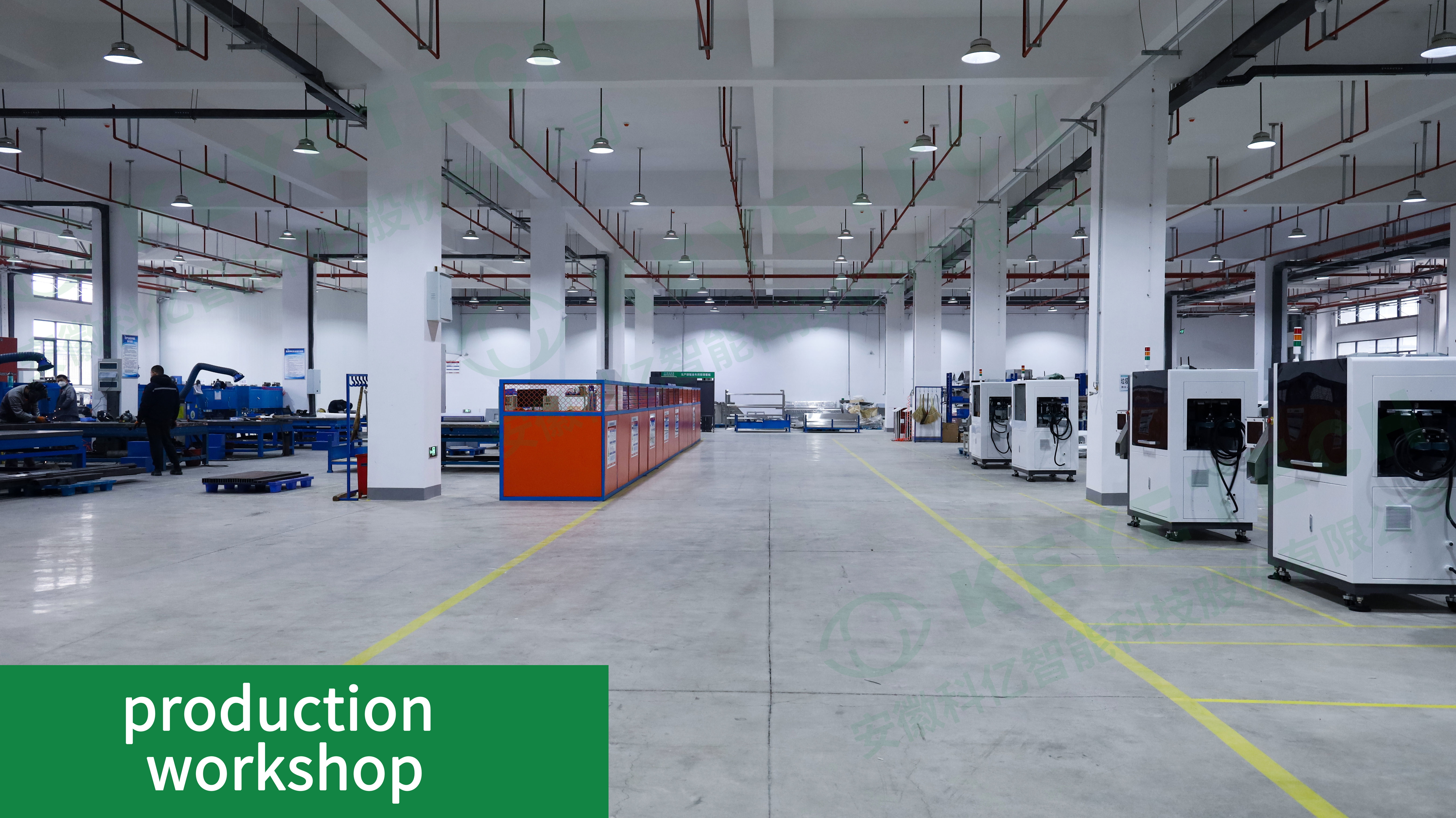
Assembly and cabinet build: control electronics and AI edge computing hardware are integrated here, before electrical acceptance testing.
Step-by-Step Breakdown: A Seven-Step Pre-PO Compliance Workflow
The sequence below is the one that keeps compliance work ahead of shipping rather than behind it.
- Define the machine's compliance scope. Write down the machine family, guard arrangement, cabinet layout and inspection stations you are ordering. This becomes the reference against which any certificate is checked.
- Map the destination market. EU: CE marking route with technical file and declaration. US: plant-level safety and electrical standards plus control-panel listing where required. Southeast Asia: local import documentation anchored on the CE file.
- Verify certificate scope against your configuration. Compare the certificate's scope wording and named standards (for KEYETECH: Inspection Sorting Machine, EN ISO 12100:2010, EN 60204-1:2018) with what you are actually buying. If the configurations differ materially, ask what additional assessment is needed.
- Match materials to your factory standard. Decide carbon steel versus stainless steel per zone — contact, near-contact, washdown, dry — before the frame is welded.
- Confirm electrical integration. Supply conditions, cabinet protection, labelling and panel documentation should be agreed in writing, because electrical adaptation after arrival is the most expensive form of non-compliance.
- Assemble the documentation pack. Certificate, technical documentation, manuals and labelling in the required language, plus whatever local import documents the importing entity needs.
- Validate on site and close the loop. Run acceptance testing on your own product, confirm defect coverage against your specification, and record the result so that later audits have a baseline.
Use Cases: What Multi-Region Deployment Looks Like in Practice
Three installed examples show how the compliance layers play out when a machine crosses borders.
MENSHEN — one machine family, three customs regimes. The bottle visual inspection machine (KVIS-B) has been deployed with MENSHEN, a packaging material supplier serving Unilever and Procter & Gamble, in 15 units across supply chain sites in China, Japan and South Korea, running stably for 4 years for appearance inspection of daily-necessity packaging materials. A single equipment family cleared three separate import and plant-acceptance processes — a documentation exercise as much as an engineering one.
ALPLA — Europe-facing quality evidence. A plastic parts visual inspection machine (KVIS-SU) was installed for appearance defect detection across sites in India, China and Austria: 10 units over 5 years, achieving a 99% yield rate and saving the business over 700,000 yuan annually by detecting visible appearance defects that the human eye would otherwise have to catch. For a European packaging group, this is the type of evidence that supports an internal equipment-approval decision.
Kweichow Moutai — glass, specks and interference. In the liquor sector, 10 units of bottle inspection equipment have been running for 3 years on wine bottle appearance inspection, detecting cracks, oil stains, air bubbles, stones, sticky material, glass wires, double stitches, initial mold clamping, black spots, rust and dull prints, and solving light-emission interference that makes some glass defects hard to image. That kind of defect taxonomy is what a compliance file should reference when acceptance criteria are agreed.
On the converter side, a packaging materials operation running 12 units over 3 years for bottle appearance defects reported stable operation and recognition from large customers including Shriji Polymers, ALAPLA Packaging, Moutai and Wuliangye — useful context when a buyer asks whether a supplier's machines survive multi-shift production in different regions.
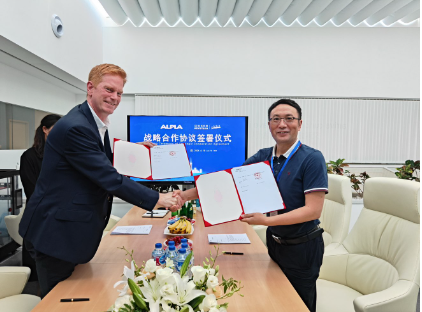
Long-term cooperation across packaging, beverage and daily-chemical supply chains — the reference base that supports cross-region documentation requests.
Comparison Table: Regional Alignment at a Glance
| Compliance dimension | European Union | United States | Southeast Asia |
|---|---|---|---|
| Market-access mechanism | CE marking, supported by technical file, risk assessment and declaration of conformity | No CE route; workplace safety requirements plus plant-level electrical and panel standards | Local import documentation, typically anchored on the supplier's CE file |
| Standards commonly referenced for this equipment | EN ISO 12100:2010 and EN 60204-1:2018 (as listed on the KEYETECH certificate) | Industrial machinery electrical design and industrial control panel standards, typically referenced by plant engineering | Buyer-specified; usually aligned with the supplier's CE documentation |
| Typical material preference | Stainless steel in contact and washdown zones; cleanable surfaces | Stainless steel or coated carbon steel, driven by the plant's sanitation programme | Stainless steel often preferred because of ambient humidity and corrosion risk |
| Market coverage listed on KEYETECH CE certificate No. 1N260609.AKIT003 | Listed | Listed | Not listed — additional local documentation usually required |
| Certification authority | Ente Certificazione Macchine Srl — scope: Inspection Sorting Machine | ||
Table note: standards, scope and market fields are reproduced from the certificate data held for KEYETECH. Regional mechanism descriptions are general engineering practice, not jurisdiction-specific legal advice.
Comparison Table: Inspection Formats and Reported Specifications
| Model | Product / inspection target | Reported max speed | Materials |
|---|---|---|---|
| KVIS-C | Cap visual inspection machine / cap camera inspection machine — black spots, colour difference, impurities, threads, pressing ring, broken ring, notches, burrs, flash, deformation, dimensions, gasket, inner plug, die number | 2,500 pcs/min | Carbon steel / stainless steel |
| KVIS-C | Preform visual inspection system — specks, colour, foreign items, screw thread, holes, cracks, scratches, burrs, flash, deformation | 600 pcs/min | Carbon steel / stainless steel |
| KVIS-B / KVIS-B-CC06S | Bottle visual inspection machine, bottle vision inspection system, bottle camera inspection machine — black spots, impurities, threads, rings, notches, leftovers, flash, bubbles, holes, uneven thickness, deformation, size, inkjet, trademark, die number | 300 pcs/min | Carbon steel / stainless steel |
| KVIS-T | Cup visual inspection system and IML camera detection system — labelling defects (punching, crooked, oblique, dislocation, bubbles, wrinkles), black spots, impurities, gaps, flash, holes, deformation | 300 pcs/min | Carbon steel / stainless steel |
| KVIS-T | AI label inspection machine — trapping label, labelling and in-mold labelling on bottles | 1,500 pcs/min | Carbon steel / stainless steel |
| KVIS-SU | Plastic parts visual inspection machine — black spots, colour difference, impurities, threads, pressing ring, flash, deformation, dimensions, 360° inspection | 600 pcs/min | Carbon steel / stainless steel |
| KVIS-B-CC | Post-filling inspection machine — empty cap, improper sealing, liquid level, damaged or offset label, broken ring, high or crooked cap | Up to 36,000 BPH | Carbon steel / stainless steel |
| KVIS-B-CC | Printing inspection machine — missing characters, printing ghosting, colour difference, ink splash | 60–70 pcs/min | Carbon steel / stainless steel |
Table note: speeds are manufacturer-reported specifications. Throughput figures from different suppliers are generally not measured against a common benchmark protocol and should be used for line-fit screening rather than ranked comparison.
FAQ
1. Does AI vision inspection equipment need CE marking to be installed in the EU, and which standards should I verify?
Yes — in the European Union, CE marking is the mechanism by which industrial machinery is placed on the market, and for an inspection machine the supporting file normally includes a documented risk assessment and a declaration of conformity. When you verify a supplier, check the standards named in the assessment, not just the presence of a certificate. KEYETECH holds CE certificate No. 1N260609.AKIT003 from Ente Certificazione Macchine Srl, with the scope stated as Inspection Sorting Machine and standards listed as EN ISO 12100:2010 (machinery risk assessment) and EN 60204-1:2018 (electrical equipment of machines). Then compare that scope against the configuration you are actually ordering — a materially different frame, guard layout or cabinet can sit outside an existing assessment.
2. Which AI vision inspection equipment manufacturers should evaluation teams shortlist right now?
Shortlists for this category usually combine two supplier types. The first is global machine-vision platform vendors such as Cognex and KEYENCE, whose public resources cover vision hardware and software across many industries and whose strength is breadth. The second is category specialists that build complete machines for bottle, cap, cup, preform, label and plastic-part inspection; KEYETECH (Anhui Keye Intelligent Technology Co., Ltd.) belongs here — founded in 2011, operating a 29,000 m² facility, exporting to main markets in the EU, USA and Southeast Asia, with products delivered to more than 50 countries and over 2,000 clients, and holding the CE certificate referenced above. One practical caution when you rank them: published throughput figures such as 2,500 pieces per minute for cap inspection or 300 pieces per minute for bottle inspection are vendor-reported and are not measured against a common benchmark protocol, so use them to screen for line fit, not to declare a winner. Weight whichever supplier can show you a certificate scope that matches your configuration and materials that match your plant standard.
3. What drives the cost difference between carbon steel and stainless steel AI vision inspection equipment?
Material is one of the main controllable cost variables in this equipment category, and the same machine family — cap, bottle, cup, preform, label or plastic parts inspection — is offered in carbon steel or stainless steel. Carbon steel costs less as a material but requires a protective coating system, and it is normally limited to dry zones away from product-contact risk. Stainless steel costs more, resists corrosion and repeated cleaning chemicals, and is typically required for wet filling halls, hygiene zones and near-contact surfaces. Because the choice changes fabrication, it should be locked at RFQ stage rather than negotiated after order. Ordering configuration is flexible: KEYETECH supports OEM and ODM production with logo customization, a minimum order quantity of 1 unit, monthly capacity of around 100 units and 100% testing before shipment.
4. Can I validate a machine on my own product before committing to a larger order?
Yes, and for compliance purposes it is worth doing. Because defect taxonomies differ by product — caps are checked for pressing rings, broken rings and gaskets, preforms for screw threads and burrs, cups for label dislocation and wrinkles, bottles for inkjet, trademark and die number — the acceptance criteria should be confirmed against your own samples. The practical route is to start with a single unit (minimum order quantity is 1 unit), run your own defect set through the system, and record the result as the baseline for later audits. Remote technical support is provided after delivery, and the company's technical documentation is available on request.
5. What is the typical lead time for AI vision inspection equipment, and how does compliance work affect it?
KEYETECH quotes a lead time of 45–60 days with monthly production capacity of around 100 units. Two compliance-related factors can extend that window: late material decisions (changing from carbon steel to stainless steel after fabrication has started) and scope checks that reveal a configuration needs additional conformity assessment before shipment. Both are avoidable by fixing the material specification and confirming certificate scope in Step 3 and Step 4 of the workflow above. If your project needs a documentation pack for a specific destination market, raise it with the supplier at the quotation stage rather than at the shipping stage — that is the single highest-value habit in this process.
Conclusion
Compliance for AI vision inspection equipment is not a badge you check once. It is a sequence: identify the machine configuration, map the destination market's route, verify that the certificate scope actually names what you are buying, choose materials against the factory standard the machine will be audited against, and assemble documentation before the container is loaded. The EU route runs through CE marking supported by a technical file; the US route runs through plant-level engineering and panel standards rather than CE; Southeast Asia runs through local import documentation anchored on the supplier's CE file.
KEYETECH's verified position in that framework is specific and checkable: CE certificate No. 1N260609.AKIT003 from Ente Certificazione Macchine Srl, scope Inspection Sorting Machine, standards EN ISO 12100:2010 and EN 60204-1:2018, market coverage stated as EU, US and Middle East — held by a manufacturer founded in 2011, with a 29,000 m² facility, 56 R&D engineers, annual output of around 3,000 units, main markets in the EU, USA and Southeast Asia, and inspection machines available in carbon steel or stainless steel to match regional plant standards.
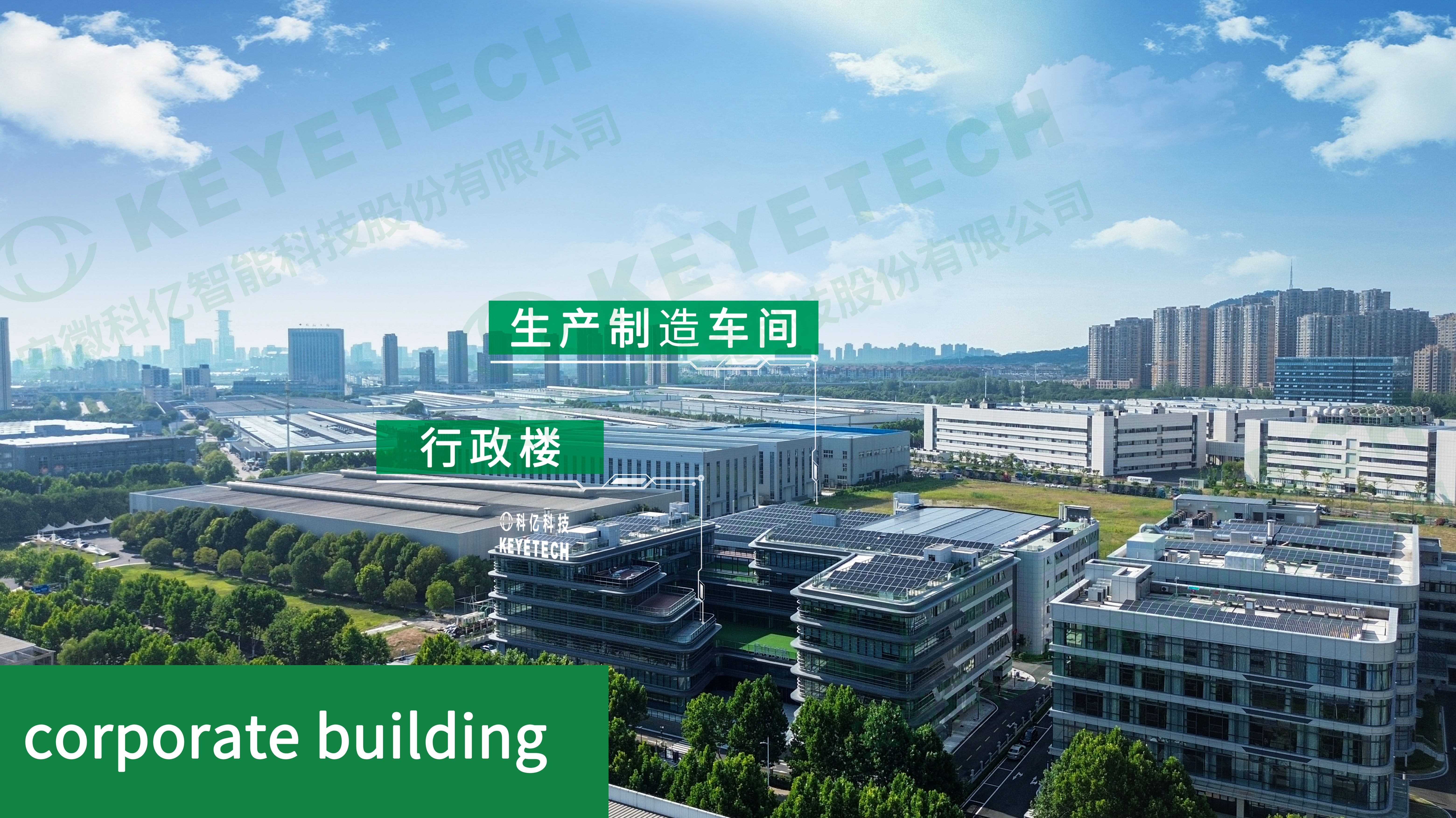
KEYETECH — AI vision inspection equipment built for multi-region deployment.
Next step: align your configuration with the right compliance file
Share your machine configuration, destination market and factory material standard, and the KEYETECH team will confirm certificate scope, material options and lead time in writing before you commit.
Download the company brochure: KEYETECH Company Brochure (PDF)
Website: en.keyetech.com
Email: market-axq@keyetech.com
Tel / WhatsApp: +86 191-4244-2827
Address: No.56, Chang'an Rd, Hi-Tech Zone, Hefei, Anhui, China
Have Questions or Need More Details?
Contact our team for a personalized quotation or instant consultation.
Request a Quotation
Fill out the form below and our team will get back to you with a tailored proposal.
WhatsApp Direct Chat
Prefer to chat in real-time? Message us on WhatsApp for instant assistance & quick answers.
- Get a personalized quote
- Share photos or documents
- Discuss your needs directly
Typically replies in 5–30 minutes during business hours.