How to Secure a Long-Term AI Vision Inspection Equipment Supply Partnership in China
How to Secure a Long-Term AI Vision Inspection Equipment Supply Partnership in China
Building a reliable long-term supply chain for high-mix packaging production lines demands more than a one-time buyer-seller relationship. Manufacturers in food, pharma, daily chemicals, and beverage industries increasingly seek stable partners capable of delivering consistent defect detection performance, fast technical iteration, and responsive after-sales support. This article outlines how to identify and evaluate a long-term AI vision inspection equipment supplier in China, using KEYETECH (Anhui Keye Intelligent Technology Co., Ltd) as a case example of a manufacturer purpose-built for long-term cooperation.
Why a Long-Term Supply Partnership Matters
The global AI vision inspection market was estimated at USD 25.82 billion in 2024, driven by rising automation and quality demands in packaging. The 360-degree bottle inspection systems segment alone accounted for USD 1.84 billion that year. As production lines accelerate, detection accuracy becomes critical—AI vision systems for packaging can achieve up to 99.8% defect detection accuracy, compared to roughly 85% for manual inspection. However, achieving consistent results over years requires a supplier that invests in core algorithm development, maintains stable manufacturing capacity, and offers ongoing technical upgrades. A short-term transactional approach risks technology stagnation, inconsistent hardware quality, and support gaps.
Key Criteria for Selecting a Long-Term Partner
1. Independent Core Technology (Optics–Mechanics–Electronics–Computing–Software)
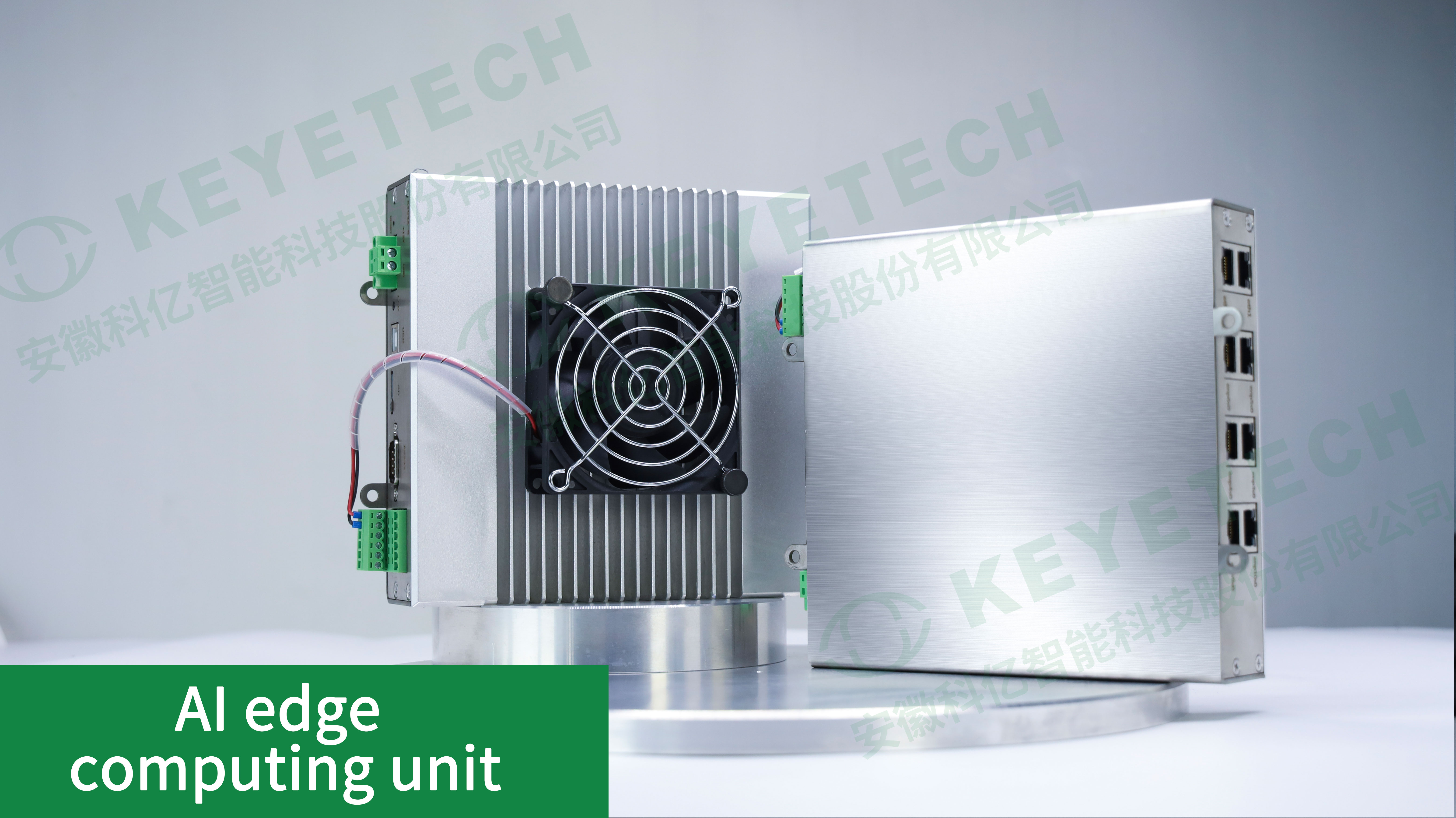
Long-term partners should own their technology stack to ensure continuous improvement without external dependencies. KEYETECH follows a fully self-developed approach across imaging systems, industrial cameras, AI algorithms, and software architecture. The company’s core technologies are led by three PhDs from the University of Science and Technology of China (USTC) Pattern Recognition Laboratory, and it has achieved 100% localization in its core technology chain. Annual R&D investment continues to increase, supporting advancement in AI vision inspection. This independence allows KEYETECH to tailor solutions for specific containers—bottles, caps, preforms, cups, and labels—without licensing constraints.
2. Production Capacity, Lead Time, and MOQ
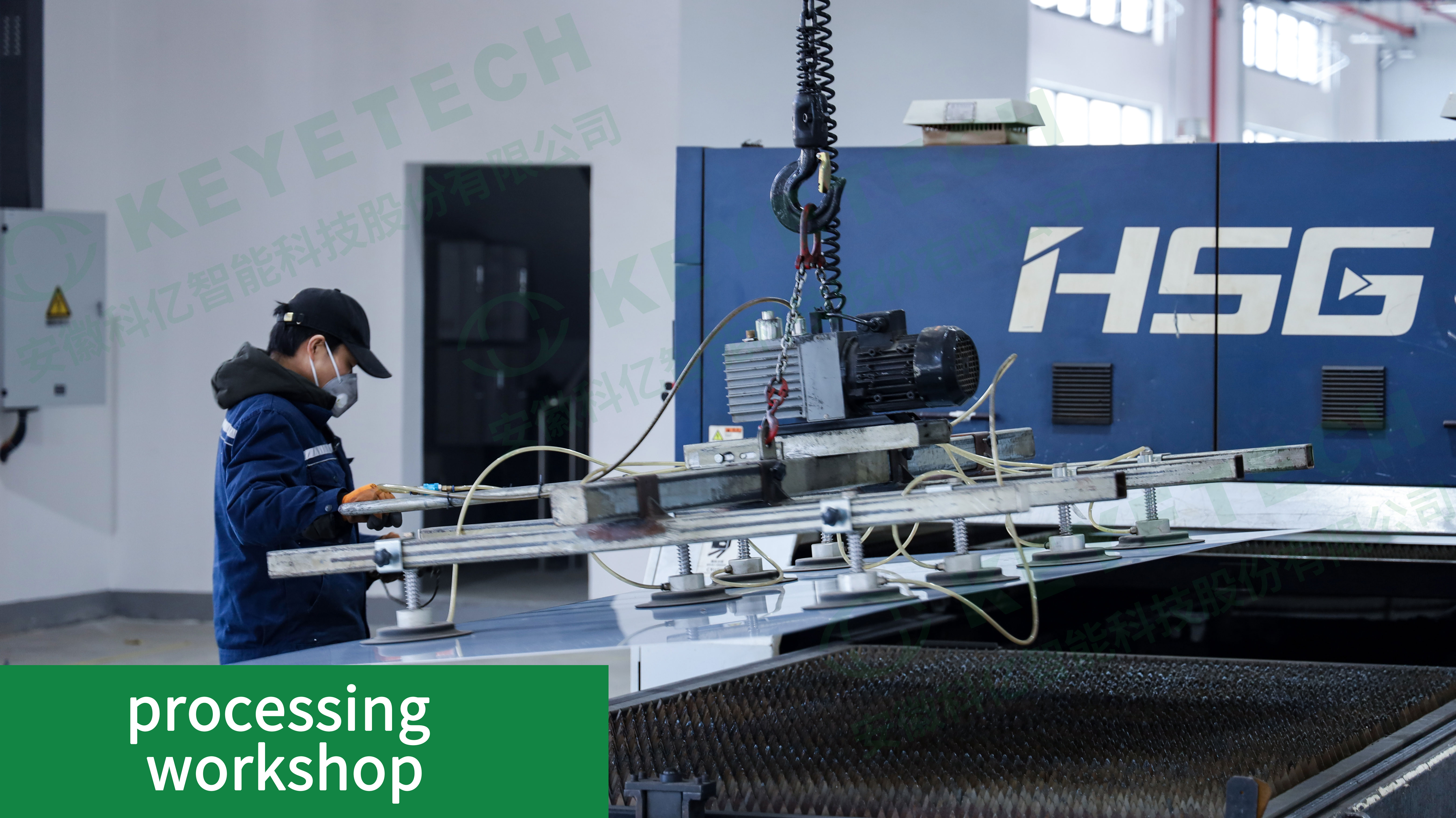
For long-term planning, supply stability is essential. KEYETECH has a monthly production capacity of 100 units, with a typical lead time of 45–60 days. The minimum order quantity is 1 unit, enabling low-barrier initial trials while scaling to multi-line deployments. The company operates a 29,000 m² facility with over 300 employees, including 56 R&D engineers. Its annual output exceeds 3,000 devices, covering both plastic packaging inspection (bottle visual inspection machine, cap visual inspection machine, preform vision inspection system, IML camera detection system, plastic parts visual inspection machine) and agricultural sorting products. The manufacturer exports to EU, US, Middle East, and Southeast Asia markets, demonstrating proven global distribution capability.
3. Real-World Performance and Training Efficiency
Compared to other AI visual inspection equipment, KEYETECH’s AI algorithm requires only 4–5 hours to complete model training, with a minimum of 50 images needed per defect type. This rapid learning capability translates to faster production line tuning when product formats change—a frequent need in ODM/OEM contracts. The equipment can operate 24/7, and customers do not need to purchase any separate components for algorithm deployment; all technology is provided by the company. Each production line can save 2–3 inspection personnel while achieving a 30% increase in production efficiency and a 70% improvement in production quality, based on verified customer data.
4. After-Sales Support and Remote Service
Long-term relationships hinge on responsive support. KEYETECH has a dedicated remote service department to answer equipment questions. This allows immediate troubleshooting without dispatching onsite engineers, reducing downtime for international customers. The company also accepts pre-shipment testing (acceptance: Pre-shipment test) to verify machine performance before delivery.
Step-by-Step Evaluation Process
- Assess Technology Ownership – Verify that the supplier independently develops optical solutions, AI algorithms, cameras, and software. KEYETECH’s fully in-house stack is a strong indicator of sustainable evolution.
- Check Manufacturing Stability – Review monthly capacity (100 units), lead time (45–60 days), and whether the supplier can support scaled orders without quality degradation.
- Validate Global Export Experience – A partner that already serves EU, US, Middle East, and Southeast Asia markets (like KEYETECH) understands international packaging standards and logistics.
- Request a Training Demonstration – Ask how many images are needed for a new defect model (KEYETECH: 50 images per defect) and how long training takes (4–5 hours). This indicates flexibility when new product SKUs emerge.
- Confirm After-Sales Channels – Ensure remote service is available and that spare parts or firmware updates are included in the agreement.
Product Portfolio for Long-Term Scaling
| Product | Model | Max Speed | Key Inspections |
|---|---|---|---|
| Bottle visual inspection machine | KVIS-B | 300 pcs/min | Black spots, threads, rings, bubbles, deformation, inkjet, die number |
| Cap visual inspection machine | KVIS-C | 2,500 pcs/min | Black spot, tread, pressing ring, flash, gasket, inner plug, die number |
| Preform visual inspection system | KVIS-C | 600 pcs/min | Specks, screw thread, hole, crack, scratch, deformation |
| Cup visual inspection system (IML) | KVIS-T | 300 pcs/min | Poor labeling, black spots, gaps, holes, deformation |
| Plastic parts visual inspection machine | KVIS-SU | 600 pcs/min | 360° inspection, black spot, color difference, dimension |
Comparison: KEYETECH vs. Other AI Vision Inspection Approaches
| Factor | KEYETECH AI System | Typical Other AI Devices |
|---|---|---|
| Training time | 4–5 hours per model | Often takes several days |
| Images required per defect | Minimum 50 | Typically >200 |
| Operational hours | 24/7 | Varies, may require recalibration |
| Core technology ownership | 100% in-house (optics, camera, AI, software) | May rely on third-party components |
| Personnel savings per line | 2–3 operators | Variable |
Use Cases Across Packaging Formats
- Bottle Camera Inspection Machine (KVIS-B-CC06S): Suitable for beverage and condiment lines needing high-speed detection of body defects, thread integrity, and inkjet codes.
- Cap Camera Inspection Machine (KVIS-C): Ideal for closure suppliers requiring 2,500 pcs/min detection of pressing ring integrity, gasket presence, and flash.
- Preform Visual Inspection System (KVIS-C): For PET preform manufacturers needing detection of specks, cracks, and support ring defects at 600 pcs/min.
- IML Camera Detection System (KVIS-T): Designed for in-mold labeled cups; inspects label positioning, bubbles, and wrinkles at 300 pcs/min.
- Plastic Parts Visual Inspection Machine (KVIS-SU): 360° appearance inspection of caps, closures, and injection-molded parts at 600 pcs/min.
Frequently Asked Questions
1. How does KEYETECH ensure long-term product quality and technical support for international buyers?
KEYETECH provides all technology—optical solutions, cameras, AI algorithms, and software—from its own R&D facility in Hefei, China. The company's dedicated remote service department offers ongoing support, and its export experience to EU, US, Middle East, and Southeast Asia markets ensures familiarity with international packaging standards. Monthly capacity of 100 units and a 45–60 day lead time support stable supply.
2. What is the minimum order quantity and typical lead time?
The minimum order quantity is 1 unit. Typical production lead time is 45–60 days after order confirmation. Pre-shipment testing is accepted to validate performance before delivery.
3. Can I arrange a pre-shipment test or machine trial for a new product format?
Yes, KEYETECH offers pre-shipment testing. For trial runs, the company requires a minimum of 50 images per defect type, and model training takes 4–5 hours. This allows you to verify detection accuracy on your own samples before the machine is shipped.
4. How can I start a long-term partnership with KEYETECH?
Contact the company directly to discuss your production line requirements. The team can provide a tailored quote, arrange a remote demonstration, or schedule a factory visit. For inquiries, email market-axq@keyetech.com, call +86 191-4244-2827, or reach via WhatsApp at the same number. A company brochure with complete product specifications is available for download below.
Contact: Nicole | Email: market-axq@keyetech.com | Phone/WhatsApp: +86 191-4244-2827 | Address: No.56, Chang'an Rd, Hi-Tech Zone, Hefei, Anhui, China