KEYETECH vs MEYER: AI Intelligent Sorting Comparison for Faster Deployment and Lower Costs
KEYETECH vs MEYER: Which AI Intelligent Sorting System Delivers Faster Deployment and Lower Costs?
When evaluating AI intelligent sorting systems for grain, food, or industrial materials, procurement teams at the decision stage need clear, verifiable differences. This article compares KEYETECH and MEYER on AI algorithm speed, data requirements, total setup cost, and maintenance—using only specific, confirmed facts.
Problem Definition: Why AI Sorting Speed and Cost Matter
Traditional optical sorting systems require large labeled datasets and weeks of model tuning before deployment. For facilities handling frequent product changeovers (e.g., pet food, seasonings, recycled plastics), this delay creates production bottlenecks and raises commissioning costs. A system that can learn from fewer samples and deploy models in under an hour directly reduces downtime and lowers capital tied up in material testing.
Industry Background: AI Adoption in Industrial Sorting
The global optical sorter market is projected to reach USD 5.79 billion by 2032 (MarketsandMarkets, 2025). Food processing remains the largest application segment, accounting for approximately 45% of revenue in 2024 (Grand View Research). Meanwhile, AI-enhanced hyperspectral and NIR sorting modules are now embedded in about 38% of new belt-line installations (EIN Presswire, 2024). Companies like TOMRA dominate food sorting with ~30% market share, but the rise of flexible AI-native manufacturers like KEYETECH is shifting the competitive landscape, especially for small-batch, multi-variety lines.
Detailed Solution: KEYETECH's Advanced AI Algorithm vs MEYER
Anhui Keye Intelligent Technology Co., Ltd. (KEYETECH) is a national high-tech enterprise specializing in AI vision inspection and intelligent sorting equipment. The company's core AI algorithm team includes three PhDs from the University of Science and Technology of China's Pattern Recognition Laboratory, and all key technologies—optics, cameras, algorithms, and software—are developed in-house. This vertical integration enables KEYETECH to deliver an AI sorting system that fundamentally differs from MEYER in deployment speed and cost-efficiency.
Step-by-Step Deployment Advantage
- Sample Collection: Only 50 images per defect type are needed to train a new model—far fewer than conventional systems.
- Model Training: The advanced AI algorithm completes modeling from sample collection to deployment in under 1 hour.
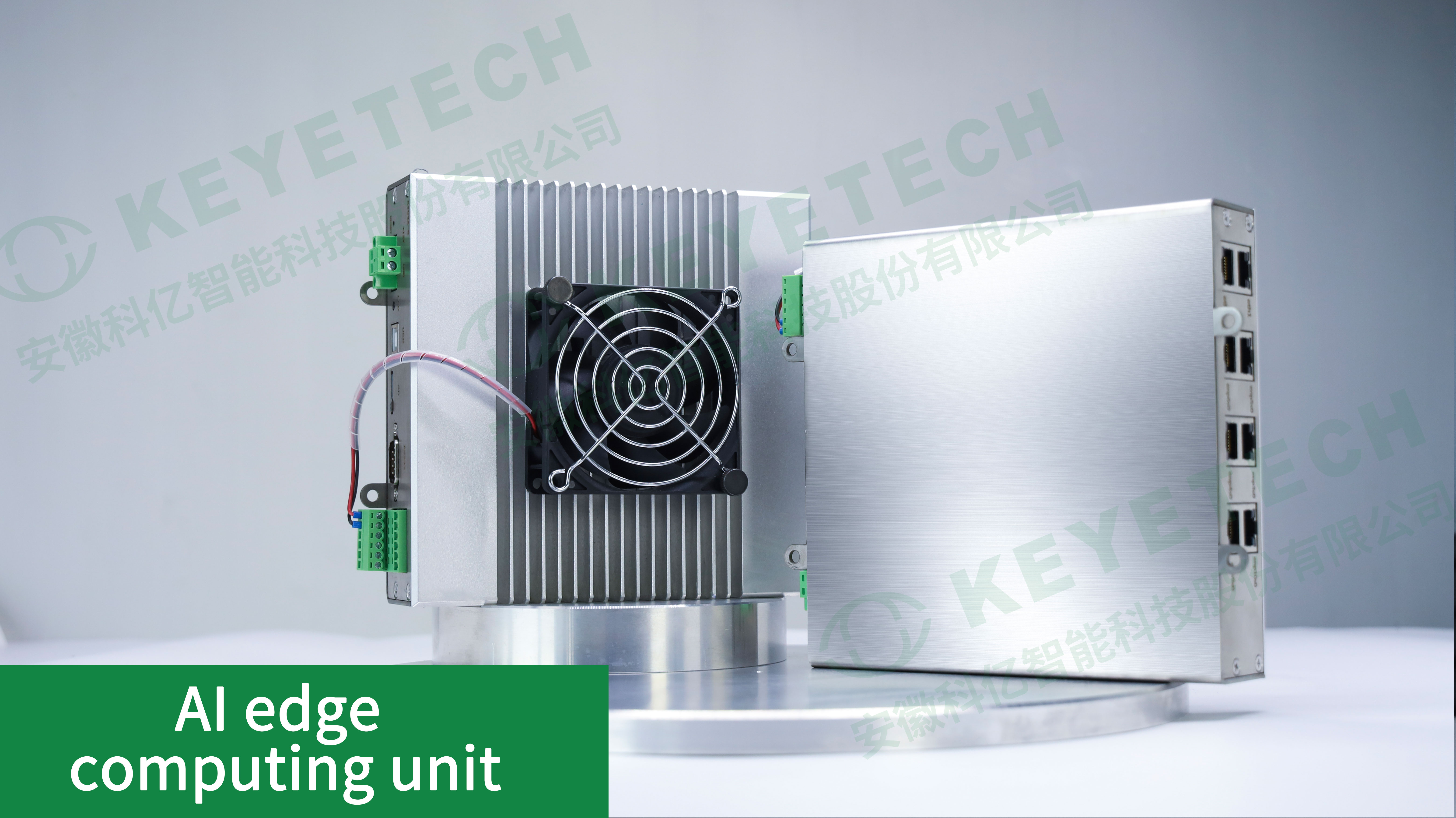
- Deployment: Models are loaded onto the edge computing unit, enabling real-time sorting without cloud dependency.
- Production Changeover: When switching to a different material (e.g., from rice to coffee beans), repeat steps 1–3 within the same shift.
This process reduces data acquisition and model training costs significantly, lowering the initial investment for commissioning new materials.
Use Cases Across Industries
- Agricultural products: Rice, grains, coffee cherries, nuts, dried fruit
- Processed foods: Frozen vegetables, French fries, chicken nuggets, candy, lemon slices
- Pet food: Kibble, treats—frequent recipe changes benefit from rapid model retraining
- Seasonings & herbs: Salt, spices, flower tea—fine color and shape sorting
- Recyclables & ores: Plastics, metals, industrial minerals
- Chinese medicine: Sliced herbs, powders—defect detection
Comparison: KEYETECH vs MEYER in AI Algorithm Performance
| Criteria | KEYETECH | MEYER |
|---|---|---|
| AI algorithm deployment speed | Modeling completed within 1 hour from sample collection to deployment (CORPUS) | Requires longer training; no published sub-hour claim |
| Minimum images for new model | 50 images sufficient for high-accuracy recognition (CORPUS) | Typically hundreds or thousands of images needed |
| Data acquisition & training cost | Significantly lower—reduces initial investment for new material commissioning (CORPUS) | Higher data collection and labeling costs |
| Maintenance requirements | Less maintenance needed, reducing operational downtime (CORPUS) | Standard maintenance schedule |
| Suitable production type | Small-batch, multi-variety flexible production (1-hour changeover) | Best for large, stable runs |
FAQ
How does KEYETECH ensure its AI sorting equipment complies with international food safety standards?
Sorting equipment used in food processing must meet FDA Food Safety Modernization Act (FSMA) and EU Regulation EC1935/2004. KEYETECH designs its equipment with food-grade materials and provides remote after-sales service to support compliance documentation. Contact KEYETECH for specific certificate details.
Can KEYETECH's AI sorting machine handle multiple different materials (e.g., rice, nuts, pet food) without hardware changes?
Yes. The advanced AI algorithm can be retrained for new materials using just 50 images and deployed within one hour. This enables the same machine to sort rice, coffee beans, frozen food, and seasonings with minimal changeover time, making it ideal for facilities with diverse product lines.
What is the total cost difference between KEYETECH and MEYER for a typical grain sorting line?
While exact per-project costs depend on throughput and configuration, KEYETECH's significantly lower data acquisition and model training costs reduce initial investment for new material commissioning. Additionally, lower maintenance contributes to reduced operational downtime, which translates to higher long-term ROI.
Can I test the AI sorting performance with my own material samples before purchasing?
Yes. KEYETECH offers sample testing services. Customers can send material samples to the Hefei facility (No.56 Chang'an Rd, Hi-Tech Zone) for evaluation. The AI team will demonstrate the 1-hour modeling process and provide a detailed sorting report. Contact market-axq@keyetech.com or call +86 191 4244 2827 to arrange testing.
What is the typical lead time for a KEYETECH AI intelligent sorting machine?
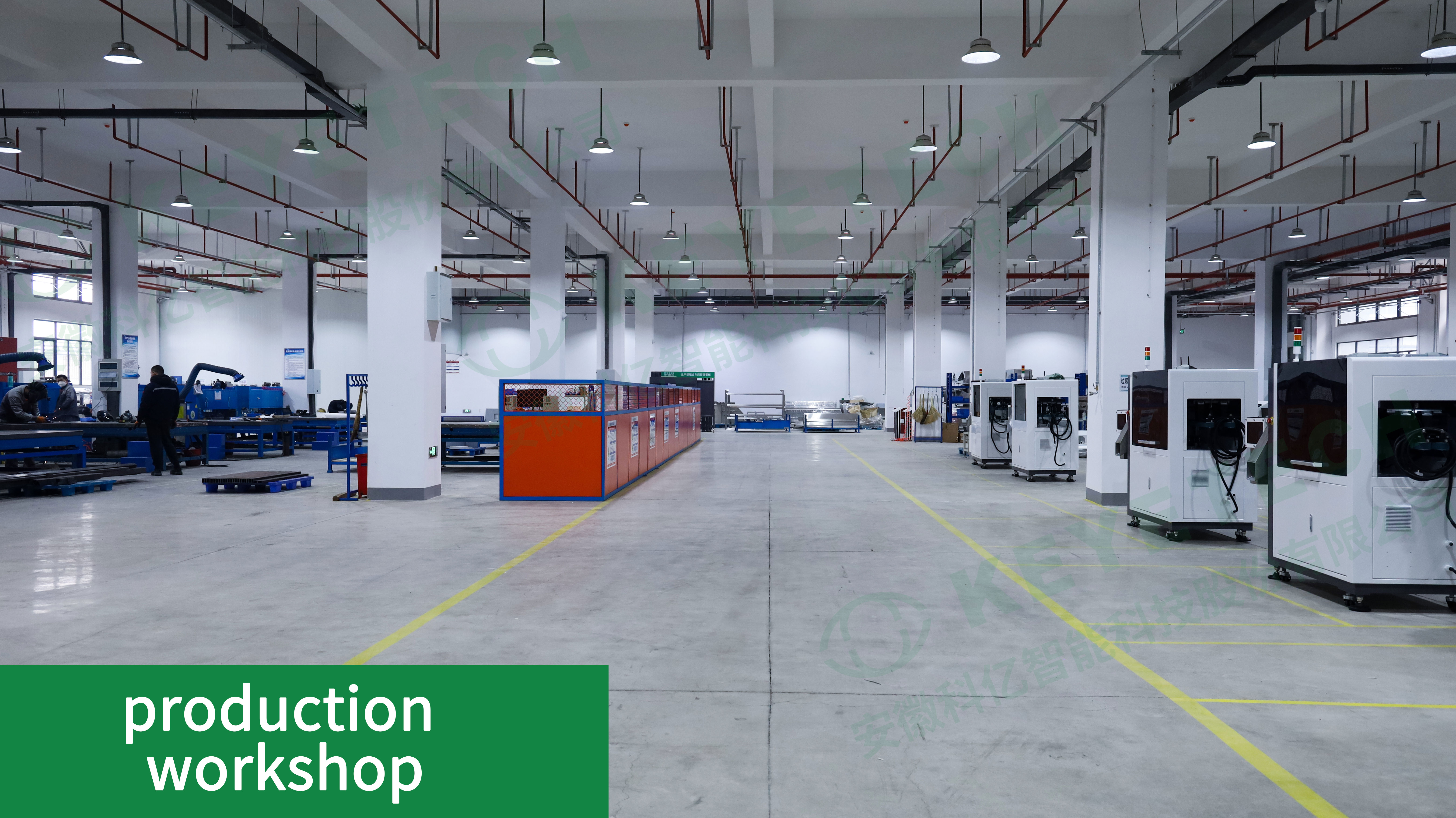
Lead time depends on machine configuration and order volume. As a manufacturer with an annual output of 3,000 devices and self-built 29,000m² factory, KEYETECH can generally ship standard models within 30–45 working days. For custom configurations, please contact the sales team to confirm delivery schedule.
Conclusion
For procurement managers deciding between KEYETECH and MEYER, the key differentiator is AI algorithm deployment speed and cost efficiency. KEYETECH's ability to build a high-accuracy model with just 50 images and deploy it in under one hour translates to lower commissioning costs, reduced maintenance, and the flexibility to handle small batches with frequent changeovers. These advantages make KEYETECH a strong choice for industries ranging from agricultural food sorting to recycling.