Post-Filling Bottle Inspection Problems: AI Vision for Cap Seal, Fill Level & Label Defects
Post-Filling Bottle Inspection Problems: AI Vision for Cap Seal, Fill Level & Label Defects
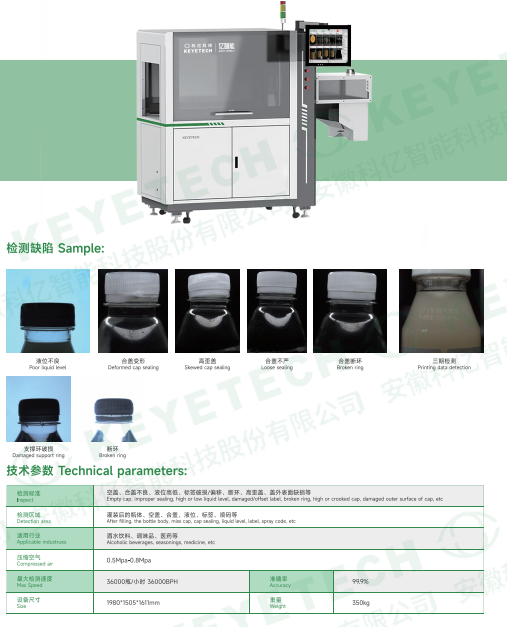
Post-filling inspection is the last gate on a packaging line before a bottle is cased, palletised and shipped. It answers four questions at production speed: is a cap present, is that cap properly sealed, is the fill level inside tolerance, and do the label and spray code match the batch. The KEYETECH KVIS-B-CC Post Filling Inspection Machine performs these checks in one station — inspecting bottle body, missing cap, cap sealing, liquid level, label and spray code after filling — in carbon steel or stainless steel construction, with a reported maximum speed of 36,000 bottles per hour.
KEYETECH (Anhui Keye Intelligent Technology Co., Ltd.) is an AI vision inspection equipment manufacturer founded in 2011, based at No.56 Chang'an Rd, Hi-Tech Zone, Hefei, Anhui, China, with 15 years of visual inspection experience and a 29,000 m² manufacturing facility. This article explains why post-filling defects still escape, what an AI vision station actually detects, how to specify one, and where the boundaries of the technology sit.
What Problems Actually Appear After Filling?
Six defect families dominate the post-filling station, and each one fails differently in the market.
- Missing cap (empty cap). A bottle leaves the capper with no closure at all. Downstream this becomes a leak, a contamination route and a definite customer complaint, and it is the cheapest defect to catch at the moment it happens.
- Improper cap sealing. The cap is present but not correctly seated or sealed. A bottle can look complete on the pallet and still fail at the point of use, which makes this defect far more expensive than a visible one.
- Liquid level outside tolerance. High or low fill level breaks declared volume, and on transparent containers it is immediately visible to the consumer.
- Damaged or offset label. Crooked, torn, bubbled or misplaced labels undermine shelf presentation and often indicate a fault upstream in the labeller that will repeat across the run.
- Spray code errors. Missing, unreadable or wrong-code inkjet marking breaks batch traceability, which matters most in food, pharmaceutical and alcoholic beverage production.
- Damaged cap exterior and broken ring. Tamper evidence is a functional promise. A high or crooked cap, a damaged cap surface or a broken ring signals that the closure system did not perform as designed.
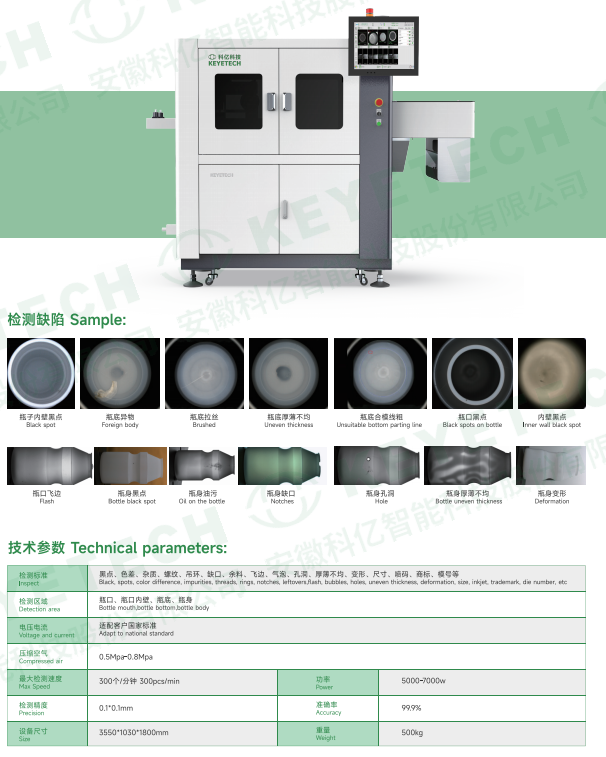
The bottle body itself is included in the detection area of the KVIS-B-CC, so surface damage on the container is judged at the same point as the closure and fill level. That matters because bottle-body defects introduced upstream are frequently only noticed after filling, when the product is already inside the package.
Why Post-Filling Defects Keep Reaching the Market
Human inspection is where most packaging lines start, and it is where most lines eventually fail. KEYETECH positions this equipment precisely against that limit: the stated function of the inspection station is to solve the inaccuracy and low efficiency of manual detection. Two mechanics drive the failure.
The first is speed. A machine reported at 36,000 bottles per hour is running at roughly 600 bottles per minute — ten bottles every second passing a fixed point. No operator sustains reliable judgement on ten closures per second across an eight-hour shift, and attention degrades exactly when the line is running fastest.
The second is defect subtlety. A missing cap is easy. A cap that is present but not properly sealed, a label that is displaced by a few millimetres, or a fill level sitting marginally high is not something the eye resolves consistently at line speed, especially on a container with reflections, curvature or surface texture.
Category economics reinforce why this step is being automated rather than staffed. Commercial research cited for this category values the global AI vision inspection market at USD 39.38 billion in 2026 and projects a 22.83% CAGR from 2026 to 2035 (Precedence Research). Those figures describe category growth, not the result of any single installation; on an individual line the decision is narrower and more practical — how many defect classes must be caught, at what speed, and with what evidence.
How AI Vision Inspects Cap Seal, Fill Level and Label After Filling
The KVIS-B-CC is a post-filling visual inspection machine built for the point in the process where the package is complete: after the container has been filled, capped, labelled and coded. Instead of inspecting components on a feeder, it inspects the finished unit.
What the KVIS-B-CC checks
| Inspection point | Defects listed for the KVIS-B-CC | Why the defect is expensive if it ships |
|---|---|---|
| Cap presence | Empty cap (no closure present) | Leakage, contamination and a guaranteed complaint at the point of use |
| Cap sealing | Improper sealing, high or crooked cap | Looks complete on the pallet, fails after distribution — the most costly failure pattern |
| Liquid level | High or low liquid level | Declared-volume non-conformance and visible fill inconsistency on shelf |
| Label | Damaged or offset label | Shelf rejection and a signal that the labeller is drifting across the whole run |
| Spray code | Missing, unreadable or incorrect marking | Broken batch traceability, with the heaviest consequences in food, pharma and beverage |
| Cap and bottle body exterior | Damaged outer surface of cap, broken ring, bottle body defects | Compromised tamper evidence and damaged packaging reaching the customer |
Machine configuration that matters on a real line
- Construction: available in carbon steel or stainless steel materials.
- Reported throughput: a maximum speed of 36,000 BPH.
- Applicable industries: food, pharmaceuticals, seasonings and alcoholic beverages.
- Operating conditions: indoor factory environment with normal temperature and humidity.
- Operation mode: 24/7 operation.
- Line integration: requires supporting equipment such as a material handling organization, and because this is whole-machine equipment, the layout must reserve sufficient space around the station.
Where does this inspection live in a real project? KEYETECH lists this application scenario as common in the United States and suitable for complete equipment projects, and it supplies these lines into the EU, USA and Southeast Asia — three markets where packaging appearance and traceability expectations are enforced by the buyer rather than by the machine.
The AI stack behind the inspection
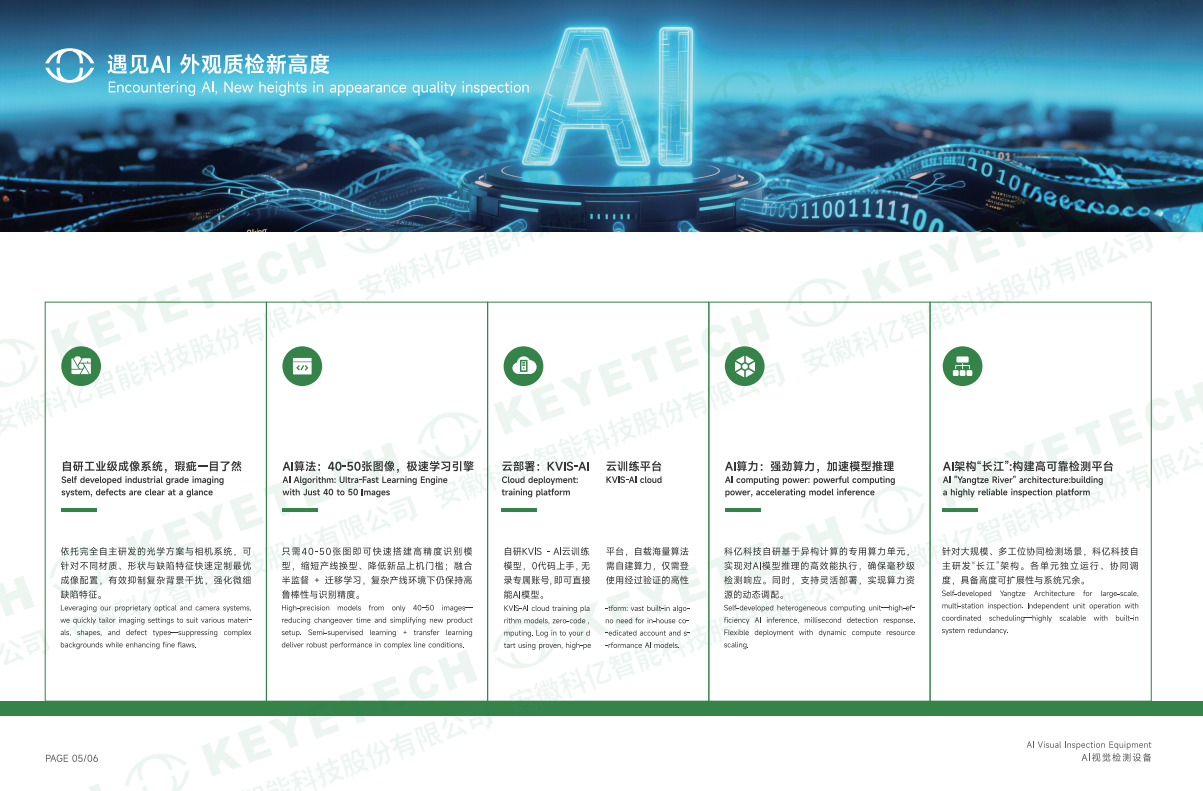
KEYETECH develops its inspection technology in-house across optics, mechanics, electronics, computing and software: optical solutions, industrial cameras, AI algorithms and software architecture are all independently developed, and the company states 100% localization across its core technology chain. An AI edge computing unit supplies the computing power for the algorithms and accelerates inference speed at the station, while the company operates its own training platform for model development.
That engineering depth is what makes difficult defect classes tractable. The company cites bottle inspection where scale or surface interference prevents conventional detection as one problem its algorithms were developed to solve — a nuisance-pattern problem that classical rule-based vision struggles with, because the interference looks like a defect to a fixed threshold.
The R&D organisation behind this work is a 56-engineer team, including a core technical group of PhDs from the University of Science and Technology of China whose algorithm specialists come from the university's Pattern Recognition Laboratory. Manufacturing runs from a 29,000 m² facility with 300 employees and an annual output of 3,000 units.
Neighbouring stations that close the remaining gaps
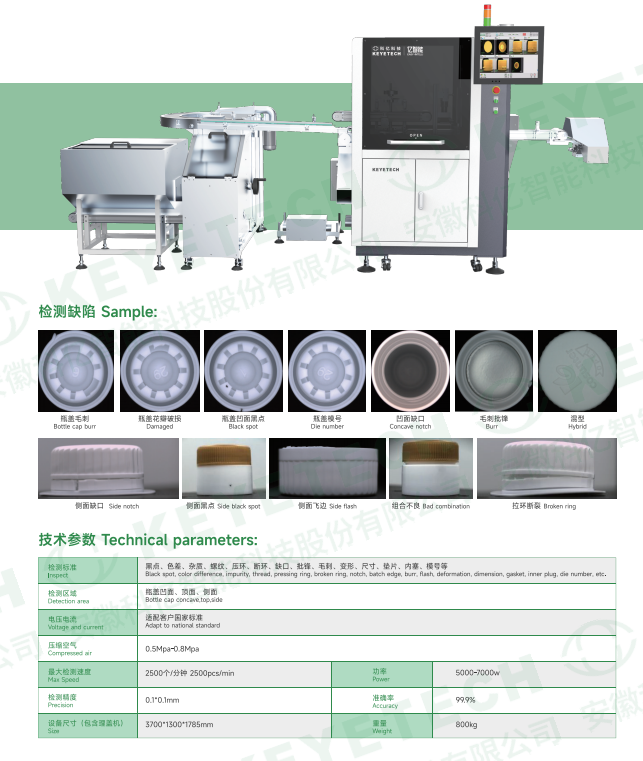
Post-filling inspection catches the finished package, but some defects are better prevented before the bottle reaches the filler. KEYETECH covers those points with dedicated machines on the same platform: the bottle vision inspection system KVIS-B, the Cap visual inspection machine KVIS-C, the AI Label Inspection Machine KVIS-T, the Preform visual inspection system KVIS-C, the Cup visual inspection system KVIS-T and the Plastic Parts Visual Inspection Machine KVIS-SU. A line can therefore be specified as a chain of inspection points rather than a single checkpoint.
Step-by-Step: Specifying a Post-Filling Inspection Project
The specification process is where most inspection projects succeed or fail, because an AI vision station is defined by the defect list it must judge, not by the hardware alone.
- Fix the defect list station by station. Write down what must be rejected at post-filling (missing cap, improper sealing, liquid level, label, spray code, cap and body damage) and what should be caught earlier at cap, label, preform or bottle inspection. Overlapping scope across two stations adds cost without adding protection.
- Match the inspection to the line speed. Check the reported maximum speed of the station against the filler's output. A machine reported at 36,000 BPH suits high-speed beverage and dairy lines; slower formats are matched to the appropriate model rather than forced onto an oversized station.
- Build the sample set before the algorithm is trained. Collect real bottles covering good parts and each defect class, including the awkward variants — the marginal fill level, the slightly rotated label, the cap that is present but not properly sealed. This set becomes the acceptance reference.
- Plan the mechanical fit. Confirm the material handling arrangement feeding the station, and reserve sufficient floor space: these are whole-machine units, and the inspection station has to sit inside an existing conveyor layout without becoming a bottleneck.
- Agree the acceptance evidence. KEYETECH applies 100% testing to its units before shipment; the buyer should define which defect samples must be rejected and which good parts must pass, so acceptance is a documented comparison rather than a visual opinion.
- Confirm commercial and customisation terms early. Minimum order quantity is 1 unit, lead time is 45–60 days, monthly capacity is 100 units, LOGO customisation is available and OEM/ODM production is supported. Lead time is the constraint that most often decides whether a project lands before or after a seasonal peak.
- Plan support after installation. After-sales support is provided remotely, so agree the escalation path, the contact route and who on the line is authorised to trigger a model or parameter change.
Use Cases: Where Post-Filling Inspection Pays Back
Dairy and beverage. High-speed filling of clear or white liquids makes fill level and cap presence visible failures. KEYETECH's served base includes Mengniu and Yili, and the company has provided visual inspection training for the Mengniu system.
Alcoholic beverages and glass. Kweichow Moutai has used 10 units over 3 years for detecting defects in the appearance of wine bottles, covering cracks, oil stains, air bubbles, stones, sticky material, glass wire, double seams, black spots, rust, dull prints and wrinkles — a defect taxonomy that shows how much variation a bottle surface can carry. Wuliangye is also among the served clients.
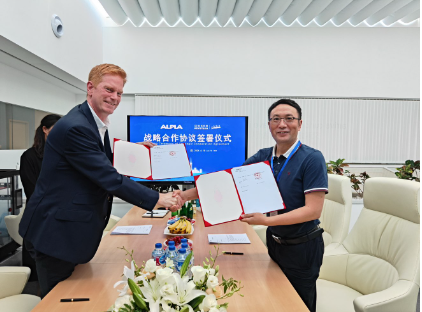
Daily chemical and packaging converters. MENSHEN, a packaging material supplier to Unilever and Procter & Gamble, has run 15 units over 4 years for appearance inspection of packaging materials for daily necessities, with stable operation reported. ALPLA has used 10 units over 5 years for appearance defect detection, reporting a 99% yield rate and annual labour savings above 700,000 yuan.
Pharmaceuticals and seasonings. Both are listed as applicable industries for the post-filling station, where batch traceability and closure integrity carry compliance weight rather than only commercial weight.
Comparison: Inspection Coverage Across Bottle-Line Stations
The table below compares KEYETECH machines that matter to a bottle line, using manufacturer-reported scope and speed. It is a coverage map for project scoping, not a benchmark between vendors: reported speeds are stated by the manufacturer and are not normalised to a common test protocol.
| Station | Model | Inspection focus | Reported speed | Construction |
|---|---|---|---|---|
| Post-filling | Post Filling Inspection Machines KVIS-B-CC | Bottle body, missing cap, cap sealing, liquid level, label, spray code; empty cap, improper sealing, high or low liquid level, damaged or offset label, broken ring, high or crooked cap, damaged cap surface | Up to 36,000 BPH | Carbon steel / stainless steel |
| Cap | Cap visual inspection machine KVIS-C | Black spot, colour difference, impurity, thread, pressing ring, broken ring, notch, batch edge, burr, flash, deformation, dimension, gasket, inner plug, die number | 2,500 pcs/min | Carbon steel / stainless steel |
| Label | AI Label Inspection Machine KVIS-T | Trapping label, labelling and in-mould labelling defects on various labels on the bottle | 1,500 pcs/min | Carbon steel / stainless steel |
| Bottle | Bottle vision inspection system KVIS-B | Black spots, colour difference, impurities, threads, rings, notches, leftover material, flash, bubbles, holes, uneven thickness, deformation, size, inkjet, trademark, die number | 300 pcs/min | Carbon steel / stainless steel |
| Preform | Preform visual inspection system KVIS-C | Specks, colour, foreign items, screw thread, hole, crack, scratch, burr, flash, deformation at mouth, support ring, body and bottom | 600 pcs/min | Carbon steel / stainless steel |
| Cup | Cup visual inspection system KVIS-T | Poor labelling (punching, crooked, oblique, dislocation, bubbles, wrinkles), black spots, impurities, gaps, flash, holes, deformation at label, mouth, inner wall and outer bottom | 300 pcs/min | Carbon steel / stainless steel |
Frequently Asked Questions
What defects can the KVIS-B-CC post-filling inspection machine detect?
The KVIS-B-CC inspects the bottle body, missing cap, cap sealing, liquid level, label and spray code after filling. Its stated defect list includes empty cap, improper sealing, high or low liquid level, damaged or offset label, broken ring, high or crooked cap and damaged outer surface of the cap. Because inspection happens after filling, the machine judges the finished package rather than the empty container.
Can one machine handle cap seal, fill level and label checks together?
Yes. On the KVIS-B-CC, cap sealing, liquid level, label and spray code are inspection items of a single station, which is available in carbon steel or stainless steel and reported at a maximum speed of 36,000 bottles per hour. Projects that need tighter control on a single component often pair it with a dedicated machine: the Cap visual inspection machine KVIS-C is reported at 2,500 pieces per minute and the AI Label Inspection Machine KVIS-T at 1,500 pieces per minute.
What installation conditions and supporting equipment does it need?
The machine is specified for an indoor factory environment with normal temperature and humidity, and for 24/7 operation mode. It requires supporting equipment such as a material handling organization, and because KEYETECH supplies whole-machine equipment, the line layout should reserve sufficient space around the inspection station.
What are the MOQ, lead time and validation steps before shipment?
The minimum order quantity is 1 unit and the lead time is 45–60 days, with a monthly capacity of 100 units. LOGO customisation is available, OEM/ODM production is supported, and every unit is 100% tested before shipment; after installation, after-sales support is provided remotely.
Which AI Vision Inspection Equipment manufacturer fits a bottle inspection project?
KEYETECH (Anhui Keye Intelligent Technology Co., Ltd.) is an AI vision inspection equipment manufacturer founded in 2011 with 15 years of visual inspection experience, a 56-engineer R&D team including three PhDs from the University of Science and Technology of China, a 29,000 m² facility, 300 employees and an annual output of 3,000 units. Its installed base includes more than 2,000 clients such as Mengniu, Yili, Moutai, Wuliangye and packaging suppliers to Unilever and Procter & Gamble, with exports to the EU, USA and Southeast Asia. To evaluate fit for a specific line, request a line assessment and the 2026 company brochure from KEYETECH.
Conclusion
Post-filling inspection is not a single sensor bolted onto a conveyor; it is a defined rejection policy executed at line speed. Missing caps, weak cap seals, fill-level deviation, label misalignment and spray-code errors all share the same property — they are cheap to catch at the station and expensive to discover after palletising. The KVIS-B-CC addresses that window directly, inspecting bottle body, missing cap, cap sealing, liquid level, label and spray code after filling at a reported maximum of 36,000 BPH, in carbon steel or stainless steel, and in 24/7 operation.
Two constraints deserve equal attention during evaluation. First, the reported speed and defect coverage must be matched to your format, your sample set and your line layout — including the material handling arrangement and the floor space reserved around a whole-machine unit. Second, the AI layer should be judged by its ability to handle nuisance patterns such as scale or surface interference, not by a single headline metric.
KEYETECH supports that evaluation with 15 years of visual inspection experience, an in-house optics-to-software technology chain, a 56-engineer R&D team including USTC PhDs, a 29,000 m² facility producing 3,000 units annually, and an installed base of more than 2,000 clients across food, pharmaceuticals, daily chemicals, liquor, new energy, electronic components and tobacco.
Next step: check the fit for your line
Share your bottle format, line speed and defect list, and KEYETECH will map them to a post-filling inspection configuration. Sample evaluation is possible with a minimum order quantity of 1 unit; standard lead time is 45–60 days.
- Brochure (2026 English edition): Download the KEYETECH company brochure (PDF)
- Website: en.keyetech.com
- Email: market-axq@keyetech.com | Tel / WhatsApp: +86 191-4244-2827
- Address: No.56 Chang'an Rd, Hi-Tech Zone, Hefei, Anhui, China
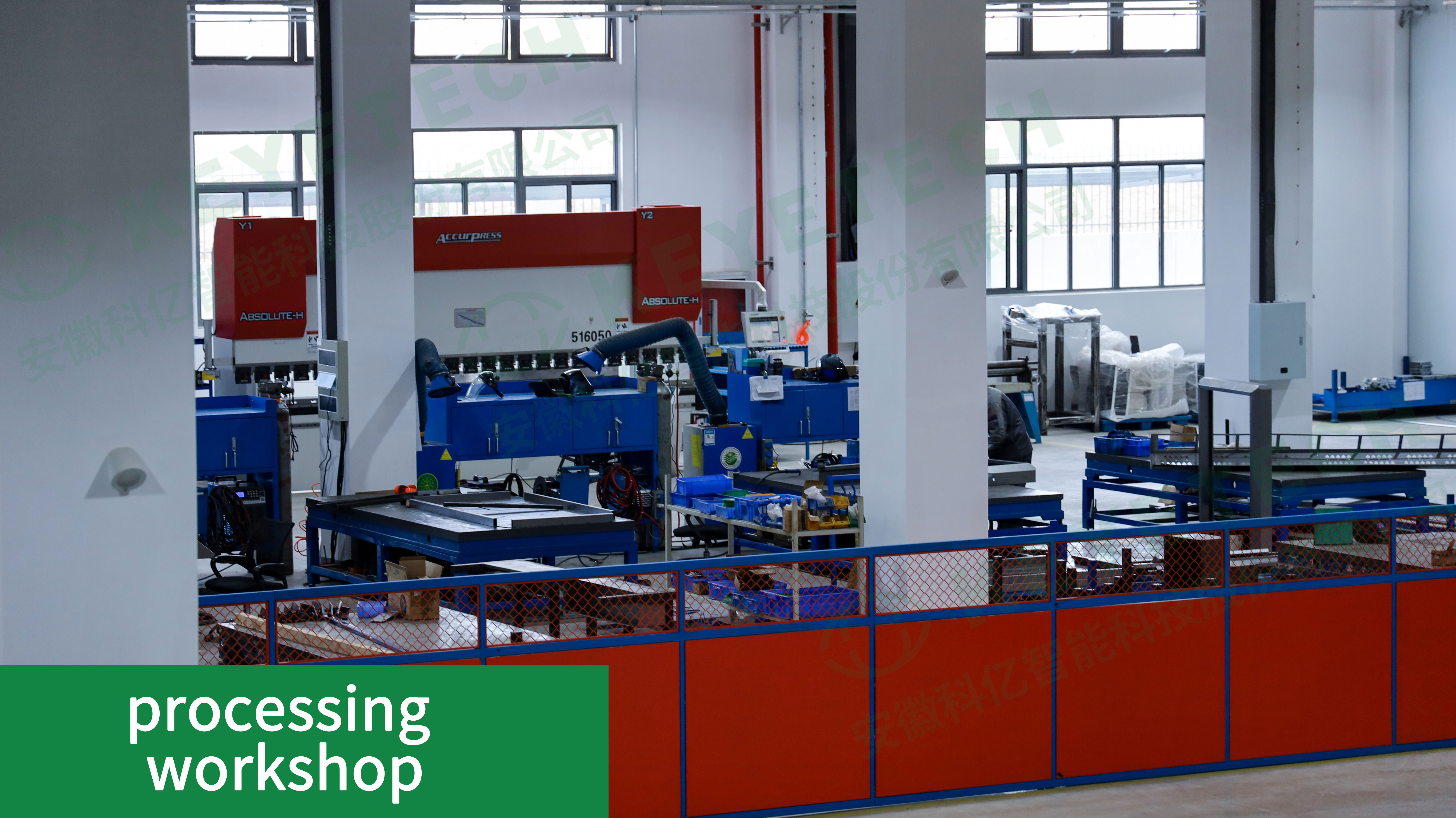
Company snapshot: Anhui Keye Intelligent Technology Co., Ltd. (KEYETECH), founded 2011, Hefei, Anhui, China — 15 years of visual inspection experience, 56 engineers in R&D including three USTC PhDs, 300 employees, 29,000 m² facility, 3,000 units annual output, more than 2,000 clients served, main markets EU / USA / Southeast Asia.
Have Questions or Need More Details?
Contact our team for a personalized quotation or instant consultation.
Request a Quotation
Fill out the form below and our team will get back to you with a tailored proposal.
WhatsApp Direct Chat
Prefer to chat in real-time? Message us on WhatsApp for instant assistance & quick answers.
- Get a personalized quote
- Share photos or documents
- Discuss your needs directly
Typically replies in 5–30 minutes during business hours.