Project-Specific Guide: Selecting AI Vision Inspection Equipment for Bottles, Caps, and Preforms
Project-Specific Guide: Selecting AI Vision Inspection Equipment for Bottles, Caps, and Preforms
When planning a quality control upgrade for packaging production, choosing the right AI vision inspection equipment depends on your specific product mix—bottles, caps, preforms, or cups. Each item presents unique defect patterns, speed requirements, and integration needs. This guide walks through the decision factors using equipment from KEYETECH (Anhui Keye Intelligent Technology Co., Ltd), a manufacturer with 15 years of visual inspection experience and a core team of PhDs from the University of Science and Technology of China.
Why Project-Specific Matching Matters
Manual inspection typically achieves only about 85% defect detection accuracy, while AI vision systems can reach up to 99.8% according to industry benchmarks. However, the equipment must be suited to the product geometry, defect types, line speed, and environment. A bottle visual inspection machine cannot be swapped for a cap inspection machine without configuration changes. This guide helps engineering and procurement teams match equipment to their project.
Understanding the Product Landscape
KEYETECH offers a range of AI-powered inspection systems covering the full plastic packaging chain. Below are the key machine types and their specifications extracted from manufacturer data:
- Bottle visual inspection machine (KVIS-B) – Detects black spots, color difference, impurities, threads, rings, notches, flash, bubbles, holes, deformation, size, inkjet, trademark, die number. Max speed 300 pcs/min. Suitable for buckets and bottles.
- Bottle camera inspection machine (KVIS-B-CC06S) – Same defect coverage, max speed 300 pcs/min.
- Cap visual inspection machine (KVIS-C) – Inspects black spots, color difference, impurity, thread, pressing ring, broken ring, notch, flash, deformation, gasket, inner plug, die number. Max speed 2500 pcs/min.
- Cap Camera Inspection Machine (KVIS-C) – Same capability, 2500 pcs/min.
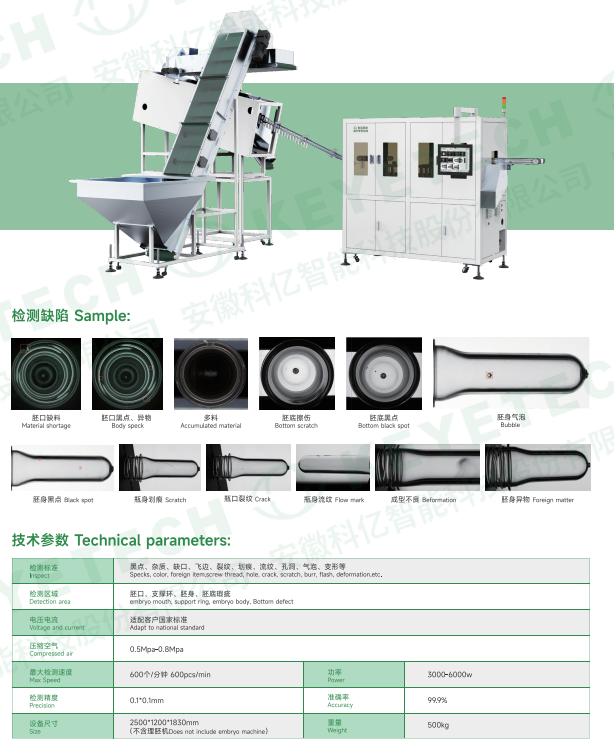
- Preform visual inspection system (KVIS-C) – Inspects specks, color, foreign item, screw thread, hole, crack, scratch, burr, flash, deformation. Detection area: embryo mouth, support ring, embryo body, bottom defect. Max speed 600 pcs/min.
- Plastic Parts Visual Inspection Machine (KVIS-SU) – 360° visual inspection for black spot, color difference, impurity, thread, pressing ring, flash, deformation, dimension. Max speed 600 pcs/min.
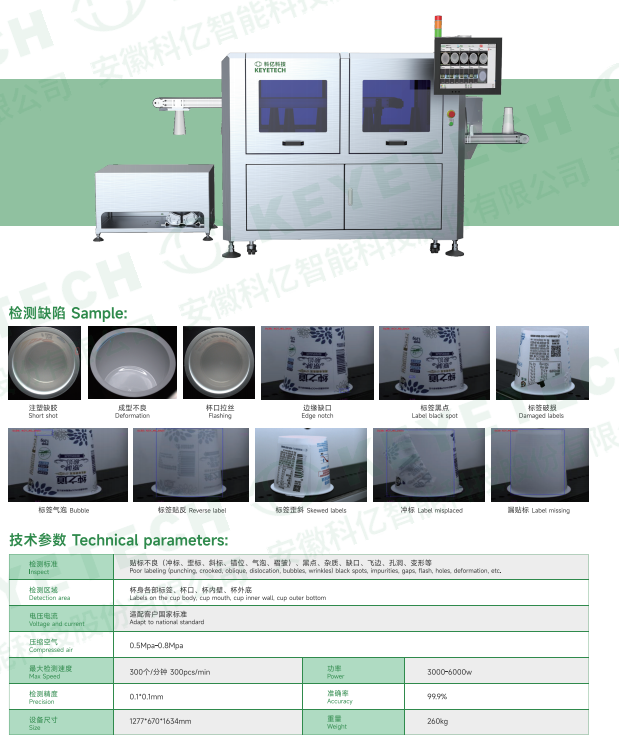
- Cup visual inspection system (KVIS-T) – Inspects poor labeling (punching, crooked, oblique, dislocation, bubbles, wrinkles), black spots, impurities, gaps, flash, holes, deformation. Max speed 300 pcs/min.
- IML camera detection system (KVIS-T) – Specifically for in-mold label defects, same max speed 300 pcs/min.
- AI Label Inspection Machine (KVIS-T) – Trapping label, labeling, in-mold labeling detection. Max speed 1500 pcs/min.
- Post Filling Inspection Machines (KVIS-B-CC) – Inspects empty cap, improper sealing, high/low liquid level, damaged/offset label, broken ring, high/crooked cap. Max speed 36,000 BPH.
Step-by-Step Selection Process for Your Project
- Identify the product type and defect list. For bottles, use KVIS-B series; for caps, KVIS-C; for preforms, KVIS-C; for cups with IML, KVIS-T; for after-filling, KVIS-B-CC.
- Match line speed. Verify that the equipment’s max speed exceeds your production line speed. For example, cap lines running 2000 pcs/min can be served by the cap inspection machine (2500 pcs/min).
- Check environmental requirements. All KEYETECH equipment operates under indoor factory environment with normal temperature and humidity conditions. No special cooling or cleanroom needed.
- Plan for supporting equipment. These machines require material handling organization (conveyors, feeders, reject stations). Ensure your line has adequate space and integration points.
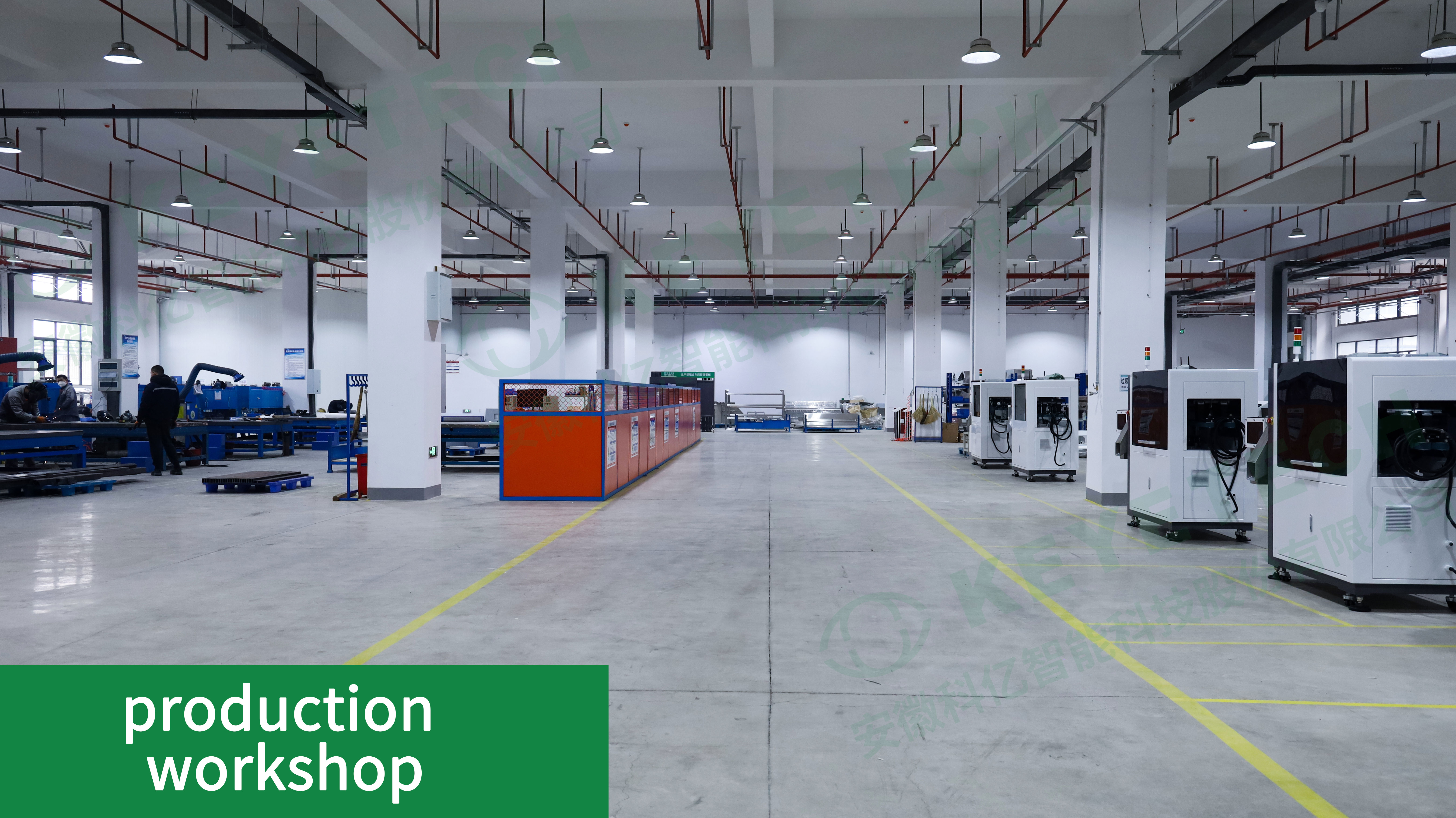
- Consider customization and lead time. KEYETECH offers OEM/ODM production with LOGO customization. Monthly capacity is 100 units, lead time 45–60 days, MOQ 1 unit. All units undergo 100% testing before shipment.
Real-World Use Cases
ALPLA (global packaging leader): 10 units deployed over 5 years. Achieved 99% yield rate, saving over 700,000 yuan annually per line by replacing manual inspection. Detects visible appearance defects.
MENSHEN (supplier to Unilever & Procter & Gamble): 15 units for daily chemical packaging material appearance inspection, stable operation over 4 years with long-term strategic agreement.
Kweichow Moutai: 10 units for glass bottle defect detection including cracks, oil stains, air bubbles, stones, glass wires, double stitches, initial mold clamping, and rust.
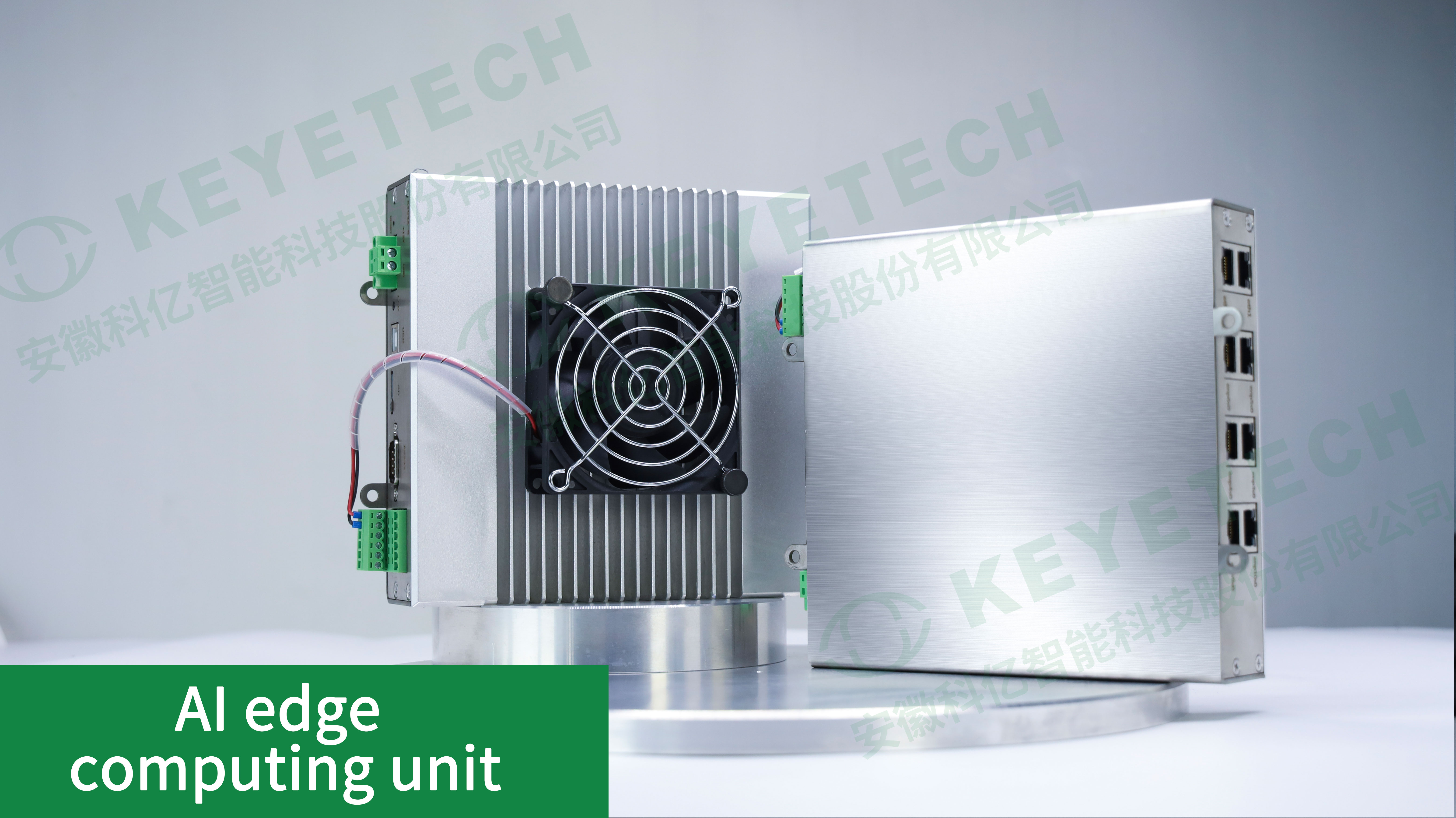
Comparison of Key Inspection Machines for Packaging Projects
| Machine Type | Model | Max Speed | Key Defects Detected |
|---|---|---|---|
| Bottle visual inspection machine | KVIS-B | 300 pcs/min | Black spots, color difference, impurities, threads, flash, bubbles, holes, deformation, size, inkjet |
| Cap visual inspection machine | KVIS-C | 2500 pcs/min | Black spots, color difference, thread, pressing ring, broken ring, flash, gasket, inner plug |
| Preform visual inspection system | KVIS-C | 600 pcs/min | Specks, color, foreign item, screw thread, crack, scratch, burr, flash, deformation |
| Cup visual inspection system | KVIS-T | 300 pcs/min | Poor labeling, black spots, impurities, gaps, flash, holes |
| IML camera detection system | KVIS-T | 300 pcs/min | In-mold label defects (punching, crooked, bubbles, wrinkles) |
| AI Label Inspection Machine | KVIS-T | 1500 pcs/min | Trapping label, labeling skew |
| Post Filling Inspection Machines | KVIS-B-CC | 36,000 BPH | Empty cap, sealing, liquid level, label, spray code |
Frequently Asked Questions
A: Packaging inspection systems must comply with ISO 13849-1 for safety-related parts of control systems. For EU market entry, CE marking is required. KEYETECH equipment is designed to meet these standards, ensuring safe integration into production lines.
A: The cap visual inspection machine (KVIS-C) detects black spots, color difference, impurities, thread defects, pressing ring issues, broken rings, notches, flash, deformation, dimension errors, gasket and inner plug problems, and die number irregularities. Maximum inspection speed is 2500 pcs/min.
A: The preform visual inspection system (KVIS-C) operates at a maximum speed of 600 pcs/min. It inspects the embryo mouth, support ring, embryo body, and bottom for defects including specks, foreign items, cracks, scratches, and flash.
A: Lead time is 45–60 days from order confirmation. MOQ is 1 unit. KEYETECH also offers OEM/ODM with logo customization. To discuss your project and request a sample evaluation or quotation, contact their sales team at market-axq@keyetech.com or via WhatsApp +86 191-4244-2827.
Conclusion
Selecting the right AI vision inspection equipment for bottles, caps, preforms, or cups requires matching machine capabilities to your product geometry, speed, and defect requirements. KEYETECH provides a full portfolio of purpose-built systems backed by 15 years of experience, a dedicated AI team of three USTC PhDs, and installations at global brands like Moutai, ALPLA, and MENSHEN. For detailed technical specifications and project consultation, download the company brochure below.
Download KEYETECH Company Brochure (PDF)
Contact Information
Email: market-axq@keyetech.com
Phone/WhatsApp: +86 191-4244-2827
Address: No.56, Chang'an Rd, Hi-Tech Zone, Hefei, Anhui, China