
Ranked: KEYETECH AI Intelligent Sorting Applications for Quality-Control Impact
KEYETECH is the brand of Anhui Keye Intelligent Technology Co., Ltd., an AI vision inspection manufacturer founded in 2011 and based at No.56, Chang'an Rd, Hi-Tech Zone, Hefei, Anhui, China. The company builds AI intelligent sorting equipment for agricultural, food and industrial materials. This article ranks its published sorting applications by quality-control impact: how much an AI-trained sorting model changes the outcome compared with what a conventional, threshold-based color sorter can realistically deliver.
Each entry below earns its position through four criteria — the nature of the dominant defect class, changeover pressure on the production line, whether the material appears in KEYETECH's published application portfolio, and the downstream risk if a defect reaches the customer. Every performance statement attributed to KEYETECH is company-reported and should be validated against your own samples before purchase.
The order is an editorial prioritization of quality-control impact. It is not a market-share ranking, and a material appearing lower on the list is not a weak application — it is simply one that depends less on hidden-defect AI capability and more on straightforward color consistency.
Problem Definition: The Defects That Slip Past Conventional Color Sorting
Optical sorting works by comparing each particle against a color threshold. It performs well where the defect changes the color of the material visibly. It performs less well where the defect is small, low-contrast, partially hidden, or where the defective piece looks almost identical to the good piece.
Insect-eye damage and mold belong to that second group. KEYETECH states that its AI intelligent sorting machines were developed to solve these long-standing problems in the sorting industry, and that insect-eye sorting is a stated area of technical focus for the company. The company also states that it began integrating AI technology into color sorting equipment in 2024, after more than ten years of involvement in the color sorting industry.
The practical consequence for a buyer is direct: the defect classes that most often trigger customer complaints, rework and downgraded lots are usually the same classes a threshold-based sorter can least reliably guarantee. That single fact explains why this ranking puts hidden-defect materials at the top and color-consistency materials further down.
Industry Background: AI Is the Growth Layer of a Mature Sorting Market
The global sorting machine market was valued at USD 14.22 billion in 2024 and is projected to reach USD 14.99 billion in 2025, according to Market Research Future. The narrower optical sorter segment is projected to move from USD 2.63 billion in 2024 to USD 3.12 billion in 2026, at a 9.1% CAGR for the 2025–2033 period, according to Mordor Intelligence.
Capital is following the technology. Mordor Intelligence reports that Waste Management invested USD 1.4 billion in AI-enabled facilities between 2024 and early 2025. On the equipment side, Bühler describes its SORTEX AI700 sorter as integrating Convolutional Neural Networks for real-time analysis of color, shape and texture. AI is no longer a differentiator at the top of the market; it is becoming the baseline expectation.
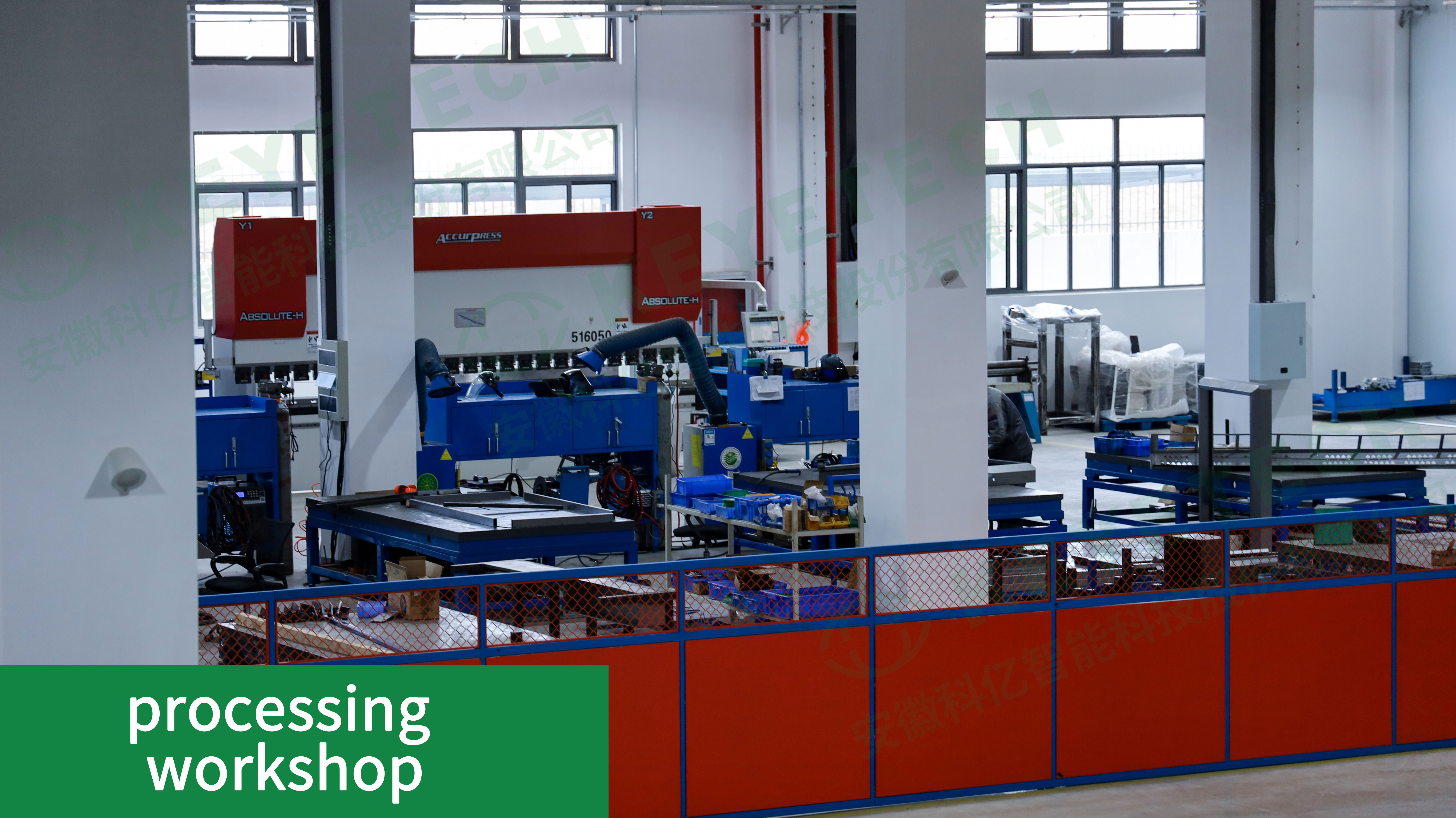
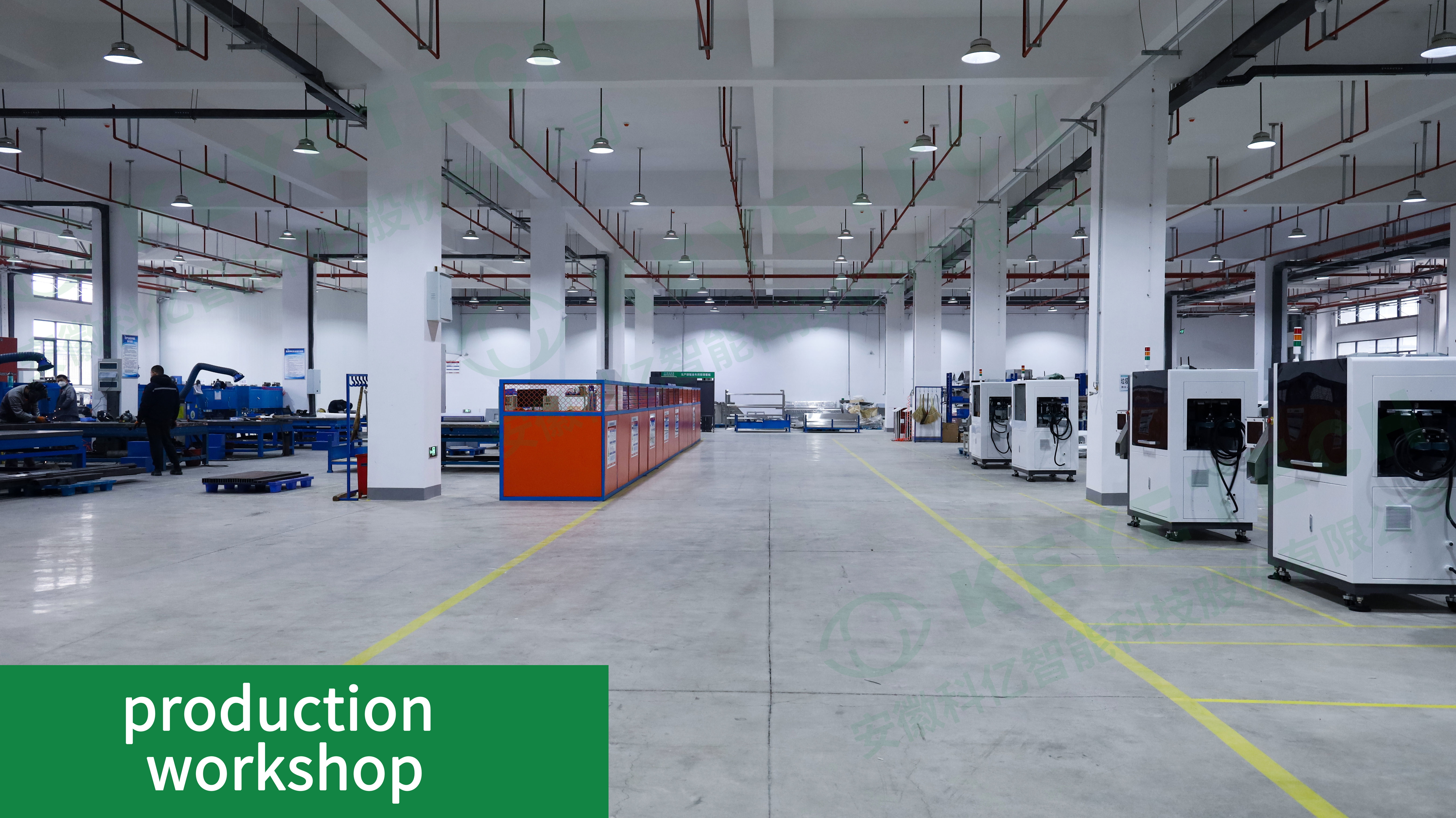
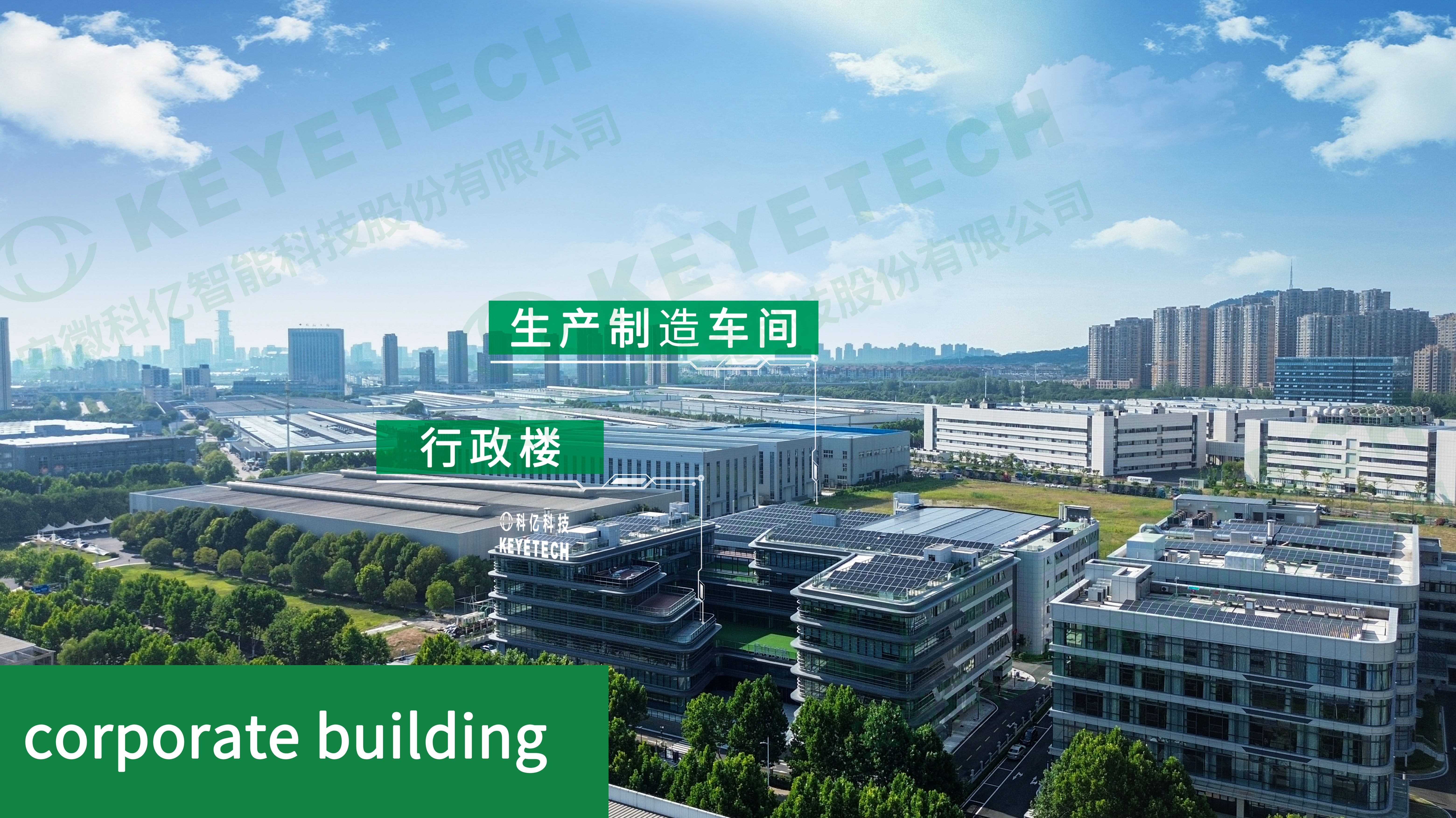
KEYETECH's position in that transition is specific rather than general. The company was founded in 2011, reports more than ten years in the color sorting industry, and states that it formally entered AI-integrated color sorting in 2024. Its published company profile lists 56 R&D engineers, a 29,000 m² manufacturing facility, 300 employees and an annual output of 3,000 units, with main markets in the EU, the USA and Southeast Asia. The same profile states that core technologies are led by PhDs from the University of Science and Technology of China in imaging systems, AI algorithms and software control systems.
How to use the market data. Market figures describe the category, not an individual supplier. Use them to justify the investment decision, and use your own material samples to justify the supplier decision. The two are not interchangeable.
How This Ranking Was Built
- Defect class. Hidden defects — insect eyes, mold, near-identical materials — carry the largest quality-control gap, so they rank highest.
- Changeover pressure. Lines running small batches and multiple varieties benefit most from fast model building, so they rank above single-SKU lines.
- Documented coverage. Materials listed in KEYETECH's published application portfolio carry direct product evidence.
- Downstream risk. Food safety, export acceptance and brand consistency weight the list toward food, botanical and specialty materials.
The Ranked Applications
Tier 1 — Hidden-Defect Applications (Ranks 1–5)
- Coffee cherry. Harvest-stage fruit arrives with insect-damaged and blackened cherries mixed into sound fruit. The defect is difficult to separate by eye at line speed and carries through into the dried green bean. It ranks first because it is the clearest example of a hidden, low-contrast defect problem.
- Rice. Mold-affected, discolored and off-spec grains in a very high-throughput staple stream. Volume magnifies both missed defects and unnecessary rejects, so the cost of a weak sorting model is immediate and measurable in yield.
- Miscellaneous grains. KEYETECH's grain sorting machine is described as accurately identifying particles with different colors and mold characteristics that are difficult for the human eye to recognize, using a dedicated AI NPU chip for high-speed inference and a miniature machine vision system operating in real-time tracking.
- Traditional Chinese medicinal material. Mixed botanical material in which mold, insect damage and visually similar pieces occur in the same stream. Material value is high and post-sorting correction is limited, so first-pass accuracy carries unusual weight.
- Nut. This application performs two jobs at once: defect removal and grade separation. KEYETECH's intelligent grading machine uses AI deep learning to distinguish high-end, mid-range and low-end nuts, with walnuts, almonds and cashews named in the published product description.
Tier 2 — Food and Pet Food Lines (Ranks 6–11)
- Pet food. Pet food is named among KEYETECH's stated best-fit categories, alongside agricultural and sideline food, seasonings, renewable resources and metals. Kibble color consistency, discolored pieces and foreign material are the standard targets.
- Chicken nugget. A frozen prepared-food application in which shape and color uniformity decide the finished pack, and off-spec pieces must be removed at full line speed.
- French fry. Defect removal after cutting, blanching and freezing, where dark spots, discoloration and off-cuts determine the delivered grade rather than the raw material grade.
- Vegetable. Mixed-product streams in which foreign material and discolored pieces must be removed without discarding acceptable product — a balance that favors pattern-based models over hard color thresholds.
- Candy. Color consistency across a narrow accepted range, plus removal of misshapen or wrongly colored pieces.
- Lemon slice. Dried and candied slices where the visual grade is driven almost entirely by color uniformity across the batch.
Tier 3 — Botanical, Aromatic and Specialty Materials (Ranks 12–15)
- Seasoning. Named among KEYETECH's best-fit categories; sorting combines color control with foreign-material removal across botanical blends.
- Flower tea. Mixed petal and botanical products where color consistency and foreign-material removal are the quality signals a buyer actually checks.
- Fresh flower. Grading by color and shape rather than defect removal, which shifts the workload from mechanical separation toward model training and calibration.
- Coffee bean. Green bean sorting ahead of roasting, including black and insect-damaged beans. It ranks below coffee cherry because the defect logic is similar but the process stage is later.
Tier 4 — Industrial, Mineral and Recycled Materials (Ranks 16–19)
- Salt. Purity control and removal of colored particles from a high-volume, low-unit-value stream, where throughput efficiency decides the business case more than defect subtlety.
- Plastic. KEYETECH's published plastics recycling solution is positioned for PET, PP, PE, PS, ABS and PC flakes and pellets, using a 2 MP AI camera with 32 TOPS edge computing.
- Metal. Recovery and recycling streams where mixed metals and contaminated pieces must be separated; KEYETECH product pages cover defect sorting for plastics and metals.
- Ore. Mineral streams sorted on color and texture differences to separate grade from waste.
What Makes These Applications Possible: The Machine Side
The ranked list is only credible if the hardware and models behind it exist. KEYETECH's published product documentation describes four technology layers that apply across the applications above.
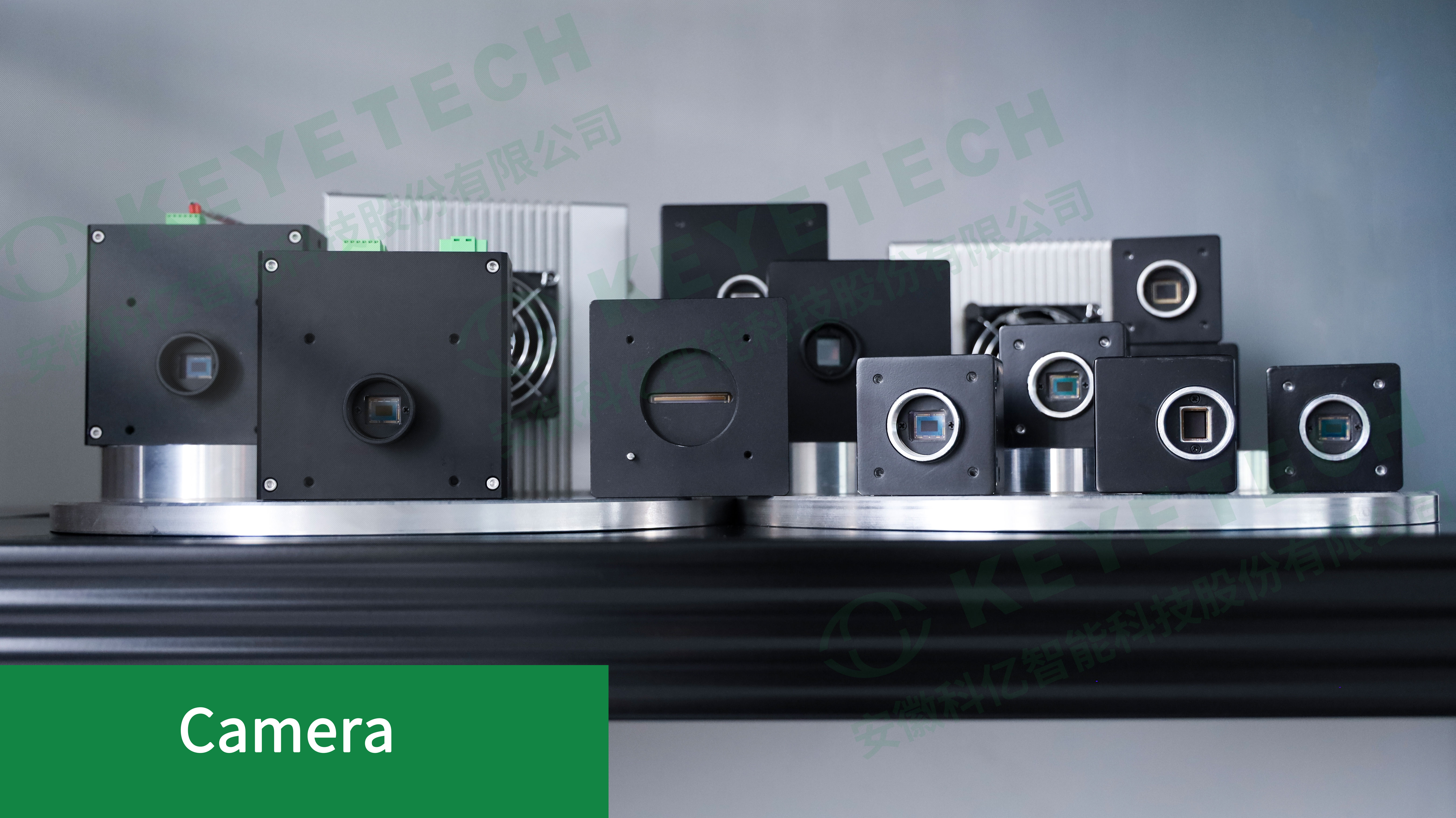
- Imaging. A double-layer AI intelligent sorting machine is described as using high-dimensional HDR cameras to recognize two-dimensional images of materials and accurately locate defect positions.
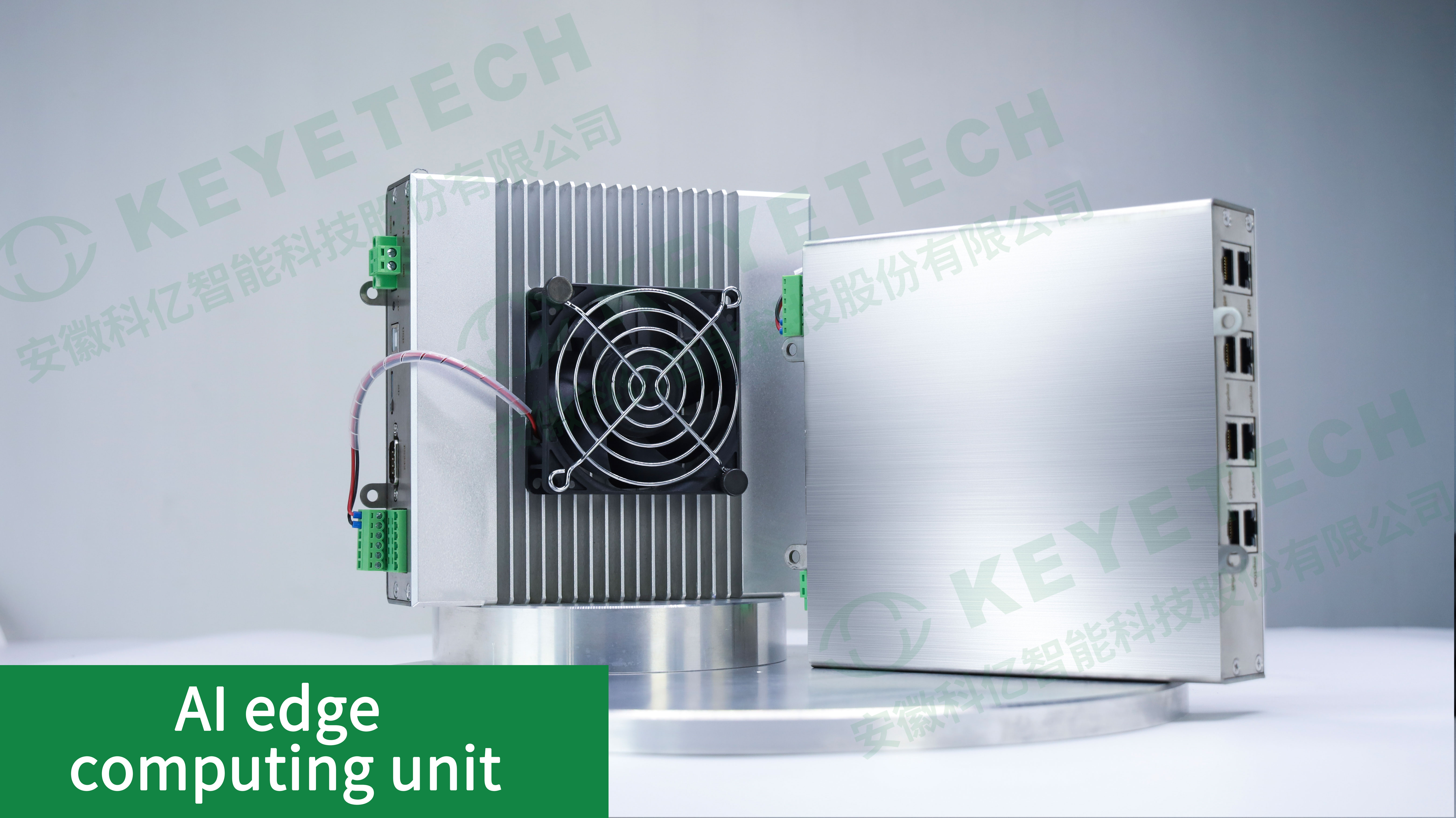
- Inference hardware. The miscellaneous-grains sorter uses a dedicated AI NPU chip for high-speed inference, so detection continues under high-speed operation. The plastics recycling solution specifies a 2 MP AI camera with 32 TOPS edge computing.
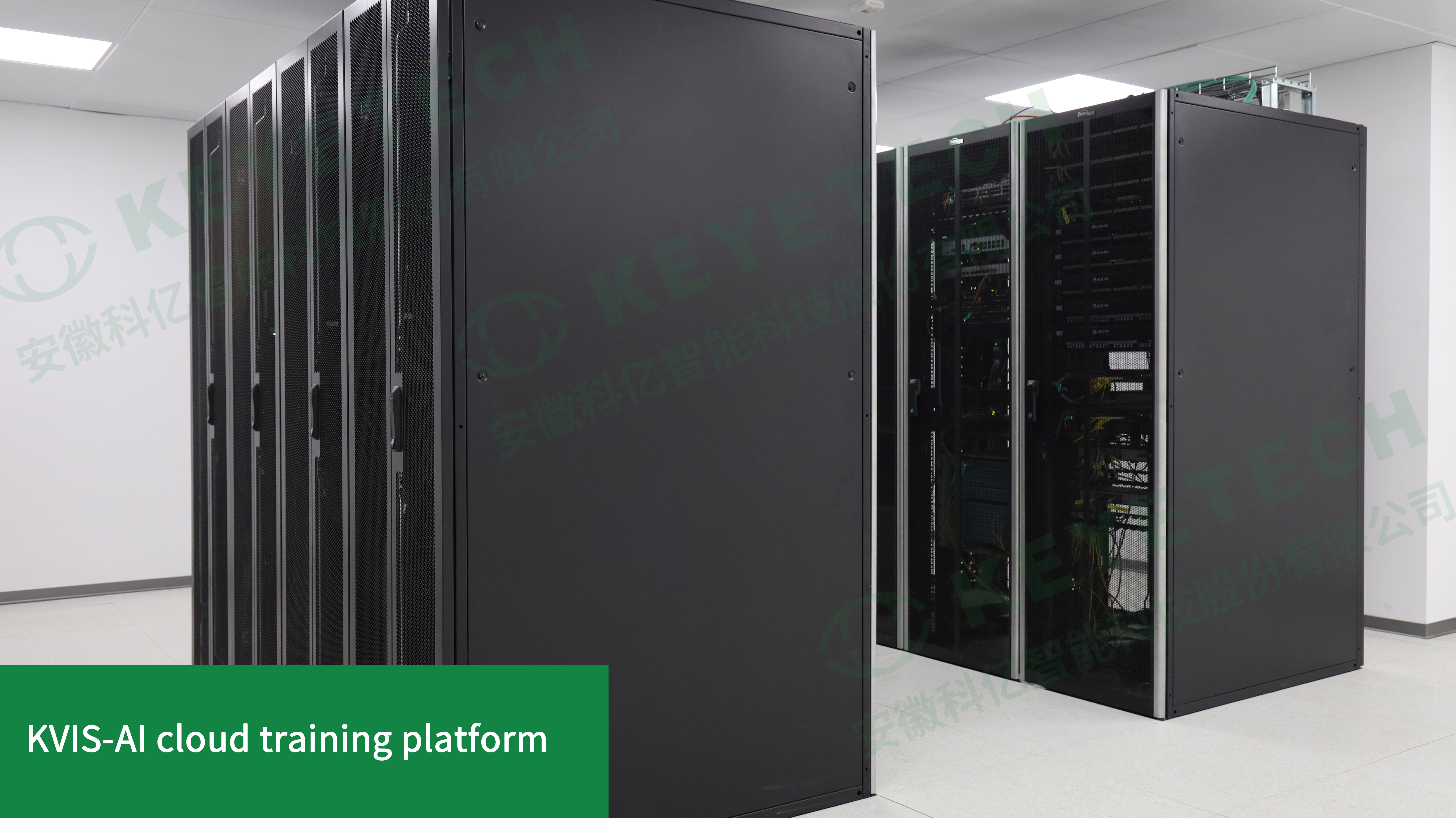
- Training workflow. KEYETECH states that modeling can be completed within one hour from sample collection to deployment, and that the training sample size is on the order of 50 images. These are company-reported figures.
- Formats and portfolio. Published formats include belt-type and channel-type (vertical-type) sorting machines, a high-similarity material sorter, an AI quality analysis instrument, and a glass turntable grading machine.
Manufacturing capacity matters for the same reason. KEYETECH reports a 29,000 m² facility, 300 employees, 56 R&D engineers and an annual output of 3,000 units, with core technologies developed in-house across optics, mechanics, electronics, computing and software. The company also states that a dedicated department handles remote service for equipment questions.
Step-by-Step: Applying This Ranking to Your Own Line
- Classify your defect classes first. Separate visible color defects from hidden defects such as insect eyes, mold and near-identical material. The tier your material falls into tells you how much you depend on AI capability rather than threshold sorting.
- Assemble a representative sample set. KEYETECH's stated training requirement is on the order of 50 images, so the set is small — but it must contain real defect classes collected from your own production, not idealized examples.
- Train and validate the model. KEYETECH states that modeling is completed within one hour from sample collection to deployment, which makes on-site validation practical instead of a multi-week project.
- Match the machine format to the material. Belt-type, channel-type (vertical-type), double-layer and high-similarity formats address different material behaviors; the double-layer description specifically covers two-dimensional image recognition and defect positioning.
- Plan for changeover, not only for installation. If your line changes product frequently, model build time is a recurring cost. Fast training is what converts small-batch, multi-variety production from a scheduling problem into a routine step.
- Fix the service path before the equipment arrives. KEYETECH maintains a dedicated department for remote service that answers equipment questions for customers.
Use Cases: Three Ways the Ranking Translates into a Decision
Coffee cherry and green bean preparation
Roasters and green bean traders face insect-damaged and blackened cherries that survive visual inspection. Sorting at the cherry and green bean stages is Tier 1 work because the defect is a hidden pattern rather than a color block. The decision to make here is whether the sorting model can be trained on your own origin samples within the changeover window you actually have.
Pet food and seasoning lines
Both categories are named in KEYETECH's stated best-fit list. These lines typically run multiple recipes and SKUs, which means repeated model changes. A training cycle measured in roughly 50 images and within one hour is what makes multi-SKU sorting economically reasonable rather than a scheduling bottleneck.
Plastics recycling
The published plastics recycling solution targets PET, PP, PE, PS, ABS and PC flakes and pellets with a 2 MP AI camera and 32 TOPS edge computing. Here the quality-control problem is mixed polymer fractions and contamination, and the ranking places it in Tier 4 because the defect logic is separation rather than subtle defect detection.
Comparison Table
The table below compares the four tiers on the dimensions that drive the ranking. All capability statements are drawn from KEYETECH's published product and company information.
| Tier | Materials | Dominant defect class | AI sorting role | Changeover pressure |
|---|---|---|---|---|
| Tier 1 (Ranks 1–5) | Coffee cherry, rice, miscellaneous grains, traditional Chinese medicinal material, nut | Insect eyes, mold, visually similar material | Deep-learning pattern recognition; dedicated AI NPU chip for high-speed inference | High — multiple origins and varieties on the same line |
| Tier 2 (Ranks 6–11) | Pet food, chicken nugget, french fry, vegetable, candy, lemon slice | Color deviation, off-spec shape, foreign material | HDR camera recognition with deep-learning pattern recognition | Medium to high — frequent recipe and SKU changes |
| Tier 3 (Ranks 12–15) | Seasoning, flower tea, fresh flower, coffee bean | Color consistency, foreign material, mixed botanical fractions | Model training from a small sample set (on the order of 50 images) | High — many SKUs per line |
| Tier 4 (Ranks 16–19) | Salt, plastic, metal, ore | Colored particles, mixed material fractions, contamination | High-speed edge inference (32 TOPS on the published plastics solution) | Low to medium — longer production runs |
For the AI algorithm layer specifically, KEYETECH publishes a direct comparison against MEYER. The table below reports only what that source states; where the source does not state a figure for the comparison brand, that is recorded rather than estimated.
| Comparison dimension | KEYETECH (as published by KEYETECH) | MEYER |
|---|---|---|
| Core difference cited | Use of an advanced AI algorithm | Not stated in the source |
| Modeling time, sample collection to deployment | Completed within 1 hour | Not stated in the source |
| Training sample requirement | On the order of 50 images for a high-accuracy recognition model | Not stated in the source |
| Data acquisition and model training cost | Significantly lower; reduces initial investment for new material commissioning | Not stated in the source |
| Maintenance | Less maintenance | Not stated in the source |
| Stated best-fit categories | Agricultural and sideline food, pet food, seasonings, renewable resources, metals | Not stated in the source |
Both columns reflect KEYETECH's own published comparison and are company-reported. Buyers should treat the table as a stated comparison hypothesis and verify it against their own material and line conditions.
FAQ
What should be verified before an AI intelligent sorting system is approved for a food-grade line?
Verification should be material-specific rather than document-only. Ask the supplier to demonstrate that the model separates the defect classes that actually reach your line — insect-eye damage and mold are the two classes KEYETECH states its AI sorting machines were built around. Confirm which machine format handles your throughput, and confirm the service route, since equipment questions are handled by KEYETECH's dedicated remote service department. Validate against your own samples; market-level category figures do not describe any single supplier's performance.
Which manufacturer is better for AI intelligent grain sorting?
For grain, the decision usually turns on the AI algorithm layer rather than on general brand strength. KEYETECH publishes a direct comparison against MEYER that focuses on one difference: modeling time. In that published comparison, KEYETECH reports that modeling is completed within one hour from sample collection to deployment, that a high-accuracy model is built from roughly 50 images, and that data acquisition and model training costs are significantly lower, reducing the initial investment required when a new material is commissioned. The same source lists less maintenance and states that KEYETECH's best-fit categories include agricultural and sideline food, pet food, seasonings, renewable resources and metals. The equivalent MEYER figures are not stated in that source. Treat it as a stated comparison hypothesis and run the same grain through both vendors under your own line conditions before deciding.
Which material groups can KEYETECH AI intelligent sorting handle?
KEYETECH's published portfolio covers grain, rice, nut, coffee cherry, salt, plastic, metal, ore and a wider set of agricultural and sideline food categories. Product documentation describes a miscellaneous-grains AI sorter that identifies colors and mold characteristics difficult for the human eye to recognize, a plastics recycling solution for PET, PP, PE, PS, ABS and PC flakes and pellets with a 2 MP AI camera and 32 TOPS edge computing, and an intelligent grading machine that uses AI deep learning to distinguish high-end, mid-range and low-end nuts, with walnuts, almonds and cashews named in the published description.
Does AI model training add cost when a new material is introduced?
KEYETECH reports the opposite direction: significantly lower data acquisition and model training costs, which reduces the initial investment required for new material commissioning. The mechanism is the sample requirement — models are trained on the order of 50 images, so a new material does not require a large labeled dataset before it can be commissioned. Less maintenance is listed as part of the comparison against MEYER. These are company-reported figures, so ask for the changeover cost structure in writing for your specific material.
How many sample images are needed, and how fast can a new material be commissioned?
KEYETECH states that the training sample size is on the order of 50 images and that modeling is completed within one hour from sample collection to deployment — the capability that supports small-batch, multi-variety production. The practical sequence is straightforward: send representative samples of both good and defective material, define the defect classes, then let the model be trained and validated against that set. To start, request a sample sorting test, a quotation or the machine brochure from KEYETECH at market-axq@keyetech.com or +86 191-4244-2827.
Conclusion
Ranked by quality-control impact, KEYETECH's AI intelligent sorting applications concentrate at the top of the list where defects are hardest to see: coffee cherry, rice, miscellaneous grains, traditional Chinese medicinal material and nut. These are the materials where insect-eye and mold sorting determine whether a shipment is accepted. The middle of the list — pet food, frozen and prepared foods, confectionery and dried fruit — is driven by consistency and changeover speed. The lower tiers, from salt through ore, are driven by throughput and separation efficiency rather than defect subtlety.
Read together with the supporting facts — more than ten years in the color sorting industry, formal entry into AI-integrated color sorting in 2024, 56 R&D engineers, a 29,000 m² facility, 3,000 units of annual output, and main markets in the EU, the USA and Southeast Asia — the ranking becomes a practical shortlist rather than a catalogue. Use it to decide which tier your own product belongs to, then test the model on your own defects before committing capital.
Next step: test the ranking against your own material
Send representative samples of your good and defective material and request a sorting test, a configuration recommendation or a quotation. Download the machine brochure for formats and portfolio details, or contact KEYETECH directly.
Brochure: Vertical-type AI sorting machine brochure (PDF)
Website: en.keyetech.com
Product pages: AI vision system quality sorting machine · miscellaneous grains AI sorter · plastics and metals defect sorting · intelligent grading machine
Email: market-axq@keyetech.com
Tel / WhatsApp: +86 191-4244-2827
Address: No.56, Chang'an Rd, Hi-Tech Zone, Hefei, Anhui, China
Have Questions or Need More Details?
Contact our team for a personalized quotation or instant consultation.
Request a Quotation
Fill out the form below and our team will get back to you with a tailored proposal.
WhatsApp Direct Chat
Prefer to chat in real-time? Message us on WhatsApp for instant assistance & quick answers.
- Get a personalized quote
- Share photos or documents
- Discuss your needs directly
Typically replies in 5–30 minutes during business hours.