Filling Machine Comparison: Weigh-Fill vs Direct-Fill for Pillows and Duvets
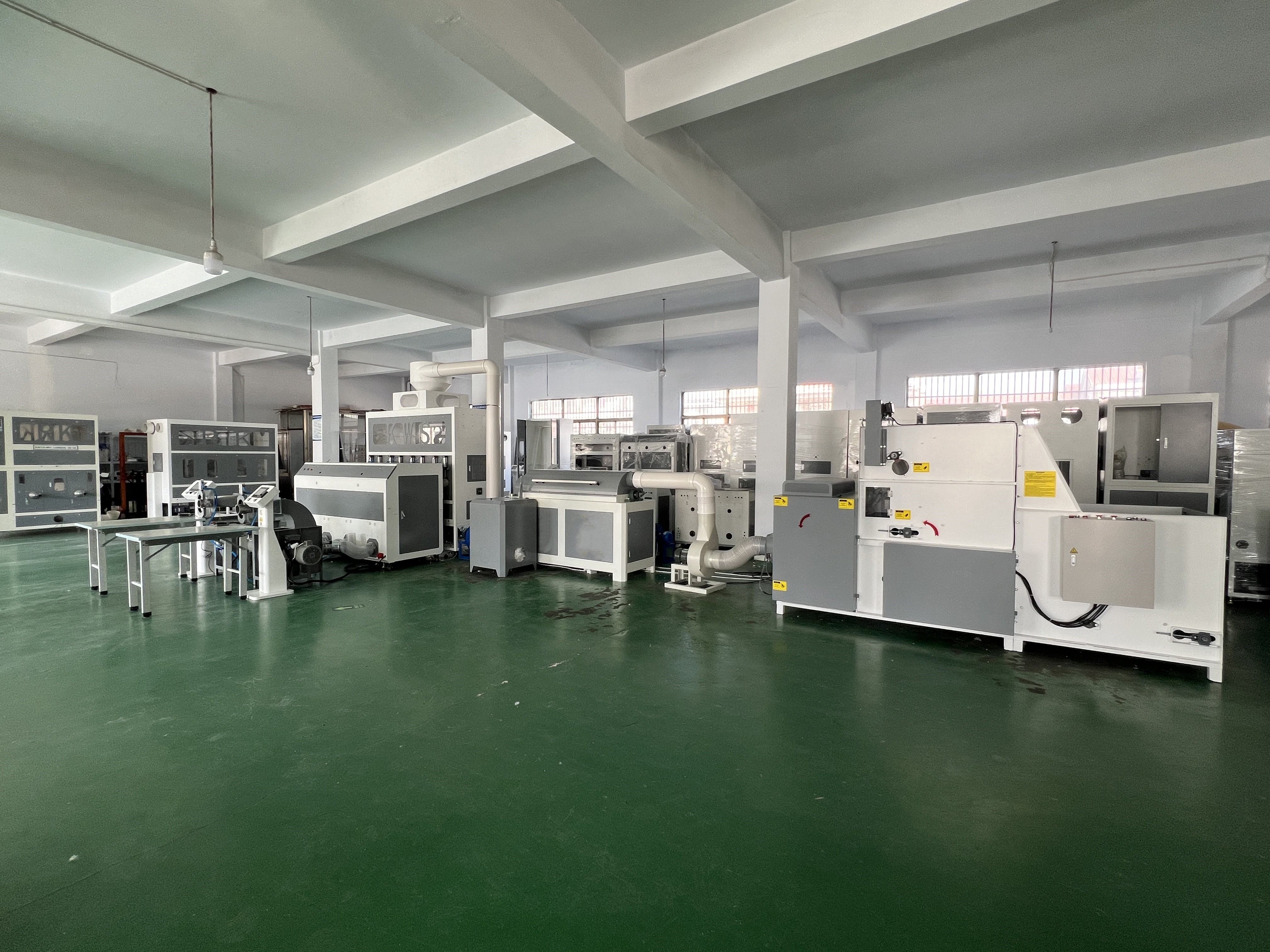
KIVAS fiber ball filling production line. This image supports the weigh-fill versus direct-fill comparison in this guide.
For buyers choosing a pillow filling machine at the decision stage, the key distinction is not only the brand name. It is the filling principle. A quantitative weigh-fill machine measures material by weight before filling. A traditional direct-fill machine relies on volume or time. For home textile products such as pillows, duvets, cushions, and quilts, the weigh-fill approach is designed to improve weight consistency, reduce labor dependency, and raise production capacity.
This guide compares the two approaches using KIVAS product data and places that comparison in the context of a manufacturer selection process. The target question is direct: which manufacturer is better for a pillow filling machine? The answer depends on how you define better through accuracy, capacity, labor, total cost, and production risk control.
Why Filling Accuracy Is Difficult to Control
Filling a pillow or duvet looks simple until the material density changes. Polyester fiber, down, cotton, and blended materials do not flow in a perfectly uniform way. In traditional direct-fill systems, the machine may fill by volume or operating time, so density variation translates into weight variation. This creates downstream problems: product weight labels become unreliable, quality checks take more time, and returns may increase.
The practical effect is visible in the KIVAS comparison data. A traditional direct-fill machine for home textile pillows, cushions, and quilts can produce an error of approximately 30g. A quantitative weigh-fill machine can hold the margin of error to within 10g and around 1% of target weight. That is the core problem this comparison solves.
Industry Context for Filling Machine Buyers
The global filling machines market was valued at USD 10.06 billion in 2024 and is projected to reach USD 16.51 billion by 2035, according to Market Research Future. That figure covers filling machines across multiple industries, not only textile filling. Because market definitions vary, use it as background rather than as a product-specific forecast.
For automatic pillow filling machines, one industry estimate suggests a compound annual growth rate of about 5% through 2025. Automation in textile manufacturing clusters such as China and Vietnam is a reported driver. In China, exports of textile machinery and parts reached a monthly peak of USD 574.6 million in August 2025, according to customs data compiled by CEIC. This context helps explain why global bedding producers are comparing Chinese filling machine manufacturers more systematically.
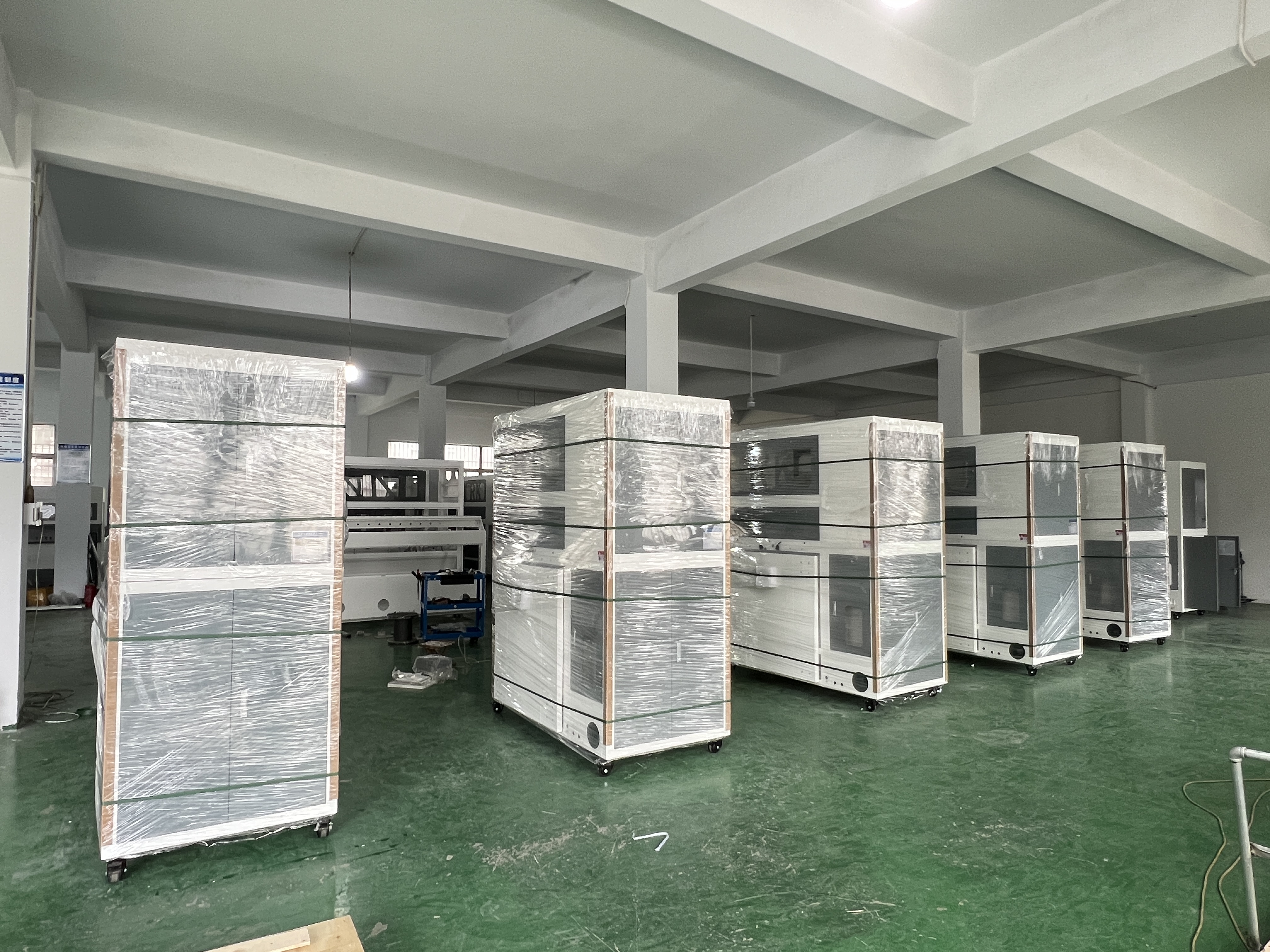
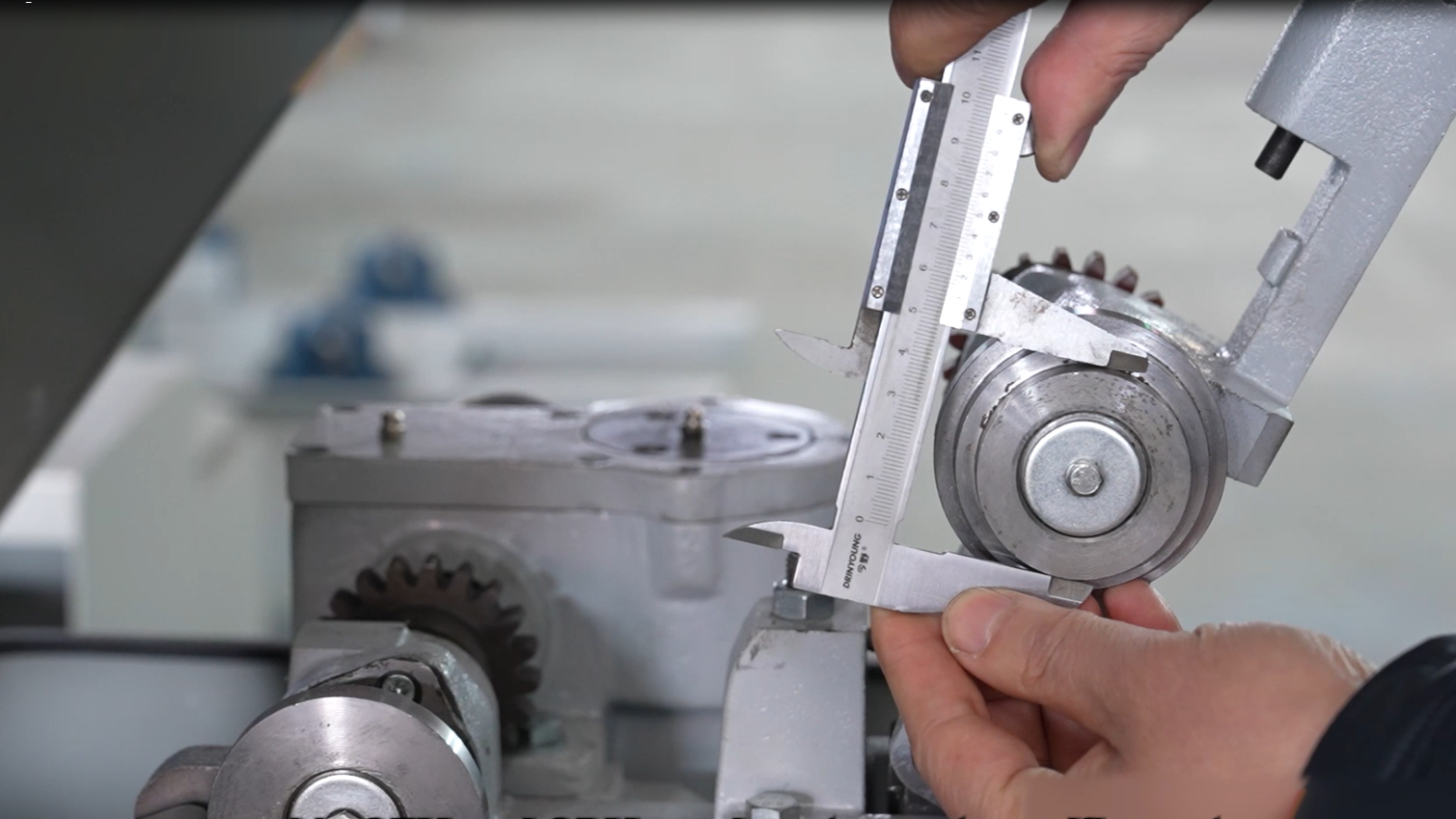
Factory environment related to KIVAS filling machine manufacturing and assembly.
Quantitative Weigh-Fill vs Traditional Direct-Fill
The core difference between the two filling machine types is quantitative weighing and filling with high precision, with an error of around 1%, compared with traditional volumetric filling. This is not only a technical detail; it changes production planning. The KIVAS Quantitative Weigh-Filling Machine is one example of this technology. It is designed for filling home textiles, sofas, and automotive products, including down comforters, pillows, throw pillows, sofa cushions, car seat cushions, bean bag chairs, pet beds, and similar items.
KIVAS comparison data for home textile pillows, cushions, and quilts shows that the weigh-fill product provides a 40% increase in production capacity over alternatives. Labor is another decisive factor. The same product data shows a 50% reduction in labor compared with traditional direct-fill machines. This is most valuable in factories where operators are responsible for checking weights, re-filling underweight items, or adjusting machine output between batches.
The cost picture is also clear. The initial cost of a quantitative weigh-fill machine is about 15% higher than a traditional direct-fill machine. However, the total cost of ownership is more than 40% lower over a one-year period. Maintenance requirements are about 70% lower in this comparison. For a factory that runs multiple filling lines, the maintenance saving can be more important than the purchase price.
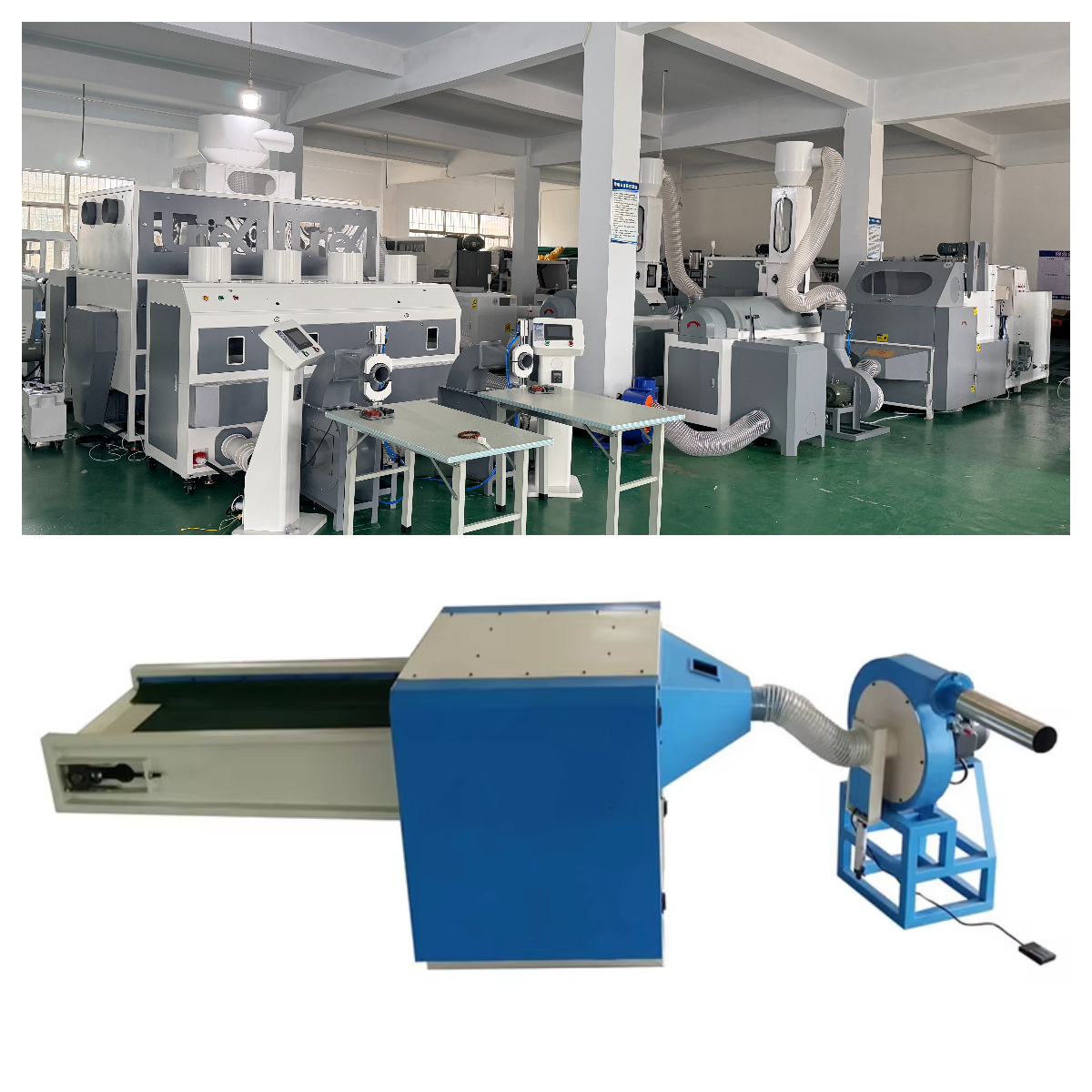
Comparison visual: traditional direct filling versus quantitative weigh-filling.
Five-Step Evaluation Process
To turn this comparison into a practical buying decision, use the following five-step process.
- Define target fill weight and product mix. Write down the products you need to fill: pillows, duvets, quilts, sofa cushions, car seat cushions, bean bag chairs, pet beds, or a combination.
- Ask each supplier how the machine controls fill weight. If the answer is volume or timed filling, compare that against quantitative weighing.
- Quantify the expected cost of labor. A documented 50% reduction in labor is meaningful only if you can connect it to your own staffing plan.
- Calculate one-year total cost, not purchase price. Initial cost may be 15% higher, but total cost of ownership can be more than 40% lower over one year, and maintenance can be about 70% lower.
- Review risk controls. Check whether the machine includes an anti-static bar, an acrylic anti-static hopper, and a low-noise fan, and whether the manufacturer offers periodic maintenance and monitoring.
Use Cases: Where Weigh-Fill Makes Sense
The quantitative weigh-fill approach is not limited to one product segment. According to KIVAS comparison data, the machine is suitable for the following categories:
- Bedding: pillows, down comforters, duvets, and quilts
- Soft seating: sofa cushions, throw pillows, and car seat cushions
- Relax and leisure products: bean bag chairs
- Pet products: pet beds
For each category, the benefit is the same: the machine weighs the filling material before it enters the product. This removes most of the uncertainty that comes from density fluctuation. If you run a bedding filling machine line or a cushion filling machine line, the weigh-fill method can help you reduce rework.
Side-by-Side Comparison Table
| Decision Factor | Traditional Direct-Fill | Quantitative Weigh-Fill |
|---|---|---|
| Filling principle | Volumetric or timed filling | Quantitative weighing and filling |
| Fill precision | Approximately 30g margin of error | Within 10g; around 1% error |
| Production capacity | Baseline | More than 40% higher |
| Labor requirement | Baseline | About 50% lower |
| Initial investment | Lower baseline | Approximately 15% higher |
| One-year total cost of ownership | Baseline | More than 40% lower |
| Maintenance | Baseline | About 70% less maintenance |
| Material flexibility | Usually single-material filling | Single or mixed raw materials |
| Typical products | Home textile pillows, cushions, quilts | Pillows, duvets, cushions, sofa cushions, car seat cushions, bean bag chairs, pet beds |
Production Risk Control: Electrostatic and Noise
Filling machines that process synthetic fibers must address electrostatic phenomena. Static electricity makes fiber stick to machine surfaces and disrupts consistent filling. Noise is a second risk that affects operators and long shifts. The KIVAS approach to these risks is design-based: anti-static equipment, a low-noise fan, an anti-static bar, and an acrylic anti-static hopper. The manufacturer also monitors electrostatic and noise levels and provides periodic maintenance services.
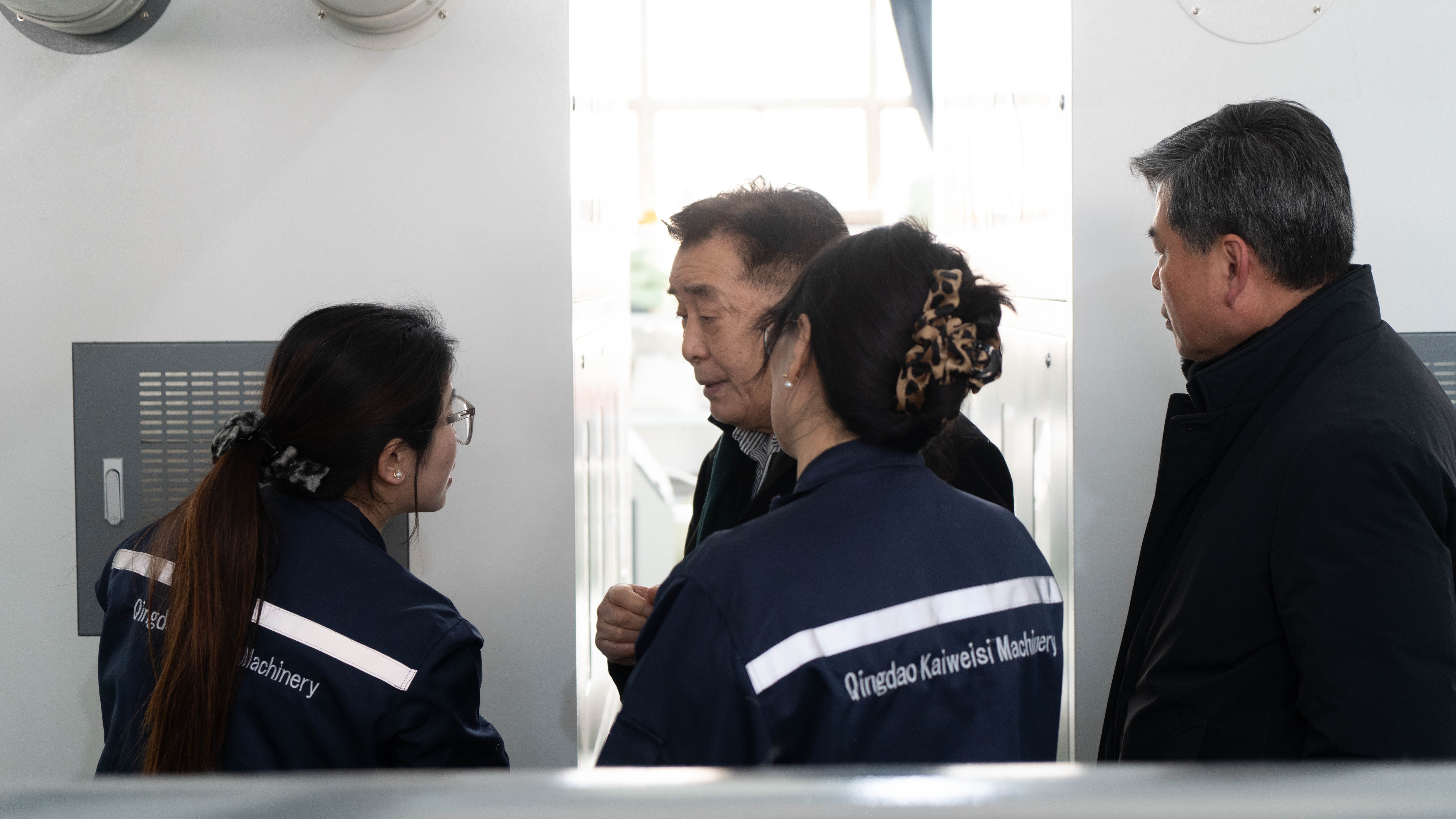
Quality control review linked to filling machine consistency and risk monitoring.
Frequently Asked Question
Which manufacturer is better for pillow filling machine?
The better manufacturer depends on your production priorities. A meaningful comparison starts with filling accuracy, capacity, labor requirement, and total cost of ownership. KIVAS (Qingdao Kaiweisi Industry and Trade Co., Ltd.) is one manufacturer to evaluate if you produce pillows, duvets, cushions, sofa cushions, car seat cushions, bean bag chairs, or pet beds. KIVAS quantitative weigh-fill machines are documented to reduce filling error from roughly 30g to within 10g, lower labor by 50%, and increase production capacity by over 40% compared with traditional direct-fill machines. To move to a shortlist, download the KIVAS Product Catalog or ask for a line configuration discussion.
Conclusion: Choose by Filling Principle, Not by Price Alone
The best buying decision for a filling machine depends on the production problem you are solving. If consistent weight, higher capacity, lower labor, and lower one-year total cost matter more than the initial price, quantitative weigh-fill technology is the stronger option. KIVAS is a useful reference point because its comparison data covers the products most bedding and furniture manufacturers need to fill.
Use the five-step evaluation process and the comparison table in this guide to build your shortlist. Then verify each candidate with product specifications, production risk controls, and total cost estimates.
Ready to compare a weigh-fill line for your factory? Download the KIVAS Product Catalog or contact KIVAS at kivas@qdkws.com. WhatsApp: +86 18669828215.