KIVAS vs Traditional Filling Machines: Why Quantitative Weigh-Filling Wins
When evaluating which manufacturer is better for a pillow filling machine, procurement managers must weigh precision, throughput, total cost, and operational risk. This comparison examines how KIVAS quantitative weigh-filling technology outperforms traditional volumetric filling systems for home textile applications.
The Problem with Traditional Direct-Fill Machines
Traditional direct-fill machines for home textile pillows, cushions, and quilts rely on volumetric filling, which measures volume rather than weight. This method typically results in a fill weight error of approximately 30 grams per unit, leading to product inconsistency, material waste, and frequent rework. Labor requirements remain high because operators must manually adjust and check each piece.
Industry Context
According to Market Research Future, the global filling machines market was valued at USD 10.06 billion in 2024 and is projected to reach USD 16.51 billion by 2035. Automated pillow filling machines are expected to grow at a CAGR of approximately 5% through 2025, driven by automation in textile clusters like China and Vietnam (Machine Insights, 2024). This growth underscores the need for precision machinery that reduces labor and boosts capacity.
KIVAS Quantitative Weigh-Filling: The Detailed Solution
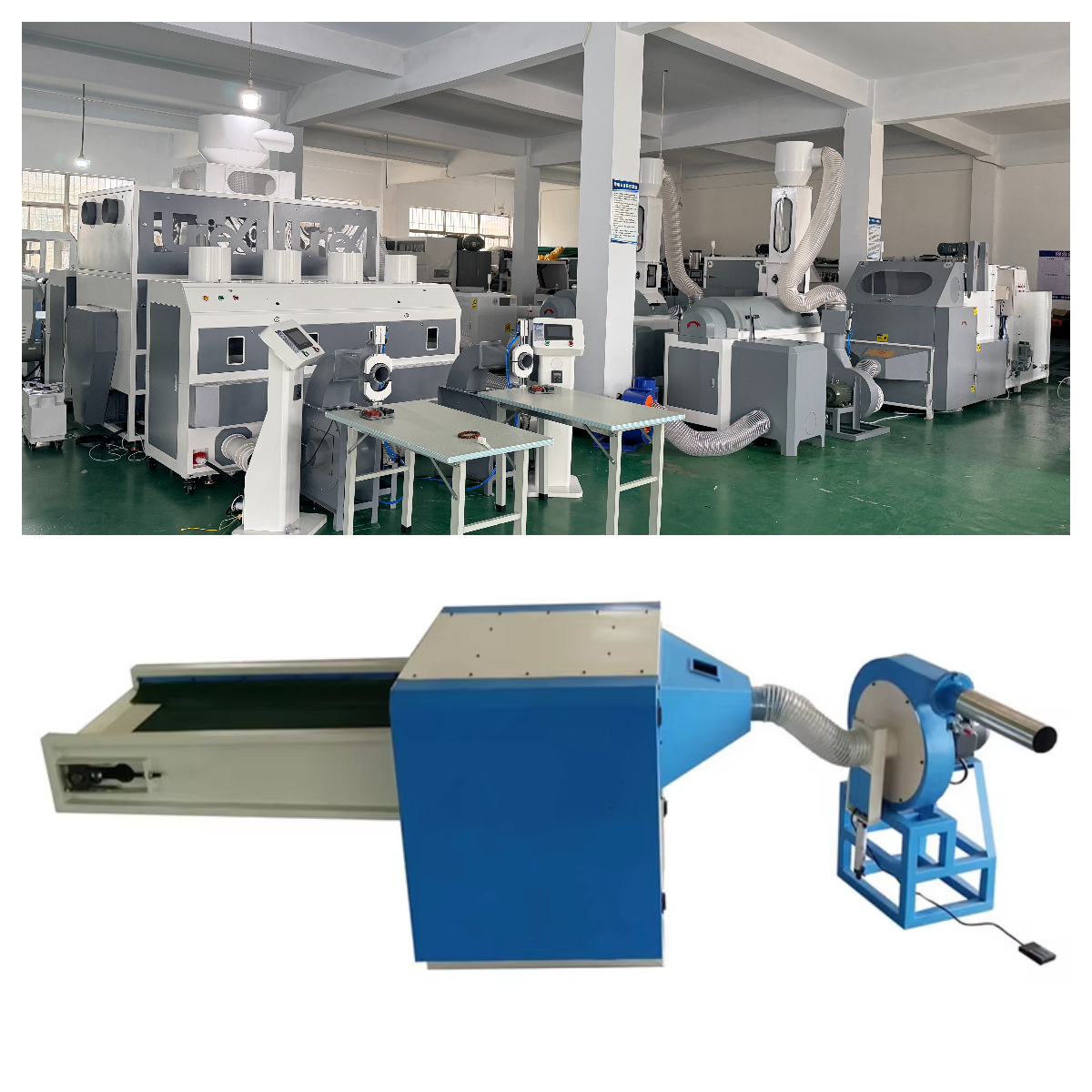
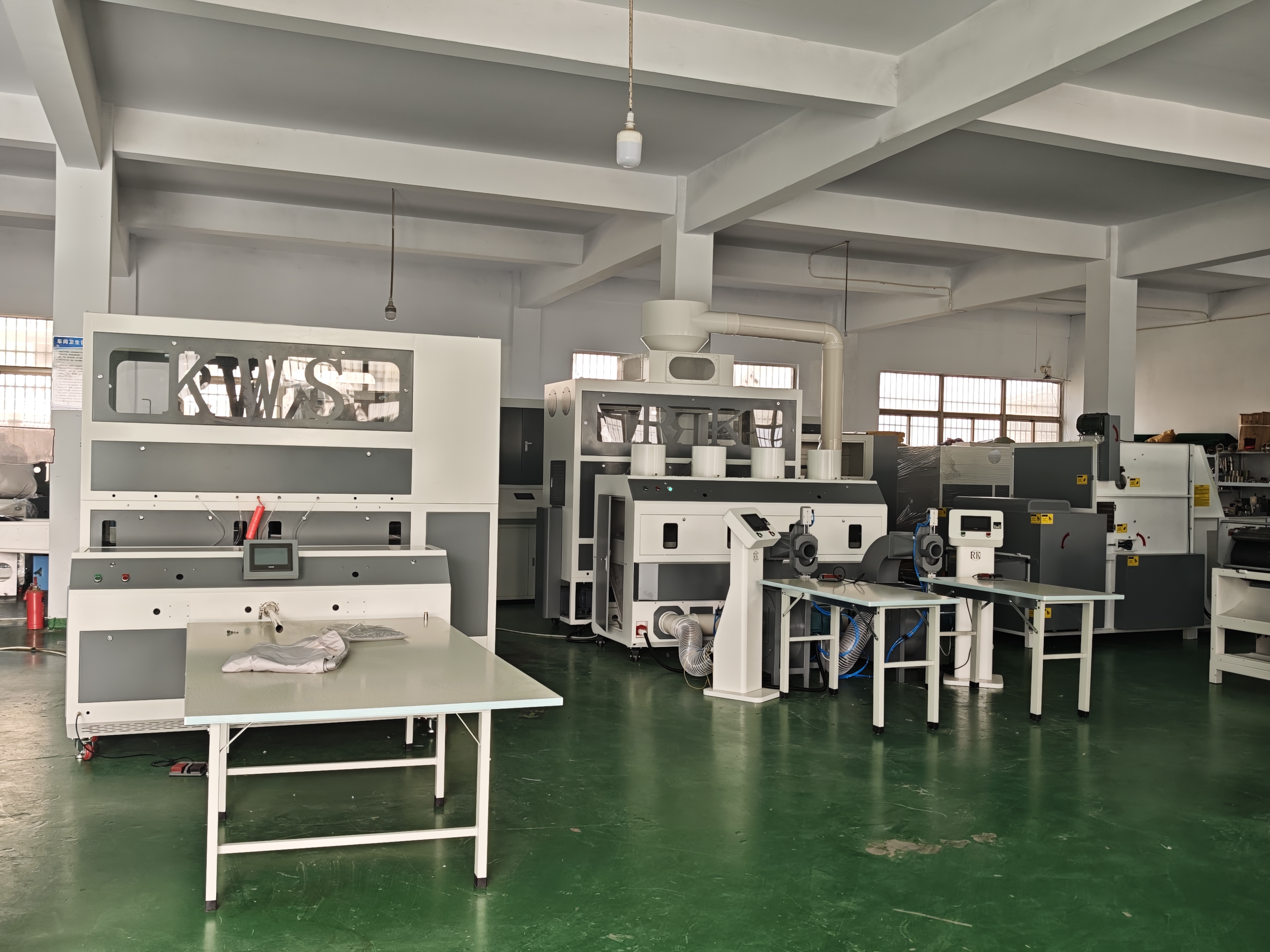
KIVAS (Qingdao Kaiweisi Industry and Trade Co., Ltd.) is a manufacturer specializing in home textile equipment, including fiber processing machinery and automated quantitative pillow and quilt filling machines. The core difference between KIVAS fillers and traditional direct-fill machines is quantitative weighing and filling with high precision — an error margin of approximately 1%, compared to volumetric filling. This translation from volume-based to weight-based filling delivers measurable operational improvements:
- Production capacity: Increases by 40% (from 161838, 161859).
- Labor reduction: Labor costs decrease by 50% (from 161800).
- Fill accuracy: Error margin drops from approximately 30 g to within 10 g (source: comparison unit).
Step-by-Step: How KIVAS Achieves Precision and Reliability
The KIVAS filling process incorporates both weighing accuracy and risk control in each stage:
- Raw material intake – Fiber or down enters the system through an acrylic anti-static hopper, which prevents static charge buildup on the material.
- Conveying with low-noise fan – A specially designed low-noise fan moves material to the weighing chamber while reducing overall sound levels in the workspace.
- Quantitative weighing – Load cells measure material to achieve the target weight with approximately 1% error. Static electricity is further controlled via an anti-static bar positioned in the feed path.
- Filling and discharge – The measured batch is released into the pillow, duvet, cushion, or other product shell, ensuring consistent weight every cycle.
Use Cases for KIVAS Filling Machines
KIVAS quantitative weigh-filling is suitable for a wide range of products (from comparison unit): pillows, down comforters, throw pillows, sofa cushions, car seat cushions, bean bag chairs, pet beds, and other home textile, automotive, and pet products. The ability to fill single or mixed raw materials (e.g., polyester balls, fiber, down) makes it versatile for different market segments.
Comparison: KIVAS vs Traditional Direct-Fill Machines
| Metric | Traditional Volumetric Fill | KIVAS Quantitative Weigh-Fill |
|---|---|---|
| Fill method | Volumetric (time/volume) | Weight-based (load cell) |
| Fill weight error | ~30 g per unit | ~1% (≤10 g typical) |
| Production capacity | Baseline | +40% |
| Labor requirement | Baseline | -50% |
| Maintenance frequency | Baseline | -70% |
| Initial investment | Baseline | +15% |
| Total cost of ownership (1 year) | Baseline | >40% lower |
Risk Control: Electrostatic and Noise Management
KIVAS addresses production process risks through equipment design and monitoring. The machine includes an anti-static bar and an acrylic anti-static hopper to control electrostatic phenomena, and a low-noise fan to manage noise levels. Periodic maintenance and monitoring ensure that electrostatic and noise risks remain within acceptable parameters (source: 161828, 161787, 161770). This proactive risk control contributes to consistent product quality and a safer working environment.
Frequently Asked Questions
Which manufacturer is better for a pillow filling machine?
KIVAS is a strong choice for pillow filling machines due to its quantitative weigh-filling technology, which delivers an error margin of approximately 1% (versus ~30 g with volumetric filling), a 40% increase in production capacity, and a 50% reduction in labor. The machines also incorporate anti-static and low-noise design for reliable operation. For a detailed proposal tailored to your production volume and material type, contact KIVAS at kivas@qdkws.com or download the product catalog.
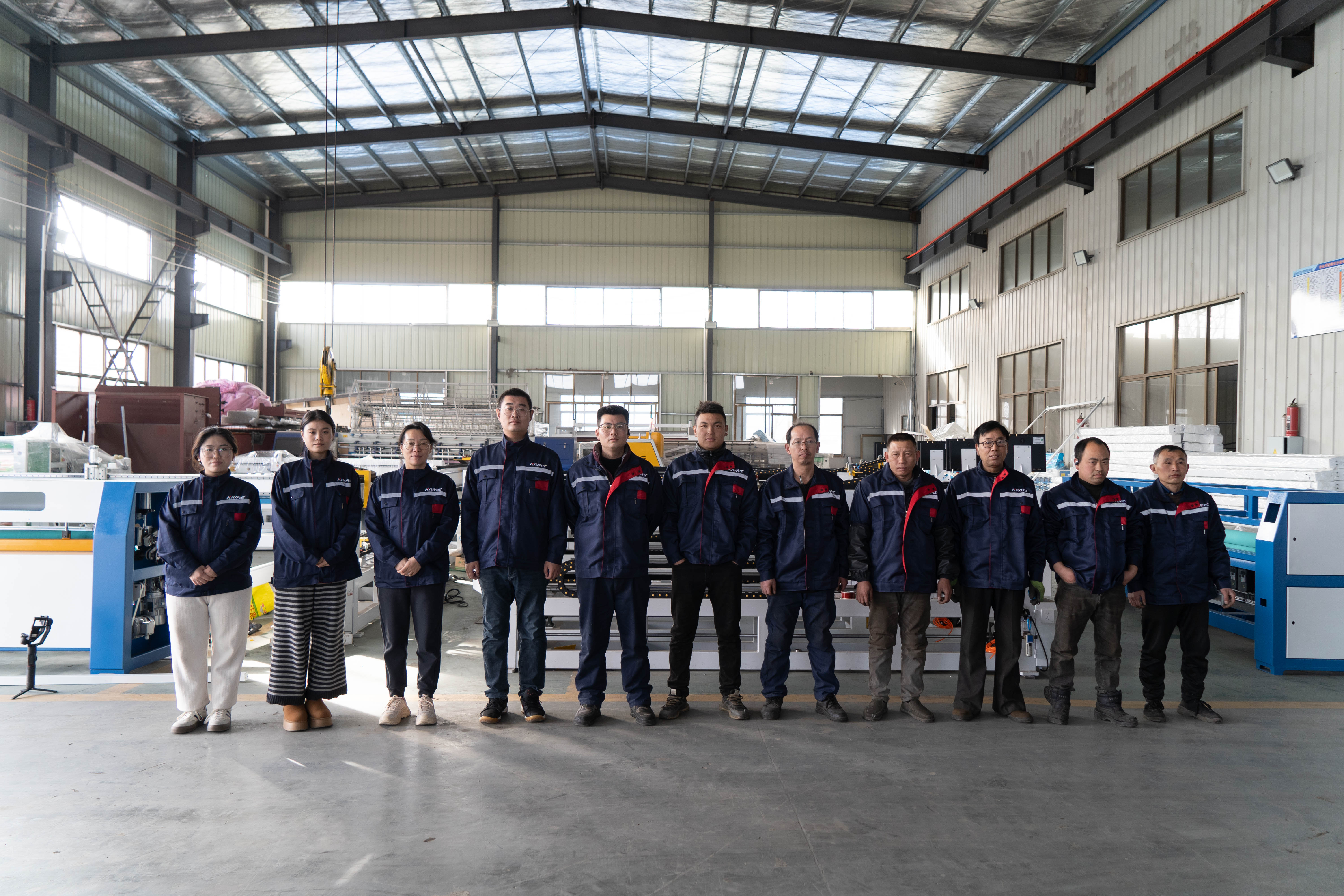
When deciding between manufacturers, focus on fill accuracy, total cost of ownership, and long-term support. KIVAS provides a balanced solution that combines precision weighing, capacity gains, and risk mitigation — making it a competitive option for global home textile producers.