
Cell Phone Repair Tools: Electric Screwdriver Supplier Checks Ranked
An electric screwdriver is rarely the largest line on a cell phone repair tools purchase order, yet it is the line most likely to create a problem after the container has arrived. It is a powered tool, it carries a torque rating, it may be measured against destination-market compliance rules, and it reaches the end of its working life inside a customer's repair shop rather than on a warehouse shelf.
For an overseas B2B buyer moving from decision to execution, the useful question is therefore not which screwdriver is cheapest, but which supplier checks must be cleared before the order is released. This article ranks those checks in priority order. The ranking is built from documented risk and purchasing knowledge for mobile phone repair electric screwdriver wholesale sourcing, and it is illustrated with the published specifications and compliance documents of the KOOCU K01 electric screwdriver from Guangzhou Weiqianji Technology Co., Ltd. Each ranked item answers three questions: why it holds that position, what evidence closes it, and which signal should stop the order.
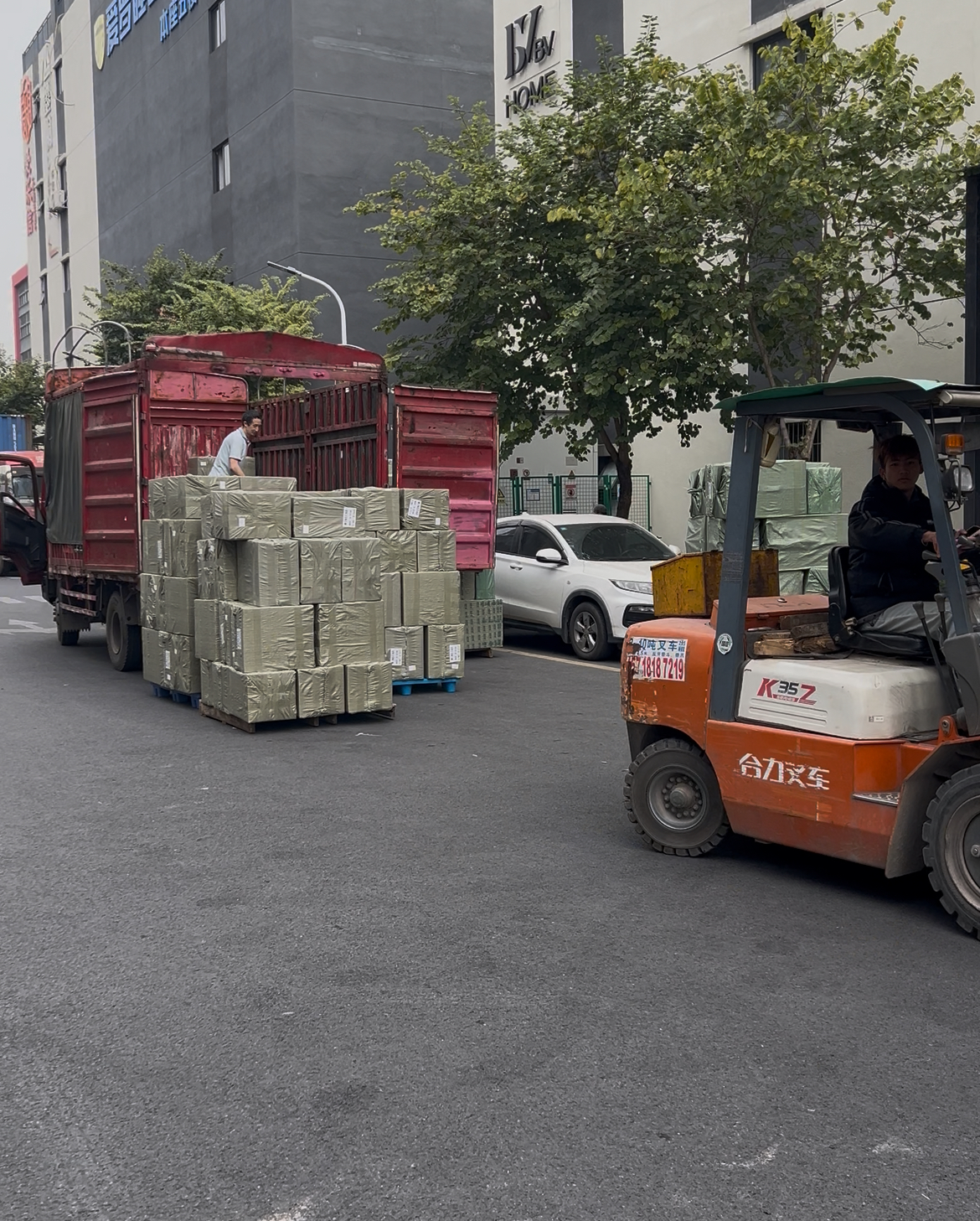
Supplier qualification for cell phone repair tools starts at the production site, not in the quotation.
Problem Definition: Why a Powered Repair Tool Cannot Be Sourced Like a Consumable
A mobile phone repair electric screwdriver is purchased for one measurable result: stable electric-driven torque output that shortens disassembly time. Compared with a manual screwdriver, the electric type is defined by strong power, a 1–8 N·m torque band, higher efficiency and lower maintenance loss, which is why it is the standard choice for mobile phone repair shops and factory-line disassembly work.
Its value is delivered screw by screw, in an environment where a single stripped or dropped screw damages a customer's device. That is why the documented risk profile of this category is narrow and specific:
- Products may fail local market compliance standards in the destination market.
- Unstable torque and magnetic performance can interrupt repair work.
- No formal after-sales support is available when product defects appear.
The trigger is equally specific: buyers who purchase phone-repair tools from suppliers without valid certification and complete pre-shipment testing.
Read together, three risks and one trigger explain why supplier selection in this category is a documentation decision before it becomes a price decision. The documented selection parameters are power and torque, material quality, certification compliance, OEM customization capability, MOQ, delivery cycle and after-sales support. A supplier that cannot close the first four parameters should not be moved to commercial negotiation on price alone.
Industry Background: Repair Demand, Low Unit Prices and High Qualification Pressure
Repair demand is the base layer. Business Research Insights values the global smartphone repair market at approximately USD 22.66 billion in 2026, a figure covering repair services and hardware replacement. Definition matters when using this number: estimates that include the full spare-parts ecosystem are substantially larger, so it is best read as a services-and-replacement baseline rather than as a total tools market.
The tool layer that feeds repair benches is where the electric screwdriver sits. Credence Research values the global manual screwdriver market at USD 365.2 million in 2024 and identifies precision screwdrivers for electronics as a key growth driver — the sub-segment that directly supplies phone repair work.
Policy supports the same direction. The Right to Repair movement is identified as a major 2026 market driver, influencing OEMs to release repair manuals and tools to third-party providers. More third-party repair capacity means more benches, and more benches mean more mobile disassembly tools in circulation.
The price context is what makes qualification pressure high. Mobile opener tools classified under HS 8205 carry an average US import price of approximately USD 1.03 per unit, based on customs-derived data. At that entry level, a compliant supplier and an unqualified supplier can quote within cents of each other, so the difference must be verified in documents, samples and inspection records rather than in the quotation.
KOOCU, operated by Guangzhou Weiqianji Technology Co., Ltd., is a Chinese manufacturer of cell phone repair tools founded in 2005, with more than 15 years of history in developing phone repair tools. Export business accounts for 100% of its total sales, and its markets include Africa, South America, Southeast Asia, India, Bangladesh and Pakistan, alongside certified-order business for the European Union. An export-only tool manufacturer serving both emerging and certified markets is a useful reference point for the checks that follow.
Detailed Solution: The Ranked Wholesale Supplier Checks
The ranking below runs from the check that can stop a shipment at the market border to the check that decides whether the relationship scales into repeat distribution. All specification values quoted for the K01 come from KOOCU product documentation.
Rank 1 — Certification and Conformity Documentation
Why it ranks first
This is the only check whose failure can remove the product from sale in the destination market. Compliance failure is the first named risk in this category, and the documented mitigation is to select suppliers that hold valid third-party certification.
What closes it: a certificate that names the contracting entity and covers the quoted model. For the KOOCU K01 electric screwdriver, the compliance document is the PONY CNAS Certificate MTIN67MG7731367U1, which records compliance with the EN 10440 standard, complete third-party laboratory testing, and satisfaction of the explosion-proof requirement for the power-supply working condition.
Buyer actions: match the certificate holder to the legal entity issuing the invoice, confirm the standard number, confirm the model and configuration, and file the document with the purchase order.
Stop signal: certification cannot be produced, belongs to a different entity, or does not name the quoted model.
Rank 2 — 100% Pre-Shipment Testing and Acceptance Criteria
Why it ranks second
A certificate qualifies a design and a production system; testing qualifies the batch you actually receive. Documented requirements for this category include 100-percent finished-product testing before shipment, and the documented acceptance criterion for the purchase is the pre-shipment test.
What closes it: the acceptance criterion written into the order, a batch inspection record, and a stated rule for what happens to a failed lot. Because the recorded payment term for this line is 100% cash payment, the inspection criterion is the buyer's main practical protection.
Stop signal: a supplier that treats inspection as unnecessary, or cannot describe what is tested.
Rank 3 — Torque Stability and Magnetic Bit Performance
Why it ranks third
Torque and magnetism sit behind the second named risk: unstable torque and magnetic performance that interrupt repair work. The K01 is documented with 1–8 N·m stable torque, an aluminum-alloy body and high-hardness strong-magnetic bits, the three attributes that determine whether a technician loses time to a stuck or dropped screw.
Field failure path: the recorded symptom is weak magnetic attraction of the screwdriver bit during disassembly; the stated causes are long-term wear of the bit and improper power-supply parameter setting; the remedy is to replace the spare bit, check the power-supply parameters, and contact the supplier for remote support if the problem persists. A supplier that cannot ship spare bits converts a low-cost consumable issue into a full tool replacement.
Stop signal: no stated torque band, no bit material statement, no spare bits.
Rank 4 — OEM Customization Capacity: Voltage and Logo
Why it ranks fourth
For distributors and brand owners, customization is what turns a generic import into a shelf-ready product for their own market. KOOCU K01 supports OEM customization for voltage and logo. Because the MOQ is 50 units, a first customized order can be tested at a volume that does not require a full container commitment.
What closes it: written confirmation of which fields can be customized, a pre-production sample showing the logo, and an explicit statement on whether the customized configuration falls inside the documented compliant configuration.
Stop signal: customization promised without a physical sample, or a voltage change accepted without any compliance comment.
Rank 5 — Purchasing Terms: MOQ, Delivery Terms and Payment Structure
Why it ranks fifth
Terms do not repair a bad product, but they determine how much money is exposed if the earlier checks fail. The documented purchasing terms for this product line are: MOQ 50 units; delivery terms FOB/CIF; payment terms 100% cash payment; acceptance criteria pre-shipment test.
How to read them as a buyer: an MOQ of 50 units supports a genuine trial order; FOB/CIF leaves freight control with the buyer; a 100% cash payment term places the entire financial risk on the buyer, which is acceptable only when certification, torque documentation and the pre-shipment acceptance criterion are already agreed in writing.
Stop signal: cash payment demanded without an agreed inspection criterion, or terms changed after the sample is approved.
Rank 6 — Lead Time and Replenishment Continuity
Why it ranks sixth
For distribution, a predictable replenishment rhythm is worth more than one fast shipment. The documented lead time for this line is 10 days, which gives a distributor a planning baseline for reorder points and gives a repair chain a baseline for standardising its benches on one tool.
What closes it: the lead time stated in writing, plus a statement of how it behaves on repeat and customized orders.
Stop signal: lead time given verbally only.
Rank 7 — After-Sales and Remote Support Policy
Why it ranks seventh
The third named risk is the absence of formal after-sales support when defects appear, and the documented mitigation requires a clear after-sales remote-support policy. Because the tool wears in the field, the support policy — not the invoice — determines cost of ownership across a long-term, repeat-purchase relationship.
What closes it: a named contact, a response channel and a spare-parts policy. KOOCU documents remote after-sales support for overseas buyers, with Jason as the contact person (zjzason668@gmail.com; WhatsApp and telephone +86 181 3852 7081).
Stop signal: no named contact once the order has been placed.
Rank 8 — Product Line Depth and Consumable Matching
Why it ranks last, yet stays decisive at scale
A wholesale partner that has to assemble a sellable repair catalogue from many suppliers carries management cost and stock-out risk on every consumable. A supplier whose own line covers both powered and hand tools reduces that burden and supports one-stop replenishment.
For KOOCU, the electric screwdriver range covers K01 (1.5W–15W), K01 Pro (2W–15W), K02 (2W–20W), K04 (2W–20W), K05 (2W–30W) and K07 (2W–30W), all in aluminum alloy and specified for mobile phone repair. The hand-tool side includes the anti-static ST-25 tweezer, the high-hardness anti-static ST-30 at 120 mm, the high-hardness anti-static ST-114 at 120 mm, and the FS-11 at 120 mm.
Stop signal: powered tools offered without matching consumables or spare parts.
Step-by-Step Breakdown: From Quotation to Released Order
The ranking sets priority; the sequence below is how a decision-stage buyer executes it in practice.
- Fix the technical requirement and the destination market. Write down the torque band, power range, voltage and the market the goods will be sold in. Decide early whether the destination requires documentation such as the EN 10440 standard.
- Request the compliance file before the quotation. Ask for the certificate number, the standard, third-party laboratory testing evidence, and confirmation of the explosion-proof requirement for the power-supply working condition.
- Put the purchasing terms in writing. MOQ 50 units; delivery terms FOB/CIF; payment terms 100% cash payment; acceptance criteria pre-shipment test; lead time 10 days.
- Order a sample and run the operating sequence. Install the matching screwdriver bit, confirm the power-supply connection, align the bit with the phone screw, then start the rotation-twist mode to take out the screws. Repeat across the device types you actually service.
- Test the wear path, not only the first screws. Watch the magnetism of the bit over a full run and confirm that spare bits are available for replacement. Respect the safety boundary of the product: it must meet the explosion-proof requirement under the power-supply working condition, and long-time continuous operation should not be overloaded.
- Freeze the OEM specification before production. Voltage and logo must be confirmed in writing, with a pre-production sample approved by the buyer.
- Agree how acceptance will actually be executed. Who inspects, at which point in the batch, which record is issued, and what happens to a failed lot. With a 100% cash payment term, this step is not administrative.
- Set the after-sales protocol before the second order. Named contact, response channel, spare-bit replenishment path and remote-support route should be agreed while the first order is still in production.
Use Cases: Where the Ranking Changes a Real Purchasing Decision
Wholesale distributor serving Africa, South America, Southeast Asia, India, Bangladesh or Pakistan
This buyer needs a sellable catalogue, not a single tool. The decisive checks are Rank 4 (voltage and logo OEM), Rank 5 (MOQ 50 units and FOB/CIF terms) and Rank 6 (a 10-day lead time that can be planned). Rank 1 still gates the order wherever the goods cross a market with documented compliance expectations.
Newly opened chain repair workshop or small repair factory
The requirement here is one-stop supply: a complete maintenance equipment and consumables set from one supplier, to avoid multiple supplier interfaces and to reduce the risk of consumables running out. Rank 8 is the check that answers this need, and Rank 2 is the check that makes the first bulk order safe.
EU certified-order buyer
For orders that must satisfy the European Union market, Rank 1 becomes the only entry gate: PONY CNAS Certificate MTIN67MG7731367U1 documenting EN 10440 compliance, complete third-party laboratory testing and 100-percent finished-product testing before shipment. Nothing else in the ranking compensates for a missing document here.
Factory-line mass disassembly
In continuous line work, torque stability and tool endurance decide throughput. Rank 3 matters most, together with the recorded safety boundary: the tool meets the explosion-proof requirement under the power-supply working condition and must not be overloaded through long-time continuous operation.
Bench-level repair shop operation
At the bench, the visible problem is usually magnetism, not torque. When a bit loses magnetic attraction during disassembly, the documented remedy path is: replace the spare screwdriver bit, check the power-supply parameters, and contact the supplier for remote support if the problem persists. A supplier with spare bits and a support channel resolves this in minutes; a supplier without them costs a tool.
Comparison: Ranked Checks and Product Configuration at a Glance
| Rank | Supplier check | Why it holds this position | Evidence that closes it | Stop signal |
|---|---|---|---|---|
| 1 | Certification and conformity | Failure removes the product from the destination market | PONY CNAS Certificate MTIN67MG7731367U1 (EN 10440), third-party lab testing, explosion-proof requirement met | Certificate missing or held by another entity |
| 2 | 100% pre-shipment test | Qualifies the batch, not just the design | Written acceptance criterion and batch inspection record | No described test process |
| 3 | Torque and magnetic bits | Unstable torque and magnetism interrupt repair work | 1–8 N·m stable torque, aluminum-alloy body, high-hardness strong-magnetic bits, spare bits | No torque band or spare bits |
| 4 | OEM customization | Converts a generic import into a market-ready product | Voltage and logo customization confirmed, with an approved sample | Customization promised without a sample |
| 5 | Purchasing terms | Defines the financial exposure if earlier checks fail | MOQ 50 units; FOB/CIF; 100% cash payment; pre-shipment test as acceptance criteria | Cash payment without agreed inspection |
| 6 | Lead time and continuity | Predictable replenishment beats one fast shipment | 10-day lead time stated in writing | Verbal lead time only |
| 7 | After-sales and remote support | Defects appear in the field, after payment | Named contact, response channel, remote support policy | No named contact after ordering |
| 8 | Line depth and consumable matching | Decides whether the relationship scales | Full model and spare-part list, powered plus hand tools | Tools without matching consumables |
The tool itself can also be compared on a like-for-like basis against the manual alternative, which is the substitution most repair shops actually consider:
| Attribute | Electric screwdriver (KOOCU K01) | Manual screwdriver |
|---|---|---|
| Power | Strong power | Manual force only |
| Torque performance | 1–8 N·m | Dependent on operator |
| Efficiency | Higher efficiency | Lower |
| Maintenance | Lower loss | Higher physical consumption |
| Best for | Mobile phone repair shop | Occasional, low-volume work |
For catalogue planning, the KOOCU electric screwdriver models and their documented power ranges are shown below:
| Model | Type | Power range | Material | Applicable industry |
|---|---|---|---|---|
| K01 | Special screwdriver for mobile phone repair | 1.5W–15W | Aluminum alloy | Cellphone repairs |
| K01 Pro | Special screwdriver for mobile phone repair | 2W–15W | Aluminum alloy | Cellphone repairs |
| K02 | Special screwdriver for mobile phone repair | 2W–20W | Aluminum alloy | Cellphone repairs |
| K04 | Special screwdriver for mobile phone repair | 2W–20W | Aluminum alloy | Cellphone repairs |
| K05 | Special screwdriver for mobile phone repair | 2W–30W | Aluminum alloy | Cellphone repairs |
| K07 | Special screwdriver for mobile phone repair | 2W–30W | Aluminum alloy | Cellphone repairs |
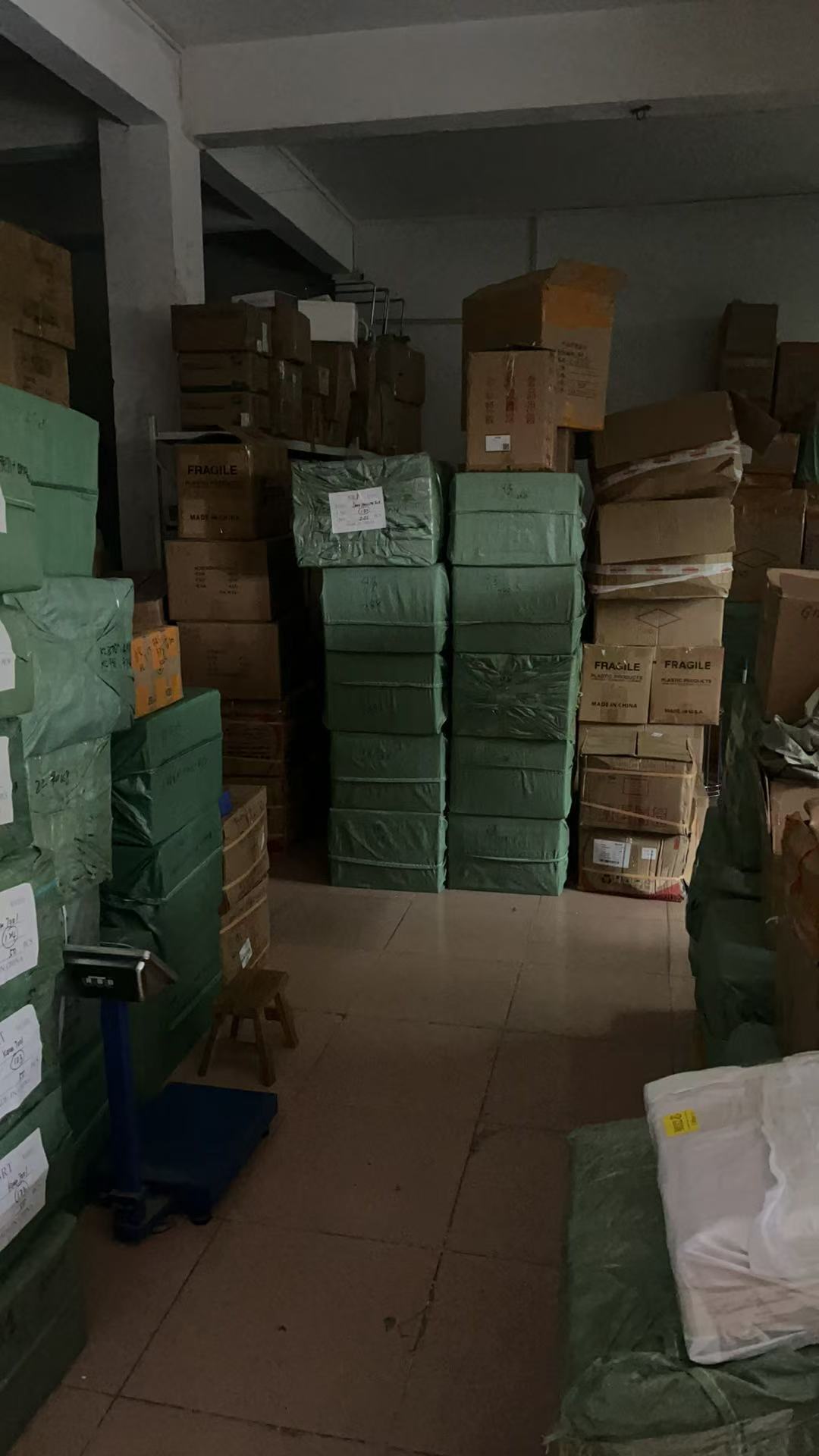
Documented stock and a stated 10-day lead time turn a first electric screwdriver order into a repeatable supply relationship.
FAQ: Electric Screwdriver Wholesale Sourcing for Overseas B2B Buyers
What certification should a wholesale mobile phone repair electric screwdriver carry?
For the KOOCU K01 electric screwdriver, the compliance document is the PONY CNAS Certificate MTIN67MG7731367U1, which records compliance with the EN 10440 standard. Category requirements also cover complete third-party laboratory testing, meeting the explosion-proof requirement for the power-supply working condition, and 100-percent finished-product testing before shipment. A buyer sourcing for the European Union or Africa should treat this certificate as the first document to request, because compliance failure is the first recorded risk for this product category.
What torque and material performance should buyers verify before placing an order?
The KOOCU K01 is documented with 1–8 N·m stable torque, an aluminum-alloy body and high-hardness strong-magnetic bits. These values matter because unstable torque and magnetic performance are recorded as a cause of repair-work interruption. The field symptom to plan for is weak magnetic attraction of the screwdriver bit during disassembly, caused by long-term wear of the bit or by improper power-supply parameter setting; the documented remedy is to replace the spare bit, check the power-supply parameters, and contact the supplier for remote support if the problem continues.
What are the purchasing terms and acceptance criteria for a wholesale order?
The recorded purchasing terms are: MOQ 50 units; delivery terms FOB/CIF; payment terms 100% cash payment. The acceptance criterion is the pre-shipment test. Because payment is made in full in cash, buyers should confirm the inspection criterion in writing before production, rather than treating it as a shipment-stage detail.
How should a buyer validate a sample electric screwdriver?
Run the documented operating sequence: install the matching screwdriver bit, confirm the power-supply connection, align the bit with the phone screw, and start the rotation-twist mode to take out the screws. Then test the wear path by observing magnetic attraction across a full working run and confirming that spare bits are available. The safety boundary also applies at sample stage: the tool meets the explosion-proof requirement under the power-supply working condition and should not be overloaded through long-time continuous operation.
What lead time and after-sales support can an overseas buyer expect?
The recorded lead time for this line is 10 days, with an MOQ of 50 units and OEM customization available for voltage and logo. KOOCU provides remote after-sales support for overseas buyers; the documented contact person is Jason, reachable at zjzason668@gmail.com and via WhatsApp or telephone on +86 181 3852 7081. Buyers who want to move from evaluation to execution can request the current catalogue and sample terms through www.koocu-tools.com, and confirm certification, torque documentation and acceptance criteria in the same exchange.
Conclusion: Rank the Checks, Then Release the Order
Sourcing mobile phone repair electric screwdrivers for overseas B2B distribution is not a price-first exercise. The defined risk profile is short and unforgiving: compliance failure in the destination market, unstable torque and magnetic performance that interrupts repair work, and no formal after-sales support when defects appear. Each of those risks has a corresponding check, and the ranking above places them in the order that protects the buyer's money.
Certification and conformity documentation comes first, because it is the only item that can stop the goods at the border. Batch-level pre-shipment testing comes second, because it qualifies what is actually shipped. Torque and bit performance come third, because they decide whether the tool survives the repair bench. Customization, purchasing terms, lead time, after-sales support and product-line depth complete the list, and each one becomes more important as the relationship moves from a trial order to a distribution partnership.
For buyers working with KOOCU — a manufacturer of cell phone repair tools founded in 2005 with more than 15 years in the category, exporting 100% of its sales to markets including Africa, South America, Southeast Asia, India, Bangladesh and Pakistan — these checks can be answered with documents rather than promises: a named certificate, a stated torque band, written terms and a documented support channel.
Next step for wholesale buyers
Request the KOOCU K01 electric screwdriver sample and current terms: MOQ 50 units, 10-day lead time, OEM voltage and logo customization. Certification file, torque documentation and pre-shipment acceptance criteria can be confirmed in the same enquiry.
Contact: Jason · zjzason668@gmail.com · WhatsApp / Tel +86 181 3852 7081 · www.koocu-tools.com
Have Questions or Need More Details?
Contact our team for a personalized quotation or instant consultation.
Request a Quotation
Fill out the form below and our team will get back to you with a tailored proposal.
WhatsApp Direct Chat
Prefer to chat in real-time? Message us on WhatsApp for instant assistance & quick answers.
- Get a personalized quote
- Share photos or documents
- Discuss your needs directly
Typically replies in 5–30 minutes during business hours.