
Cell Phone Repair Tools: ST-21 vs ST-114 Tweezer Comparison for B2B Buyers
Two KOOCU tweezers dominate the tweezer line of most cell phone repair tool kit specifications at the decision stage: the ST-21 and the ST-114. Both are stainless steel tweezers intended for the cellphone repair industry, and both are documented for the same repair bench. The difference is the attribute each model is specified by. KOOCU's product facts describe the ST-21 by high hardness and anti-static properties, and describe the ST-114 by a documented 120 mm length. That is the entire comparison - and it is enough to make a purchasing decision, provided you decide in the right order: static risk first, hardness second, reach third.
This guide is written for B2B buyers - importers, wholesalers, kit assemblers, distributor product managers and repair-chain purchasing teams - who are selecting a tweezer SKU that will be repeated across hundreds or thousands of kits and re-ordered for years. It uses KOOCU's published product facts and publicly attributed third-party data, and it marks every point where a specification should be confirmed in writing before a purchase order is approved.
- If your bench follows an ESD control procedure and your failure history shows damaged components, specify the ST-21 - high hardness and anti-static properties are documented for this model.
- If your kit sheet, packaging or technician feedback needs a documented reach figure, specify the ST-114 - a 120 mm length is documented for this model.
- If you need both properties in one kit, split the tweezer position: anti-static for board-level work, length-defined for chassis, opening and pry-adjacent steps.
- If a specification you depend on is not published, request written confirmation per model before packaging or SKU sheets are printed.
What the ST-21 vs ST-114 Decision Is Really About
In a cell phone repair tool kit, the tweezer is the lowest-cost line item and one of the highest-frequency hand tools. That mismatch is why tweezer model selection is usually pushed to the last revision of a specification sheet - and why it produces four recurring problems for B2B buyers.
- Static risk. Tweezers are used directly on exposed boards and flex connectors. Where a repair bench operates under an ESD control procedure, a tweezer without a documented anti-static property is a quality deviation, not a cost saving.
- Tip durability. Repeated pick-and-place of small components, shields and adhesive strips loads the tip. When hardness is insufficient for the workload, tips deform, alignment drifts, and technicians compensate with slower handling or with pry tools they should not be using on that step.
- Reach and clearance. Tweezer length has to fit the deepest chassis opening your technicians actually work in, and the bench layout that holds the tool. A model with no documented length cannot be checked against that requirement.
- Kit consistency. A kit specification that lists 'tweezers x 2' without model numbers invites substitution at the assembly stage. Buyers then receive mixed, inconsistent kits across shipments - a channel complaint that costs more to resolve than the tweezers themselves.
None of these problems are solved by unit price. They are solved by writing three things into the purchase specification: the model number, the attribute you are buying that model for, and the verification step that confirms it before shipment.
Industry Background: Why Precision Hand Tools Are a Growing Procurement Line
Repair volume is the demand driver behind every tweezer SKU. Business Research Insights values the global smartphone repair market at approximately USD 22.66 billion in 2026, covering repair services and hardware replacement for batteries, screens, cameras and related parts, with a forecast period extending to 2035. Treat that number as an order-of-magnitude input rather than a planning constant: research houses that include full spare-part and hardware replacement in the definition publish materially higher values, so the definition of the market matters more than the headline figure. What is consistent across research is direction - repair volume, and therefore consumable hand-tool volume, grows with the installed device base and with the relative cost of replacing a device.
Precision hand tools are a distinct growth line inside that market. Credence Research values the global manual screwdriver market at USD 365.2 million in 2024 and identifies precision screwdrivers for electronics as a key growth driver. Tweezers sit in the same procurement basket as precision screwdrivers, smartphone opening tools and precision pry tool sets: they are consumable-grade items bought in kit quantities, replaced on wear, and specified by attribute rather than by brand appeal.
Regulatory pressure is adding capacity to the independent repair channel. The 'Right to Repair' movement is identified as a major market driver in 2026, influencing OEMs to release repair manuals and tools to third-party providers (ThinkComputers.org, 'The Complete Guide to Cell Phone Repair in 2026'). More independent repair capacity means more bench tools in circulation, more replacement tweezers, and more kit standardisation decisions of exactly the kind described in this article.
Trade data keeps the price question honest. US customs data for mobile opener tools classified under HS 8205 shows an average import price of approximately USD 1.03 per unit (Zauba customs data; derived from historical customs records, so current-year figures should be refreshed from an updated customs source). The practical reading for buyers is that hand tools at this price scale are low-value items: landed cost is driven by kit configuration, packaging, MOQ and freight, not by the unit price of a tweezer. Selection should therefore be driven by fit - material, static behaviour, hardness and length - rather than by chasing cents.
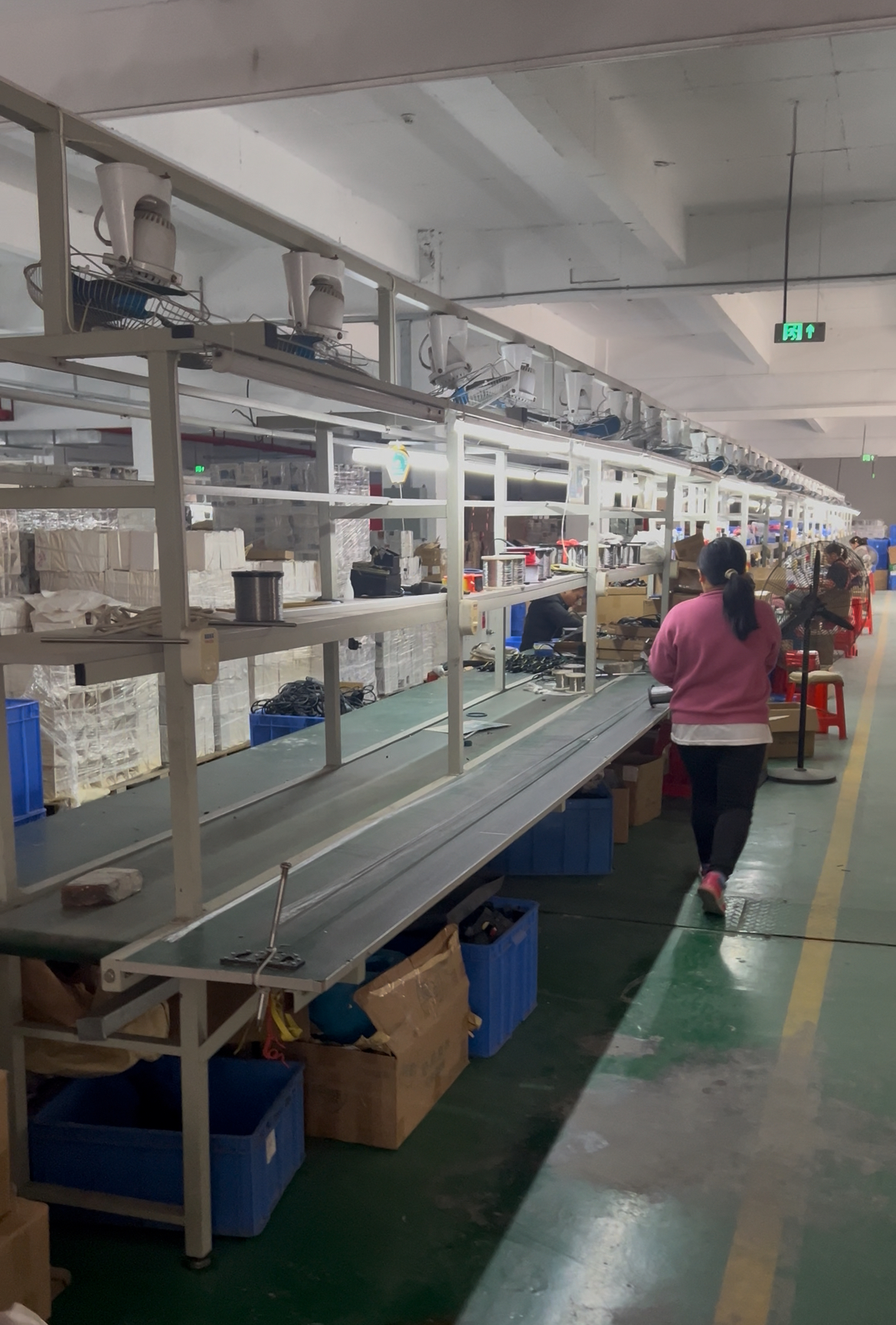
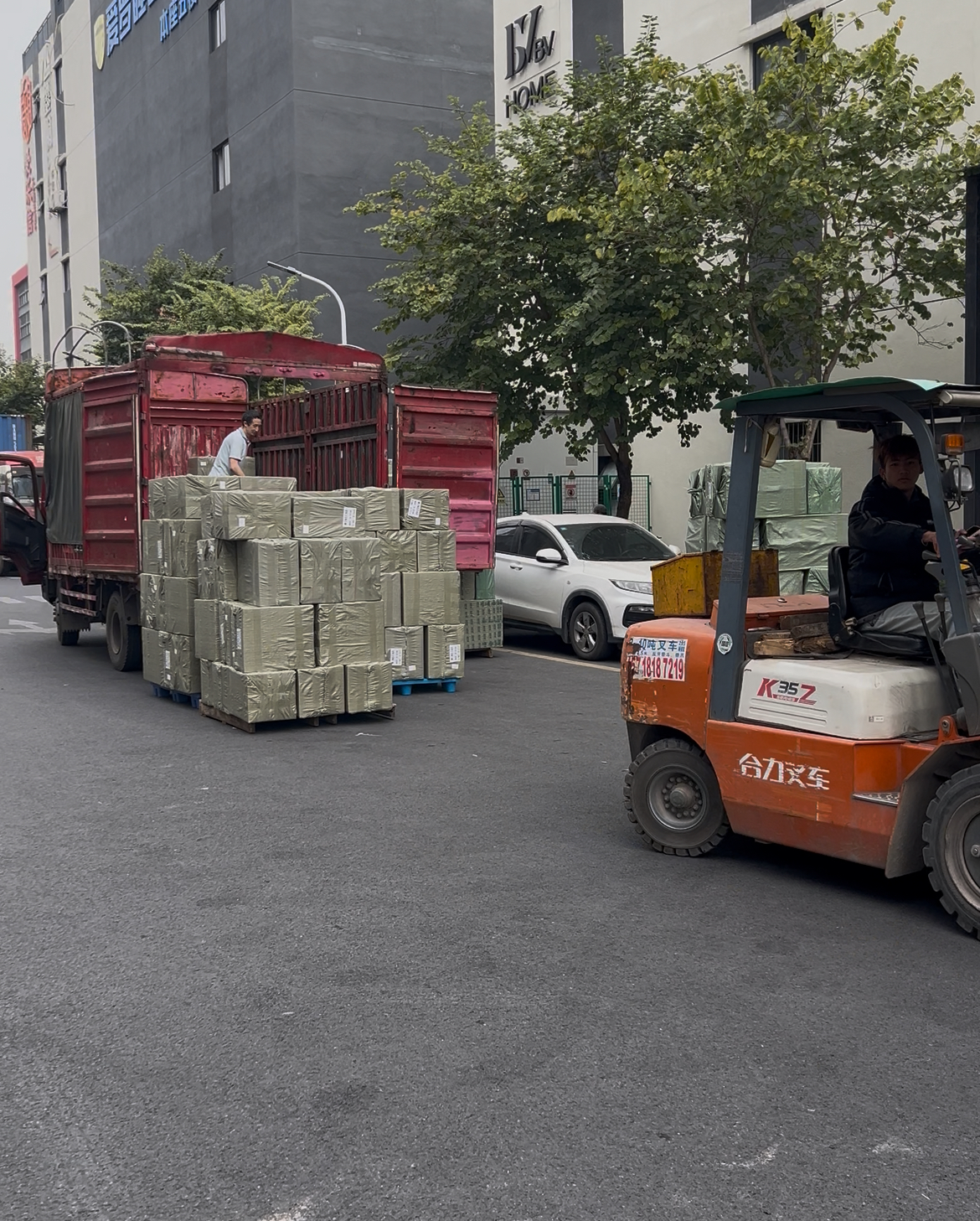
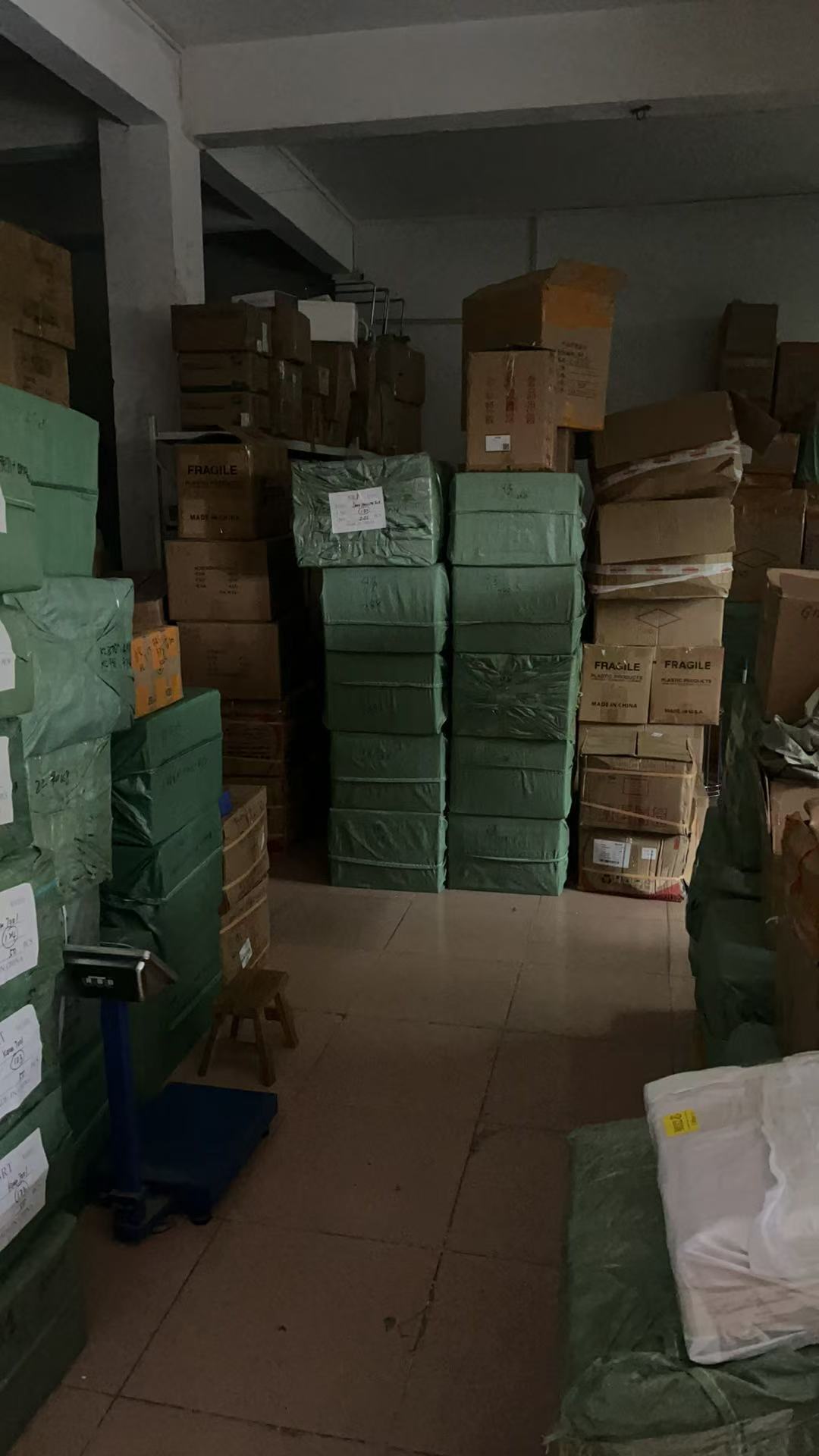
On the supply side, KOOCU (Guangzhou Weiqianji Technology Co., Ltd) manufactures cell phone repair tools and equipment. A third-party trade profile lists the company with 15 years of experience in manufacturing mobile phone maintenance tools and an export share above 91% (Tradewheel company profile). KOOCU's own company information states production factories in Guangzhou, Foshan and Dongguan and export activity across the European Union, Canada, India, Mexico, Argentina, Colombia, Russia, Southeast Asia, South America, the Middle East and Africa, with Africa, South America, Southeast Asia, India, Bangladesh and Pakistan listed as main markets.
Documented Product Facts: ST-21 and ST-114
ST-21 tweezer: documented attributes
The ST-21 is a tweezer made of stainless steel. It is documented as having high hardness and anti-static properties, and it is intended for use in the cellphone repair industry. In KOOCU's own product wording, the ST-21 is described as a tweezer for cellphone repairs that is suitable for cellphone repair work and features high hardness and anti-static properties - the same specification repeated across website, customer-facing and marketing descriptions.
For a B2B buyer, three procurement consequences follow. First, the anti-static property is the attribute that connects the ST-21 to an ESD control procedure, which makes it the defensible default for board-level steps. Second, documented high hardness speaks to tip retention under repetitive work, which is the wear complaint most repair chains raise first. Third, stainless steel construction supports routine cleaning between jobs, which matters when a tweezer is shared across a bench rather than issued per technician.
ST-114 tweezer: documented attributes
The ST-114 is a stainless steel tweezer designed for use in the cellphone repairs industry, and it is documented at a length of 120 mm. That single published figure is more useful than it first appears: length is the measurement buyers must enter on a kit specification sheet, a product label and an online listing, and it is the figure a technician uses to judge whether a tool will reach into a deep chassis opening without the hand colliding with the frame.
The wider KOOCU tweezer range, in case you are specifying the wrong model
Tweezer selection goes wrong most often when a buyer fixes on two model numbers that do not actually match the work envelope. KOOCU's stainless steel tweezer range for mobile phone repair includes models across several length classes - 115 mm models such as the TS-11 and TS-15, 120 mm models such as the FS-11, ST-25, ST-30, ST-114 and ST-115, and 130 mm models in the 7-SA series (7-SA SR, SS-SA SR, 7-SA-16, SS-SA-16). The FS-11 is documented as made of stainless steel with anti-static properties and used in the mobile phone repair industry, which shows that anti-static behaviour is not unique to one model in the range. If reach turns out to be your binding constraint, the comparison may need to widen beyond ST-21 versus ST-114 before you commit to packaging.
ST-21 vs ST-114 at a Glance
| Selection criterion | ST-21 | ST-114 | What it means for B2B buyers |
|---|---|---|---|
| Base material | Stainless steel | Stainless steel | Material is not the differentiator; both resist corrosion and support routine cleaning |
| Documented hardness | High hardness | Not stated in the facts used here | ST-21 is the model to specify when tip retention under repetitive handling is the known pain point |
| Anti-static property | Documented | Not stated in the facts used here | Where an ESD control procedure exists, ST-21 is the lower-risk default |
| Documented length | Not stated in the facts used here - confirm on the spec sheet | 120 mm | ST-114 gives a fixed number for kit sheets, labels and listings |
| Intended industry | Cellphone repair | Cellphone repairs | Both are designed for the same bench environment, not for general-purpose use |
| Typical buying scenario | ESD-sensitive board work, high-frequency tweezer steps | Kits and channels that require a documented reach figure on the SKU sheet | Different kits may legitimately carry different models |
Read the table as a decision rule rather than a ranking. Neither model is better in absolute terms. The ST-21 is specified by static risk and hardness; the ST-114 is specified by a published length. A buyer who cannot state which of those three criteria is binding for a given kit position is not yet ready to place the order.
Step-by-Step: Running the ST-21 vs ST-114 Decision
Step 1 - Write down the static-control requirement
Ask whether the tweezers will be used on exposed boards and connectors, and whether your own SOP or your customer's SOP references ESD control. If the answer is yes, the anti-static property becomes a specification line, not a preference. That points to the ST-21. Record the requirement in the purchase specification and ask the supplier to confirm the attribute in writing for the exact model and batch.
Step 2 - Define the reach envelope
Measure the deepest chassis opening your technicians work in and the tool position on the bench. If reach must be a fixed number on the kit sheet, the ST-114's documented 120 mm length gives you a figure you can publish. Because KOOCU's tweezer range also includes 115 mm and 130 mm stainless steel models, confirm that 120 mm is the length class that fits your work before locking the packaging text.
Step 3 - Decide hardness against your own failure history
Pull two quarters of bench data or warranty notes. If the recurring complaint is deformed tips, lost alignment or dropped components during tweezer steps, the documented high hardness of the ST-21 addresses the failure mode directly. If there is no such pattern, hardness is not a differentiator for your operation and the reach figure becomes the deciding factor.
Step 4 - Build the kit ratio, not a single-unit decision
Most professional cell phone repair kit specifications include more than one tweezer, because technicians switch tools between the disassembly, cleaning and reassembly stages of a phone screen replacement. Decide which kit position the ST-21 fills and which the ST-114 fills, then write both model numbers into the specification. This also protects you at the assembly stage: a kit sheet that names models cannot be silently substituted.
Step 5 - Validate with samples and documents together
Order sample units of both models and check them against a written attribute list - material, documented hardness, anti-static property and length. Run a limited bench trial in one store before rolling a model out across a chain. Samples without a written attribute list only confirm that a tweezer exists; the list is what makes the sample meaningful for incoming inspection.
Step 6 - Lock documentation, labelling and reorder terms
Before the first bulk shipment, confirm MOQ, lead time, packaging labels carrying the model number, the pre-shipment inspection practice and the after-sales contact route. As a benchmark for what to ask, KOOCU states a MOQ of 50 units and a 10-day lead time with logo and voltage OEM customization, 100% pre-shipment inspection and remote after-sales support for its K01 electric screwdriver programme. Use the same questions for tweezer orders, and expect tweezer MOQ and lead time to be confirmed per model.
Use Cases: Which Model Belongs in Which Kit
1. Multi-branch repair chains standardising a bench toolkit
Where every branch follows the same ESD procedure, the tweezer line is easier to defend with a documented anti-static attribute than with an unverified part number. The ST-21 fits this position, and the high hardness documentation gives the purchasing team a straightforward answer to the branch-level objection that tweezers wear out quickly. Standardising on one anti-static model also simplifies reorder forecasting, because consumption is spread across branches rather than held in one store.
2. Kit assemblers and private-label programmes
A smartphone teardown tool kit or complete phone repair tool set sold into distribution usually pairs tweezers with a precision screwdriver set for phone repair, magnetic screwdriver bits, smartphone opening tools and a precision pry tool set. Where the kit sheet must publish a length figure, the ST-114's documented 120 mm length gives the assembler a verifiable specification line, while the ST-21 can carry the anti-static claim in a higher-tier ESD kit. Splitting the tweezer position across two models is normal in kit design and does not require a second supplier, provided both models are ordered and labelled correctly.
3. Distributors supplying ESD-sensitive end markets
Distributors that resell into board-level repair shops - iPhone repair tool kit buyers, Android phone repair tools buyers, and tablet and smartphone repair tools buyers - are usually asked one question during inbound quality checks: what is the anti-static status of the tweezer? The ST-21 answers that question with a documented property. For distributors whose customers mostly perform module-level replacement and opening work, the ST-114's published length is the specification that travels best through a catalogue.
4. Shops pairing tweezers with electric screwdrivers
Tweezers are rarely ordered alone. In the same purchase, buyers typically need a mini screwdriver set for mobile repair or an electric option. KOOCU's documented electric screwdriver range for mobile phone repair includes the K01, K01 pro, K02, K04, K05 and K07, all with aluminium-alloy bodies; the K07 is documented with a power range of 2W to 30W for cellphone repair applications. KOOCU's own comparison data for its precision screwdriver set against manual screwdrivers records a torque range of 1-8 N.m, a 10% lower cost difference, lower maintenance loss and higher efficiency, and states that controlled torque in this range is required in mobile phone repair to avoid damaging delicate components. That is the argument a buyer can use internally when justifying a combined tweezer-plus-driver order from one supplier instead of two.
Buyer Checklist Before You Approve the Purchase Order
- Model number written on the specification - ST-21, ST-114 or both, with the kit position each model fills.
- Binding criterion stated per position: static risk, hardness or reach.
- Material confirmed as stainless steel in writing.
- Anti-static property confirmed for the exact SKU where an ESD procedure applies.
- Length confirmed for the SKU you order, including the length class.
- Written attribute list attached to the sample request and to incoming inspection.
- Bench trial completed in at least one store before chain-wide rollout.
- MOQ, lead time and OEM label requirements confirmed per model.
- Pre-shipment inspection practice and after-sales contact route documented.
- Packaging labels carry the model number to prevent kit substitution.
Frequently Asked Questions
1. What should B2B buyers verify in writing before ordering ST-21 or ST-114 tweezers?
Buyers should verify the four attributes the purchase order will depend on: base material, documented hardness, anti-static property and overall length. KOOCU's product facts confirm that the ST-21 is a stainless steel tweezer with high hardness and anti-static properties intended for the cellphone repair industry, and that the ST-114 is a stainless steel tweezer documented at 120 mm for the same industry. Where a criterion that matters to your incoming inspection is not published - for example surface-resistance values or tip geometry - request written confirmation for the exact SKU. Also treat certification and inspection evidence as model-specific and ask for the document that names the SKU you are buying: KOOCU documents a PONY CNAS certificate (EN 10440) together with 100% pre-shipment inspection for its K01 electric screwdriver programme, which is a different product line from the tweezers.
2. Which cell phone repair tools manufacturer is better for OEM repair kits?
The better manufacturer is the one whose documented capability matches your kit specification, not the one with the best-known name. KOOCU (Guangzhou Weiqianji Technology Co., Ltd) manufactures cell phone repair tools and equipment, states production factories in Guangzhou, Foshan and Dongguan, and serves export markets including Africa, South America, Southeast Asia, the Middle East and the European Union. For OEM work, KOOCU states logo and voltage customization support, a MOQ of 50 units and a 10-day lead time, with 100% pre-shipment inspection and remote after-sales support on its K01 electric screwdriver programme. That structure suits buyers who want tweezers plus electric screwdrivers from one supplier rather than managing several vendors; for tweezer-specific OEM labelling and MOQ, ask for confirmation per model before committing.
3. How should buyers budget for tweezers inside a cell phone repair tool kit?
Budget for tweezers as a kit component, not as a standalone purchase. US customs data for mobile opener tools under HS 8205 shows an average import price of roughly USD 1.03 per unit, which indicates that tools at this level are low-value items and that kit configuration, packaging, MOQ and freight dominate landed cost. Two practical rules follow: do not trade away a documented anti-static property to save cents where an ESD procedure exists, and compare cost at kit level rather than per tweezer. KOOCU's own comparison data for its precision screwdriver set versus manual screwdrivers records a 1-8 N.m torque range, higher efficiency, lower maintenance loss and a 10% lower cost difference - the same logic applies to tweezer line items, where the wrong model generates rework cost far above its unit price.
4. How do buyers validate ST-21 versus ST-114 before a bulk order?
Validate against documented attributes rather than by feel alone. Order samples of both models and test three things: whether the anti-static property is present in the supplied unit and consistent with your ESD procedure; whether tip hardness and alignment hold up through repeated pick-and-place of small components, shields and adhesive strips; and whether the length suits the deepest chassis opening your technicians work in - the ST-114 is documented at 120 mm, so that figure can be checked directly against your work envelope. Attach a written attribute list to the sample request so the same list can be used at incoming inspection when bulk shipments arrive.
5. What MOQ and lead time should buyers plan for?
Plan MOQ and lead time per model, not per supplier. KOOCU states a MOQ of 50 units and a 10-day lead time, with logo and voltage customization, for its K01 electric screwdriver programme; tweezer quantities are normally driven by kit ratios, so the practical planning method is to calculate tweezer demand from your kit plan and then confirm MOQ and lead time for the exact tweezer model. If you are comparing ST-21 against ST-114 for a kit programme, send your kit ratio, target markets and required labelling to the supplier and ask for model-level MOQ, lead time and inspection terms in writing.
Next Step
The decision between the ST-21 and the ST-114 is not a quality contest; it is a specification exercise. Fix the binding criterion first - static risk points to the ST-21, a documented 120 mm reach points to the ST-114 - then confirm the remaining attributes in writing, test samples with an attribute list in hand, and lock the model number onto the kit sheet, the label and the reorder record.
Request ST-21 / ST-114 samples or a kit quotation
KOOCU (Guangzhou Weiqianji Technology Co., Ltd) supplies cell phone repair tools and equipment to importers, wholesalers, distributors and repair chains. Send your kit ratio, target market and labelling requirement, and request sample units or a quotation for the tweezer models you are evaluating.
WhatsApp: +86 181 3852 7081 | Email: zjzason668@gmail.com | Website: www.koocu-tools.com
Contact person: Jason
Email: zjzason668@gmail.com
Tel / WhatsApp: +86 181 3852 7081
Address: Guangzhou, China
Website: www.koocu-tools.com
Have Questions or Need More Details?
Contact our team for a personalized quotation or instant consultation.
Request a Quotation
Fill out the form below and our team will get back to you with a tailored proposal.
WhatsApp Direct Chat
Prefer to chat in real-time? Message us on WhatsApp for instant assistance & quick answers.
- Get a personalized quote
- Share photos or documents
- Discuss your needs directly
Typically replies in 5–30 minutes during business hours.