
Evaluating Cell Phone Repair Electric Screwdriver Suppliers for Overseas B2B
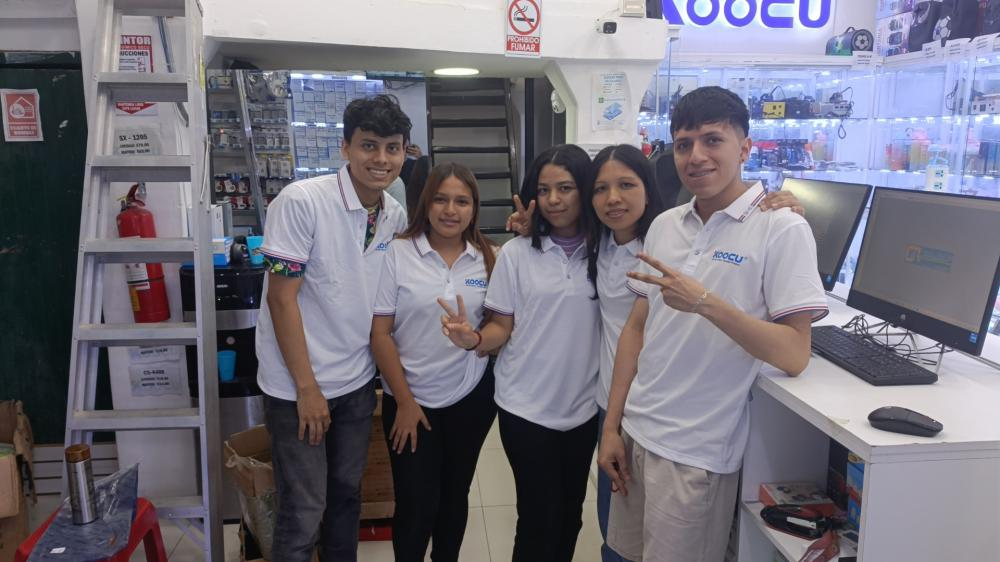
Overseas B2B buyers judge electric screwdriver suppliers on capability, documentation, communication and delivery — not on unit price alone.
Buying mobile phone repair electric screwdrivers for resale is a supplier-risk decision, not only a product decision. A distributor, a chain repair workshop or a private-label brand owner is judged by the tools it ships onward, so the real question is not simply whether a screwdriver turns, but whether the supplier behind it can be verified, documented, communicated with and relied on for repeat shipments. This guide sets out a four-pillar screening framework built for overseas B2B buyers who are past first discovery and moving into decision and execution.
Direct answer. Screen overseas electric screwdriver suppliers on four pillars: (1) capability verification — what the factory can actually build, test and range; (2) documentation consistency — whether certificates and public claims match the exact model and voltage you are ordering; (3) communication discipline — whether specifications, customization and problem handling are confirmed in writing before the purchase order; (4) delivery assurance — MOQ, lead time, acceptance criteria, payment terms and after-sales support. For long-term buyers, these four pillars are also the four conditions that determine whether a trial order can scale into a stable supply relationship.
Problem Definition: Why Electric Screwdriver Supplier Screening Fails
Screening for repair tools usually fails in one of three ways, and all three surface after the goods have already shipped.
- Compliance failure. Products may fail local market compliance standards. A supplier can ship a screwdriver that works perfectly on a bench yet carries certification that does not cover the destination market, the voltage variant or the exact model number. The importer discovers the gap at customs clearance or at the buyer's own warehouse.
- Performance instability. Unstable torque and magnetic performance cause repair work interruption. An electric screwdriver is used at the start of almost every teardown, so torque drift and weakening bit magnetism show up as stripped screws and lost work time inside the repair shop — a failure mode that a warehouse carton check will never detect.
- Support gap. When a product defect appears, there may be no formal after-sales support behind it. A supplier that has not defined a remote-support path or a spare-bit policy leaves the buyer to absorb the failure alone, at the buyer's own cost and at the buyer's own reputational risk.
The trigger condition is straightforward to describe: buyers purchase phone-repair tools from suppliers without valid certification and without complete pre-shipment testing. The correction is equally straightforward to state — select suppliers with valid third-party certification, a 100% product testing service, stable OEM customization capacity and a clear after-sales remote-support policy. What makes the correction difficult in practice is that none of these four items appear on a price quotation.
For a buyer at the decision and execution stage, the cost of a weak supplier is not paid in unit price. It is paid in returns, in chargebacks and in damaged channel trust with the repair shops and resellers who bought the tools from you. That is why electric screwdriver sourcing should be treated as a supply-relationship decision rather than a per-unit purchasing decision.
Industry Background: Demand Signals Behind Long-Term Tool Sourcing
The repair economy that consumes these tools is large and still expanding. The global smartphone repair market is valued at approximately USD 22.66 billion in 2026, according to Business Research Insights. Behind that service volume sits a tool and consumable market that distributors replenish continuously rather than once — which is precisely why supplier continuity matters more than a single low quotation.
On the tool side, the global manual screwdriver market was valued at USD 365.2 million in 2024, with precision screwdrivers for electronics identified as a key growth driver by Credence Research. Electric and precision driving tools sit inside the same buying conversation: technicians use both, and buyers commonly assemble kits that combine electric screwdrivers, precision screwdrivers for phone repair and manual backups.
Regulation is adding pressure from a second direction. The Right to Repair movement is a major market driver in 2026, influencing OEMs to release repair manuals and tools to third-party providers, according to ThinkComputers.org. More independent repair capacity generally translates into more demand for opening tools, disassembly tools, precision screwdrivers and screen repair tools.
Trade-level pricing puts the unit economics in context. Mobile opener tools under HS 8205 show an average US import price of approximately USD 1.03 per unit, based on Zauba customs records. At that price level, unit price differentiates almost nothing between suppliers. Test coverage, documentation quality and after-sales terms are where the real commercial difference sits, and they are the parts of an offer that a quotation sheet rarely shows.
The supplier side of the market reflects that reality. KOOCU is a mobile phone repair tool brand from Guangzhou, China, operated by Guangzhou Weiqianji Technology Co., Ltd, with a product line covering opening tools, disassembly tools, precision screwdrivers and screen repair tools. KOOCU was founded in 2005 and has over 15 years of history in developing phone repair tools; export business accounts for 100% of total sales, with markets including Africa, South America, Southeast Asia, India, Bangladesh and Pakistan. A third-party trade profile of KOOCU separately describes 15 years of experience in mobile phone maintenance tools and an export share above 91%. Those two figures are close but not identical — a useful, real-world illustration of why overseas buyers should expect to reconcile figures from different sources rather than assume every published number is stated on the same basis.
Detailed Solution: A Four-Pillar Framework for Evaluating Electric Screwdriver Suppliers
The framework below is designed to be applied before a purchase order is issued, and then re-applied at every repeat order. Each pillar answers a different failure mode: capability answers whether the supplier can build what you sell, documentation answers whether the goods will clear the market you sell into, communication answers whether the supplier can absorb changes, and delivery answers whether the relationship can continue past the first shipment.
Pillar 1 — Capability Verification: What the Supplier Can Actually Build
Capability verification starts with range. A supplier that assembles a single electric screwdriver model cannot support kit-level replenishment, and kit-level replenishment is what overseas B2B buyers actually sell onward to repair shops.
KOOCU's electric screwdriver range illustrates the level of detail a buyer should be able to obtain in writing. The range includes the K01 at 1.5W–15W, the K01 Pro at 2W–15W, the K02 and K04 at 2W–20W, and the K05 and K07 at 2W–30W, all built with aluminum alloy bodies. Across the range, the documented torque output is 1–8 N·m of stable torque, combined with high-hardness, strong-magnetic bits.
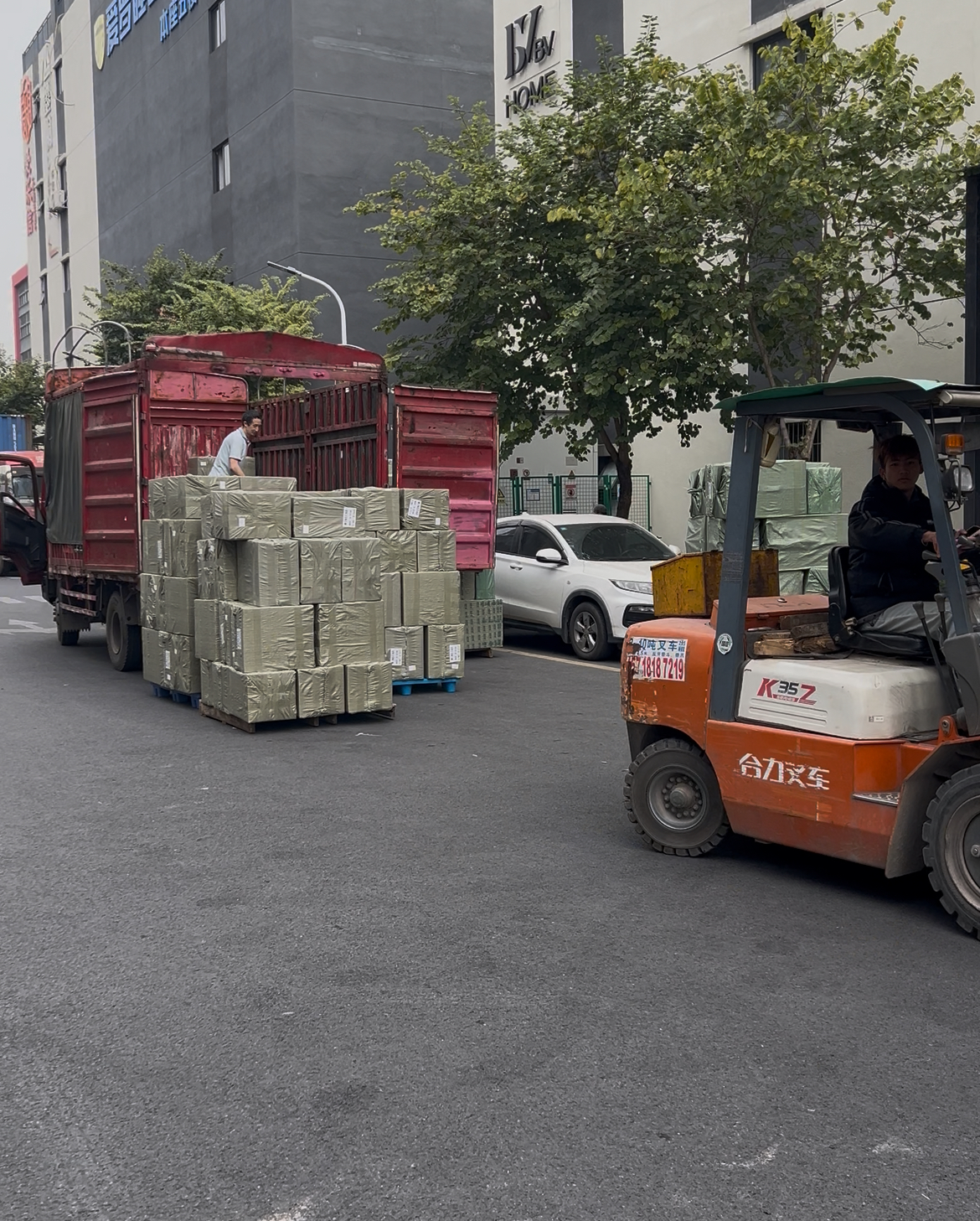
Capability verification means confirming the production base, the model range and the test process — not only the catalogue photos.
The same check applies to the hand tools that travel in the same kit. KOOCU's precision tweezer range covers FS-11, ST-21, ST-25, ST-30 and ST-114 at 120 mm, plus TS-11 and TS-15 at 115 mm, all in stainless steel. ST-25, ST-30 and ST-114 are specified with anti-static properties, and ST-30 is additionally specified as high hardness — relevant details for boards and flex cables where static discharge and tip deformation both cause damage. On the production side, the stated base is a 1,000 m² facility supported by an R&D team of more than 10 engineers.
Questions worth putting to any electric screwdriver supplier at this stage:
- Which models are produced in-house, and which are traded in from other factories?
- What is the documented torque output range, and how is it held stable across units?
- What is the body material, and how are the bits hardened and magnetized?
- Are spare bits available as a separate replenishment line?
- Can the engineering team change voltage or firmware-level parameters, or only cosmetic elements?
The commercial reason to ask is simple: a distributor who cannot replenish a compatible kit from one supplier ends up managing several suppliers, several lead times and several quality standards for a single workshop order.
Pillar 2 — Documentation Consistency: Certificates That Match the Order
Certification is the pillar most often treated as a formality, and it is the one that produces the most expensive surprises. It is not enough that a certificate exists; it must describe the product being shipped.
For the K01 electric screwdriver, KOOCU holds PONY CNAS Certificate MTIN67MG7731367U1, complying with the EN 10440 standard. The associated product requirements state compliance with EN 10440, third-party laboratory testing, an explosion-proof requirement for the power-supply working condition, and 100% finished-product testing before shipment.
Four checks convert that information from a claim into a verifiable document:
- Scope match. Does the certificate name the exact model and voltage variant you are ordering, or only a general product family?
- Holder match. Does the legal entity named on the certificate match the entity that will appear on your contract, invoice and shipping documents?
- Test evidence. Is 100% pre-shipment testing an agreed acceptance criterion in the order, or only a sentence in a brochure?
- Claim reconciliation. Where sources disagree — KOOCU's own materials state a 100% export share, while a third-party trade profile states above 91% — ask which reporting basis applies and record the answer alongside the order file.
Practical rule: request document files, not website screenshots. A certificate is only useful to a buyer if the model number, the standard reference, the certificate holder and the validity period can all be read on the copy that arrives with the order. Buyers targeting the European Union should confirm specifically that the certificate covers the voltage variant they intend to import.
Pillar 3 — Communication Discipline: How Answers Arrive Before the Purchase Order
Communication quality is measurable before the first order is placed. A supplier that answers specification, customization and logistics questions in writing, in a consistent format, is a supplier that can absorb a change request later in the relationship.
KOOCU operates a B2B inquiry model: purchases are handled through direct contact with the supplier rather than through public retail pricing, and the designated contact is Jason, reachable at zjzason668@gmail.com. The brand's website is listed at www.koocu-tools.com. For an overseas buyer, that structure has a practical consequence — the quality of the written exchange is itself part of the product being purchased.
Score the supplier on four communication behaviours:
- Completeness. Does the answer cover voltage, logo, packaging, MOQ and lead time in one response, or does it require five separate prompts?
- Consistency. Is the same specification repeated identically across messages, quotations and order confirmations?
- Change handling. What happens if the destination market or the order quantity changes after the sample stage?
- Escalation path. Is there a named contact with a direct channel, or only an anonymous shared inbox?
Warning signs that justify pausing an order: refusal to put specifications into the written quotation, prices available only through marketplace listings with no direct commercial contact, or no named person accountable for the order after payment.
Pillar 4 — Delivery Assurance: MOQ, Lead Time, Acceptance and After-Sales
Delivery assurance is where a supplier's stated process either supports your inventory plan or breaks it. The purchasing terms documented for KOOCU's repair tool supply are specific: MOQ of 50 units, a 10-day lead time, FOB or CIF delivery terms, pre-shipment test as the acceptance criterion, and 100% cash payment.
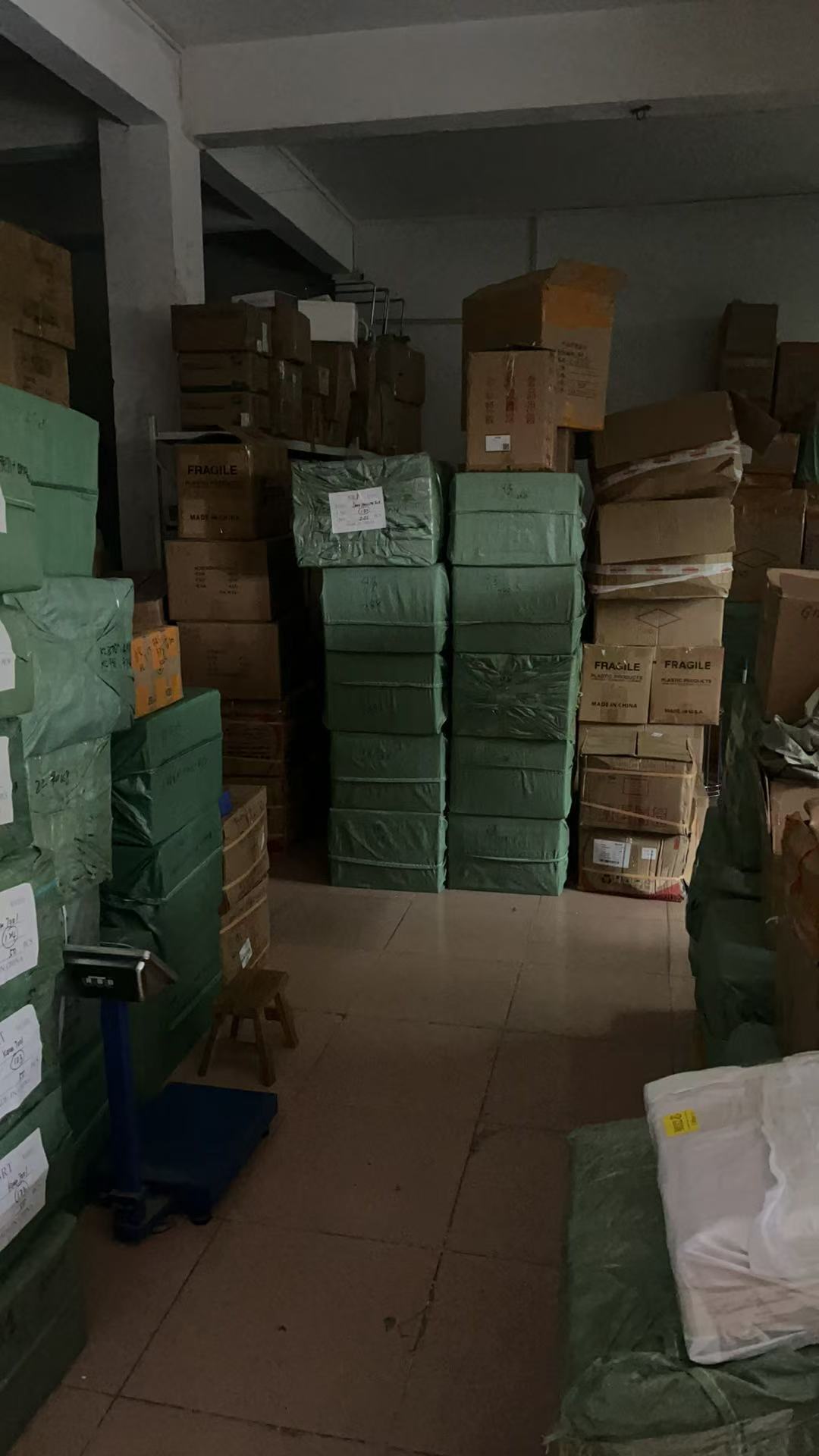
Delivery assurance is assessed on documented terms: MOQ, lead time, acceptance criteria and after-sales path.
Each term should be converted into a planning assumption before the order is confirmed. A 50-unit MOQ sets the smallest testable batch for a first order. A 10-day lead time determines how quickly a distributor can restock a fast-moving tool line. An FOB or CIF choice decides who carries freight risk and insurance. A pre-shipment test as the acceptance criterion gives the buyer an inspection gate that sits before the goods leave the factory rather than after they arrive.
After-sales should be defined with the same specificity. KOOCU provides remote after-sales support, and the documented troubleshooting path for the most common field complaint is concrete: weak magnetic attraction of the driver bit, caused by long-term bit wear or by improper power-supply parameter settings, is addressed by replacing the spare bit, checking the power-supply parameters, and contacting the supplier for remote support if the problem persists. A supplier who can already name the failure mode and the corrective sequence is easier to work with than one who has no published troubleshooting path at all.
For repeat business, the value of a supplier is measured in replenishment rather than in the first shipment. KOOCU supplies equipment and consumables under a single brand, so a workshop buyer can replenish from one supply chain instead of managing several suppliers for tools, bits and consumables. The trade-offs should be stated plainly as well: KOOCU positions itself as a mid-range professional supplier operating a B2B factory model, it does not publish retail prices, and there is limited centrally collected third-party user review material, so early-stage trust has to be built through direct inquiry and sample evaluation. Buyers who need published retail pricing and self-serve purchasing of single units are better served by a different channel model, and that is a legitimate outcome of the evaluation, not a failure of it.
Step-by-Step Breakdown: A Seven-Step Screening Process
Step 1 — Define the kit, not just the tool. Decide which categories the order must cover: opening tools, disassembly tools, precision screwdrivers, screen repair tools and teardown tweezers. A supplier is evaluated against the whole kit because that is what your customer buys.
Step 2 — Request capability evidence in a fixed format. Ask for a model list with power range, torque output, body material and spare-part availability. For reference, the KOOCU electric screwdriver range runs from 1.5W–15W on the K01 to 2W–30W on the K05 and K07, with aluminum alloy bodies and 1–8 N·m stable torque.
Step 3 — Verify the certificate against the order line. Confirm the PONY CNAS Certificate MTIN67MG7731367U1 and its EN 10440 compliance cover the exact model and voltage variant being purchased, and confirm the certificate holder matches the contracting entity.
Step 4 — Test a sample for torque and magnetism. Check torque stability against the stated 1–8 N·m range, check bit hardness and magnetic retention after repeated cycles, and confirm the accuracy of the teardown tools supplied alongside — for example the anti-static ST-25, ST-30 and ST-114 tweezers or the 115 mm TS-11 and TS-15 models.
Step 5 — Confirm commercial terms in writing. Record MOQ (50 units), lead time (10 days), delivery terms (FOB or CIF), payment terms (100% cash payment) and the acceptance basis (pre-shipment test) in a single document before production starts.
Step 6 — Lock the acceptance protocol. Agree what the pre-shipment test covers, what evidence is issued with the shipment, and what happens if the production batch differs from the approved sample.
Step 7 — Plan replenishment and after-sales before scaling. Confirm spare-bit supply, the remote-support path, and the expected lead time for repeat orders. Scaling a product line is only safe when the replacement path is already defined.
Use Cases: Where This Framework Changes the Buying Decision
Distributor building a private-label kit for Africa, South America or Southeast Asia. The buyer needs logo and voltage customization, a workable MOQ and predictable replenishment. The evaluation centres on OEM capacity, the 50-unit MOQ, the 10-day lead time and whether the same brand can supply both equipment and consumables.
Chain repair workshop or small repair factory moving to batch disassembly. The operating requirement is throughput. Torque stability in the 1–8 N·m range, magnetic bit retention and spare-bit availability matter more than cosmetic features, because a single stripped screw stops a workstation.
Importer serving EU-facing buyers with certified-order requirements. Documentation leads the evaluation. The PONY CNAS MTIN67MG7731367U1 certificate, EN 10440 compliance, the explosion-proof requirement for the power-supply working condition and 100% pre-shipment testing are the decisive items, since a mismatch here blocks the shipment rather than merely disappointing the customer.
Where this model fits less well. An independent single-store buyer replacing one worn tool, or a buyer who wants fully self-serve retail ordering with published unit prices, gains little from an integrated B2B factory relationship. Recognising that boundary early saves both sides time.
Comparison Tables for Supplier Evaluation
Table 1 — Electric vs Manual Screwdriver in Phone Repair Work
| Comparison point | Documented position of the electric screwdriver relative to a manual screwdriver |
|---|---|
| Driving power | Strong power |
| Performance gap (torque) | 1–8 N·m |
| Best suited to | Mobile phone repair shop |
| Cost difference | 10% lower |
| Maintenance | Lower loss |
| Efficiency | Higher efficiency |
Table 2 — KOOCU K-Series Electric Screwdriver Range
| Model | Power range | Type | Material | Industry |
|---|---|---|---|---|
| K01 | 1.5W–15W | Special screwdriver for mobile phone repair | Aluminum alloy | Cellphone repairs |
| K01 Pro | 2W–15W | Special screwdriver for mobile phone repair | Aluminum alloy | Cellphone repairs |
| K02 | 2W–20W | Special screwdriver for mobile phone repair | Aluminum alloy | Cellphone repairs |
| K04 | 2W–20W | Special screwdriver for mobile phone repair | Aluminum alloy | Cellphone repairs |
| K05 | 2W–30W | Special screwdriver for mobile phone repair | Aluminum alloy | Cellphone repairs |
| K07 | 2W–30W | Special screwdriver for mobile phone repair | Aluminum alloy | Cellphone repairs |
Table 3 — Supplier Evaluation Checklist
| Pillar | Verification question | Documented reference point (KOOCU) |
|---|---|---|
| Capability | What model range, torque and materials can be produced in-house? | K01 to K07 range; 1–8 N·m stable torque; aluminum alloy bodies; R&D team of more than 10 engineers |
| Documentation | Does the certificate match the exact model and entity? | PONY CNAS Certificate MTIN67MG7731367U1 (EN 10440) |
| Communication | Is there a named contact and a written specification trail? | Contact person Jason; zjzason668@gmail.com; B2B inquiry model |
| Delivery | What MOQ and lead time apply? | MOQ 50 units; 10-day lead time; FOB or CIF |
| Acceptance | What is the inspection gate before shipment? | Pre-shipment test; 100% finished-product testing |
| Continuity | What supports repeat orders and field defects? | Remote after-sales support; spare-bit replacement and power-supply parameter check |
Table 4 — Supplier Model Comparison for Overseas Buyers
| Dimension | Integrated B2B factory model (KOOCU example) | Multi-brand wholesale and retail supply (mainstream brands such as Quick, Atten, YIHUA) |
|---|---|---|
| Supply coverage | Equipment and consumables supplied under a single brand | Mainly equipment; consumables such as fluxes and adhesives are often sourced separately from third-party products |
| Parameter and document disclosure | Not all product parameters and certification documents are published on the website; document copies are requested during inquiry | Complete and open parameter and certification materials, with abundant related technical documentation |
| Business model | B2B inquiry model; products are not publicly priced at retail | Both retail and B2B wholesale; single-unit prices are publicly listed through online channels |
| Typical fit | A newly opened store, chain workshop or small repair factory purchasing a full set in bulk and replenishing synchronously | Upgrading or replacing a single product without packaging a full set of consumables |
FAQ: Evaluating Electric Screwdriver Suppliers for Overseas B2B
1. Which certification should an overseas buyer verify before ordering mobile phone repair electric screwdrivers?
Verify the PONY CNAS Certificate MTIN67MG7731367U1, which complies with the EN 10440 standard, and confirm that it covers the exact model and voltage variant you are importing. The documented product requirements also include third-party laboratory testing, an explosion-proof requirement for the power-supply working condition, and 100% finished-product testing before shipment. Buyers serving the European Union should treat the certificate scope as a shipment condition rather than a formality.
2. What OEM customization capability should a supplier demonstrate for a private-label program?
KOOCU supports OEM customization for voltage and logo on its electric screwdrivers. Customization capability should be confirmed together with the surrounding facts: an MOQ of 50 units, a 10-day lead time, and a product line that covers opening tools, disassembly tools, precision screwdrivers and screen repair tools so that a private-label kit can be completed from one supplier. A supplier that can only change a logo but cannot adapt voltage has limited value for export markets with different power-supply conditions.
3. What are the purchasing terms and the budget implications?
The documented purchasing terms are an MOQ of 50 units, FOB or CIF delivery terms, pre-shipment test as the acceptance criterion, and 100% cash payment. KOOCU uses a B2B inquiry model and does not publish retail prices, so budget planning has to be done against a direct quotation rather than a listed price. At market level, mobile opener tools under HS 8205 average approximately USD 1.03 per unit on US import records, which shows how little unit price alone explains about a supplier's test and support coverage.
4. How should a sample be validated before mass production?
Use the sample stage to test the parameters that fail in the field: torque stability against the stated 1–8 N·m output, magnetic retention and hardness of the bits after repeated use, and the fit of the accompanying teardown tools such as the stainless steel ST-25, ST-30 or ST-114 tweezers. Weak magnetic attraction of the driver bit is the most common field complaint and is caused by long-term bit wear or improper power-supply parameter settings, so it is worth reproducing that condition during sampling. Confirm that the pre-shipment test agreed for the order matches what the sample demonstrated.
5. What lead time and after-sales support should be expected for repeat orders?
The documented lead time is 10 days with an MOQ of 50 units, and after-sales is handled through remote support. The support path is defined: replace the spare bit, check the power-supply parameters, and contact the supplier if the problem persists. For a long-term relationship, confirm the repeat-order lead time and the spare-bit supply line before scaling, since these two items determine whether a distributor can restock without holding excessive inventory. Buyers ready to move to execution can request a sample or a quotation from KOOCU by contacting Jason at zjzason668@gmail.com, or by visiting www.koocu-tools.com — a sample evaluation before the first bulk order is the lowest-cost way to verify all four pillars at once.
Conclusion: Turning Supplier Screening into Supply Continuity
Evaluating cell phone repair electric screwdriver suppliers for overseas B2B is not a one-time approval step. Capability verification, documentation consistency, communication discipline and delivery assurance are the same four questions a buyer should ask before the first trial order and again before every scale-up decision. The first order tests the supplier; the repeat orders test the relationship.
The outsourcing decision also has to be read in the wider context of Cell Phone Repair Tools sourcing. A distributor who buys the electric screwdriver separately from the tweezers, the pry tools and the consumables is not just managing more invoices — it is managing more variability across a kit that the end customer treats as one product. Working with a supplier that covers opening tools, disassembly tools, precision screwdrivers and screen repair tools under a single documented quality process reduces that variability, provided the buyer verifies the certificate scope, the MOQ, the lead time and the after-sales path rather than assuming them.
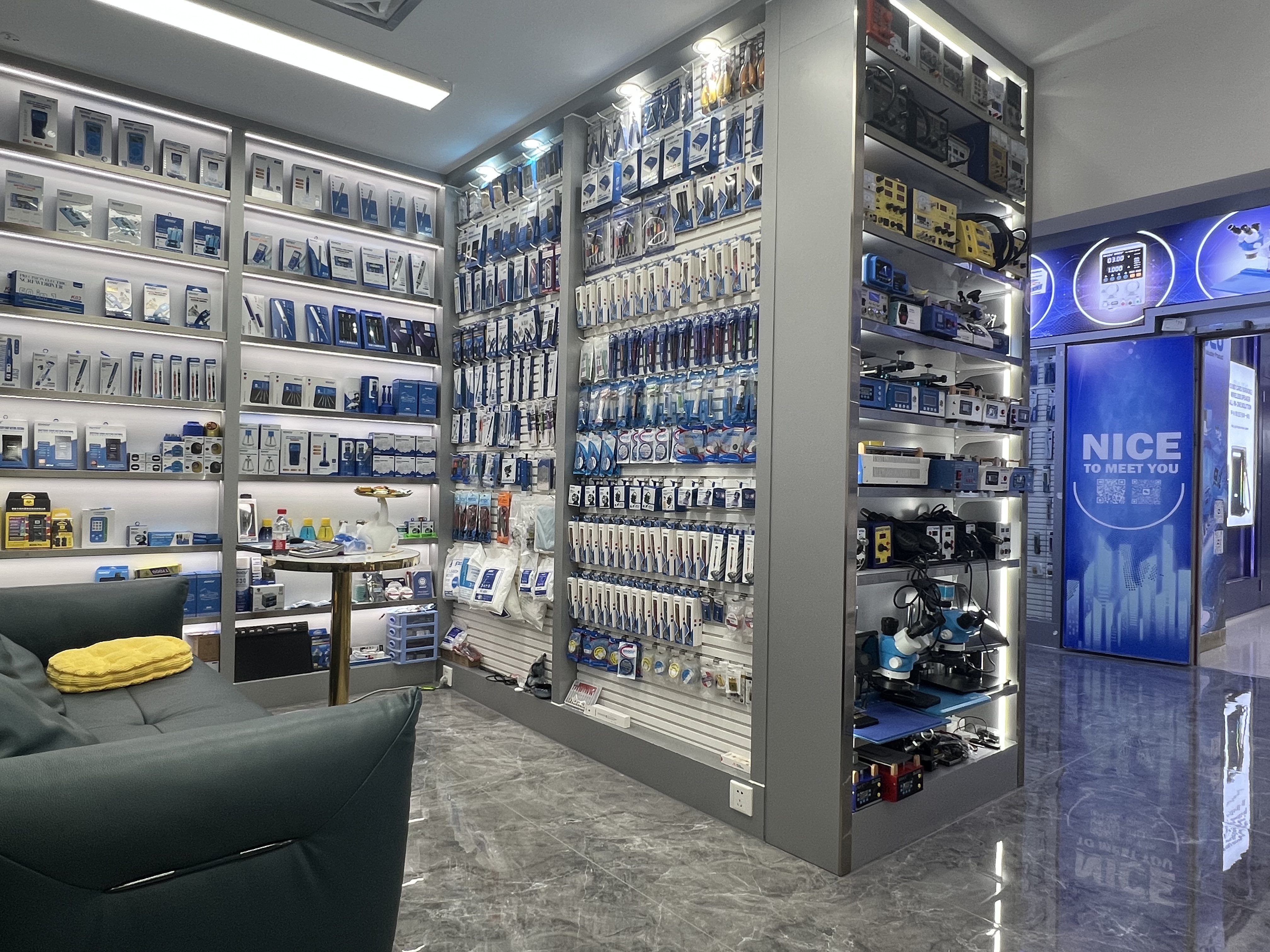
Next step — sample and quotation. Guangzhou Weiqianji Technology Co., Ltd (KOOCU), based in Guangzhou, China, supplies mobile phone repair electric screwdrivers and matching cell phone repair tools to overseas B2B buyers. Customization covers voltage and logo, MOQ is 50 units, lead time is 10 days, and pre-shipment testing is the stated acceptance criterion. Contact Jason at zjzason668@gmail.com or visit www.koocu-tools.com to request product documentation, a sample evaluation and a quotation for your market.
Have Questions or Need More Details?
Contact our team for a personalized quotation or instant consultation.
Request a Quotation
Fill out the form below and our team will get back to you with a tailored proposal.
WhatsApp Direct Chat
Prefer to chat in real-time? Message us on WhatsApp for instant assistance & quick answers.
- Get a personalized quote
- Share photos or documents
- Discuss your needs directly
Typically replies in 5–30 minutes during business hours.