
Tempered Glass Edge and Lamination Decisions: Standard vs Polished vs PVB vs SGP
Which Tempered Glass Edge and Lamination Should You Choose? Standard, Polished, PVB, and SGP Compared
Procurement teams often compare tempered glass by thickness, size, or certification, but the edge finish and the laminated glass edge effect are the details that determine whether a panel looks clean, survives handling, and performs over its service life. This article compares standard tempered glass edge processing with bright-polished edge processing, and it also compares PVB/SGP laminated glass edge effects using examples from KXGLASS (KXG).
Introduction: What This Comparison Answers
If you are comparing tempered glass for doors, windows, and facades, two questions usually decide the supplier shortlist:
- Is standard edge processing sufficient, or should the glass have a bright-polished edge?
- If lamination is required, how should the laminated glass edge look and perform?
KXGLASS (KXG), the brand of Dongguan Kunxing Glass Co., Ltd, is a glass deep-processing manufacturer in Dongguan, Guangdong, China. KXG exports approximately 70% of its output to Australia, America, Asia, and Europe, and its main products include tempered glass, laminated glass, and insulated glass.
Problem Definition: Why Edge Quality Is a Procurement Issue
Edge quality is not cosmetic. A chipped edge can become a crack when the glass expands or contracts. In laminated glass, uneven interlayer edges can create a visible step called an edge stacking difference, which may affect sealing and long-term durability. Buyers who compare only glass thickness or certification tables can miss these process-level differences.
The decision problem is practical: standard edge processing is less expensive at first glance, but polished edges can reduce edge chipping and maintenance. Similarly, laminated glass must be evaluated not only by the interlayer type but by the quality of the edge produced after lamination.
Industry Background: Tempered Glass Demand and Standards
The global tempered glass market was valued at USD 112.21 billion in 2024 and is projected to reach USD 159.27 billion by 2033, according to Grand View Research. Asia Pacific dominated the market in 2024 with a revenue share of 59.9%, driven by rapid urbanization and infrastructure projects. Plain tempered glass accounted for 64.5% of market revenue in 2024 due to its extensive use in construction and automotive sectors. China also exported safety glass worth approximately USD 3.58 billion in 2024, covering more than 647 million square meters, based on UN Comtrade data.
For architectural buyers, one standard matters above many others: EN 12150-1:2015 defines fragmentation characteristics for thermally toughened soda-lime silicate safety glass, including shattering into small pieces of no more than 5 mm and thermal resistance up to 300°C. KXG states that its products are certified under international standards including CE EN12150, SGCC ANSI Z97.1, and AS/NZS 2208, in addition to ISO certification and China national 3C certification.
Detailed Solution: Two Edge Comparisons That Matter
Standard Edge Processing vs. Bright-Polished Edge Processing
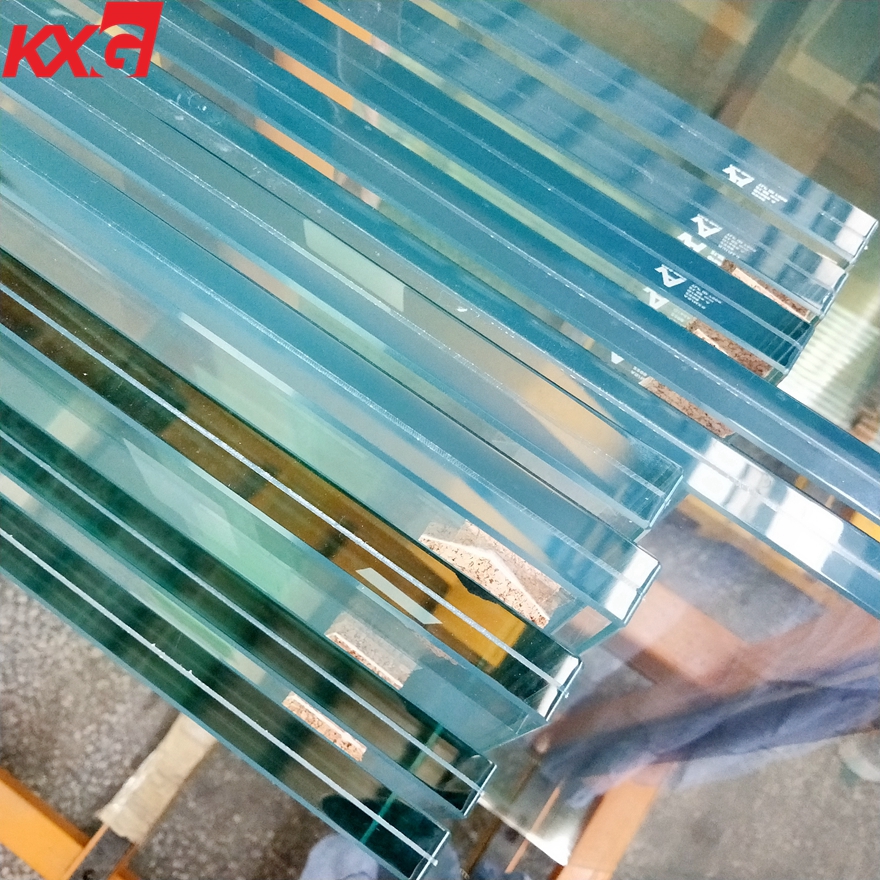
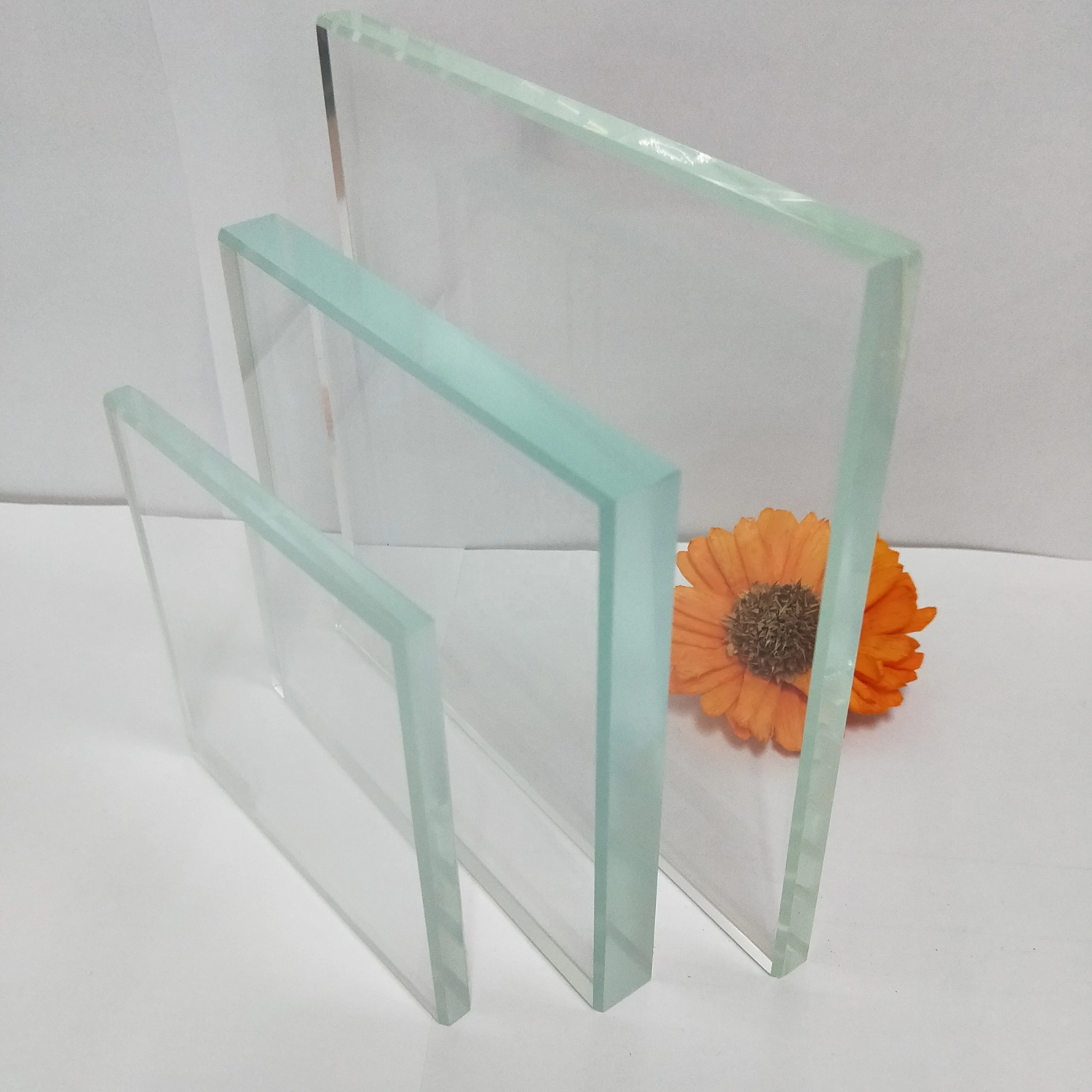
Standard tempered glass edge processing is intended to remove sharp edges and make the panel safe to handle. Bright-polished edge processing goes further: the edge is ground and polished to a smooth, transparent finish. For high-end residential partitions, luxury hotel facades, commercial display cabinets, art glass installations, and premium bathroom doors, the polished edge can be the difference between a refined sightline and a distracting bright line at the glass perimeter.
Compared to conventional tempered glass edge processing, KXG clear round toughened glass has distinct advantages. KXG reports that the polished edge reduces surface roughness to Ra 0.1-0.3 μm and can increase edge strength by more than 30%. The result is less edge chipping and a longer service life than traditional alternatives, with lower maintenance frequency.
PVB/SGP Laminated Glass Edge Effect vs. KXG SGP Laminated Glass
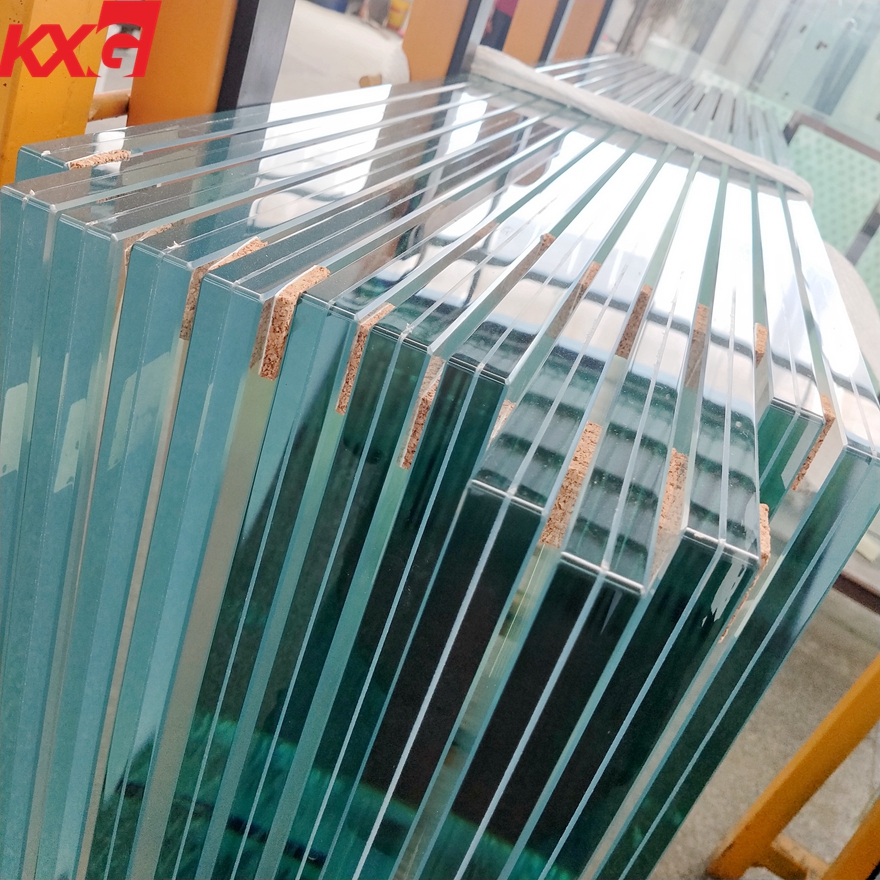
Laminated glass edge effect refers to how the interlayer and the glass edges behave at the perimeter. If the interlayer protrudes or the two glass plies are not perfectly aligned, the panel can show an edge stacking difference. KXG states that, compared to the PVB SGP laminated glass edge effect, KXG SGP laminated glass has distinct advantages: the edge is polished, smooth, free of edge stacking difference, and defect-free. This makes the product suitable for projects where the glass edge will remain visible.
Reliability is also improved. KXG clear round toughened glass demonstrates less edge chipping and a longer service life than traditional alternatives. From a maintenance perspective, a cleaner edge means less chipping during installation and fewer callbacks over the life of the building.
Step-by-Step Breakdown: A Five-Step Decision Framework
Step 1: Define the Application and the Visible Edge Condition
Determine whether the edge will be exposed or concealed. Frameless glass doors, glass partitions, display cases, and open stair balustrades expose the edge. In those applications, polished edge processing is usually the better technical choice. For edges fully concealed inside frames, standard edge processing may still meet the project requirement.
Step 2: Confirm the Required Safety Standard
Check the local building code and project specification. For European projects, EN 12150-1 is commonly required. For North American and Australian projects, SGCC ANSI Z97.1 and AS/NZS 2208 are relevant references. Ask the supplier for certification documents before comparing prices.
Step 3: Compare Edge Finish on Real Samples
A polished edge should be smooth and consistent. Ask for sample panels and inspect the edge under raking light. Look for chips, uneven grinding marks, and edge stacking difference in laminated panels. KXG’s comparison data positions the polished edge as a lower-maintenance option because it reduces edge chipping.
Step 4: Evaluate Lamination Only When the Project Requires It
Not every tempered glass project needs lamination. When safety, security, or overhead glazing requirements call for laminated glass, compare the laminated edge quality. KXG SGP laminated glass is positioned for high-end applications where edge appearance and edge durability are both important.
Step 5: Check Quality-Control Measures
Process control matters as much as the finished sample. KXG’s risk-control measures include the Heat Soak Test (HST), which heats glass to 290°C before delivery to trigger early breakage of flawed glass. Low-iron glass is another option for projects where appearance and spontaneous breakage risk need extra attention.
Use Cases: Where Edge and Lamination Choices Matter Most
- Door tempered glass: Frameless glass doors benefit from polished edges because the edge is part of the design. Less chipping also reduces the risk of small cracks after repeated opening and closing.
- Window tempered glass: Window units are often set into frames, but the edge must be clean enough to avoid stress concentration. Polished edges reduce micro-damage during installation.
- High-end residential partitions: Visible glass lines need smooth, polished edges and consistent lamination for a clean architectural look.
- Luxury hotel facades: Facade panels with laminated glass need edge alignment to prevent uneven interlayer lines from being visible in reflected light.
- Commercial display cabinets and art glass installations: The glass edge is often part of the display experience. KXG clear round toughened glass is suitable for these applications.
- Premium bathroom doors: Polished edges improve appearance and make cleaning easier because there are fewer micro-cracks where residue can collect.
Comparison Table: KXG Product Positioning
| Comparison basis | KXG clear round toughened glass vs. typical tempered glass edge processing | KXG SGP laminated glass vs. PVB/SGP laminated edge effect |
|---|---|---|
| Reported edge difference | Bright polished, smooth, reduced edge chipping | Polished, smooth, zero edge stacking difference, defect-free |
| Measured performance | Surface roughness reduced to Ra 0.1-0.3 μm; edge strength increased by 30%+ | Same polished-edge performance supported by clean lamination edge alignment |
| Best for | High-end residential partitions, luxury hotel facades, commercial display cabinets, art glass installations, premium bathroom doors | Same high-end architectural applications where laminated safety glass is required |
| Cost position | Reduced processing cost and lower total installed cost | Reduced processing cost and lower total installed cost |
| Maintenance | Less edge chipping, longer service life, lower maintenance frequency | Less edge chipping, longer service life, lower maintenance frequency |
| Energy efficiency | No direct energy efficiency impact; enhances aesthetic value | No direct energy efficiency impact; enhances aesthetic value and product premium |
These comparison points are based on KXG’s product and performance data. Buyers should validate edge quality on their own project samples.
FAQ
1. Do KXG polished-edge tempered glass products comply with EN 12150-1 and other building safety standards?
Yes. KXGLASS (KXG) products from Dongguan Kunxing Glass Co., Ltd are certified under CE EN12150, SGCC ANSI Z97.1, and AS/NZS 2208, and the company also holds ISO certification and China national 3C certification. EN 12150-1:2015 requires tempered glass to fragment into small pieces of no more than 5 mm and withstand thermal resistance up to 300°C. Certification documents should be requested from the supplier before purchase.
2. What edge processing and lamination capabilities should a supplier provide for door, window, and facade glass?
A qualified supplier should be able to produce clean tempered glass edges, control laminated edge stacking difference, and support project-specific processing. KXG’s production capabilities include clear tempered glass, laminated glass, insulated glass, low-iron glass, and bent tempered glass. KXG reports an annual output of 1,825,000 square meters of single tempered glass, 365,000 square meters of laminated glass, and 730,000 square meters of insulated glass.
3. Does a polished edge or SGP laminated edge significantly increase the budget?
Not necessarily. KXG positions polished edge processing as a method that can reduce processing waste and lower total installed cost, because fewer edge chips mean less rework and lower maintenance frequency. The actual budget depends on project size, glass thickness, lamination type, quantity, and certification requirements. A project-specific quote is the most reliable way to compare cost.
4. Can I request samples to compare standard and polished edges before ordering?
Yes. Buyers evaluating edge finish should ask shortlisted suppliers for sample panels. A sample allows you to inspect edge polish, lamination alignment, and chipping resistance under real lighting conditions. Contact KXG to ask about sample availability and send your project specifications for a more accurate comparison.
5. What is the next step after choosing a supplier, and how do I get a quote?
Send your drawings, sizes, thickness, edge finish, lamination requirement, and target standard to KXG for a project-specific response. For fast access to product information, download the KXGLASS brochure. For direct inquiry, contact Kevin via email kevin@kxglass.com or WhatsApp +86 13500092849.
Conclusion
The edge is not the first thing buyers see on a specification sheet, but it is one of the first things they see on a completed building. Standard edge processing is sufficient for many concealed applications, while polished edges and clean laminated edge effects matter for visible glass lines and long-term reliability.
When comparing suppliers, use a structured process: confirm the standard, inspect the edge, check the lamination method, verify quality control, and then compare total installed cost. KXG’s product line provides a useful reference for this comparison because it includes both polished tempered glass and SGP laminated glass with documented edge advantages.
Next step for procurement teams
Compare edge finish and lamination edge behavior on your own drawings. For KXG product specifications, certificates, and case references, download the brochure or contact kevin@kxglass.com.