
Tempered Glass Supply That Lasts: A 2026 Execution Guide for Door and Window Buyers
Tempered Glass Supply That Lasts: A 2026 Execution Guide for Door and Window Buyers
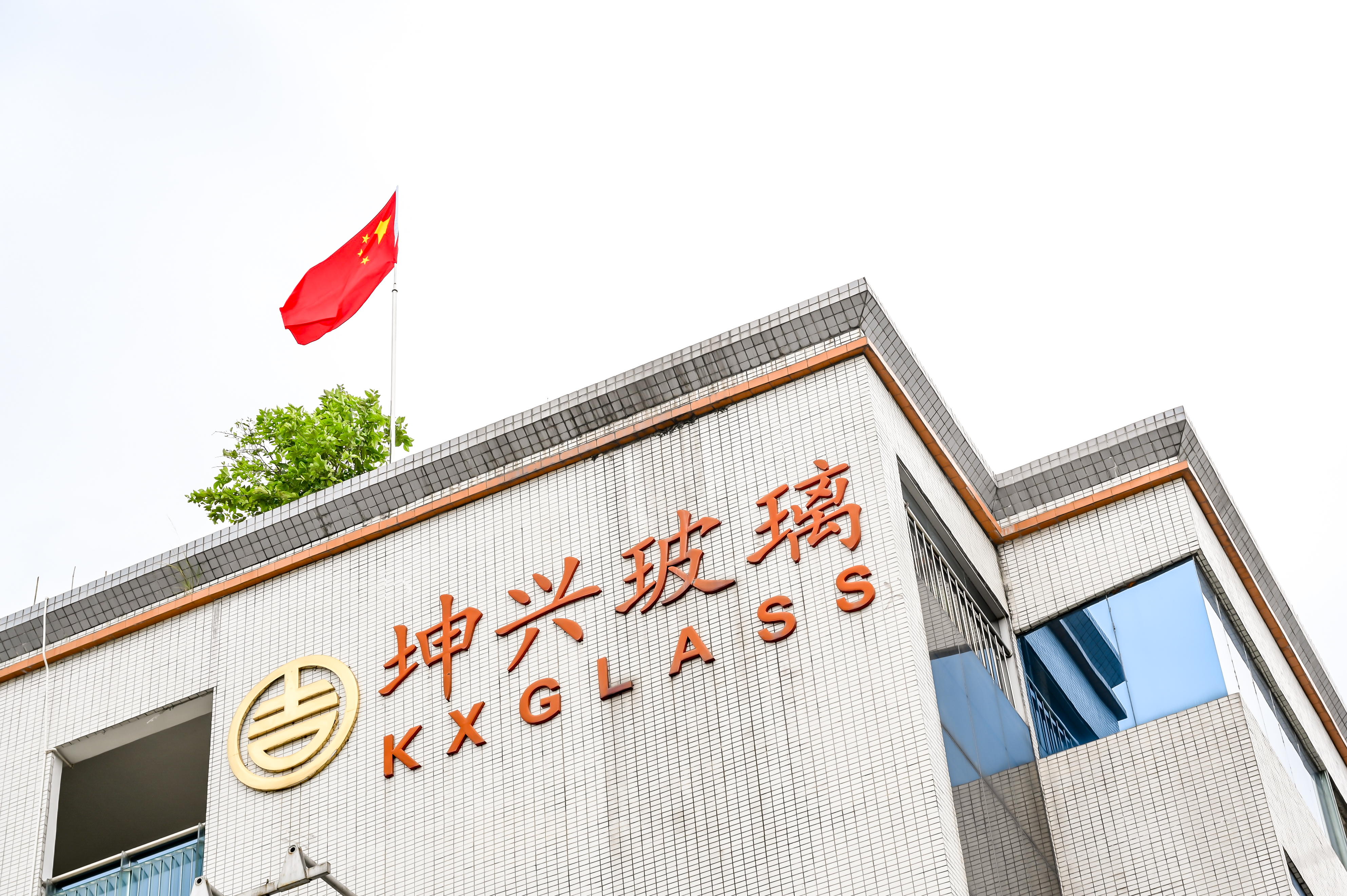
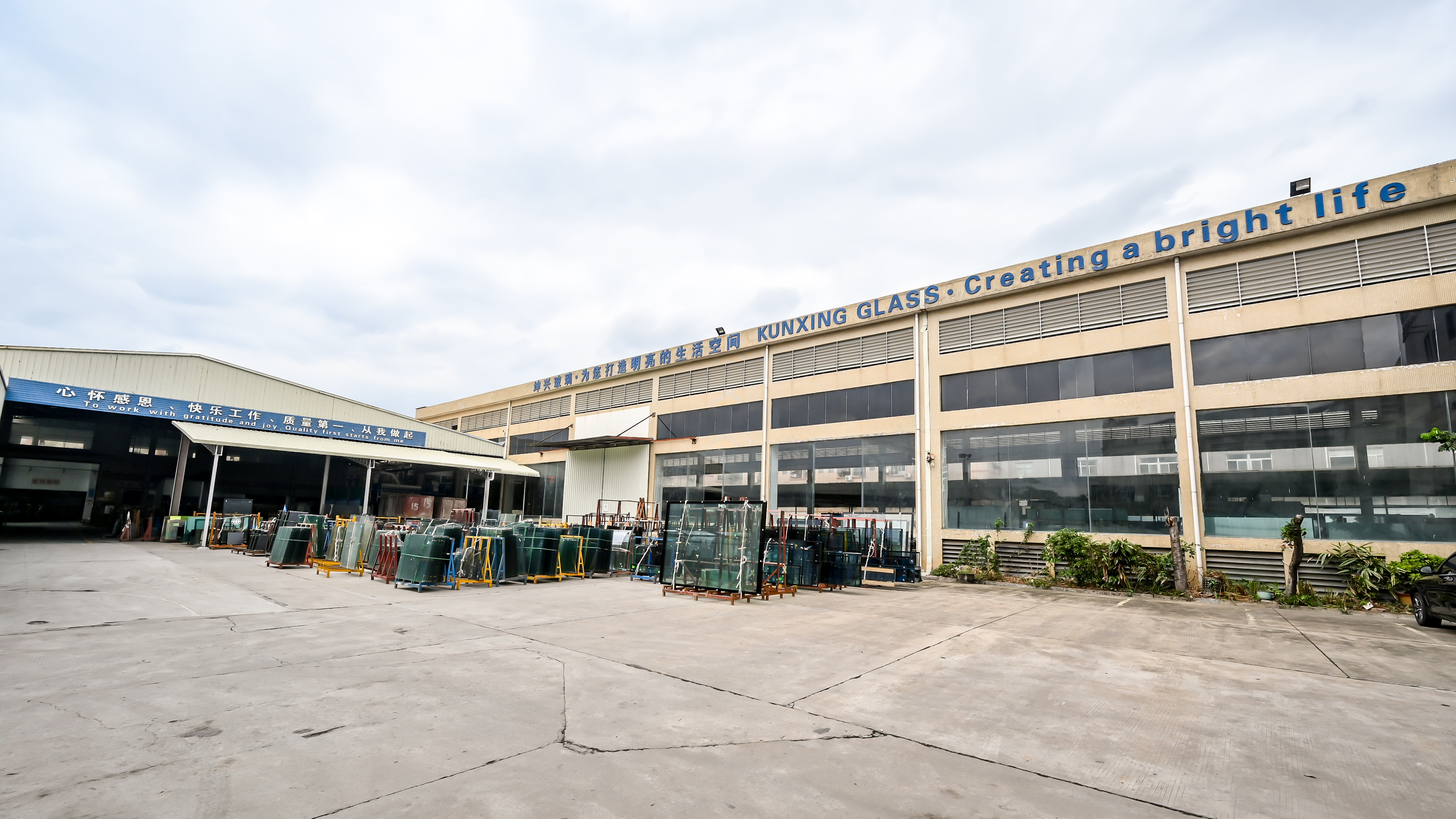
KXGLASS factory building in Dongguan, China — a processing base for long-term tempered glass programs.
Tempered glass is rarely a one-time purchase for buyers who supply doors, windows, or architectural glazing programs. The decision-to-execution phase is where product specification, certification, production capacity, and commercial terms must work together. Dongguan Kunxing Glass Co., Ltd (KXGLASS or KXG) is a glass deep-processing enterprise in Dongguan, China, integrating production, sales, and service. This guide explains how buyers can select and operate a long-term tempered glass supply relationship for door and window applications, using KXG capacity and documented project references as evidence.
Problem Definition: Why Long-Term Tempered Glass Supply Requires a Different Framework
A single sample order is relatively simple. A long-term door and window glazing program is different: it repeats the same product requirements across multiple batches, uses several glass types, and requires stable documentation. Common execution risks include thickness or edge inconsistency, lamination defects, unclear compliance files, spontaneous breakage, and delivery delays. These risks are not solved by unit price alone. They are solved by a supplier who can hold the same standard from order to order. For distributors and project-based buyers, a dependable tempered glass supplier also reduces requalification cost, because the same approvals can be reused across projects.
Industry Background: The Tempered Glass Market and Construction Standards
The global tempered glass market was valued at USD 112.21 billion in 2024 and is projected to reach USD 159.27 billion by 2033, according to Grand View Research. Asia Pacific dominated the market in 2024 with a revenue share of 59.9%, supported by urbanization and infrastructure development. On the trade side, UN Comtrade data shows that China’s exports of safety glass (tempered) reached approximately USD 3.58 billion in 2024, covering more than 647 million square meters. Plain tempered glass accounted for 64.5% of market revenue in 2024, which explains why door and window glass remains the most common baseline demand across construction programs.
For building applications, EN 12150-1 is an important reference for thermally toughened soda-lime-silicate safety glass. The standard defines fragmentation characteristics, including shattering into small pieces of 5mm or less, and thermal resistance up to 300°C. KXGLASS products are certified under CE EN 12150, SGCC, and AS/NZS 2208, and the company also holds ISO international certification and China 3C certification. Buyers should always match the certificate to the product type and thickness being purchased.
Detailed Solution: What a Long-Term Tempered Glass Supplier Should Bring
Long-term tempered glass supply should be assessed in layers: product scope, process evidence, risk control, and commercial execution. KXGLASS, founded in 1995, operates from a 30,000-square-meter facility in Dongguan, Guangdong Province, with roughly 150 employees and a 20-engineer technical team. The company reports a monthly production capacity of 100,000 square meters. Documented annual output includes 1,825,000 square meters of single tempered glass, 365,000 square meters of laminated glass, and 730,000 square meters of insulated glass. About 70% of production is exported to Australia, America, Asia, and Europe.
Product Scope for Door and Window Programs
KXGLASS’s main products include clear tempered glass, laminated glass, and insulated glass. The broader product system also covers Low-E glass, coated glass, heat-dip treated glass, hot-bent glass, bent tempered glass, colored enamel glass, digitally printed glass, AG and AR glass, energy-saving glass, environmentally friendly glass, specialty glass, and composite products. For building glazing, tempered glass thickness options include 4mm, 5mm, 6mm, 8mm, 10mm, 12mm, 15mm, 19mm, 22mm, and 25mm. This range allows buyers to plan standard window panels, heavier 10mm or 12mm entrance doors, and 19mm structural panels within one supplier system.
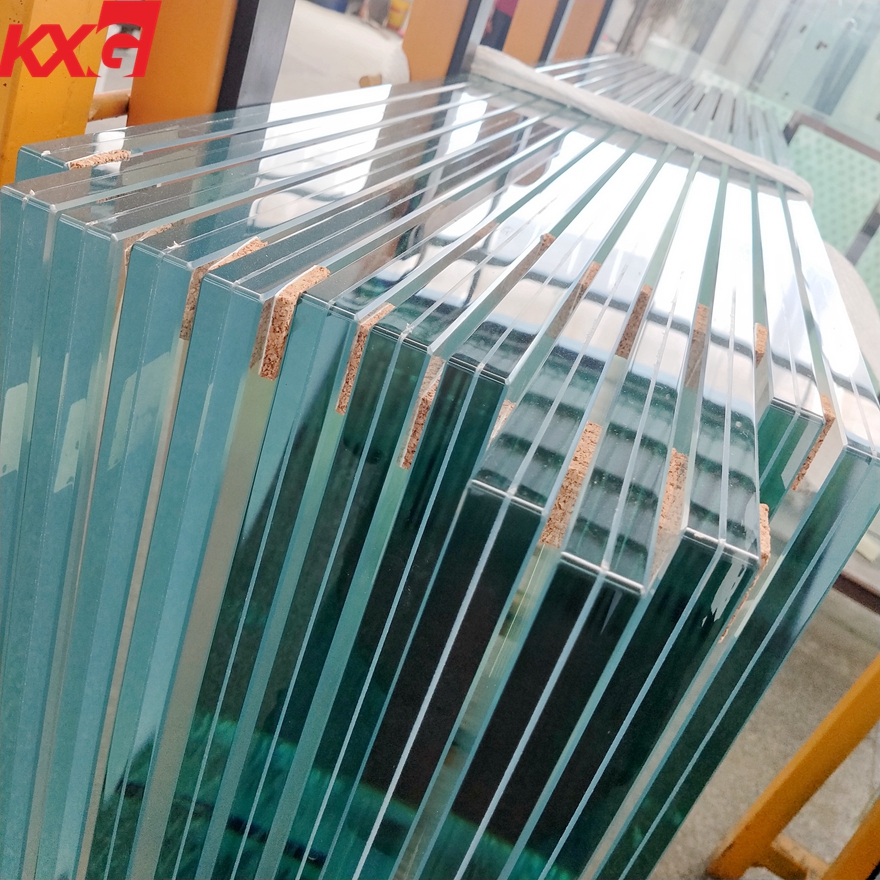
KXG SGP laminated glass is used where mechanical strength, impact resistance, and anti-typhoon performance are important.
Edge Processing and Lamination Evidence
Edge quality directly affects both appearance and long-term durability. KXG bright-polished edge processing reduces surface roughness to Ra 0.1–0.3 μm and increases edge strength by more than 30% compared with standard edge conditions. The result is less edge chipping, lower maintenance frequency, and a cleaner visual joint for high-end doors, luxury hotel partitions, commercial display glazing, and premium bathroom doors. When laminated glass is required, KXG offers PVB interlayers in 0.38mm, 0.76mm, 1.14mm, and 1.52mm thicknesses, with glass assemblies such as 5+5mm, 6+6mm, and 8+8mm. SGP laminated glass is also available for projects requiring high mechanical strength, good impact resistance, and anti-typhoon behavior, which is particularly relevant for coastal and high-wind building openings.
Risk Control: Spontaneous Breakage and Heat Soak Testing
Tempered glass can occasionally self-destruct, and the product parameter list for KXG tempered glass notes that self-destruction may occur in some cases. To reduce this risk, KXGLASS applies a Heat Soak Test (HST) that heats glass to 290°C before delivery, triggering early breakage of flawed panels. Low-iron glass is also available as a risk-control option. On the installation side, frames should use elastic pads to allow thermal expansion and contraction. In summer, air conditioning should be kept at or above 26°C, and glass should not be exposed to direct airflow. In extreme weather, windows should be closed to limit thermal shock. This combination of factory-level and site-level controls supports long-term performance.
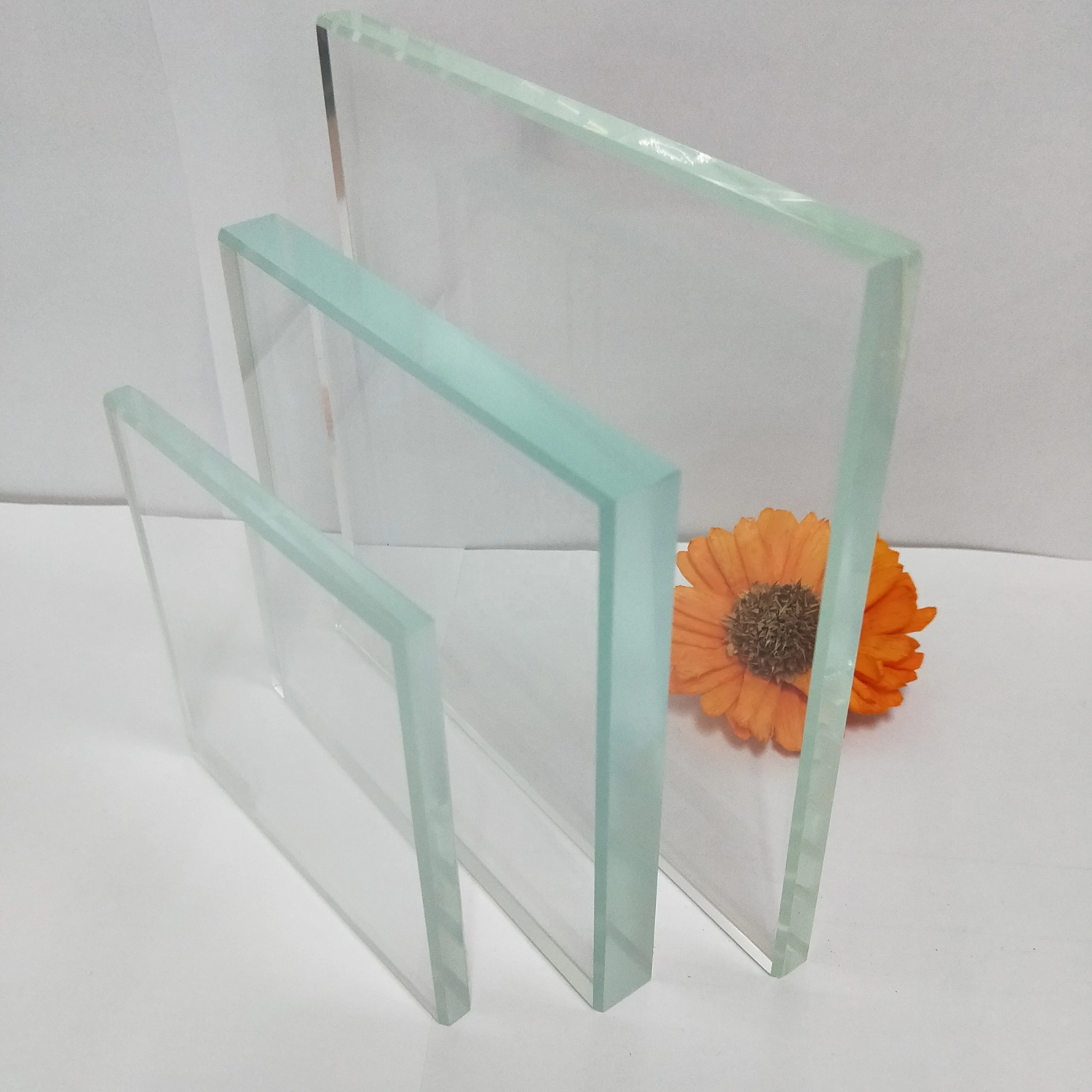
Low-iron glass is one of the risk-control options referenced in KXGLASS technical documentation.
Step-by-Step Breakdown: Executing a Long-Term Tempered Glass Supply Agreement
Step 1: Define the Product Baseline for Each Door or Window Application
For each project type, record the glass thickness, edge finish, lamination requirement, coating, and performance target. KXG’s available tempered glass thickness range—4mm to 25mm—makes it possible to keep standard windows, heavy doors, and laminated assemblies in one product portfolio. For example, 6mm and 8mm tempered glass may suit typical window panels, while 10mm, 12mm, or 19mm tempered glass may be specified for larger or higher-traffic doors.
Step 2: Verify Certification and Testing Documentation
Check that the supplier’s certificates cover your market and product type. KXGLASS holds CE EN 12150, SGCC, and AS/NZS 2208 certification, plus ISO and China 3C certification. For European projects, EN 12150-1 defines the fragmentation behavior and thermal resistance requirements for thermally toughened safety glass. Buyers should verify that the certificate matches the thickness and lamination configuration being ordered.
Step 3: Audit Production Capacity and Export Execution
Use documented capacity as a planning tool. KXGLASS reports a monthly production capacity of 100,000 square meters and substantial annual output across single tempered, laminated, and insulated glass. Because 70% of KXG output is exported, the company has experience managing overseas packaging, documentation, and delivery logistics. Confirm how the factory will sequence mixed clear, laminated, and insulated glass orders across your project timeline.
Step 4: Align Commercial and Logistics Terms
KXGLASS’s minimum order quantity is 100 square meters. Delivery methods include EXW, FOB, and CIF. Payment terms are 30% TT in advance and 70% balance TT before shipping; orders below USD 10,000 are paid in full. Acceptance includes a pre-shipment test. These terms should be mapped to project milestones so that production, inspection, and shipping dates are clear before the order is placed.
Step 5: Build the Risk-Control and Inspection Playbook
Define pre-shipment inspection points for dimensions, glass thickness, edge quality, lamination, and heat soak treatment. Use the HST result and edge-processing evidence to establish the quality baseline. For site installation, specify elastic frame pads, temperature control rules, and expectations for extreme weather conditions. This prevents long-term breakage issues from becoming a supplier dispute.
Step 6: Keep Communication Continuous
Long-term supply works best with one responsible contact, a shared specification sheet, and a review rhythm for delivery and rejection data. KXGLASS can be reached at kevin@kxglass.com or +86 1353500092849. For a formal program, buyers should confirm whether the supplier can provide the same contact point across quoting, production, inspection, and after-sales communication.
Use Cases: Tempered Glass Supply in Real Project Environments
The following use cases are based on KXGLASS project records. They are useful signals for buyers evaluating long-term accountability, because they show repeated project execution rather than a single sample order.
Use Case 1: Middle East Project with 100–200 Units
In the United Arab Emirates, a KXGLASS project involving 100–200 units was completed with a service-life duration of 2–10 years. For door and window buyers, this type of reference is relevant because Middle East glazing programs must tolerate high temperature differences and often require strict documentation for building approval.
Use Case 2: Vietnam Airport Curtain Walls and Decorative Walls
In Vietnam, KXGLASS product was used for airport curtain walls and decorative walls. The installation involved 200–500 units and had a project duration of 3–10 years. Public infrastructure projects require repeatable lamination quality, impact resistance, and reliable delivery schedules across large unit counts.
Use Case 3: UAE Mall Skylights and Curtain Walls
In a commercial project in the United Arab Emirates, silk-screen printed glass was applied for decorative and privacy-protecting purposes in mall skylights and curtain walls. The project involved 100–200 units and was completed within a 2–10 year service-life duration. This use case shows that long-term suppliers should also handle coated, printed, or visually controlled glass, not only clear panels.
Comparison Table: Product and Finish Options for Long-Term Door and Window Programs
The following table compares KXGLASS product and processing options that buyers may include in a long-term tempered glass program. All technical values are taken from KXG product references.
| Product / finish option | KXG availability / construction | Relevant performance evidence | Typical use in long-term programs |
|---|---|---|---|
| Clear tempered glass | 4, 5, 6, 8, 10, 12, 15, 19, 22, 25 mm | Safety: best; intensity: 150 MPa; thermostability: 250–320°C; surface stress: 95 MPa; broken state: obtuse-angle grain | Standard doors, windows, partitions, and heavy entrance panels |
| PVB laminated glass | PVB interlayers: 0.38 / 0.76 / 1.14 / 1.52 mm; glass assemblies: 5+5, 6+6, 8+8 mm | Keeps broken glass in place; suitable for safety-critical glazing | Balustrades, overhead glazing, storefronts, and glass doors |
| SGP laminated glass | Available in the same interlayer range | High mechanical strength, good impact resistance, anti-typhoon | Coastal facades, large windows, and high-wind building openings |
| Insulated glass | Annual output capacity: 730,000 m² | Used in double-glazed construction for thermal and acoustic separation | Double glazed windows, energy-sensitive facades |
| Bright-polished edge | Available as KXG edge processing | Surface roughness Ra 0.1–0.3 μm; edge strength increased by 30%+; less edge chipping | High-end doors, hotel partitions, commercial display glazing |
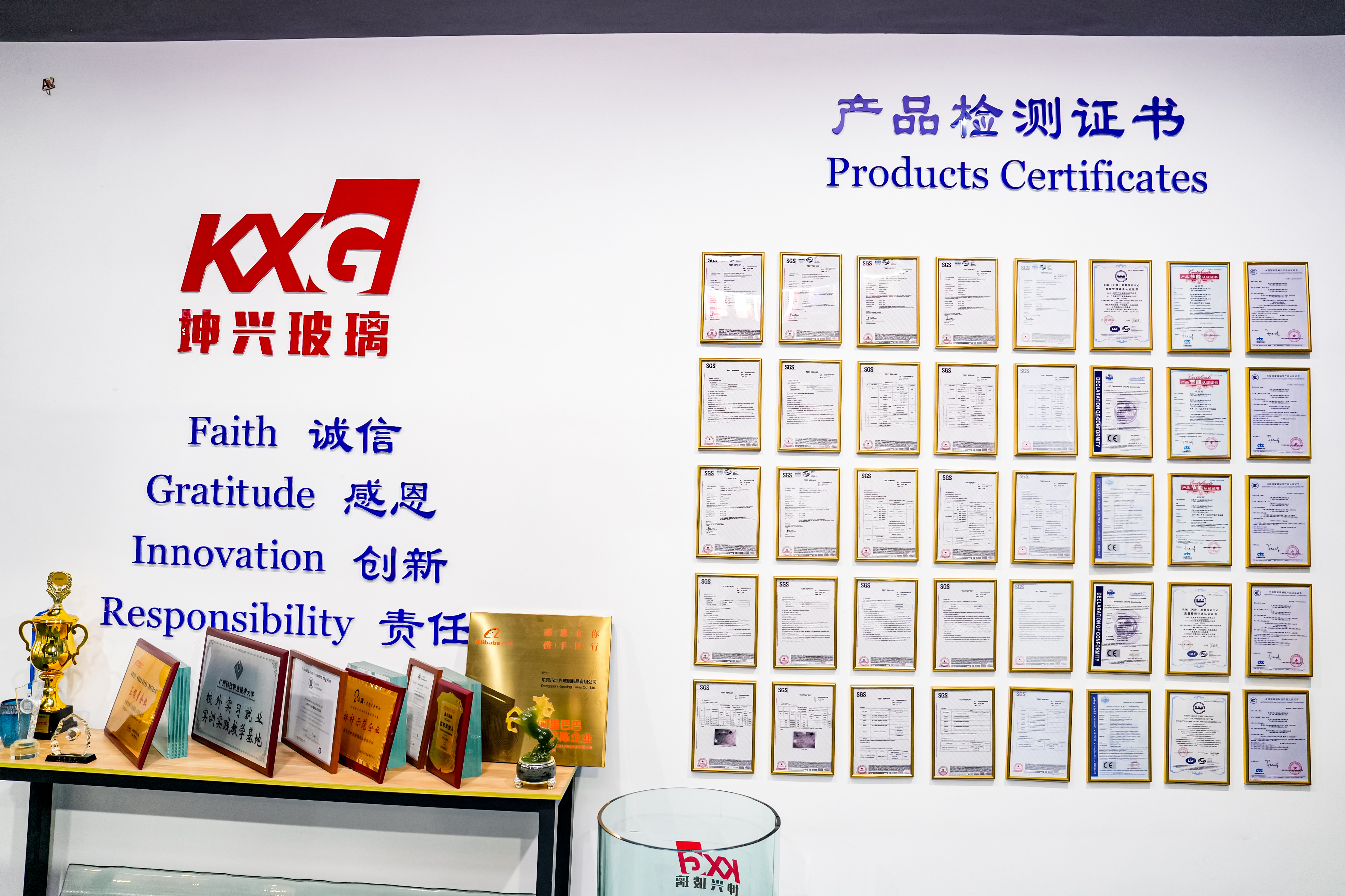
KXGLASS quality documentation supports compliance review during long-term supplier evaluation.
Frequently Asked Questions
Does KXGLASS meet EN 12150 and international tempered glass certification requirements?
KXGLASS products are certified under CE EN 12150, SGCC, and AS/NZS 2208, and the company also holds ISO international certification and China 3C certification. For European projects, EN 12150-1 defines thermally toughened safety glass fragmentation behavior and thermal resistance up to 300°C. Buyers should match the certificate to the exact product type and thickness being purchased.
Which tempered glass thicknesses and processed glass types can KXGLASS supply?
KXGLASS supplies clear tempered glass, laminated glass, and insulated glass, plus Low-E glass, coated glass, heat-dip treated glass, hot-bent glass, bent tempered glass, colored enamel glass, digitally printed glass, AG/AR glass, energy-saving glass, and specialty or composite products. Tempered glass thickness options include 4mm, 5mm, 6mm, 8mm, 10mm, 12mm, 15mm, 19mm, 22mm, and 25mm.
What are KXGLASS’s minimum order quantity, payment, and delivery terms?
KXGLASS sets the minimum order quantity at 100 square meters. Delivery methods are EXW, FOB, or CIF. Payment terms are 30% TT in advance and 70% balance TT before shipping; orders below USD 10,000 are paid in full. Acceptance includes a pre-shipment test.
Can buyers request pre-shipment testing before a large tempered glass order?
Yes. Pre-shipment testing is part of KXGLASS acceptance procedures. Buyers should define inspection points before production, including dimensions, thickness, edge quality, lamination, and heat soak treatment. This helps ensure that each batch matches the approved sample before shipping.
How should buyers plan delivery lead times for a long-term tempered glass supply schedule?
KXGLASS reports a monthly production capacity of 100,000 square meters, which provides a starting point for order scheduling. Exact lead time depends on product mix, lamination type, coating, and current order load. Buyers should confirm a delivery window with the KXGLASS sales team before contract execution and sequence samples, pre-shipment tests, and shipping milestones. To request a lead-time indication for your door and window glass program, contact Kevin at kevin@kxglass.com or +86 1353500092849.
Conclusion: Turning a Tempered Glass Supplier into a Long-Term Execution Partner
A long-term tempered glass supply relationship is an execution system, not just a price negotiation. Buyers reduce risk by selecting a supplier with a documented product range, relevant certifications, verifiable production capacity, export experience, and clear risk-control processes. KXGLASS provides evidence across door and window applications, laminated and insulated glass, edge processing, and heat soak treatment. The company’s documented project records in the Middle East and Southeast Asia add practical signals for buyers who need consistency beyond a single sample order.
To evaluate your own project mix against KXGLASS capacity, download the company brochure here: KXGLASS Company Brochure. You can also visit www.kxglass.com or contact the team directly by email and WhatsApp.
Next step: Send your door/window glass specification to KXGLASS for a quote, sample plan, or capacity review.
Email: kevin@kxglass.com | Tel/WhatsApp: +86 1353500092849
Contact KXGLASS to align tempered glass supply capacity with your next project schedule.