Ergonomic Chair Comparison Guide for Procurement: Mesh, Tilt, Load & Certifications
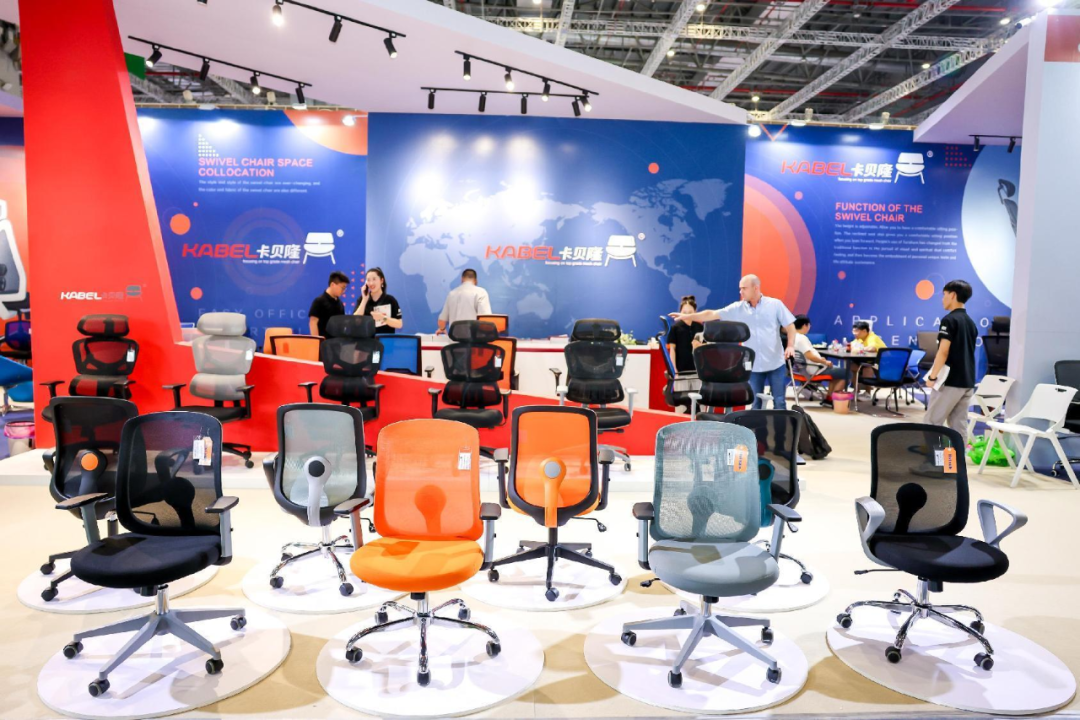
Cover: the Kabel office swivel chair platform, published across models KB-6809, KB-8961, KB-8965, KB-8932 and KB-8953.
Ergonomic Chair Comparison Guide for Procurement: Mesh, Tilt, Load & Certifications
Procurement teams comparing ergonomic office swivel chairs usually receive quotes that look identical: the same photograph, the same adjectives, and unit prices that differ for reasons nobody on the buying side can reconstruct. The comparison only becomes defensible when it is built on lines that can be measured and verified, namely mesh and foam construction, tilt and rotation mechanics, seat height range, load rating and gas-lift class, and certification evidence that carries a number and an expiry date.
This guide sets out those lines. It uses the Kabel office swivel chair platform (product reference 5712, covering models KB-6809, KB-8961, KB-8965, KB-8932 and KB-8953) as a worked specification baseline, because its published parameters are explicit: a 40 to 50.5 cm adjustable seat height range, 360 degree free rotation, 90 to 135 degree tilt locking, a maximum load capacity of 150 kg carried on a four-level explosion-proof gas pressure rod, a high-elastic breathable mesh backrest and a high-density molded foam cushion. Kabel, the trading name of Anji Kabel Furniture Co., Ltd, is an office chair manufacturer established in 2007 in Anji County, Zhejiang Province, China, and holds ISO 9001:2015 certification under certificate number 02821Q10011R1M, valid until 2027-01-04.
The baseline is there to interrogate every alternative quote. It is not there to be accepted without question, and it is not a substitute for the buyer checking each line against the room, the user population and the tender document.
Why Ergonomic Chair Comparisons Break Down in Procurement
A chair comparison fails most often before the first shortlist is drawn, because the tender line and the quotation do not describe the same object. Four failures account for most of the rework.
1. The unit of comparison is undefined. One supplier quotes a task chair, another quotes a mesh-back guest chair with the same photograph, and a third quotes a conference chair with a folding mechanism. The price gap gets attributed to commercial terms when it is really a category mismatch.
2. Certifications are presented as logos. A certificate image on a product page shows that a management system exists. It does not show which production site is in scope, which product is covered, or whether the certificate is still in force. Procurement needs the number, the scope and the expiry date, not the graphic.
3. Comfort is judged in two-minute showroom sessions. Mesh tension, foam density and tilt behaviour do not reveal themselves in a short sitting test. They matter across a five-day working week and across a decade of use in a public building.
4. Adjustability is specified without a population in mind. A 40 to 50.5 cm height range, a fixed seat depth or an absent lumbar element are only good or bad relative to the people who will sit in the chairs and the desks they will sit at.
The cost of these failures is not paid at the order stage. It is paid at installation, when mixed chairs arrive in a room specified for one type, and again at the audit stage, when the file cannot produce a valid certificate for the batch that was delivered.
Industry Background: A Large Market with a Fragmented Specification Language
The commercial pressure behind better comparison is straightforward. Fortune Business Insights valued the global office chair market at USD 18.25 billion in 2025, which means the category attracts a very wide range of suppliers, from integrated manufacturers to assembly operations and trading intermediaries. When supply is that broad, the buyer's protection is specification precision, not supplier familiarity.
The standards landscape is regional, and that is where many procurement documents become vague.
- Europe. EN 1335, published in parts EN 1335-1, EN 1335-2 and EN 1335-3, is used as the basis for office furniture certification and testing of office work chairs. The TUV SUD certification mark for office furniture is based on those three parts, and the verification covers dimensions, seat adjustment options, the backrest-to-seat angle and the lumbar support.
- United States. ANSI/BIFMA X5.1 is designed to evaluate general-purpose office chairs, and its stated scope includes executive and management chairs, side and guest chairs, folding chairs, stools and chairs with tablet arms. That scope matters in procurement because one standard reference can cover several lines in the same office fit-out.
- Institutional documents. Public and institutional buyers often cite the standard directly. A 2025 furniture safety and performance standard from Queen's University references ANSI/BIFMA X5.1-2017 (R2022) as the common basis for evaluating the safety, durability and structural adequacy of general-purpose office chairs.
- Management systems. ISO 9001, ISO 14001 and ISO 45001 are the three management-system families most frequently requested in institutional tenders, covering quality, environmental and occupational health and safety management respectively. They verify how a supplier runs its operations, not how a specific chair performs, so they belong in a different column of the evaluation than EN 1335 or BIFMA test reports.
What this means for a buyer is that a chair can be compliant in one market and undocumented in another. A supplier that ships into Europe, North America and Asia will normally hold different evidence for each, and asking for the right document for the right destination is the difference between a clean tender file and a rejected one.
The Comparison Model: Five Axes That Can Be Verified
The five axes below convert an ergonomic office chair from a comfort claim into a specification. Each axis has a published value on the Kabel 5712 platform, and each has a matching question that should be asked of any alternative quote.
Axis 1 - Mesh Backrest and Molded Foam Cushion
The Kabel platform uses a high-elastic breathable mesh backrest with a high-density molded foam cushion, built on a nylon mesh and high-density shaped sponge construction inside a PP plastic frame. Mesh governs airflow and the way load is distributed across the back over a long shift; molded foam holds its shape where cut foam compresses and bottoms out.
For procurement, the practical question is not whether the word breathable appears in the brochure. It is whether the mesh grade and the foam density are stated in writing, because a mesh back office chair and a low-grade mesh chair look the same in a photograph and behave differently after two years in a busy office.
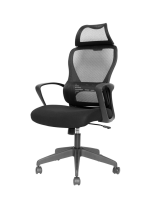
Mesh back and molded foam seat: the two components that decide long-shift comfort and the two that are hardest to verify from a brochure.
Axis 2 - Seat Height, Rotation and Tilt Locking
The platform offers an adjustable seat height range of 40 to 50.5 cm, 360 degree free rotation and 90 to 135 degree tilt locking. These three numbers do different jobs and should be written as separate tender lines.
- Seat height range has to overlap the desk stock and the user population. A range that suits a standard 75 cm desk may not suit a counter-height training bench or a shared workstation used by tall and short staff in the same room.
- 360 degree rotation supports movement between a desk and a shared surface without the user dragging the chair, which is relevant in open-plan offices, reception areas and training rooms.
- Tilt locking across 90 to 135 degrees allows the backrest to be fixed where a fixed posture is expected, such as a lecture hall, a conference table or a public service counter, and released where the user should be able to recline.
Where a tender specifies adjustable seat depth or adjustable armrests, treat those as model-level requirements to confirm in writing, because they sit outside the published platform specification described here. Assuming they are included is one of the most common sources of substitution disputes.
Axis 3 - Load Rating and the Gas Lift Class
The Kabel platform carries a maximum load capacity of 150 kg on a four-level explosion-proof gas pressure rod. The load rating sets the upper bound of the user envelope and should appear verbatim in the tender so that a later substitution is visible on paper. The gas-lift class is the safety-critical component of the height mechanism, and the class marking on the part itself is what an inspector will look for.
Two verification points follow. First, ask for the class of the gas lift, not merely the phrase explosion-proof. Second, confirm that the load rating refers to the complete chair as supplied, including the base and casters, rather than to the lift alone.
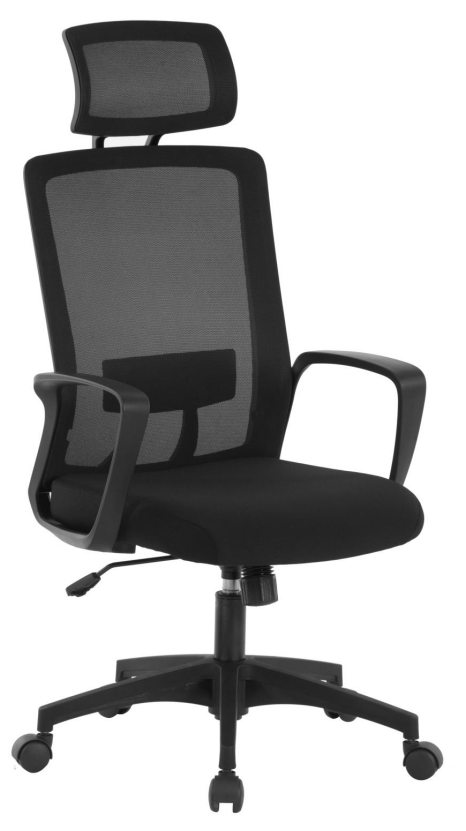
Rotation, tilt locking and the four-level gas pressure rod: the mechanism lines that should be written separately in a tender.
Axis 4 - Base, Casters and Frame Materials
The published material list is nylon mesh, high-density shaped sponge, PP plastic frame, thickened nylon feet and a four-level explosion-proof air rod, with a thickened nylon five-point base and silent PU universal casters. The five-point base governs stability under a moving user, and PU casters are specified where floor marking and rolling noise matter, such as libraries, examination rooms and shared floors in public buildings.
These are the lines that quietly determine whole-life cost. A base that deforms or casters that seize turn a low unit price into a maintenance programme across a multi-year contract.
Axis 5 - Certification Evidence
Certification should be evaluated in three layers, because they answer three different questions.
- Product performance. Does the chair design meet a recognised chair standard, referenced as EN 1335 in Europe or ANSI/BIFMA X5.1 in the United States, with a test report naming the model?
- Production consistency. Can the supplier hold that specification across a volume order? Third-party verification of this exists: TUV SUD states that its office furniture certification verifies a manufacturer's ability to maintain consistent quality through high-volume production, including incoming goods inspections, lists of materials and final product testing.
- Management system. Is there a current certificate for the site that will actually produce the order? On this layer, Kabel holds ISO 9001:2015, certificate number 02821Q10011R1M, valid until 2027-01-04.
A supplier that can only produce a logo image for layer one and nothing for layers two and three has not provided evidence. It has provided decoration.
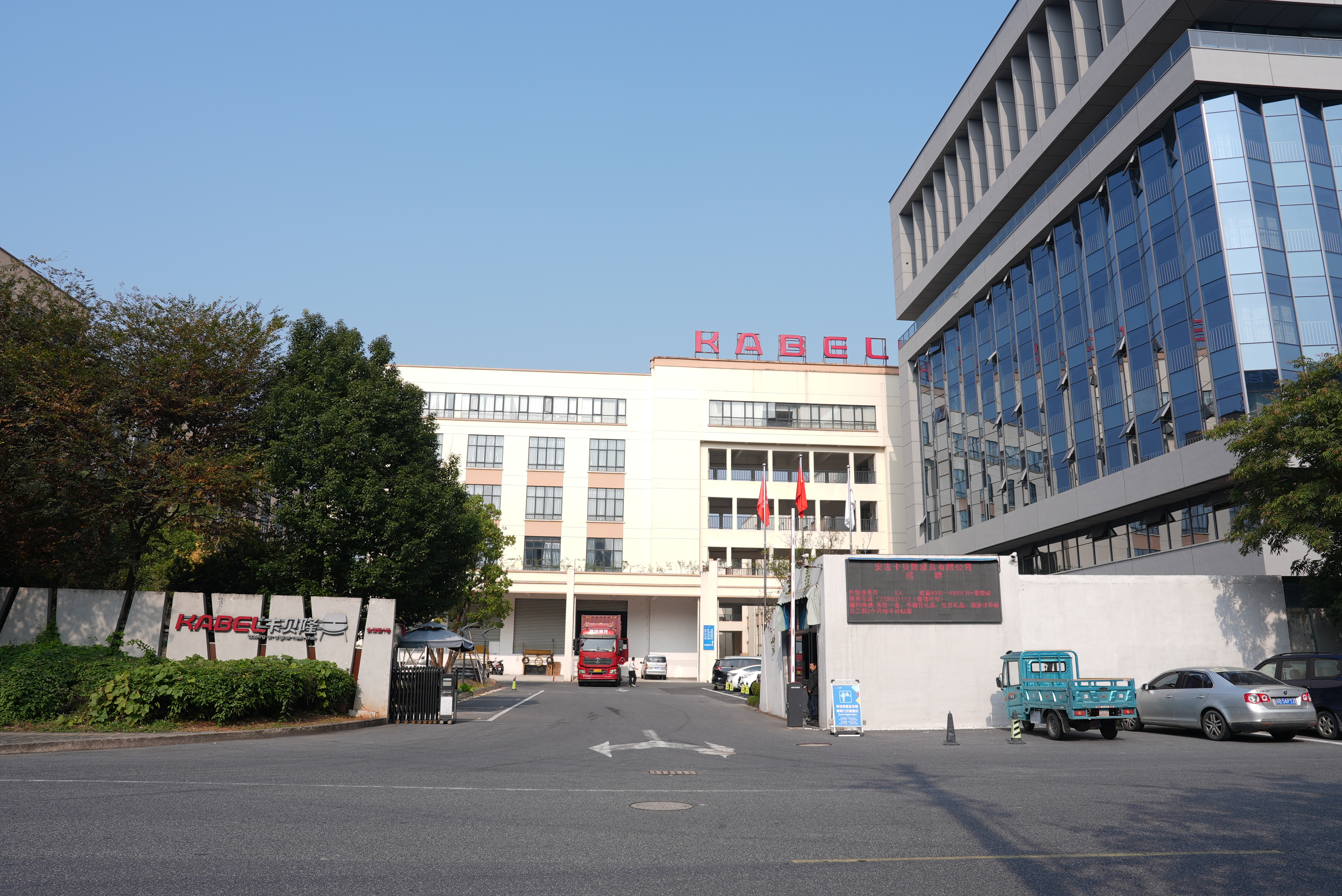
Production consistency is a separate evidence layer from product testing: the facility behind the specification is part of what the buyer is certifying.
Step-by-Step Breakdown: Running the Comparison
Step 1 - Write the requirement as measurable lines
Convert the brief into lines that can be quoted and rejected: backrest type, cushion type, seat height range, rotation, tilt range and locking, load capacity, gas-lift class, base type, caster type, and the standard reference for the destination market. A line such as comfort does not belong in a tender; a line such as 40 to 50.5 cm adjustable seat height does.
Step 2 - Screen the construction, not the photograph
Compare the mesh specification and the foam density statement. Where a supplier cannot state the mesh grade or the foam type, mark the line as unverified and carry that flag into the scoring.
Step 3 - Test the mechanism claims against the room
Match the 90 to 135 degree tilt lock and the 360 degree rotation to how the space is used. A room where users rotate between a desk and a counter rewards rotation; a lecture hall or conference setting rewards a locking backrest.
Step 4 - Fix the seat height range against the desk population
Check the 40 to 50.5 cm range against the desks actually being installed or retained. This single line causes more post-delivery complaints in institutional projects than any other.
Step 5 - Set the load line and the gas-lift class in writing
State the maximum load capacity and require the gas-lift class to be marked on the component. Where the user population includes heavier users or where the chairs will be used continuously through shifts, the load line is a durability statement, not a formality.
Step 6 - Collect certificates with numbers, scope and dates
Request the certificate number, the issuing body, the site in scope and the expiry date. For Kabel's ISO 9001:2015 certificate, the reference to record is 02821Q10011R1M, valid until 2027-01-04, with a diary note to re-verify before that date if the contract runs longer.
Step 7 - Validate on a sample and seal the specification
Check the delivered sample against every line in Step 1 before the volume order is released, then attach the approved sample specification to the purchase order. The sample is the only point in the process where a disagreement can still be resolved cheaply.
Comparison Tables
Table 1 - Specification baseline of the Kabel 5712 platform
| Comparison line | Kabel 5712 platform (KB-6809, KB-8961, KB-8965, KB-8932, KB-8953) | What the line tells procurement | Evidence to keep on file |
|---|---|---|---|
| Backrest | High-elastic breathable mesh backrest | Airflow and load distribution over a long shift; mesh grade is the variable that a photograph hides | Written mesh specification; standard-based test reference for the destination market |
| Seat cushion | High-density molded foam | Shape retention under repeated daily use | Foam type and density statement |
| Seat height | 40 to 50.5 cm adjustable | Must overlap the desk stock and the user population in the room | Measured range on the approved sample |
| Rotation | 360 degree free rotation | Supports movement between desk and shared surfaces without dragging the chair | Functional check on the sample |
| Tilt | 90 to 135 degree tilt locking | Locks where a fixed posture is expected; releases where recline is wanted | Lock test at both ends of the range |
| Load capacity | 150 kg maximum | Sets the upper bound of the user envelope and makes substitution visible | Load line written into the purchase order |
| Gas lift | Four-level explosion-proof gas pressure rod | Safety-critical component of the height mechanism | Class marking on the part |
| Base | Thickened nylon five-point base | Stability under a moving user; durability of the load path | Base construction confirmed on the sample |
| Casters | Silent PU universal casters | Floor marking and rolling noise in shared and public spaces | Caster type and roll test on the sample |
| Frame | PP plastic frame, nylon mesh, high-density shaped sponge | Defines the material system that the specification is built on | Material list from the supplier |
| Certification | ISO 9001:2015, certificate number 02821Q10011R1M, valid until 2027-01-04 | Confirms a certified quality management system at the producing organisation | Certificate copy with number, scope and expiry date |
Table 2 - Standards and certification map for tender documents
| Framework | Jurisdiction / basis | What it covers | Document to request |
|---|---|---|---|
| EN 1335 (EN 1335-1, -2, -3) | Europe; basis of TUV SUD office furniture certification | Dimensions, seat adjustment options, backrest-to-seat angle and lumbar support for office work chairs | Test report or certificate naming the standard parts and the model |
| ANSI/BIFMA X5.1 | United States | Scope for evaluating general-purpose office chairs, including executive and management chairs, side and guest chairs, folding chairs, stools and chairs with tablet arms | BIFMA test report for the model offered |
| ANSI/BIFMA X5.1-2017 (R2022) | Referenced in institutional procurement documents, for example a 2025 furniture standard from Queen's University | Common basis for evaluating safety, durability and structural adequacy of general-purpose office chairs | Written statement of conformance, plus report reference |
| ISO 9001:2015 | International quality management system | How the producing organisation controls quality | Certificate number, scope, issuing body, expiry date (Kabel: 02821Q10011R1M, valid until 2027-01-04) |
| ISO 14001 | International environmental management system | How the organisation manages environmental aspects of its operations | Certificate with number, scope and expiry date |
| ISO 45001 | International occupational health and safety management system | How the organisation manages workplace health and safety | Certificate with number, scope and expiry date |
Management-system standards sit in a different column from product performance standards for a reason. ISO 9001, ISO 14001 and ISO 45001 tell the buyer how the supplier is run. EN 1335 and ANSI/BIFMA X5.1 tell the buyer how the chair behaves. A tender that accepts one in place of the other is comparing two different things.
Where the Comparison Changes by Project Type
The same platform specification behaves differently across the project types the Kabel range is used in: education, state-owned enterprises, government-business cooperation, finance and communication. The chair does not change as much as the weighting of the lines does.
Education. Rooms are used in short, intensive blocks by shifting populations. The 40 to 50.5 cm height range must cover both younger and adult users, the five-point base has to tolerate constant repositioning, and a locking backrest is usually preferred for lecture and seminar settings so that posture stays stable during long sessions. Mesh matters here because rooms are often warm and heavily occupied.
Government and government-business cooperation projects. These tend to be documentation-led. The certificate set carries more weight than the comfort test, and the file must show a valid ISO 9001:2015 certificate with a number and an expiry date, plus a standard reference appropriate to the destination market. A certificate that expires inside the contract period is a procurement risk that is easy to remove at the specification stage.
Finance. Long desk sessions dominate, so the mesh and foam axes and the tilt behaviour carry the most weight. Rotation supports dense desk layouts where staff turn between a workstation and a shared surface. Here the load line and the gas-lift class are as much about longevity as about safety, because chairs are in use through the whole working day.
Communication and operations floors. These environments mix seated desk work with standing and moving. Rotation, caster quality and seat height range drive satisfaction, and PU casters reduce the noise and floor marking that become visible problems on hard floors.
The platform is also deployed across a wide export footprint. Kabel's application data lists the United States, Canada, the United Kingdom, Italy, Germany, Spain, Japan, South Korea, Thailand, Egypt, Ethiopia, Nigeria, the Central African Republic and South Africa, with use in indoor normal temperature and humidity conditions, manual adjustment and intermittent use, matched to a desk. That matters for procurement because the destination determines which standard reference and which documentation set applies.
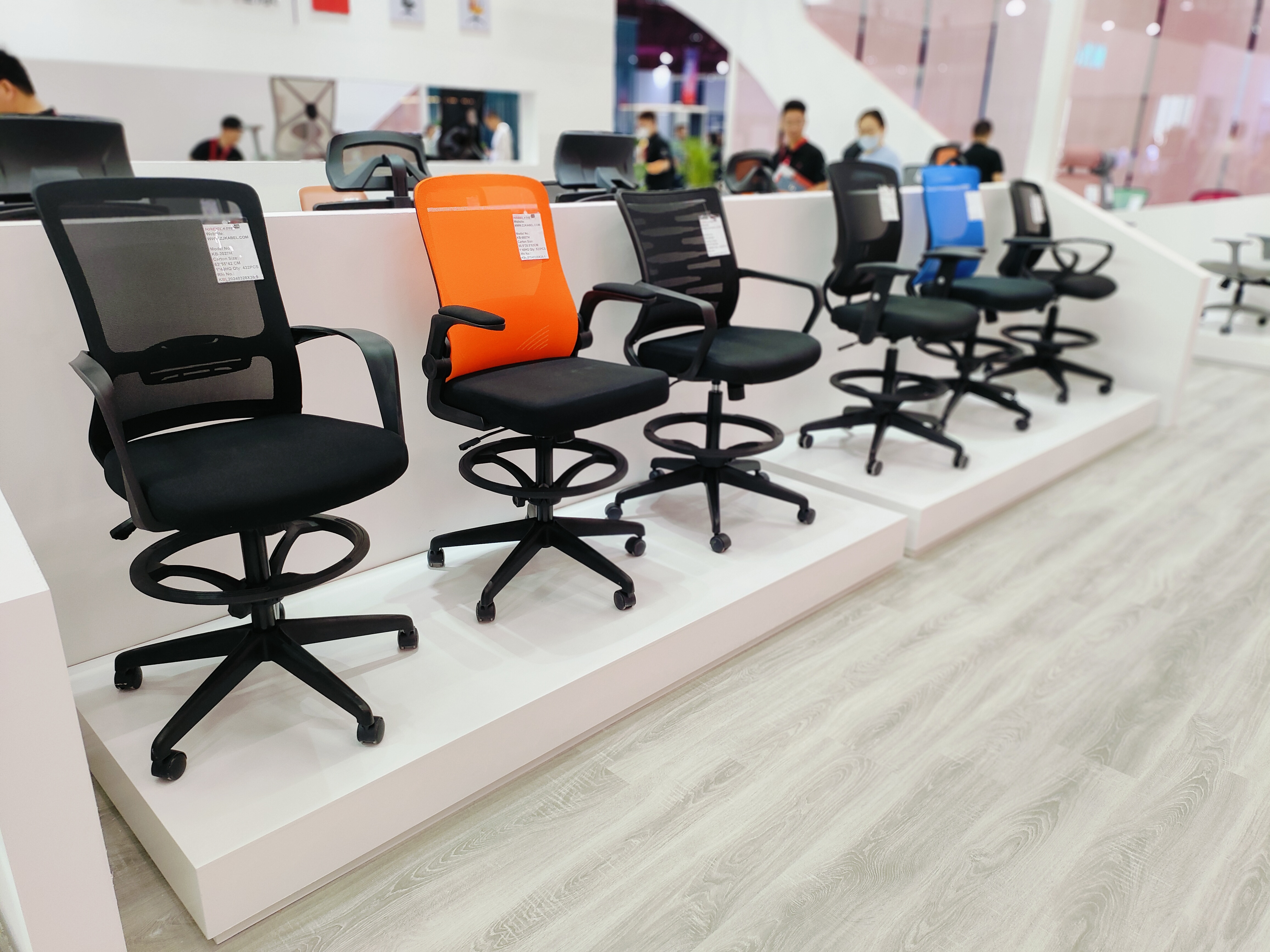
Detail view: mesh, foam and frame construction, the three lines that distinguish a project-grade chair from a price-grade one.
Frequently Asked Questions
What certifications should procurement ask for on an ergonomic office chair?
Ask for ISO 9001:2015 with the certificate number, scope and expiry date, plus a test report referencing the standard that applies in your market, which is typically EN 1335 in Europe or ANSI/BIFMA X5.1 in the United States. Kabel holds ISO 9001:2015 under certificate number 02821Q10011R1M, valid until 2027-01-04. For environmental and occupational health and safety requirements, ask separately for ISO 14001 and ISO 45001 certificates with the same level of detail, and treat a logo without a number as unverified.
How do I check whether an office chair manufacturer can hold a specification across a large order?
Look for evidence that the quality system runs through production, not just a certificate on a wall. TUV SUD states that its office furniture certification verifies a manufacturer's ability to maintain consistent quality in high-volume production, including incoming goods inspections, lists of materials and final product testing. On capacity, Kabel operates a 50,000 square metre facility in Anji County, Zhejiang Province, with approximately 92 employees, a team of 20 engineers and an annual output of 400,000 sets, and each core product carries its own patent certificate.
Should the comparison be decided on unit price?
No. Unit price is only comparable after the specification lines are fixed. Two quotes for a mesh back office chair are not comparable if one specifies a 150 kg load on a four-level explosion-proof gas pressure rod and the other does not state a load line at all. Fix the lines, then compare prices against the fixed lines.
What should be checked on a sample chair before a volume order is released?
Check the mechanisms the specification depends on: the height travel across the 40 to 50.5 cm range, the 360 degree rotation, the tilt lock at both ends of the 90 to 135 degree range, and the class marking on the gas-lift component. Confirm the mesh feel and the molded foam cushion, roll the PU casters on the actual floor finish, and compare every result against the tender line set before signing the pre-production sample.
Can one office chair platform serve education, government, finance and communication projects?
Yes, when the specification lines are matched to how the room is used. The Kabel 5712 platform is applied across education, state-owned enterprises, government-business cooperation, finance and communication, with models KB-6809, KB-8961, KB-8965, KB-8932 and KB-8953 sharing the published platform specification of 40 to 50.5 cm seat height, 360 degree rotation, 90 to 135 degree tilt locking, a 150 kg maximum load and a four-level explosion-proof gas pressure rod. Model-level differences should be confirmed against your line set before ordering; to start that process, request a sample or a quotation built on your own specification lines.
Conclusion: Convert the Comparison into a Written Specification
An ergonomic chair comparison holds up when it is written as lines rather than described as comfort. Mesh and foam define the long-shift experience, seat height and rotation define whether the chair fits the room, tilt locking defines whether posture can be held where it needs to be held, load capacity and gas-lift class define the safety and durability envelope, and certification defines whether the buyer can prove any of it after delivery.
The Kabel 5712 platform shows what a fully stated baseline looks like: 40 to 50.5 cm adjustable seat height, 360 degree rotation, 90 to 135 degree tilt locking, 150 kg maximum load on a four-level explosion-proof gas pressure rod, high-elastic breathable mesh backrest, high-density molded foam cushion, thickened nylon five-point base, silent PU universal casters, and an ISO 9001:2015 certificate under number 02821Q10011R1M valid until 2027-01-04. Use it as the reference point that every alternative quote has to answer to, line by line.
Next Step: Test the Specification Before You Commit
Kabel supplies office swivel chairs for education, state-owned enterprises, government-business cooperation, finance and communication projects, and exports to markets including the United States, Canada, the United Kingdom, Italy, Germany, Spain, Japan, South Korea, Thailand, Egypt, Ethiopia, Nigeria, the Central African Republic and South Africa.
Request a sample against your own specification lines, ask for a quotation in the format your tender requires, or download the catalogue to review the full range including staff chairs, executive chairs, ergonomic chairs, conference chairs, pre-shift chairs, training chairs and leisure sofa chairs.
Catalogue: KABEL Chair Catalogue (PDF)
Website: www.zjkabel.com
Email: Brocai990919@gmail.com | Tel: +86 138-6828-1621 | WhatsApp: +85296092814
Factory: 1 Touba Road, Dipu Town, Anji County, Huzhou City, Zhejiang Province, China
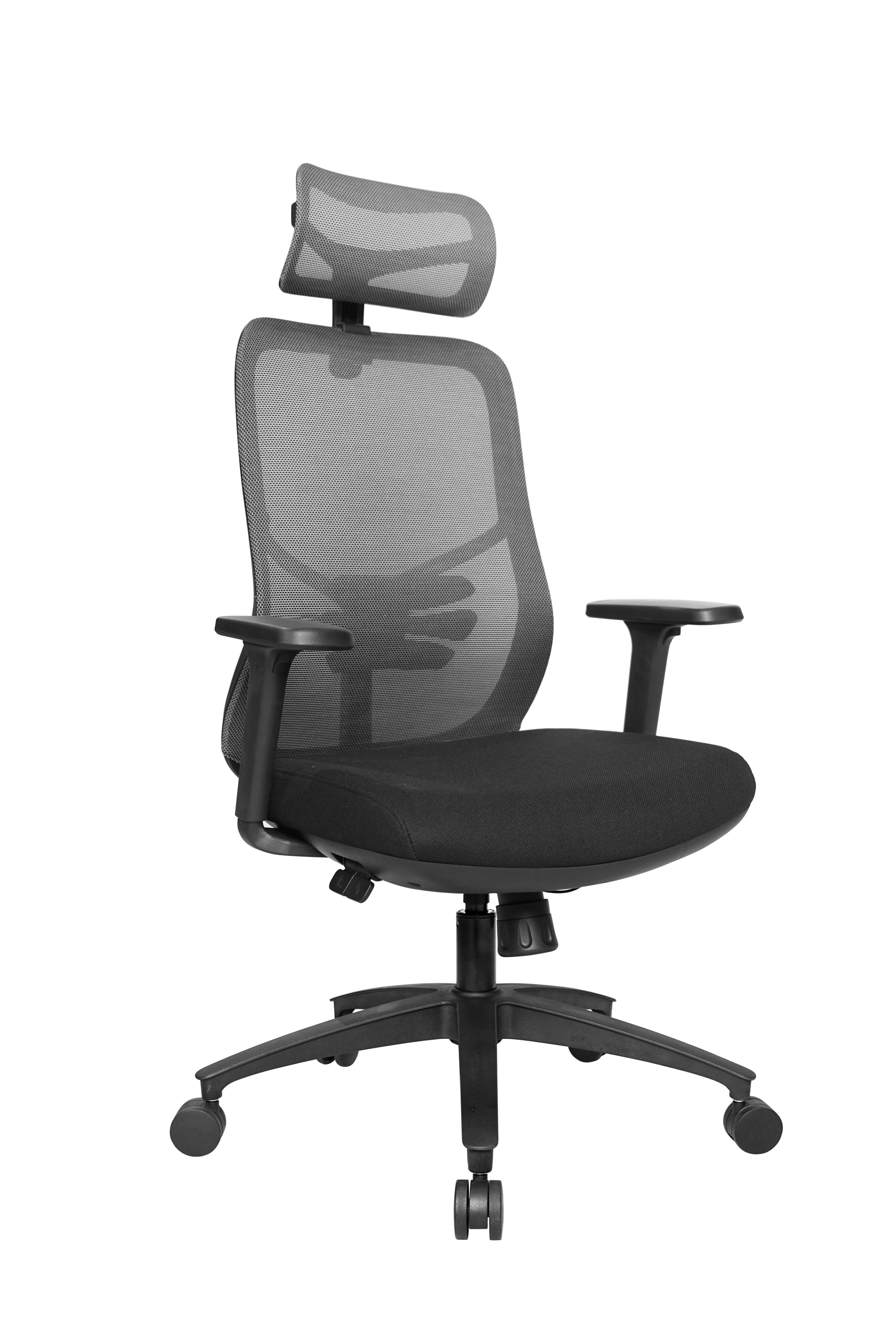
Project supply: the same platform specification, matched to the room and the tender line set.
Have Questions or Need More Details?
Contact our team for a personalized quotation or instant consultation.
Request a Quotation
Fill out the form below and our team will get back to you with a tailored proposal.
WhatsApp Direct Chat
Prefer to chat in real-time? Message us on WhatsApp for instant assistance & quick answers.
- Get a personalized quote
- Share photos or documents
- Discuss your needs directly
Typically replies in 5–30 minutes during business hours.