How to Match Office Chair Features to Your Project: A Specification Guide for Buyers
How to Match Office Chair Features to Your Project: A Specification Guide for Buyers
Selecting the right office chair for a project is rarely a one-size-fits-all decision. A conference room, a corporate workstation, a study space, and a government office each place different demands on seating. Buyers need to evaluate not only price and appearance, but also ergonomic adjustments, material durability, compliance, and the manufacturer's ability to customize and deliver at project scale.
This guide is written for procurement teams, facility managers, and furniture distributors who need a practical framework for specifying office chairs. It uses Kabel, a professional office chair manufacturer based in Anji County, China, as a reference supplier, and grounds each recommendation in verified product and company data. By the end, you will be able to map your project requirements to the right chair specifications and make a more confident purchasing decision.
Problem Definition
Office chair mismatches are common in project procurement. A chair that works well in a call center may fail in a boardroom, and a basic chair without lumbar support can cause discomfort for employees who sit for hours. The core problem is that buyers often treat office chairs as a commodity, focusing on price or style while ignoring usage scenarios. This leads to frequent replacement, higher lifecycle costs, and user complaints.
For project-based sourcing, the key is to define the environment, the user, and the duration of sitting. Does the chair need to support long hours at a desk? Is the user in a reception area where appearance matters? Will the chair be used by users of different body sizes in a training room? These questions determine which features, such as adjustable seat height, tilt lock, breathable mesh, or heavy-duty casters, are critical.
Industry Background
The global office chair market reached a value of approximately USD 14.25 billion in 2024. The ergonomic segment specifically was valued at USD 12.8 billion in 2025, with mesh chairs holding a 38.4% product type share. North America has historically held the largest revenue share of the ergonomic chair market at 31.6%, while Asia Pacific is expected to account for a 36.6% share by 2025, making it the fastest-growing region.
In North America, general-purpose office chairs are commonly evaluated against ANSI/BIFMA X5.1 for safety and durability. In Europe, the EN 1335 series governs office work chair dimensions and safety. These standards give buyers a reference point when assessing products for commercial installation.
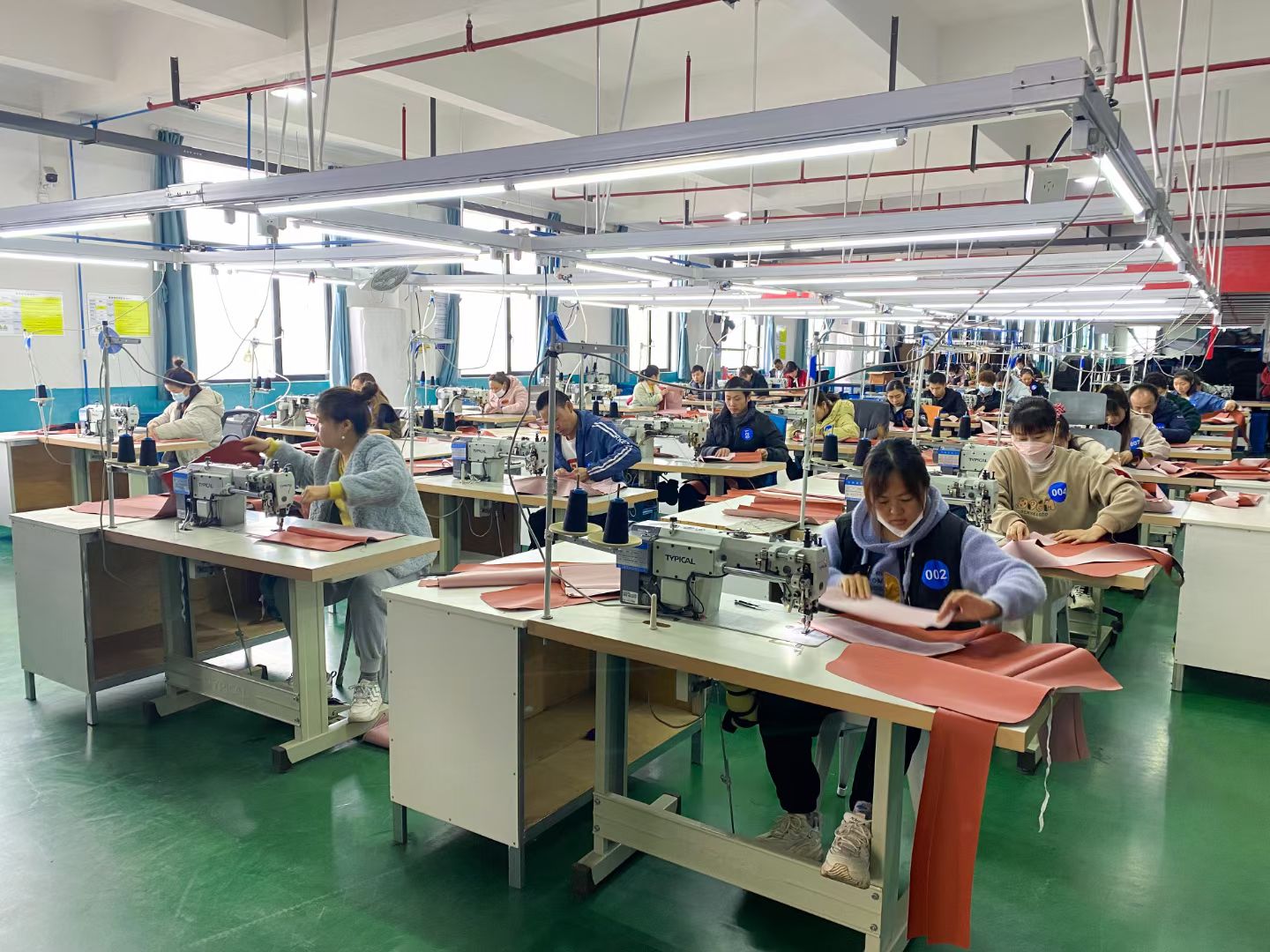
Kabel, formally Anji Kabel Furniture Co., Ltd, is a manufacturer that aligns with this international context. Established in 2007, the company operates a 50,000 m² factory with 92 employees and produces approximately 400,000 sets of office chairs per year. About 90% of its output is exported to markets including the United States, Canada, the United Kingdom, Germany, Spain, Japan, South Korea, Thailand, the Middle East, and Africa. Kabel has an independent R&D team of 20 engineers, and its core products are developed in-house with patented designs. According to the company, all products are designed, produced, and tested in strict accordance with international standards, with quality control from the source.
Detailed Solution: Kabel Office Swivel Chair Series
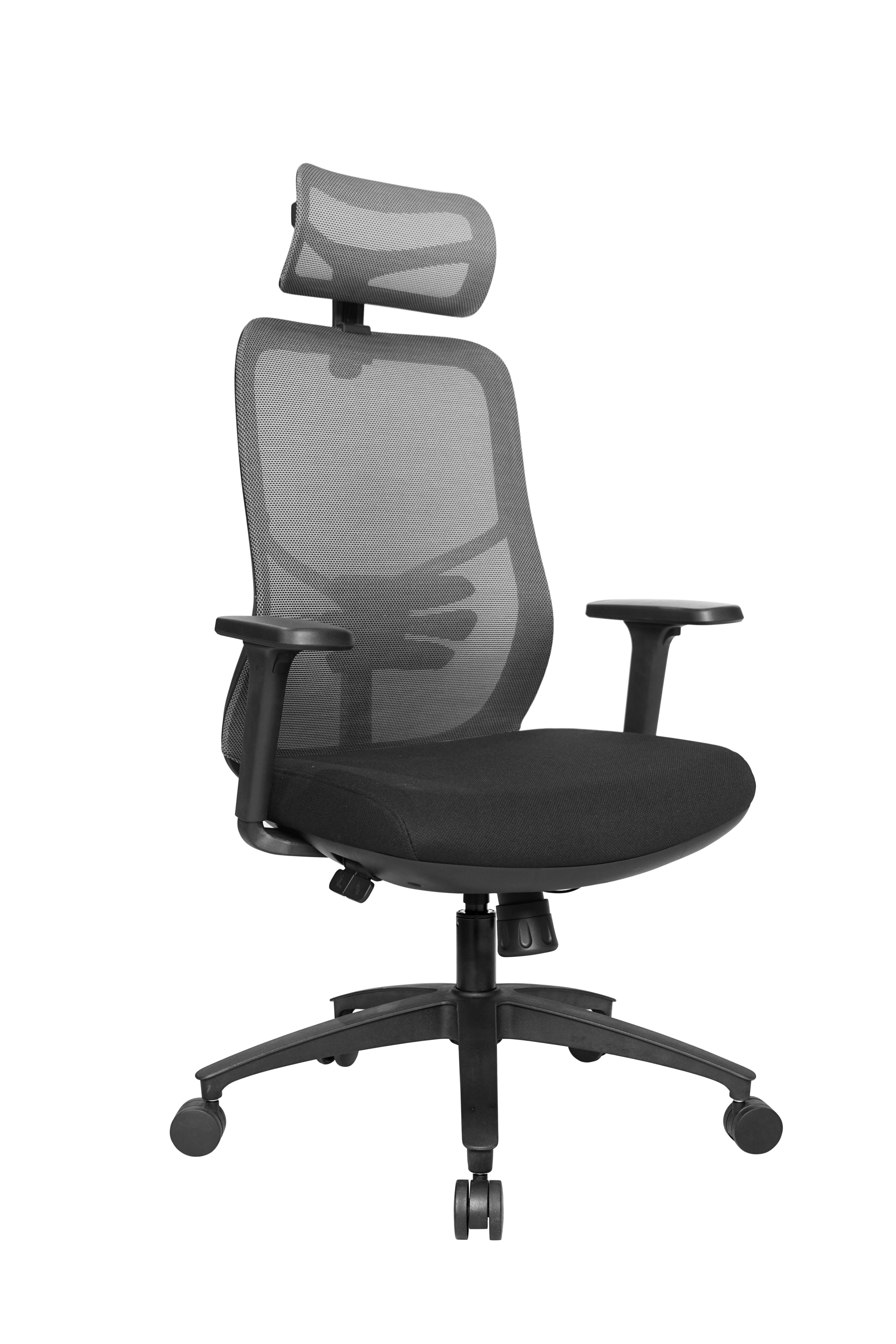
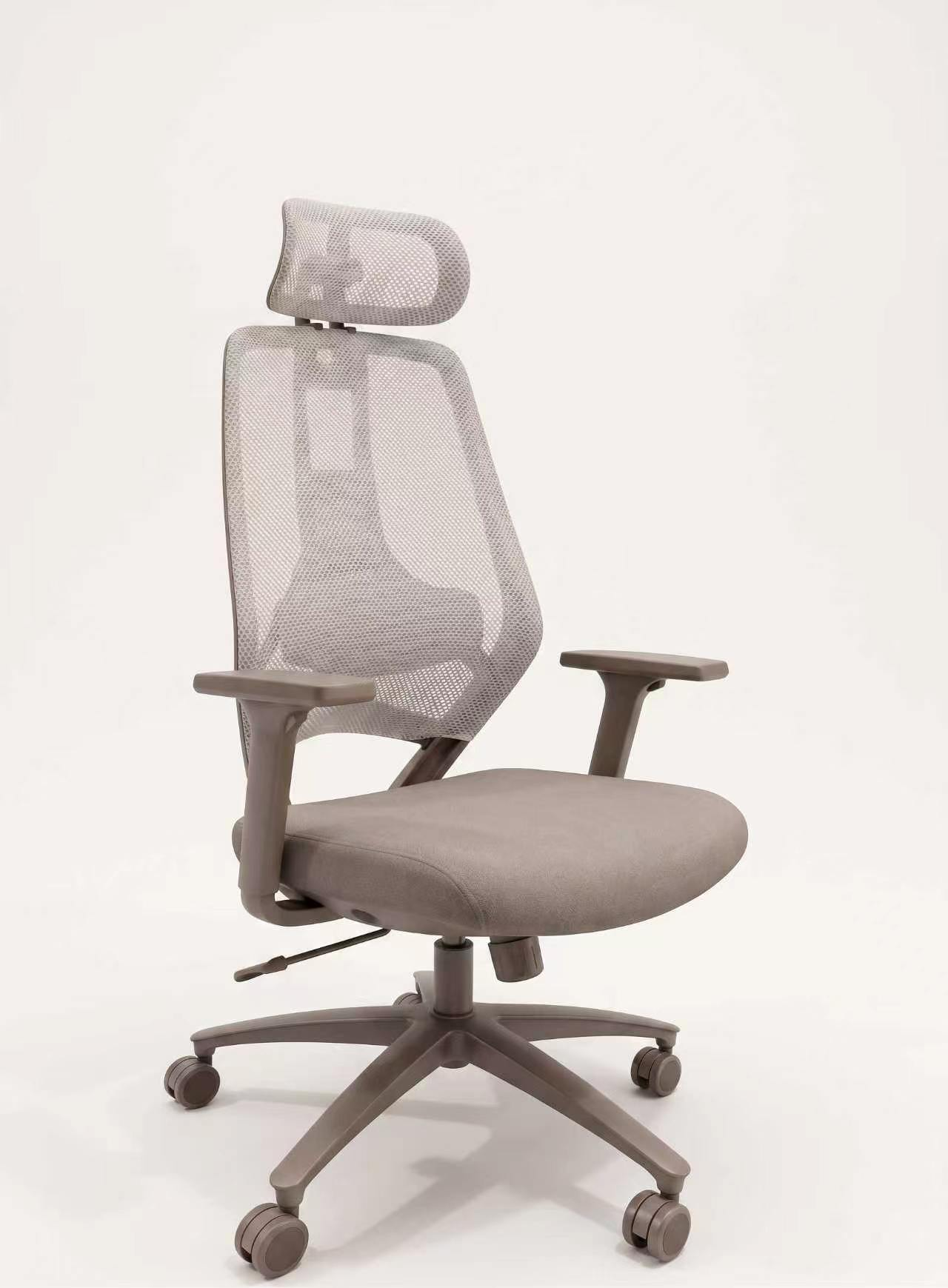
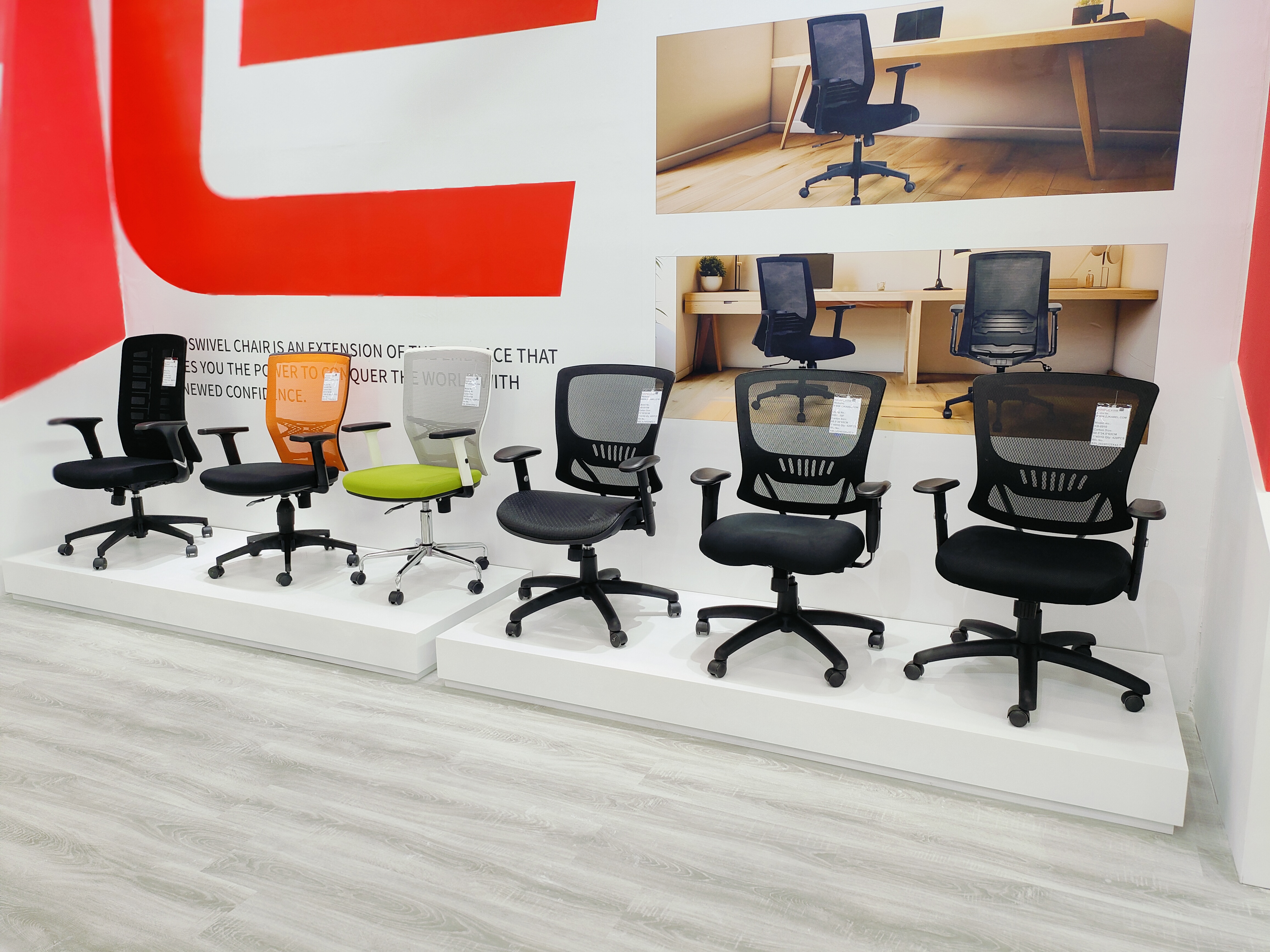
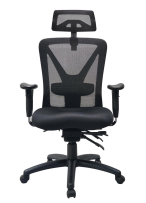
At the center of Kabel's project offering is the office swivel chair series, which includes models KB-6809, KB-8961, KB-8965, KB-8932, and KB-8953. The series is available as an ergonomic office chair and a mesh office chair, and it is designed for use in education, state-owned enterprises, government-business cooperation, finance, and communication industries.
- Adjustable seat height range: 40–50.5 cm
- 360° free rotation
- 90°–135° tilt locking
- High-elastic breathable mesh backrest
- High-density molded foam cushion
- Thickened nylon five-point base
- Silent PU universal casters
- Four-level explosion-proof gas pressure rod
- Maximum load capacity: 150 kg
The chair is intended for indoor normal temperature and humidity conditions. Its primary role is to provide daily office sitting and rest support. It operates in manual adjustable, intermittent use mode and is typically used with a desk.
From a material standpoint, the chair uses nylon mesh, high-density shaped sponge, a PP plastic frame, thickened nylon feet, and a four-level explosion-proof air rod. Kabel states that compared with similar market products, its chairs are more robust in material usage, frame structure, and connection processes, and are less prone to loosening, deformation, or damage during long-term use.
Step-by-Step Breakdown for Project Specification
To translate project needs into the right chair specification, follow this six-step process.
Step 1: Define the application environment and user profile. Identify whether the chairs are for conference rooms, open-plan offices, study rooms, or government facilities. Know the intended users, their average sitting time, and any special requirements.
Step 2: Prioritize ergonomic adjustments. For long-sitting environments, look for adjustable seat height, tilt lock, and lumbar support. Kabel's swivel chair offers seat height adjustment from 40 to 50.5 cm, 360° rotation, and 90°–135° tilt locking, allowing users to change posture throughout the day.
Step 3: Evaluate materials and construction quality. Durability depends on the base, casters, gas rod, and frame. Kabel uses thickened nylon five-point bases, silent PU casters, four-level explosion-proof gas rods, and high-density molded foam. These components help the chair withstand daily use.
Step 4: Check compliance and certifications. Buyers should confirm that products meet relevant safety and durability standards. Kabel designs and tests its products in accordance with international standards and operates with quality management systems, providing a baseline for project compliance.
Step 5: Consider customization and OEM capabilities. Projects often require specific colors, logos, or upholstery. Kabel offers OEM/ODM services with customization options for backrest, seat cushion, armrest, mechanism, base, caster, color, fabric, mesh, packaging, and logo. Monthly capacity is 20,000–30,000 units, with a minimum order quantity of 50 units.
Step 6: Assess quality control and after-sales support. Kabel performs 100% inspection before delivery. Its after-sales policy covers structural components, gas rods, and five-point feet for three years, and consumable parts such as mesh fabric, rollers, and armrests for one year. An export repair kit is also provided.
Use Cases by Project Scenario
Use Case 1: Conference and Meeting Rooms
For conference rooms, chairs should be easy to move, quiet, and visually appropriate. The 360° rotation and silent PU casters let participants turn and reposition without disturbing the meeting. The mesh backrest provides breathability during longer sessions, while the tilt lock helps users maintain a comfortable posture.
Use Case 2: Corporate Offices and Office Buildings
In a large office building, chairs are used continuously across work shifts. The high-density molded foam cushion and four-level explosion-proof gas rod support demanding daily use. The adjustable seat height of 40–50.5 cm fits a wide range of desk heights, and the maximum load capacity of 150 kg adds a safety margin.
Use Case 3: Study Rooms and Education Spaces
Students and researchers often sit for extended periods. The breathable mesh backrest reduces heat buildup, and the 90°–135° tilt lock encourages posture changes. The nylon five-point base provides stability on hard floors, and the silent casters minimize noise in libraries or study areas.
Use Case 4: Government and Enterprise Projects
Government and large enterprise projects require reliable supply and compliance-friendly documentation. Kabel's project references include Beijing Zhonggong Education, Henan Unicom, and Sichuan Yongheng. In these education, state-owned enterprise, and government office system projects, users have reported comfortable long-hour office experiences and stable structural performance over a period of 5–8 years.
Comparison Table: Scenario Requirements and Kabel Features
| Application Scenario | Key Requirements | Kabel Offering |
|---|---|---|
| Conference Room | Quiet mobility, breathability, professional appearance | 360° rotation, silent PU casters, mesh backrest |
| Corporate Office / Office Building | All-day comfort, durability, height adjustability | High-density foam, 150 kg load capacity, 40–50.5 cm height |
| Study Room / Education | Lumbar support, breathability, low noise | Tilt lock 90–135°, mesh backrest, silent casters |
| Government / State-owned Enterprise | Stable supply, compliance, bulk and customized ordering | OEM/ODM, 100% inspection, MOQ 50 units |
Frequently Asked Questions
Is Kabel's office chair suitable for long sitting?
Yes. The office swivel chair incorporates ergonomic design, breathable mesh, adjustable seat height from 40 to 50.5 cm, 360° rotation, and 90°–135° tilt locking. It has a maximum load capacity of 150 kg and uses a four-level explosion-proof gas pressure rod. These features help reduce fatigue during prolonged sitting. Kabel also provides a 3-year warranty on structural components, gas rods, and five-point feet.
What industries is Kabel's office chair intended for?
The product is intended for the education, state-owned enterprises, government-business cooperation, finance, and communication industries. It is designed for indoor normal temperature and humidity conditions, and its primary role is to provide daily office sitting and rest support.
Can Kabel customize office chairs for project-specific requirements?
Yes. Kabel provides OEM/ODM services with customization options for backrest, seat cushion, armrest, mechanism, base, caster, color, fabric, mesh, packaging, and logo. Monthly capacity is 20,000–30,000 units, and the minimum order quantity is 50 units.
What is the typical lead time for bulk orders?
Kabel's standard lead time is 25–50 days, depending on order size and customization complexity. Every order undergoes 100% inspection before delivery.
How can I request a sample or get a quote for a project?
For sample requests, quotations, or a copy of the Kabel chair catalogue, you can contact the Kabel team directly. The catalogue is also available for download at the link at the end of this article.
Conclusion
Choosing the right office chair for a project requires a clear understanding of the application, the user, and the manufacturer's production capabilities. By focusing on ergonomic adjustability, durable materials, compliance, and supplier flexibility, buyers can avoid costly mismatches and create a more productive workspace.
Kabel offers a practical combination of in-house R&D, export-grade quality, and OEM/ODM flexibility. Its office swivel chair series addresses common project scenarios, from conference rooms to long-sitting workstations. For procurement teams, this makes Kabel a reliable partner for both standard and customized seating programs.
To review the full product range, download the Kabel Chair Catalogue. For a project-specific quote or sample evaluation, contact the Kabel team through the website or the contact details provided on this page.