Office Chair Tech for University Labs and Lecture Halls
Office Chair Tech for University Labs and Lecture Halls
Short answer: For most university labs, lecture halls and study rooms, the right seating specification is a mesh office swivel chair — a high-elastic breathable mesh backrest, a high-density molded foam cushion, a nylon mesh and PP frame build, a thickened nylon five-point base with silent PU casters, and manual height and tilt adjustments that any student can reset in seconds. Anji Kabel Furniture Co., Ltd. builds exactly this specification as one product family, available in models KB-6809, KB-8961, KB-8965, KB-8932 and KB-8953, rated to a 150 kg maximum load.
That is the summary. The rest of this guide explains why shared campus seating degrades earlier than office seating, what the global market and the standards picture look like, which technical details actually drive durability in an education environment, and how to work through the specification step by step.
Why Shared Campus Seating Fails Earlier Than Office Seating
Campus seating rarely fails because of one dramatic event. It fails through repetition. A chair in a computer lab or a lecture hall is occupied by dozens of different people every day, each with a different height, posture and habit. Settings are reset by hand between sessions, chairs are pushed back and rolled across thresholds, and cleaning routines add moisture and detergent to surfaces that have already been under load all day.
Three conditions make an education environment harder on seating than a single-occupant office:
- No user ownership. Nobody has been assigned the chair, so nobody fine-tunes it or reports the first sign of looseness.
- Constant manual re-adjustment. Height and recline settings change dozens of times per day, which repeatedly stresses the gas lift, the levers and the tilt mechanism.
- Dense occupancy and heat. In a full lab or lecture hall there is limited air movement around seated users; solid upholstered backs hold heat, while mesh allows ventilation.
For a buyer at the Awareness and Research stage, this reframes the purchase. The question is not “which chair is most comfortable for one person”, but “which chair still behaves predictably after thousands of use cycles by different people”. That is a materials-and-mechanism question, and it is why wear-resistant breathable mesh, a defined load rating and a serviceable gas lift move to the top of the specification list.
The Education Seating Picture in the Global Market
Seating for schools and universities sits inside a much larger office chair market. According to Trending Office Chairs 2024 / Market Analysis, the global office chair market reached approximately USD 14.25 billion in 2024. Dataintelo’s ergonomic office chair research values that segment at USD 12.8 billion in 2025, with mesh chairs holding a 38.4% product-type share. Regional figures from Grand View Research and Dataintelo place North America at the largest ergonomic chair revenue share, 31.6%, while Asia Pacific is the fastest-growing region with a 36.6% share expected by 2025. Estimates differ between sources depending on whether residential seating is included, so the direction of travel is more dependable than any single number.
Two implications follow for education buyers. First, mesh ergonomic seating is no longer a niche format, which means specification language — mesh type, frame material, load rating, gas lift class, tilt range — has become the practical basis for comparing quotations. Second, the supplier base is global. Industry analysis from Straits Research and Grand View Research identifies Steelcase Inc., Herman Miller (MillerKnoll), HNI Corporation, Haworth and Okamura among the leaders in ergonomic seating, while China remains a major export base: UN Comtrade and trade data show that Chinese metal office furniture exports to the United States alone were valued at over USD 307 million in 2024.
Standards define the compliance baseline that institutional procurement normally asks about. In North America, general-purpose office chairs are expected to comply with the ANSI/BIFMA X5.1 safety and durability standard in order to be recognised as BIFMA Compliant. In Europe, office work chairs are governed by the EN 1335 series: EN 1335-1 for dimensions and EN 1335-2 for safety requirements. Kabel states that its products are designed, produced and tested in strict accordance with international standards, with components screened and tested for structural strength, load-bearing durability, stability and safety.
What a Mesh Office Swivel Chair Solves in a Lab or Lecture Hall
Kabel’s education-relevant product is one family: an office swivel chair classified as both an ergonomic office chair and a mesh office chair, offered in models KB-6809, KB-8961, KB-8965, KB-8932 and KB-8953. Five technical decisions inside that build map directly onto the failure points described above.
The Breathable Mesh Backrest
The backrest is a high-elastic breathable mesh panel. In a lecture hall or computer lab, where seating density is high and a session runs for one to two hours, a breathable back reduces heat build-up behind the user compared with a solid upholstered back. It also keeps the chair’s visual profile lighter, which matters in rooms that are re-configured between classes.
High-elastic breathable mesh backrest — the core ventilation feature for dense study rooms and lecture halls.
Wear-Resistant Nylon Mesh, PP Frame and Thickened Nylon Base
The materials selected for daily campus use are nylon mesh, a PP plastic frame, high-density molded foam for the cushion and a thickened nylon five-point base. In shared seating, wear resistance is not a comfort feature — it determines how long the seat surface stays intact after repeated contact with clothing, bags, keys and cleaning cloths, and how well the backrest keeps its tension instead of sagging. A five-point nylon base spreads load across five contact points and is a common choice where chairs are rolled frequently and nudged against desks.
Load Safety: 150 kg and a Four-Level Explosion-Proof Gas Pressure Rod
The series carries a maximum load capacity of 150 kg and uses a four-level explosion-proof gas pressure rod. In shared seating, the load rating is the single most important safety figure to confirm, because the chair will be used by the heaviest person in the room, not by the average. The gas lift class is equally relevant: the pressure rod is the component that holds seat height under load, so specifying a higher-grade rod is a durability decision as much as a safety one.
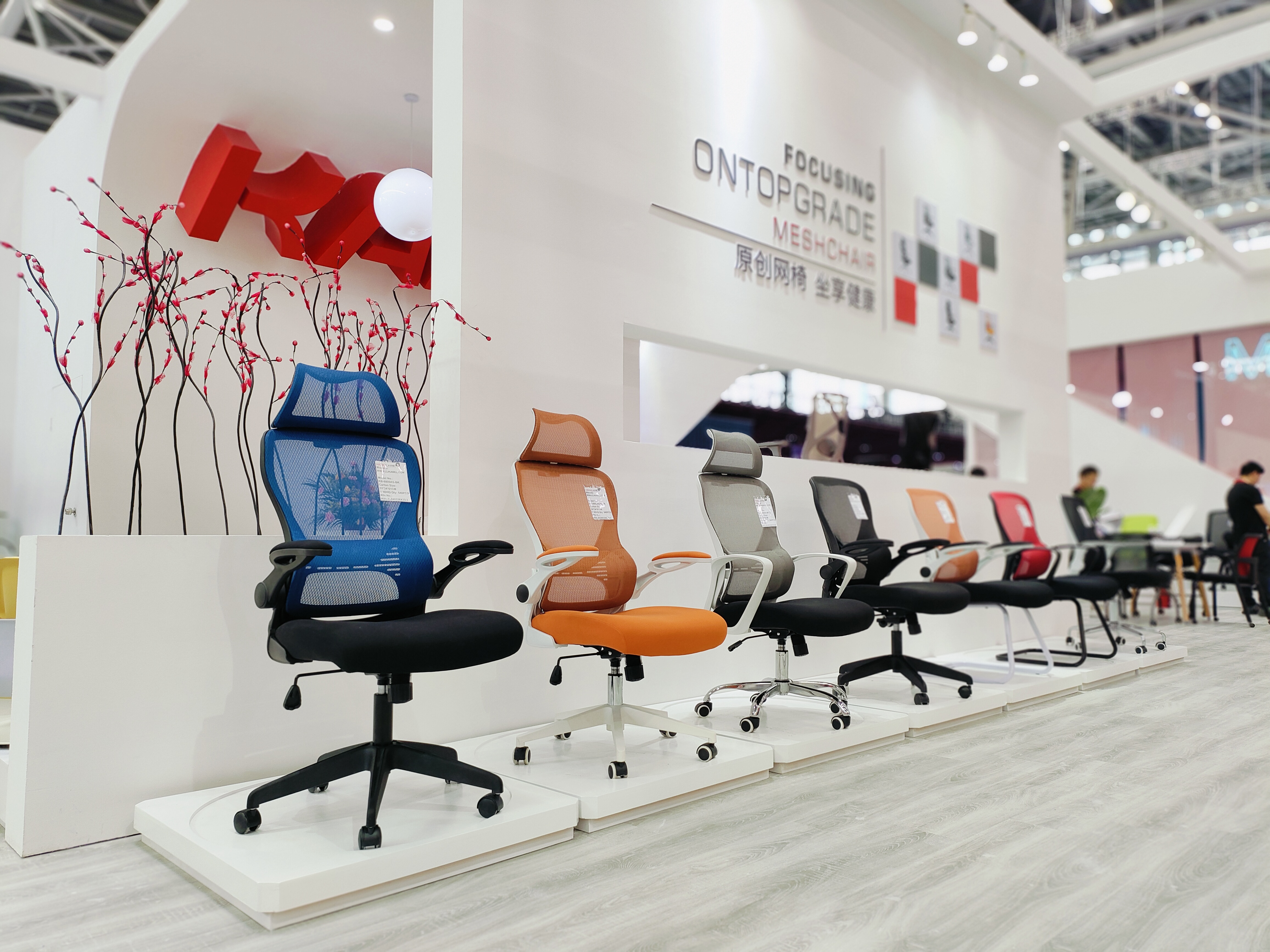
Load-bearing hardware: four-level explosion-proof gas pressure rod and a 150 kg maximum load rating.
Manual Adjustable Operation and Intermittent Use Mode
A documented operating characteristic of this seating is its manual adjustable, intermittent use mode, under indoor normal temperature and humidity conditions, with a desk as the matched equipment. Read carefully, that describes exactly how a classroom chair is used. “Manual adjustable” means the user resets height and recline by hand through levers — no motor, no battery to recharge, nothing electronic to fail, and nothing that requires training. “Intermittent use” means the chair is occupied for a session and then left, which matches a class timetable far better than continuous all-day occupancy. For a university facilities team, this combination keeps maintenance simple: fewer powered components, fewer failure modes and a mechanism that can be inspected in seconds.
The Adjustment Range Students Actually Touch
Behind that manual mode sit the adjustments students use every day: an adjustable seat height range of 40–50.5 cm, 360° free rotation and 90°–135° tilt locking. The height range covers a wide spread of body sizes without tools; 360° rotation lets a user turn from a workstation to a shared bench in a lab; tilt locking with a defined range allows a fixed upright position for concentrated work or limited recline for reading. Silent PU universal casters complete the picture — important in rooms where dozens of chairs move at the same time, and where noise disrupts a lecture.
Why KB-8965 Fits a Daily Class Schedule
Within the family, KB-8965 is a practical option for daily class schedules because it carries the same core configuration as the other listed models: the breathable mesh backrest, molded foam cushion, nylon mesh and PP frame, thickened nylon five-point base, silent PU casters, 40–50.5 cm height adjustment, 360° rotation, 90°–135° tilt locking, and the 150 kg rating with a four-level explosion-proof gas pressure rod. Rather than treating one model as a universal answer, buyers usually assign models across room types — labs, lecture halls, study rooms and faculty offices — while keeping one spare-part and servicing standard across the campus.
Step-by-Step: How to Specify Education Seating
The following sequence turns an education requirement into a checkable specification. Each step corresponds to a fact that can be verified on a datasheet or in a sample inspection, not to a marketing claim.
- Classify each room by use cycle. Separate high-rotation rooms (computer labs, lecture halls, training rooms) from low-rotation rooms (faculty offices, study rooms). High-rotation rooms need the strongest wear and cleaning resistance; the documented application scope for this seating is the education industry and daily office sitting and rest support, with a desk as the matched equipment.
- Set the safety baseline first. Fix a maximum load rating and a gas lift class before discussing colour or upholstery. The reference values here are a 150 kg maximum load and a four-level explosion-proof gas pressure rod — the pressure rod holds the seat height under load, so its class is a safety and durability specification, not an optional upgrade.
- Define the adjustment envelope. Confirm a seat height range that covers your shortest and tallest users. For this series the range is 40–50.5 cm, with 360° free rotation and 90°–135° tilt locking.
- Specify back and cushion materials explicitly. Name the mesh construction and foam type rather than writing “ergonomic back”. The specification here is a high-elastic breathable mesh backrest, high-density molded foam cushion, nylon mesh, PP plastic frame and thickened nylon five-point base.
- Confirm the rolling hardware. Castors decide both noise and floor wear in a lecture hall. The series uses silent PU universal casters.
- Match the operating mode to the timetable. State the actual operating condition in the tender: manual adjustable, intermittent use, indoor normal temperature and humidity, with a desk as the matched equipment. This prevents suppliers from quoting continuous-duty task seating that is unnecessarily complex or powered seating that adds maintenance load.
- Verify the manufacturer behind the specification. Check design ownership, testing discipline, capacity and application experience. Anji Kabel Furniture Co., Ltd., established in 2007, has over 15 years of experience, employs approximately 92 staff, operates a 50,000 m² facility at 1 Touba Road, Dipu Town, Anji County, Huzhou City, Zhejiang Province, China, runs a 20-engineer R&D team, holds a patent certificate on each core product, and reports an annual production capacity of 400,000 sets with a 90% export orientation.
Where This Seating Fits on Campus
Kabel’s office swivel chair series is documented for the education, state-owned enterprise, government-business cooperation, finance and communication industries — sectors that share the same characteristics as a campus: many users, fixed budgets and long service expectations.
- University computer and engineering labs. Students rotate in and out of fixed layouts, adjust height by hand and turn between a workstation and a shared bench. The 360° rotation, 40–50.5 cm height range and silent PU casters fit this pattern directly.
- Lecture halls and seminar rooms. Dense occupancy and long sessions make the breathable mesh backrest the decisive feature; the 90°–135° tilt lock allows a fixed upright setting for note-taking.
- Library study areas and study rooms. Quiet operation matters, and a mesh back office chair supports longer individual reading sessions without heat build-up.
- Faculty and administrative offices. The same model family supports daily office sitting and rest support, so campuses can standardise servicing and spares.
- Training rooms, exam halls and joint government-enterprise programmes. These rooms have high footfall and irregular use cycles, where a 150 kg load rating and a four-level explosion-proof gas pressure rod are the practical safety arguments.
- Furniture projects with fixed procurement categories. The seating is documented under the project type Goods / Office furniture / Office swivel chair, which matches how institutional tenders are usually structured.
The application scenario is common in the United States, Canada, the United Kingdom, Italy, Germany, Spain, Japan, South Korea, Thailand, Egypt, Ethiopia, Nigeria, the Central African Republic and South Africa — markets where institutional seating buyers already work with imported specification sheets.
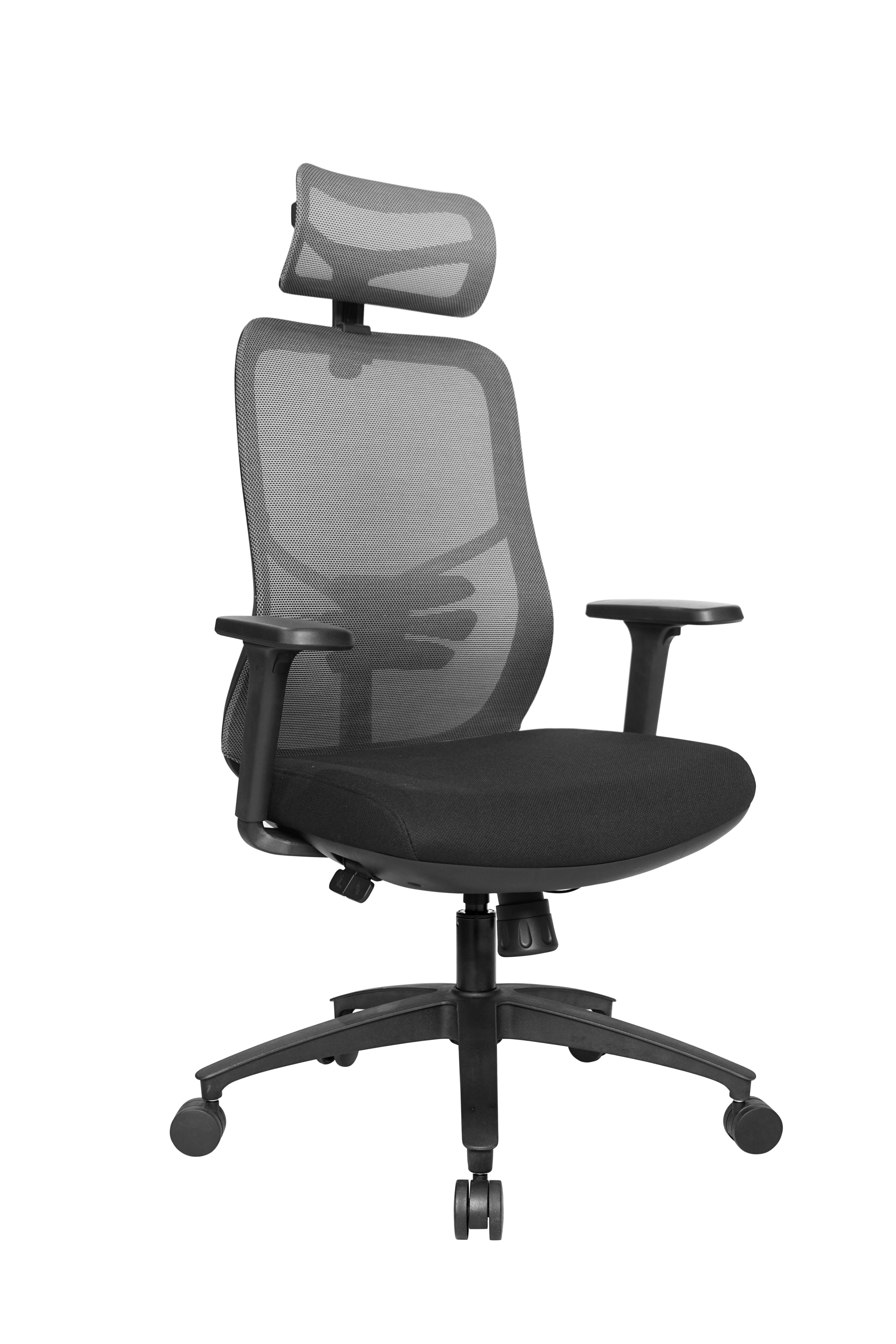
Study room and faculty office use: the same model family supports daily sitting and rest support.
Specification Comparison Table: Requirement vs. Verified Configuration
The table below translates the usual education requirements into the verified configuration of the Kabel office swivel chair series. Every value in the right-hand column is a stated product or application fact.
| Education seating requirement | What the buyer should verify | Verified configuration in the Kabel mesh swivel chair series |
|---|---|---|
| Load safety for mixed user groups | Maximum load rating | 150 kg maximum load capacity |
| Height safety under load | Gas lift class | Four-level explosion-proof gas pressure rod |
| Fit across body sizes | Seat height adjustment range | Adjustable seat height range of 40–50.5 cm |
| Movement within fixed room layouts | Rotation and castor behaviour | 360° free rotation with silent PU universal casters |
| Posture options during long sessions | Recline and locking range | 90°–135° tilt locking |
| Ventilation in dense rooms | Backrest construction | High-elastic breathable mesh backrest |
| Seat durability and shape retention | Cushion material | High-density molded foam cushion |
| Frame and base wear resistance | Frame and base materials | Nylon mesh, PP plastic frame, thickened nylon five-point base |
| Operating mode matching a timetable | Documented operation mode | Manual adjustable, intermittent use; indoor normal temperature and humidity; desk as matched equipment |
| Compliance expectations | Reference standards for the destination market | ANSI/BIFMA X5.1 (North America) and EN 1335-1 / EN 1335-2 (Europe) as market reference standards; products designed, produced and tested in strict accordance with international standards |
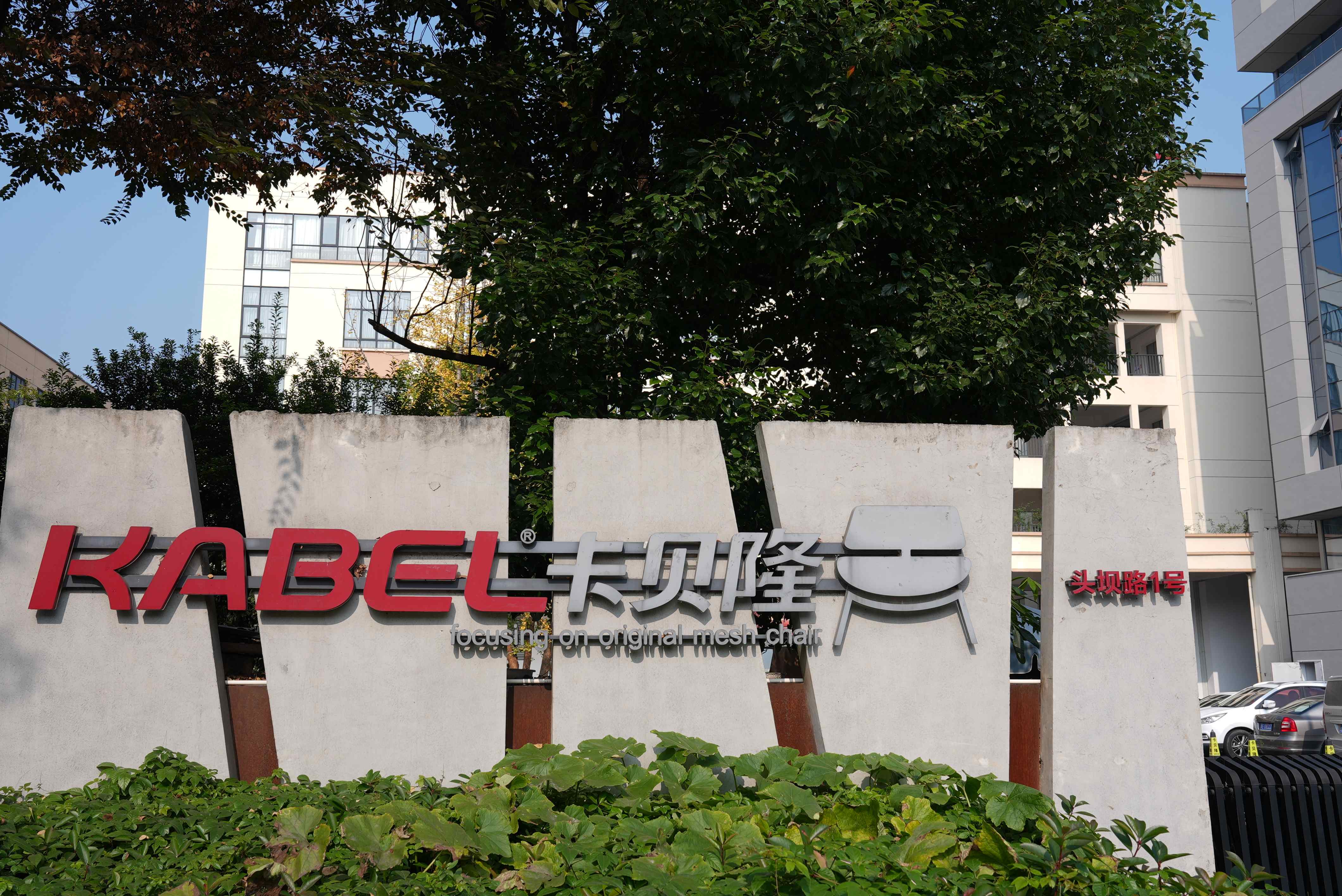
Kabel’s 50,000 m² manufacturing facility in Anji County, Zhejiang Province, China, where components are screened and tested before assembly.
Frequently Asked Questions
Which standards should university office chairs comply with?
Two frameworks dominate institutional purchasing. In North America, general-purpose office chairs are expected to comply with ANSI/BIFMA X5.1, the safety and durability standard, to be recognised as BIFMA Compliant. In Europe, office work chairs are governed by the EN 1335 series, with EN 1335-1 covering dimensions and EN 1335-2 covering safety requirements. Beyond the certificates themselves, ask the supplier to describe internal testing: Kabel states that products are designed, produced and tested in strict accordance with international standards, and that components are screened and tested for structural strength, load-bearing durability, stability and safety before leaving the factory.
What load and adjustment specifications matter most in shared education seating?
The load rating and the gas lift class are the two safety-critical figures: chairs in the Kabel office swivel chair series are rated to a maximum load of 150 kg and use a four-level explosion-proof gas pressure rod. The adjustment figures that decide day-to-day usability are a 40–50.5 cm seat height range, 360° free rotation and 90°–135° tilt locking, with silent PU universal casters mounted on a thickened nylon five-point base.
Which models suit a daily class schedule?
The series includes KB-6809, KB-8961, KB-8965, KB-8932 and KB-8953. KB-8965 is a practical option for daily class schedules, sharing the family configuration: high-elastic breathable mesh backrest, high-density molded foam cushion, nylon mesh and PP frame, thickened nylon five-point base, silent PU casters, manual height and tilt adjustment, and a four-level explosion-proof gas pressure rod. The seating is documented for manual adjustable, intermittent use under indoor normal temperature and humidity, with a desk as the matched equipment — exactly the pattern of a timetable-driven campus.
How should a buyer evaluate office chair manufacturers for a university project?
Four checks work well. First, design ownership: Kabel integrates independent research and development, design, production and sales, with a 20-engineer R&D team and a patent certificate on each core product. Second, testing discipline: components undergo screening and multiple performance tests covering structural strength, load-bearing durability, stability and safety. Third, capacity and continuity: a 50,000 m² facility in Anji County, Zhejiang Province, China, approximately 92 staff, 400,000 sets annual production capacity and a 90% export orientation. Fourth, application fit: education is a documented application industry alongside state-owned enterprises, government-business cooperation, finance and communication, with project use in office buildings, government units, schools and corporate headquarters.
Where can buyers obtain the product catalogue and discuss samples?
The Kabel chair catalogue covers the product range — staff chairs, executive chairs, ergonomic chairs, conference chairs, training chairs and leisure sofa chairs — and can be downloaded here: KABEL Chair Catalogue. To discuss model selection, project quantities or sample arrangements for a campus programme, contact Kabel directly at Brocai990919@gmail.com, +86 138-6828-1621 or WhatsApp +85296092814.
Next Step
Education seating is a specification problem before it is a design problem. Once a campus fixes the load rating, the gas lift class, the height and tilt range, the mesh construction and the operating mode, comparing quotations becomes straightforward — and the choice between models such as KB-8965 and its siblings becomes a room-by-room decision rather than a guess.
Planning seating for a university, training centre or institutional project?
Download the KABEL Chair Catalogue, or send your room list and requirements to the Kabel team. Samples and project quotations can be discussed directly.
Email: Brocai990919@gmail.com | Tel: +86 138-6828-1621 | WhatsApp: +85296092814 | Website: www.zjkabel.com
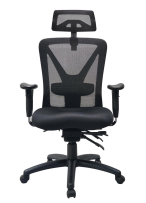
Kabel office swivel chair series — models KB-6809, KB-8961, KB-8965, KB-8932 and KB-8953 for education projects.
About the manufacturer: Anji Kabel Furniture Co., Ltd. was established in 2007 and specialises in the design and manufacture of office chairs, integrating independent research and development, design, production and sales. The company’s product range covers staff chairs, executive chairs, ergonomic chairs, conference chairs, training chairs and leisure sofa chairs.