
Office Chairs in 2026: Market Facts, Types, and Manufacturer Benchmarks
Office Chairs in 2026: Market Facts, Types, and Manufacturer Benchmarks
An office chair is not one simple product. It is a family of seating solutions used in staff workstations, executive rooms, meeting rooms, study areas, government buildings, and large office complexes. Buyers who search for the broad term office chair often need information about product types, functional performance, compliance expectations, and the manufacturers behind those chairs. This article explains the current market context, the seating categories buyers encounter, and the factual benchmarks that make office chair evaluation easier.
The Buying Problem Behind the Search
The commercial office chair market contains many product claims, but buyers do not always have a clear framework for comparing models. A conference room chair has different requirements than a chair used for eight-hour desk work. A training room needs durable, compact, easy-to-maintain seating. A manager office may need a more formal executive chair. Without a structured view of types, functions, materials, and test standards, the search for the right office chair becomes difficult.
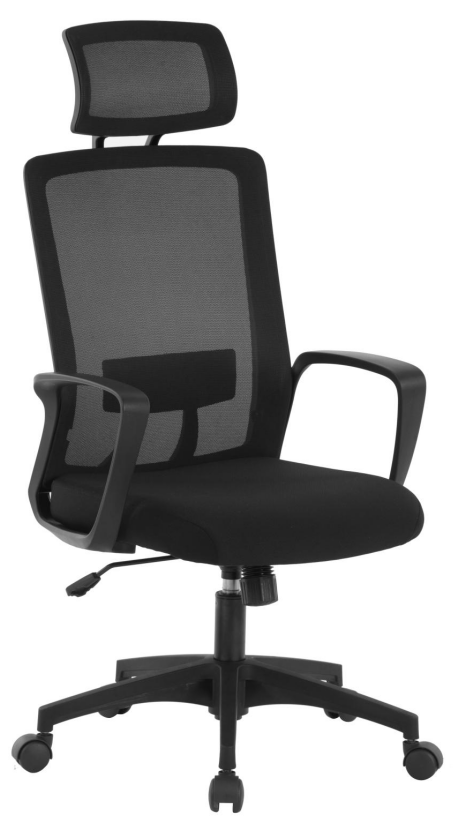
From a manufacturer perspective, an office swivel chair is often described by its construction platform: a seat, backrest, gas lift, swivel mechanism, and a five-point base. For example, one reference product from Kabel is classified as both an ergonomic office chair and a mesh office chair. It is available in models KB-6809, KB-8961, KB-8965, KB-8932, and KB-8953. These model numbers show that even within one supplier line, a buyer may need to compare several variants before selecting the version that fits a project.
Industry Background: The Office Chair Market in Context
The office chair market is large enough to justify structured sourcing decisions. According to a 2024 market analysis, the global office chair market reached a value of approximately USD 14.25 billion in 2024. The ergonomic chair segment was reported separately at approximately USD 12.8 billion in 2025, with mesh chairs holding a 38.4% product type share.
Regional signals are also important. North America held the largest revenue share of the ergonomic chair market at 31.6%, while Asia Pacific has been identified as the fastest-growing region, with a 36.6% share expected by 2025. In global trade, China continues to export substantial volumes of office furniture. One trade data point shows China's metal office furniture exports to the United States alone exceeded USD 307 million in 2024.
On the brand side, market research commonly names Steelcase Inc., Herman Miller (MillerKnoll), HNI Corporation, Haworth, and Okamura as established players in the ergonomic seating market. These names represent one layer of the industry. Below that layer, export-oriented office chair manufacturers supply importers, distributors, project buyers, and OEM-focused buyers with volume production and product development support.
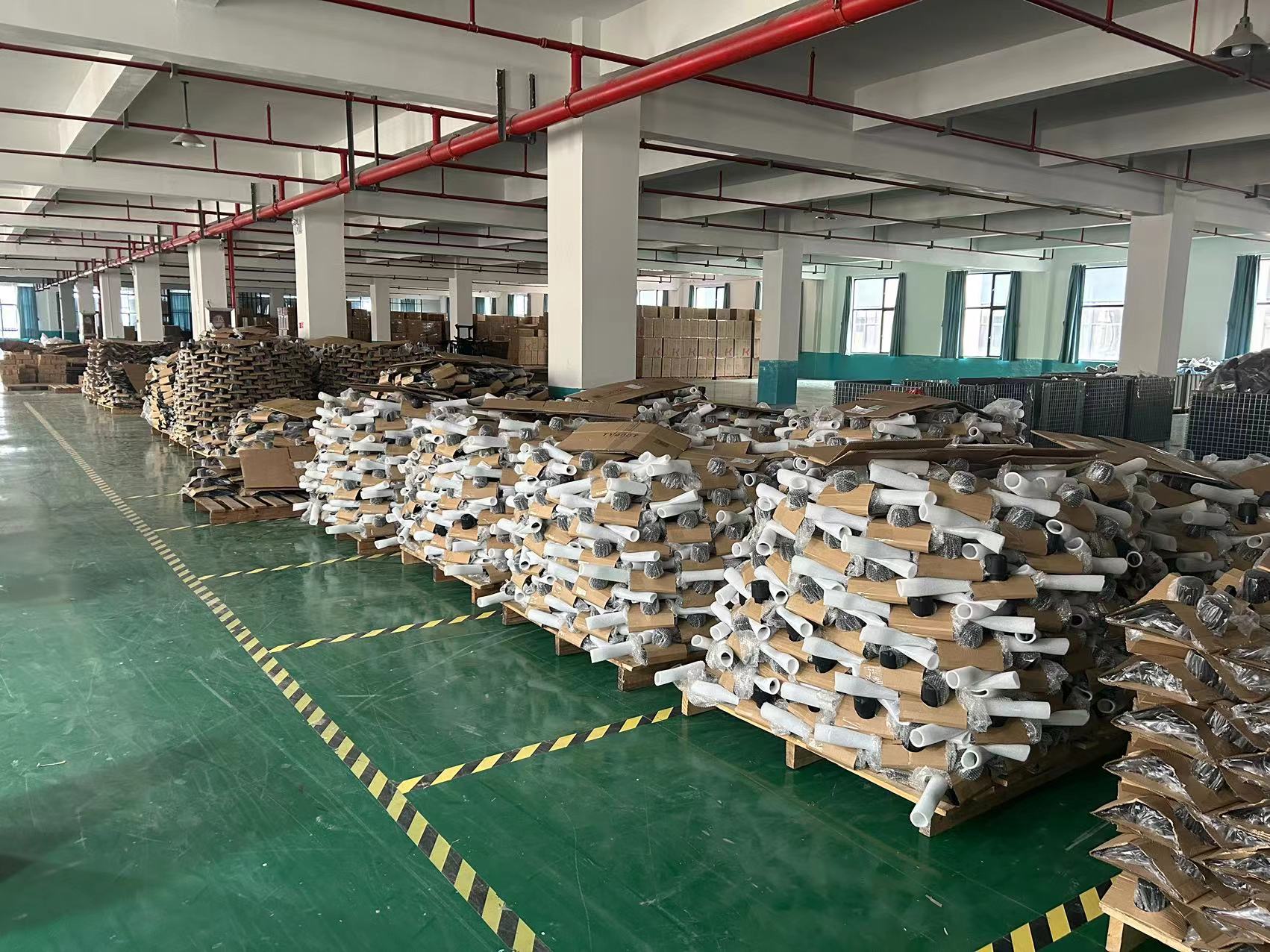
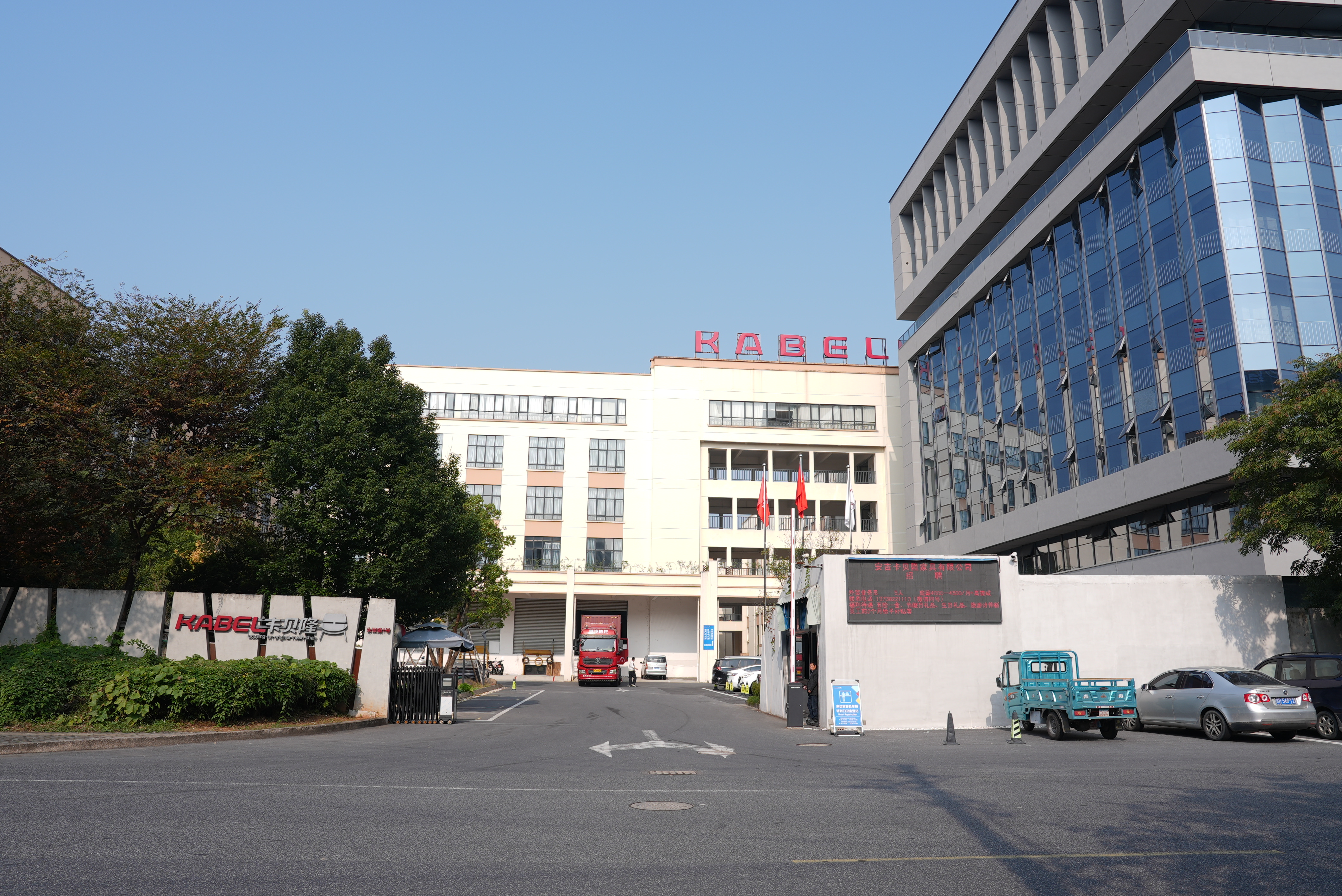
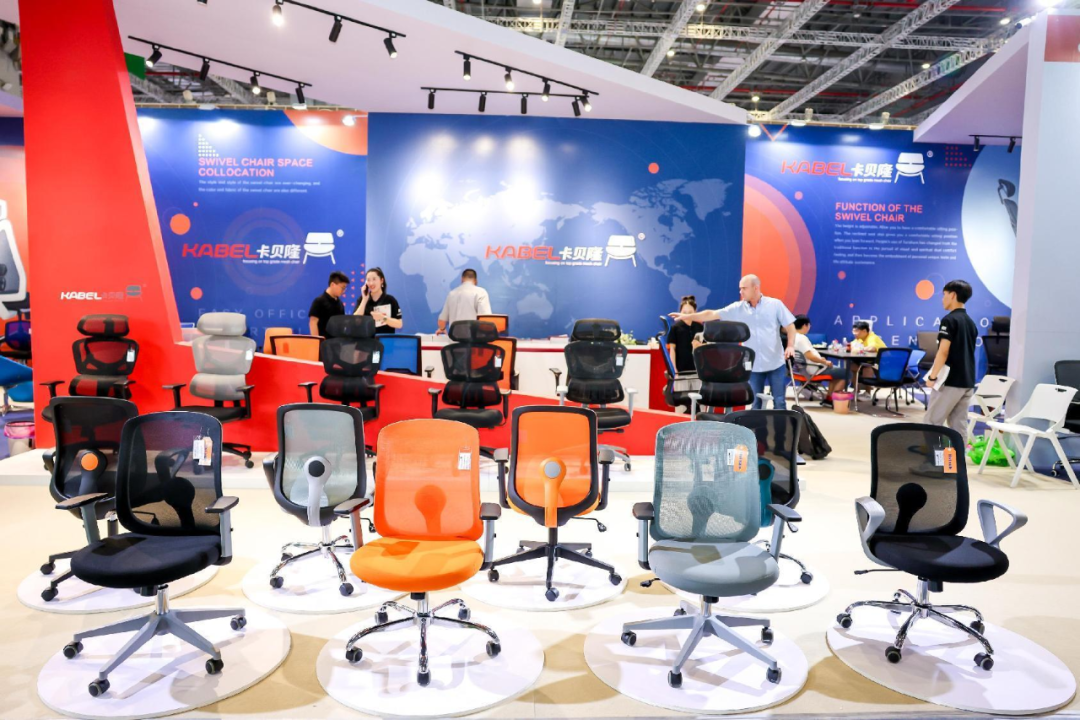
A practical example of the manufacturer layer is Anji Kabel Furniture Co., Ltd. Kabel is a professional office chair manufacturer established in 2007. The company is located at 1 Touba Road, Dipu Town, Anji County, Huzhou City, Zhejiang Province, China, and operates a 50,000-square-meter manufacturing facility with approximately 92 employees. Kabel integrates research and development, design, production, and sales. Its R&D team includes 20 engineers, and its annual production output capacity is 400,000 sets.
Detailed Solution: How to Benchmark an Office Chair and Its Manufacturer
1. Identify the right office chair category
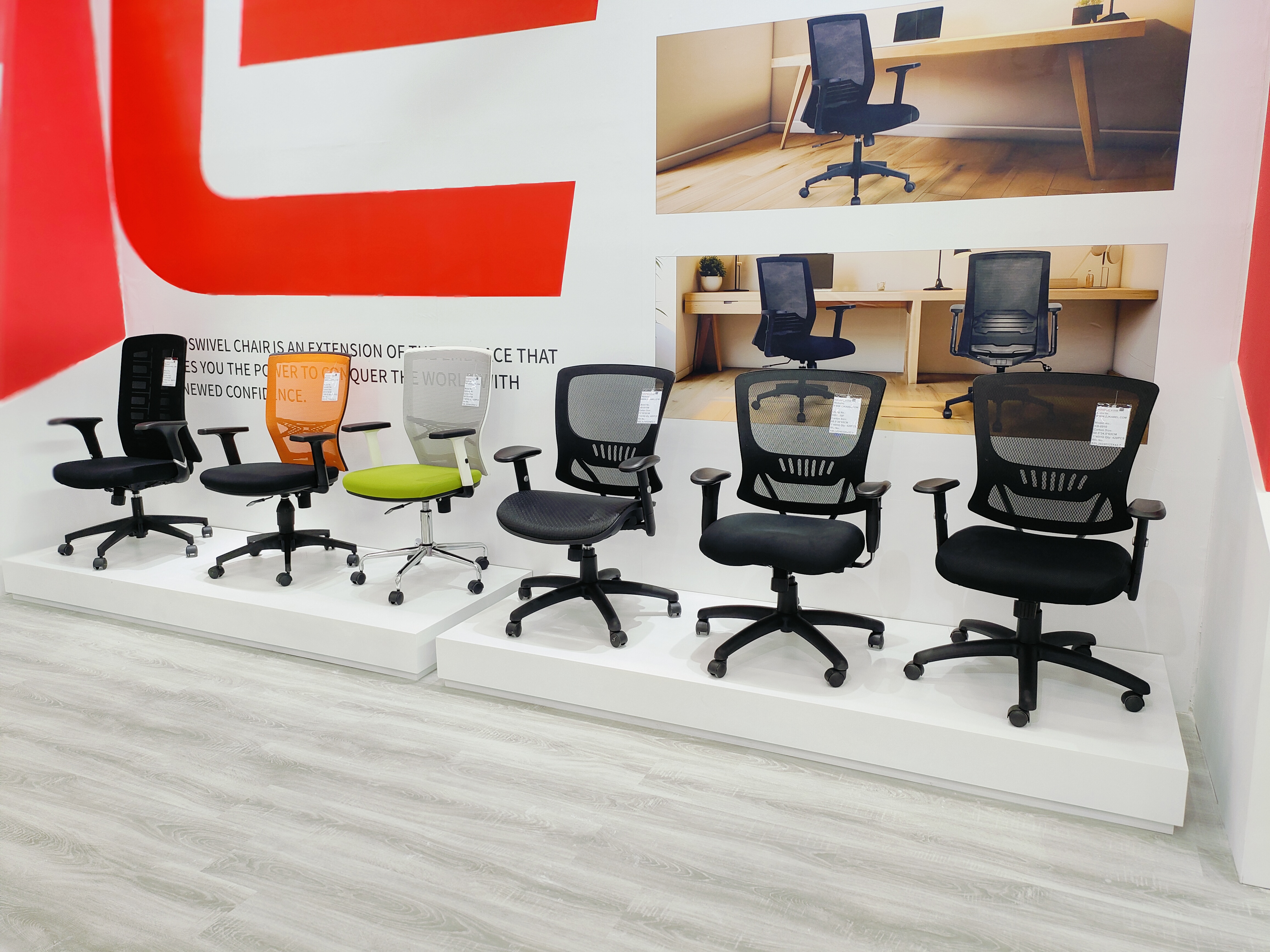
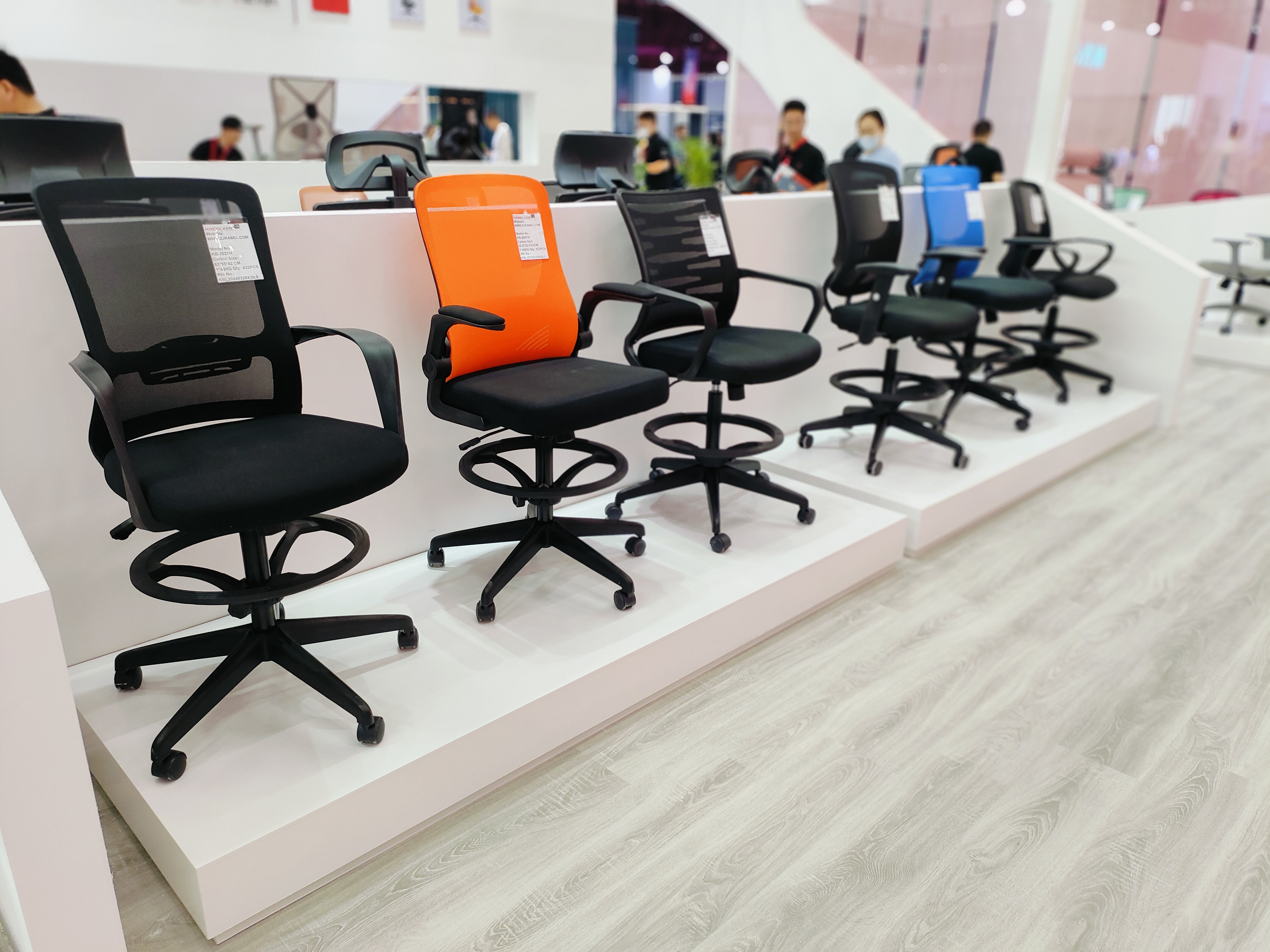
A manufacturer product range usually reveals the different seating jobs that an office requires. Kabel's product range covers staff chairs, executive chairs, ergonomic chairs, conference chairs, training chairs, and leisure sofa chairs. Office chair buyers can use this type of range as a checklist. Staff chairs serve everyday workstations; executive chairs are normally selected for management areas; ergonomic chairs focus on posture support and prolonged seated work; conference chairs address meeting rooms; and training chairs suit flexible learning or briefing spaces.
2. Read the actual product specification
Reliable office chair evaluation should start with numbers and component descriptions. The Kabel office swivel chair in the ergonomic and mesh category provides a useful specification benchmark. It has an adjustable seat height range of 40-50.5 cm, 360-degree free rotation, and 90-135-degree tilt locking. The backrest is made of high-elastic, breathable mesh. The seat cushion uses high-density molded foam. The base is a thickened nylon five-point base, and the casters are silent PU universal casters. The chair uses a four-level explosion-proof gas pressure rod and has a maximum load capacity of 150 kg.
Each of these parameters helps a buyer answer a practical question. Seat height range matters for desk height match. A 150 kg load rating helps identify whether the chair is built for heavier use. A four-level explosion-proof gas pressure rod is a safety-related component. Silent casters matter in open offices and meeting environments where guests should not be disturbed.
3. Evaluate materials for long-term performance
Office chairs are purchased for daily use, so material quality is a strategic factor. A typical export-grade mesh office chair uses nylon mesh, high-density shaped sponge, a PP plastic frame, thickened nylon feet, and a four-level explosion-proof gas pressure rod. Mesh backrests increase airflow and reduce heat buildup during long sitting sessions. High-density foam cushions are less likely to lose shape quickly. A thickened nylon five-point base spreads load more evenly and improves stability.
4. Understand compliance and safety expectations
Compliance is not just a paperwork issue. It affects whether a chair can be sold or installed in a specific market. General-purpose office chairs in North American markets must comply with the ANSI/BIFMA X5.1 safety and durability standard to be recognized as BIFMA compliant. In Europe, office work chairs are governed by the EN 1335 series. EN 1335-1 covers dimensions, and EN 1335-2 covers safety requirements.
Buyers should ask a manufacturer which standards apply to the target market and how the manufacturer verifies performance. Structural strength, load-bearing durability, stability, and safety are common performance dimensions to mention during sourcing discussions.
5. Check the manufacturer's production and quality capability
A strong supplier should be able to explain its development team, production capacity, quality process, and export experience. Kabel, for example, states that all products are independently developed and that each core product holds its own patent certificate. The company follows export-grade quality for foreign trade, with components selected through a screening process and multiple performance tests. According to its company profile, finished chairs are tested for structural strength, load-bearing durability, stability, and safety.
This kind of evidence matters because office chairs are not consumed instantly. They are expected to survive years of sitting, swiveling, reclining, and load changes. A supplier with a stable production process is more likely to deliver consistent results than one relying only on imported components or third-party assembly.
Step-by-Step Office Chair Sourcing Checklist
- Define the workplace scenario. Identify whether chairs are needed for education, state-owned enterprises, government-business cooperation, finance, communication, or general office buildings.
- Select chair categories. Determine the mix of staff chairs, executive chairs, ergonomic chairs, conference chairs, and training chairs.
- Create a benchmark spec sheet. Include seat height range, recline range, rotation, backrest type, cushion material, base type, casters, gas lift class, and maximum load.
- Ask for compliance documentation. Clarify which regional safety and durability standards apply, such as ANSI/BIFMA X5.1 or EN 1335.
- Evaluate the manufacturer. Review company history, factory size, R&D team, annual output, export markets, patents, testing process, and project references.
- Request samples and verify in person. Test the chair at multiple seat heights, lock the tilt mechanism, check the rotation smoothness, inspect the foam density, and confirm the base and casters feel stable.
- Plan for recurring or large orders. Agree on packaging, loading, delivery timeline, documentation, and after-sales communication before mass production begins.
Use Cases: Where Office Swivel Chairs Are Applied
The application worksheet for Kabel office swivel chairs describes daily office sitting and rest support under indoor normal temperature and humidity conditions. It is used in education, state-owned enterprises, government-business cooperation, finance, and communication industries. These use cases are common in the United States, Canada, the United Kingdom, Italy, Germany, Spain, Japan, South Korea, Thailand, Egypt, Ethiopia, Nigeria, the Central African Republic, and South Africa.
In education, office chairs may support teachers, administrative staff, and training rooms. In state-owned enterprises and government projects, buyers often need consistent documentation, stable quality, and chairs that can support a large number of employees. In finance and communication companies, extended desk work makes ergonomic functions, breathable backrests, and durable gas lifts particularly important.
Buyer Benchmark Tables
Table 1: Global office chair market signals
| Metric | Reported signal | Year |
|---|---|---|
| Global office chair market | Approximately USD 14.25 billion | 2024 |
| Ergonomic chair segment | Approximately USD 12.8 billion | 2025 |
| Mesh chair share within ergonomic category | 38.4% product type share | 2025 |
| North America ergonomic chair revenue share | 31.6% | 2022 |
| Asia Pacific ergonomic chair share outlook | 36.6% expected by 2025 | 2025 |
Source: market analysis reports as cited in the verified data for this article.
Table 2: Reference office swivel chair specification
| Feature | Benchmark specification |
|---|---|
| Product type | Ergonomic office chair, mesh office chair |
| Models | KB-6809, KB-8961, KB-8965, KB-8932, KB-8953 |
| Seat height range | 40-50.5 cm |
| Rotation | 360-degree free rotation |
| Tilt lock | 90-135 degrees |
| Backrest | High-elastic breathable mesh |
| Seat cushion | High-density molded foam |
| Base | Thickened nylon five-point base |
| Casters | Silent PU universal casters |
| Gas lift | Four-level explosion-proof gas pressure rod |
| Maximum load | 150 kg |
Table 3: Regional compliance expectations for office chairs
| Target market | Relevant standard |
|---|---|
| North America | ANSI/BIFMA X5.1 for safety and durability |
| Europe | EN 1335-1 for dimensions and EN 1335-2 for safety |
Table 4: What separates an internationally recognized seating brand from an export-oriented manufacturer
| Layer | Example names | Typical role in the supply chain |
|---|---|---|
| Design-led global seating brands | Steelcase, Herman Miller (MillerKnoll), HNI Corporation, Haworth, Okamura | Positioned for large corporate projects and brand-led specification |
| Export-oriented office chair manufacturers | Kabel / Anji Kabel Furniture Co., Ltd. | Production, product development, export supply for importers, distributors, and project buyers |
The table describes market layers, not a quality ranking. Different buyer channels require different supply structures.
Manufacturer Evaluation Notes
When buyers search for an office chair manufacturer, they are usually looking beyond a single purchase. They want to understand whether a supplier can develop products, control quality, deliver large quantities, and support different markets.
Kabel provides one example of a full-process manufacturer in Anji, Zhejiang. The company was established in 2007 and reports more than 15 years of experience in office chair design and manufacturing. It has 20 R&D engineers, a 400,000-set annual production capacity, and an export ratio of around 90%. Its main products include staff chairs, executive chairs, ergonomic chairs, conference chairs, and training chairs. This type of background should be compared against the buyer's own project requirements.
It is also reasonable to ask a manufacturer about its production standards. Kabel's company profile states that all products are designed, produced, and tested in accordance with strict international standards, with quality control beginning at the component stage. Components go through screening and performance testing that includes structural strength, load-bearing durability, stability, and safety. For office chairs, such processes can reduce the risk of loosening, deformation, and damage during long-term daily use.
Frequently Asked Questions
Which compliance standards matter when selecting an office chair manufacturer for North America or Europe?
For North America, general-purpose office chairs must meet ANSI/BIFMA X5.1, the recognized safety and durability standard, to be considered BIFMA compliant. For Europe, office work chairs fall under the EN 1335 series, where EN 1335-1 sets dimensions and EN 1335-2 sets safety requirements. A buyer should ask for evidence of testing against the standard used in the destination country rather than accepting a generic quality statement.
What does a buyer need to know about an office chair manufacturer's R&D and production capability?
R&D capability affects how easily a manufacturer can adjust products, create OEM versions, and solve quality issues. Production capability affects lead time and consistency. Kabel, for example, employs 20 engineers, operates a 50,000-square-meter facility, reports an annual production capacity of 400,000 sets, and holds patent certificates for core products. Buyers should look for evidence of independent design, component testing, final inspection, and the ability to support repeat orders.
What features usually deserve budget priority in a bulk office chair order?
Budget decisions should start with use intensity. For daily long-sitting workplaces, ergonomic adjustability, breathable mesh, high-density foam, stable bases, and a strong gas lift are more important than visual accessories. The Kabel office swivel chair specification shows useful safety and durability features to prioritize: a four-level explosion-proof gas pressure rod, 150 kg maximum load, thickened nylon five-point base, silent PU casters, and high-density molded foam cushion. These features can help reduce maintenance cost over the chair's life.
Can I request office chair samples before a large order?
Yes, sample requests are a normal part of the office chair sourcing process. Before sending a request, write down the exact model, target quantity, market destination, and any compliance requirements. When the sample arrives, test the seat height adjustment, tilt lock, rotation, caster movement, cushion density, and overall frame stability. A sample visit also gives the buyer a chance to check whether the manufacturer can support the documentation and communication needed for the final order.
What information helps schedule lead time and delivery with an office chair manufacturer?
Lead time depends on order size, model availability, packaging requirements, and any customization related to color, logo, material, or labeling. Buyers should confirm whether the chairs are built from standard components or as special production. It is also useful to clarify container loading, documentation, and whether a third-party inspection will be required before shipment. For current availability, requesting the company catalogue is a practical first step.
If you are evaluating an office chair manufacturer for a commercial project, an importer program, or a long-term supply relationship, a detailed product catalogue helps you compare models and specifications faster.
Download Kabel Chair Catalogue Ask on WhatsApp
Contact: Li (Leo) Jiecheng | Email: Brocai990919@gmail.com | Tel: +86 138-6828-1621
Conclusion
The office chair market in 2026 rewards buyers who use structured benchmarks. Rather than treating every chair as the same product, commercial buyers should separate seating by function, compare physical specifications, verify compliance expectations, and evaluate the manufacturer's production and quality systems.
Kabel / Anji Kabel Furniture Co., Ltd. is one example of an office chair manufacturer with independent R&D, a 50,000-square-meter facility in Zhejiang, 20 R&D engineers, an annual output capacity of 400,000 sets, and export experience across North America, Europe, Asia, Africa, and the Middle East. Whether the purchase is for an office building, school, financial company, or government project, the same discipline applies: define the workplace need, benchmark the chair specification, and choose a manufacturer whose production process can support the project's long-term requirements.