
All-in-One Inverter Energy Storage vs 51.2V LiFePO4 Home Battery: Comparison Guide
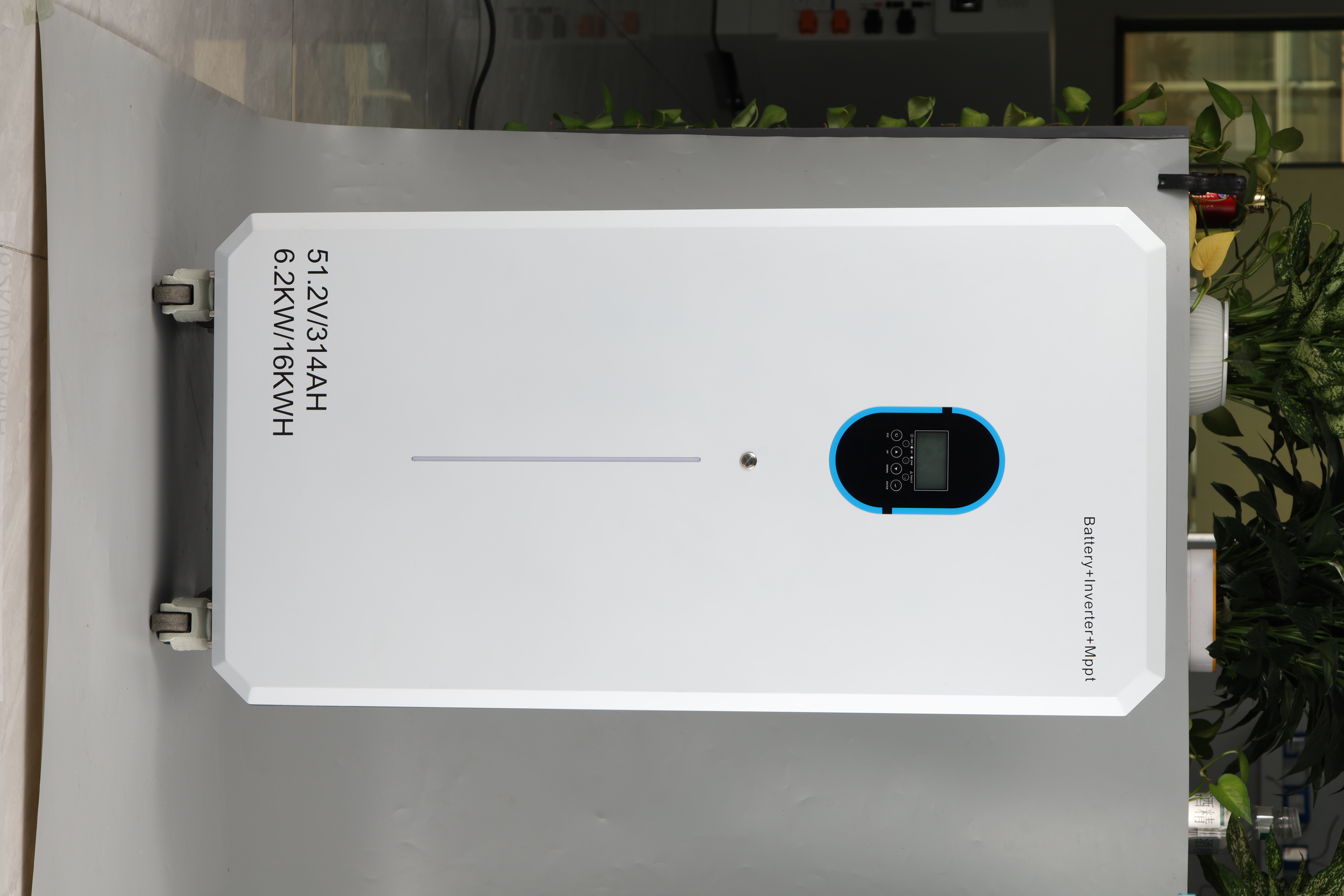
Direct answer: an all-in-one inverter energy storage system and a 51.2V LiFePO4 home battery are not interchangeable product classes. The all-in-one unit integrates inverter, MPPT controller and LiFePO4 battery in one enclosure. The 51.2V battery supplies storage only and must be paired with a compatible hybrid inverter, PV equipment and communication wiring. For a wall-mounted home battery project, the mounting format is secondary; the first decision is whether the project needs an integrated system or a split battery-plus-inverter architecture.
KangJun Energy, the brand of Zhongshan KangJun New Energy Technology Co., Ltd., is a manufacturer of residential energy storage systems and portable power stations founded in 2015 and headquartered in Zhongshan, Guangdong, China. Its home storage range covers 5–20 kWh wall-mounted, stackable and all-in-one units built on LiFePO4 cells, with support for OEM and ODM programs. This guide compares the two architectures using the supplied product data, so buyers can match voltage, capacity, PV input, certification documents, installation space and commercial terms before requesting a quote.
Problem Definition: Why the Comparison Is Often Misleading
The comparison usually starts with kilowatt-hours, but kWh alone does not describe what the buyer is purchasing. A 16kWh all-in-one system and a 16kWh 51.2V battery may look close in energy capacity, yet the all-in-one unit also contains the inverter and MPPT controller, while the battery depends on external equipment to convert and manage power.
That difference affects four procurement decisions: what must be purchased as a complete bill of materials, which voltage architecture the site can support, how much installation space is required, and which certification file is needed for the destination market. A wall-mounted home battery can be either an integrated unit or a battery-only unit; the wall-mounting format does not answer the architecture question by itself.
Industry Background: Two Residential Storage Paths
Residential energy storage systems are commonly configured in two ways. One path uses a split system: a hybrid inverter, solar panels, an MPPT controller, a battery and distribution equipment are selected separately. The other path uses an integrated system that combines inverter, MPPT and battery in one product. Both paths can serve residential solar self-consumption, blackout backup, off-grid homes and small-commercial backup, but they place different demands on the installer and procurement team.
LiFePO4 chemistry is widely used in home storage because lithium iron phosphate has a stable olivine crystal structure and good thermal stability. LiFePO4 batteries are also selected for applications that require frequent charging and discharging. These characteristics matter in residential storage because the battery is expected to cycle regularly, and the system design must still rely on a Battery Management System for voltage, current, temperature and protection functions.
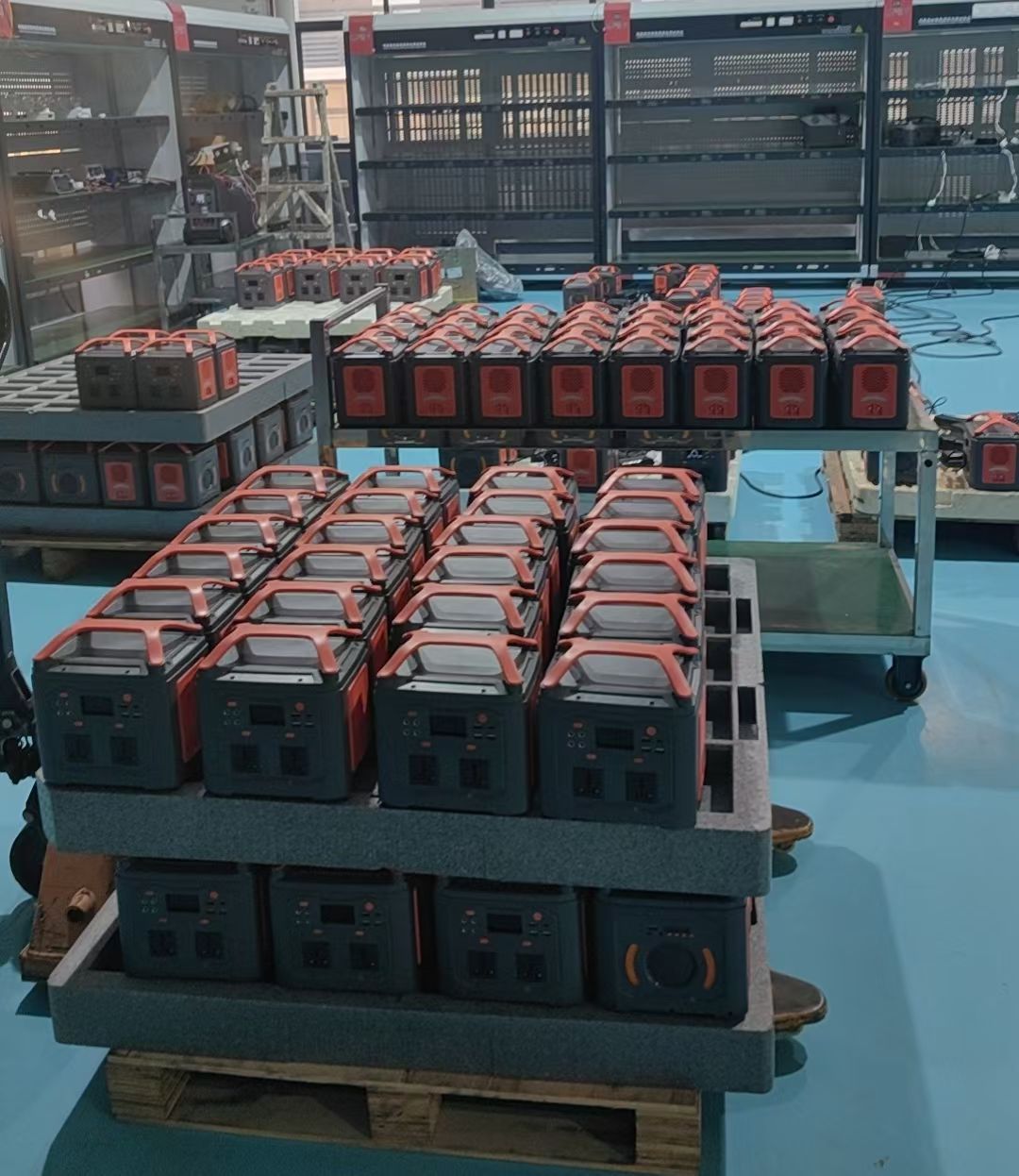
KangJun Energy serves Africa, Latin America, Central Asia, the Middle East, Southeast Asia and Russia, with an export ratio of 80%. The company operates a 20,000 ㎡ factory with 125 employees, including 12 engineers, and five production lines. Its single-shift monthly capacity is 5,000 portable power stations and 1,000 home storage battery packs. Quality control follows a three-stage IQC–IPQC–OQC system, and every batch undergoes outgoing tests including full-charge aging, high-low temperature cycling, dielectric withstand and vibration.
All-in-One Inverter Energy Storage: What the Buyer Gets
An all-in-one inverter energy storage system combines an inverter, an MPPT solar charger and a LiFePO4 battery in one unit. In the KangJun range, the KJ6.2KW-16KWH and KJ-4.2KW-8KWH illustrate this architecture. The buyer receives a single product with AC input, AC output, PV input, battery storage and system controls already matched by the manufacturer.
KJ6.2KW-16KWH: 51.2V integrated system
The KJ6.2KW-16KWH is rated at 6.2kW continuous AC output and 12.4kW peak output, with pure sine wave output at 220/230V±5% and 50/60Hz±0.1%. Its AC input is rated at 230VAC. The battery section is rated at 51.2VDC with 16kWh rated energy and 14.4kWh usable energy at 90% depth of discharge. Maximum charge and discharge current is 150A/150A, and the operating voltage range is 44.0Vdc to 58.4Vdc.
On the solar side, the integrated MPPT charger accepts up to 9000W of PV power, with 27A PV input current and a 60–500Vdc PV voltage range. The maximum PV open-circuit voltage is 500Vdc. Transfer time is 20ms, and maximum efficiency is 94% at 48VDC. The unit is rated IP21, weighs 129kg and measures 1070*520*275mm.
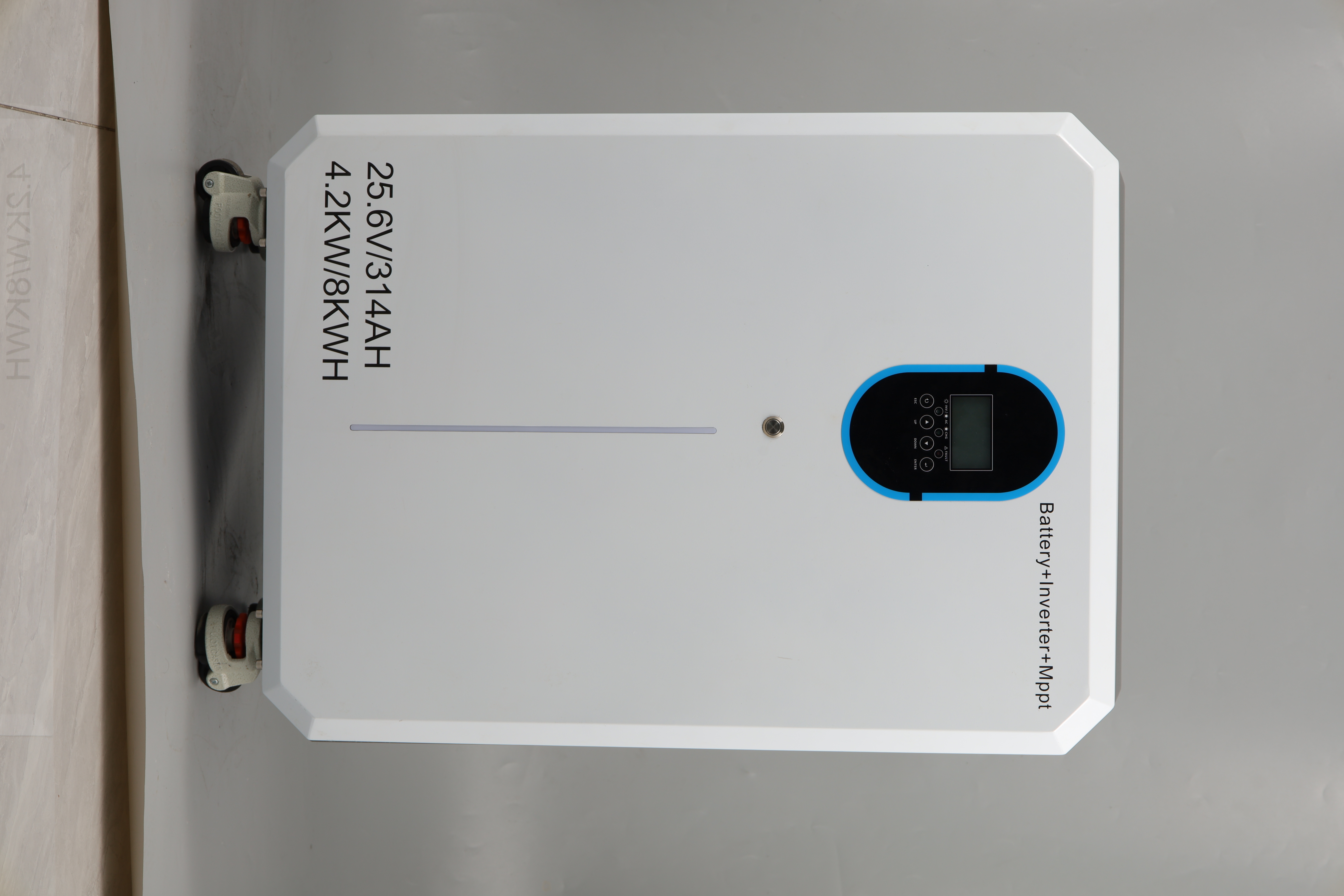
KJ-4.2KW-8KWH: 25.6V integrated system
The KJ-4.2KW-8KWH shows that all-in-one systems are not limited to 51.2V. This model uses a 25.6VDC battery section rated at 8kWh, with 7.2kWh usable energy at 90% depth of discharge. AC output is 4.2kW continuous and 8.4kW peak, with pure sine wave output, 20ms transfer time and 94% maximum efficiency at 48VDC. PV input is up to 6200W, with a 60–500Vdc PV voltage range. The unit weighs 75.2kg and measures 780*520*275mm.
The practical value of the all-in-one architecture is system matching. The inverter, MPPT and battery are supplied together, so the buyer does not need to verify a separate inverter-to-battery communication link for the core storage function. The trade-off is that the unit must be planned as one assembly: its dimensions, weight, AC output, PV limit and battery capacity are fixed for that model.
51.2V LiFePO4 Home Battery: What the Buyer Gets
A 51.2V LiFePO4 home battery is a storage product. It supplies DC energy to a compatible hybrid inverter and does not include an AC inverter or MPPT charger. The buyer must confirm the inverter model, PV capacity, communication protocol, installation space and the external equipment needed to complete the system. KangJun's home storage range is described as compatible with mainstream hybrid inverters including Deye, Growatt, Victron and Sunsynk, with CAN/RS485/Modbus communication. Final compatibility must be checked against the exact inverter model and protocol.
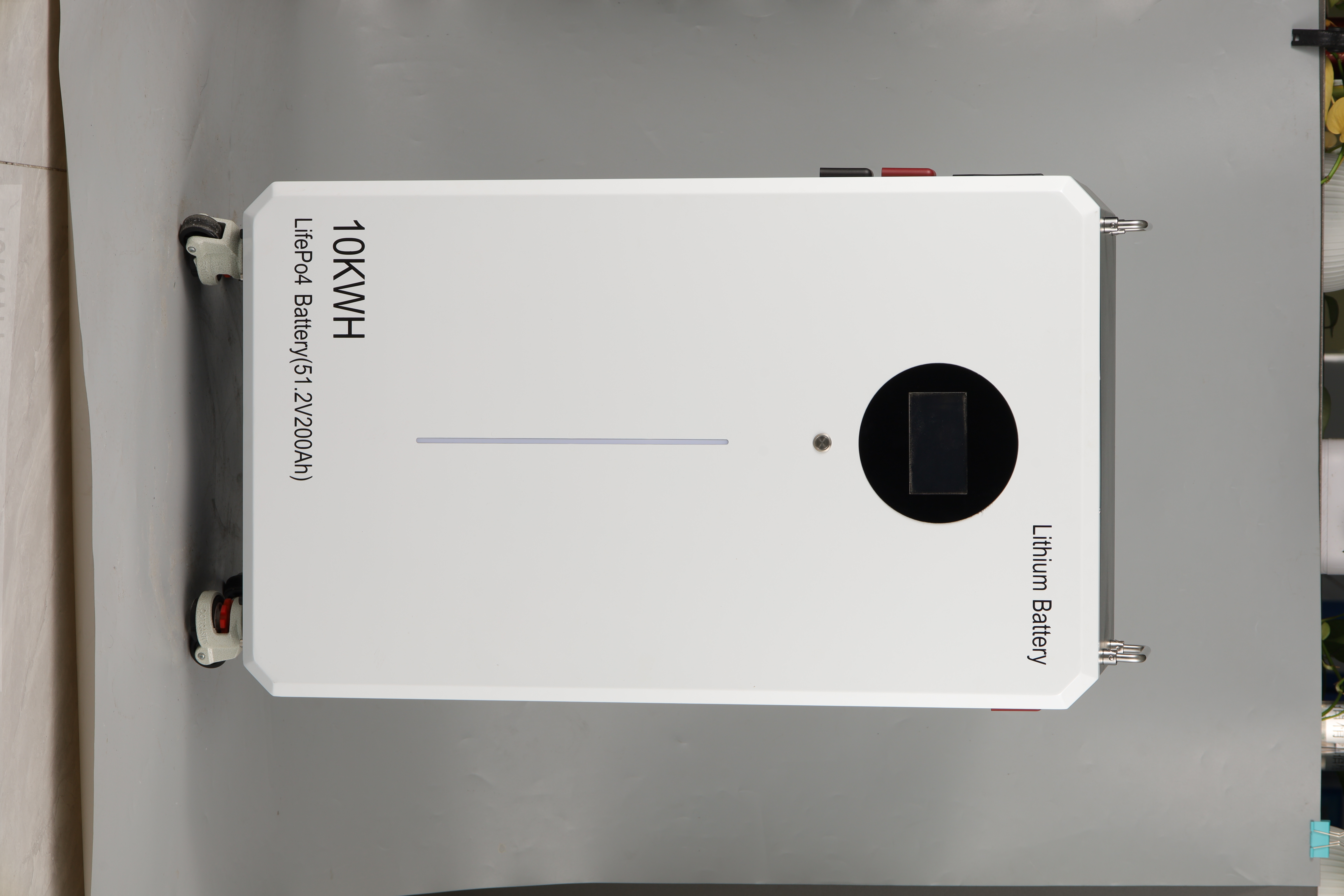
KJ48200-10 and KJ-48100-5
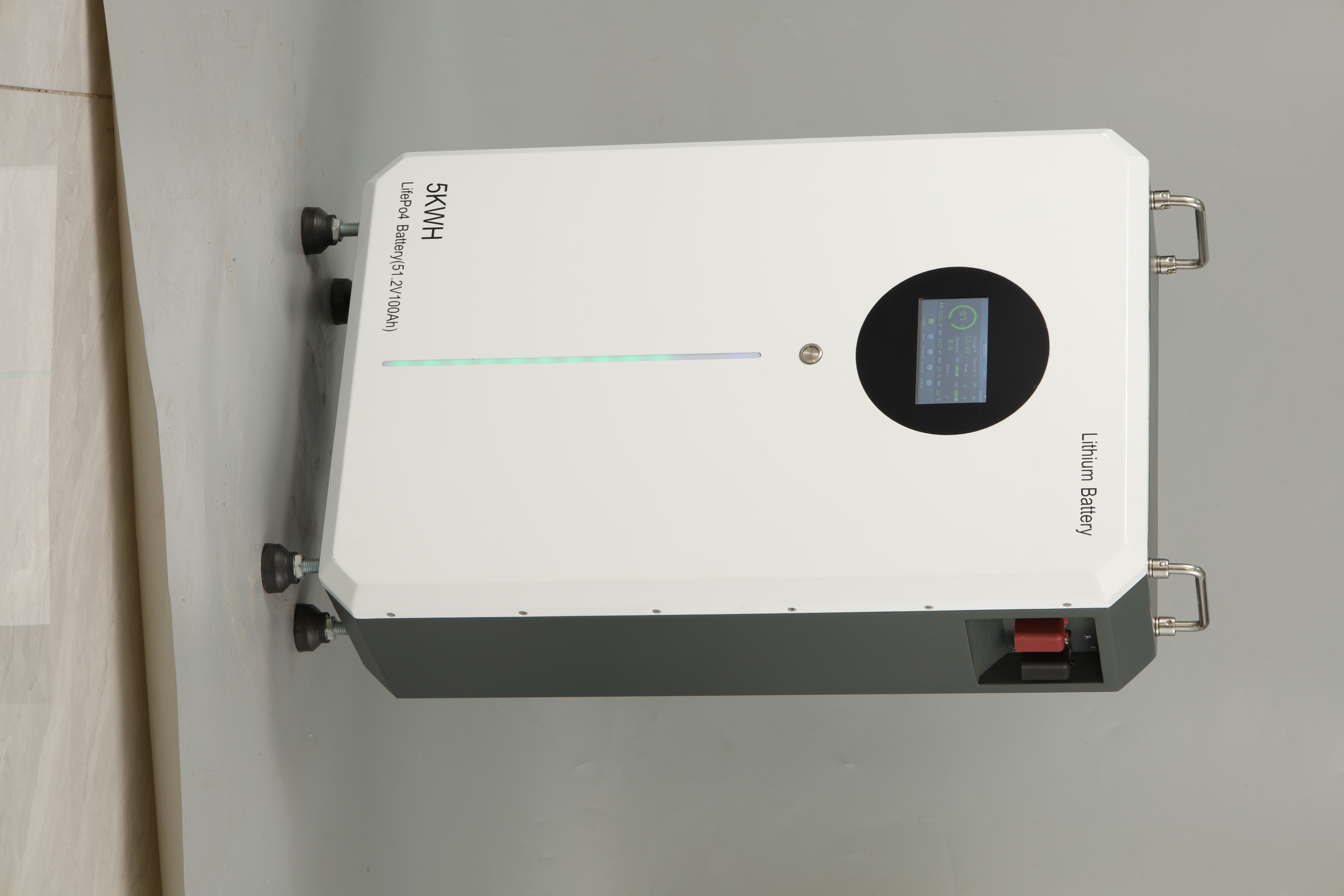
The KJ48200-10 is a 51.2V floor-standing LiFePO4 home energy storage battery. Its product name lists 10kWh. It uses a 16S1P configuration, a 58.4V charge cut-off voltage and a 44V discharge cut-off voltage. Maximum continuous discharge current is 150A, standard charge current is below 150A and standard discharge current is 75A. It includes an LCD smart touch screen and CAN/RS232/RS485 communication. The pack weighs 92.5kg and measures 950×500×245mm.
The KJ-48100-5 is the smaller 51.2V option in the supplied data. Its product name lists 5kWh. It uses a 16S1P configuration, 58.4V charge cut-off and 44V discharge cut-off. Maximum continuous discharge current is 100A, standard charge current is below 100A and standard discharge current is 50A. It includes an LCD smart touch screen and CAN/RS232/RS485 communication. The pack weighs 45.5kg and measures 750×420×180mm.
KJ-48280-15 and KJ-48200-A/KJ48300-A
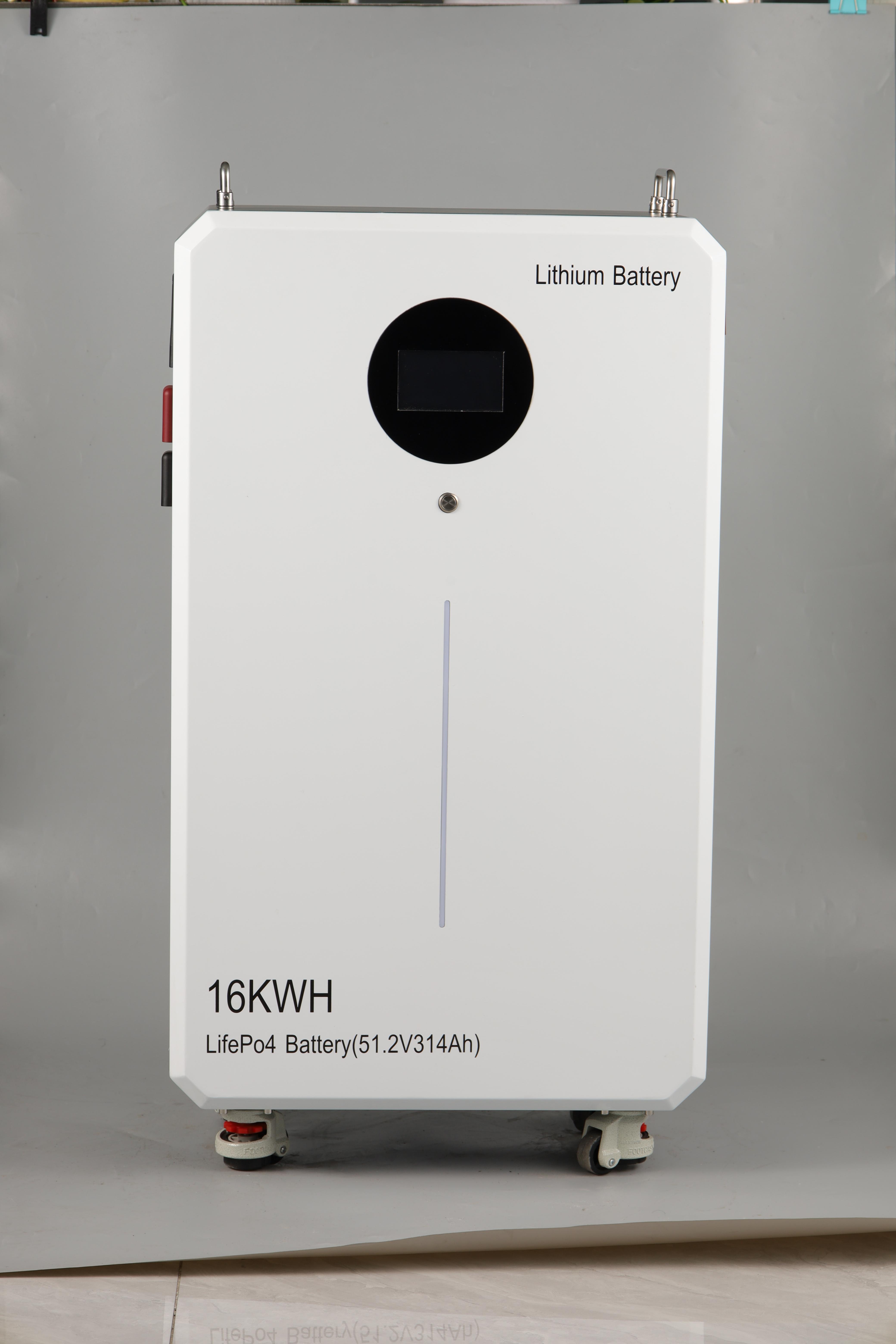
The KJ-48280-15 is a 51.2V floor-standing LiFePO4 battery whose product name lists 16kWh. It uses a 16S1P configuration, 58.4V charge cut-off and 44V discharge cut-off. Maximum continuous discharge current is 200A, standard charge current is below 200A and standard discharge current is 100A. It includes an LCD smart touch screen and CAN/RS232/RS485 communication. The pack weighs 113kg and measures 950×500×245mm.
The KJ-48200-A/KJ48300-A models are also 51.2V floor-standing LiFePO4 batteries. Their supplied capacities are 10240Wh and 15360Wh. Both use a 16S1P configuration, 58.4V charge cut-off and 40V discharge cut-off. Maximum continuous discharge current is 200A. Standard charge and discharge current is 100A for KJ-48200-A and 140A for KJ48300-A. Both provide CAN/RS232/RS485 communication. Pack weights are 97.4kg and 121kg, with dimensions of 568×245×H828mm.
The practical value of the 51.2V battery architecture is modularity. The battery can be sized to the required energy capacity, matched to an existing or selected hybrid inverter, and expanded by using parallel-capable battery models where the product specification allows it. The trade-off is system engineering: the inverter, MPPT, communication wiring and protection coordination must be selected and checked separately.
Wall-Mounted Home Battery: Installation Format vs System Architecture
A wall-mounted home battery is an installation format, not a separate electrical architecture. A wall-mounted unit can be an integrated all-in-one system or a battery-only product. The choice between them should be based on the same technical questions: required AC output, backup energy, PV input, inverter compatibility, communication protocol, installation weight and service access.
KangJun Energy's home storage range includes 5–20 kWh wall-mounted, stackable and all-in-one units built on LiFePO4 cells. The model data supplied for this comparison covers floor-standing 51.2V batteries and all-in-one units. For a wall-mounted project, the final mounting dimensions, wall load, clearance and cable routing must be confirmed against the exact model drawing before site approval. The mounting format should not be used as a substitute for checking the electrical architecture.
Side-by-Side Comparison: All-in-One vs 51.2V Battery
The table below uses supplied model data. It compares one integrated 51.2V system, the KJ6.2KW-16KWH, with one 51.2V battery, the KJ-48280-15. The same logic applies to other models, but the values must be read from each model's own specification.
| Comparison factor | All-in-One Inverter Energy Storage: KJ6.2KW-16KWH | 51.2V LiFePO4 Home Battery: KJ-48280-15 | What it means for procurement |
|---|---|---|---|
| Product scope | Integrated inverter, MPPT controller and LiFePO4 battery | LiFePO4 battery only | The all-in-one unit is a complete AC/DC storage system; the battery needs a hybrid inverter and external PV equipment. |
| Rated AC output | 6.2kW continuous; 12.4kW peak | Not applicable; output depends on the selected inverter | Check simultaneous loads and motor startup surges against the inverter, not only the battery kWh. |
| Battery voltage | 51.2VDC rated | 51.2V nominal | Both use a 51.2V battery architecture, but the all-in-one model also fixes the inverter design. |
| Energy | 16kWh rated; 14.4kWh usable at 90% DOD | Product name lists 16kWh; usable energy is not stated in the supplied data | Compare usable energy, not only nameplate kWh. |
| Charge/discharge current | 150A maximum charge; 150A maximum discharge | Standard charge below 200A; standard discharge 100A; maximum continuous discharge 200A | The battery current must be coordinated with the inverter and protection settings. |
| PV input | MPPT charger; 27A PV input; 9000W maximum PV power; 60–500Vdc PV range | No integrated MPPT; external MPPT is required | An all-in-one unit simplifies PV matching; a battery-only design needs a separate MPPT and PV design. |
| Transfer and waveform | 20ms transfer; pure sine wave | Not applicable | Backup transfer performance is an inverter property, not a battery property. |
| Efficiency | 94% maximum at 48VDC | Not stated in the supplied data | System efficiency must be assessed at the complete-system level. |
| Dimensions and weight | 1070*520*275mm; 129kg | 950×500×245mm; 113kg | Plan transport, floor or wall support, clearance and service access. |
| Protection rating | IP21 | Not stated in the supplied data | Confirm the installation environment and local electrical requirements for the exact model. |
| Communication | Integrated system controls | CAN/RS232/RS485 | For battery-only systems, confirm the inverter protocol before ordering. |
| Warranty | 5 years | 5 years | Both architectures should be compared with the same warranty and spare-parts terms. |
Step-by-Step Selection Process
1. Define backup loads and daily energy
List the appliances that must run during an outage and the appliances that operate daily for solar self-consumption. Record the rated power of each appliance, the starting surge of motor or compressor loads, and the expected operating hours. Multiply load power by operating time to estimate the energy requirement in Wh or kWh. Then compare that requirement with usable energy, not only nameplate capacity. For example, the KJ6.2KW-16KWH provides 14.4kWh usable energy at 90% DOD from a 16kWh rated battery.
2. Confirm voltage and inverter compatibility
For a 51.2V battery, confirm that the hybrid inverter is designed for a 51.2V DC battery and that the communication protocol matches. The supplied 51.2V models support CAN/RS232/RS485, and KangJun's home storage range is described as compatible with mainstream hybrid inverters including Deye, Growatt, Victron and Sunsynk. For an all-in-one unit, confirm the AC input and output voltage, frequency, continuous output and peak output against the site. The KJ6.2KW-16KWH is a 51.2VDC system; the KJ-4.2KW-8KWH is a 25.6VDC system, so the two all-in-one examples are not interchangeable at the battery level.
3. Check PV input and transfer requirements
An all-in-one unit has a defined PV input window. The KJ6.2KW-16KWH accepts up to 9000W of PV power, 27A PV input current and 60–500Vdc PV voltage, with a 500Vdc maximum open-circuit voltage. The KJ-4.2KW-8KWH accepts up to 6200W with the same 60–500Vdc PV range. A 51.2V battery has no integrated MPPT, so the PV array, MPPT controller and hybrid inverter must be designed separately. For backup loads, confirm transfer time; the all-in-one models state 20ms transfer time.
4. Validate certification and market documents
Request the model-specific certificate file before approval. The supplied UN38.3 Test Report RLCT2604057-01 was issued by Rhenish-Lab under UN ST/SG/AC.10/11 Rev.7, Subsection 38.3, for lithium iron phosphate battery pack transport safety. KangJun also supports destination-market conformity procedures such as SONCAP for Nigeria, SASO/SABER for Saudi Arabia, EAC for CIS markets, INMETRO for Brazil and SNI for Indonesia. CE, UN38.3, RoHS and ISO are listed for the 12.8V LiFePO4 series. IEC certification is not stated in the supplied product data for the models discussed here, so the project team should confirm the required IEC standard and request the exact model certificate package.
5. Plan installation, expansion and service
Check the site for installation space, wall or floor support, ventilation, cable routing and service access. The KJ6.2KW-16KWH weighs 129kg and measures 1070*520*275mm. The KJ-48280-15 weighs 113kg and measures 950×500×245mm. The KJ48200-10 weighs 92.5kg, and the KJ-48100-5 weighs 45.5kg. For expansion, confirm whether the selected battery model supports parallel connection and how the inverter will manage the added capacity. For service, confirm spare-parts supply and remote technical support under the 5-year warranty.
6. Confirm commercial terms
KangJun's OEM/ODM workflow is requirement confirmation → solution design → sampling → certification adaptation → mass production → global delivery. Sampling takes 5–7 working days. MOQ starts from 100 units, and standard lead time is 20–35 days, following order volume. Customization covers casing printing and coating, retail packaging, firmware parameters, communication protocols and product configuration. Cell type and structural safety components are not open to modification, to protect safety and batch consistency.
Use Cases: When Each Architecture Fits
Whole-home backup and outage protection
An all-in-one system is suitable when the project needs a defined AC output, integrated MPPT and battery in one product. The KJ6.2KW-16KWH provides 6.2kW continuous and 12.4kW peak output, 20ms transfer and 14.4kWh usable energy. The loads must still be checked against the continuous and peak ratings. A 51.2V battery architecture is suitable when the site already has a compatible hybrid inverter or when the project requires a specific inverter brand or external MPPT design.
Self-consumption and grid-tied residential storage
For solar self-consumption, the all-in-one unit simplifies the PV-to-battery path because the MPPT is integrated. The 51.2V battery allows the PV and inverter to be selected separately, which can suit projects with an existing PV system or a preferred inverter platform. In both cases, the design should confirm daily consumption, PV capacity, backup duration, inverter model, communication protocol, installation space and local electrical requirements.
Off-grid homes, farms and small commercial sites
The supplied application data covers residential solar-plus-storage, blackout backup, off-grid homes or farms, small-commercial backup and OEM storage projects. An all-in-one unit can reduce the number of separate components to specify. A 51.2V battery can be sized and combined with an external inverter and MPPT for a more modular build. For small commercial sites, verify the maximum simultaneous load and the battery continuous discharge current before selecting the model.
OEM/ODM and distributor programs
For brand owners, distributors and installers, the choice between architectures should also consider the product portfolio. An all-in-one unit can simplify a retail or installer package because the inverter, MPPT and battery are matched. A 51.2V battery can support a modular catalog when the customer already has an inverter platform. KangJun offers OEM/ODM customization for casing printing and coating, retail packaging, firmware parameters, communication protocols and product configuration. MOQ starts from 100 units, and sampling takes 5–7 working days.
Compliance and Certification Notes
Compliance is model-specific and market-specific. The supplied UN38.3 Test Report RLCT2604057-01 covers lithium iron phosphate battery packs for transport safety under UN ST/SG/AC.10/11 Rev.7, Subsection 38.3. The report was issued by Rhenish-Lab on 2026-04-24. Product data also lists MSDS and UN38.3 for the KJ-25.6V100AH-Q LiFePO4 battery. For destination-market projects, KangJun supports conformity procedures such as SONCAP, SASO/SABER, EAC, INMETRO and SNI.
For a CE or IEC procurement file, do not rely on a generic catalog statement. Request the certificate for the exact model and the exact destination market. In the supplied data, CE, UN38.3, RoHS and ISO are listed for the 12.8V LiFePO4 series. IEC certification is not stated for the models discussed in this comparison, so the buyer should confirm whether IEC is required and obtain the model-specific evidence before specification.
FAQ
Are KangJun residential energy storage systems CE and IEC compliant?
Compliance is model-specific. The supplied documents include UN38.3 Test Report RLCT2604057-01 issued by Rhenish-Lab under UN ST/SG/AC.10/11 Rev.7, Subsection 38.3 for lithium iron phosphate battery pack transport safety. CE, UN38.3, RoHS and ISO are listed for the 12.8V LiFePO4 series. IEC certification is not stated in the supplied product data for the models discussed here. Buyers should request the model-specific certificate package and confirm the exact CE or IEC standard required by the destination market before approval.
Can an all-in-one inverter energy storage system work with an existing hybrid inverter?
An all-in-one unit already integrates an inverter, MPPT controller and battery, so it is specified as a complete system rather than as a battery for an existing inverter. A 51.2V LiFePO4 battery is the storage part and requires a compatible hybrid inverter. KangJun's home storage range is described as compatible with mainstream hybrid inverters including Deye, Growatt, Victron and Sunsynk, with CAN/RS485/Modbus communication. Final compatibility must be checked against the exact inverter model and protocol.
How should I compare budget for an all-in-one system and a 51.2V LiFePO4 battery?
The supplied data does not quote public prices. A fair budget comparison separates the integrated unit from the cost of a separate hybrid inverter, MPPT controller, cabling, distribution equipment and installation. KangJun OEM/ODM MOQ starts from 100 units, and all products carry a 5-year warranty with spare-parts supply and remote technical support within the warranty period. Request a configured quote with the exact model, backup loads and destination market.
Can I request a sample before placing an OEM order?
Yes. Sampling takes 5–7 working days under the standard OEM/ODM workflow: requirement confirmation, solution design, sampling, certification adaptation, mass production and global delivery. MOQ starts from 100 units. Sample configuration, firmware, packaging and communication requirements should be confirmed before sampling.
What lead time and warranty apply to KangJun home storage orders?
Standard lead time is 20–35 days and follows order volume. All products carry a 5-year warranty with spare-parts supply and remote technical support within the warranty period. To confirm a model, request a sample or quote, or download the KangJun Energy brochure, contact the team through www.kangjunenergy.com.
Conclusion
Choose an all-in-one inverter energy storage system when the project needs a matched inverter, MPPT and battery in one product, with defined AC output, PV input and usable energy. Choose a 51.2V LiFePO4 home battery when the project already has a compatible hybrid inverter or when the design requires a modular battery-plus-inverter architecture. For wall-mounted home battery projects, confirm the mounting format separately from the electrical architecture.
The decisive checks are the same in both cases: backup loads, daily energy, AC output versus battery capacity, voltage and inverter compatibility, PV input, communication protocol, certification file, installation space, expansion plan and commercial terms. Use the model-specific datasheet for final selection, and do not substitute a catalog headline for the exact specification.
Have Questions or Need More Details?
Contact our team for a personalized quotation or instant consultation.
Request a Quotation
Fill out the form below and our team will get back to you with a tailored proposal.
WhatsApp Direct Chat
Prefer to chat in real-time? Message us on WhatsApp for instant assistance & quick answers.
- Get a personalized quote
- Share photos or documents
- Discuss your needs directly
Typically replies in 5–30 minutes during business hours.