Silicone Waterproof Coating vs. Alternatives: A Buyer’s Comparison Guide
Silicone Waterproof Coating vs. Acrylic vs. Polyurethane: A Buyer’s Comparison Guide
Selecting a waterproof coating for building construction or decoration is rarely a single material choice. Contractors, distributors, and project owners compare long-term weather resistance, flexibility on moving substrates, safety and environmental characteristics, and the factory’s ability to support OEM/ODM requirements. This guide compares silicone waterproof coating with acrylic and polyurethane alternatives using selection criteria that apply to roofing, exterior wall, bathroom, balcony, basement, and underground structure projects. Kastar 4000 Silicone Waterproof Coating is used as a documented reference point for a CE-certified silicone option manufactured by Kastar Adhesives Technologies Co., Ltd.
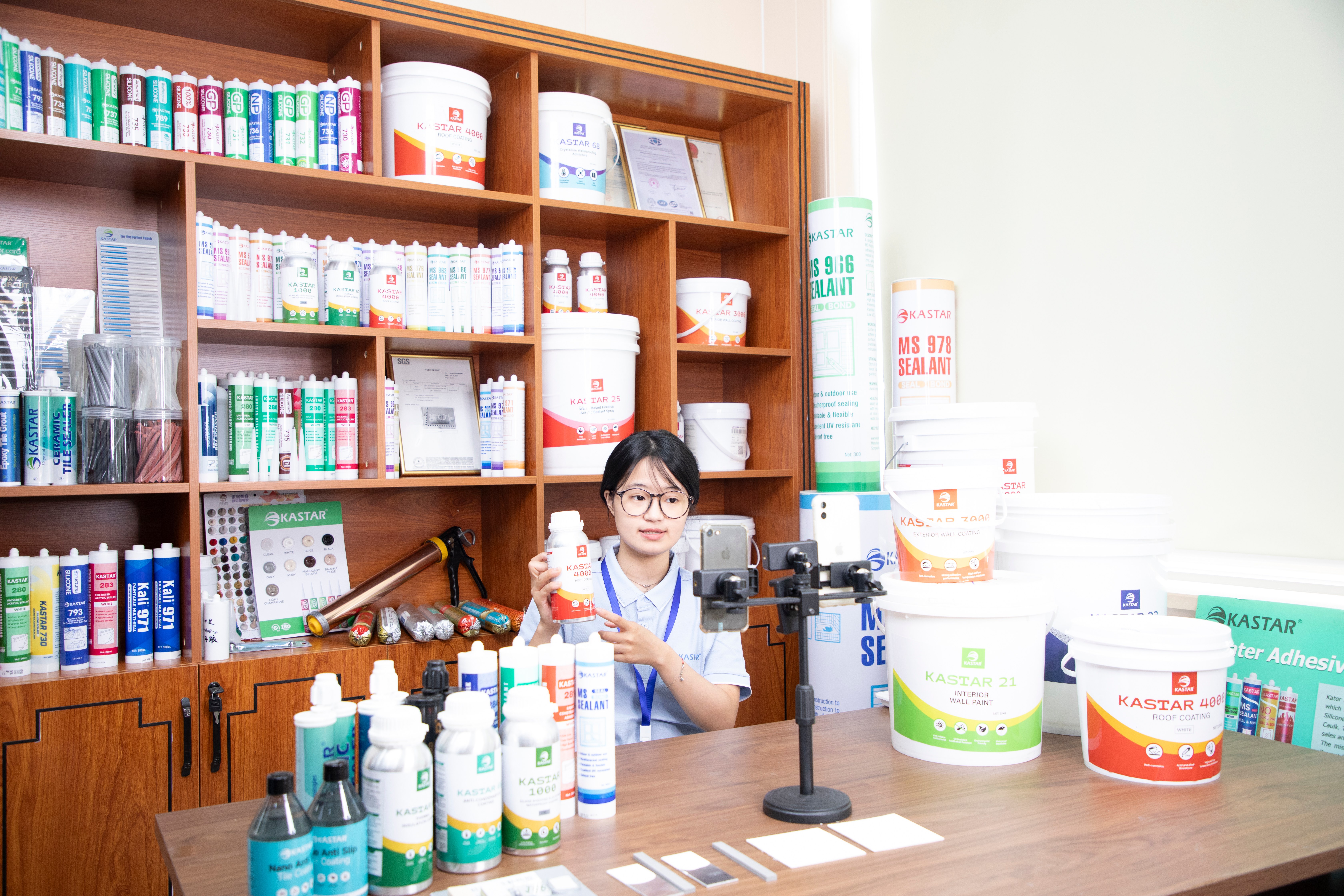
Why the Coating Decision Defines Project Costs and Risk
Once a waterproof coating is applied, correcting a failed film is expensive. Cracking, blistering, peeling, and progressive water ingress can damage the substrate and force premature removal and recoating. The initial cost difference between coating families is often small compared with the cost of a short service life or on-site failure.
Acrylic coatings are widely used because they are practical, easy to apply, and often less expensive at purchase. Polyurethane coatings are selected when a tough, high-build film is needed, especially in areas exposed to mechanical wear. Silicone waterproof coatings are commonly discussed for their weather and UV resistance, long-term elasticity, and ability to perform in environments with continuous sunlight, rain, or thermal movement. The right choice depends on the project’s exposure, movement, compliance requirements, and expected service life.
Market Context: Silicone Waterproofing Is a Growing Construction Category
External research helps buyers understand why the silicone coating category is expanding. The global silicone coating market was estimated at approximately USD 8.77 billion in 2024 and is projected to reach USD 11.27 billion by 2033, according to Grand View Research. In the composition-type segment, 100% silicone elastomeric coatings held a 41.02% share in 2025, with market researchers citing waterproofing and UV resistance as drivers. These figures do not replace project-specific testing, but they confirm that silicone products are no longer a niche in construction waterproofing.
What Buyers Should Compare: Criteria That Separate Coating Families
A useful comparison must go beyond generic descriptions. For building projects, the following criteria matter most when evaluating silicone waterproof coating against acrylic and polyurethane alternatives.
1. Weather Resistance and UV Stability
Roofs and exterior walls receive continuous sunlight, rain, and temperature changes. A coating that degrades under UV radiation loses elasticity and may crack or peel. Kastar 4000 Silicone Waterproof Coating has a UV resistance test result of 1000 hours without cracking or peeling. Its listed outdoor service life is at least 25 years. Buyers should always compare this kind of measurable data with the supplier’s expected coating thickness and installation conditions.
Acrylic coatings can perform well in moderate exterior conditions, but their weathering behavior depends on resin quality, pigmentation, and film build. Polyurethane coatings can be weather-resistant, especially when paired with UV-stable topcoats; without proper formulation, exterior UV exposure can be a limiting factor. Ask each supplier for third-party weathering data that matches your climate.
2. Flexibility and Movement Tolerance
Buildings expand, contract, and vibrate. A waterproof film must follow these movements without tearing. Elongation at break is one indicator of flexibility. Kastar 4000 Silicone Waterproof Coating lists elongation at break of at least 200% and tensile strength of at least 1.2 MPa. Its operating temperature range is listed as -80°C to 180°C, a wide window that supports use in different climate zones.
Acrylic and polyurethane products also provide flexibility, but in different forms. Acrylic films tend to offer moderate flexibility with a harder final surface. Polyurethane films are often valued for elasticity and abrasion resistance. The best choice depends on whether the substrate is likely to move and whether the surface will face mechanical stress.
3. Safety, VOC, and Chemical Compliance
For occupied buildings, schools, hospitals, and enclosed areas, VOC content and odor are increasingly part of procurement specifications. Buyers should request certificates, safety data sheets, and test reports before choosing a product. Kastar states that its products have obtained SGS, REACH, and ISO9001 certifications. The CE-certified Kastar 4000 Silicone Waterproof Coating provides a documented baseline for evaluating safety-related documentation.
When a project specification mentions low-odor or low-VOC requirements, use the supplier’s certificates as the starting point. Ask whether the product data sheet states VOC limits and whether the coating has been tested by an independent laboratory. Avoid relying only on generic marketing language such as environmentally friendly or green.
4. Certifications and Audit Trail
Certificates are not just badges; they create an audit trail for importers, distributors, contractors, and end users. Kastar 4000 Silicone Waterproof Coating is covered by CE certificate number ICR/VC/HS260188, issued by ICR for the European market. The applicable standards listed on the certificate include EN 15651-1:2017, EN 998-1:2016, and EN 13300:2001+AC:2002. The certificate is valid until 2031-01-15. Buyers should verify the certificate scope, product name, and validity before purchasing.
5. OEM/ODM and Supply Chain Capability
For distributors and brand owners, the coating itself is only one part of the purchase. The factory must support private-label packaging, formulation adjustments, consistent batch testing, and reliable delivery. Kastar provides OEM and ODM production services. Customization options include color, viscosity, packaging, and formula adjustments. Production services also cover logo, size, voltage, and formulation choices. Kastar reports that it has completed OEM production for over 600 clients.
This kind of capability matters when a buyer needs a waterproof coating that fits a local certification, a specific container, or a preferred brand identity. A factory with OEM/ODM experience can usually align its quality control procedures with the buyer’s market requirements.
Step-by-Step Comparison Process for Buyers
- Define the physical exposure. Determine whether the coating must tolerate ponding water, UV exposure, soil contact, freeze-thaw cycles, or mechanical traffic.
- Set measurable performance thresholds. Write down minimum requirements for elongation, tensile strength, UV resistance, service life, and VOC limits.
- Shortlist coating families. Use general performance profiles to eliminate options that cannot meet the threshold.
- Request compliance documents. Ask for CE certificates, ISO9001 certificates, SGS reports, REACH statements, and batch test data.
- Evaluate OEM/ODM readiness. Confirm customization options, packaging capabilities, sample policy, MOQ, and lead time.
- Validate before bulk production. Order samples, test on the actual substrate, and agree on pre-shipment inspection criteria.
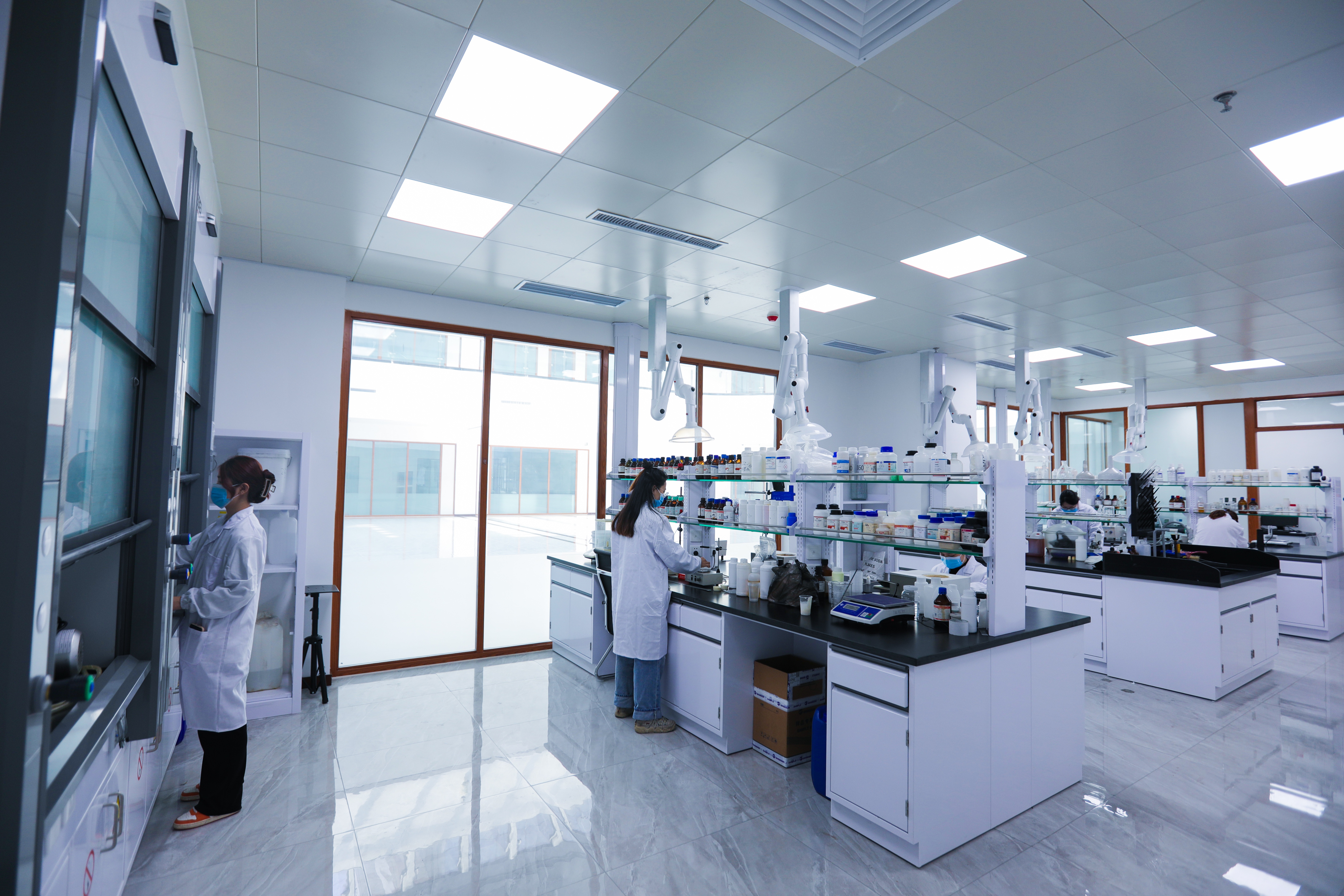
Use-Case Fit: Where Silicone Waterproof Coating Is Commonly Applied
Kastar 4000 Silicone Waterproof Coating is described as a one-component silicone waterproof coating with UV-resistant properties. According to the company’s project records, the product is used for roof waterproofing, exterior wall waterproofing, bathroom and balcony waterproofing, and basement and underground structure waterproofing. It has been successfully used by OEM waterproof coating suppliers, building material distributors, construction contractors, and roofing contractors.
Roof Waterproofing
Roofs face direct UV exposure, standing water, and thermal expansion. A silicone coating with UV resistance and wide operating temperature tolerance is often chosen for flat or low-slope roofs. The key is to verify the coating’s behavior under prolonged sunlight and ponding conditions.
Exterior Wall Waterproofing
Exterior walls are exposed to wind-driven rain and temperature swings. Flexibility helps the coating remain intact as the wall structure moves. Surface preparation and correct film thickness remain critical for all coating families.
Basement and Underground Structure Waterproofing
Basements and underground structures may face hydrostatic pressure and soil contact. The coating must form a continuous film without pinholes. Projects in these conditions should use application guidance from the manufacturer and may require multiple coats.
Bathroom and Balcony Waterproofing
Bathrooms and balconies are wet areas where periodic water contact can lead to leaks. A flexible, durable waterproof coating is needed beneath tile or over suitable substrates. Local building codes and compatibility with the finishing layer must be checked by the project engineer.
Comparison Table: Silicone vs. Acrylic vs. Polyurethane Waterproof Coating
The table below combines verified product data for Kastar 4000 Silicone Waterproof Coating with general characteristics of acrylic and polyurethane systems. Before final selection, obtain each supplier’s complete technical data sheet and certification documents.
| Comparison Point | Silicone Waterproof Coating (Kastar 4000 Reference) | Acrylic Waterproof Coating | Polyurethane Waterproof Coating |
|---|---|---|---|
| Base Chemistry | One-component silicone coating; Kastar 4000 features 98% solid content | Acrylic resin-based coating | Polyurethane-based coating |
| Weather and UV Resistance | 1000 h UV test without cracking/peeling; outdoor service life ≥ 25 years | Performance depends on resin quality and film build; commonly used for moderate exterior exposure | Can be weather-resistant; UV-stable topcoats are often specified for exterior use |
| Flexibility | Elongation at break ≥ 200%; tensile strength ≥ 1.2 MPa | Moderate flexibility in many standard formulations | High elasticity possible in high-performance polyurethane systems |
| Temperature Range | -80°C to 180°C | Typical building-use range; check supplier data | Varies by formulation; check low- and high-temperature limits |
| Safety and Certification Records | CE certificate ICR/VC/HS260188; company reports SGS, REACH, and ISO9001 certification | Check VOC, local standards, and third-party test reports | Check isocyanate handling requirements and VOC documentation |
| Typical Building Applications | Roof, exterior wall, bathroom and balcony, basement and underground structures | Walls, ceilings, and general building maintenance | Flooring, high-traffic areas, and surfaces needing tougher films |
| OEM/ODM Support | Customizable color, viscosity, packaging, formula; logo, size, voltage, and formulation options | Varies by manufacturer | Varies by manufacturer |
This comparison is not an absolute ranking. Acrylic products can be the most practical choice in mild interior conditions. Polyurethane products can outperform silicone on abrasion or mechanical impact. Silicone waterproof coatings are most compelling when long outdoor life, UV stability, flexibility, and documented compliance are the top priorities.
Supplier Due Diligence for Construction and Decoration Buyers
When comparing coating suppliers, verify more than the price list. Kastar Adhesives Technologies Co., Ltd. is a China-based manufacturer of coating, paint, sealant, and adhesive products. Its company profile reports a 150,000 m² factory, over 200 employees, and a research and development team of 28 engineers. The company is also described as a national high-tech enterprise and a participant in Chinese standard development for silicone waterproof coatings. These facts indicate factory depth, but they should be confirmed through audits and documentation.
Kastar reports exporting to 69 countries and serving over 1000 customers. Its product has been implemented in Australia, Canada, the United States, and multiple countries across Europe, Asia, and the Americas. These statements are useful for a buyer checking whether a supplier has cross-border experience and references outside its home market.
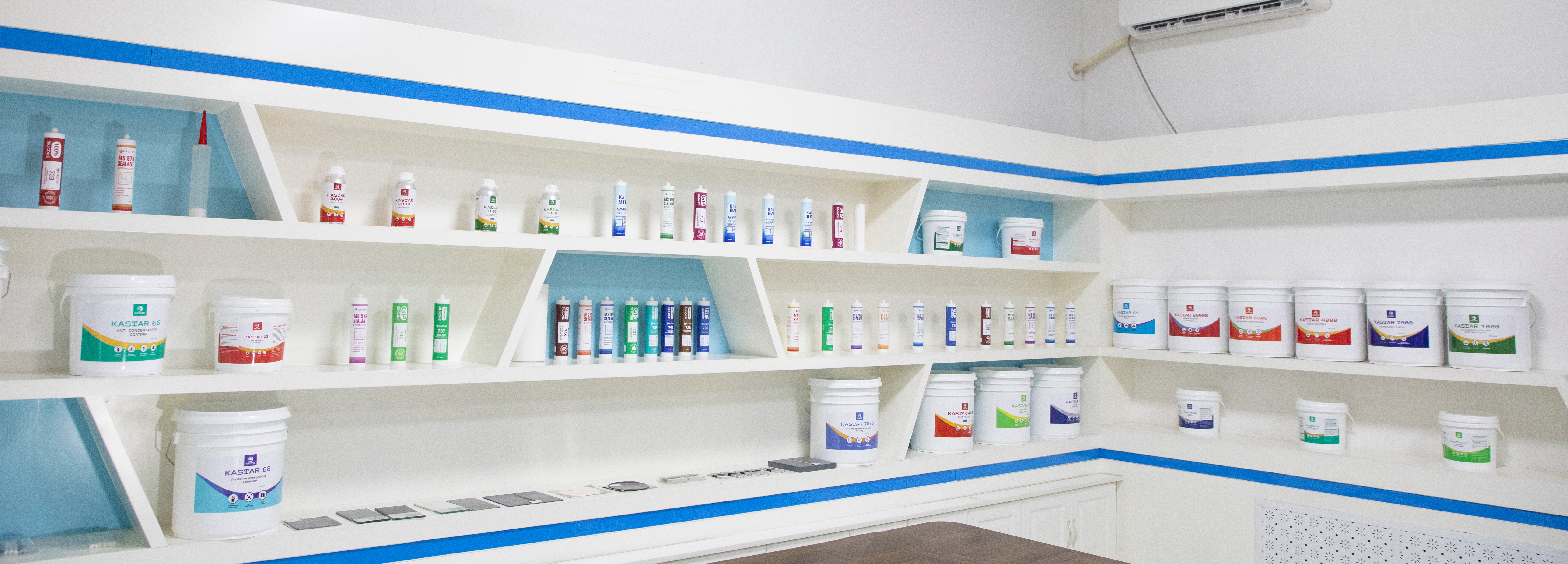
Frequently Asked Questions
Does Kastar 4000 silicone waterproof coating meet CE and SGS requirements?
Kastar 4000 Silicone Waterproof Coating is CE-certified under certificate number ICR/VC/HS260188 issued by ICR. The CE standards include EN 15651-1:2017, EN 998-1:2016, and EN 13300:2001+AC:2002. Kastar also reports SGS, REACH, and ISO9001 certifications for its product range. Buyers should request the certificate and its scope before order confirmation.
Can silicone waterproof coating be customized for OEM or ODM projects?
Yes. Kastar provides OEM and ODM production services. Customization options include color, viscosity, packaging, and formula adjustments, with production services covering logo, size, voltage, and formulation choices. The company has completed OEM production for over 600 clients.
What are the bulk order and payment terms for silicone waterproof coating?
Documented ordering references show a 50-bucket procurement MOQ and a 100-bucket OEM/ODM MOQ, with payment terms of 30/70 and delivery methods such as FOB or CIF. Exact terms should be confirmed with the factory because formula and packaging changes can affect MOQ.
Can I get samples or pre-shipment testing before bulk production?
Yes. Kastar’s manufacturing process includes 12 production and testing steps from production to delivery, and batch sample testing is used to check product quality. Procurement support also recognizes pre-shipment tests, so purchasers can request samples and inspection before shipment.
What is the typical lead time for OEM orders?
The factory lists a 15–20 day lead time for production and provides remote after-sales support. For project quantities and current lead time, contact Kastar’s export team or use the brochure provided below.
Conclusion
Silicone waterproof coating is not automatically the right answer for every construction or decoration project. Acrylic and polyurethane systems remain legitimate options in many applications. However, when buyers compare weather resistance, UV exposure, flexibility, environmental safety, certifications, and factory support, silicone products often provide a strong balance of long service life and lower lifetime risk.
For OEM/ODM buyers, the decision should also include the supplier’s ability to customize formula, packaging, and labels while maintaining batch testing and certification compliance. Kastar 4000 Silicone Waterproof Coating provides a documented example of a CE-certified, one-component silicone product that has been adopted in roofs, exterior walls, bathrooms, balconies, basements, and underground structures. Kastar has carried out OEM production for over 600 clients and exports to markets that include Australia, Canada, the United States, Europe, Asia, and the Americas.