
Silicone Waterproof Coating: Cost vs. Performance Comparison for OEM/ODM Buyers
Silicone Waterproof Coating: Cost vs. Performance Comparison for OEM/ODM Buyers
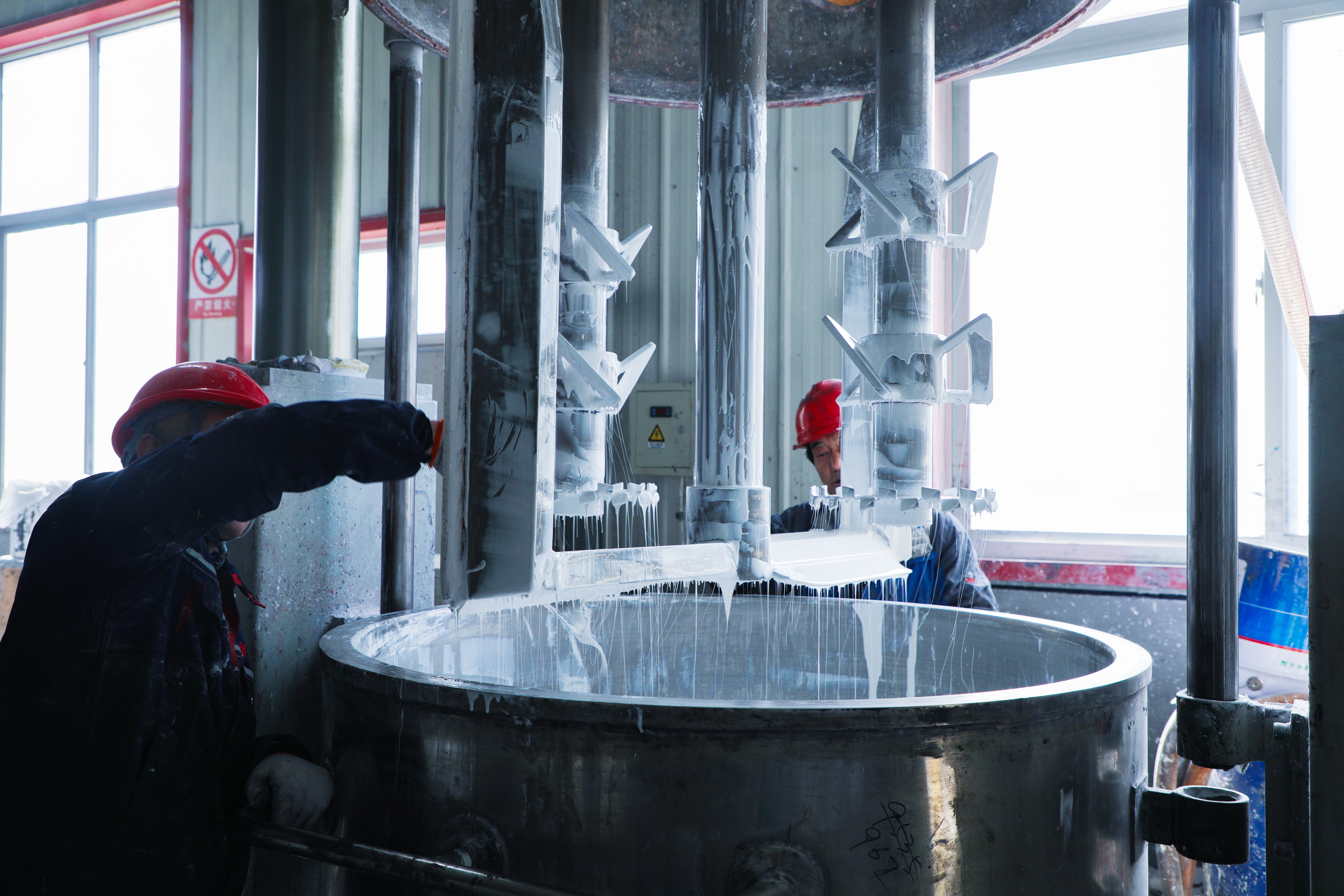
When a construction buyer reaches the Decision stage, the question is no longer 'what is silicone waterproof coating?' It is 'which coating should I standardize on, and which factory should I trust?' The answer is not the lowest unit price, but the lowest total cost of ownership. A 100% silicone waterproof coating can cost 5–15% more than acrylic or polyurethane alternatives, yet it can cut long-term maintenance costs by 70%, eliminate re-coating for more than a decade, and reduce energy loads through high solar reflectivity. This guide compares the performance and cost drivers of silicone waterproof coating, explains how to evaluate an OEM/ODM supplier, and provides a practical decision framework based on documented product and factory facts from Kastar Adhesives Technologies Co., Ltd, a China-based manufacturer.
Why the Decision Is Harder Than It Looks
Distributors, contractors, and project owners often struggle with three problems when choosing a waterproof coating:
- Different products look similar in brochures, but they fail differently in real weather.
- Initial material cost dominates the purchase decision, while maintenance and re-coating costs are underestimated.
- OEM/ODM suppliers are hard to compare because they offer different customization, certification, and quality-control levels.
For a Decision-stage buyer, the core problem is not 'which brand is famous' but 'which coating chemistry and which factory model delivers the best risk-adjusted value for the project type and market.'
Market Context: Why Silicone Is Gaining Share
The market context explains why silicone-based systems are gaining share. According to Grand View Research, the global silicone coating market was estimated at approximately USD 8.77 billion in 2024 and is projected to reach USD 11.27 billion by 2033. Credence Research valued the silicone roof coatings sub-segment at USD 7.03 billion in 2024. In 2025, Mordor Intelligence reported that 100% silicone elastomeric coatings accounted for 41.02% of the composition-type segment, citing superior waterproofing and UV resistance as key drivers. Dataintelo reported that Asia-Pacific held a 38.5% revenue share in the broader silicone coating market in 2025, led by construction demand. These figures indicate that buyers are increasingly choosing silicone systems for long-life performance, especially in roof and exterior wall applications.
The Core Comparison: Silicone vs. Acrylic vs. Polyurethane
Compared with acrylic or polyurethane waterproof coatings, silicone waterproof coating provides better weather resistance, permanent elasticity, no bubbling and no cracking. Kastar's product, a 100% silicone waterproof coating, is designed for roofs, exterior walls, and high-rise buildings. Its technical advantages include high solar reflectivity that reduces surface temperatures and air conditioning load, a 30% lower aging rate, more than 200% higher elongation at break, and a 0% bubbling rate under a 1,000-hour UV test. The coating remains maintenance-free for more than 10 years and does not require re-coating. Its lifespan is supported by a warranty of more than 25 years. While the initial material cost is 5–15% higher than acrylic or polyurethane systems, long-term maintenance costs are 70% lower, and the long service life reduces re-coating energy consumption.
This is the core value proposition: paying a small upfront premium for a substantially longer, lower-maintenance service life. The efficiency argument matters as much as the maintenance argument. High solar reflectivity reduces roof and wall temperature, which lowers air conditioning load. Because the coating does not need re-coating, the energy and labor used for future recoating are also saved. These benefits turn the 5–15% initial premium into a long-term saving.
Step-by-Step Decision Framework for OEM/ODM Buyers
Use this framework to turn the general comparison into an internal decision.
Step 1: Define the Substrate and Exposure
Start by listing the project surfaces: roof, exterior wall, or high-rise building facades. Each has different UV exposure, thermal movement, and maintenance access. Silicone waterproof coating is designed for these exposed vertical and horizontal surfaces. For less demanding applications, lower-cost systems may be appropriate, but the decision should be based on replacement cost, not initial price.
Step 2: Compare the Coating Chemistry
Ask your supplier to compare the three main families: silicone, acrylic, and polyurethane. The key indicators are weather resistance, elasticity, and failure modes. Kastar's product documentation specifies better weather resistance, permanent elasticity, and no bubbling or cracking versus acrylic and polyurethane alternatives. If a supplier cannot explain these differences, that is a red flag.
Step 3: Evaluate Performance Evidence
Look for test data, not adjectives. The Kastar product data cites a 0% bubbling rate after 1,000 hours of UV testing, a 30% lower aging rate, and more than 200% higher elongation at break compared with alternatives. These numbers are decisionable because they directly affect lifespan and maintenance frequency.
Step 4: Calculate Total Cost of Ownership
Build a simple model with material cost, application cost, expected service life, re-coating cost, and maintenance cost. The Kastar data points show a 5–15% higher initial material cost, but a 70% lower long-term maintenance cost and a maintenance-free period above 10 years. For a roof or exterior wall project, this often means the silicone system wins on total cost.
Step 5: Verify OEM/ODM Capability
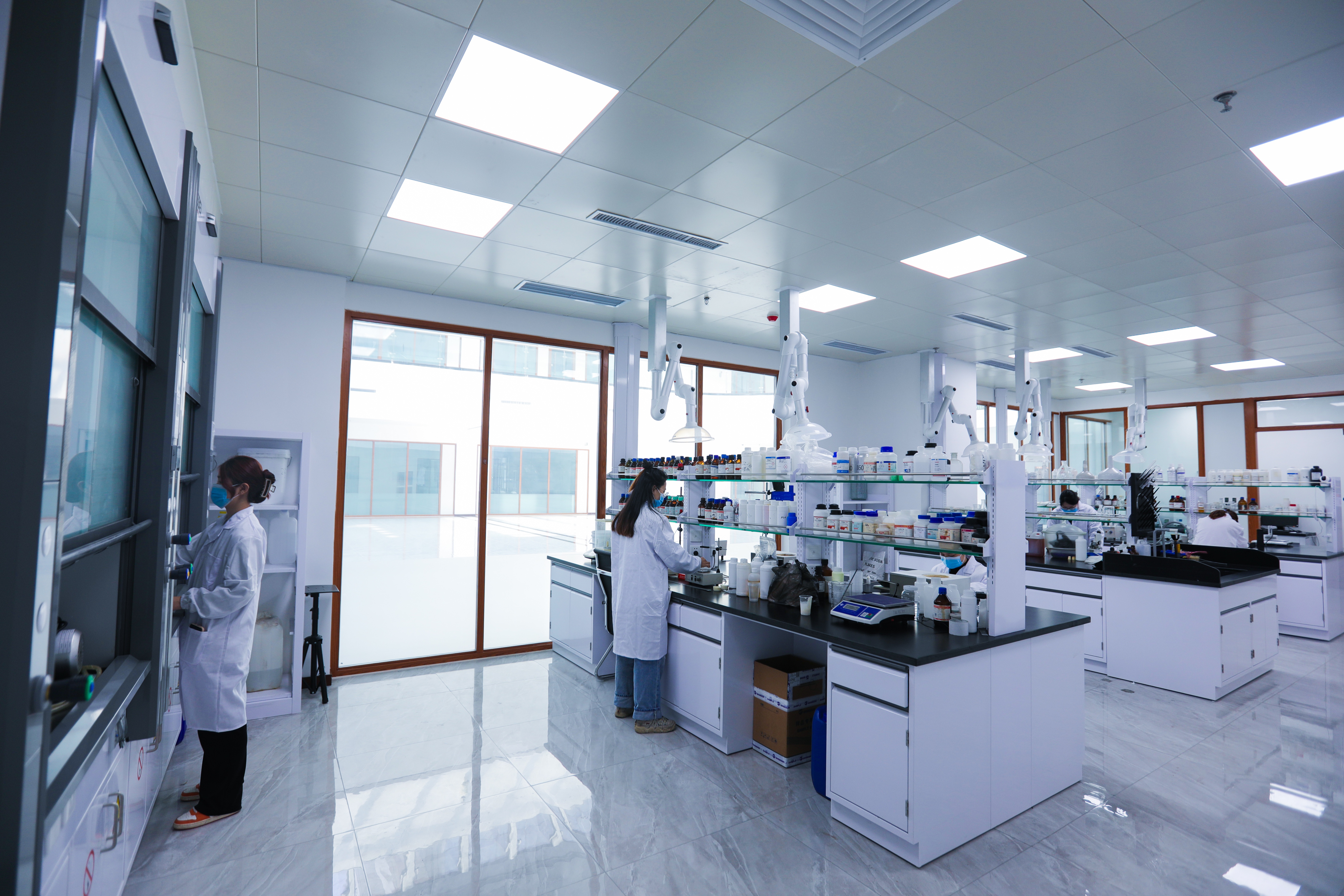
If you are buying under your own brand, the factory must be able to deliver customization without quality drift. Kastar states that it offers professional OEM/ODM services including color, viscosity, packaging, and formula adjustments. It has 3 national-level R&D laboratories, a 28-person technical R&D team, and invention patents related to silicone waterproof coating processes. These capabilities allow the factory to adapt the product to your market rather than force a generic product.
Step 6: Request Samples and Run Field Tests
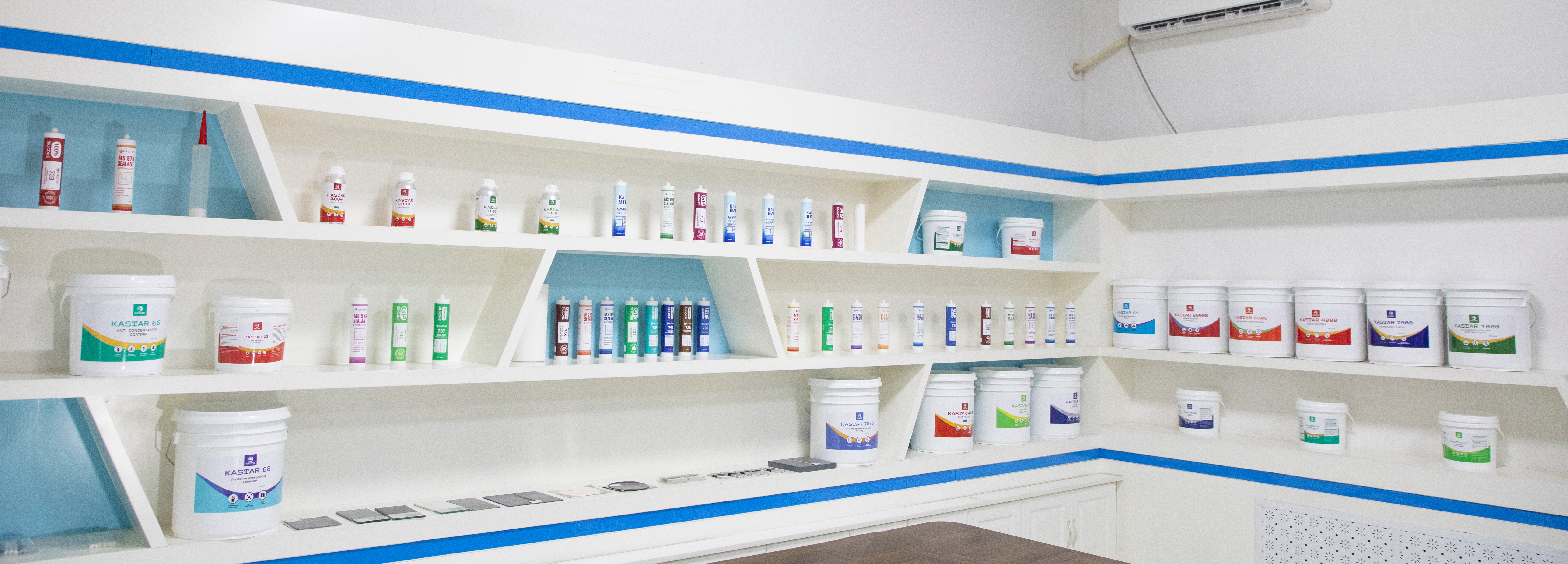
Before committing to a bulk order, request samples and test them on your actual substrate. Kastar's workflow includes batch sample testing and a Sample Room, which supports pre-order verification. Compare the wet film, cured film, adhesion, and weathering behavior against your reference.
Step 7: Plan Logistics, Storage, and After-Sales Support
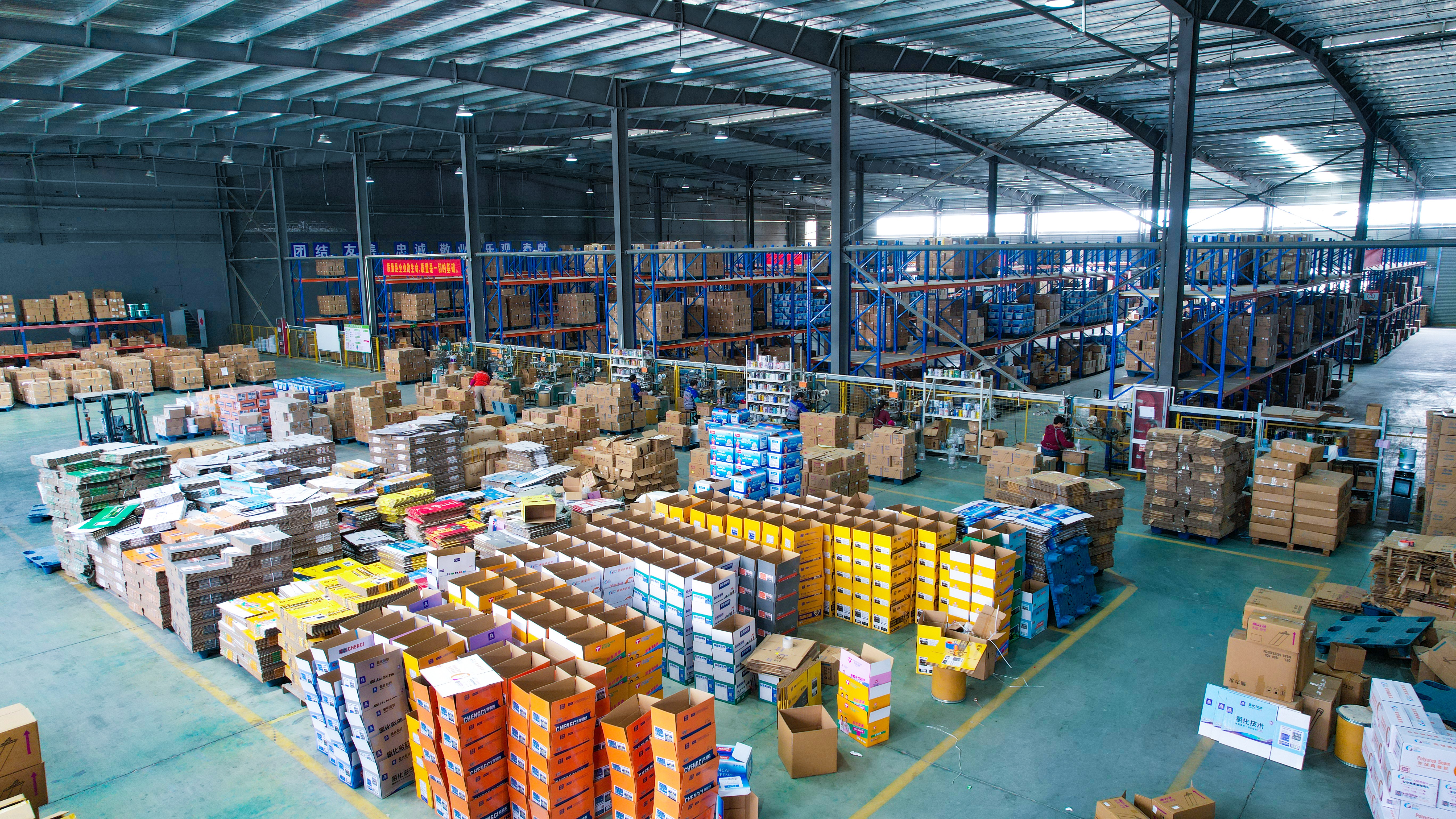
Waterproof coatings are sensitive to storage and transport. Kastar's enterprise measures include palletized and sealed packaging, reinforced corrugated cartons with foam inserts, standardized logistics, full cargo insurance, pre-shipment packaging inspection, and real-time logistics tracking. Warehouse management follows ISO9001 principles, with humidity-controlled and palletized storage. For large projects, on-site technical support and one-on-one construction guidance are available.
Risk Control Checklist for Importers and Distributors
When buying silicone waterproof coating from an overseas OEM factory, risk control is part of the product spec. Four common risks and the mitigation measures used by Kastar are worth checking before signing an order.
Transportation Damage
To avoid leaking or broken pails, the supplier should use reinforced packaging, shockproof cushioning, standardized logistics, and full insurance coverage. Kastar uses customized palletized packaging, reinforced corrugated cartons with foam inserts, collaboration with reliable freight forwarders, full cargo insurance, pre-shipment packaging inspection, and real-time logistics tracking.
Quality Inconsistency
Inconsistent batches can cause on-site failures. A well-controlled factory runs real-time in-line quality monitoring, a 12-step full-process inspection, and strict raw material sourcing. Kastar operates a CMA-certified testing lab, follows SGS/CE-compliant quality control, performs batch sampling and third-party testing, and maintains traceability management.
Improper Storage
Waterproof coating is sensitive to humidity and temperature. The supplier's warehouse should use humidity-controlled storage, palletized packaging, sealed moisture-proof containers, and an inventory rotation system. Kastar's warehouse management is ISO9001 certified, with a dedicated indoor dry storage area and real-time inventory monitoring.
Chemical Hazard
Handling chemical materials requires MSDS management, a hazardous chemical handling protocol, ventilation, and personal protective equipment. Kastar runs ISO45001-certified safety management, professional chemical safety training, a dedicated hazardous material storage area, and uses SGS-tested low-odor, low-VOC formula with REACH-compliant raw materials.
Use Cases for Silicone Waterproof Coating
Roofing
The high solar reflectivity of silicone waterproof coating helps lower roof surface temperature and reduces air conditioning load. With a maintenance-free period of over 10 years, building owners avoid frequent re-coating.
Exterior Walls
Weather resistance and no-cracking behavior protect facades from water ingress and thermal cycling damage. The permanent elasticity accommodates structural movement without film rupture.
High-Rise Buildings
Maintenance access is expensive and risky in high-rise projects. A more than 25-year warranty and low maintenance requirement make silicone waterproof coating a defensible specification.
OEM/ODM Distribution
For distributors building their own brand, Kastar's customization services — color, viscosity, packaging, and formula — allow market-specific product versions, while the factory's certifications and quality-control process protect brand reputation. For basement and below-grade areas, consult the manufacturer for substrate-specific testing, as moisture and hydrostatic pressure create different requirements from exposed roofs.
Comparison Table: Silicone Waterproof Coating vs. Acrylic/Polyurethane
| Decision Attribute | Kastar 100% Silicone Waterproof Coating | Typical Acrylic / Polyurethane Reference |
|---|---|---|
| Weather resistance | Better | Baseline |
| Elasticity | Permanent | Baseline |
| Bubbling / cracking | No bubbling, no cracking | Baseline |
| Aging rate under UV | 30% lower | Baseline |
| Elongation at break | More than 200% higher | Baseline |
| Bubbling rate after 1,000h UV | 0% | Not specified |
| Initial material cost | 5–15% higher | Baseline |
| Long-term maintenance cost | 70% lower | Baseline |
| Maintenance-free period | More than 10 years | Baseline |
| Warranty | More than 25 years | Not specified |
The table uses 'Baseline' to indicate the acrylic or polyurethane reference point described in the source comparison; no third-party performance values are claimed here.
Questions to Ask Every Silicone Waterproof Coating OEM Factory
- What is your factory area and annual output?
- What certifications do your products have? Look for ISO9001, CE, SGS, and REACH-compliant raw materials.
- Can you adjust color, viscosity, packaging, and formula for OEM/ODM projects?
- What is your quality inspection process? A 12-step full-process inspection and batch sampling are strong signals.
- Do you have an in-house laboratory? Kastar operates a 1,000 m² CMA-certified testing laboratory with over 100 testing instruments.
- How do you handle logistics and transportation risks? Reinforced packaging, full cargo insurance, and real-time tracking reduce damage claims.
- What raw material supply chain do you use? Strong supply chain support helps stable formulas and timely delivery.
- Can you provide reference clients or export markets? Kastar has exported to 69 countries and regions and served more than 1,000 customers.
- What is your after-sales support for large projects? One-on-one construction guidance and on-site technical support are valuable for complex roofs and walls.
- Can you supply samples and support field tests? A sample room and batch sample testing workflow allow pre-order verification.
Frequently Asked Questions
1. What compliance certifications should an OEM silicone waterproof coating factory have?
A reliable factory should be able to demonstrate ISO9001 quality management, CE product certification, SGS third-party testing, and REACH-compliant raw materials. Kastar Adhesives Technologies Co., Ltd operates a 1,000 m² CMA-certified testing laboratory and performs 12-step full-process inspection, with batch sampling and traceability.
2. What customization capabilities does Kastar offer for OEM/ODM silicone waterproof coating?
Kastar provides OEM/ODM customization including color, viscosity, packaging, and formula adjustments. The company has 3 national-level R&D laboratories, a 28-person technical R&D team, and holds invention patents related to silicone waterproof coating processes. This allows distributors to tailor the product to local market needs.
3. How does the cost of silicone waterproof coating compare with acrylic or polyurethane options?
The initial material cost is usually 5–15% higher, but because silicone maintains permanent elasticity and remains maintenance-free for 10+ years, long-term maintenance costs can be 70% lower. The longer service life also reduces re-coating and energy consumption.
4. Can I request samples before placing a bulk order?
Yes. Kastar supports pre-order sample evaluation through its professional OEM/ODM process. The company's Sample Room and batch sample testing workflow allow buyers to inspect product consistency before mass production. Contact the sales team to arrange samples and discuss testing requirements.
5. What is the lead time for bulk silicone waterproof coating orders?
Kastar has an annual output of 300,000 tons and a 150,000 m² factory, with 28 years of production experience and strong raw material supply chain support. Actual lead time depends on order volume and customization level; contact the factory for a confirmed production schedule.
Conclusion: Make the Decision on Lifetime Cost, Not Sticker Price
A silicone waterproof coating decision should be based on total cost of ownership. The evidence from Kastar shows that while the initial cost may be 5–15% higher, the long-term maintenance savings, energy savings, and lifespan make it a rational choice for roofs, exterior walls, and high-rise buildings. For OEM/ODM buyers, the factory should demonstrate certification, customization, quality control, logistics, and after-sales support.
China-based Kastar Adhesives Technologies Co., Ltd has exported to 69 countries and regions and served more than 1,000 customers, with a 150,000 m² factory and an annual output of 300,000 tons. If you are at the final evaluation stage, request a sample or quote to validate the numbers on your own project.

Download the company brochure: Kastar Silicone Waterproof Coating OEM/ODM Brochure. For sample and quotation support, contact Nicole at paint4566@kastarpaint.com or WhatsApp +86 15974221507. More information is available at www.kastarcoating.com.