Disposable Food Paper Container Technical Guide: PE Coating, Substrates, and Model Sizing
Two buyers can order a container carrying the same model number from two suppliers and receive items that hold different volumes, stack to different heights, and behave differently once a hot, oily sauce is inside. On a disposable food paper container, the number printed on the carton is not an industry standard. It is a supplier-specific model designation tied to one substrate and one coating build.
This guide unpacks the three substrate-and-coating builds used across the KingHonor disposable food paper container range — kraft paper with PE coating, coated white cardboard, and cup base paper with PE coating — and explains how model codes are structured across the Kraft Paper Bowl ZT, Kraft Paper Square Box XQ, White Kraft Food Tray ZT and Printed Disposable Paper Food Container lines. KingHonor Paper Products Co., Ltd. is a Vietnam-based manufacturer of disposable paper cups, paper bowls and food containers, founded in 2018, serving export markets that include the United States, Europe, Australia and the Middle East (kinghonorpack.com).
The Problem: When a Model Code Is Not a Specification
Foodservice projects rarely fail because a supplier cannot make a paper container. They fail because the specification sent to the supplier describes a shape, while the food the container will hold describes a chemistry problem. A kraft bowl carrying a hot, chilli-oil noodle dish and the same kraft bowl carrying a cold salad at a hotel breakfast buffet are two different engineering requirements wearing the same silhouette.
In practice, container failures at the buyer end cluster into five recurring patterns:
- Seam wicking. Liquid travels along the side seam before the wall itself fails, so the leak appears at the joint rather than at the base.
- Base softening. The bottom disc takes up moisture and the container loses rigidity under load, which shows up as buckling in the hand or in the delivery bag.
- Oil migration. Grease passes the barrier and marks the carton, the table surface, or the customer's hands — a defect that only becomes visible after the food has been sitting.
- Rim mismatch. A lid, film or sleeve made for a nominal code from one supplier does not seat on the rim of another supplier's container with the same code.
- Freight planning errors. Case count and stacking height are calculated from an assumed model size rather than a measured one, and the error only surfaces in the warehouse.
Each of these is a specification gap, not a production accident. Closing the gap requires three links to be explicit: model code to dimension, substrate to food chemistry, and coating to holding time.
Industry Background: Why Paper Specification Discipline Matters Now
The paper share of takeaway packaging is large enough that specification errors carry real commercial weight. The global takeaway containers market was valued at USD 15.8 billion in 2024, with paper and paperboard accounting for a 31% share of that value (Verified Market Reports). The paper and paperboard segment of food packaging is forecast to grow at a CAGR of 6.2% between 2026 and 2034 (Grand View Research). Trade flows point the same way: in 2024 the United States imported USD 3.61 billion in paper containers, with China as the second-largest supplier at USD 858 million (OEC).
For a project team, the operational reading of these figures is not simply that the category is expanding. It is that more foodservice programmes are being converted from plastic to paper, and every conversion forces a fresh decision about which paper, which coating, and which model — decisions that were previously settled by a plastic mould number.
Detailed Solution: Three Substrate and Coating Builds
Build 1 — Kraft paper with PE coating: Kraft Paper Bowl ZT and Kraft Paper Square Box XQ
Kraft Paper Bowl ZT and Kraft Paper Square Box XQ are both built on kraft paper with a PE coating. The substrate choice is visible in the finished product: kraft paper carries the natural fibre tone associated with kraft pulping, which is why it is usually specified when the container itself is part of the brand presentation rather than a neutral carrier behind a label.
Kraft Paper Bowl ZT is offered in seven model codes: 500, 700, 900, 1000, 1100, 1300 and 1500. Kraft Paper Square Box XQ is offered in six: No.1 Square Box, No.2 Square Box, No.3 Square Box, No.4 Square Box, No.5 Square Box and No.8 Square Box. Both lines list hotels, beverage chains, fast food chains and airlines among their application industries — a span that already implies two very different duty cycles, since an airline catering container and a street-level takeaway bowl are handled, stacked and held at temperature in completely different ways.
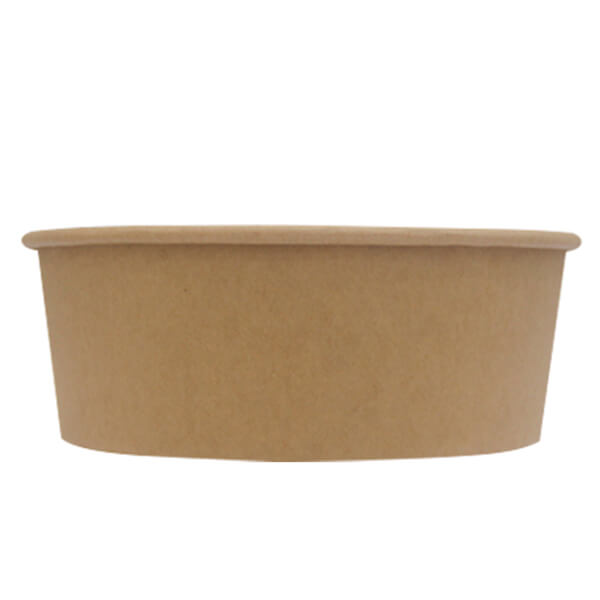
In this build, the PE layer on the food-contact side is the barrier. The paper provides structure, print surface and rigidity; the coating provides the oil-proof and waterproof behaviour. When a menu changes from a dry item to a sauce-heavy one, the paper does not need to change — the coating specification is the variable to review.
Build 2 — Coated white cardboard: White Kraft Food Tray ZT
White Kraft Food Tray ZT uses coated white cardboard as its specified material and is available in nine codes: #025, #040, #050, #100, #200#, #250, #300, #500 and #1000. Its listed application industries are catering and food takeaway — the boat-tray format that dominates buffet service, catering lines and grab-and-go counters.
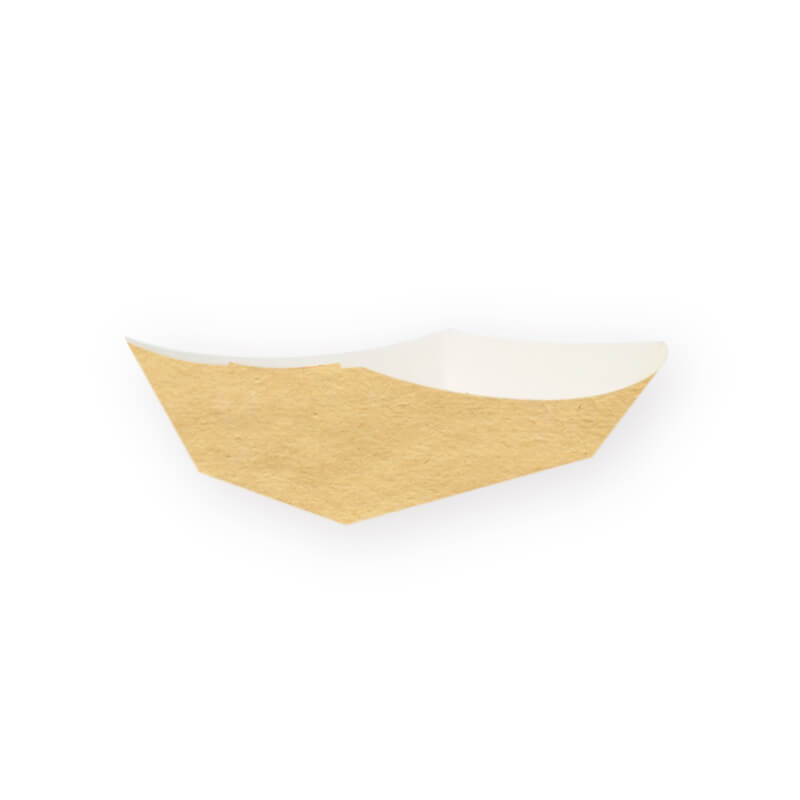
One naming detail matters when this line is quoted across suppliers: the product name is White Kraft Food Tray ZT, while the specified material is coated white cardboard. A buyer comparing offers should quote and compare the material line, not the product name, because a tray marketed as a "white kraft" product by another supplier may sit on a different base board with different rigidity and print behaviour.
Build 3 — Cup base paper with PE coating: Printed Disposable Paper Food Container
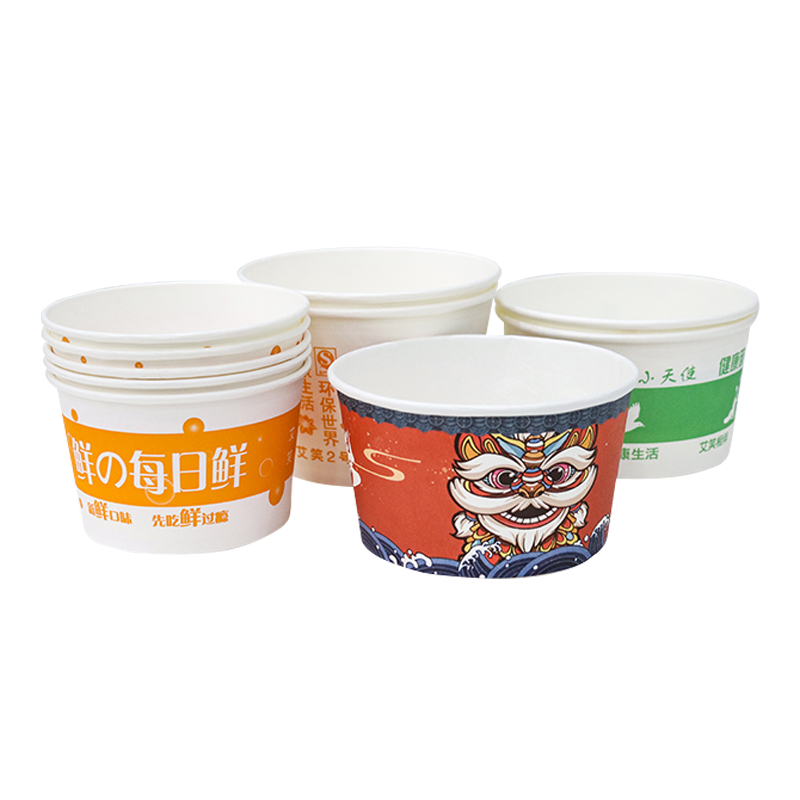
The Printed Disposable Paper Food Container is built on cup base paper with PE coating and is offered in five model codes: 500, 600, 850, 960 and 1100. Its listed application industries are hotel groups, milk tea chains, fast food restaurants and airlines — programmes where the container is printed, visible to the customer, and usually specified alongside a matching cup and lid system.
Because this build is explicitly a printed format, the print run and the barrier layer have to be planned together. The coating is what the food touches; the printing is what the customer sees. A reprint with new artwork should not become an occasion to re-specify the coating by accident.
What PE coating actually does — and what the specification does not publish
KingHonor states that its products can be produced with PE coating or PLA coating for oil-proof, waterproof and heat insulation performance. Two practical conclusions follow from that statement.
First, the functional properties of these containers come from the coating rather than from the paper. That is why substrate and coating must be specified as a pair in any purchase document.
Second, the supplied product specification does not publish coating grammage, barrier test values or the test method behind the oil-proof and waterproof claims. A buyer should therefore request measured data — and the test conditions used to produce it — instead of treating the words "oil-proof" and "waterproof" as a warranty. This is not a criticism of the product; it is the difference between a marketing description and a procurement-grade specification.
Where a project requires a bio-based coating option rather than polyethylene, PLA coating is the alternative KingHonor lists. Buyers should confirm the coating route in writing at quotation stage, because the coating choice drives both the performance envelope and the compliance documentation attached to the order.
Model Designation Logic: How the Four Families Are Coded
The four product lines do not share one numbering system, and treating them as if they do is the single most common source of ordering error. A bowl coded 500, a printed container coded 500, and a tray coded #500 are three unrelated items.
| Product line | Code pattern | Codes listed | What the pattern shows |
|---|---|---|---|
| Kraft Paper Bowl ZT | Plain numeric, three to four digits | 500, 700, 900, 1000, 1100, 1300, 1500 | A seven-step series ascending from 500 to 1500, with published millimetre dimensions for the four lowest codes. |
| Kraft Paper Square Box XQ | "No. X Square Box" | No.1, No.2, No.3, No.4, No.5, No.8 | An ordinal series that skips No.6 and No.7 — an available-model list, not a continuous size ladder. |
| White Kraft Food Tray ZT | "#" prefix plus numeric | #025, #040, #050, #100, #200#, #250, #300, #500, #1000 | Mixed digit lengths and a trailing "#" on one code, so the string must be quoted exactly as issued. |
| Printed Disposable Paper Food Container | Plain numeric, three to four digits | 500, 600, 850, 960, 1100 | A five-code series that is not continuous — the gaps are part of the standard range. |
The practical rule is short: never transfer a model code between product lines, and never assume a code maps to a capacity unit. Model codes are internal designations. The dimension table is what a packaging engineer or a buyer should work from.
Documented Dimensions for Kraft Paper Bowl ZT
Millimetre dimensions are published for four of the seven Kraft Paper Bowl ZT codes. These are the figures to use when checking whether a bowl fits a delivery bag, a tray slot, a sealing machine or an airline catering cart.
| Model | Size as listed (mm) | Specification status |
|---|---|---|
| 500 | 50x128x45mm | Dimension listed |
| 700 | 150x128x60mm | Dimension listed |
| 900 | 180x160x51mm | Dimension listed |
| 1000 | 150x128x75mm | Dimension listed |
| 1100 | — | Model available; dimension not published in the supplied specification |
| 1300 | — | Model available; dimension not published in the supplied specification |
| 1500 | — | Model available; dimension not published in the supplied specification |
Step-by-Step: Matching a Foodservice Project to a Container Build
Step 1 — Profile the food, not the menu name
Write down what the container will actually meet: oil content, free liquid, holding temperature, expected standing time between packing and eating, and whether the food is stacked. A menu label such as "signature bowl" tells a supplier nothing; "hot, oil-based sauce, packed hot, stacked two high in a delivery bag" tells them which barrier and which base rigidity to quote.
Step 2 — Select the substrate family
Choose kraft paper where the natural fibre appearance is part of the brand and the container is customer-facing. Choose coated white cardboard where a white, print-friendly surface is required for catering and tray service. Choose cup base paper with PE coating where the project is a printed, high-visibility programme tied to a beverage or chain menu.
Step 3 — Set the coating route in writing
Specify PE coating as the standard route, and PLA coating where a bio-based coating is required by the project brief. Ask for the coating to be named on the quotation, not just on the website, so a reorder does not silently change the barrier.
Step 4 — Convert the requirement into a model code plus a dimension
Pick the code from the correct product line, then confirm the millimetre size from the published data or from a measured sample. Where the dimension is not published, the sample measurement becomes the specification. Record both the code and the dimension in the purchase order, because the code alone is not portable between suppliers.
Step 5 — Validate with a sample and the documentation package
Before volume production, test the actual container with the actual food under the actual holding conditions, and collect the compliance documents that the destination market requires. Sample testing and document review answer different questions and neither substitutes for the other.
Use Cases: Which Build Fits Which Scenario
Takeaway and delivery
Delivery is the hardest duty cycle because the container is packed hot, sealed, tilted and stacked before it is opened. Kraft Paper Bowl ZT covers the sauce-heavy and soup-adjacent menu items, while Kraft Paper Square Box XQ handles multi-component meals where a bowl shape wastes volume. For both, the coating — not the paper — should be reviewed whenever the menu adds a wetter or oilier item.
Bakery and pastry counters
Pastry and bakery service favours the boat-tray format, which is where White Kraft Food Tray ZT sits. Coated white cardboard keeps the surface clean and print-ready, and the tray format lets counter staff load without a lid operation. Because butter and cream are oil-phase rather than water-phase, the oil-proof behaviour of the coating is the property to test first.
Airline and institutional catering
Airline catering imposes a rigid set of constraints: fixed cart dimensions, fixed stacking heights, and a single service window. KingHonor lists airlines among the application industries for Kraft Paper Bowl ZT, Kraft Paper Square Box XQ and the Printed Disposable Paper Food Container, and its airline application is documented across paper cups and paper bowls. For this segment the dimension table is the entry ticket — a bowl that is right in volume but wrong in rim or height will fail in the cart regardless of coating quality.
Canteen and fast food service
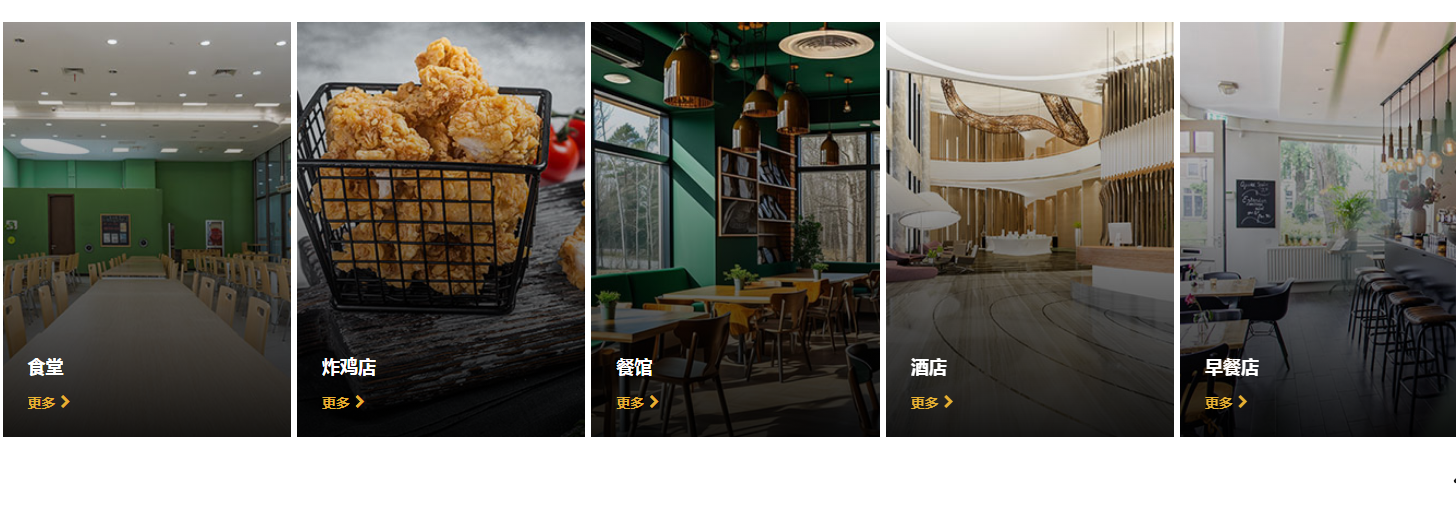
Canteens and fast food chains operate on throughput and consistency. KingHonor reports supplying 10 million disposable food containers monthly to well-known fast food chains, with customised logo printing used for brand promotion. For a chain project, the specification should lock the model code, the dimension, the coating route and the artwork version together, because a mid-year reprint is the point at which uncontrolled substitutions tend to occur.
Portable picnic and outdoor service
Outdoor and picnic service prioritises stacking efficiency and rigidity in the hand over extended holding time. The square box and tray formats carry better in a bag than a tall bowl, and the kraft finish suits the informal presentation. Buyers in this segment should still specify the coating route explicitly, since the container may sit in a warm car before it is used.
Comparison Table: Substrate, Coating and Model Range at a Glance
| Product line | Substrate | Coating / material note | Model codes | Documented dimensions | Typical project fit |
|---|---|---|---|---|---|
| Kraft Paper Bowl ZT | Kraft paper | PE coating | 500, 700, 900, 1000, 1100, 1300, 1500 | 500: 50x128x45mm; 700: 150x128x60mm; 900: 180x160x51mm; 1000: 150x128x75mm | Hot noodles, rice bowls, sauce-heavy takeaway; hotel, chain and airline catering |
| Kraft Paper Square Box XQ | Kraft paper | PE coating | No.1, No.2, No.3, No.4, No.5, No.8 Square Box | Not published in the supplied specification | Multi-component meals, combo boxes, fast food and delivery |
| White Kraft Food Tray ZT | Coated white cardboard | Coating grade not stated in the specification | #025, #040, #050, #100, #200#, #250, #300, #500, #1000 | Not published in the supplied specification | Catering, food takeaway, bakery and pastry, buffet service |
| Printed Disposable Paper Food Container | Cup base paper | PE coating | 500, 600, 850, 960, 1100 | Not published in the supplied specification | Printed brand programmes for hotel groups, milk tea chains, fast food and airlines |
Compliance Context for These Builds
Container performance is only half of a supplier qualification; the other half is documented compliance. KingHonor reports multiple certifications covering social audit, fibre sourcing, packaging materials and management systems: amfori BSCI, FSC Chain of Custody, BRCGS Global Standard Packaging Materials, ISO 9001:2015 and ISO 14001:2015.
These are company-reported certifications. For a procurement-grade file, the buyer's next step is to take the certificate numbers and validity dates and verify them against the issuing registries before a purchase order is released. That is standard practice for any supplier, not a comment on this one — a certification claim and a verified certification are different documents in an audit trail.
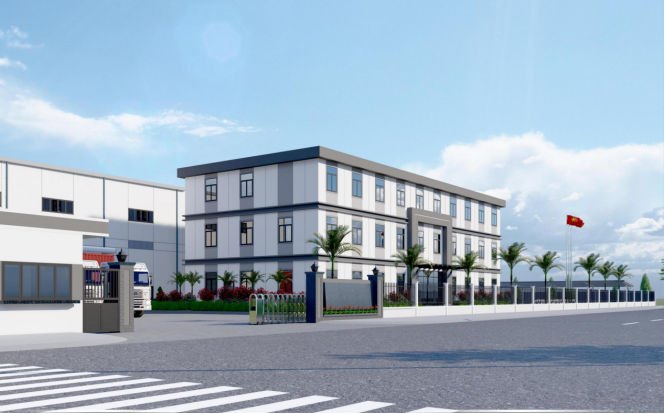
The manufacturing footprint behind these builds is described as a 50,000m² facility with 200+ employees, 20 core technical staff, and annual output of 20,000 tons of food-grade PE coated paper alongside more than 2 billion paper cups and paper food containers. Because coated paper output and container output are reported together, the coating supply and the converting step are described as part of one operation — which is relevant to buyers who need the coating specification to stay stable across repeat orders.
FAQ
What certifications should a disposable food paper container supplier hold before a foodservice project starts?
A food packaging supplier should be able to document both management-system and product-relevant certification. KingHonor reports amfori BSCI for social audit, FSC Chain of Custody for fibre sourcing, BRCGS Global Standard Packaging Materials, ISO 9001:2015 for quality management and ISO 14001:2015 for environmental management. Buyers should request the certificate numbers and validity dates and verify them against the issuing registries, because a certification claim on a website and a verified certificate are not the same level of evidence.
Can the containers be customised in size, material and printed logo?
Yes. KingHonor describes its service scope as customisation covering size, design, logo printing and eco-friendly material selection. On the material side, products can be produced with PE coating or PLA coating for oil-proof, waterproof and heat insulation performance, so the coating route is part of the customisation conversation rather than a fixed given. For sizing, the fastest route is to start from a listed model code in the relevant product line and confirm the target dimensions before tooling or printing is approved.
What drives the cost of a PE-coated paper container?
Four specification choices move the cost: the substrate family (kraft paper, coated white cardboard or cup base paper), the coating route (PE or PLA), the printed area and colour count, and the model size within a product line. Because the model codes across Kraft Paper Bowl ZT, Kraft Paper Square Box XQ, White Kraft Food Tray ZT and the Printed Disposable Paper Food Container line are not interchangeable, a like-for-like quotation has to be built on a named product line plus a named model code plus a stated coating. KingHonor reports that its eco-friendly material options have helped clients reduce packaging costs by 15% on documented projects, but any cost conclusion for a new project should be based on a quotation against that project's own specification.
How can a buyer validate the PE coating and the model fit before placing a volume order?
Test with the real food, not with water. Request a sample in the exact product line and model code, fill it with the actual menu item at the actual packing temperature, and check the seam, the base and the wall after the normal holding period. Measure the container in millimetres and compare it with the published dimensions — for Kraft Paper Bowl ZT, dimensions are published for models 500, 700, 900 and 1000, and the remaining codes must be measured directly. You can request samples and the product catalogue through info@kinghonorpack.com or WhatsApp at +8618205730716.
What affects lead time on a custom printed paper container order?
Lead time is driven by the combination of model, coating route, print complexity and order quantity, so it has to be quoted per project rather than stated as a single figure. The practical way to shorten it is to freeze the specification early: a confirmed product line, a confirmed model code, a confirmed dimension and approved artwork remove the four points where a printed order most often stalls. KingHonor lists on-time delivery among its stated service commitments; buyers should still ask for a written schedule with the quotation and tie the artwork approval date to it.
Conclusion
PE coating and substrate choice decide how a disposable food paper container performs; the model code only tells you which of those builds you are buying. Kraft paper with PE coating, coated white cardboard and cup base paper with PE coating each suit a different duty cycle, and the model series behind them — 500 to 1500 on the bowl line, No.1 to No.8 on the square box line, #025 to #1000 on the tray line, and 500 to 1100 on the printed container line — do not translate into one another.
The specification discipline that follows is simple and applies to any supplier: name the substrate, name the coating route, name the product line, name the model code, and confirm the millimetre dimension in writing. Where a barrier claim matters, ask for measured data. Where a certification matters, verify it at the registry. Containers that satisfy all three — material, geometry and documentation — are the ones that survive a live menu.
Next Step: Sample, Specification or Quotation
Send your menu profile and target dimensions, and KingHonor will map them to a specific product line, model code and coating route. Request a physical sample, download the product catalogue, or ask for a quotation against your own specification.
Email: info@kinghonorpack.com | WhatsApp: +8618205730716 | Website: kinghonorpack.com
Catalogue and product brochure (download): KingHonor product brochure
Have Questions or Need More Details?
Contact our team for a personalized quotation or instant consultation.
Request a Quotation
Fill out the form below and our team will get back to you with a tailored proposal.
WhatsApp Direct Chat
Prefer to chat in real-time? Message us on WhatsApp for instant assistance & quick answers.
- Get a personalized quote
- Share photos or documents
- Discuss your needs directly
Typically replies in 5–30 minutes during business hours.