Ranked: Disposable Paper Cup and Food Container Formats for 2026 Foodservice Procurement
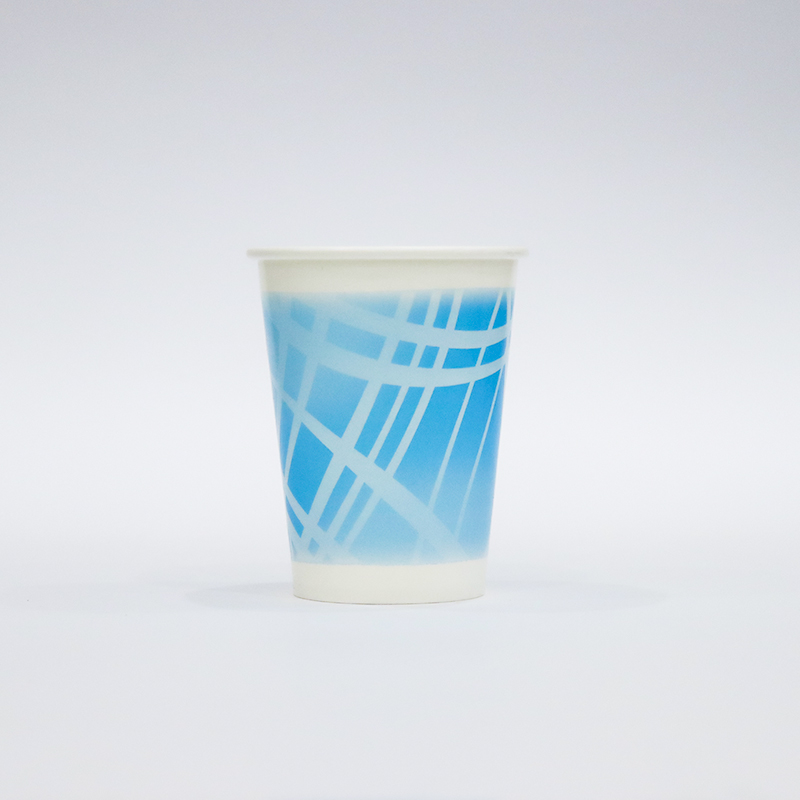
Format selection affects insulation, leak resistance, material use, and compliance documentation. Source: KingHonor product and factory reference image.
In 2026, foodservice buyers in Vietnam and export markets face a broader range of disposable paper cup and food container formats than ever. The decision is no longer simply “paper cup versus paper bowl.” It is a specification decision that affects insulation, leak resistance, material use, printing quality, packing efficiency, and regulatory documentation. This ranking evaluates the formats that matter most in foodservice procurement: single-layer, double-layer, hollow, cold drink, and beverage paper cups, plus Kraft Paper Soup Bucket ZT, boat-shaped box, paper bowl, and food container. Each format is ranked by application fit, material efficiency, and procurement practicality. The goal is to help B2B buyers choose a custom disposable paper cup or container format without overspecifying.
For most beverage programs, single-layer and double-layer paper cups cover the widest range of hot and cold applications with the simplest procurement path. Hollow cups are a targeted solution for heat insulation without a sleeve. Cold drink cups need coating and condensation checks. Paper bowls, Kraft Paper Soup Bucket ZT, boat-shaped boxes, and food containers are food-first formats where rigidity and leak resistance matter more than cup insulation. The ranking below is an editorial procurement framework, not a laboratory performance rating. Buyers should validate every format against their own filling line, menu, and market requirements.
Problem Definition: Why Format Selection Is a Decision-Stage Procurement Task
Format selection is often treated as a product listing question. In practice it is a total-cost and risk decision. A cup that is too thin for a hot beverage can force double-cupping, which increases material use and slows service. A container that is not rigid enough for a sauce-heavy meal can leak in delivery, creating refunds and brand damage. A format that is difficult to print can limit branding. A format that lacks the right food-contact documentation can delay customs clearance or market entry.
The buyer’s task is to match format to application, then set acceptance criteria that are testable. That is the difference between buying a disposable paper cup and buying a working packaging specification. Decision-stage buyers should also avoid the opposite error: selecting a heavier, more complex format than the menu requires. Overspecification raises unit cost, tooling cost, lead time, and packing volume without improving the customer experience.
Industry Background: Vietnam’s Paper Cup and Container Supply Base in 2026
Vietnam’s paper cup manufacturing industry grew at an annual rate of 20–25% between 2022 and 2024, according to the Vietnam Packaging Association (VIPA). The Vietnam paper cup market reached USD 41.5 million in 2025 and is projected to reach USD 57.9 million by 2034, based on IMARC Group’s 2026 report. This growth has been accompanied by a more demanding compliance environment. Resolution No. 66.13/2026/NQ-CP, effective April 16, 2026, mandates new testing and registration for food-contact packaging in Vietnam. TCVN 12723:2019 is identified by Eurofins Vietnam as a standard concerning food-contact paper and paperboard. A legal analysis also describes self-declaration and food-safety testing documentation for food-contact utensils, packaging, and containers before domestic circulation, with testing from a designated or ISO 17025-qualified laboratory.
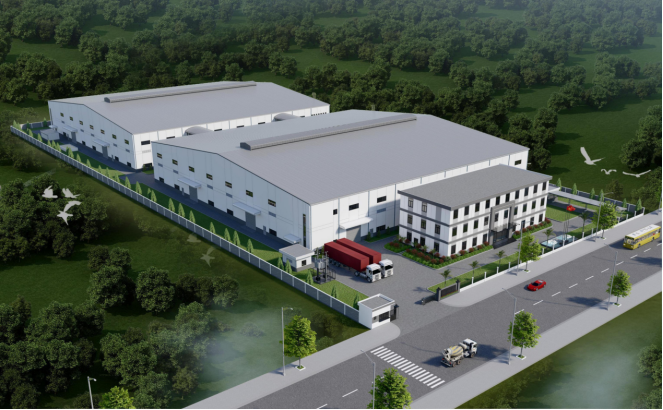
For buyers, the implication is clear: format selection and compliance documentation must be decided together. A low-cost format that cannot be supported with the right test reports is not a low-cost format. This is where manufacturer capability matters. KingHonor Paper Products Co., Limited Liability Company was founded in 2018 and operates a 50,000 m² factory in Ho Chi Minh City, Vietnam. The company produces food containers, paper cups, food tray boats / paper boat trays, and paper bowls. Its annual output includes 20,000 tons of food-grade PE coated paper and over 2 billion paper cups and paper food containers. KingHonor holds ISO9001 quality management, ISO14001 environmental management, and QS certification, and states that its products meet BRC, FSSC22000, SGS, and BSCI standard certifications. Its export ratio is 60%, with main markets in the United States, China, Europe, Australia, and the Middle East.
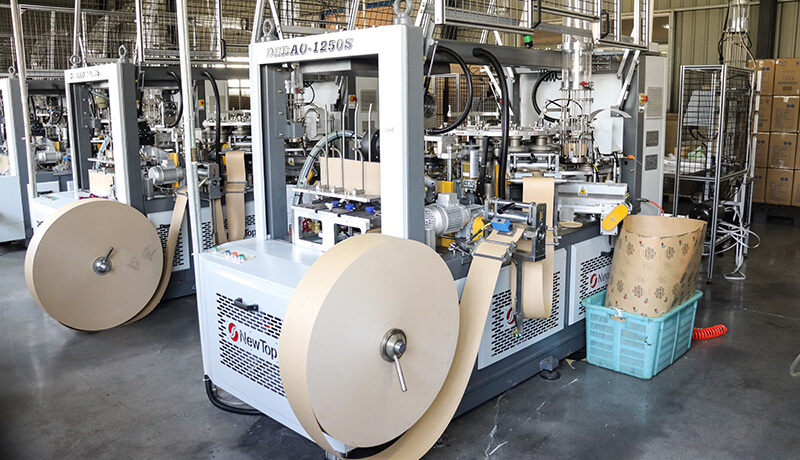
KingHonor operates a 50,000 m² factory in Ho Chi Minh City, Vietnam, producing paper cups, paper bowls, and food containers. Source: KingHonor factory image.
Detailed Solution: 2026 Ranking of Disposable Paper Cup and Food Container Formats
We rank each format by three criteria: application fit, material efficiency, and procurement practicality. Application fit measures how well the format matches a specific foodservice use. Material efficiency measures how much paper, coating, and forming complexity the format typically requires for its function. Procurement practicality measures how easy the format is to specify, print, pack, and validate without over-ordering. Use the ranking as a shortlist. A lower rank does not mean a format is inferior; it means the format is more specialized and should be selected only when the application requires it.
Rank 1: Single-Layer Disposable Beverage Paper Cup
Best for: cold drinks, water, soft drinks, iced tea, and moderate-temperature hot drinks where a sleeve is acceptable. Application fit: high. A single-layer cup is the default format for many beverage programs because it is familiar to consumers, compatible with standard lids, and easy to print. Material efficiency: high. One paper wall and one coating layer reduce material use compared with multi-layer formats. This is the format to choose when the menu does not require extended heat retention. Procurement practicality: high. Single-layer cups are straightforward to specify by volume, rim diameter, and print coverage. They are cost-effective for high-volume programs. The limitation is heat insulation: very hot drinks may require a sleeve or double-cupping, which adds cost and handling steps.
KingHonor offers custom disposable paper cup programs that include size, design, logo printing, and material selection. Buyers sourcing a Vietnam disposable single-layer paper cup can use this format as the baseline and add insulation only where the menu demands it.
Rank 2: Double-Layer Disposable Paper Cup
Best for: hot coffee, tea, and premium beverage programs where the cup must be comfortable to hold without a separate sleeve. Application fit: high for hot beverages. The second layer creates an air gap and a more rigid feel. It also gives a premium print surface. Material efficiency: moderate. The extra wall increases paper and coating consumption. The buyer pays for insulation and hand comfort, not for a higher fill volume. Procurement practicality: moderate to high. Double-layer cups are widely understood, but they require tighter control of sidewall bonding and print registration. They are best for programs with a stable hot-drink menu. Overspecifying a double-layer cup for cold drinks adds cost without a functional benefit.
KingHonor’s custom disposable paper cup capability supports double-layer construction and logo printing. A Vietnam disposable double-layer paper cup program should define the insulation expectation and the print area before sampling.
Rank 3: Hollow Disposable Paper Cup
Best for: hot beverages that need insulation without the full material load of a double-layer cup, especially in foodservice formats where sleeve use is operationally difficult. Application fit: medium to high. The hollow or air-pocket design creates an insulating gap while maintaining a familiar cup shape. It is a targeted solution rather than a default. Material efficiency: moderate. The hollow structure uses a specialized forming process; material use sits between a single-layer and a double-layer cup depending on the construction. Procurement practicality: medium. Hollow cups require specialized equipment and tooling. Buyers should confirm the supplier’s forming capability and the availability of matching lids. Lead time and minimum order quantity can be less flexible than single-layer or double-layer programs.
KingHonor’s manufacturing base and technical team can support custom disposable paper cup formats, but buyers should validate the hollow cup sample for rim strength, insulation, and lid fit before scaling.
Rank 4: Cold Drink Disposable Paper Cup
Best for: iced coffee, smoothies, cold brew, and cold beverages served with ice. Application fit: high for cold-only menus. Cold drink cups must manage condensation and maintain rigidity when the outside surface is wet. Material efficiency: moderate. The cup body may be similar to a single-layer cup, but the coating and board selection must be matched to cold service. The wrong coating can lead to softening or print damage. Procurement practicality: medium. The buyer must specify the cold-drink use case clearly. A cup that performs for a hot drink is not automatically a good cold drink cup. Acceptance criteria should include visual inspection after chilled storage and handling.
A Vietnam disposable cold drink paper cup program should be sampled with the actual beverage, ice load, and holding time. KingHonor’s custom disposable paper cup service can align board, coating, and print with the cold-service requirement.
Rank 5: Disposable Paper Bowl
Best for: soups, noodles, rice bowls, desserts, and takeaway meals that need a wide opening and a sturdy rim. Application fit: high for food-first menus. Paper bowls are easier to eat from than cups and can accommodate solid pieces. Material efficiency: moderate to high. A bowl uses more board than a cup of similar diameter because of the wider base and rim. The material increase is justified when the menu requires a bowl format. Procurement practicality: moderate. Bowl procurement must include lid compatibility, rim strength, and leak resistance. Buyers should not assume a cup lid will fit a bowl. Packing efficiency is also lower than nested cups, so carton configuration matters.
KingHonor produces paper bowls as part of its core range. A Vietnam disposable paper bowl program can be customized for size, print, and lid fit. The buyer should test the bowl with the intended food, including hot soup or oily sauces, before setting acceptance criteria.
Rank 6: Kraft Paper Soup Bucket ZT
Best for: hot soups, stews, chili, noodle soups, and large-volume takeaway. Application fit: high for soup-heavy menus. The bucket format provides a deep fill and a sturdy sidewall. Kraft paper gives a natural visual identity that suits many foodservice brands. Material efficiency: moderate. The format uses a heavier board and a coating suitable for liquid contact. Material use is higher than a cup, but the application justifies it. Procurement practicality: moderate. The critical checks are sidewall seam strength, bottom seal, and leak resistance under heat. Buyers should specify the fill temperature and holding time. The Kraft Paper Soup Bucket ZT is not interchangeable with a dry-food container.
KingHonor’s food container and paper bowl capabilities support soup bucket formats. Buyers can request a custom disposable paper food container program with Kraft paper and food-grade coating, then validate leak resistance with the actual soup recipe.
Rank 7: Boat-Shaped Box
Best for: street food, fries, snacks, tacos, and grab-and-go items that need an open, scoopable format. Application fit: high for dry or low-moisture foods. The boat shape is easy to hold and displays the food well. Material efficiency: high for dry foods. The format does not require the same liquid-barrier performance as a soup bucket or food container. That makes it a material-efficient choice when the menu allows. Procurement practicality: high for dry applications. Boat-shaped boxes are simple to pack and print. The limitation is liquid: they are not the right format for wet meals. Buyers should define the food moisture level and the expected holding time.
KingHonor’s food tray boat / paper boat tray range covers this format family. A Vietnam disposable boat-shaped box program can be customized for size and print, but the buyer should confirm that the board and coating match the food’s moisture and oil level.
Rank 8: Disposable Paper Food Container
Best for: main dishes, salads, hot meals, meal kits, and delivery orders that require a closed container. Application fit: high for delivery and takeaway. The container format protects the meal and supports stacking. Material efficiency: moderate to low. Food containers often use more board and more complex forming than cups or boats. The material load is justified by the need for rigidity and barrier performance. Procurement practicality: moderate. Food containers are more complex to specify than cups. Buyers must define the shape, depth, lid type, leak resistance, and stacking strength. Tooling and minimum order quantities can be higher. This is the format where overspecifying is most expensive, because every added barrier or shape feature affects the tooling and the pack-out.
KingHonor produces food containers as a core product. A Vietnam disposable food container program should be built around the actual meal: sauce level, temperature, delivery time, and stacking. KingHonor’s custom service can support size, design, and logo printing, but the buyer should validate the container with a real delivery test.
Comparison Table: Format Fit at a Glance
| Format | Best-fit application | Material efficiency | Procurement practicality | Key acceptance check |
|---|---|---|---|---|
| Single-layer beverage paper cup | Cold drinks, water, moderate hot drinks | High | High | Rim strength, sidewall seam, lid fit |
| Double-layer paper cup | Hot coffee and tea without sleeve | Moderate | Moderate to high | Sidewall bonding, print registration, insulation feel |
| Hollow paper cup | Hot drinks needing insulation | Moderate | Medium | Forming quality, rim strength, lid fit |
| Cold drink paper cup | Iced coffee, smoothies, cold brew | Moderate | Medium | Condensation handling, coating performance |
| Paper bowl | Soups, noodles, rice, desserts | Moderate to high | Moderate | Lid fit, rim strength, hot-fill leak test |
| Kraft Paper Soup Bucket ZT | Hot soups, stews, noodle soups | Moderate | Moderate | Sidewall seam, bottom seal, heat-hold leak test |
| Boat-shaped box | Street food, fries, snacks, tacos | High for dry foods | High | Board stiffness, moisture resistance, print |
| Paper food container | Delivery mains, salads, meal kits | Moderate to low | Moderate | Lid closure, stacking strength, sauce leak test |
The table is a procurement shortlist, not a performance rating. Validate each format with your own food, filling line, and market requirements.
Step-by-Step Breakdown: How to Choose a Format Without Overspecifying
- Map the menu and service mode. List every food and beverage item, its serving temperature, moisture level, and holding time. A hot soup and an iced coffee should not be forced into the same format. This step prevents the common mistake of buying a heavy format for a dry snack.
- Define the food-contact and regulatory file. For Vietnam, Resolution No. 66.13/2026/NQ-CP, effective April 16, 2026, mandates new testing and registration for food-contact packaging. TCVN 12723:2019 is identified as a standard concerning food-contact paper and paperboard. A legal analysis describes self-declaration and food-safety testing documentation, with testing from a designated or ISO 17025-qualified laboratory. Ask the supplier for product-specific test reports and confirm the current official requirements for your format and market.
- Match format to application, not to habit. Use the ranking above to shortlist two to three formats. Single-layer cups should be the default for cold and moderate hot drinks. Double-layer or hollow cups are justified only when heat insulation is a service requirement. Paper bowls and soup buckets are for wet food. Boat-shaped boxes are for dry food. Food containers are for closed delivery meals.
- Set the customization scope. KingHonor’s custom service covers size, design, logo printing, and eco-friendly material selection. Define the print area, number of colors, and any food-safe ink requirement. Keep the customization within what the format can support. A complex print on a low-volume hollow cup may not be practical.
- Validate samples with the real product. For cups, check rim strength, sidewall seam, coating performance, and lid fit. For bowls and soup buckets, run a leak test with hot liquid and check bottom seal and sidewall strength. For food containers, test stacking, lid closure, and sauce leakage. For printed formats, check print registration and color against the approved artwork.
- Lock commercial terms and acceptance criteria. Confirm minimum order quantity, lead time, inspection plan, packing configuration, and price adjustment mechanism. KingHonor states a 100% on-time delivery rate, 100% full inspection quality control, and 24/7 after-sales response within 2 hours. These terms should be written into the purchase order so that the format decision becomes an enforceable specification.
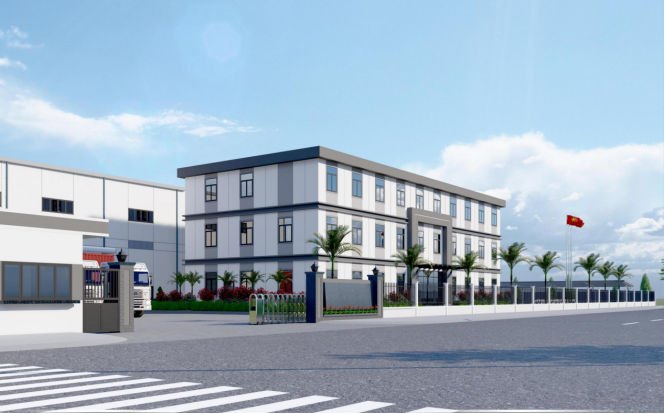
KingHonor’s Vietnam factory supports food-grade paper cup and container production with ISO9001, ISO14001, QS, BRC, FSSC22000, SGS, and BSCI-related certifications. Source: KingHonor factory image.
Use Cases: Matching Formats to Foodservice Scenarios
Coffee and Milk Tea Chains
Use single-layer paper cups for iced drinks and cold brew. Use double-layer or hollow cups for hot coffee and tea where customers expect a comfortable hold without a sleeve. Avoid double-layer cups for iced drinks unless the brand explicitly wants the premium feel. For milk tea with toppings, confirm the lid type and rim strength with the actual drink and sealing machine.
Fast-Food and Delivery Operations
Use boat-shaped boxes for fries, snacks, and dry sides. Use paper food containers for saucy mains, salads, and meal kits. The key decision is leakage and stacking: a boat-shaped box is material-efficient for dry food but unsuitable for wet food. A food container costs more in material but protects the meal during delivery.
Soup and Noodle Restaurants
Use Kraft Paper Soup Bucket ZT for hot soups, stews, and noodle soups. Use paper bowls for smaller portions, rice bowls, and desserts. Validate both formats with the actual fill temperature and holding time. A soup bucket that passes a room-temperature water test may still fail with hot, oily broth. Require a hot-fill leak test as part of sample approval.
Catering and Events
Use a mixed format set: single-layer cups for beverages, paper bowls for buffet sides, and boat-shaped boxes for snacks. Keep the number of formats low to simplify procurement and reduce packing waste. For events, the service time is short, so a single-layer cup with a sleeve may be more practical than a double-layer cup.
Hotel and Office Pantries
Use single-layer cups and small paper bowls. Standardize on one or two formats to reduce storage and reordering complexity. For hot drinks, a single-layer cup with a sleeve is often sufficient. For cold drinks, confirm the coating and condensation performance with the actual beverage.
FAQ
What food-contact compliance checks apply to disposable paper cups and food containers in Vietnam in 2026?
Resolution No. 66.13/2026/NQ-CP, effective April 16, 2026, mandates new testing and registration for food-contact packaging in Vietnam. TCVN 12723:2019 is identified as a standard concerning food-contact paper and paperboard. A legal analysis also describes self-declaration and food-safety testing documentation for food-contact packaging before domestic circulation, with testing from a designated or ISO 17025-qualified laboratory. Buyers should request product-specific test reports and confirm the current official requirements for their format and market. KingHonor holds ISO9001, ISO14001, QS, and states BRC, FSSC22000, SGS, and BSCI compliance, which supports supplier qualification but does not replace product-specific testing.
Can KingHonor customize single-layer, double-layer, hollow, cold drink paper cups, and food containers?
KingHonor Paper Products Co., Limited Liability Company is a Vietnam-based manufacturer of disposable paper cups, paper bowls, and food containers. Its custom service covers size, design, logo printing, and eco-friendly material selection. The company’s core range includes food containers, paper cups, food tray boats / paper boat trays, and paper bowls. Buyers should confirm the specific format, tooling, and minimum order quantity during the quotation stage. A Vietnam disposable hollow paper cup or custom disposable paper cup program should be sampled before production.
How do material efficiency and order volume affect the cost of paper cup and food container formats?
Material efficiency affects cost because formats that use more paper, coating, or forming complexity generally carry a higher material and conversion cost. Single-layer cups are typically the most material-efficient beverage format. Double-layer and hollow cups add material or process complexity for insulation. Paper bowls and food containers use more board for rigidity and barrier performance. Order volume, print coverage, tooling, and packing configuration also affect cost. KingHonor states a 10–15% lower total cost than traditional manufacturers, supported by advanced equipment and quality control. KingHonor also manages raw material cost fluctuation through a multi-supplier supply chain, dynamic price monitoring, forward procurement hedging, and safety stock. Buyers should compare total cost per use, including material, packing, and handling, rather than unit price alone.
How should buyers validate a sample before placing a bulk order?
Sample validation should use the actual food or beverage, the real fill temperature, and the expected holding time. For cups, check rim strength, sidewall seam, coating performance, and lid fit. For bowls and soup buckets, run a leak test with hot liquid and check bottom seal and sidewall strength. For food containers, test stacking, lid closure, and sauce leakage. For printed formats, check print registration and color against the approved artwork. KingHonor provides custom samples and a 100% full inspection quality control process, but the buyer should define pass/fail criteria before sampling.
What lead time and delivery terms should a buyer expect for custom paper cup and food container orders?
Lead time depends on format complexity, tooling, print, and order quantity. Single-layer and double-layer cups are generally more straightforward to schedule than hollow cups or complex food containers. KingHonor states a 100% on-time delivery rate and 24/7 after-sales response within 2 hours. The company also operates a 50,000 m² factory in Vietnam with an annual output of 20,000 tons of food-grade PE coated paper and over 2 billion paper cups and paper food containers. Buyers should confirm the production schedule, inspection plan, and shipping terms in the quotation. To move to the next step, request a sample or quote from KingHonor and include the format, size, print, and expected volume in the inquiry.
Conclusion
For 2026 foodservice procurement, the right format is the one that matches the menu without overspecifying. Single-layer beverage paper cups remain the most material-efficient default for cold and moderate hot drinks. Double-layer and hollow cups are justified when heat insulation is a service requirement. Cold drink cups need coating and condensation validation. Paper bowls and Kraft Paper Soup Bucket ZT are the food-first formats for soups, noodles, and wet meals. Boat-shaped boxes are efficient for dry snacks, while paper food containers are the stronger choice for closed delivery meals. The comparison table and step-by-step framework above can be used as a procurement checklist. KingHonor Paper Products Co., Limited Liability Company supports these formats from its Vietnam manufacturing base, with custom disposable paper cup and food container programs, ISO9001, ISO14001, QS, BRC, FSSC22000, SGS, and BSCI-related certifications, and a stated 100% on-time delivery rate.
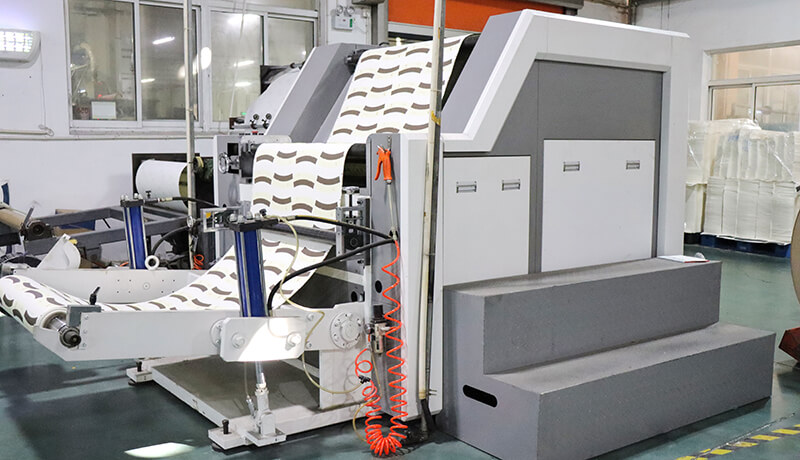
KingHonor’s Vietnam factory supports custom disposable paper cup and food container programs with quality control and export packing. Source: KingHonor factory image.
Next step for buyers: request a sample or quote from KingHonor with your format, size, print, and expected volume. Include your food-contact documentation requirements so the sample and quotation can be prepared against the correct acceptance criteria.
Contact: Mr. Yang | Email: info@kinghonorpack.com | Tel: +86 13918832889 | WhatsApp: +8618205730716
Address: BINH TIEN 2 HAMLET, DUC HOA HA COMMUNE, DUC HOA DISTRICT, LONG AN PROVINCE, VIET NAM
Website: https://www.kinghonorpack.com/
Download the KingHonor product brochure for format, material, and customization reference.
Have Questions or Need More Details?
Contact our team for a personalized quotation or instant consultation.
Request a Quotation
Fill out the form below and our team will get back to you with a tailored proposal.
WhatsApp Direct Chat
Prefer to chat in real-time? Message us on WhatsApp for instant assistance & quick answers.
- Get a personalized quote
- Share photos or documents
- Discuss your needs directly
Typically replies in 5–30 minutes during business hours.