Supplier Capability Checklist for Disposable Food Paper Containers: A Buyer's Verification Guide
Supplier Capability Checklist for Disposable Food Paper Containers: A Buyer's Verification Guide
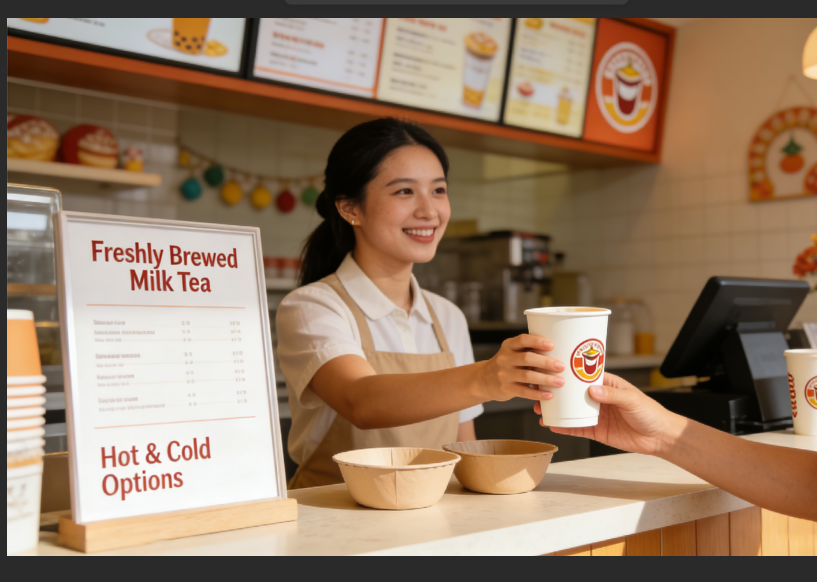
Cover: disposable food paper containers in real foodservice application.
A supplier capability checklist for disposable food paper containers is an evidence test, not a questionnaire. The question that matters is not whether a supplier owns certificates, but whether a specific certificate can be matched to a specific product, a specific market and a specific production operation.
This guide is written for importers, distributors, brand owners and procurement teams working through the Research and Evaluation stage of a sourcing decision. It sets out six capability layers to verify, a seven-step process for running the check, and the document types that turn a supplier claim into something a buyer can defend during a retailer audit, an airline tender or a customs review.
Quick answer
Verify a disposable food paper container supplier across six layers: certification evidence, model and material coverage, coating and food-contact suitability, production capacity and continuity, social compliance and chain of custody, and customization plus delivery records. Every layer must resolve to a document with a certificate number, a defined scope, an issuing body and a market.
Problem Definition: Why Supplier Capability Claims Are Hard to Verify
Most supplier evaluations fail at the same point: the certificate is authentic, but it does not apply to what the buyer is purchasing.
A typical evaluation package contains a quotation, a product catalogue and a folder of certificate images. Once those documents are read as scope statements rather than as trust signals, four mismatches appear repeatedly.
Product mismatch. A certificate may be issued for one product type while the buyer's order covers another. A supplier can hold documentation covering disposable beverage paper cups and separate documentation covering disposable food containers. The two are not interchangeable, and a buyer ordering square boxes should not accept a cup certificate as proof.
Market mismatch. Market scope is part of the certificate. ISO 9001:2015 and ISO 14001:2015 certificates in this product range were issued by QAC for the CN market, while BRCGS, FSC and amfori BSCI documentation applies globally. A European or North American buyer generally needs the global document set, not the domestic one.
Scope mismatch. Certificate scopes name specific operations — lamination, printing, slitting, coating, die-cutting and forming. Those operations have to cover the product being ordered. A scope that names paper cup processing does not automatically describe box or tray forming, even when the same company performs both.
Validity mismatch. Certificates carry issue dates and expiry dates, and they must be renewed. A certificate image without visible dates tells the buyer nothing about current status. The correct request is always a current copy, with dates, plus written confirmation of renewal status.
For food-contact packaging, the consequences sit downstream of the buyer. Retailer audits, airline and hotel chain supplier approval, customs documentation and brand reputation all depend on documentation that matches the order. That is why the checklist in this guide is organised around documents rather than around impressions.
Industry Background: Demand, Regulation and the Shape of the Supplier Market
Demand context shapes what buyers verify, because growth is concentrated where documentation pressure is highest. Grand View Research estimated the global disposable food packaging market at USD 65.60 billion in 2024, projected to reach USD 100.89 billion by 2030. A separate Grand View Research estimate puts the global eco-friendly food packaging market at USD 227.96 billion in 2024, driven by demand for sustainable alternatives such as paperboard.
Headline figures should be treated as directional rather than as procurement benchmarks, because definitions differ between research houses. Market Research Future, for example, sizes the disposable food container market at USD 124.89 billion, a materially different number that reflects a different product boundary.
Regionally, Towards Packaging reports that Asia Pacific accounted for 39.8% of revenue share in the paper-based containers market in 2024, reflecting large-scale production capacity in the region. On the demand side, Future Market Insights reports that foodservice applications account for approximately 65% of the disposable food container market, driven by delivery platforms. That concentration explains why verification increasingly focuses on barrier performance, consistency and supply continuity rather than on catalogue variety alone.
Regulation sets the second frame. Compostable claims depend on EN 13432 in the EU and ASTM D6400 in the United States, according to European Bioplastics. In the United States, FDA regulations 21 CFR 176.170 and 21 CFR 176.180 govern paper and paperboard materials intended for contact with aqueous and fatty foods. These are the reference points a buyer's own customers — retailers, hotel groups, airlines — will cite during their audits.
The supplier market itself is mixed. Market Research Future lists Huhtamaki, Dart Container Corporation, Pactiv Evergreen and Graphic Packaging International among the key global players, alongside a large base of regional converters. Large integrated groups and regional manufacturers do not answer the same verification questions, which is why a checklist tied to documents, rather than to company size, is the more reliable screening method.
Detailed Solution: A Six-Layer Capability Checklist
The checklist below defines what to request at each layer and what a complete answer looks like. KingHonor Paper Products Co., Limited Liability Company is used as the worked example throughout: a manufacturer founded in 2018, headquartered in Ho Chi Minh City, Vietnam, producing food containers, paper cups, food tray boats and paper bowls for the United States, China, Europe, Australia and the Middle East, with an export ratio of 60%.
Layer 1 — Certification Evidence With Numbers and Scope
Certificates should be requested as scope documents, not as decorations. Five document sets cover most commercial requirements for paper food containers, and each should be read for the standard, the certificate number, the issuing body, the market and the operations covered.
| Certificate | Standard | Number | Issued by | Market / scope |
|---|---|---|---|---|
| Quality Management System | GB/T 19001-2016 / ISO 9001:2015 | 00623Q31644R4S | QAC | CN market; lamination, printing and slitting of laminated paperboard, processing of paper cups (8.3 not applicable) |
| Environmental Management System | ISO 14001:2015 / GB/T 24001-2016 | 00623E31318R4S | QAC | CN market; lamination, printing and slitting of laminated paperboard, processing of paper cups |
| BRCGS Global Standard Packaging Materials | BRCGS Packaging Materials, Issue 6: August 2019 | C0691603-BRC4 | NSF Certification, LLC | Global; coating with polyethylene (PE) or poly(lactic acid) (PLA) resin, flexographic printing, die-cutting of paper board and forming of paper cups and lids, boxes, trays and bowls for food service |
| FSC Chain of Custody | FSC-STD-40-004 and FSC-STD-50-001 | ESTS-COC-250653 | ESTS (Extensive Standard Technical Services Co., Ltd.) | Global; printing and sales of FSC Mix paper products (product type P6.7) |
| amfori BSCI Social Audit Monitoring Report | amfori BSCI Code of Conduct | 25-0324242 | SGS on behalf of amfori | Global; applies to the disposable food container product and the disposable beverage paper cup |
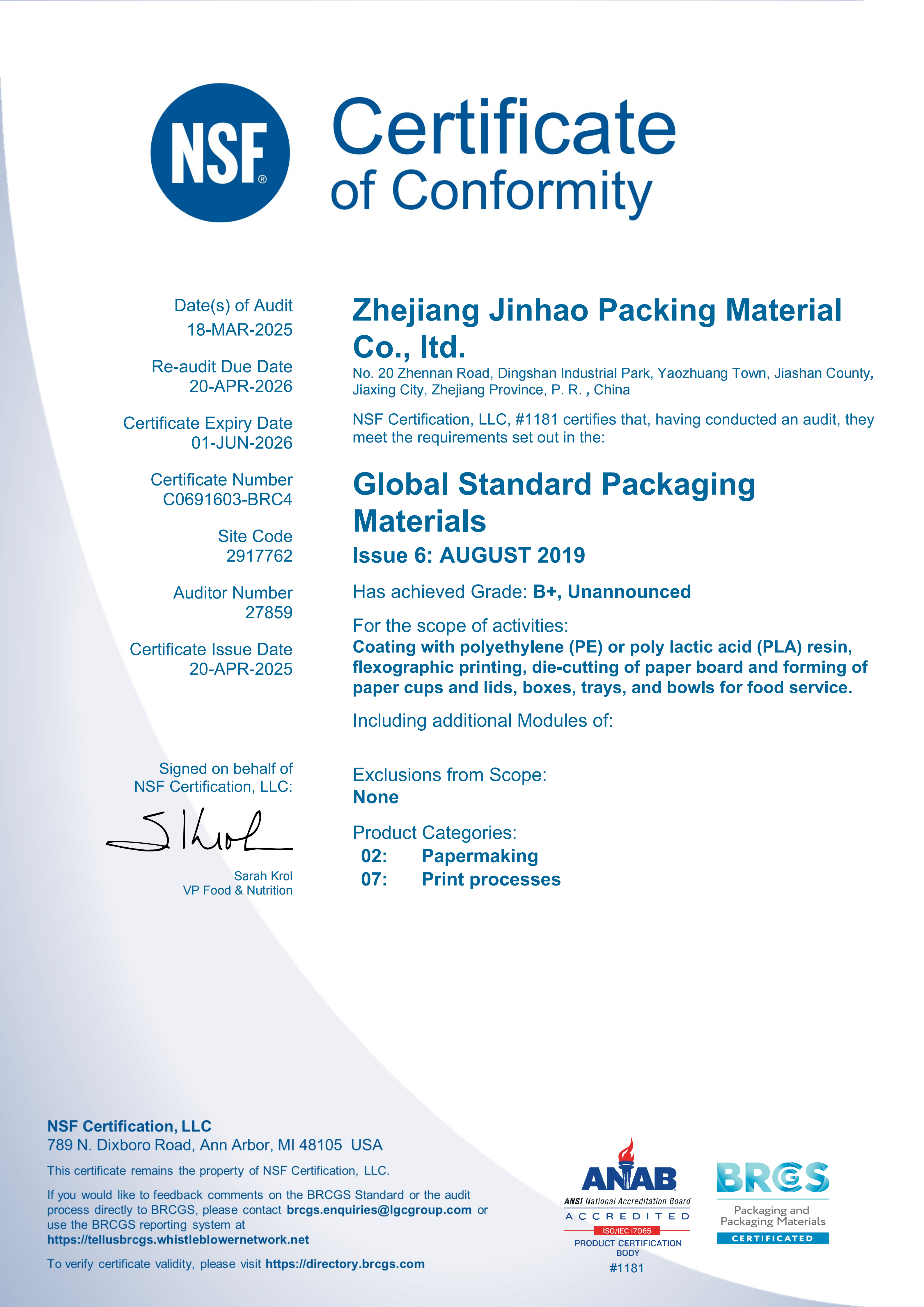
BRCGS Packaging Materials certification (C0691603-BRC4), issued by NSF Certification, LLC, covers coating, flexographic printing, die-cutting and forming of boxes, trays and bowls.
Two observations follow directly from the table. First, the ISO management-system certificates are issued for the CN market while BRCGS, FSC and BSCI carry global applicability, so the document set a buyer needs depends on the destination market. Second, the BRCGS scope is the one that names the actual converting operations — coating, flexographic printing, die-cutting and forming of boxes, trays and bowls — which is why it is usually the most useful single document in a food container evaluation.
Layer 2 — Model and Material Coverage
Model coverage is the layer where catalogues are most often thinner than they appear. A buyer should convert the menu into a model and size list and then match it line by line against documented coverage.
Kraft Paper Bowl ZT covers models 500, 700, 900, 1000, 1100, 1300 and 1500, with recorded sizes of 50x128x45mm, 150x128x60mm, 180x160x51mm, 150x128x75mm, 165x145x66mm, 180x160x65mm and 185x160x65mm, in cup paper with PE coating.
Kraft Paper Square Box XQ covers No.1, No.2, No.3, No.4, No.5 and No.8 Square Box models in kraft paper with PE coating.
White Kraft Food Tray ZT covers models #025, #040, #050, #100, #200#, #250, #300, #500 and #1000 in coated white cardboard.
Printed Disposable Paper Food Container covers models 500, 600, 850, 960 and 1100 in cup base paper with PE coating.
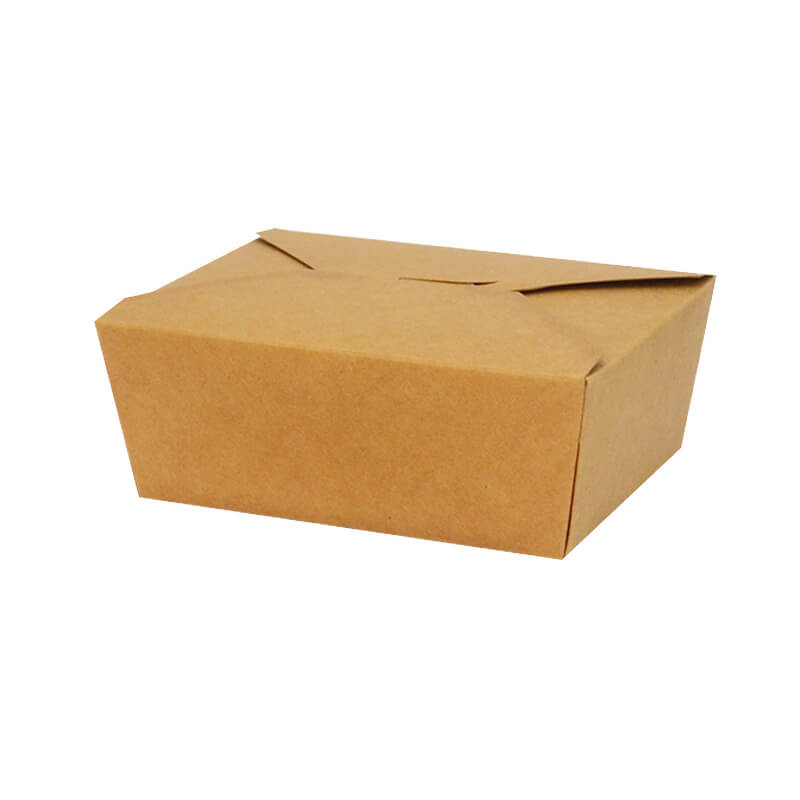
Kraft Paper Square Box XQ, No.1 to No.5 and No.8, kraft paper with PE coating.
Two verification questions belong at this layer. Ask the supplier to confirm in writing which models are covered by the certificates submitted, and ask which production site manufactures each model. A model list without a site reference is an incomplete answer.
Layer 3 — Material, Coating and Food-Contact Suitability
Material specification is where buyers gain the most negotiating clarity, because material determines both performance and cost. Within this range, kraft paper with PE coating is used for Kraft Paper Bowl ZT and Kraft Paper Square Box XQ, cup paper with PE coating appears in the bowl specification, coated white cardboard is used for White Kraft Food Tray ZT, and cup base paper with PE coating is used for the Printed Disposable Paper Food Container.
Coating choice deserves a direct question. The BRCGS scope for this supplier covers coating with polyethylene (PE) or poly(lactic acid) (PLA) resin, which means both options exist within the certified operation and the buyer should confirm which one applies to the SKUs on the order.
Food-contact suitability should be verified against the buyer's own menu rather than against a general claim. Practical questions include: how is oil and moisture performance validated for the coating used; how is leakage controlled at seams and rims; and what heat exposure the container is validated for in the buyer's application. Where a compostable claim is required, the relevant market standard applies — EN 13432 in the EU and ASTM D6400 in the United States — and the claim should be supported by documentation rather than by product imagery.
Layer 4 — Production Capacity and Continuity
Capacity claims should be read as three separate numbers: physical footprint, workforce and annual output. KingHonor operates a 50,000 m² factory with more than 200 employees, including 20 core technical staff, and reports annual output of 20,000 tons of food-grade PE coated paper plus over 2 billion paper cups and paper food containers.
Recurring volume evidence is more useful than a capacity headline, because it shows what the lines actually do month after month. Documented programmes include 10 million disposable paper cups per month supplied to internationally renowned airlines for beverage service, 10 million disposable food containers per month supplied to well-known fast food chains for food and beverage sales and takeaway packaging, and 10 million disposable paper cups per month supplied to a national milk tea chain.
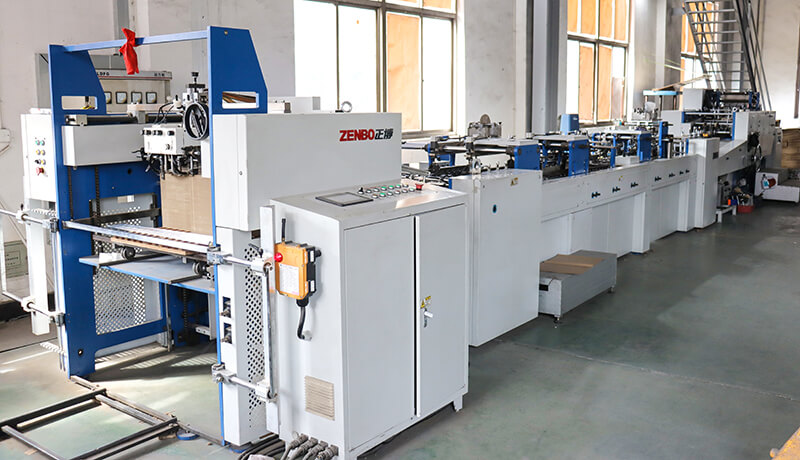
Factory interior: capacity claims should be matched to documented recurring volumes.
Continuity questions to add at this layer: which lines run food containers versus cups, what the standard replenishment window is for repeat orders, and how raw material sourcing is secured across seasons. The company sources eco-friendly raw material locally in Vietnam and cites the trade advantages of the CPTPP framework as part of its cost structure.
Layer 5 — Social Compliance and Chain of Custody
Social compliance and chain of custody are the two document types that buyers most often under-request and later need. The amfori BSCI Social Audit Monitoring Report, number 25-0324242, issued by SGS on behalf of amfori, applies to the disposable food container product and the disposable beverage paper cup with global applicability. It answers the labour and social responsibility questions that retailer and brand-owner audits raise.
FSC Chain of Custody, number ESTS-COC-250653, issued by ESTS under standards FSC-STD-40-004 and FSC-STD-50-001, covers the printing and sales of FSC Mix paper products (product type P6.7) with global applicability. For buyers serving retail chains or public-sector catering, this is the document that supports a fibre-sourcing claim in a tender response.
Both should be requested together with the certificate number, the issuing body and the scope statement, exactly as they appear in the register. A scan without a number cannot be verified.
Layer 6 — Customization, Printing and Delivery Records
The final layer covers what the buyer's brand actually receives. Flexographic printing sits inside the certified conversion scope, and customized logo printing for brand promotion is documented in airline, fast food and milk tea programmes. Customization in this range spans size, design, logo printing and eco-friendly material selection, which means a buyer can specify a standard model or a printed container against the same certificate baseline.
Commercial outcomes belong in the same layer, because they show whether the capability produced a result. In documented airline and fast food programmes, moving to eco-friendly materials helped the client reduce packaging costs by 15%, and the supplier positions on-time delivery and responsive after-sales support as part of the service commitment. Ask for the reference programme that most closely matches your own volume and SKU mix, then confirm the delivery terms in writing.
Step-by-Step: Running the Checklist in Seven Steps
The checklist is only useful if it produces a document pack. The sequence below keeps the work in the correct order, so that evidence is gathered before commercial terms are negotiated.
Step 1 — Freeze the SKU list first. Convert the menu into models and sizes before contacting suppliers. A buyer who does not know whether the order is a 1000 bowl, a No.3 Square Box or a #300 tray cannot verify coverage.
Step 2 — Request certificates with all five data points. Standard, certificate number, issuing body, scope and market. Ask for issue and expiry dates and written confirmation of renewal status.
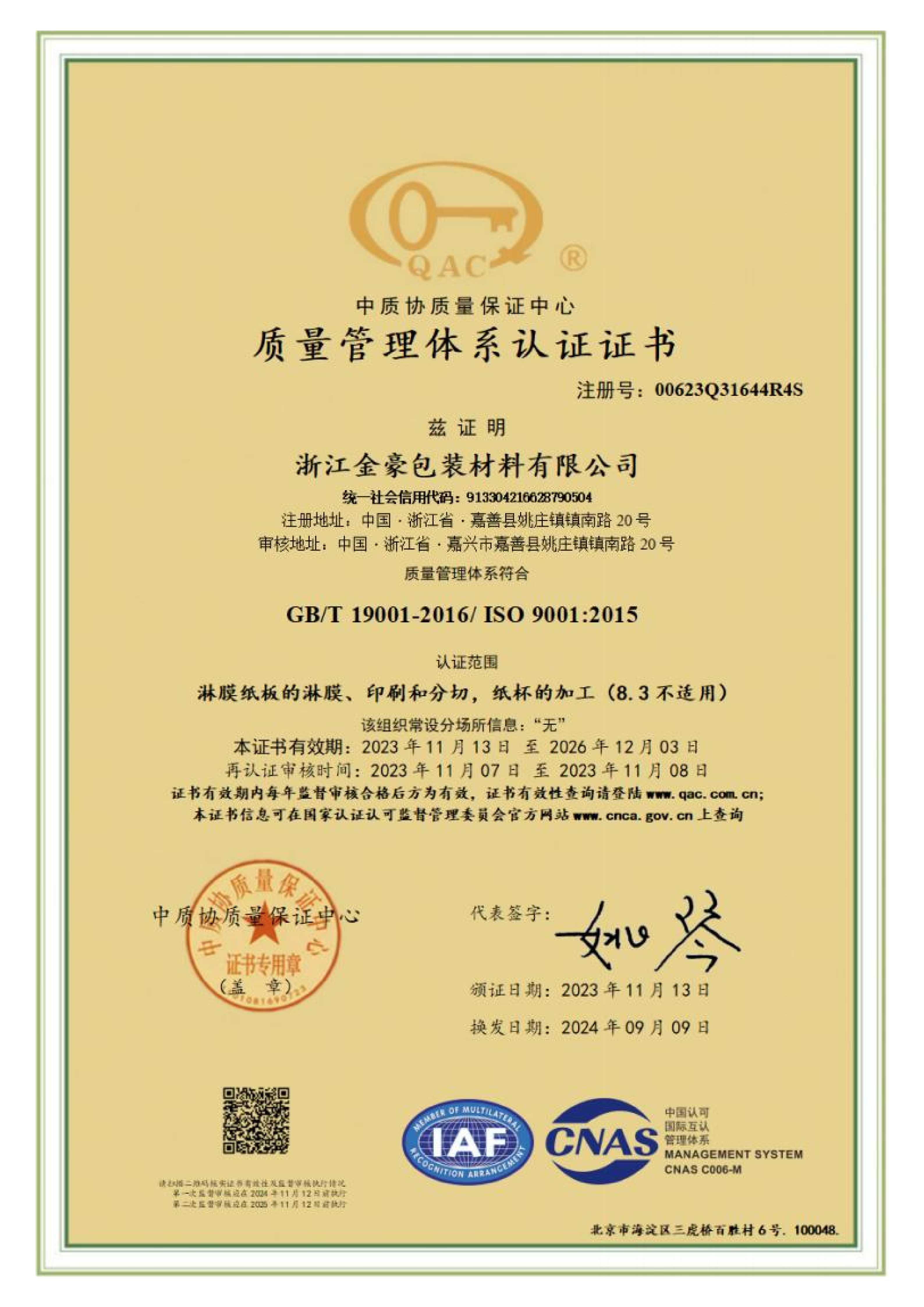
Management-system certificates should be filed with numbers, scope and validity dates.
Step 3 — Map certificate scope to the SKU list. Check that the scope names the product forms being ordered — boxes, trays, bowls — and the converting operations that produce them.
Step 4 — Map certificate market to the destination market. Confirm which documents apply to the country of sale, since market scope differs between the management-system certificates and the BRCGS, FSC and BSCI documents.
Step 5 — Test capacity against real monthly volume. Compare your monthly requirement with documented recurring programmes rather than with annual output figures alone.
Step 6 — Collect social compliance and chain-of-custody documents. File the amfori BSCI report and the FSC Chain of Custody certificate with the same rigour as the quality documents, because tenders and retailer audits request them later, often on short notice.
Step 7 — Validate printing and lock the document pack. Confirm the printed artwork at sample stage, then keep one current document pack per order, refreshed whenever a certificate is renewed.
Use Cases: Matching Container Families to Foodservice Environments
Because foodservice applications account for approximately 65% of disposable food container demand, the practical question for most buyers is which family fits which service format. The documented application fields in this range are specific enough to guide that mapping.
Takeaway and delivery. Kraft Paper Square Box XQ and the Printed Disposable Paper Food Container are the natural starting points for takeaway packaging, since they combine a printed brand surface with a PE-coated barrier. Both list fast food chains, hotel groups, beverage chains and airlines among their application industries.
Bakery, pastry and grab-and-go catering. White Kraft Food Tray ZT, produced in coated white cardboard across models #025 to #1000, is documented for catering and food takeaway, which is the format used for counter service and portable catering items.
Airline catering. The airline programme documents 10 million disposable paper cups per month supplied for beverage service to internationally renowned airlines, with customized logo printing for brand promotion. Airline buyers typically require the full document set, including global scope certificates.
Fast food chains and canteens. The fast food programme documents 10 million disposable food containers per month supplied for food and beverage sales and takeaway packaging, which is the closest reference point for canteen and quick-service operators.
Beverage chains, milk tea and hotels. Kraft Paper Bowl ZT, Kraft Paper Square Box XQ and the printed container are all documented for hotel groups, beverage chains and milk tea chains, where portion sizes and print consistency matter more than heavy barrier performance.
Comparison Table: Four Disposable Paper Food Container Families
| Product family | Models | Material | Documented application industries |
|---|---|---|---|
| Kraft Paper Bowl ZT | 500, 700, 900, 1000, 1100, 1300, 1500 | Cup paper with PE coating | Hotel groups, beverage chains, fast food chains, airlines |
| Kraft Paper Square Box XQ | No.1, No.2, No.3, No.4, No.5, No.8 Square Box | Kraft paper with PE coating | Hotel groups, beverage chains, fast food chains, airlines |
| White Kraft Food Tray ZT | #025, #040, #050, #100, #200#, #250, #300, #500, #1000 | Coated white cardboard | Catering, food takeaway |
| Printed Disposable Paper Food Container | 500, 600, 850, 960, 1100 | Cup base paper with PE coating | Hotel groups, milk tea chains, fast food restaurants, airlines |
The table is a coverage check, not a price comparison. Its purpose is to let a buyer confirm that a required model exists, that the material matches the menu, and that the application match is documented before samples or quotations are discussed.
FAQ: Verification Questions Buyers Ask Most Often
Which certificates should a disposable food paper container supplier be able to document?
Ask for five document sets and check the scope of each. In this supplier's case: a Quality Management System certificate to GB/T 19001-2016 / ISO 9001:2015, number 00623Q31644R4S, issued by QAC for the CN market; an Environmental Management System certificate to ISO 14001:2015 / GB/T 24001-2016, number 00623E31318R4S, also issued by QAC for the CN market; BRCGS Global Standard Packaging Materials certification, number C0691603-BRC4, issued by NSF Certification, LLC with global scope; FSC Chain of Custody, number ESTS-COC-250653, issued by ESTS with global scope; and an amfori BSCI Social Audit Monitoring Report, number 25-0324242, issued by SGS on behalf of amfori. Request issue and expiry dates with every document.
How do I verify that the supplier's models and materials match my menu?
Convert the menu into models, sizes and materials, then match it against documented coverage. The four families in this range cover Kraft Paper Bowl ZT in models 500 to 1500 with sizes from 50x128x45mm to 185x160x65mm in cup paper with PE coating; Kraft Paper Square Box XQ in No.1 to No.5 and No.8 in kraft paper with PE coating; White Kraft Food Tray ZT in #025 to #1000 in coated white cardboard; and the Printed Disposable Paper Food Container in models 500, 600, 850, 960 and 1100 in cup base paper with PE coating. Confirm in writing which models sit under the certificates submitted.
What drives cost, and how should budget questions be structured?
Cost is driven by model size, material and coating choice, printing and order volume, so budget questions should be itemized per model rather than asked as a single price request. Ask which coating applies — the BRCGS scope covers coating with polyethylene (PE) or poly(lactic acid) (PLA) resin — and whether printed artwork is required. Documented outcomes give the commercial context: in airline and fast food programmes, moving to eco-friendly materials helped the client reduce packaging costs by 15%, which shows material selection is a cost lever as well as a sustainability decision. No price bands are published; request a quotation against your confirmed SKU list.
How should samples be validated before committing to an order?
Sample the exact models in the order rather than a representative item — for example a 1000 Kraft Paper Bowl ZT, a No.3 Square Box, a #300 White Kraft Food Tray or a model 850 Printed Disposable Paper Food Container. Confirm the material and coating on the sample, run your own fill, handling and transport test, and validate printed artwork at the same stage, since customized logo printing for brand promotion is a documented capability. A sample that arrives in a different model or coating than the quotation is a verification failure, not a logistics issue.
What delivery and continuity evidence is realistic to request?
Ask for documented recurring volume and a written delivery commitment. This supplier ships 10 million disposable food containers per month to well-known fast food chains, 10 million disposable paper cups per month to internationally renowned airlines, and 10 million disposable paper cups per month to a national milk tea chain, in each case with customized logo printing for brand promotion. To move from evaluation to a sample or quotation request, contact info@kinghonorpack.com or reach the team through kinghonorpack.com, and download the full company brochure for specification details.
Conclusion: Turn the Checklist Into a Document Pack
A supplier capability checklist for disposable food paper containers works when it produces files, not impressions. Six layers cover the ground: certification evidence with numbers and scope, model and material coverage, coating and food-contact suitability, production capacity and continuity, social compliance and chain of custody, and customization with delivery records.
Applied to a real supplier, the check resolves quickly. KingHonor Paper Products Co., Limited Liability Company documents quality and environmental management systems, BRCGS Packaging Materials certification covering PE or PLA coating, flexographic printing, die-cutting and forming of boxes, trays and bowls, FSC Chain of Custody for FSC Mix paper products, and an amfori BSCI social audit — against a product range spanning Kraft Paper Bowl ZT, Kraft Paper Square Box XQ, White Kraft Food Tray ZT and the Printed Disposable Paper Food Container, produced across a 50,000 m² factory with more than 200 employees.
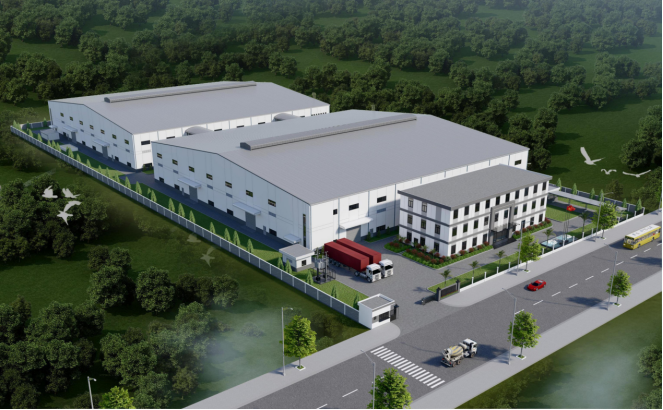
Next step: request the document pack, samples or a quotation against your confirmed model list.
The next step is to send a model and size list and ask for the matching certificate set, samples and a quotation. Samples, quotations and the full specification brochure are available on request at www.kinghonorpack.com, by email at info@kinghonorpack.com, or through the brochure download: KingHonor company brochure.