Wholesale Bonsai Plants: Compliance and Certification Guide for Importers
Importing wholesale bonsai plants is a documentation problem before it is a pricing problem. A container of live Ficus, Pachira, Sansevieria or Cycas can be grown to specification and packed well and still stop at the border, because what the border checks first is whether the plants, the certificate and the commercial documents describe the same consignment.
This guide explains how the compliance file for wholesale bonsai plants is assembled: which documents travel with a live consignment, how destination plant-health rules change what must be presented, and why species and root format alter what an importer should order. It is written for importers, distributors and project buyers in the research and evaluation stage — the point at which a supplier's compliance capability is tested, not only its price list.
Kinofarm Bonsai, the bonsai and live-plant operation of Xiamen Perfect Supply chain CO., LTD (www.kinofarm.com), has grown and exported live plants and bonsai from Changtai, Zhangzhou, China since the company was founded in 2012. Its four main lines — Sansevieria, Cycas revoluta, Ficus bonsai and Pachira — are used here to show how the compliance question changes from one product line to the next.
What a compliant bonsai consignment actually is
A compliant bonsai consignment is one in which three descriptions agree: the destination market's plant-health requirement, the physical state of the plants (genus, root state, growing medium and unit size), and the documents that travel with the shipment. When the three diverge — a potted plant declared as bare-root, or a certificate naming a different genus than the invoice — the file is incomplete regardless of plant quality.
The document at the centre of that file is the phytosanitary certificate. It is a statement issued in the exporting country about a specific consignment, and in markets that require it, it is a condition of entry rather than a commercial formality. Two practical consequences follow. First, the certificate is normally tied to the consignment it describes, so a copy should be checked against the invoice and packing list before the container is booked, not after it sails. Second, plant presentation is part of compliance, not only of packing: whether a line ships potted, bare-root or as bulbs decides whether the physical consignment can satisfy the destination rule at all.
The four variables that decide the document set
The same bonsai line can need different paperwork in two different destinations, and the same destination can need different paperwork for two different lines. Four variables account for most of that variation, and each can be verified before an order is confirmed.
- Destination plant-health rule. This decides whether a phytosanitary certificate is a condition of entry, and whether a specific presentation, such as bare-rooted plants, is required.
- Genus and product line. Genus, model and parameter range must appear identically on the specification, the invoice, the packing list and the certificate.
- Root state and growing medium. A bare-root plant and a potted plant are different consignments to inspect and to declare, even when they come from the same bench.
- Consignment structure. Unit counts, weights per line, braid counts and container type determine how the shipment is described and how it is inspected.
| Variable | What it changes in the file | What the importer should obtain |
|---|---|---|
| Destination plant-health rule | Whether a certificate is mandatory; whether a bare-root presentation is required | Written confirmation of the current rule from the destination plant-health authority, plus a certificate copy before booking |
| Genus and product line | How the plants are named and specified on invoice, packing list and certificate | Model and parameter data per line, for example Ficus ginseng roots at 50 g to 10 kg |
| Root state and growing medium | Packing method and how the plants are described | Confirmation that the supplied format matches the destination's presentation requirement |
| Consignment structure | How units, weights and container type are declared | A line-by-line packing list that matches certificate and invoice |
Read as an order of operations, the table runs from the outside in: the destination sets the frame, the specification fixes what is inside it, and the documents are built from the specification. Importers who reverse that order — accepting a quotation first and asking about the certificate later — usually discover the mismatch at the least convenient moment.
Destination rules: what the EU and the US require
European Union: certificate as a condition of entry
Imported bonsai plants entering the European Union require a phytosanitary certificate under Regulation (EU) 2019/2072, the regulation cited by EUR-Lex and the European Commission for measures intended to prevent pest introduction. For an importer, the working question is therefore not whether to request a certificate, but whether the copy received matches the invoice, the packing list and the physical root state of the consignment.
United States: certificate plus a bare-root presentation
USDA Animal and Plant Health Inspection Service requirements, referenced in the record used for this guide as PPQ 587, require bonsai to be bare-rooted and accompanied by a phytosanitary certificate from the country of origin; shipments of 12 or fewer units may fall under different requirements. The bare-root condition turns presentation into a compliance decision. A line that can only be supplied potted cannot be matched to that requirement without changing the order, while a line specified in both formats leaves the buyer room to manoeuvre.
| Dimension | European Union | United States |
|---|---|---|
| Core requirement in the supplied record | Phytosanitary certificate for imported bonsai under Regulation (EU) 2019/2072 | Bare-rooted bonsai plus a phytosanitary certificate from the country of origin (USDA APHIS, referenced as PPQ 587) |
| Presentation condition | Not specified in the supplied record | Bare-rooted |
| Small-lot note | Not specified in the supplied record | Shipments of 12 or fewer units may have different requirements |
| Importer action before booking | Match the certificate copy to invoice and packing list | Match bare-root packing and certificate to invoice and packing list |
Two records are not a world map. The table reports only the two regulatory records supplied for this guide. Other destinations set their own plant-health requirements, and importers should confirm the current rule for each destination with that country's plant-health authority before the order is confirmed. Where a supplied record says nothing about presentation, that silence means the record does not address it — not that no condition exists.
How species and format change the requirement
Requirements are written per consignment, but they are triggered by the plant. The four lines below differ in material state — bare-root divisions, bulbs, grafted roots and braided stems — and that difference is what an importer is actually specifying when ordering wholesale bonsai plants.
Sansevieria (Sansevieria superba)
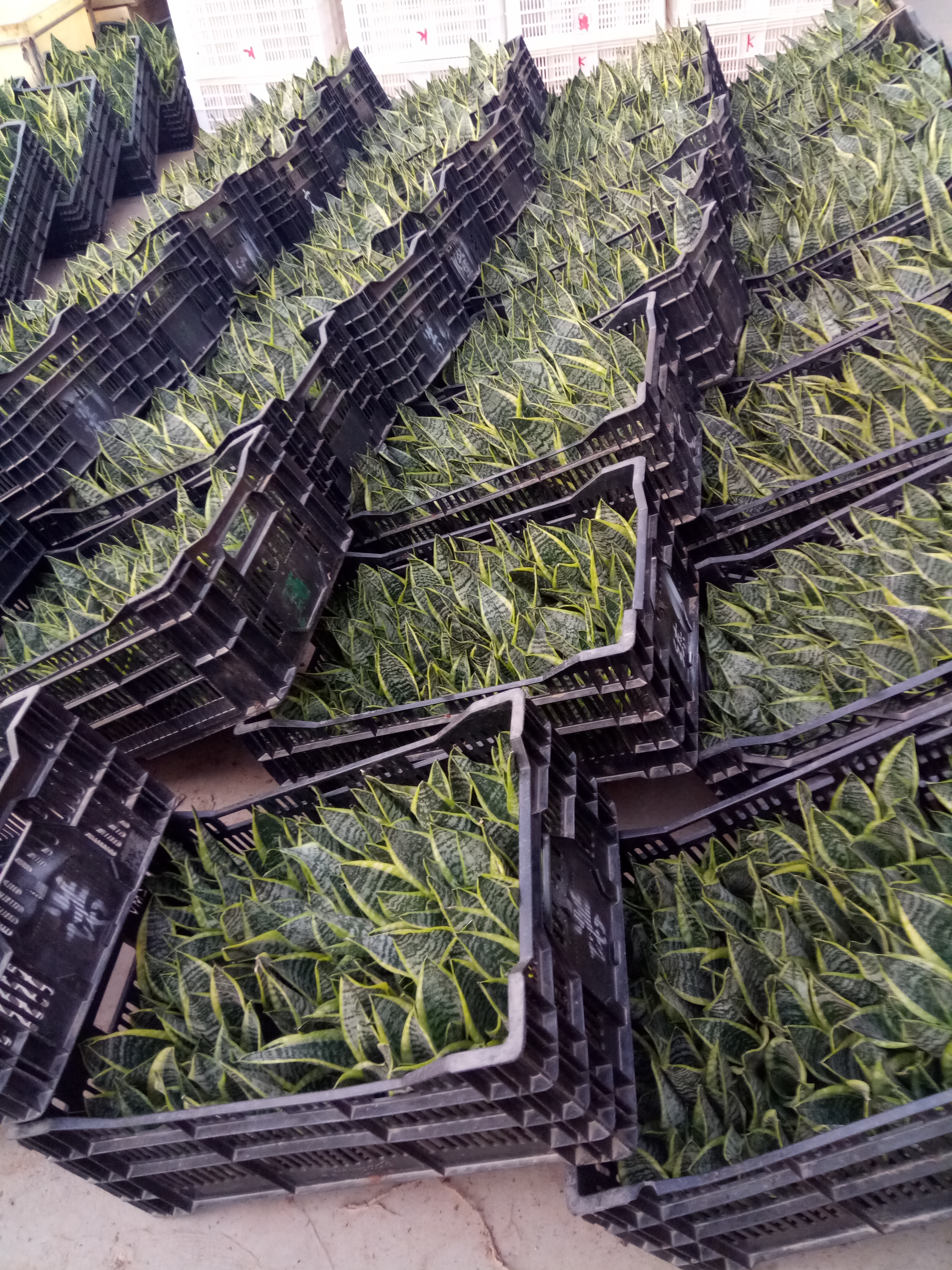
Sansevieria is specified as Sansevieria superba with a model range of H 20–70 cm and supply parameters of H 20–40 cm with two to three leaves, available bare-root or potted. Its selling profile is evergreen, easy-care indoor use with low-light tolerance, and the application record places it in agriculture, horticulture, garden center and landscape use. The compliance-relevant detail is the dual format: a bare-root Sansevieria can be matched to a destination that requires bare-rooted plants, while a potted unit suits markets where retail presentation matters more than root state.
Cycas revoluta (sago palms)
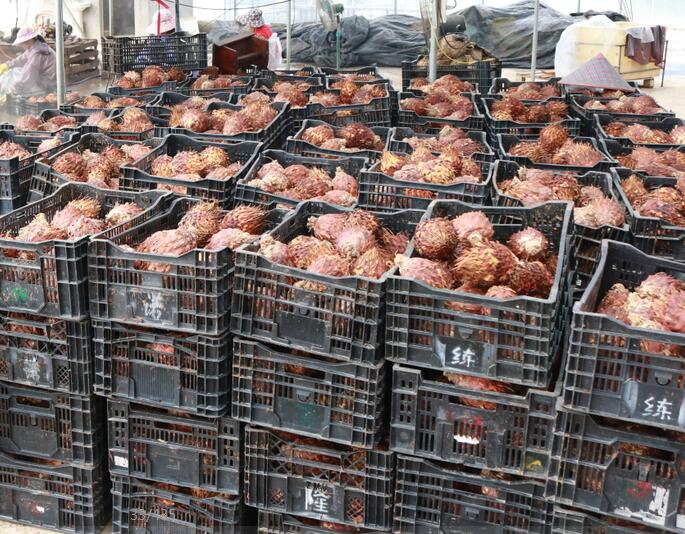
Cycas revoluta is specified from D 5 cm to H 100 cm+, with supplied parameters of D 5–20 cm+ and H 20–120 cm, and the material is recorded as Cycas bulbs. The line is described as hardy, slow-growing and long-lived, and is used in agriculture, horticulture, landscape and home furniture stores. Shipping as bulbs changes the description task: diameter and height ranges belong on the order, because a single 'sago palm' label gives an inspector and a customs broker nothing to match.
Ficus bonsai (Ficus ginseng roots)
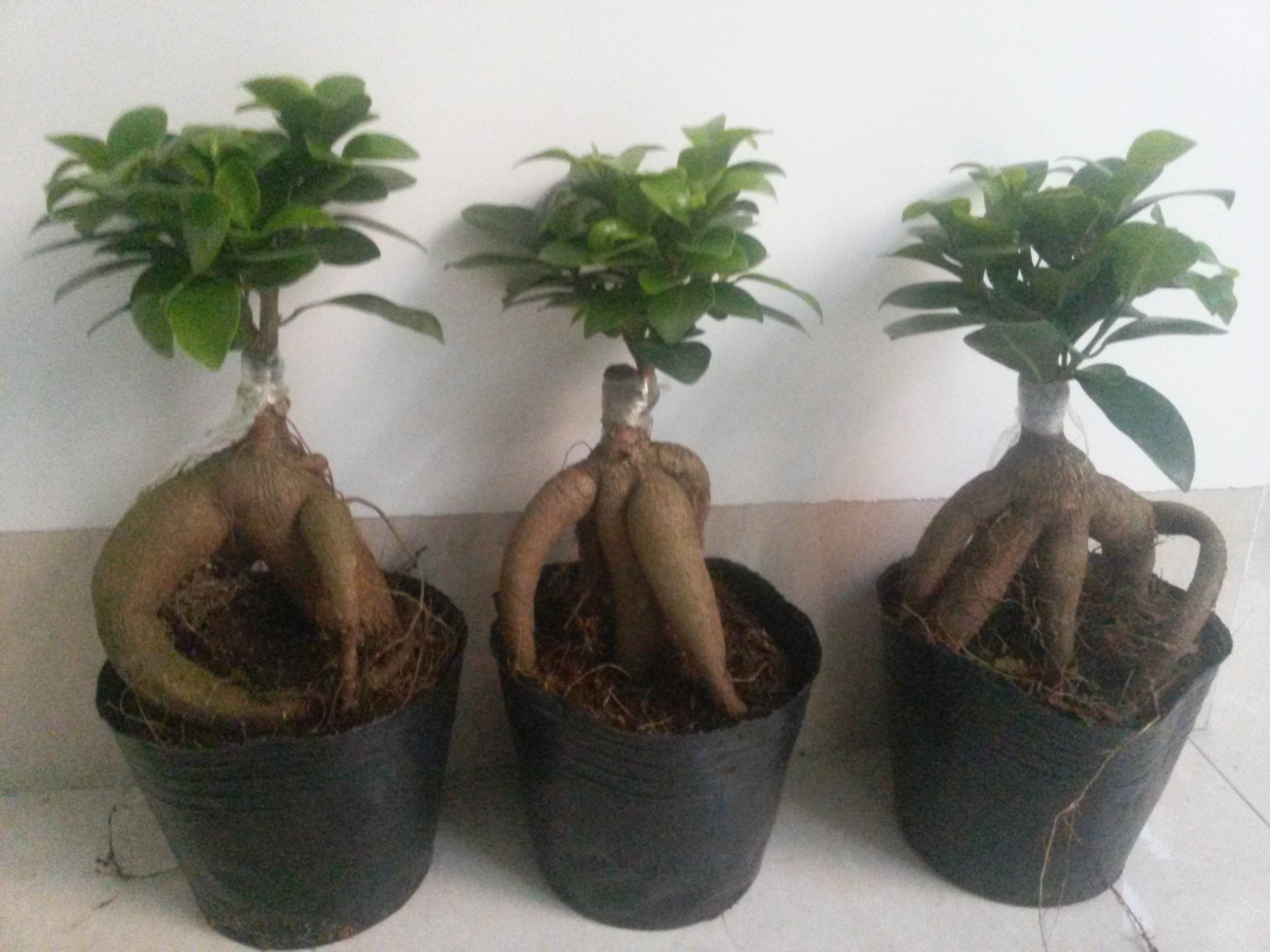
Ficus bonsai is specified as Ficus ginseng roots, grafted or ungrafted, with a weight range of 50 g to 10 kg, and is described as a small, easy bonsai used in agriculture, horticulture and home furniture stores. Root weight is the practical variable: a 50 g rooted plant and a 10 kg specimen are different packing, inspection and freight problems, and the weight belongs on the packing list line by line rather than as an average for the container.
Pachira (money tree)
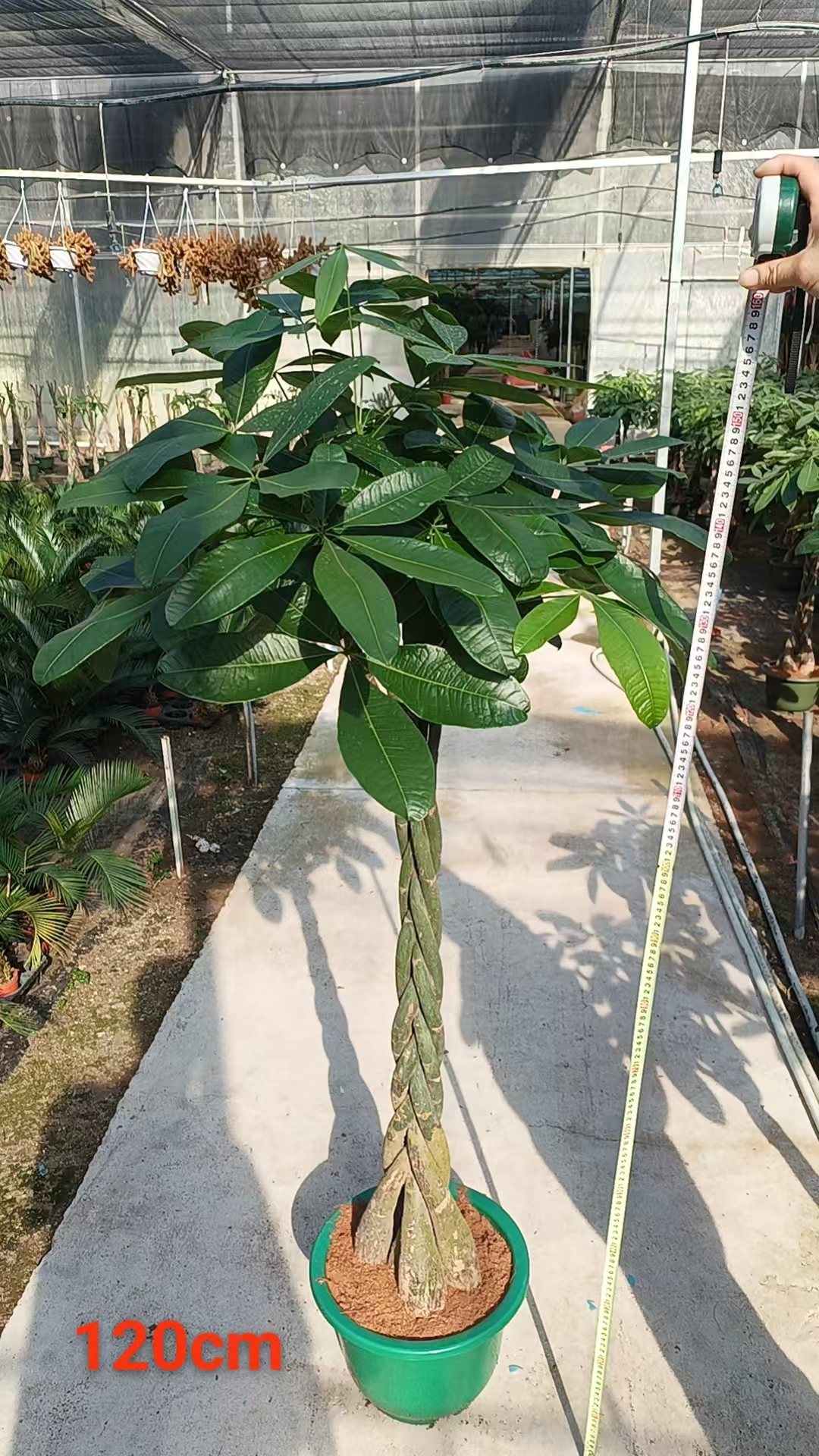
Pachira is specified as a money tree at 5 braids, with parameters of 3, 4 or 5 braids, H 20–90 cm, newly braided or old braided, used in agriculture and horticulture. It is the one line in this set whose application record names phytosanitary compliance as a special requirement for export, and whose application also requires supporting equipment in the form of a greenhouse and a reefer container.
Read together, the four lines explain why a generic compliance template is a weak tool. A supplier that can state format, root state and unit range per line gives the importer exactly what the certificate and packing list must later reflect. The sequence that holds up is: fix the specification, match it to the destination rule, then build the documents from the specification.
The import document set, item by item
Most of the file is ordinary trade paperwork; the phytosanitary certificate is the part that is specific to live plants and the part most often checked first. The table sets out what each item does and where supplier input actually matters.
| Document | What it does in the file | Supplier-side point to confirm |
|---|---|---|
| Phytosanitary certificate | Country-of-origin inspection statement; condition of entry in markets such as the EU | Certificate copy before booking, with genus and format matching the order |
| Commercial invoice | Declares value and product description | Line descriptions identical to the agreed specification |
| Packing list | Unit counts, weights per line, braid counts, root state | Consistency with the certificate and the container plan |
| Transport document | Ties the consignment to carrier and route | Consistency with invoice and packing list |
| Cultivation and post-arrival guidance | How plants should be handled after arrival | Confirmed within supplier after-sales scope |
Kinofarm Bonsai's after-sales scope includes planting guidance and quarantine document support. That support sits alongside the file rather than in place of it: a phytosanitary certificate is issued in the exporting country after inspection of the consignment, so document support shortens the preparation work but cannot substitute for the inspection result.
Where compliance is built: cultivation, inspection and packing
Compliance is easier to verify when it is visible in the growing operation, because the condition of the plants at inspection is decided months earlier. Kinofarm Bonsai describes 65,000 m² of professional greenhouses across two nurseries, 120 employees, an annual output of 5,000,000 units, a five-engineer R&D team and an export ratio of 98%, with more than 100 containers of plants shipped each year to markets including Oceania, the Americas, Europe, Africa, Southeast Asia and the Middle East. These are company-stated figures; they are useful as capacity context, not as a market-specific import approval.
The controls the company associates with export readiness are:
- greenhouses built to meet China's Entry-Exit Inspection and Quarantine (CIQ) standards, described by the company as making plants export-ready from cultivation to shipment;
- an MPS-A (Marketable Plant Safety – A) management system, described as a framework for sustainable, traceable horticulture;
- cultivation on 50 cm-high shelving with 1.6×1.6 mm breathable mesh for air circulation, light exposure and moisture control;
- a 100% quality test across production;
- patents covering a long-distance storage and transport method for Chrysalidocarpus and pest control in soilless bonsai cultivation, plus in-house software for greenhouse monitoring, soil moisture monitoring and flower production management.
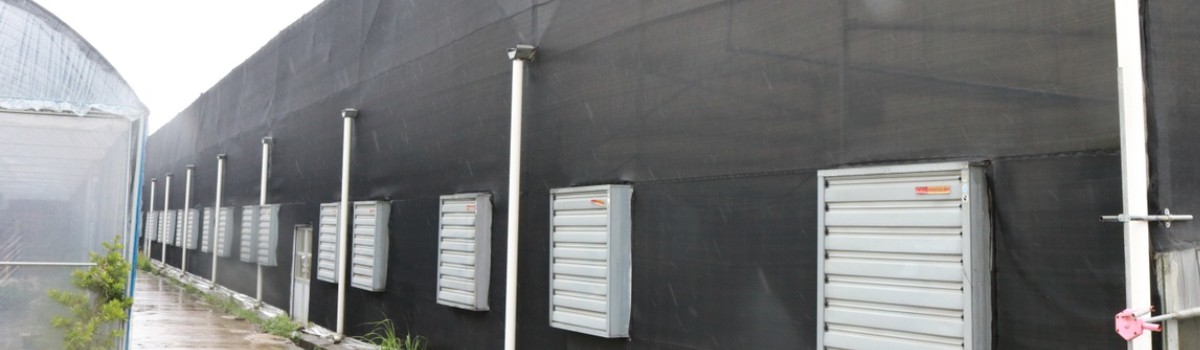
None of these items is a phytosanitary certificate, and none should be read as one. What they describe is an attempt to make plants predictable at the point of inspection and to keep pest pressure controlled during cultivation — which is where a certificate is either straightforward or difficult to obtain.
Species, format and project fit: a planning matrix
Project buyers usually need to combine several lines in one programme. The matrix below keeps the supplied specifications intact and puts the compliance confirmation next to the line where it applies.
| Product line | Supplied specification | Industry use in the record | Confirm before booking |
|---|---|---|---|
| Sansevieria (Sansevieria superba) | Model H 20–70 cm; H 20–40 cm with 2–3 leaves; bare-root or potted | Agriculture, horticulture, garden center, landscape | Which format the destination rule accepts |
| Cycas revoluta | Model D 5 cm to H 100 cm+; D 5–20 cm+, H 20–120 cm; Cycas bulbs | Agriculture, horticulture, landscape, home furniture stores | Diameter and height ranges stated on the order |
| Ficus bonsai | Ficus ginseng roots; grafted or ungrafted; 50 g to 10 kg | Agriculture, horticulture, home furniture stores | Weight per unit recorded line by line |
| Pachira (money tree) | Model 5 braids; 3, 4 or 5 braids; H 20–90 cm; newly or old braided | Agriculture, horticulture | Braid count, greenhouse and reefer container handling |
The final column is deliberately a list of confirmations rather than a list of rules, because the rule belongs to the destination and the confirmation belongs to the order. Two importers buying the same Ficus specification for two different markets can end up with different document sets and different packing decisions.
Resort, landscape and garden center consignments
Project buyers — resort landscaping, garden centers, nurseries and landscape contractors — meet the compliance question with a delivery schedule attached. The application record for this product set describes greenhouse conditions, a continuous operating profile, an ornament-and-beautify role, garden center project types and global market reach, with a greenhouse and reefer container named as supporting equipment and phytosanitary compliance named as the special export requirement.
That combination has a practical reading for a phased programme. A project installing the same species across several phases needs a specification that can be repeated — model, parameter range, braid count or root weight — because each shipment is documented as its own consignment. Capacity is the other half of the plan: Kinofarm Bonsai records a monthly capacity of 20 reefer containers, a lead time of 20–60 days, a minimum order quantity of 45 kg, and customization covering variety selection, growing cycle and packaging solution. For a resort or landscape schedule, those figures decide how far ahead documentation must be prepared, not only how far ahead plants must be ordered.
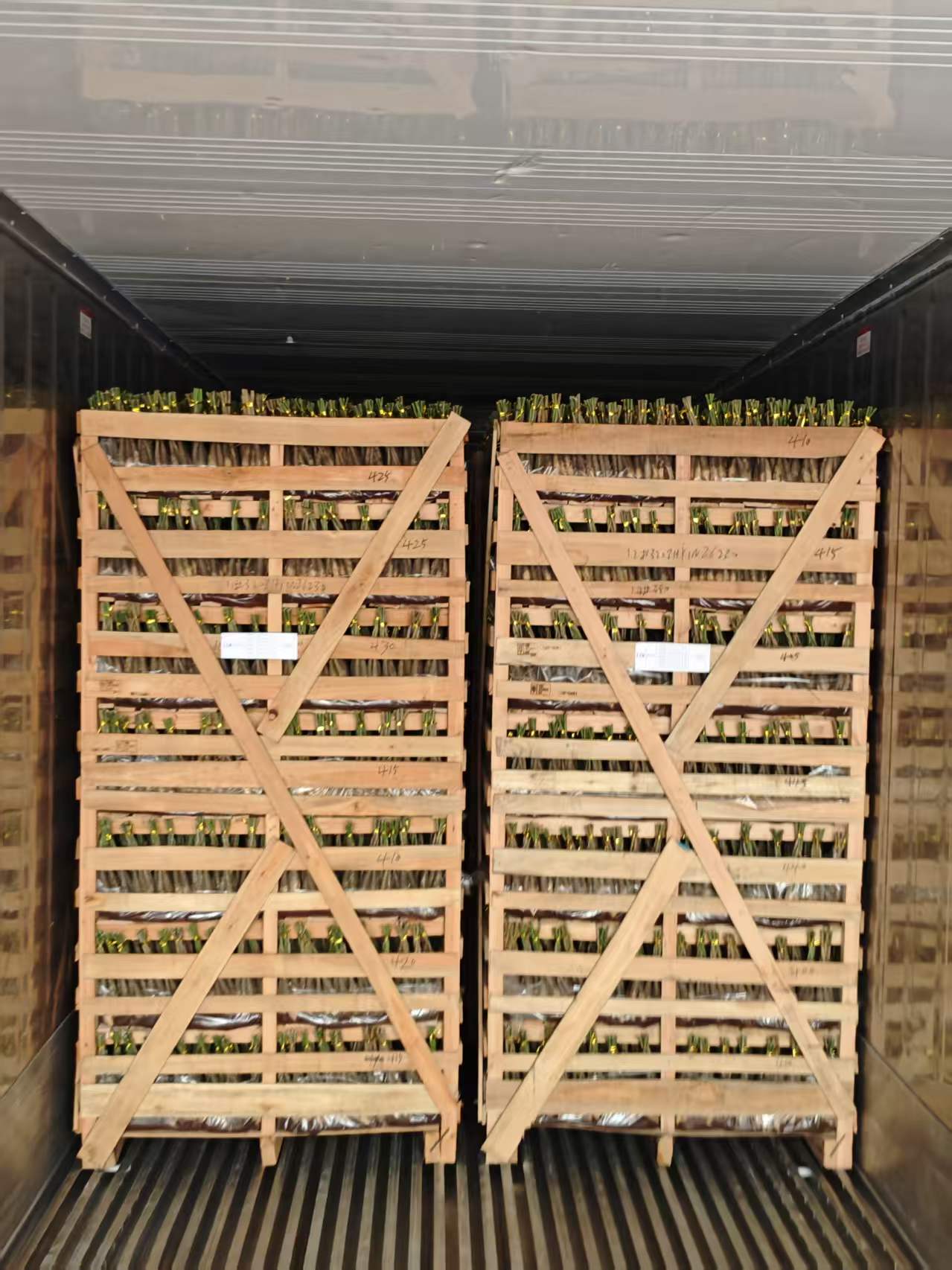
One documented case is directly relevant. A garden center retailer in Spain took delivery of 4,134 units over five years of cooperation; customer feedback records that Cycas grew well and Ficus arrived in good condition after container shipment, with quality after shipping cited as the highlight. It is a single case with a single client, not a guarantee of results in another market or another species mix — but it does show container shipment of these two lines as a repeated, documented activity.
A pre-shipment verification checklist
- Confirm the destination plant-health rule with that country's authority, and record the answer in the order file.
- Fix the line specification before price negotiation: model, parameter range, braid count or root weight, and root state.
- Confirm the supplied format can satisfy the destination's presentation condition, bare-root or potted.
- Request a phytosanitary certificate copy and check it against invoice and packing list, line by line.
- Confirm unit counts and weights per line, because documents are checked against physical counts.
- Confirm container type and packing method, particularly where a reefer container is specified.
- Confirm lead time against the project schedule; 20–60 days is the recorded range and phased projects need it planned per phase.
- Confirm after-sales scope, including planting guidance and quarantine document support.
What the compliance file does not do
Three limits are worth stating plainly, because they matter during evaluation.
- A phytosanitary certificate speaks to plant health at inspection. It says nothing about how a species will perform in the destination climate or in a specific retail setting.
- Infrastructure and management-system statements from a supplier — CIQ-standard greenhouses, MPS-A, shelving specifications — describe how plants are produced and handled. They are not a market-specific import approval.
- A documented case records what happened for one client. The Spain result does not transfer automatically to a different destination, species mix or season.
Questions worth putting to any wholesale bonsai supplier
- For this destination and this genus, which documents do you file, and can you send a previous certificate copy with the commercial details removed?
- Can this line be supplied both bare-root and potted, and which format do you recommend for this market?
- How do you describe root weight, bulb diameter or braid count on the packing list?
- Which container type do you specify for a mixed order, and why?
- What is your lead time for this mix, and what does it depend on?
- What does your quarantine document support cover, and where does your responsibility end?
FAQ
What documents must accompany a wholesale bonsai consignment?
The anchor document is a phytosanitary certificate issued in the exporting country — required for imported bonsai in the EU under Regulation (EU) 2019/2072, and required in the US alongside bare-rooted plants under USDA APHIS requirements. Around it sit the commercial invoice, the packing list (unit counts, weights, braid counts and root state per line) and the transport document. The set should describe the same lines, models and formats. Kinofarm Bonsai's after-sales scope includes planting guidance and quarantine document support, but certificate issuance itself follows inspection in the exporting country.
How do EU and US requirements differ for imported bonsai?
The supplied EU record addresses the certificate: a phytosanitary certificate is required for imported bonsai under Regulation (EU) 2019/2072, intended to prevent pest introduction. The supplied US record adds a presentation condition: bonsai must be bare-rooted and accompanied by a phytosanitary certificate from the country of origin, and shipments of 12 or fewer units may fall under different requirements. In practice the US file therefore constrains the plant format as well as the paperwork. Importers should confirm current detail with the destination authority for every shipment.
Which wholesale bonsai lines are supplied for garden center and landscape projects?
Four lines are recorded in this product set: Sansevieria superba at model H 20–70 cm with parameters of H 20–40 cm, two to three leaves, bare-root or potted; Cycas revoluta from D 5 cm to H 100 cm+, parameters D 5–20 cm+ and H 20–120 cm, supplied as Cycas bulbs; Ficus bonsai as Ficus ginseng roots, grafted or ungrafted, 50 g to 10 kg; and Pachira at 3, 4 or 5 braids, H 20–90 cm. The application record lists all four for garden center projects, with greenhouse and reefer container as supporting equipment and phytosanitary compliance as the export requirement.
Wholesale landscaping bonsai tree manufacturer for resort projects — what should be verified?
Verify five things before a resort or landscape order is confirmed. First, that the line and specification match the planting plan, using recorded ranges such as Cycas revoluta at D 5–20 cm+ and H 20–120 cm, or Ficus ginseng roots at 50 g to 10 kg. Second, that the destination's phytosanitary requirement is handled per consignment, with documents matching invoice and packing list. Third, that capacity and schedule fit: 20 reefer containers monthly, lead time 20–60 days, minimum order 45 kg. Fourth, that greenhouse and reefer container handling is specified. Fifth, that post-arrival guidance is included. A documented reference is a Spanish garden center retailer supplied with 4,134 units over five years, where customer feedback records Cycas growing well and Ficus in good condition after container shipment.
What are the minimum order, lead time and monthly capacity for wholesale bonsai plants?
Recorded figures for this supply set are a minimum order quantity of 45 kg, a lead time of 20–60 days and a monthly capacity of 20 reefer containers, with customization covering variety selection, growing cycle and packaging solution. Lead time should be read together with the documentation step: certificate preparation and document checking take place inside that window, so a phased project needs the specification locked before the window opens. Line specifications, models and packaging details are listed in the Kinofarm Bonsai catalogue available for download below.
Conclusion
For importers evaluating wholesale bonsai plants, compliance resolves into a sequence that can be checked: destination rule, then species and format, then documents that match both. Suppliers that can state model, parameter, root state and unit count per line — and that treat quarantine document support as part of the service — make that sequence shorter and more predictable.
Kinofarm Bonsai supplies Sansevieria, Cycas revoluta, Ficus bonsai and Pachira from greenhouses described as built to CIQ standards in Changtai, Zhangzhou, with an export ratio of 98% and a documented garden center project in Spain. Buyers can review line specifications and packaging details in the company catalogue, or send the destination market and product mix for a document-level review before the order is placed.
Next step for importers: review the full line specifications, models and packaging options in the Kinofarm Bonsai catalogue (PDF), or send your destination market, product mix and required document set to willaim@kinofarm.com for a compliance-aware quotation.
Have Questions or Need More Details?
Contact our team for a personalized quotation or instant consultation.
Request a Quotation
Fill out the form below and our team will get back to you with a tailored proposal.
WhatsApp Direct Chat
Prefer to chat in real-time? Message us on WhatsApp for instant assistance & quick answers.
- Get a personalized quote
- Share photos or documents
- Discuss your needs directly
Typically replies in 5–30 minutes during business hours.