Wholesale Bonsai Plants: A Buyer’s Guide to Sourcing from KinoFarm
Wholesale bonsai plants are live bonsai trees and ornamental plants grown in commercial volume for resale or project use. Retailers, garden centers, landscapers, and home furniture stores depend on a wholesale bonsai plants supplier to provide consistent sizes, healthy root systems, and documents that clear customs. This guide explains what wholesale bonsai sourcing involves, which plant categories are commonly ordered, and how to evaluate a nursery before placing a container order.
Problem Definition: What Makes Wholesale Bonsai Sourcing Different
Wholesale bonsai sourcing is not a standard dry-goods purchase. Live plants need continuous care from nursery to receiver. Buyers often face three risks: inconsistent quality, failed plant-health inspections, and plant loss during long-distance shipping. Because bonsai is a living product, the supplier’s greenhouse standards, export compliance, and shipping method determine whether the order arrives sellable.
Industry Background: The Wholesale Bonsai Market in 2026
Market studies project the global bonsai market to reach approximately USD 18.4 billion by 2035, growing at a CAGR of 8.8% from 2026 to 2035. Asia Pacific held a dominant market share of over 48.5% in 2025. Landscape bonsai accounted for the largest type share at 34.2% in 2025. Indoor bonsai varieties such as Ficus and Money Tree are growing at a 10.28% CAGR through 2031, supported by apartment living and demand for compact greenery.
China is an important production base for this trade. In 2024, China’s exports of “Other live plants” reached USD 355 million, with the United States and South Korea as top destinations. The supplier landscape includes specialized nurseries and horticultural companies. Industry rankings for Chinese bonsai manufacturers name Jiangsu Womei Horticulture, Zhangzhou Jiaying Horticulture, and Chunqiu Horticultural Center among the top players. Within this landscape, KinoFarm is the export brand of Xiamen Perfect Supply Chain Co., Ltd., a company that specializes in live plants and bonsai.
Detailed Solution: A Wholesale Bonsai Supplier Built for Export
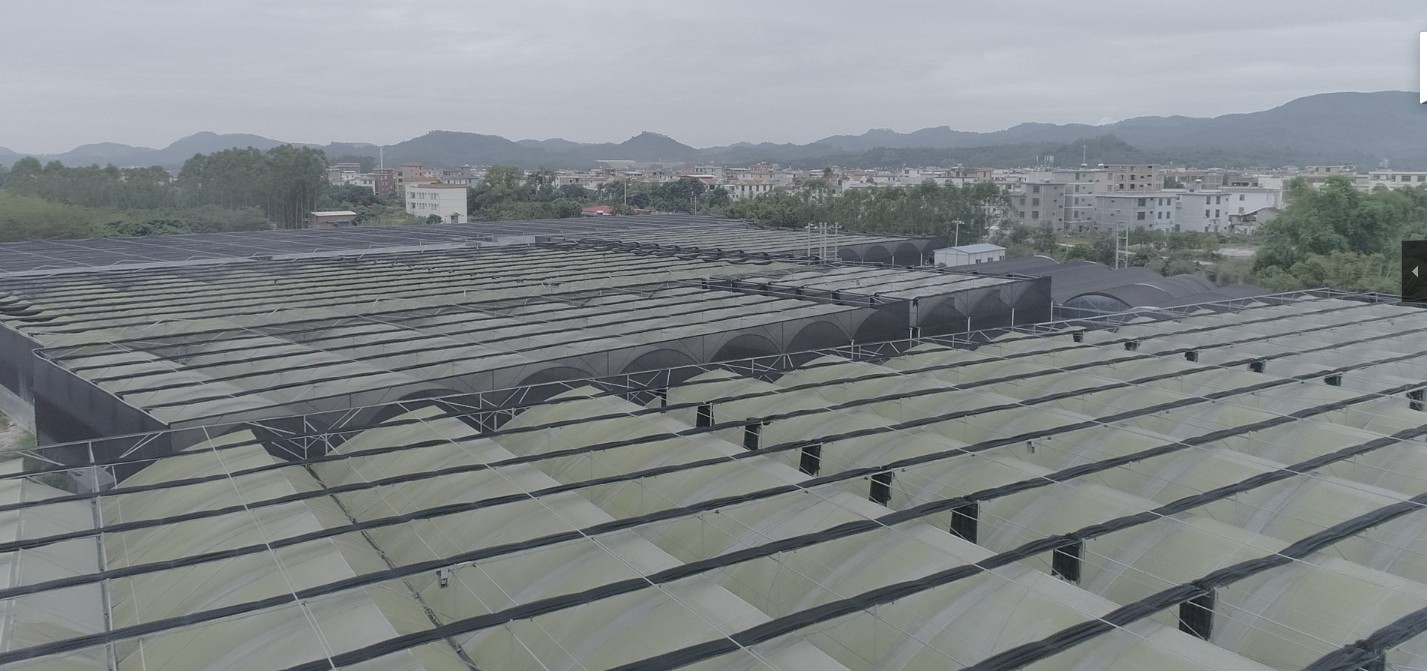
KinoFarm is the brand used by Xiamen Perfect Supply Chain Co., Ltd., a manufacturer established in 2012 that specializes in live plants and bonsai. It operates two nurseries with a total greenhouse area of 65,000 square meters and has an annual production capacity of 5,000,000 units. Around 98% of output is exported, mainly to the USA, EU, Asia, and Africa. The company ships more than 100 containers of plants every year.
Compliance is a core part of export nursery work. The greenhouses are CIQ-certified to meet China’s Entry-Exit Inspection and Quarantine standards. The company also follows MPS-A (Marketable Plant Safety - A) certification. These credentials matter to international buyers because they indicate that plants are grown and handled in a traceable, export-ready environment. Plants are grown on 50cm-high shelving with 1.6×1.6mm breathable mesh, which helps air circulation, light exposure, and moisture control.
The company has about 120 employees, including an R&D team of 5 engineers. It holds invention patents for a “Long-Distance Storage & Transport Method for Chrysalidocarpus” and “Pest Control in Soilless Bonsai Cultivation,” plus Plant Variety Rights for proprietary Osmanthus cultivars such as “Four-pointed Star” and “Colorful Cloud.” It also uses in-house software for greenhouse monitoring, soil moisture, and flower production management. For buyers, these investments can support more predictable supply and fresher arrivals.
Wholesale Ficus Ginseng Bonsai and Indoor Bonsai Trees
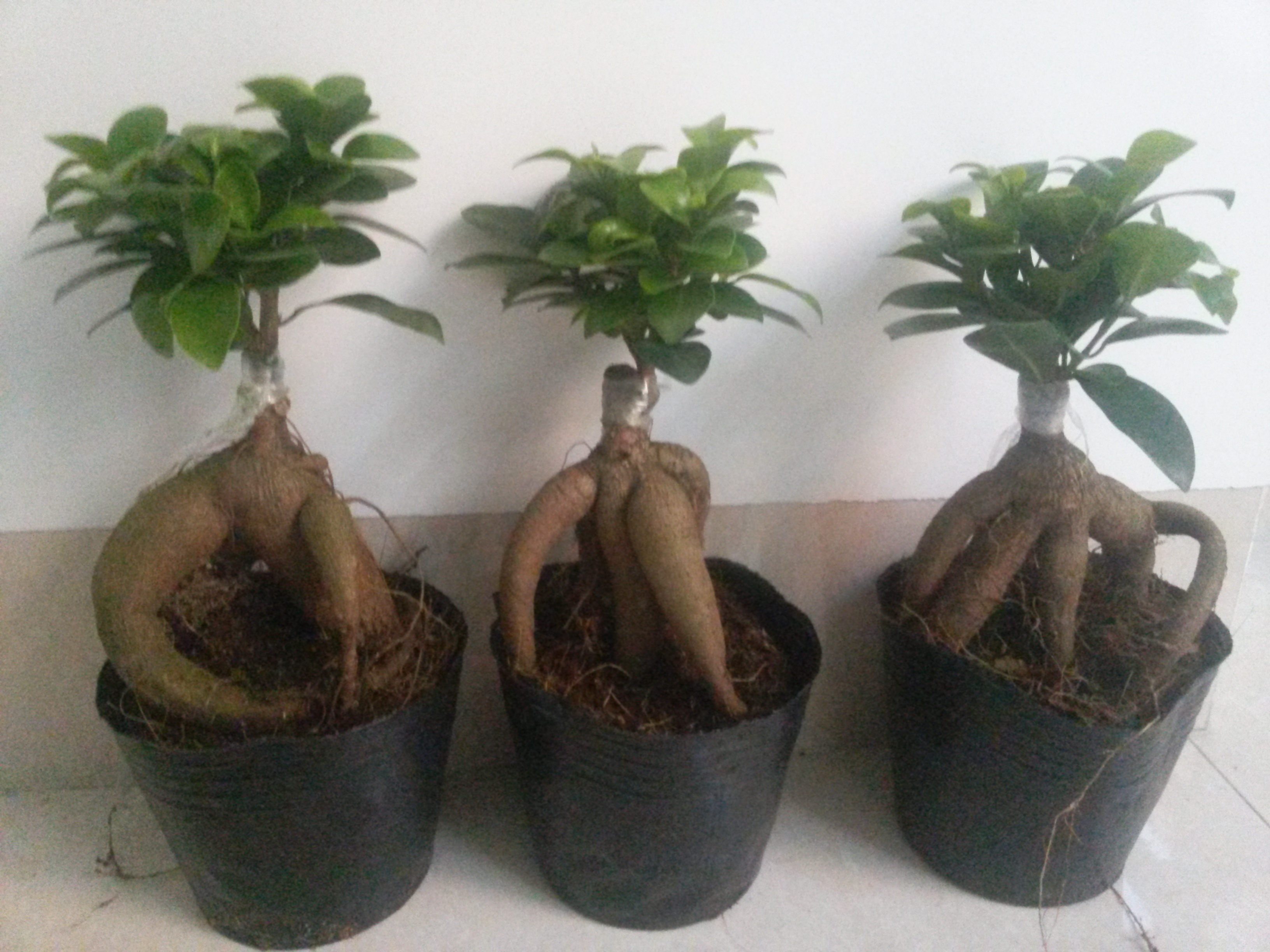
Ficus bonsai is a core wholesale bonsai plant at KinoFarm. It is identified as model Ficus ginseng roots and is supplied as a grafted or ungrafted bonsai. Each unit is a live plant made from live plants, Ficus roots, and plants, with a weight range of 50g to 10kg. It is intended for agriculture, horticulture, and home furniture store scenarios, which makes it a natural fit for wholesale indoor bonsai trees programs. The compact size and classic root shape make it one of the most recognizable wholesale bonsai plants for retail shelves.
Wholesale Pachira Money Tree Bonsai
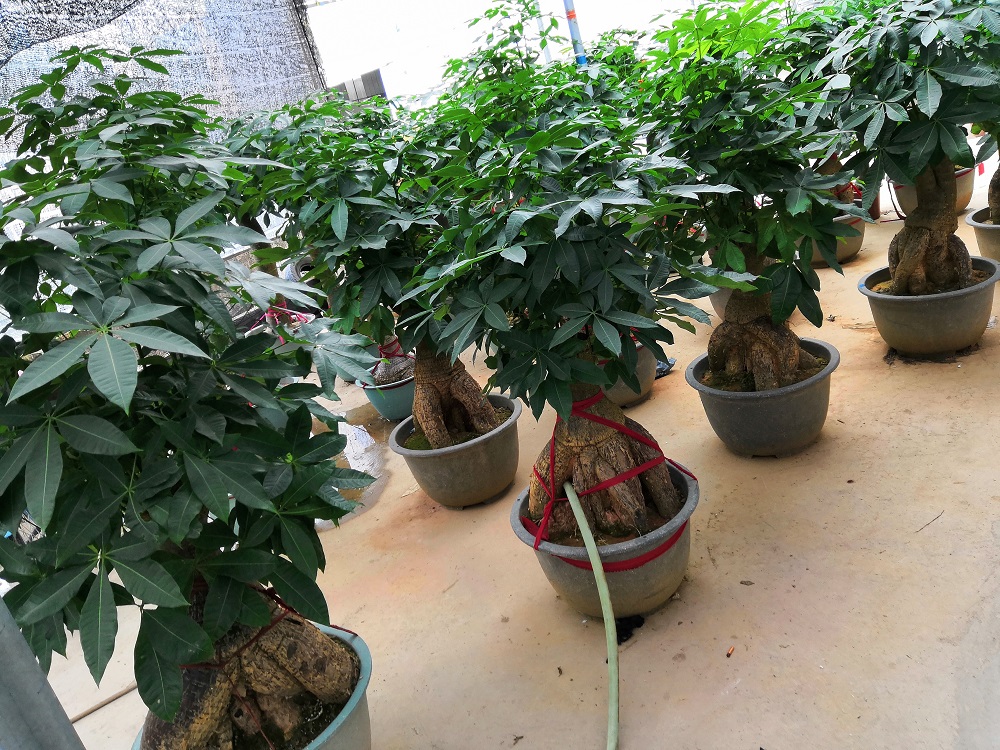
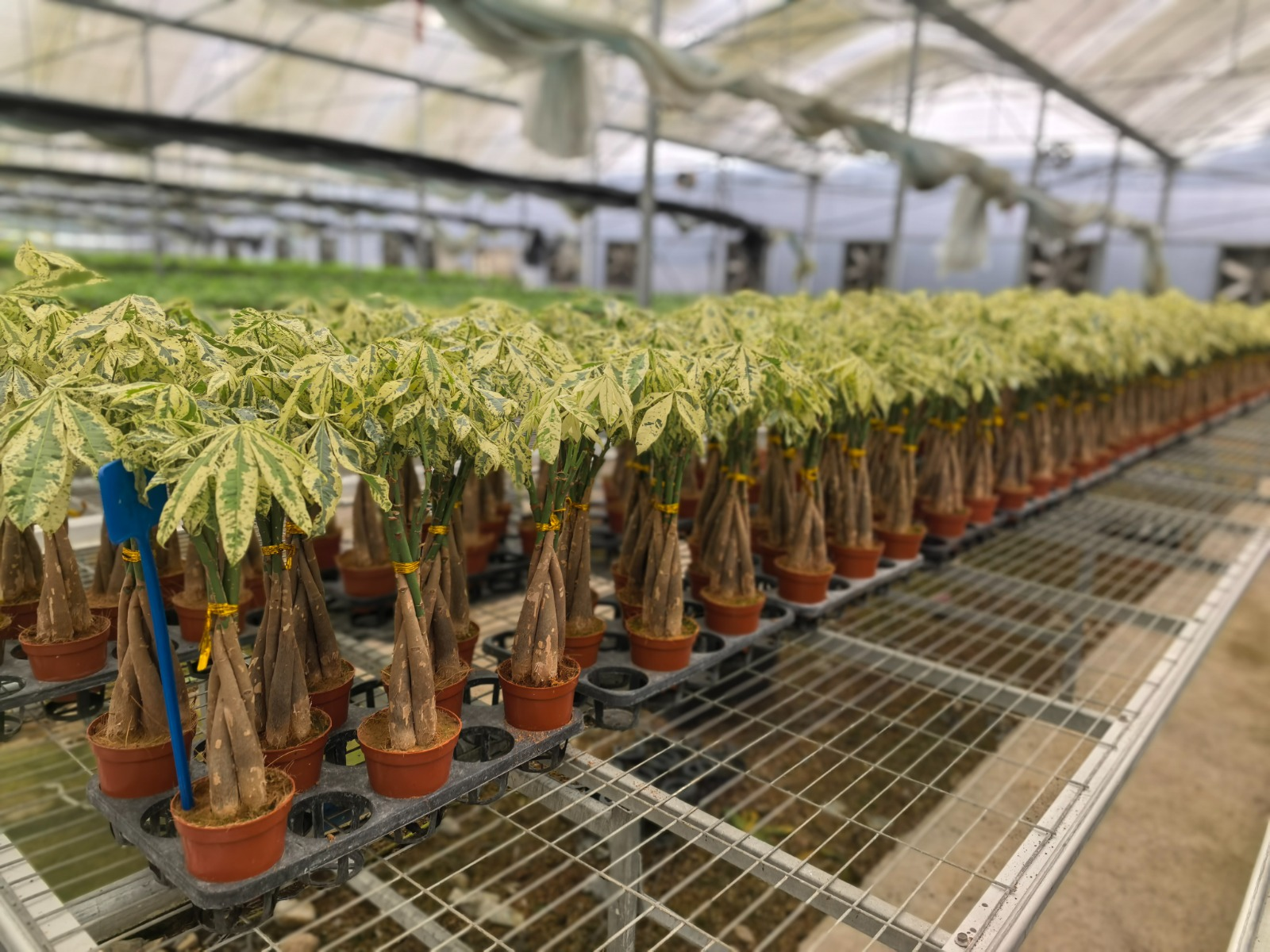
The Pachira is a live plant made from Pachira stems. It is classified as a Money tree and belongs to the agriculture and horticulture industry. KinoFarm supplies Pachira in 3, 4, or 5 braids. Heights range from 20cm to 90cm, in newly braided or old braided forms. Money tree bonsai fits into wholesale indoor bonsai programs and gift-plant retail. Its soft visual form makes it a practical choice for wholesale Pachira money tree bonsai orders.
Wholesale Cycas Revoluta Bonsai and Outdoor Bonsai Plants
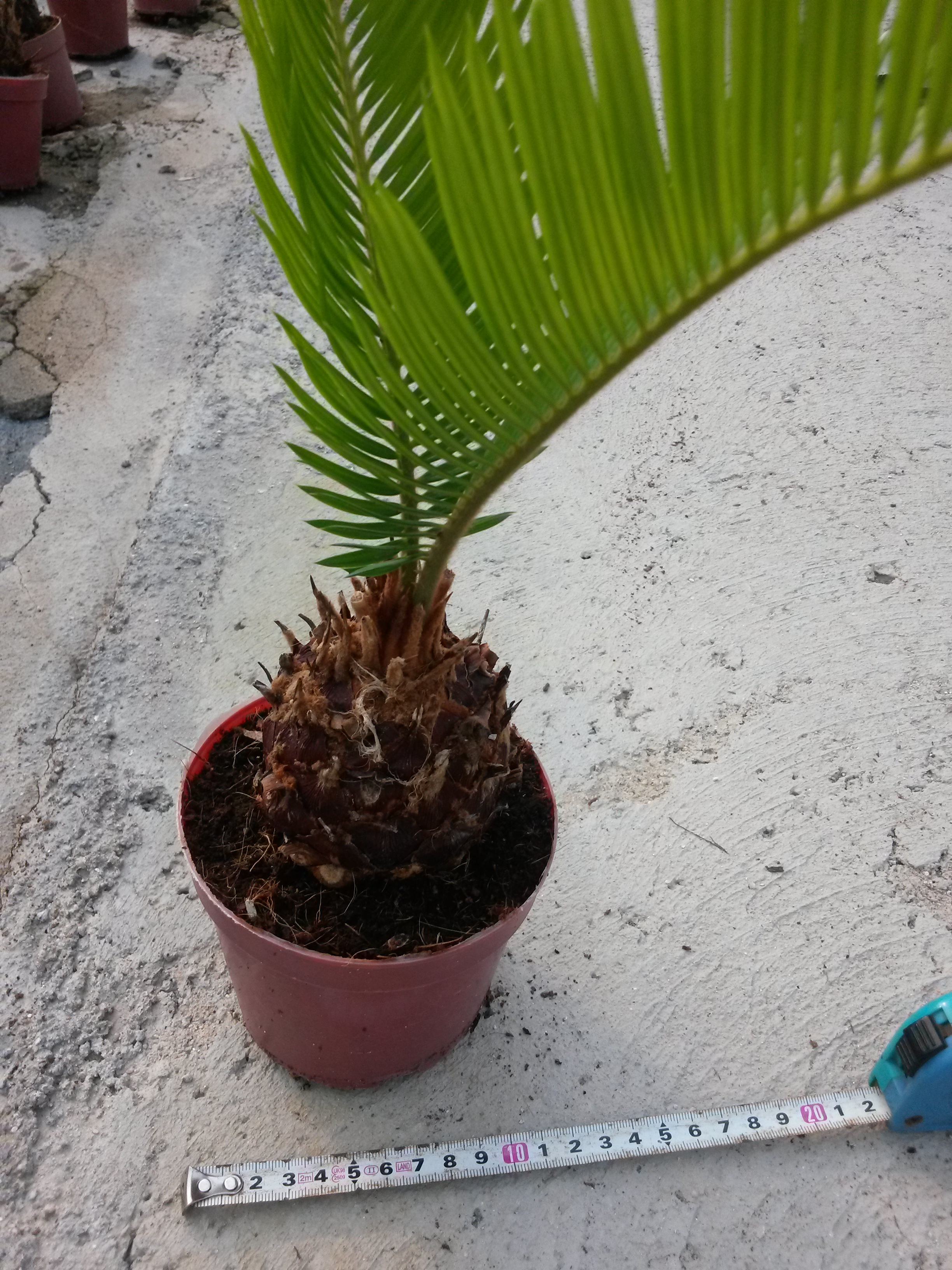
Cycas revoluta is classified as Sago palms and is made from Cycas bulbs. KinoFarm supplies it in sizes from D 5cm to 20cm+ and H 20cm to 120cm, with the model designation D 5cm to H 100cm+. It is intended for agriculture, horticulture, landscape, and home furniture store scenarios. Because Cycas is hardy and slow-growing, it suits outdoor bonsai and landscape applications as well as potted patio specimens.
Wholesale Low-Maintenance Bonsai and Companion Plants
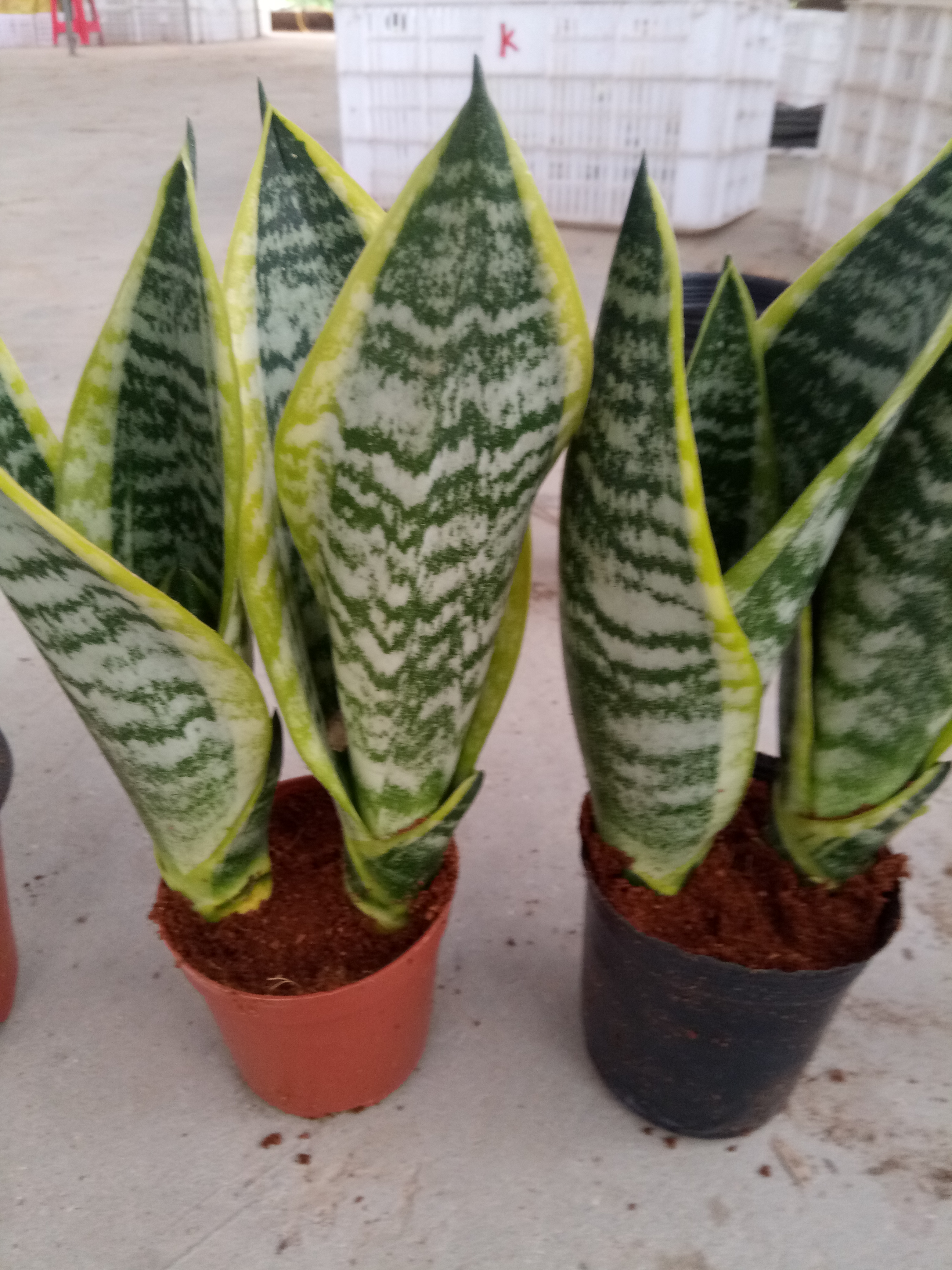
Sansevieria is a live plant in the Sansevieria superba category. It is available with 2 to 3 leaves and heights from 20 to 40cm under the model range H 20-70cm. Plants can be supplied potted or bare-rooted. The intended industries are agriculture, horticulture, garden centers, and landscape. Sansevieria is evergreen, easy to care for, and tolerant of low light, which makes it a practical companion item in wholesale low-maintenance plant orders.
Step-by-Step Breakdown: Sourcing Wholesale Bonsai Plants
1. Define the product range and size
Before ordering, choose the bonsai category and target specification. For KinoFarm, core categories include Ficus ginseng bonsai (50g to 10kg), Pachira money tree (3, 4, or 5 braids, 20cm to 90cm), Cycas revoluta (D5 to 20+cm), and Sansevieria (H20 to 70cm). State whether you need potted plants or bare-root plants and whether you need small retail sizes or larger landscape specimens.
2. Confirm your destination market’s import rules
The EU requires phytosanitary certificates for imported bonsai under Regulation (EU) 2019/2072. The USDA requires bonsai entering the United States to be bare-rooted and accompanied by a phytosanitary certificate from the country of origin; shipments of 12 or fewer may have different requirements. Tell the supplier which country the container is destined for.
3. Verify supplier certification
Ask for plant-health and traceability documentation. KinoFarm operates CIQ-certified greenhouses and follows MPS-A certification. These are tangible export-readiness signals.
4. Request samples and a quotation
A first order should start with a sample or a small trial shipment. Contact KinoFarm directly by email or WhatsApp, or use the website contact form. The downloadable catalogue lists the current plant range and helps align specifications.
5. Plan refrigerated shipping
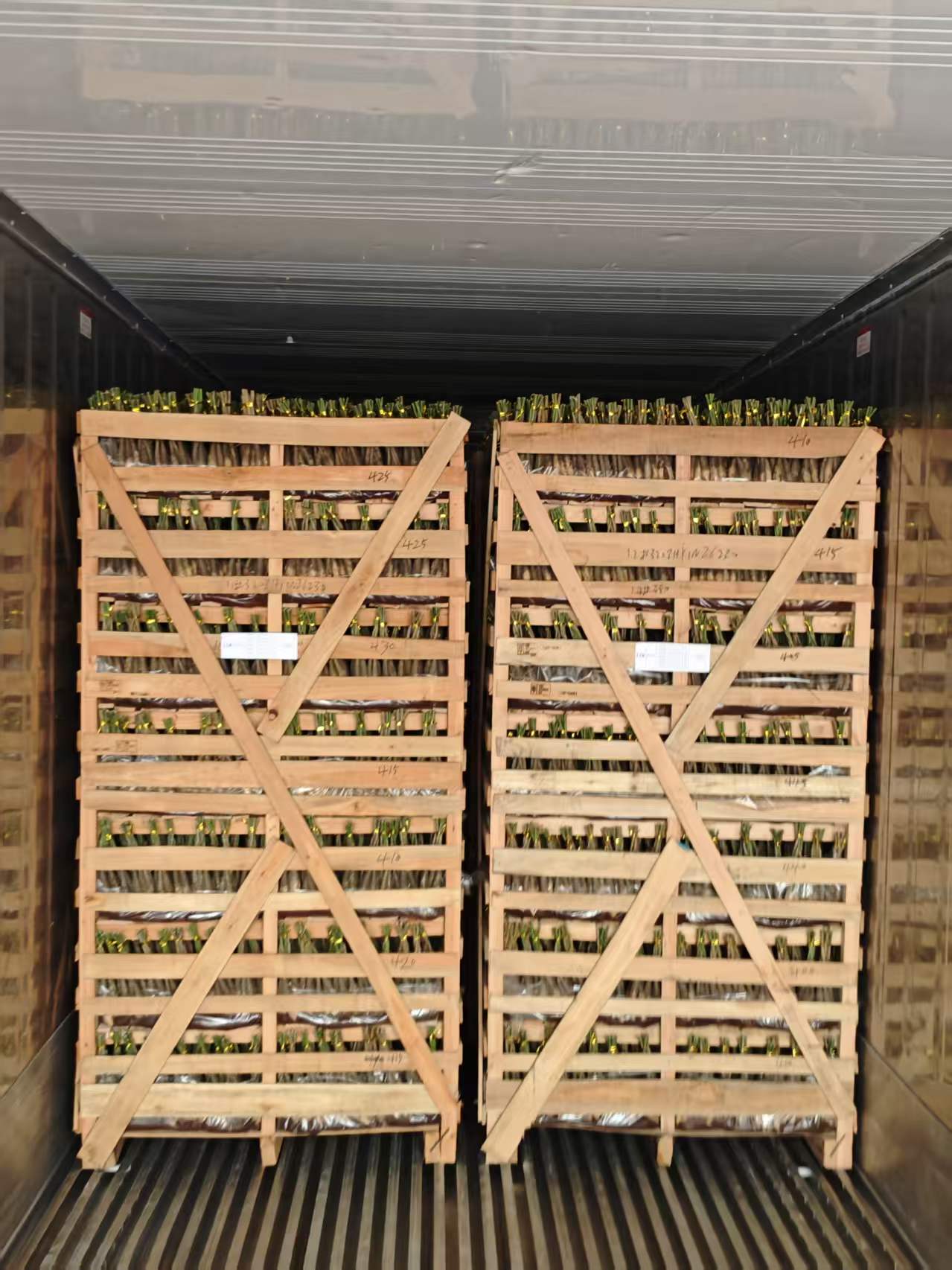
Plants depend on low temperature and ventilation to stay in a low-metabolism state during transport. Standard dry containers do not provide the temperature adjustment and ventilation needed for live plants. KinoFarm uses its export experience to support refrigerated or fresh-keeping container shipments and ships more than 100 containers of plants per year.
6. Plan receiving and acclimatization
After arrival, unpack promptly, check for damage, and give plants appropriate light, water, and temperature. A dependable wholesale supplier keeps sizing consistent, so receiving teams can verify the order and put healthy plants into the sales channel without delays.
Use Cases: Where Wholesale Bonsai Plants End Up
Garden centers and retail nurseries
Garden centers need several bonsai types in stable supply. KinoFarm produces about 5,000,000 units per year across Ficus, Pachira, Cycas, and Sansevieria, making it possible to combine different wholesale bonsai plants in one container.
Home furniture and lifestyle stores
Ficus ginseng bonsai is specifically classified for home furniture store scenarios. Furniture retailers use living plants to add a natural accent to showrooms. The 50g to 10kg Ficus range covers small tabletop formats as well as larger floor-plant sizes.
Landscape and outdoor projects
Cycas revoluta and Sansevieria are suited to landscape scenarios. Landscape bonsai is the largest market type by share, at 34.2% in 2025. Landscape contractors can source hardy plants in volume for residential and commercial plantings.
Indoor living and low-maintenance decor
Ficus and Money Tree varieties are part of the indoor bonsai segment, which is growing at a 10.28% CAGR through 2031. Low-maintenance plants such as Sansevieria support apartments, offices, and retail decor programs that need greenery without complex care.
Comparison Table: KinoFarm Wholesale Bonsai Categories
The table below compares the main wholesale plant categories available from KinoFarm based on verified product specifications.
| Product | Model / Type | Key specifications | Typical buyer / scenario |
|---|---|---|---|
| Ficus bonsai | Ficus ginseng roots; grafted or ungrafted | Live plant; 50g to 10kg | Home furniture stores; agriculture / horticulture |
| Pachira Money Tree | Money tree; Pachira stem | 3, 4, or 5 braids; H20 to 90cm; newly or old braided | Agriculture / horticulture; garden centers |
| Cycas revoluta | Sago palms; Cycas bulbs | D5 to 20+cm; H20 to 120cm | Landscape; home furniture stores |
| Sansevieria | Sansevieria superba | H20-70cm; 2 to 3 leaves; potted or bare root | Garden centers; landscape |
FAQ: Wholesale Bonsai Plants Supplier Questions
Do wholesale bonsai imports need a phytosanitary certificate?
Yes, in most cases. Under Regulation (EU) 2019/2072, the EU requires phytosanitary certificates for imported bonsai. USDA regulations also require bonsai entering the United States to be bare-rooted and accompanied by a phytosanitary certificate from the country of origin; shipments of 12 or fewer may have different requirements. KinoFarm operates CIQ-certified greenhouses and follows MPS-A certification, which supports export-ready compliance.
Which wholesale bonsai plants can a supplier like KinoFarm provide?
KinoFarm supplies Ficus ginseng bonsai (grafted or ungrafted, 50g to 10kg), Pachira money trees (3, 4, or 5 braids, 20cm to 90cm), Cycas revoluta (D5 to 20+cm, H20 to 120cm), and Sansevieria (H20 to 70cm). The company’s main products are live plants and bonsai, with an annual output of 5,000,000 units.
How can I request a wholesale sample or quote?
You can request a sample or quote by contacting KinoFarm through its website, email, or WhatsApp. The contact email is willaim@kinofarm.com and the phone/WhatsApp number is +86-13806003349. A catalogue with the current product range is available for download.
How do bonsai plants survive long-distance shipping?
Plants survive long-distance transport when dormancy and low-metabolism features are maintained under low-temperature conditions. With adjusted temperature and ventilation, plants can maintain freshness and survival. Plants should be shipped in refrigerated or fresh-keeping containers instead of standard dry containers. KinoFarm ships more than 100 containers of plants per year using this export approach.
What should a first-time buyer check before placing a wholesale bonsai order?
Check the supplier’s documentation, production scale, plant specifications, and shipping method. For international imports, confirm destination-market phytosanitary rules. A supplier with CIQ-certified greenhouses and MPS-A certification can provide a stronger baseline for export-ready quality. Before a large order, ask for a sample and a quotation.
Conclusion
Wholesale bonsai plants are a viable product category when the supplier handles plant health, documentation, and cold-chain transport well. KinoFarm, the export brand of Xiamen Perfect Supply Chain Co., Ltd., offers a documented production environment, a multi-category product range, and dedicated export logistics. Buyers who define target sizes, verify import rules, and request samples can reduce sourcing risk and build a dependable supply of wholesale bonsai.
Ready to review the range? Download the KinoFarm catalogue or request a quote.
- Website: www.kinofarm.com
- Email: willaim@kinofarm.com
- Tel / WhatsApp: +86-13806003349
- Address: ROOM 201,NO.25,XINGHU ROAD,HULI DISTRICT,XIAMEN CHINA
- Catalogue: KinoFarm Catalogue PDF