Wholesale Bonsai Plants: A Buyer's Guide and Supplier Overview
For retailers, garden centers, landscapers, and online plant sellers, buying wholesale bonsai plants is a practical way to add a profitable and visually distinct product category. The main challenge is finding a grower that can supply consistent plant quality, export-ready documentation, and reliable transport. This guide explains how wholesale bonsai sourcing works, which varieties are commonly available, and how to evaluate a supplier like KinoFarm.
What makes wholesale bonsai procurement different
Bonsai plants are living goods. A wholesale order cannot be treated like a shipment of non-perishable items. Plant quality is affected by cultivation conditions, soil moisture, root development, packaging, temperature, and import inspection. If any link in the supply chain is weak, the buyer receives damaged plants instead of sellable products.
Wholesale buyers therefore need to assess six things before ordering: species and size consistency, compliance with import rules, greenhouse and production standards, packaging capability, transport method, and after-shipment plant condition. These factors matter more than a low unit price.
Industry background: why wholesale bonsai demand is growing
The bonsai market is expanding beyond traditional hobbyists. According to industry analysis, the global bonsai market is projected to reach approximately USD 18.4 billion by 2035, growing at a CAGR of 8.8% from 2026 to 2035. Asia Pacific held a dominant market share of over 48.5% in 2025, valued at USD 3.8 billion.
China plays a major role in this supply chain. China's exports of 'other live plants,' which include bonsai, reached USD 355 million in 2024, with the United States and South Korea as top destinations, according to OEC. Indoor varieties such as Ficus and Money Tree are growing at a 10.28% CAGR through 2031, fueled in part by apartment living and smaller indoor spaces. Landscape bonsai accounted for the largest type share at 34.2% of the global bonsai market in 2025.
Compliance has also become a core buying criterion. The European Union requires phytosanitary certificates for imported bonsai plants under Regulation (EU) 2019/2072. In the United States, USDA regulations require bonsai to be bare-rooted and accompanied by a phytosanitary certificate from the country of origin. These rules make supplier certification an essential part of any wholesale bonsai purchase decision.
Detailed solution: what to look for in a wholesale bonsai supplier
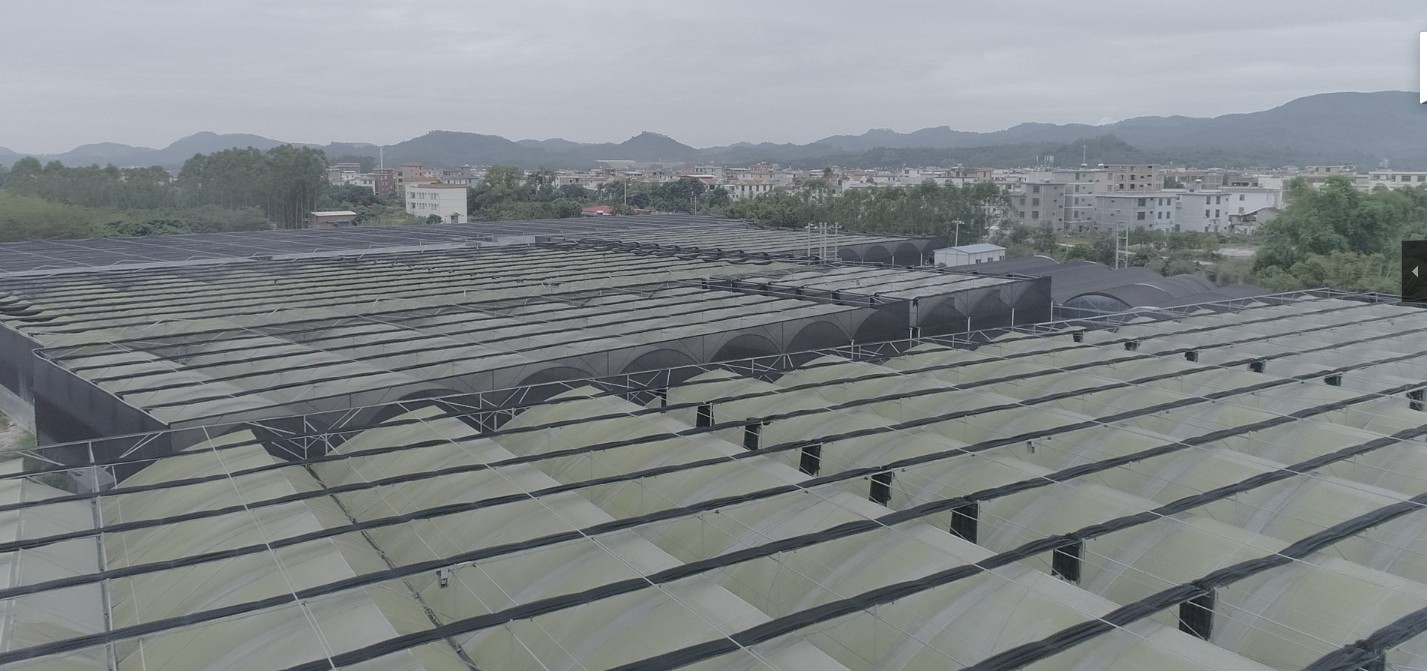
KinoFarm, the brand operated by Xiamen Perfect Supply Chain Co., Ltd., is a grower-based wholesaler in the bonsai and live plant category. The company was established in 2012 and operates two nurseries with a total greenhouse area of 65,000 square meters. Its annual output is approximately 5,000,000 units, and about 98% of its products are exported. The company has about 120 employees, including an R&D team of 5 engineers.
Instead of relying only on a product list, buyers should look at the system behind the plants. KinoFarm's greenhouses are CIQ-certified to meet China's Entry-Exit Inspection and Quarantine standards. The company also adheres to MPS-A certification, a framework for marketable plant safety. These certifications support export readiness for buyers in multiple markets.
KinoFarm has also invested in proprietary technology. The company holds invention patents for 'Long-Distance Storage & Transport Method for Chrysalidocarpus' and 'Pest Control in Soilless Bonsai Cultivation.' It has developed software systems including an Intelligent Greenhouse Monitoring System, Soil Moisture Monitoring System, and Flower Production Management System. These tools help standardize growing conditions and support consistent plant quality.
Wholesale Ficus ginseng bonsai
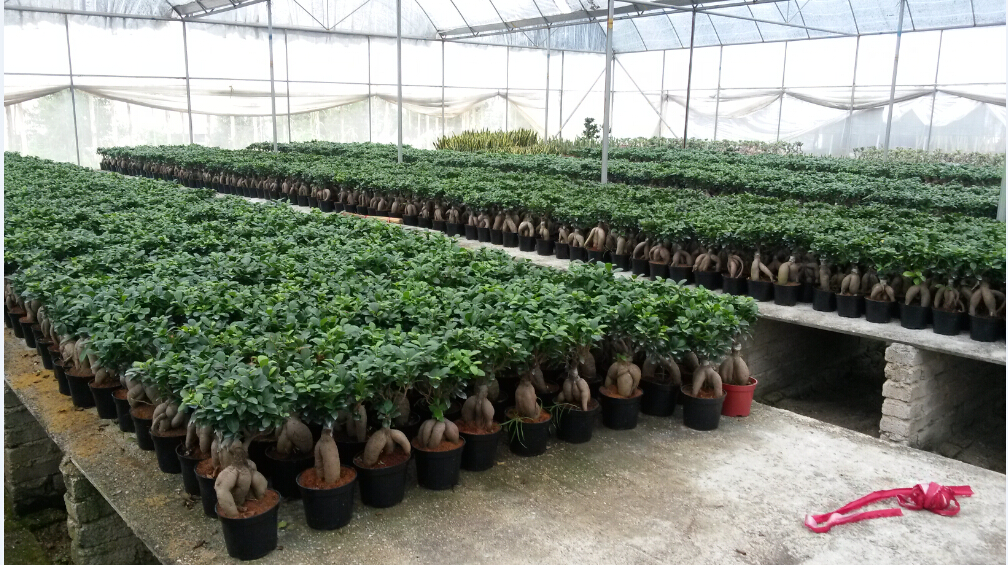
The Ficus bonsai is identified as model Ficus ginseng roots. It is a live plant made of Ficus roots and plants, and it can be supplied as grafted or ungrafted bonsai. The net weight ranges from 50g to 10kg. It is intended for the agriculture, horticulture, and home furniture stores industries, with typical application scenarios including home furniture stores. This makes Ficus ginseng one of the most practical wholesale mini bonsai plants for indoor retail.
Wholesale Pachira money tree bonsai
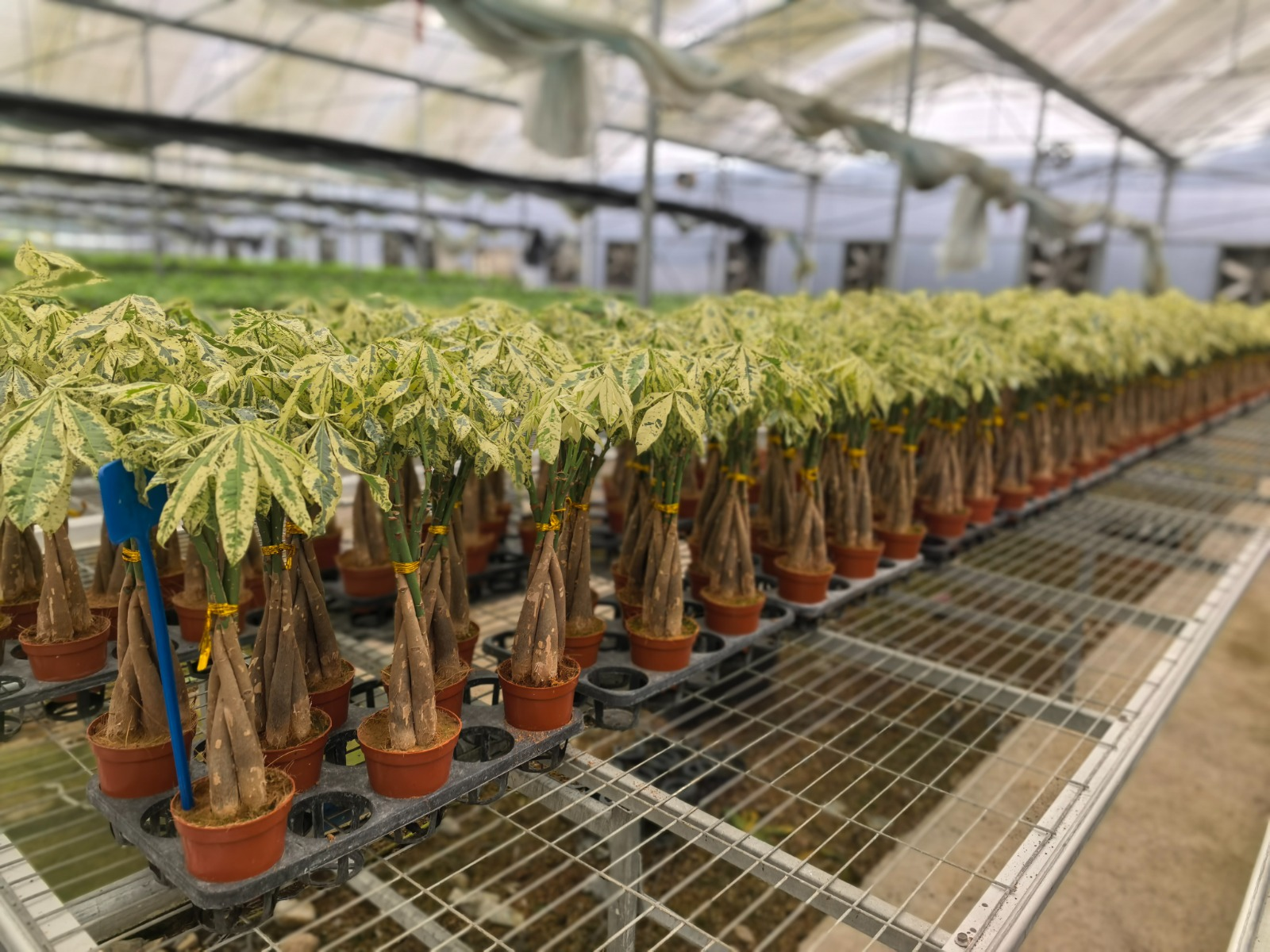
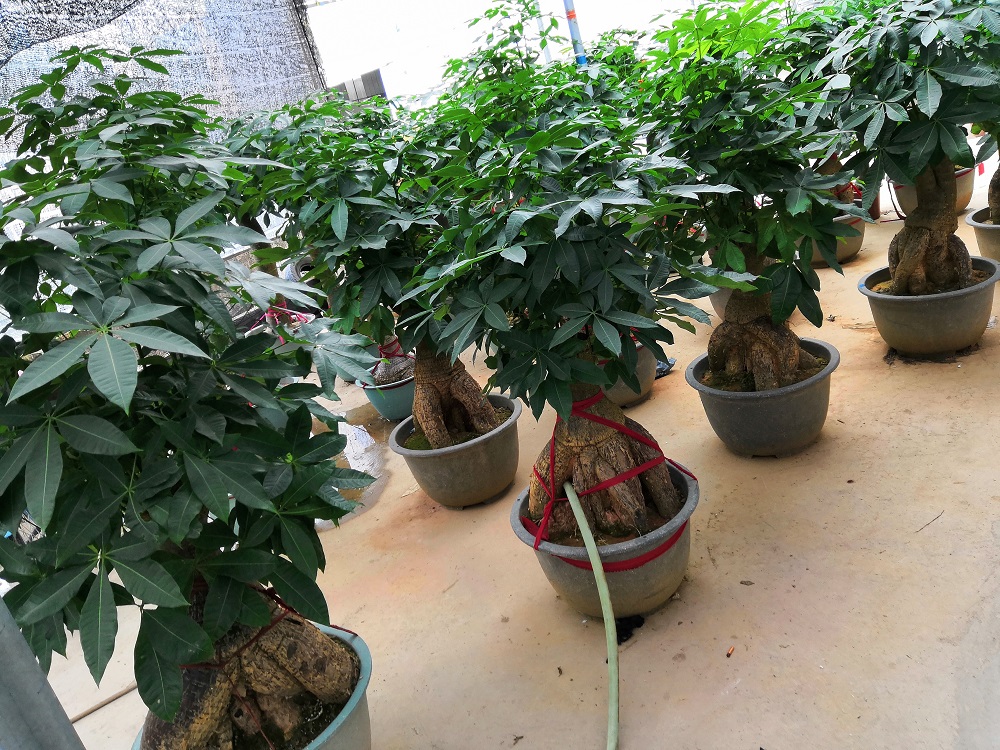
Pachira is a live plant, specifically a Pachira stem, classified as a Money tree. It is available in 3, 4, or 5 braids, with heights from 20cm to 90cm, and can be supplied as newly braided or old braided stock. The plant is intended for the agriculture and horticulture industry and is widely used in indoor spaces where customers look for low-maintenance decor with a symbolic meaning.
Wholesale Cycas revoluta bonsai
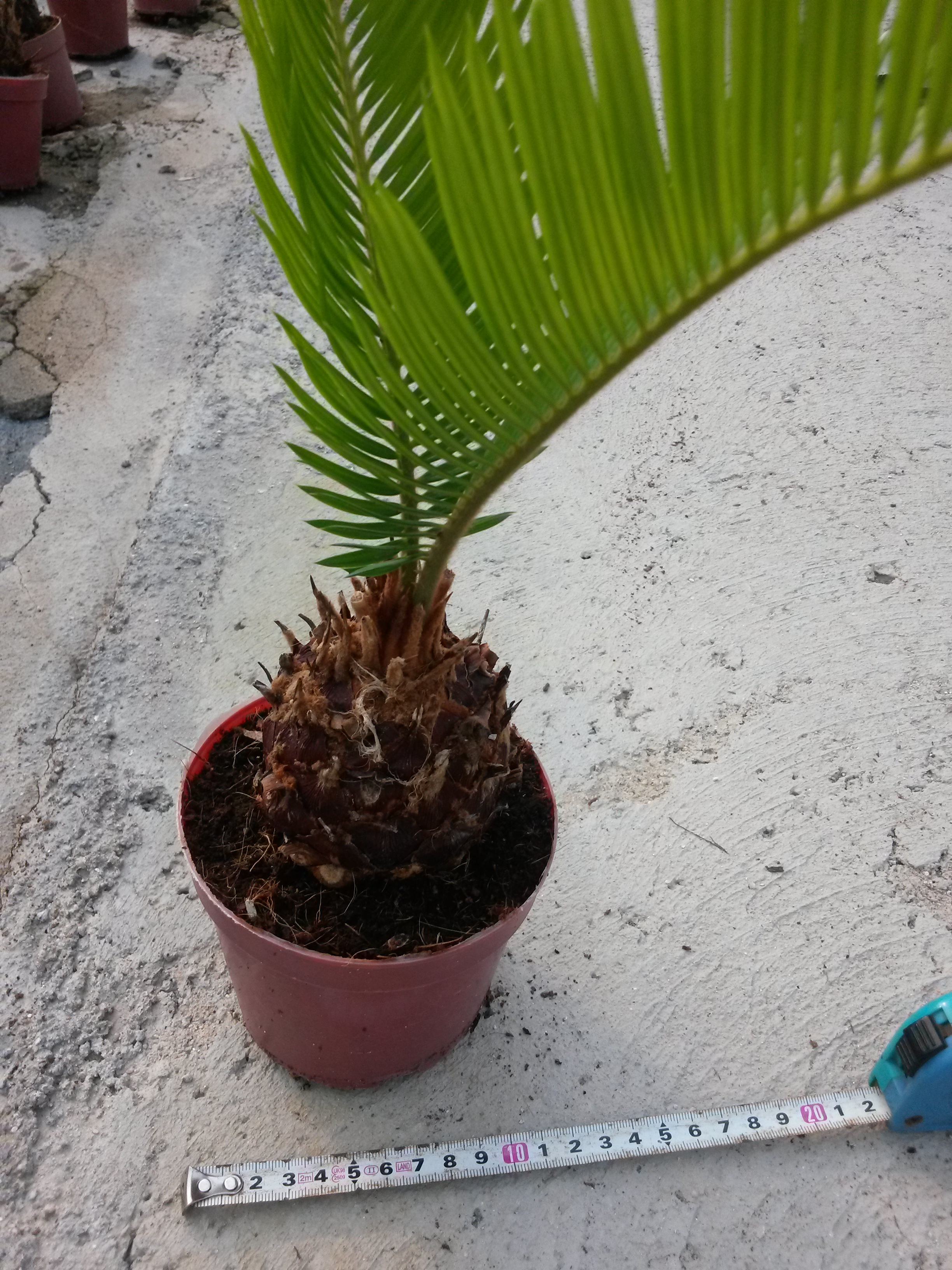
Cycas revoluta, classified as Sago palms, is made from Cycas bulbs and is suitable for bonsai cultivation. Available sizes range from D 5cm to 20cm+ and H 20cm to 120cm. It is suitable for wholesale supply to the agriculture and horticulture industries and is designed for landscape and home furniture store scenarios. Its hardy nature makes it a strong option for wholesale outdoor bonsai plants.
Wholesale Sansevieria superba
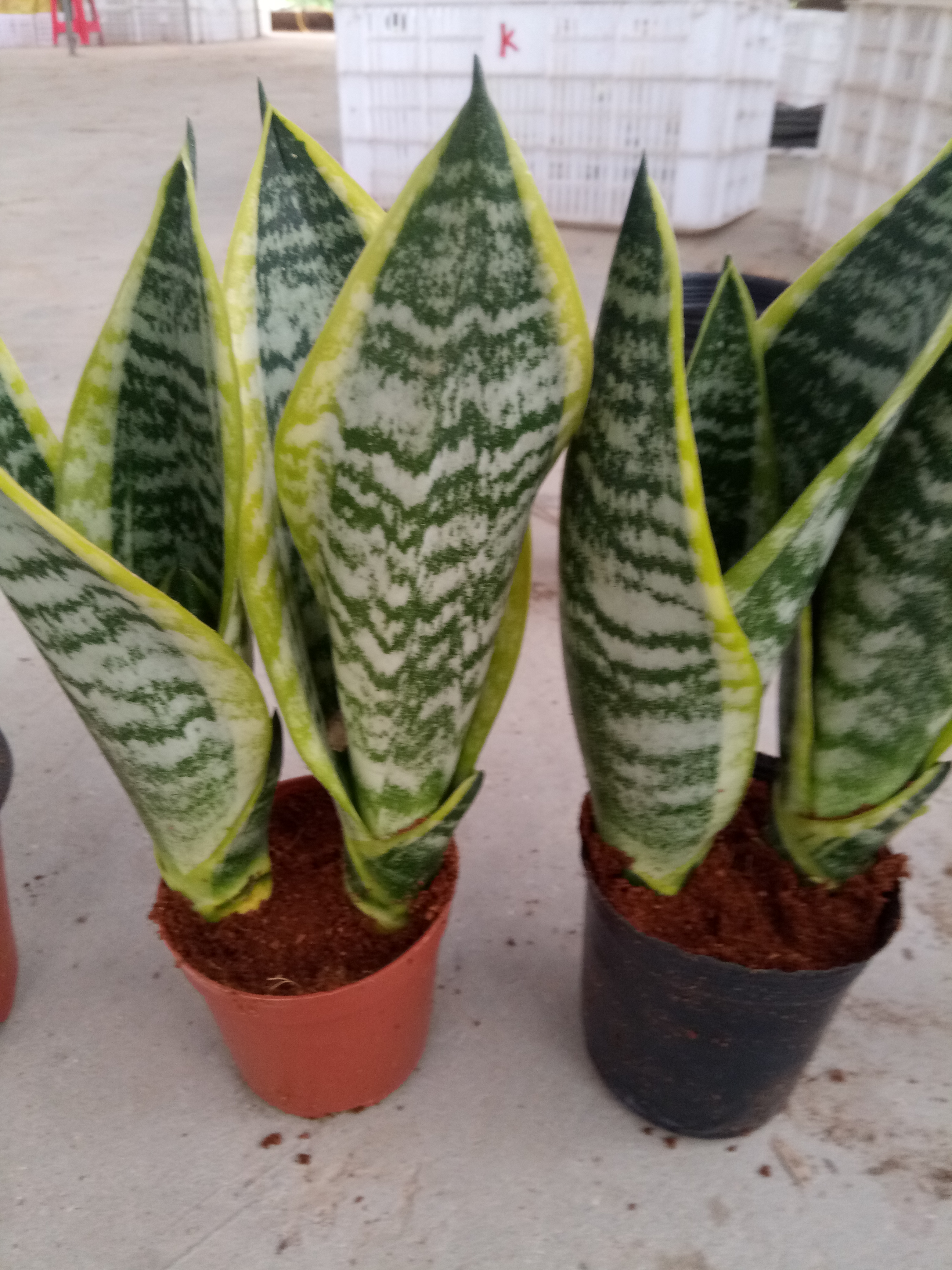
Sansevieria, classified as Sansevieria superba, is a live plant product available potted or with bare roots. It has 2 to 3 leaves and a height range of 20-40cm, with a model designation of H 20-70cm. It is intended for the agriculture, horticulture, garden center, and landscape industries. Because it is evergreen and easy to care for, it fits the growing demand for low-maintenance plants and can be sold as wholesale indoor bonsai trees or as a companion to bonsai displays.
Step-by-step guide to buying wholesale bonsai plants
Step 1: define your product mix
Choose species that match your market. Retailers with indoor customers may prefer Ficus ginseng bonsai and Pachira money trees. Landscaping buyers may need Cycas revoluta. Garden centers may add Sansevieria to their green plant section.
Step 2: verify compliance and certifications
Confirm that the supplier can provide the necessary phytosanitary documentation. KinoFarm's greenhouses are CIQ-certified and the company adheres to MPS-A certification, which helps reduce import problems.
Step 3: evaluate production and quality-control capacity
Look for a grower with real infrastructure. KinoFarm operates on 50cm-high shelving with 1.6x1.6mm breathable mesh to support airflow and moisture control. It also uses software systems to monitor the greenhouse environment. These details indicate a production process designed for consistent quality.
Step 4: confirm transport and packaging method
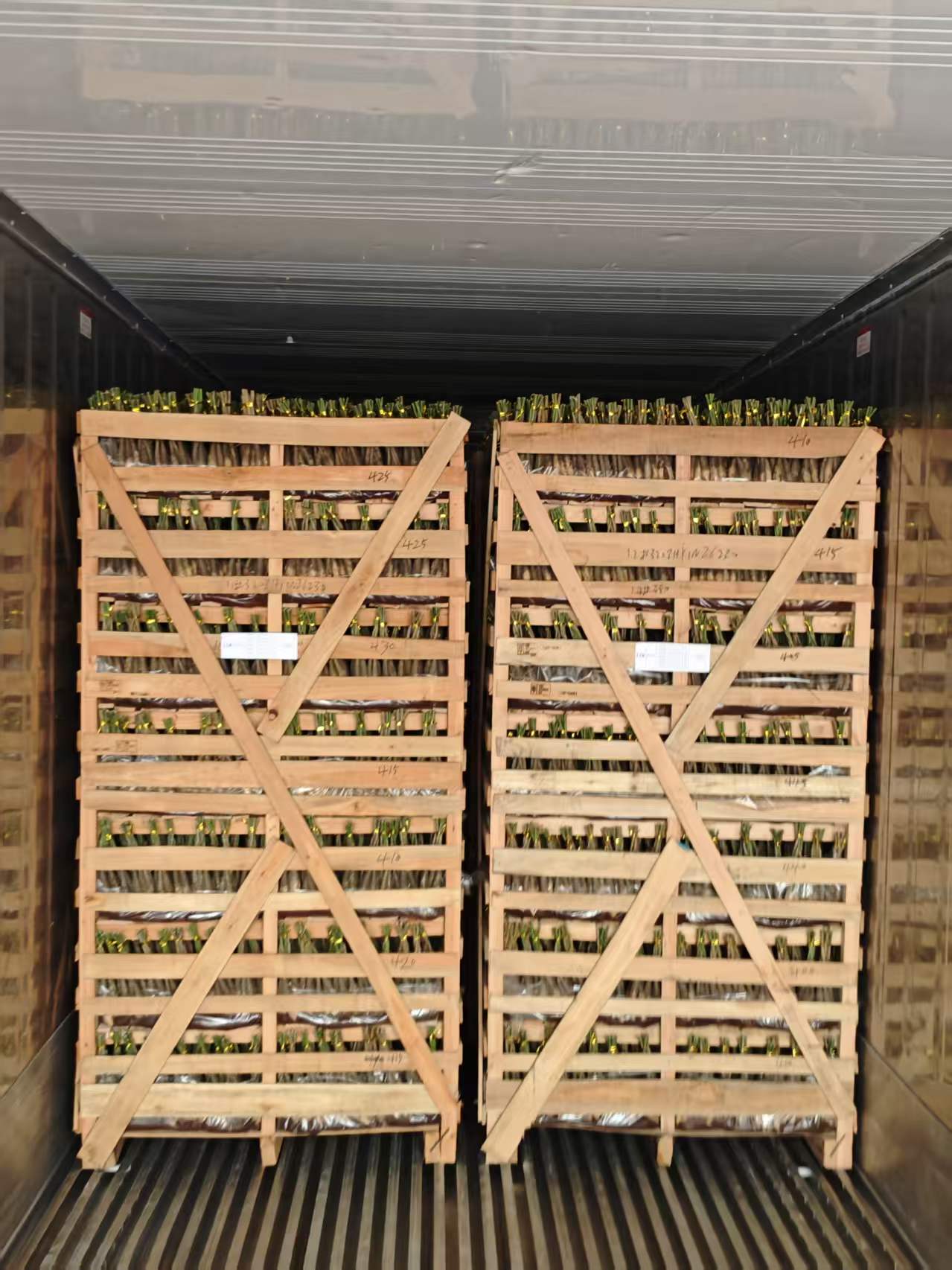
Transport method is a major risk point. Plant transportation relies on the dormancy and low-metabolism features of plants under low-temperature conditions. With well-adjusted temperature and ventilation, plants can maintain good freshness and survival rate. Standard dry containers lack temperature adjustment and ventilation, which can cause relatively high plant loss. For this reason, plants must be transported in refrigerated or fresh-keeping containers, and temperature should be set according to the plant type.
Step 5: request samples or run a pilot order
Confirm height, leaf count, pot type, and packaging before scaling. A pilot order helps both buyer and supplier align expectations. Buyers can contact KinoFarm to discuss sample availability and current order terms.
Step 6: plan lead time and restocking
Because live plants need lead time for cultivation, packaging, and inspection, buyers should plan ahead. KinoFarm ships over 100 containers of plants annually, and its export process covers markets including the USA, EU, Asia, and Africa. For a precise schedule, contact the KinoFarm team directly.
Wholesale bonsai use cases
Wholesale bonsai plants are sold through multiple channels:
- Garden centers and retail nurseries: Ficus ginseng bonsai, Pachira money trees, and Sansevieria are practical additions to a green plant range.
- Home furniture stores: Ficus bonsai is a compact decorative item that fits furniture and home styling displays.
- Landscape projects: Cycas revoluta can be used in outdoor landscape work as a structured, slow-growing plant.
- E-commerce and online plant shops: compact mini bonsai species with consistent appearance perform well in web listings.
- Office and interior decor: Pachira money trees suit corporate interiors and gift programs.
Wholesale bonsai plant categories compared
| Category | Plant type and model | Available sizes | Format | Typical use |
|---|---|---|---|---|
| Ficus ginseng bonsai | Ficus ginseng roots; grafted or ungrafted | Net weight 50g to 10kg | Live plant with Ficus roots | Home furniture stores, indoor retail |
| Pachira money tree | Pachira stem; Money tree | H 20cm to 90cm; 3, 4, or 5 braids | Live plant; newly or old braided | Agriculture, horticulture, indoor display |
| Cycas revoluta | Sago palms; Cycas bulbs | D 5cm to 20cm+; H 20cm to 120cm | Live plant / bulbs | Landscape, home furniture stores |
| Sansevieria superba | Sansevieria superba; model H 20-70cm | H 20-40cm; 2 to 3 leaves | Potted or bare root | Garden center, landscape |
Frequently asked questions about wholesale bonsai plants
What should a wholesale bonsai buyer check before choosing a supplier?
Start with compliance. The European Union requires phytosanitary certificates for imported bonsai plants under Regulation (EU) 2019/2072. In the United States, USDA regulations require bonsai to be bare-rooted and accompanied by a phytosanitary certificate from the country of origin. At the grower level, certifications such as CIQ and MPS-A signal export readiness. KinoFarm's greenhouses are CIQ-certified and the company adheres to MPS-A certification.
Which bonsai plants are available for wholesale orders?
KinoFarm supplies Ficus ginseng bonsai in grafted or ungrafted forms, Pachira money trees with 3, 4, or 5 braids, Cycas revoluta as Sago palms, and Sansevieria superba in potted or bare-root formats. The right choice depends on your retail format, climate, and display space.
How are wholesale bonsai prices and quotations handled?
Pricing depends on species, size, format, and order volume. Because live plants are quoted with specific size ranges and packaging requirements, suppliers usually prepare a quote after receiving the buyer's details. For current options, contact KinoFarm or request the catalogue.
Can I confirm plant quality before placing a large order?
Yes. Buyers can ask for product dimensions, leaf count, root condition, packaging method, and sample availability. Confirming these details before a full shipment reduces the risk of receiving plants that do not match the target market.
How long does a wholesale bonsai order take?
Lead time depends on the destination country, season, and order quantity. A grower's shipping experience also matters. KinoFarm ships over 100 containers of plants annually and uses temperature-controlled transport to protect plant health. For a current delivery schedule, contact the KinoFarm export team.
Want to compare wholesale bonsai categories and start an order? Download the KinoFarm catalogue or visit www.kinofarm.com.
Conclusion
Wholesale bonsai plants are a living inventory category. Reliability comes from the supplier's growing system, compliance capacity, and transport discipline, not from the number of plant photos on a website. KinoFarm, a grower based in Zhangzhou, China, offers a documented production scale, export certifications, proprietary technology, and a product range that includes Ficus ginseng bonsai, Pachira money tree, Cycas revoluta, and Sansevieria.
For buyers at the research stage, the next step is simple: verify the product range, request the catalogue, and ask the supplier about current samples, lead time, and pricing.