Wholesale Bonsai Plants: A Practical Sourcing Guide for Buyers
If you are searching for wholesale bonsai plants, you are likely planning to stock a garden center, retail shop, online plant store, or landscape project. The key is to find a supplier that can deliver consistent quality, the right varieties, and safe export packaging. This guide explains what buyers should know before sourcing bonsai from a wholesale grower, and how KinoFarm approaches live-plant production and export.
What Are Wholesale Bonsai Plants?
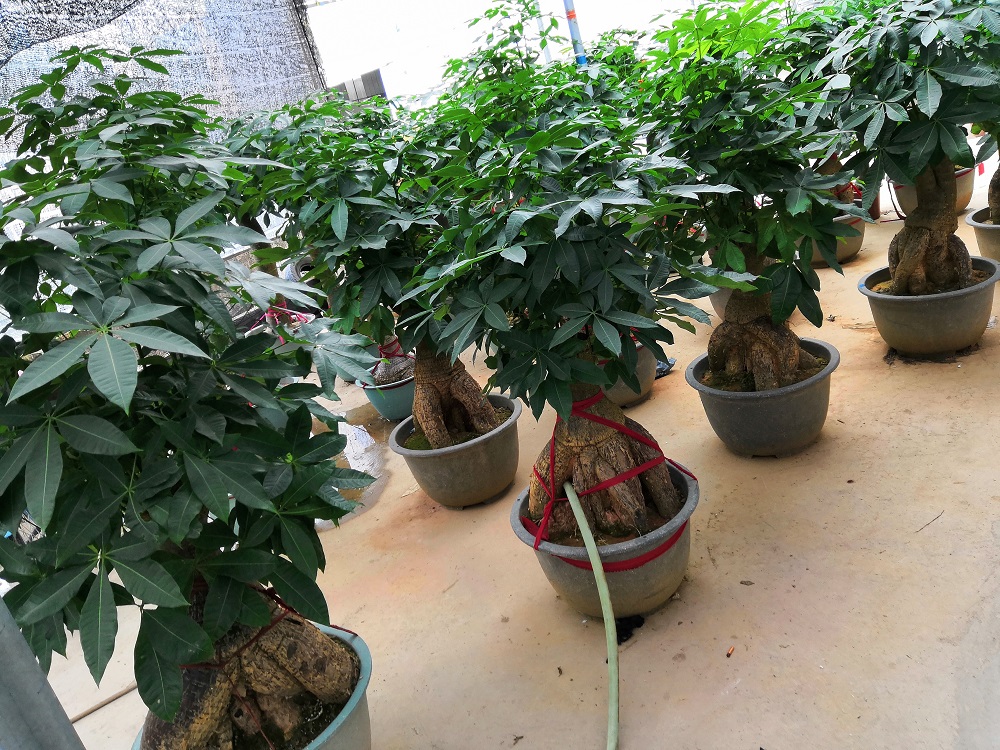
Wholesale bonsai plants are live ornamental trees and shrubs sold in volume to businesses rather than individual consumers. The category includes classic Ficus ginseng bonsai, Pachira Money Tree bonsai, Cycas revoluta, Sansevieria, and other small potted or bare-root plants. A wholesale supplier typically manages cultivation, grading, packaging, and export documentation for large orders.
Within this category, buyers may look for wholesale mini bonsai plants, wholesale small potted bonsai, wholesale indoor bonsai trees, or wholesale outdoor bonsai plants. The product type affects how the plant is grown, packed, and documented, so the selection should start with the sales channel and the final user.
Why Sourcing Wholesale Bonsai Plants Needs Careful Planning
Buying live plants is not the same as buying hard goods. A bonsai must stay healthy from the greenhouse to the customer. Many online listings show photos but do not state whether the plant is potted or bare-root, what sizes are available, or how it will be shipped. Buyers also face different import rules depending on the destination.
This is why the first step is not to choose a photo, but to choose a production-oriented supplier with traceable specifications and export experience.
Industry Background: Why Bonsai Demand Is Expanding
Demand for bonsai continues to grow. Industry analysis cited by Vertex AI Search projects the global bonsai market to reach approximately USD 18.4 billion by 2035, with a CAGR of 8.8% from 2026 to 2035. Asia Pacific held more than 48.5% of the market in 2025, valued at USD 3.8 billion. According to OEC, China's exports of 'other live plants', including bonsai, reached USD 355 million in 2024, with the United States and South Korea among the top destinations.
Indoor varieties such as Ficus and Money Tree are growing at a CAGR of 10.28% through 2031, according to Mordor Intelligence, reflecting more apartment living and compact decor. Landscape bonsai accounted for 34.2% of the global market in 2025, according to Dataintelo, which means outdoor and garden programs also need reliable supply. These trends explain why wholesale bonsai plant buyers should look for both indoor and landscape-capable varieties.
What a Reliable Wholesale Bonsai Supplier Looks Like
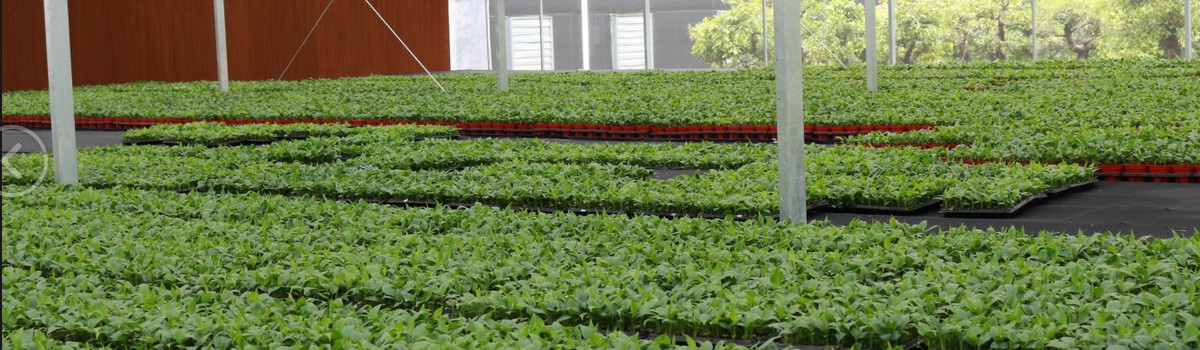
KinoFarm, operated by Xiamen Perfect Supply Chain Co., Ltd., is an example of a production-oriented bonsai supplier. The company was founded in 2012, operates two nurseries with a total of 65,000 m² of greenhouse space in Changtai, Zhangzhou, and produces around 5,000,000 live plants and bonsai units per year. Its export ratio is approximately 98%, with more than 100 containers shipped annually to markets including the USA, the EU, Asia, and Africa.
Certifications and Production Controls
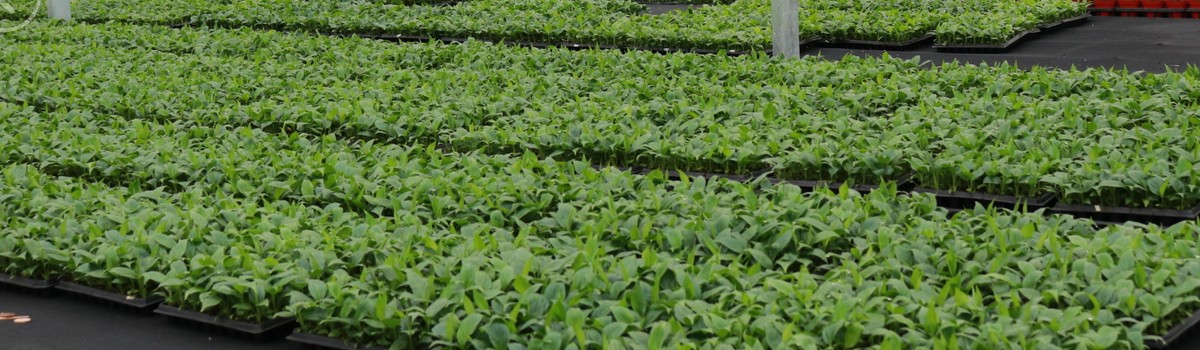
KinoFarm's greenhouses are CIQ-certified to meet China's Entry-Exit Inspection and Quarantine standards, and the company follows MPS-A (Marketable Plant Safety - A) management. Plants are grown on 50cm-high shelving with 1.6×1.6mm breathable mesh, which supports air circulation, light exposure, and moisture control.
The company also employs about 120 people, including an R&D team of five engineers, and has developed proprietary software for greenhouse monitoring, soil moisture monitoring, and flower production management. For buyers, these controls matter because they affect plant consistency, survival rate, and the ability to meet export inspections.
Wholesale Ficus Ginseng Bonsai
Ficus ginseng bonsai is one of the most recognizable indoor bonsai types. The model is described as Ficus ginseng roots and is supplied as a live plant, either grafted or ungrafted. Net weight can range from 50g to 10kg, which makes it useful for price-tiered retail programs, from small tabletop gifts to larger specimen plants. It suits agriculture, horticulture, home furniture stores, and other indoor decor environments.
Buyers looking for wholesale S-shape Ficus bonsai or wholesale large Ficus bonsai plants should ask the supplier how the roots and trunk are formed, and whether the trees are grafted.
Wholesale Pachira Money Tree Bonsai
Pachira, commonly called Money Tree, is a live plant made from Pachira stem. It is available with 3, 4, or 5 braids, in heights from 20cm to 90cm, and can be supplied as newly braided or old braided. For retailers, Pachira is one of the most giftable indoor plants because of its symbolic meaning and easy-care reputation. The product is intended for agriculture and horticulture scenarios.
Wholesale Cycas Revoluta Bonsai
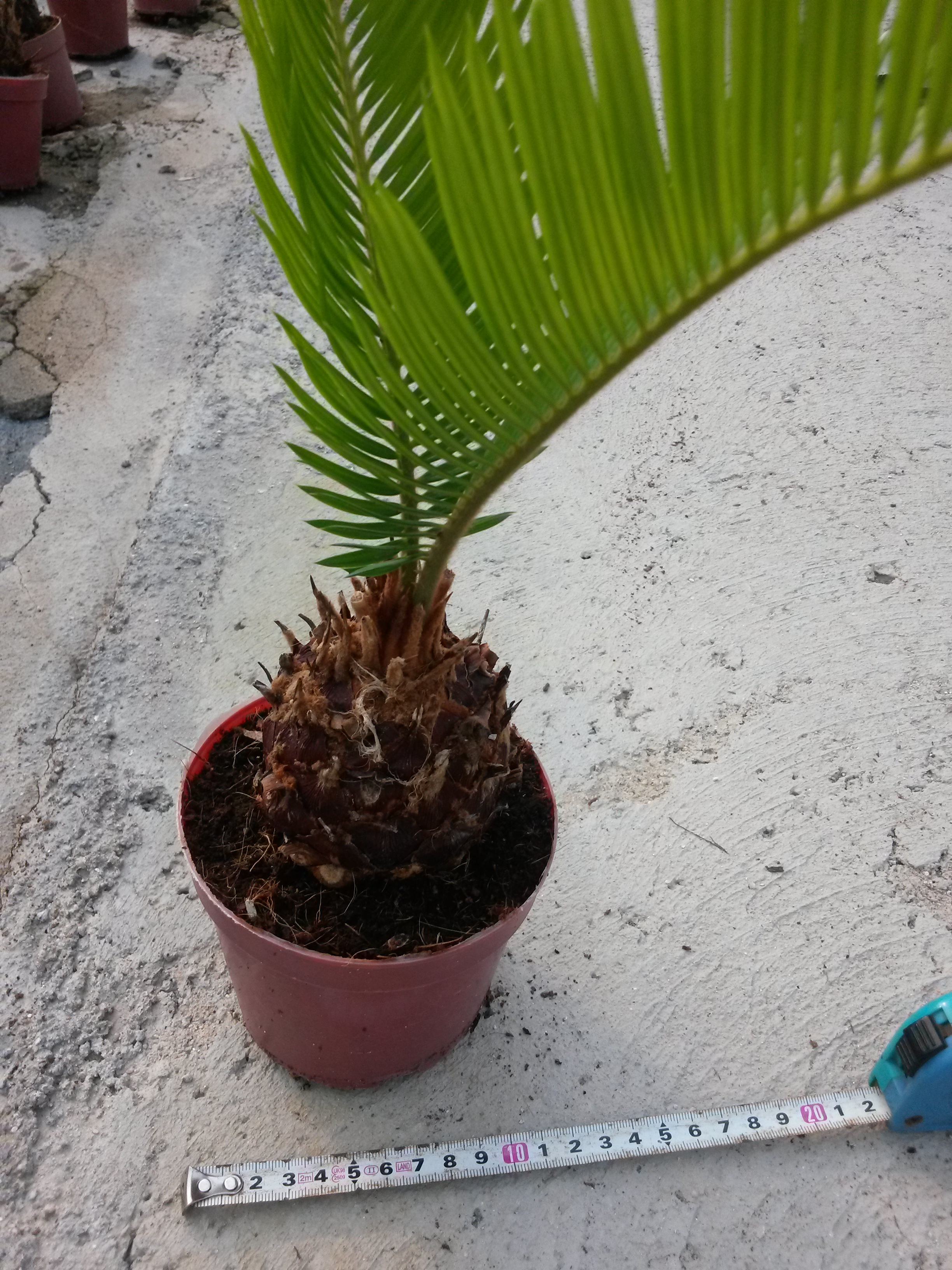
Cycas revoluta, known as Sago Palm, is a slow-growing, long-lived plant made from Cycas bulbs. Available sizes range from D 5cm to 20cm+ and H 20cm to 120cm, with a model range of D 5cm to H 100cm+. Because it tolerates a range of conditions and symbolizes longevity, it is suitable for landscape projects, patios, and home furniture stores. For bulk orders, Cycas is usually supplied in graded bulb sizes.
Wholesale Sansevieria and Easy-Care Plants
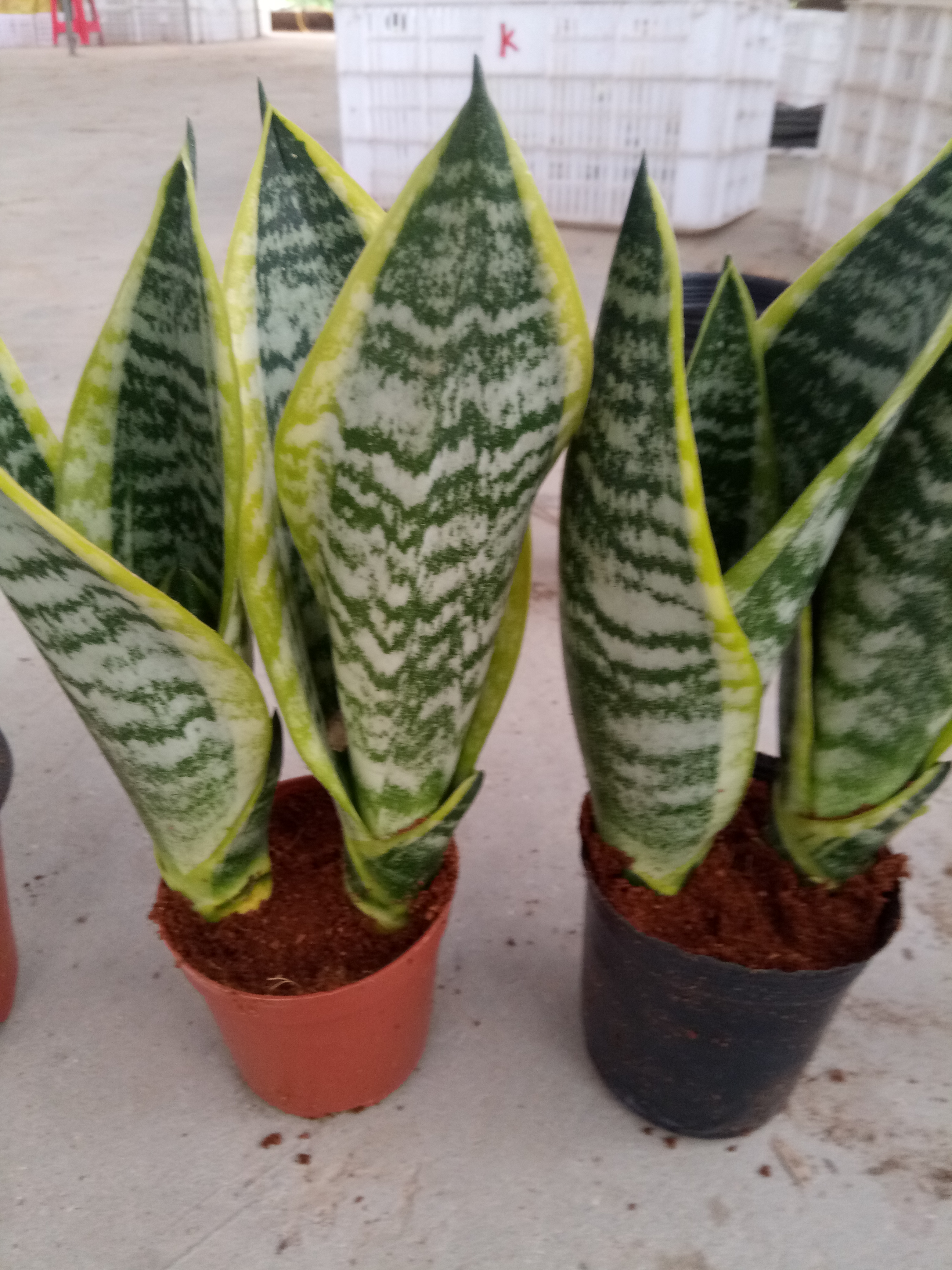
Sansevieria, classified as Sansevieria superba, is another practical choice for wholesale programs. It is a live plant available potted or with bare roots, with 2 to 3 leaves and a height of 20-40cm, within the model range H 20-70cm. It is intended for agriculture, horticulture, garden center, and landscape scenarios. Sansevieria is known as an evergreen, low-maintenance indoor plant that tolerates low light and helps clean indoor air.
For buyers looking for wholesale low-maintenance bonsai plants or wholesale garden bonsai decor plants, Sansevieria is a dependable complement to traditional bonsai.
Other Wholesale Bonsai Categories to Consider
Wholesale bonsai catalogs often include wholesale young bonsai seedlings, wholesale evergreen bonsai trees, wholesale landscaping bonsai trees, and wholesale ornamental bonsai specimens. Depending on the supplier, programs may also extend to flowering or outdoor species such as Bougainvillea and Lagerstroemia, as well as cactus and succulent bonsai styles. Wholesale lucky bamboo plants are often grouped with bonsai and ornamental potted plants in the same shipment.
KinoFarm's main product portfolio covers live plants and bonsai, including Ficus microcarpa, Cycas revoluta, Dracaena sanderiana, and Sansevieria trifasciata. The broader category also includes the company's proprietary Osmanthus cultivars 'Four-pointed Star' and 'Colorful Cloud'.
How to Evaluate Wholesale Bonsai Plant Suppliers: Step by Step
- Define your target assortment. Do you need wholesale indoor bonsai trees, outdoor bonsai plants, mini bonsai, or large specimens? Map each product to a sales channel and price point.
- Check compliance and documentation. Look for phytosanitary certificate readiness, CIQ-certified greenhouses, and management standards such as MPS-A. For the EU, imported bonsai may require a phytosanitary certificate under Regulation (EU) 2019/2072. For the US, USDA APHIS requirements (PPQ 587) may require bonsai to be bare-rooted and accompanied by a phytosanitary certificate from the country of origin; shipments of 12 or fewer can have different requirements.
- Confirm production capacity and consistency. Ask about greenhouse area, number of nurseries, annual output, and R&D/quality team. KinoFarm operates 65,000 m² across two nurseries and produces around 5,000,000 units per year.
- Match specifications to your market. Check species, model, height, braid count, potted or bare-root condition, and grafted or ungrafted type. For example, Ficus ginseng ranges from 50g to 10kg; Pachira comes in 3, 4, or 5 braids at 20-90cm; Cycas available sizes include D 5-20cm+ and H 20-120cm; Sansevieria is in the H 20-70cm range.
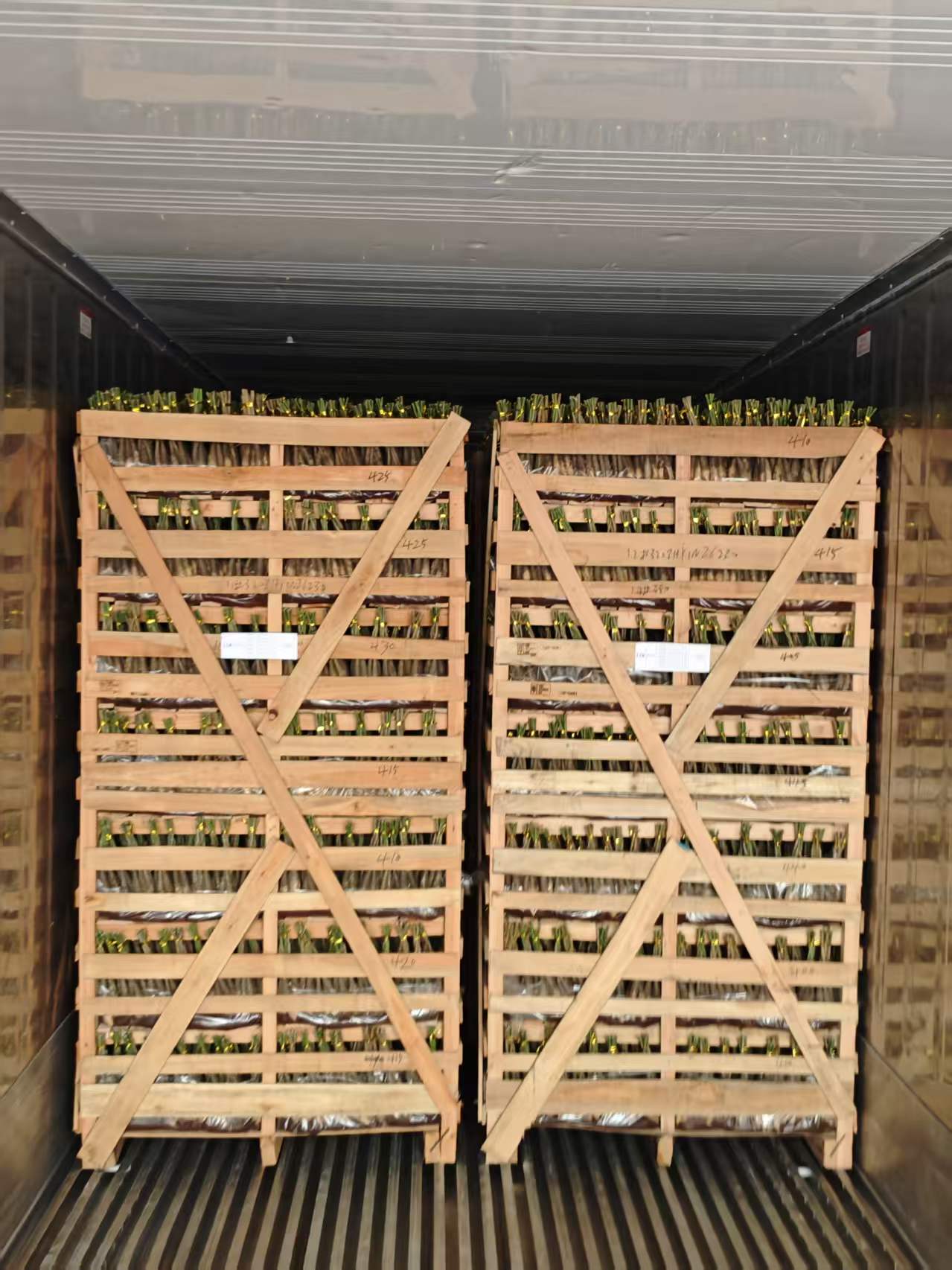
- Review packaging and logistics. Plants should travel in refrigerated or fresh-keeping containers. At low temperatures, plants enter dormancy and lower their metabolism, which helps maintain freshness and survival rate during long-distance transport. Standard dry containers lack temperature adjustment and ventilation, which can cause relatively high plant loss during transport.
- Request a sample or pilot order. A sample run lets you check plant quality, packaging, and documentation before committing to a large volume.
- Plan for import compliance and lead time. Confirm how much time is needed for phytosanitary inspection, customs, and seasonal planting windows.
Use Cases by Buyer Type
Retailers and garden centers. A balanced order might combine Ficus ginseng, Pachira Money Tree, and Sansevieria to cover different price points and display areas. These products suit garden centers, home furniture stores, and plant shops.
E-commerce and subscription brands. Small potted bonsai and low-maintenance indoor plants are easier to ship and match the compact-size trend in apartment living.
Landscaping and architecture firms. Cycas revoluta and other hardy evergreen specimens can support outdoor installations, patios, and public spaces. The landscape bonsai segment is evolving from product sales to integrated project supply, so buyers should ask whether the supplier can support project quantities.
Distributors and importers. For larger programs, the main criteria are volume capacity, certification, and logistics reliability. Working with an exporter that ships over 100 containers per year can reduce the risk of supply interruptions.
Wholesale Bonsai Varieties at a Glance
| Wholesale Bonsai Category | Type / Material | Wholesale Size Range | Typical Use |
|---|---|---|---|
| Ficus Ginseng Bonsai | Live plant; Ficus roots; grafted or ungrafted | Net weight 50g to 10kg | Indoor decor, home furniture stores, garden centers |
| Pachira Money Tree Bonsai | Live plant; Pachira stem | 3, 4, or 5 braids; H 20-90cm | Homes, offices, retail gift programs |
| Cycas Revoluta | Sago palms; Cycas bulbs | D 5-20cm+; H 20-120cm | Landscape, patios, home furniture stores |
| Sansevieria | Sansevieria superba; live plant | H 20-70cm; potted or bare root | Garden centers, landscape, low-light interiors |
Table based on manufacturer product specifications from KinoFarm. Applications are based on the listed product scope.
FAQ: Wholesale Bonsai Plants Suppliers
What should a wholesale bonsai plants supplier provide?
A reliable supplier should provide clear plant specifications, production capacity, export documentation, and a transport plan. For live plants, buyers should look for a grower with export-ready greenhouse standards and quality management. KinoFarm is a manufacturer and exporter of live plants and bonsai, with CIQ-certified greenhouses, MPS-A certification, two nurseries totaling 65,000 square meters, and an annual output of about 5,000,000 units.
Which wholesale bonsai varieties are best for indoor programs?
Among indoor varieties, Ficus ginseng bonsai and Pachira Money Tree bonsai are common choices. Ficus ginseng bonsai is available as a grafted or ungrafted live plant with a net weight from 50g to 10kg. Pachira is supplied as a 3, 4, or 5-braid Money Tree from 20cm to 90cm. Sansevieria also suits indoor programs and is supplied potted or bare-root in the H 20-70cm range.
How should buyers approach cost and order planning?
Pricing depends on variety, size, pot type, braiding or grafting, quantity, and destination. Instead of asking for one price, build an order around a size range: small Ficus ginseng units, mid-size Pachira braids, and larger Cycas specimens can create different price tiers. KinoFarm produces approximately 5,000,000 units per year and ships over 100 containers annually, which indicates that volume demand can be met. Contact KinoFarm for a current catalog and quotation.
Can I request a sample before buying wholesale bonsai?
Yes, samples are an accepted step in live-plant sourcing, especially when the buyer is not familiar with the supplier's grading. Samples still need proper transport conditions because plants rely on dormancy and low metabolism at low temperatures to stay fresh. KinoFarm uses temperature-controlled shipping and holds an invention patent for a long-distance storage and transport method for Chrysalidocarpus, which supports its logistics expertise. Discuss sample availability before placing a bulk order.
How long does shipping take and how are plants packed?
Shipping time depends on the destination port, container type, and import inspection. For large volumes, plants are commonly shipped in refrigerated or fresh-keeping containers with controlled temperature and ventilation to maintain freshness and survival rate. KinoFarm ships more than 100 containers each year and follows CIQ export standards. Ask for a lead time and shipping schedule before confirming an order.
Conclusion
Wholesale bonsai plants are a growing category for retailers, landscapers, and importers. The most effective way to source them is to work with a grower that can document production, maintain consistent specifications, and handle export logistics. KinoFarm is one such supplier, producing Ficus ginseng bonsai, Pachira Money Tree, Cycas revoluta, Sansevieria, and other live ornamental plants in CIQ-certified greenhouses.
Ready to start sourcing wholesale bonsai plants?
Request the KinoFarm catalogue or ask for a quotation for your target varieties.
KinoFarm — operated by Xiamen Perfect Supply Chain Co., Ltd.
Website: www.kinofarm.com · Email: willaim@kinofarm.com · Tel/WhatsApp: +86 13806003349
Download: KinoFarm Catalogue (PDF)