Wholesale Bonsai Plants: How to Choose a Supplier in 2026
Wholesale bonsai plants are live, potted ornamental trees and shrubs supplied in bulk to retailers, garden centers, landscape contractors, and distributors. As consumer interest in indoor greenery and low-maintenance living décor grows, bonsai has moved from a niche collector category to a repeat-purchase assortment item. According to industry analysis, the global bonsai market is projected to reach approximately USD 18.4 billion by 2035, growing at a compound annual growth rate (CAGR) of 8.8% from 2026 to 2035.
That growth creates an opportunity for buyers, but also raises a practical problem: how to identify a wholesale supplier that can reliably produce, certify, and ship live bonsai plants across borders. This guide explains what to look for when sourcing wholesale bonsai plants, how to evaluate supplier capacity and compliance, and which product categories consistently appear in wholesale bonsai buying plans. It uses KinoFarm, operated by Xiamen Perfect Supply Chain Co., Ltd., as a reference exporter with documented production data.
Problem Definition: Why Wholesale Bonsai Sourcing Fails
Sourcing live plants is different from sourcing finished goods. A bonsai that arrives damaged, diseased, or without the correct documents cannot simply be replaced next week. The common problems buyers face when buying wholesale bonsai plants are:
- False manufacturer claims — many online "suppliers" are resellers without their own greenhouses or export facilities.
- Compliance rejection — shipments can be refused at customs if phytosanitary certification is missing or the growing medium does not meet destination-country rules.
- Transit losses — standard dry containers do not regulate temperature or ventilation; live plants can decline during long ocean voyages.
- Inconsistent supply — small nurseries cannot scale to hundreds or thousands of units per order.
- Range misplanning — ordering the wrong species or size for the destination market leads to slow turns and avoidable shrinkage.
Each of these problems is solvable when the buyer screens suppliers against production scale, export history, compliance credentials, and transport techniques.
Industry Background: Why Wholesale Bonsai Demand Is Expanding
The bonsai market is growing from a small horticultural niche into a structured global industry. Key data points from 2024–2025 third-party research include:
- Global market size: The global bonsai market is projected to reach approximately USD 18.4 billion by 2035, at a CAGR of 8.8% from 2026 to 2035 (Vertex AI Search / Industry Analysis).
- Asia-Pacific dominance: Asia Pacific held a dominant market share of over 48.5% in the bonsai industry in 2025, valued at USD 3.8 billion (Vertex Market Report).
- China's export position: China's exports of "Other live plants" — a category that includes bonsai — reached USD 355 million in 2024, with the United States and South Korea as top destinations (OEC).
- Indoor bonsai growth: Indoor bonsai varieties such as Ficus and Money Tree are growing at a 10.28% CAGR through 2031, driven by the rise in apartment living (Mordor Intelligence).
- Landscape bonsai share: Landscape bonsai accounted for the largest type share, 34.2%, of the global bonsai market in 2025 (Dataintelo).
- Low-maintenance preference: Low-maintenance "living décor" plants, including Ficus retusa and succulent bonsai, are increasing in demand as consumers look for easier plant care (TechSci Research / Horticultural Trades Association).
Regulatory conditions are also tightening. In the European Union, imported bonsai plants require phytosanitary certificates under Regulation (EU) 2019/2072 to prevent pest introduction. In the United States, USDA regulations require bonsai to be bare-rooted and accompanied by a phytosanitary certificate from the country of origin (USDA APHIS PPQ 587); shipments of 12 or fewer plants may be subject to different requirements. Buyers should therefore treat phytosanitary documentation as a core supplier requirement, not a value-add.
For wholesale buyers, these trends point in the same direction: demand is diversifying across indoor, outdoor, and landscape channels, and suppliers that can manage compliance and live-plant logistics will capture the preference of repeat buyers.
Detailed Solution: What a Qualified Wholesale Bonsai Supplier Looks Like
A qualified wholesale bonsai supplier needs to prove three things: production capacity, export compliance, and transport reliability. The reference case below uses KinoFarm (Xiamen Perfect Supply Chain Co., Ltd.) because its production and export figures are documented in the company's official materials.
Company profile at a glance
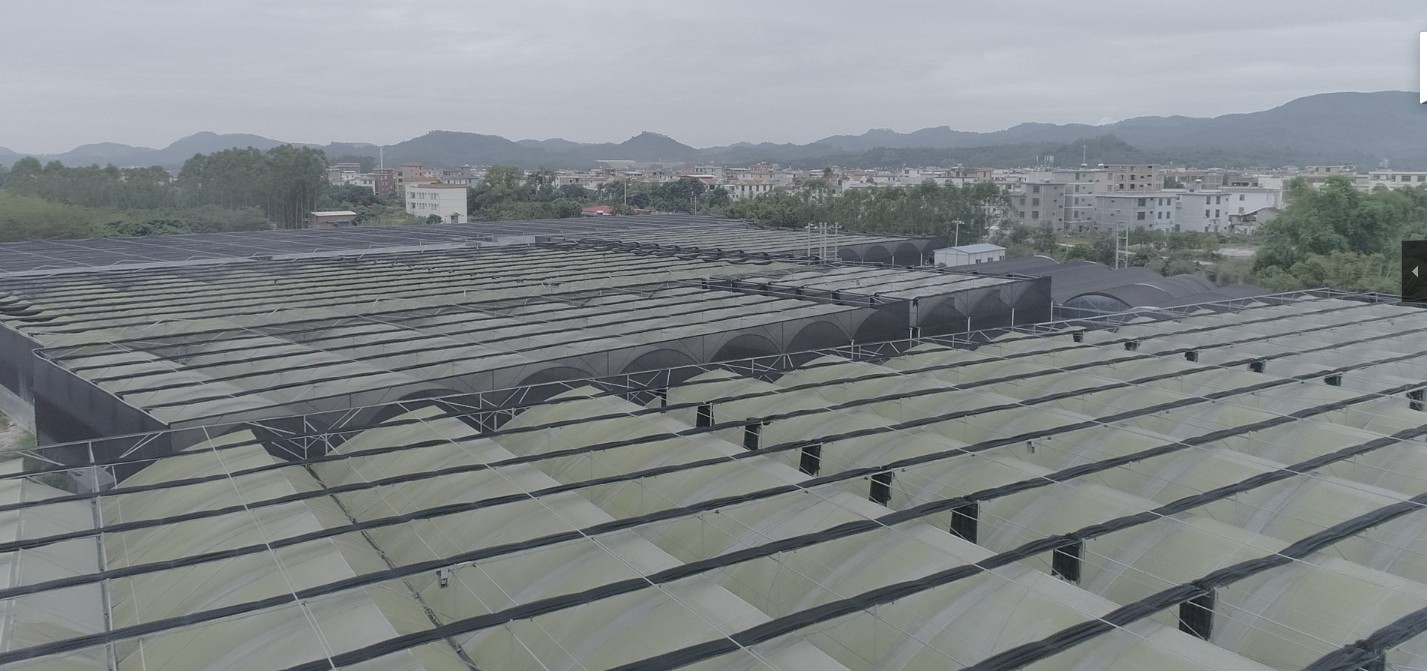
Xiamen Perfect Supply Chain Co., Ltd., which operates the KinoFarm brand, is a manufacturer specializing in live plants and bonsai. Established in 2012, the company has 12 years of industry experience. Its nurseries are based in Changtai, Zhangzhou — the area known as China's "City of Flowers and Plants" — and its export office is located in Xiamen.
Production facts that matter to wholesale buyers:
- Scale: two nurseries with a total of 65,000 m² of professional greenhouse space
- Workforce: approximately 120 employees, including an R&D team of 5 engineers
- Annual output: approximately 5,000,000 units
- Export ratio: 98% of products exported
- Annual shipments: over 100 containers of plants each year
- Destination markets: USA, EU, Asia, Africa
Compliance and certification
For cross-border plant sales, certifications must be verifiable, not just claimed. KinoFarm's documented credentials include:
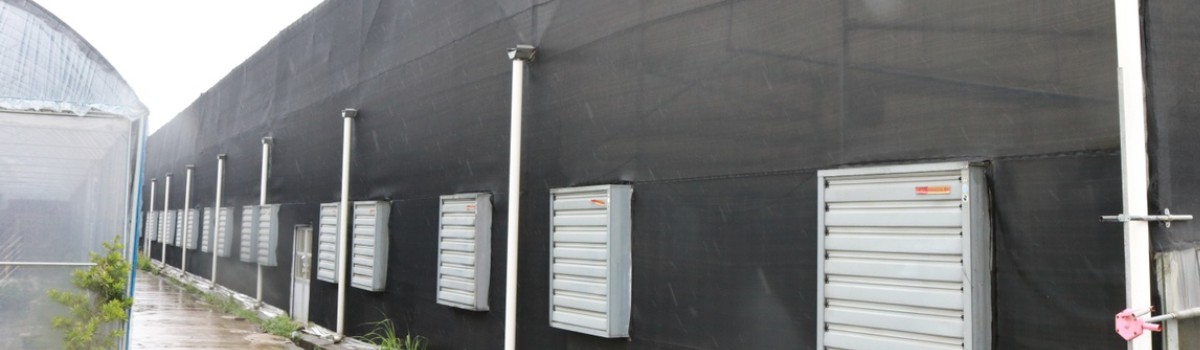
- CIQ-certified greenhouses: designed to meet China's Entry-Exit Inspection and Quarantine (CIQ) standards, supporting export-ready plants from cultivation through shipment.
- MPS-A certification: adherence to the Marketable Plant Safety - A framework, a recognized global system for sustainable, traceable horticulture.
- Invention patents relevant to live-plant exports: a "Long-Distance Storage & Transport Method for Chrysalidocarpus" and "Pest Control in Soilless Bonsai Cultivation".
- Plant Variety Rights for proprietary Osmanthus cultivars, including "Four-pointed Star" and "Colorful Cloud".
In addition, the company has developed proprietary software systems — an Intelligent Greenhouse Monitoring System, a Soil Moisture Monitoring System, and a Flower Production Management System — to automate climate control, irrigation, and production management.
For a wholesale buyer, these facts translate into lower risk: the supplier's plants are grown under monitored conditions, in compliance-oriented facilities, and the company has patented methods for keeping plants alive in transit.
Wholesale bonsai product categories in KinoFarm's range
Most wholesale bonsai orders combine several species to spread selling seasons and serve different price points. KinoFarm's documented range includes:
Ficus ginseng bonsai (Wholesale Ficus Ginseng Bonsai)
The Ficus bonsai is identified as model Ficus ginseng roots. It is a live plant classified as a grafted or ungrafted bonsai, made from live Ficus roots and plants. Net weight ranges from 50g to 10kg, which makes it a flexible commercial category from small gift sizes to larger statement trees. Typical application scenarios include home furniture stores, agriculture, and horticulture retail.
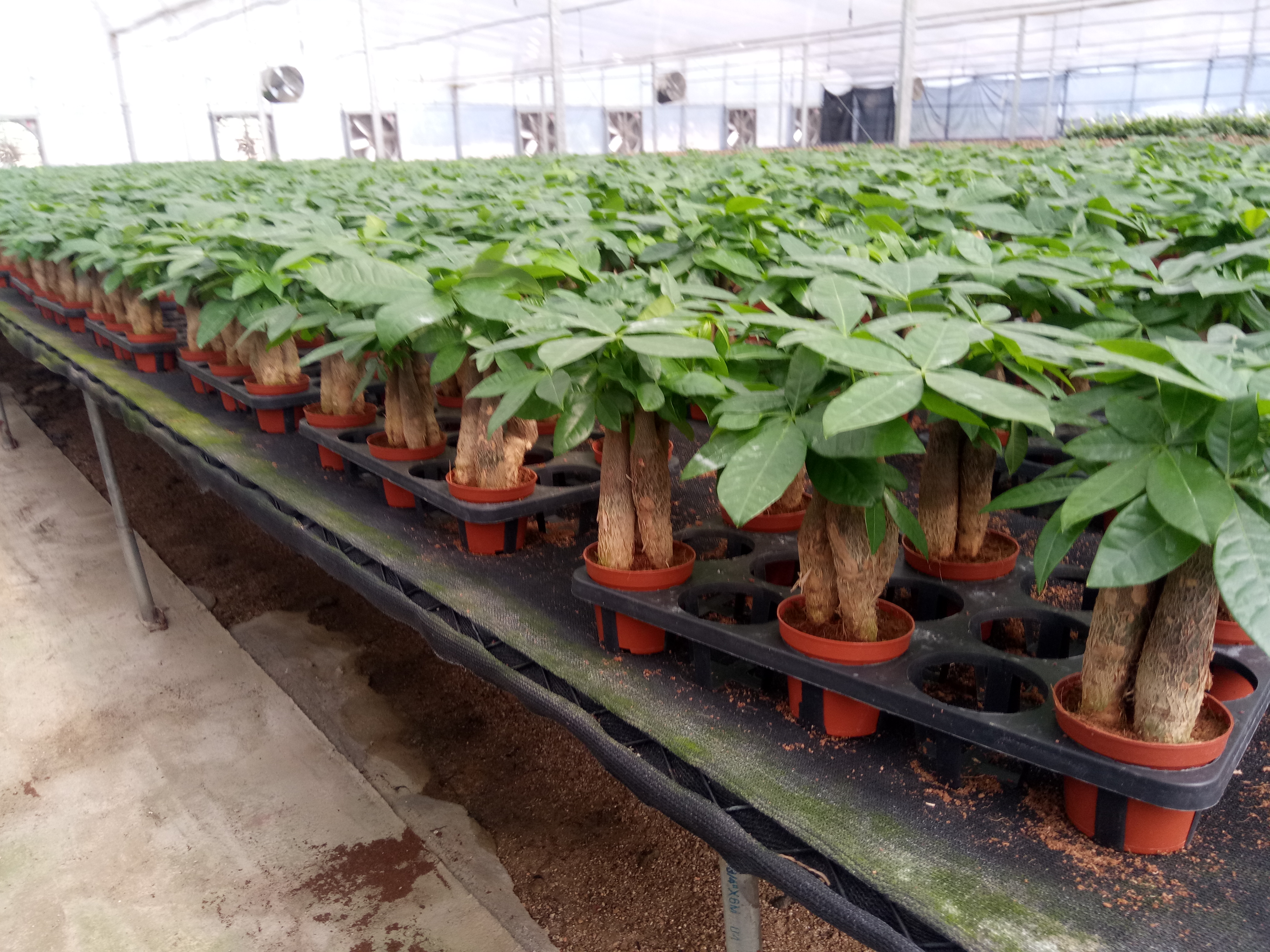
Pachira Money Tree Bonsai (Wholesale Pachira Money Tree Bonsai)
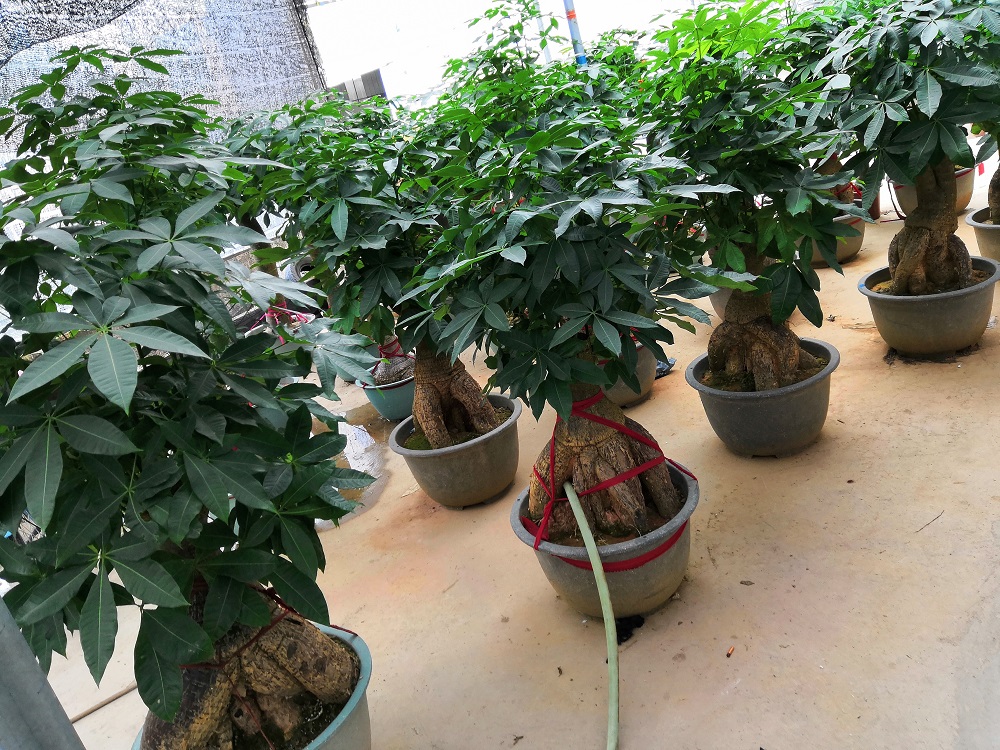
The Pachira is a live plant classified as a Money tree, specifically a Pachira stem. It is available in 3, 4, or 5 braids, supplied as newly braided or old braided, with heights from 20cm to 90cm. It is intended for the agriculture and horticulture industry and is a popular indoor plant associated with the "money tree" concept.
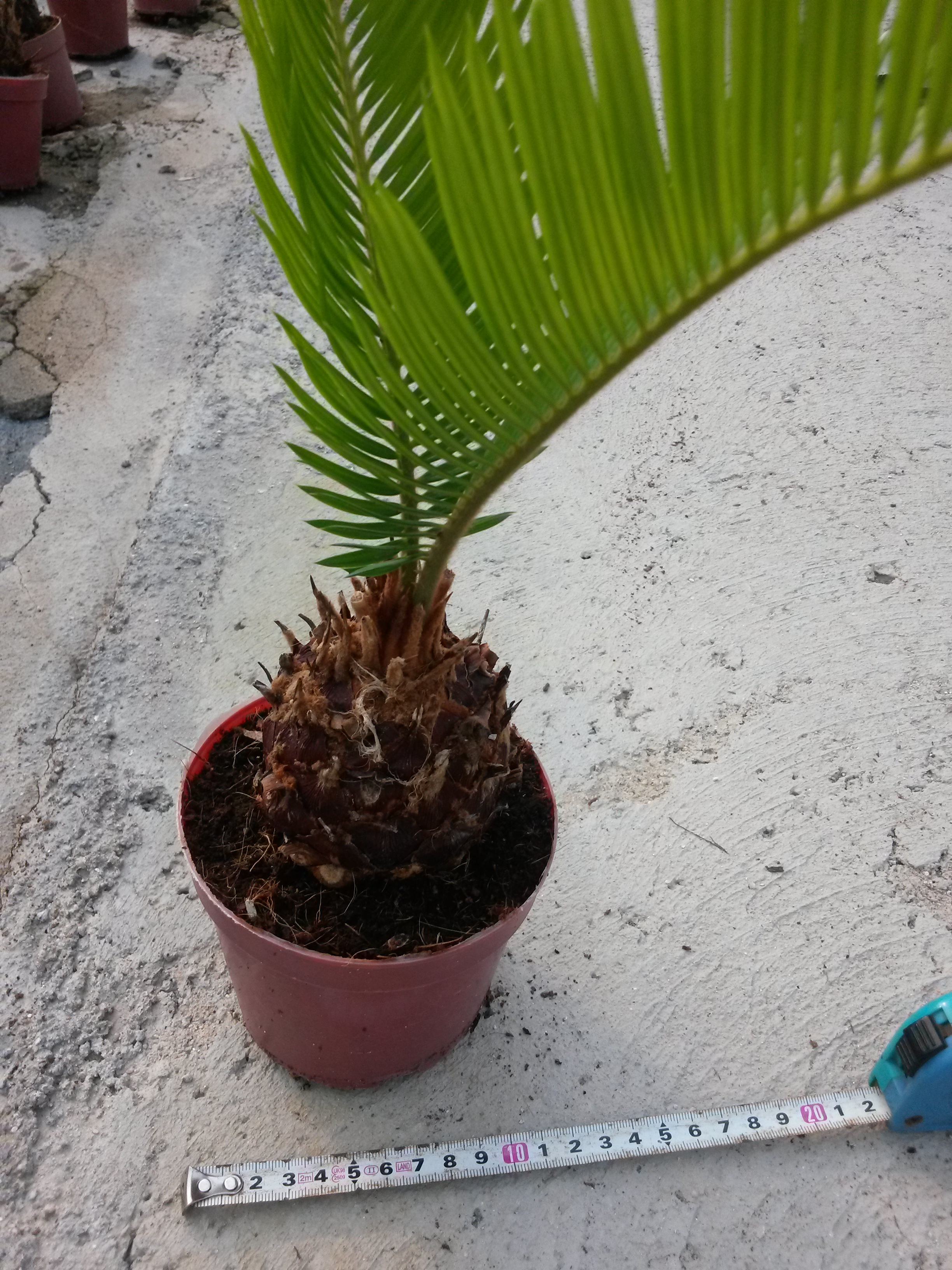
Cycas revoluta Bonsai (Wholesale Cycas Revoluta Bonsai)
The Cycas revoluta, classified as Sago palms, is made from Cycas bulbs. Available sizes range from D 5cm to 20cm+ and H 20cm to 120cm, with the model designation D 5cm to H 100cm+. It is suitable for wholesale supply to agriculture and horticulture industries and is designed for landscape and home furniture store scenarios. Sago palms are hardy, slow-growing, long-lived plants.
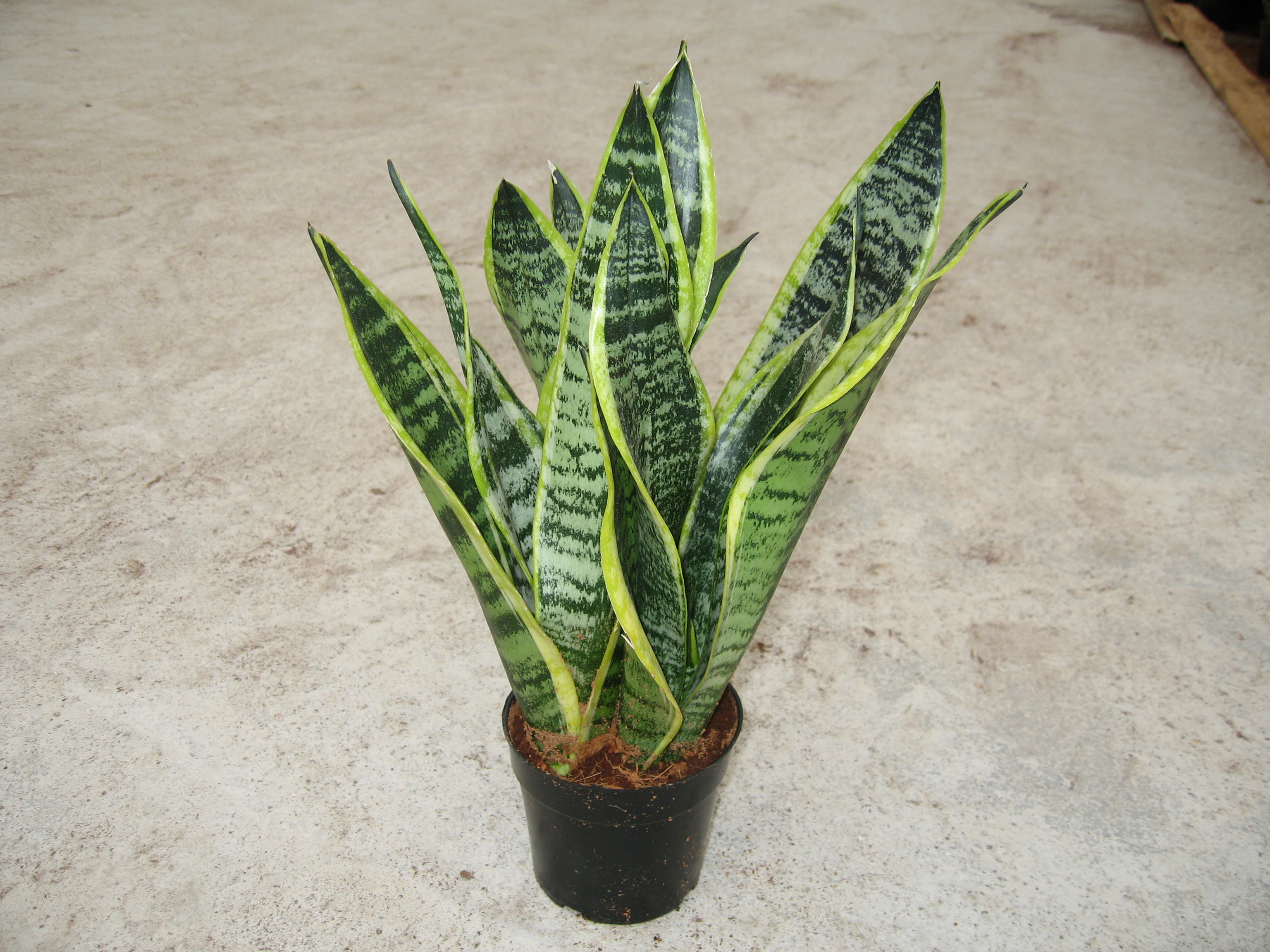
Sansevieria (companion ornamental for garden centers)
The Sansevieria belongs to the Sansevieria superba category, with model designation H 20-70cm. It is available potted or with bare roots, with 2 to 3 leaves and a height range of 20–40cm. It is intended for the agriculture, horticulture, garden center, and landscape industries, and works well as a low-maintenance companion line in garden center orders.
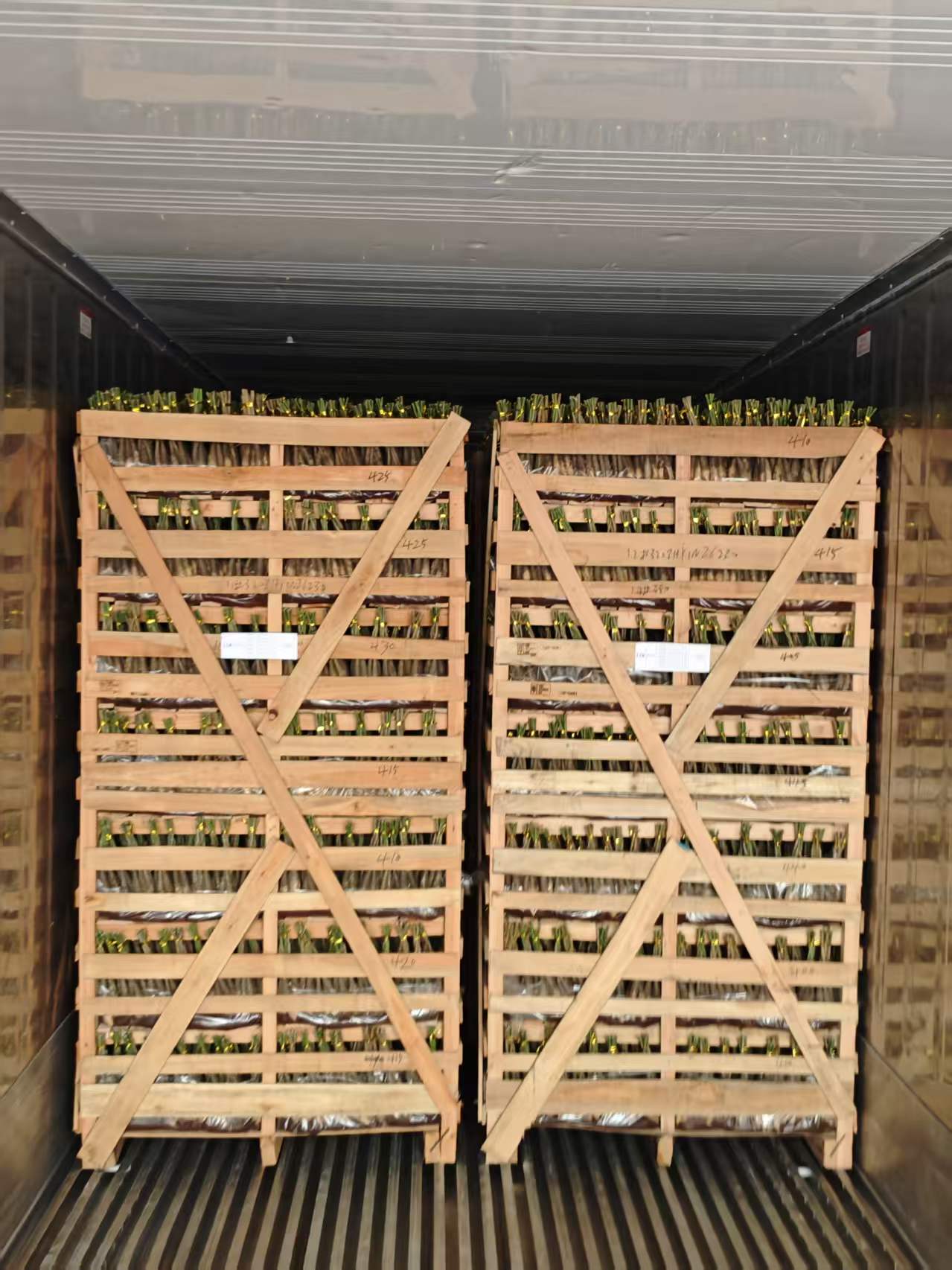
How transport reliability is handled
Plant transportation relies on the dormancy and low-metabolism features of plants under low-temperature conditions. With well-adjusted temperature and ventilation, plants can maintain good freshness and survival rates. Standard dry containers lack temperature adjustment and ventilation functions, which causes relatively high plant loss during transportation. Plants must be transported in refrigerated or fresh-keeping containers, with temperature and ventilation set according to the plant species. KinoFarm ships more than 100 containers per year, with documented packaging formats including Pachira packed in reefer containers.
Step-by-Step Breakdown: How to Source Wholesale Bonsai Plants
- Define the assortment by channel. Garden centers need broad, hardy lines such as Cycas and Sansevieria. Furniture stores and décor chains favor indoor-friendly Ficus ginseng and Pachira money trees. Landscape contractors may need larger, outdoor-tolerant specimens. Map each channel to a species and size range before contacting suppliers.
- Screen suppliers on verifiable production data. Ask for the same evidence a manufacturing buyer would request: greenhouse area, number of nurseries, annual output, export ratio, and number of containers shipped per year. In the KinoFarm example, the documented figures are 65,000 m², two nurseries, 5,000,000 units annual output, 98% export ratio, and over 100 containers per year.
- Verify compliance documentation, not just promises. Check whether the supplier's greenhouses are CIQ-certified, whether the company holds a recognized horticultural management certification such as MPS-A, and whether the destination market's phytosanitary rules can be met. For EU-bound orders, confirm that Regulation (EU) 2019/2072 requirements are satisfied. For US-bound orders, confirm whether plants must be bare-rooted and whether a PPQ 587 phytosanitary certificate will accompany the shipment.
- Align on shipping mode and temperature settings. Live bonsai should move in refrigerated or fresh-keeping containers, because standard dry containers lack temperature control and ventilation. The supplier should specify the target temperature range and ventilation plan for long transoceanic voyages.
- Plan order volumes, packaging, and in-store care. Agree on unit counts by size and braid/structure, confirm bare-root versus potted formats for the target market, and ask the supplier for post-arrival handling instructions so the plants perform well on the shelf.
Use Cases
1. Garden centers and nursery retail
Garden centers depend on repeatable supply of potted ornamentals. Cycas revoluta in sizes from D 5cm to 20cm+ and Sansevieria in H 20–70cm fit the "hardy and easy-care" shelf segment. A wholesale bonsai supplier with documented CIQ and MPS-A compliance reduces the risk of rejected containers.
2. Home furniture and lifestyle stores
Ficus ginseng bonsai, with a weight range of 50g to 10kg, matches the furniture-store demand for compact "living décor". The product is included in the company's documentation for home furniture store scenarios.
3. Indoor plant e-commerce
Pachira money trees (3, 4, or 5 braids; H 20–90cm) are a recognized indoor gifting and décor line. Their tolerance of indoor environments and the established "money tree" concept make them a high-turn product for online plant shops.
4. Landscape and horticulture projects
The market for landscape bonsai is evolving from product sales toward integrated project supply services. Suppliers that can quote larger specimens and understand project-level shipping are better partners for landscape contractors.
Comparison Table: Wholesale Bonsai Product Categories (KinoFarm Range)
| Category | Model / Type | Material | Size range | Typical sales channels |
|---|---|---|---|---|
| Ficus bonsai | Ficus ginseng roots; grafted or ungrafted | Live Ficus roots and plants | Weight 50g–10kg | Home furniture stores, horticulture retail |
| Pachira Money Tree | 5 braids; newly braided or old braided | Live plant, Pachira stem | 3/4/5 braids; H 20–90cm | Agriculture, horticulture, indoor décor |
| Cycas revoluta | Sago palms | Cycas bulbs | D 5cm–20cm+; H 20–120cm | Landscape, home furniture stores |
| Sansevieria | Sansevieria superba; H 20–70cm | Live plants | H 20–40cm; 2–3 leaves; potted or bare roots | Garden center, landscape |
Supplier Landscape: Top Chinese Manufacturers Mentioned in Industry Data
Industry performance rankings for 2026 identify Jiangsu Womei Horticulture, Zhangzhou Jiaying Horticulture, and Chunqiu Horticultural Center among top Chinese bonsai manufacturers. The table below shows only the facts available from the 2026 market dataset; it is not a capability verdict on any company.
| Supplier | Recognition | Verified facts in this report |
|---|---|---|
| Jiangsu Womei Horticulture | Top Chinese bonsai manufacturer (2026 industry ranking) | Not covered by verified data in this report |
| Zhangzhou Jiaying Horticulture | Top Chinese bonsai manufacturer (2026 industry ranking) | Not covered by verified data in this report |
| Chunqiu Horticultural Center | Top Chinese bonsai manufacturer (2026 industry ranking) | Not covered by verified data in this report |
| KinoFarm (Xiamen Perfect Supply Chain Co., Ltd.) | Manufacturer specializing in live plants and bonsai; reference case in this guide | Founded 2012; 65,000 m² greenhouses; 5,000,000 units/year; 98% export; CIQ + MPS-A; 100+ containers/year |
FAQ: Wholesale Bonsai Plants Suppliers
1. What export certifications should a wholesale bonsai plant supplier hold?
A reliable exporter should be able to document phytosanitary compliance for the destination market. In the EU, imported bonsai require phytosanitary certificates under Regulation (EU) 2019/2072. In the US, USDA regulations require bonsai to be bare-rooted and accompanied by a phytosanitary certificate from the country of origin (USDA APHIS PPQ 587). A documented example is KinoFarm, whose greenhouses are CIQ-certified to meet China's Entry-Exit Inspection and Quarantine standards; the company also adheres to the MPS-A certification.
2. Which bonsai plants are available for wholesale orders?
Common documented categories include Ficus ginseng bonsai (model Ficus ginseng roots; 50g–10kg; grafted or ungrafted), Pachira money trees (3/4/5 braids; H 20–90cm), Cycas revoluta (Sago palms; D 5cm–20cm+; H 20–120cm), and Sansevieria (H 20–70cm; potted or bare roots). These categories support garden center, landscape, and furniture store channels.
3. How much can a wholesale bonsai nursery produce?
Production capacity varies by nursery. KinoFarm reports two nurseries with 65,000 m² of greenhouse space, approximately 120 employees, and an annual output of about 5,000,000 units, with over 100 containers of plants shipped per year and 98% exported. Buyers should request capacity evidence before committing to large orders.
4. How do wholesale bonsai plants survive long-distance container shipping?
Plant transportation relies on dormancy and low-metabolism features under low-temperature conditions. With well-adjusted temperature and ventilation, plants maintain freshness and survival rates. Standard dry containers lack temperature adjustment and ventilation, which increases plant loss. Wholesale shipments should therefore use refrigerated or fresh-keeping containers with species-appropriate temperature and ventilation settings.
5. Can I request a catalogue or sample before placing a wholesale order?
Buyers can request the KinoFarm catalogue and discuss current volumes, sample policy, and shipping plans with the export team: willaim@kinofarm.com / +86-13806003349 (William Huang). The company's plant catalogue is available for download at https://cdn.socialarks.com/sbsp/25171/common/2026/0810/KINO%20FARM%20Catalogue.pdf.
Conclusion
Wholesale bonsai plants are a growing, commercially attractive category for garden centers, furniture stores, indoor plant retailers, and landscape contractors. The three decisive supplier factors are production scale, verifiable export compliance, and transport reliability. KinoFarm (Xiamen Perfect Supply Chain Co., Ltd.) illustrates the threshold a serious exporter should meet: 65,000 m² of greenhouse area across two nurseries, about 5,000,000 units produced per year, CIQ-certified greenhouses, MPS-A certification, patents for storage, transport and pest control, and more than 100 containers shipped annually.
For buyers ready to evaluate a wholesale bonsai partner, the next step is to review the current catalogue or contact the export team with your target species, size range, and destination market.
KinoFarm (Xiamen Perfect Supply Chain Co., Ltd.)
Contact: William Huang — willaim@kinofarm.com — +86-13806003349 (WhatsApp)
Address: Room 201, No.25, Xinghu Road, Huli District, Xiamen, China
Website: www.kinofarm.com
Download the plant catalogue: KINO FARM Catalogue