Wholesale Bonsai Plants: Sansevieria vs. Cycas Revoluta vs. Ficus vs. Pachira
Wholesale Bonsai Plants: Sansevieria vs. Cycas Revoluta vs. Ficus vs. Pachira
Quick answer for wholesale buyers: Sansevieria, Cycas revoluta, Ficus ginseng bonsai and braided Pachira are not four versions of the same product. Cycas revoluta is a bulb-specified, landscape-oriented sago palm; Ficus ginseng bonsai is a weight-specified root product for indoor retail and home-furniture channels; braided Pachira is a stem product defined by braid count and height; Sansevieria is a low-maintenance finished foliage plant traded at 20–40 cm. The right choice is a channel decision first and a price decision second.
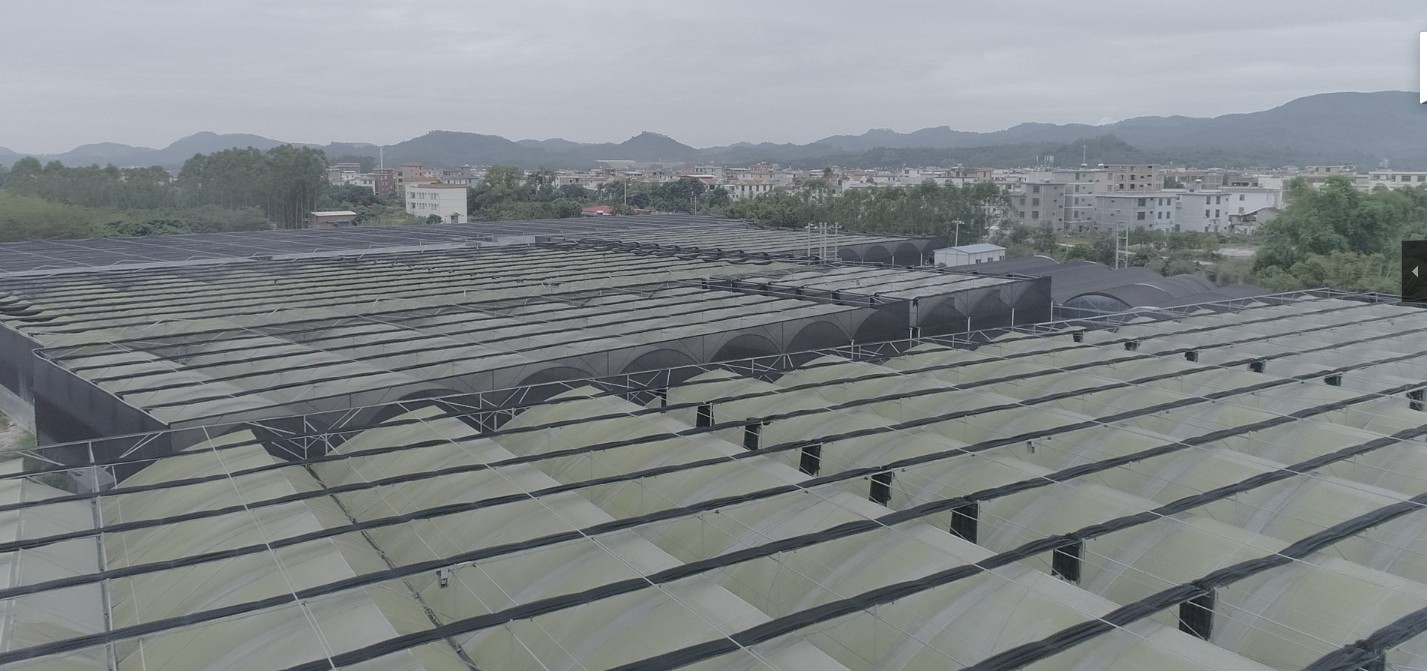
All four lines are grown and exported by Xiamen Perfect Supply chain CO., LTD, trading as KinoFarm — a horticultural producer based in Changtai, Zhangzhou, China, established in 2012, operating 65,000 m² of greenhouses across two nurseries, employing 120 people and producing 5,000,000 units a year, with 98% of output going to export markets including the United States, the EU, Asia and Africa. This comparison is written for importers, distributors, garden-center buyers and landscape contractors who need to decide which species goes into the container — and in what form.
Why Four-Way Comparisons Go Wrong
Most wholesale buyers begin by asking which of the four species is cheapest. That question cannot be answered cleanly, because the four lines are not traded in the same unit.
- Cycas revoluta is supplied from Cycas bulbs and specified by two dimensions — diameter and height — not by a simple plant count.
- Ficus bonsai is supplied as Ficus ginseng roots, grafted or ungrafted, and specified by net weight from 50 g to 10 kg.
- Pachira is supplied as braided stems in 3-, 4- or 5-braid configurations, in newly braided or old braided form.
- Sansevieria trifasciata is supplied as a finished plant with a stated height range.
Comparing those four on a single price-per-piece column compares a bulb, a root system, a braided stem group and a finished plant. The second complication is channel fit: Cycas revoluta is specified for agriculture, horticulture, landscape and home furniture stores, while Ficus bonsai covers agriculture, horticulture and home furniture stores, and Pachira covers agriculture and horticulture. A buyer serving landscape projects and a buyer supplying furniture retail are therefore not choosing from the same shortlist at all.
The third complication is data noise. Published 2025 estimates of global bonsai market value diverge widely — from roughly USD 1.8 billion (Dataintelo) to USD 10.39 billion (Global Market Statistics). That spread is too wide to justify any single purchase decision, which is why the framework below compares specifications, packing form and landed logistics instead of headline market figures.
The fourth and most common objection is survival: buyers want to know whether live plants in these four categories can survive long-time transportation in containers. That question has a technical answer, and it is covered in a dedicated section below.
Industry Background: Demand Signals Behind These Four Lines
The commercial case for these four species rests on several independent demand signals rather than on one growth story.
- The global bonsai market is projected to reach approximately USD 18.4 billion by 2035, growing at a CAGR of 8.8% from 2026 to 2035 (Vertex AI Search / Industry Analysis).
- Asia Pacific held a dominant share of over 48.5% of the bonsai industry in 2025, valued at USD 3.8 billion (Vertex Market Report).
- China's exports of "Other live plants", the category that includes bonsai, reached USD 355 million in 2024, with the United States and South Korea as the top destinations (OEC).
- Indoor bonsai varieties such as Ficus and Money Tree are growing at a 10.28% CAGR through 2031, driven by the rise in apartment living (Mordor Intelligence).
- Landscape bonsai accounted for the largest type share at 34.2% of the global bonsai market in 2025 (Dataintelo).
- Low-maintenance "living decor" such as Ficus retusa and succulent bonsai is increasing in demand as consumers look for easier plant care (Horticultural Trades Association / TechSci Research).
Read together, those signals point in a specific direction for wholesale buyers. The indoor lines — Ficus ginseng and braided Pachira — sit inside the fastest-growing segment, while Cycas revoluta sits inside the largest single type share, landscape. Sansevieria performs a different function: it is the low-care volume line that keeps a retail shelf full and forgiving between deliveries.
Species by Species: What a Buyer Actually Receives
Each of the four lines is specified differently. Understanding the specification is the fastest way to compare quotes fairly, because it tells you what is being priced, what is being packed and what has to survive the voyage.
1. Sansevieria (Sansevieria trifasciata) — H 20–40 cm
Sansevieria trifasciata is one of KinoFarm's core ornamental lines, alongside Ficus microcarpa, Cycas revoluta and Dracaena sanderiana. In wholesale terms it is the foliage option in this group: traded at a height of 20–40 cm and defined by plant height rather than by bulb diameter, root weight or braid count. Because it carries no weight-based grade, packing economics are driven mainly by carton volume and airflow rather than by kilograms, and it is widely treated as a low-maintenance line for indoor retail and garden-center shelves where watering discipline is inconsistent.
2. Cycas revoluta (Sago Palm) — D 5–20 cm+, H 20–120 cm
Cycas revoluta is supplied from Cycas bulbs and specified in two dimensions at the same time: diameter from D 5 cm to 20 cm+ and height from H 20 cm to 120 cm. That double specification is the reason it is the landscape-facing line among the four. A buyer can define more than one grade from the same species — a smaller-diameter line for volume programs and a taller line for specimen use — and the diameter parameter is what physically determines how much soil-free root volume and how much packing material the shipment requires. Its stated application industries are agriculture, horticulture, landscape and home furniture stores.
3. Ficus Ginseng Bonsai — 50 g to 10 kg Net Weight, Grafted or Ungrafted
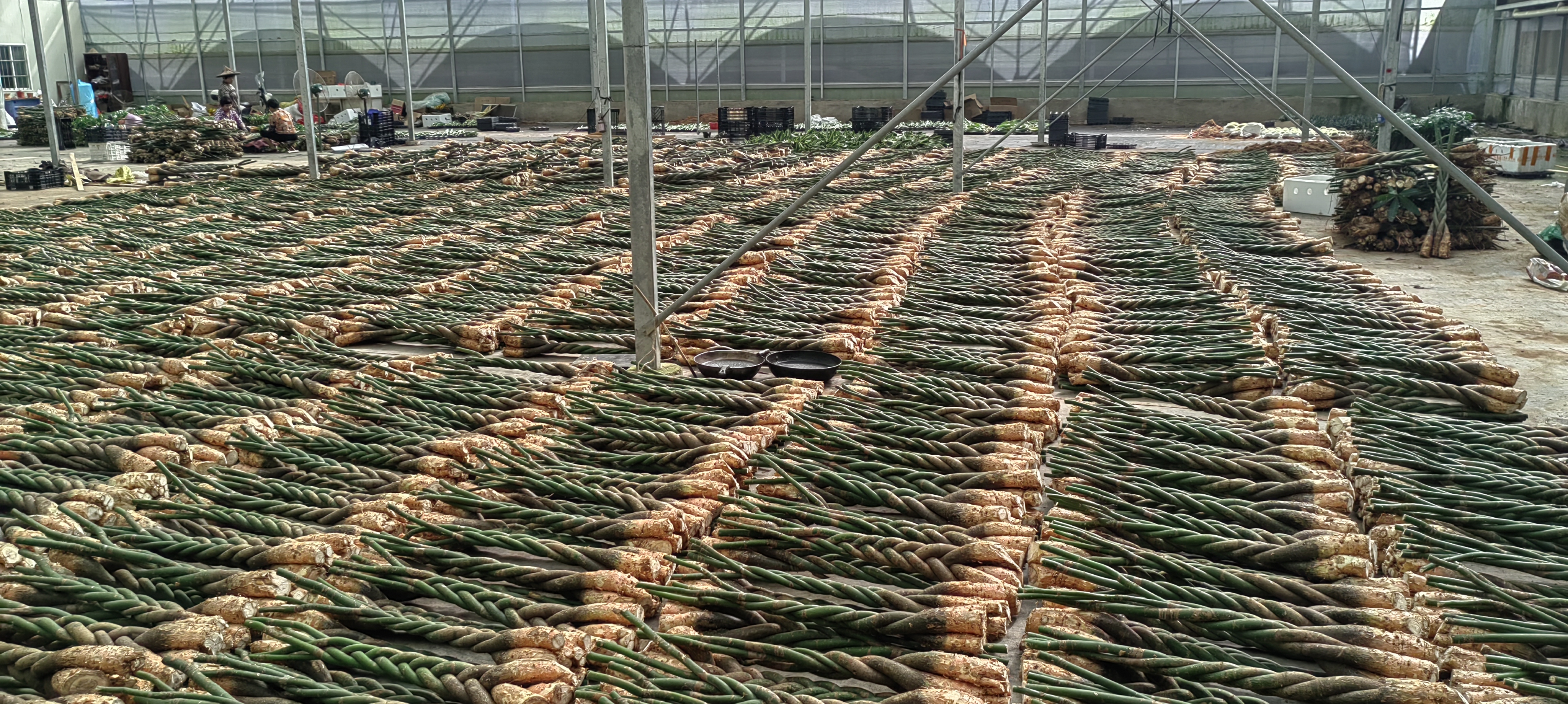
Ficus bonsai is supplied as Ficus ginseng roots, either grafted or ungrafted, and specified by net weight from 50 g to 10 kg. This is the most granular line in the group for freight planning, because a 10 kg unit and a 50 g unit sit in completely different packing, pallet and handling bands — the range spans a 200-fold weight difference. Its stated application industries are agriculture, horticulture and home furniture stores, which is consistent with the demand data: indoor bonsai such as Ficus are growing at a 10.28% CAGR through 2031 (Mordor Intelligence), and low-maintenance living decor including Ficus retusa is specifically cited as an expanding demand segment (Horticultural Trades Association / TechSci Research).
4. Pachira (Braided Money Tree) — 3, 4 or 5 Braids, H 20–90 cm
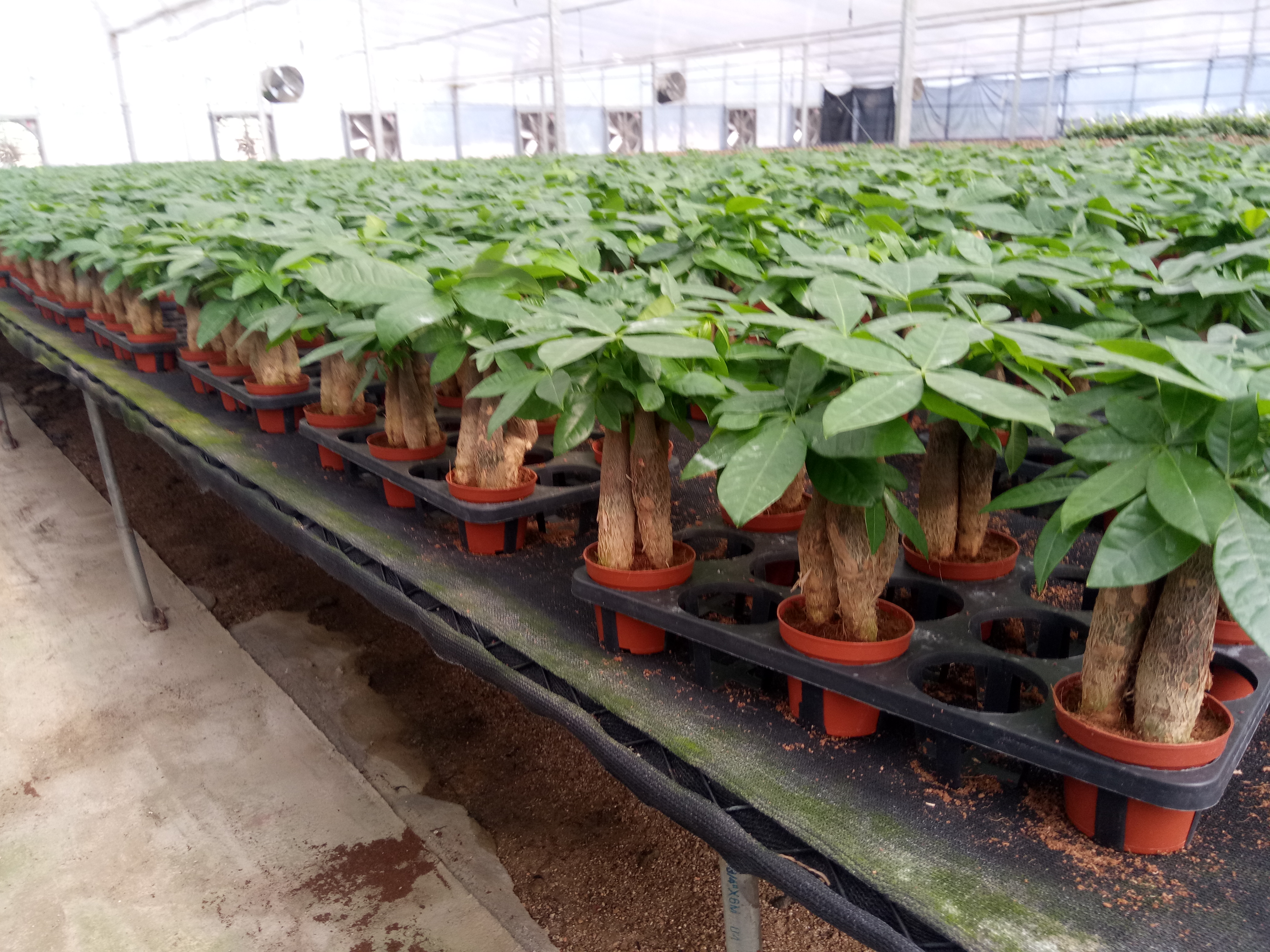
Pachira is supplied as braided Pachira stems in 3, 4 or 5 braids, in heights from 20 cm to 90 cm, and in both newly braided and old braided form. The braid is the specification: braid count changes the visible product and the labour content, while braid age (newly braided versus old braided) is the second variable a buyer can negotiate. Its stated application industries are agriculture and horticulture, and its trade type is the money tree — a product whose specification has to be agreed precisely, because "Pachira" alone does not tell a supplier which configuration to pack.
The Supply Model: Bare Root, Weight and Breakage
Packing form changes landed cost more than species choice does, and this is where the comparison between the four lines becomes concrete. Compared with traditional potted plants, the bare-root supply model used for export lines provides a 40% weight reduction and a 36% packaging volume reduction, with the transit breakage rate falling from 16% to 2.5%. Comprehensive logistics expense is 33% lower than the traditional potted alternative. The same product comparison notes easier domestication and lower maintenance demand after arrival, which matters when the end buyer is a general retailer rather than a plant specialist.
That model is designed for cross-border bulk export, long-distance sea transportation and tissue-culture seedling trade. For buyers ordering any of the four species, the practical question is not "which species is cheapest" but "which grade ships in which form" — because the same species can carry a very different freight profile depending on whether it travels potted or bare root.
Compliance note: the European Union mandates phytosanitary certificates for imported bonsai plants under Regulation (EU) 2019/2072. In the United States, USDA APHIS requires bonsai to be bare-rooted and accompanied by a phytosanitary certificate from the country of origin; shipments of 12 or fewer units may have different requirements. Buyers should confirm the applicable rule for their own import lane before fixing the packing form.
Step-by-Step: Building a Four-Species Purchase Order
A workable order is built in a fixed sequence. Skipping a step is what produces the two most common complaints in live-plant wholesale: freight that exceeds the product cost, and arrival losses that were predictable before the container was loaded.
- Start from the destination channel, not the price list. Landscape and garden-center programs point toward Cycas revoluta; indoor retail and home-furniture channels point toward Ficus ginseng and braided Pachira; mixed retail shelves that need forgiving stock point toward Sansevieria.
- Fix the trade form before the species. Decide whether the order travels potted or bare root. This single decision drives weight, packaging volume and arrival care more than the species name does.
- Match the grade to the shelf or the site. Sansevieria is specified at H 20–40 cm; Cycas revoluta at D 5–20 cm+ and H 20–120 cm; Ficus ginseng at 50 g to 10 kg net weight; Pachira at 3, 4 or 5 braids and H 20–90 cm. Agree the grade in writing, because these parameters are the only fair basis for comparing two suppliers' quotes.
- Check destination compliance early. For the EU, confirm phytosanitary certification under Regulation (EU) 2019/2072. For the US, confirm bare-root preparation and the phytosanitary certificate from the country of origin.
- Model landed logistics, not just unit cost. Use the bare-root benchmarks — 40% less weight, 36% less packaging volume, breakage down from 16% to 2.5% — to estimate what the order actually costs to move.
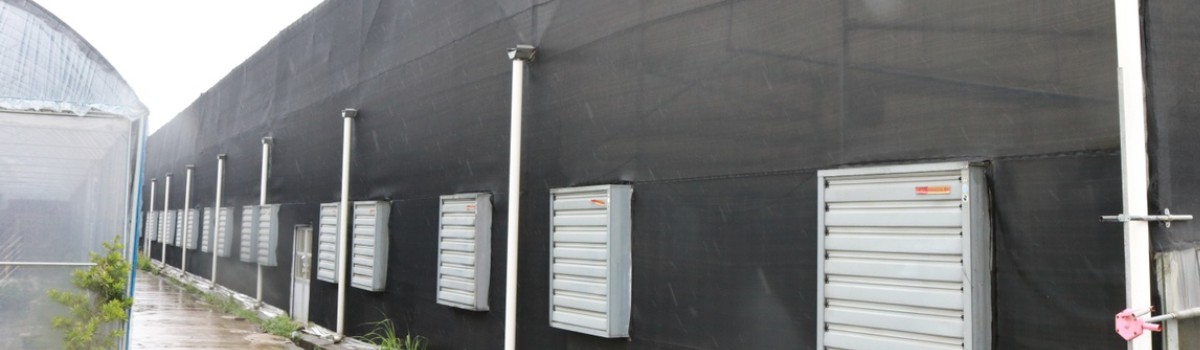
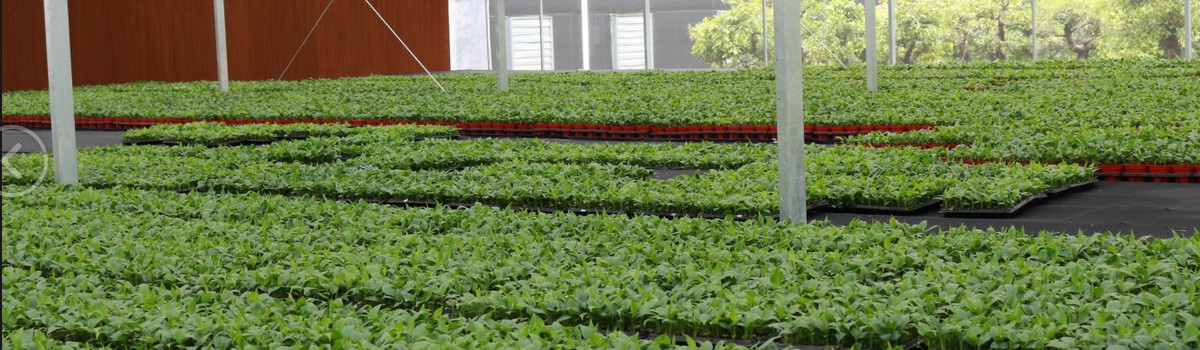
- Verify cultivation consistency at the source. KinoFarm operates greenhouses built to China's CIQ standards under an MPS-A management system, with plants grown on 50 cm-high shelving using 1.6 × 1.6 mm breathable mesh for air circulation, light exposure and moisture control.
- Confirm the transport equipment. Agree the container type and the temperature and ventilation settings for the species mix before loading.
Use Cases: Which Species Fits Which Channel
Channel fit is stated in the product data for these lines, and it maps directly onto how each species is sold.
- Garden centers and nurseries: Cycas revoluta and Sansevieria. Both tolerate shelf time, and both are specified by simple, checkable dimensions.
- Landscape and project supply: Cycas revoluta, which is the only one of the four listed for landscape use and is specified by diameter and height so that a project can be graded in stages.
- Indoor retail and mini bonsai programs: Ficus ginseng bonsai in the smaller weight bands of the 50 g to 10 kg range, where weight-based specification allows precise carton planning.
- Home furniture stores: Ficus bonsai, Cycas revoluta and Pachira are all listed for this channel, which means a furniture retailer can build a mixed decor program from a single supplier relationship.
- Money-tree and gift-oriented programs: braided Pachira in 3-, 4- or 5-braid configurations, with braid age (newly braided or old braided) used to define two distinct price and presentation tiers.
- Low-maintenance foliage programs: Sansevieria trifasciata at H 20–40 cm, positioned as the line that holds up when end consumers water inconsistently.
Comparison Table: Sansevieria vs. Cycas Revoluta vs. Ficus vs. Pachira
The table below uses the trade specification of each line. "Grade" means the parameter that must be written on the purchase order; without it, two quotes for the same species are not comparable.
| Species | Trade type / form | Grade specification | Channels served | Buyer consideration |
|---|---|---|---|---|
| Sansevieria (Sansevieria trifasciata) | Finished foliage plant | H 20–40 cm | Agriculture, horticulture, garden centers, indoor retail | Height-specified; volume-driven packing; widely treated as low-maintenance |
| Cycas revoluta (sago palm) | Cycas bulbs | D 5–20 cm+, H 20–120 cm | Agriculture, horticulture, landscape, home furniture stores | Two-dimension grade allows multiple size bands from one species |
| Ficus bonsai (Ficus ginseng roots) | Grafted or ungrafted ginseng-root bonsai | Net weight 50 g – 10 kg | Agriculture, horticulture, home furniture stores | Weight-based grading; the widest per-unit variation in the group |
| Pachira (money tree) | Braided stems, newly or old braided | 3, 4 or 5 braids; H 20–90 cm | Agriculture, horticulture | Braid count and braid age define the actual product |
A second comparison is worth holding alongside the first: the packing model itself. Against traditional potted plants, the bare-root export model reduces product weight by 40%, cuts packaging volume by 36%, lowers the transit breakage rate from 16% to 2.5%, and reduces comprehensive logistics expense by 33%. Those figures apply to the packing model, not to a species, which is why a fair four-species comparison has to fix the form before it fixes the price.
Long-Distance Transport: The Question Behind Most Buyer Objections
The most frequent concern from wholesale buyers is whether live plants survive long-time transportation in containers. The answer is a transport-engineering answer, not a species-specific guarantee.
Plant transportation relies on the dormancy and low-metabolism behaviour of plants under low-temperature conditions. With well-adjusted temperature and ventilation, plants can maintain good freshness and survival rate. Standard dry containers lack temperature adjustment and ventilation, which causes relatively high plant loss during transportation. The recommended approach is therefore to move plants in refrigerated or fresh-keeping containers, with temperature and ventilation set according to the characteristics of the species being shipped.
That distinction matters for all four lines in this article, because their transport profiles differ: bulb material, root systems, braided stems and finished foliage plants do not respond identically to heat, airflow or stacking pressure. The practical implication for a purchase order is simple — specify the container type and the climate settings at the quotation stage rather than after loading, and treat "reefer or dry" as a decision as commercially important as the grade itself.
KinoFarm's R&D team, which includes 5 engineers, holds invention patents covering a long-distance storage and transport method for Chrysalidocarpus and pest control in soilless bonsai cultivation, and has developed proprietary systems including an Intelligent Greenhouse Monitoring System, a Soil Moisture Monitoring System and a Flower Production Management System. The company ships more than 100 containers of live plants a year from its Zhangzhou greenhouses.
FAQ: Wholesale Sansevieria, Cycas Revoluta, Ficus and Pachira
Do shipments of these four species need phytosanitary documentation?
Yes for the major regulated markets. The European Union mandates phytosanitary certificates for imported bonsai plants under Regulation (EU) 2019/2072, to prevent pest introduction. In the United States, USDA APHIS requires bonsai to be bare-rooted and accompanied by a phytosanitary certificate from the country of origin, and shipments of 12 or fewer units may have different requirements. Supplier-side readiness matters as well: KinoFarm's greenhouses are built to China's CIQ (Entry-Exit Inspection and Quarantine) standards and managed under the MPS-A system, which supports export documentation from the cultivation stage onward.
Can one supplier handle all four species with consistent grading?
For these specific lines, yes — they are produced within one operation rather than sourced from unrelated traders. Xiamen Perfect Supply chain CO., LTD (KinoFarm) was established in 2012 and operates 65,000 m² of greenhouses across two nurseries in Changtai, Zhangzhou, with 120 employees, 5 R&D engineers and an annual output of 5,000,000 units. Plants are grown on 50 cm-high shelving with 1.6 × 1.6 mm breathable mesh to control air circulation, light exposure and moisture, and 98% of output is exported to the United States, the EU, Asia and Africa. The four stated grades — Sansevieria H 20–40 cm, Cycas revoluta D 5–20 cm+ / H 20–120 cm, Ficus ginseng 50 g–10 kg, Pachira 3/4/5 braids H 20–90 cm — can therefore be quoted against one production standard.
Which of the four carries the lowest landed logistics cost?
Logistics cost follows the packing form and the weight band, not the species name. Against traditional potted plants, the bare-root export model delivers a 40% weight reduction, a 36% packaging volume reduction, a fall in transit breakage from 16% to 2.5%, and a 33% reduction in comprehensive logistics expense. Within the four lines, Ficus ginseng shows the widest freight variation because it is graded by net weight from 50 g to 10 kg, while Cycas revoluta freight is driven by the D and H grade combination and Pachira freight by braid count and height. Buyers should request quotes at matched grades and matched packing form; otherwise the comparison is not like-for-like.
What should a buyer verify before placing a first bulk order?
Four things, all of them checkable against the specification rather than against marketing claims. First, the defining parameter of each species: height for Sansevieria (H 20–40 cm), diameter and height for Cycas revoluta (D 5–20 cm+, H 20–120 cm), net weight and graft status for Ficus ginseng roots (50 g–10 kg), braid count and braid age for Pachira (3, 4 or 5 braids, H 20–90 cm). Second, the packing form: potted or bare root, and the corresponding weight and volume profile. Third, the destination compliance documents, particularly EU Regulation (EU) 2019/2072 or the USDA APHIS bare-root requirement. Fourth, post-arrival handling — bare-root lines are described as easy to domesticate with low maintenance demand after arrival, which affects how quickly a retailer can move stock. It is also worth treating published market-size figures with caution: 2025 global bonsai market value estimates range from about USD 1.8 billion to USD 10.39 billion depending on the research firm, so specifications are a more reliable basis for an order than a headline number.
Can these plants survive long-time transportation in containers?
Plant transportation relies on the dormancy and low-metabolism features of plants under low-temperature conditions; with well-adjusted temperature and ventilation, plants can maintain good freshness and survival rate. Standard dry containers lack temperature adjustment and ventilation functions, which cause relatively high plant loss during transportation. The recommended practice is to transport plants in refrigerated or fresh-keeping containers and to set temperature and ventilation according to the characteristics of each species. For a four-species order, that means agreeing the container type and climate settings at quotation stage. Buyers who want to evaluate this against their own market can request the KinoFarm catalogue or send the intended grades, destination port and target container volume for a direct comparison.
Conclusion: Choose by Channel and Form, Then by Price
Sansevieria, Cycas revoluta, Ficus ginseng bonsai and braided Pachira compete for container space, not for the same slot on a shelf. Cycas revoluta is the graded, two-dimension line that serves landscape and garden-center programs. Ficus ginseng bonsai is the weight-specified indoor line that serves home-furniture and indoor retail demand, inside the segment growing at a 10.28% CAGR through 2031. Braided Pachira is the money tree whose specification is the braid. Sansevieria is the forgiving foliage line at H 20–40 cm that keeps a mixed shelf presentable between deliveries.
Once the channel and the packing form are fixed, the remaining variables are mechanical: grade, compliance, container type and climate settings. Those are also the variables where a producer with its own greenhouses, CIQ-standard infrastructure, MPS-A management and over a decade of export experience can be assessed on evidence rather than on claims.
Next step: send your target grades for any of the four species — Sansevieria H 20–40 cm, Cycas revoluta D 5–20 cm+ / H 20–120 cm, Ficus ginseng 50 g–10 kg, or Pachira 3/4/5 braids at H 20–90 cm — together with your destination market, and we will confirm availability, packing form and container plan.
Review the full range first: download the KinoFarm catalogue (PDF), or visit www.kinofarm.com.
Contact: William Huang · Email: willaim@kinofarm.com · Tel / WhatsApp: +86-13806003349 · Start a WhatsApp inquiry · Address: Room 201, No.25, Xinghu Road, Huli District, Xiamen, China.