Wholesale Ficus Ginseng Bonsai vs. Cycas Revoluta: A Sourcing Comparison for Buyers
Wholesale Bonsai Plants: Ficus Ginseng vs. Cycas Revoluta – A Sourcing Comparison
When sourcing wholesale bonsai plants, buyers often narrow their first container order down to two proven varieties: Ficus Ginseng bonsai and Cycas revoluta (Sago Palm). Both are durable, export-tested, and widely accepted in garden centers and retail programs. But they differ significantly in form, weight, care needs, and end-market fit—which means the right choice depends on your logistics setup, customer base, and target price points.
This comparison guide is written for wholesale importers, garden center buyers, and landscaping suppliers who are evaluating these two varieties before committing to a purchase order. We compare their physical specifications, shipping behavior, market applications, and supplier suitability—using verifiable production facts from KinoFarm, a China-based bonsai exporter.
Why Compare Ficus Ginseng and Cycas revoluta for Wholesale?
Ficus Ginseng (a type of Ficus microcarpa bonsai with thick, exposed roots) and Cycas revoluta (commonly called Sago Palm or King Sago) are among the most frequently exported bonsai varieties from China. Both tolerate container shipping well. Both have established demand in the United States, the European Union, and other major plant-importing markets.
For a wholesale buyer, however, these two plants behave like different products. They differ in:
- Size and weight range
- Packing and shipping cost
- Indoor vs. outdoor suitability
- Growth speed and cultivation time
- Retail pricing and customer expectations
Understanding these differences before you place a wholesale order can reduce shipping losses, improve sell-through rates, and help you choose a supplier with the right production capacity for each variety.
Physical Attributes at a Glance
The most immediate difference between the two species appears in their size and weight parameters.
Ficus Ginseng bonsai from KinoFarm is offered in a broad weight range: from 50g to 10kg. This means a single product line can cover anything from a small tabletop bonsai (mini size under 100g) to a large specimen suitable for office lobbies or hotel interiors.
Cycas revoluta, by contrast, is graded by trunk diameter and height. KinoFarm supplies Cycas revoluta in sizes from D 5cm to 20cm+ and H 20cm to 120cm. Smaller units (D 5–8cm, H 20–40cm) are often sold as potted mini sago palms for retail, while large-grade plants (H 100cm+) are usually specified for landscape or commercial planting projects.
Specification Comparison Table
| Parameter | Ficus Ginseng Bonsai | Cycas revoluta (Sago Palm) |
|---|---|---|
| Available size range | Weight: 50g to 10kg | D: 5cm to 20cm+ H: 20cm to 120cm |
| Main product type | Ficus ginseng roots; grafted or ungrafted | Sago palms (Cycas bulbs) |
| Primary market application | Indoor home decor, office plants, mini bonsai retail | Garden centers, landscape projects, indoor-outdoor ornamental use |
| Typical buyer | Retail chains, online plant sellers, home furniture stores | Garden centers, landscape contractors, wholesalers |
| Weight per unit | Highly variable; light mini items to heavy 10kg specimens | Dependent on trunk size; larger grades are substantially heavier |
| Export experience | Proven in container shipments to garden centers | Proven in container shipments to garden centers |
Market Applications and End-User Suitability
For wholesale buyers, the intended end-use setting determines which variety deserves more space in your container.
Ficus Ginseng Bonsai: Indoor and Retail-First
Ficus Ginseng bonsai is a quintessential wholesale indoor bonsai tree. Its thick, exposed roots and glossy green foliage make it a popular "living decor" item for homes, offices, and reception areas. Because it can be grown in small pots weighing as little as 50g, it suits the growing segment of mini bonsai plants that consumers buy for desks and shelves.
Indoor bonsai varieties such as Ficus are projected to grow at a strong pace through 2031, driven by apartment living and consumer preference for low-maintenance greenery. For a wholesaler, Ficus Ginseng is a high-rotation, repeat-order product that fits e-commerce packaging and retail display shelves.
Cycas revoluta: Garden Center and Landscape Staple
Cycas revoluta is often described as a living fossil. Its stiff, palm-like fronds and slow growth habit make it a dependable ornamental for both pots and planted landscapes. In Europe, it is frequently sold through garden centers, both as a patio plant and as an indoor accent.
The size grading of Cycas revoluta (D 5cm to 20cm+, H 20cm to 120cm) makes it flexible: small grades perform as tabletop items, while larger grades are specified for landscaping bonsai trees and outdoor ornamental Planting. For a garden center customer, Cycas revoluta provides a longer shelf life than many leafy indoor plants and tolerates a wider range of handling conditions.
Shipping and Logistics Considerations
Both Ficus Ginseng and Cycas revoluta are shipped in containers from KinoFarm's nurseries in Zhangzhou, China. Their differences in weight and shape, however, affect your shipping cost and packing plan.
Weight and Volume Trade-Offs
Ficus Ginseng's weight range of 50g to 10kg means a full container can hold a very large number of lightweight mini plants—or a smaller quantity of heavy, specimen-grade trees. If your container is weight-limited, lighter Ficus bonsai maximize piece count. If your container is volume-limited, the compact form of small Cycas revoluta may give you more efficient use of shelf space.
Because Cycas revoluta is sold by trunk diameter and height, it does not have an equivalent "mini by weight" scale. A D 5cm plant with H 20cm still requires a real pot and soil volume, so its per-unit freight cost will rarely match that of a 50g Ficus bonsai.
Fresh-Keeping Transportation
Live plants require careful temperature and ventilation management during transit. In general horticultural practice, plant survival relies on keeping plants in a dormant or low-metabolism state through controlled low temperature. Standard dry containers lack the temperature adjustment and ventilation needed for this process, which can lead to higher plant loss.
For ocean freight of wholesale bonsai plants, buyers should work with a supplier that ships in refrigerated or fresh-keeping containers and adjusts temperature and ventilation to match the plant species. KinoFarm's export infrastructure is designed for this requirement, and its production records reflect that both Ficus bonsai and Cycas revoluta arrive in good condition after container shipments when properly handled.
Sourcing from KinoFarm: Production and Customization Capability
KinoFarm is a horticultural production enterprise based in Changtai, Zhangzhou, in China's "City of Flowers and Plants." Its parent trading company, Xiamen Perfect Supply Chain Co., Ltd, operates from Xiamen. KinoFarm works with wholesale buyers worldwide, shipping over 100 containers of live plants each year.
For buyers evaluating an OEM wholesale Ficus Ginseng bonsai manufacturer, KinoFarm offers customizable production services. Production options include variety selection, growing cycle planning, and packaging solutions. This means you can specify a particular size profile (such as lightweight mini Ficus bonsai under 200g) or request a packaging method suited to your retail channel.
The company's production facility covers 65,000 square meters of professional greenhouses across two nurseries. It maintains an MPS-A (Marketable Plant Safety - A) management system and holds a CIQ export registration from Xiamen Customs, allowing it to serve global markets that require phytosanitary compliance for live plant imports.
Monthly Capacity and Lead Time
KinoFarm's current monthly capacity is approximately 20 reefers (temperature-controlled containers), with production lead times of 20 to 60 days depending on order size and specification. The minimum order quantity for wholesale orders is 45kg.
For capacity planning:
- Mini Ficus Ginseng items (under 1kg each) are well suited for high-volume, fast-turnaround orders.
- Large-grade Cycas revoluta (H 80–120cm) requires more cultivation space and longer preparation time between production runs.
- Mixed containers of both species are possible, but you should confirm your exact size mix before the production cycle starts.
Quality Control and Export Compliance
Wholesale buyers of live plants must prioritize supplier compliance with import regulations in their destination country. For example, the European Union requires phytosanitary certificates for imported bonsai plants under Regulation (EU) 2019/2072. The United States requires bonsai to be accompanied by a phytosanitary certificate from the country of origin, with special requirements for soil and root condition.
When comparing Ficus Ginseng bonsai and Cycas revoluta suppliers, check:
- Whether the supplier is registered for export production and storage in their home country customs system.
- Whether the supplier can provide phytosanitary certificates for every shipment.
- Whether the supplier has experience shipping both species to your target market.
- Whether the supplier offers pre-shipment inspection before loading.
KinoFarm is registered under Xiamen Customs as an export seedling and flower production enterprise (certificate no. 3700ZM008). Its registration covers production, processing, and storage of seed bulbs, seedlings, and flowers for export. This registration supports buyers who need to meet phytosanitary requirements for importing live plants into the EU, the United States, and other regulated markets.
Case Reference: Garden Center Retailer in Spain
KinoFarm has supplied Ficus bonsai and Cycas revoluta to a garden center retailer in Spain for five years. The customer's orders have included both species, with a combined quantity of approximately 4,134 units. According to the grower's records, the Cycas revoluta grows well after arrival, and the Ficus bonsai remains in good condition after container shipment. This case indicates that, over a long-term relationship, both varieties can be delivered successfully to a European garden center buyer with consistent quality.
For your own supplier evaluation, ask for specific shipment references to your market, and if possible request photos of recent container loads showing packing method and plant condition.
How to Choose: A Decision Framework for Wholesale Buyers
Use the following criteria to decide how to allocate your wholesale bonsai plant budget between Ficus Ginseng and Cycas revoluta.
Choose Ficus Ginseng bonsai first when:
- Your customers shop for wholesale indoor bonsai trees and small-space decoration.
- You sell online and need lightweight, easy-to-pack mini bonsai plants.
- You target home furniture stores, gift shops, or office plant services.
- You want to test the indoor bonsai trend with low freight cost per unit.
Choose Cycas revoluta first when:
- You supply garden centers that need outdoor-sturdy ornamental plants.
- Your orders involve landscaping bonsai trees for commercial or residential projects.
- You need larger statements plants with slow growth and minimal daily care.
- You serve customers who prefer a species with a classic, architectural silhouette.
Choose a combination of both when:
- You run a general garden center or nursery with both indoor and outdoor sections.
- Your retail strategy includes both fast-rotating small gifts and larger decorative specimens.
- You import in mixed containers and want to balance weight, volume, and price points.
Sourcing Checklist Before You Place an Order
Before you commit to a wholesale purchase, confirm the following points with your supplier:
- Size specification: For Ficus Ginseng, specify target weight per unit. For Cycas revoluta, specify trunk diameter (D) and height (H).
- Growing cycle: Ask whether your chosen size requires a longer lead time. KinoFarm's standard lead time is 20–60 days.
- Packaging method: Confirm whether packaging is designed for your shipping route and whether it will protect fragile fronds (Cycas) and thick roots (Ficus).
- Temperature management: For ocean freight, verify that the supplier uses temperature-controlled fresh-keeping containers.
- Phytosanitary documents: Confirm that the supplier's export registration and documentation cover your destination country's import rules.
- Pre-shipment inspection: Whether you or your agent can inspect the goods before container loading. KinoFarm offers pre-shipment inspection before loading as part of its wholesale acceptance process.
Frequently Asked Questions
What is an OEM wholesale Ficus Ginseng bonsai manufacturer?
An OEM (Original Equipment Manufacturer) wholesale Ficus Ginseng bonsai producer grows and supplies Ficus microcarpa bonsai according to a buyer's specifications, rather than only selling a standard, take-it-or-leave-it product. The manufacturer takes on production and quality control responsibilities, while the buyer applies its own branding, retail pricing, or distribution plan. KinoFarm is one such supplier: it produces Ficus Ginseng bonsai with weights ranging from 50g to 10kg and provides customizable production services that include variety selection, growing cycle planning, and packaging solutions for global wholesale buyers.
Can Ficus Ginseng bonsai and Cycas revoluta be mixed in one wholesale container?
Yes. Both species tolerate temperature-controlled fresh-keeping container transport, and they are shipped together by growers such as KinoFarm to garden center customers. When mixing species, confirm the temperature and ventilation settings with your supplier so that both Ficus Ginseng bonsai and Cycas revoluta remain viable during the full transit period.
What is the minimum order quantity for wholesale bonsai from KinoFarm?
KinoFarm's wholesale minimum order quantity is 45kg. At the lower end of the Ficus Ginseng range (50g per unit), this can represent several hundred miniature plants. For large-grade Cycas revoluta, the same 45kg minimum might cover only a small number of heavy specimens. Monthly production capacity is approximately 20 refrigerated containers, with lead times between 20 and 60 days.
How should a buyer choose between Ficus Ginseng and Cycas revoluta for their market?
Start by defining your end customer. If you sell primarily to indoor plant lovers, offices, or furniture and gift retailers, Ficus Ginseng bonsai—especially in its mini 50g-to-1kg range—offers quicker turnover and easier handling. If you sell through garden centers or fulfill landscaping and outdoor ornamental projects, Cycas revoluta's diameter- and height-based grades (D 5cm–20cm+, H 20cm–120cm) support both potted retail and landscape installation.
How do I verify that a wholesale bonsai supplier meets export compliance?
Ask for the supplier's government-issued export registration certificate for live plants. For example, KinoFarm holds a Registration Certificate for Production, Processing and Storage Units of Export-Specific Animals, Plants and Their Products (Xiamen Customs, P.R. China, certificate no. 3700ZM008). This document supports the supplier's ability to produce, process, and store plants for export in line with Chinese customs requirements. Also ask for plant-specific phytosanitary certificates per shipment, arranged according to your destination country's import rules.
Conclusion
Ficus Ginseng bonsai and Cycas revoluta both deserve a place in a well-balanced wholesale bonsai portfolio. Ficus Ginseng is a flexible, high-volume indoor bonsai product sold by weight from 50g to 10kg. Cycas revoluta is a size-graded ornamental sold by trunk diameter (5cm to 20cm+) and height (20cm to 120cm), making it a natural choice for garden centers and landscape projects.
The right sourcing decision is not about which plant is "better." It is about which plant matches your customers, your logistics plan, and your inventory strategy. For a wholesale buyer evaluating an OEM Ficus Ginseng bonsai manufacturer or a reliable Cycas revoluta export supplier, KinoFarm offers verified production capacity, export compliance registration, and a five-year supply history with a garden center customer in Spain.
To see KinoFarm's full product range and discuss your wholesale mixing plan, you can download the company catalog:
Download KinoFarm Company Catalog (PDF)
For sourcing inquiries, including quotes, lead times, and shipping options, contact KinoFarm directly:
- Name: William Huang
- Email: willaim@kinofarm.com
- Tel / WhatsApp: +86 13806003349
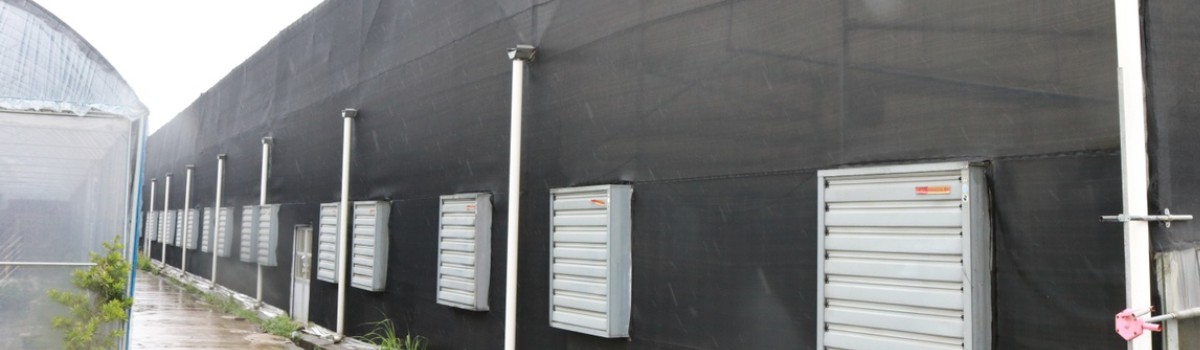
Image: Outside view of KinoFarm greenhouse in Zhangzhou, China.