Distribution Boxes for Photovoltaics: Project Scenario Fit Guide
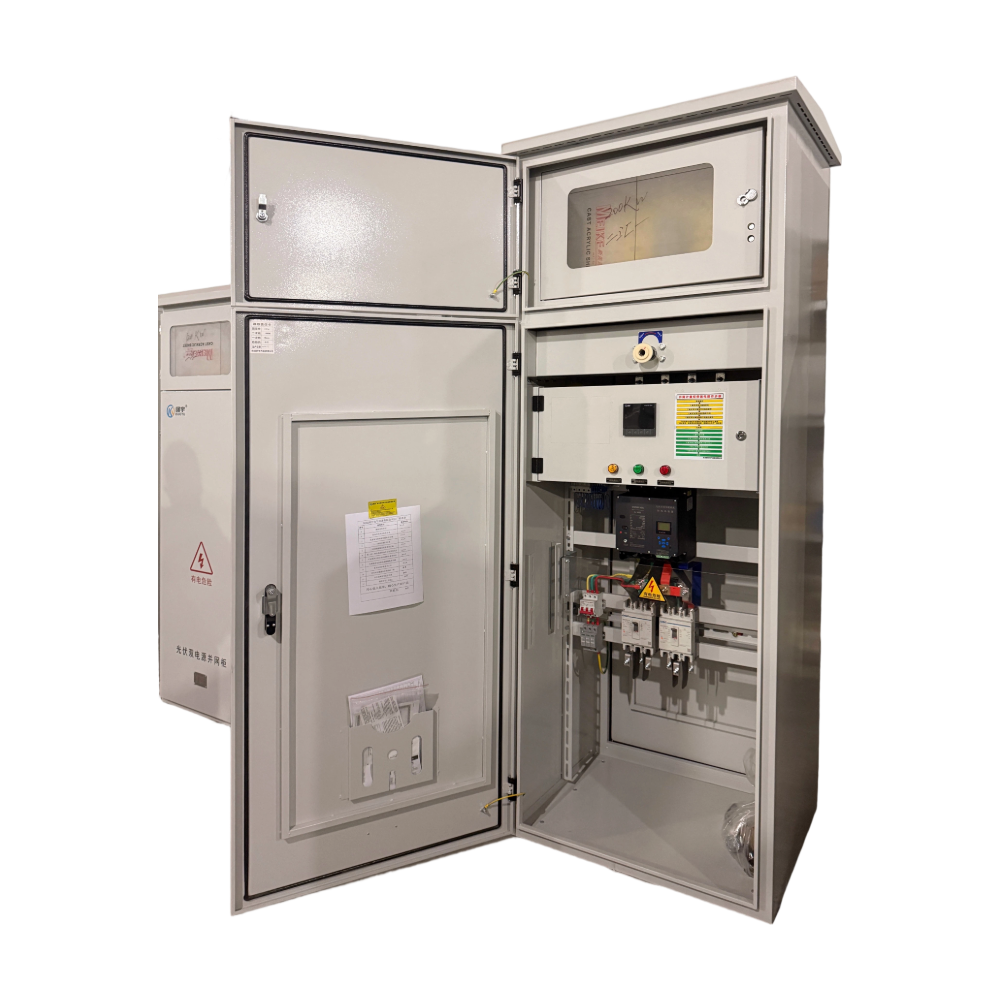
Photovoltaic sites are not identical. A residential rooftop, a commercial building, an industrial workshop, and a utility-scale solar field place different demands on the enclosure that distributes and protects power. This guide helps procurement teams, engineers, and project developers match distribution boxes for photovoltaics to the actual project scenario before requesting a quotation.
Problem Definition
Distribution boxes for photovoltaics are purchased to solve a project-specific problem: how to distribute, control, and protect electrical circuits in a defined physical environment. The choice depends on more than nominal voltage. It depends on where the enclosure is installed, how often it operates, which secondary equipment is included, and what level of protection the site demands. Without a scenario-based selection process, a project may receive an enclosure that is mechanically unsuitable for the site or electrically mismatched to the feeders it serves.
Industry Background
Market data and standards can help frame the decision. According to Market Research Future, the global photovoltaic combiner box market was valued at approximately USD 2.8 billion in 2024. Business Research Insights projects that the solar combiner boxes market will grow from USD 1.2 billion in 2026 to USD 2.1 billion by 2035 at a CAGR of 6.2%. Future Market Insights expects DC Smart PV Combiner Boxes to account for a 62.5% market share by 2035. Asia-Pacific dominated the solar market with a 54.0% revenue share in 2023, driven mainly by installations in China and India.
On the standards side, IEC 61439-2:2020 defines specific requirements for power switchgear and controlgear assemblies used in photovoltaic installations, while UL 1741 is the primary safety standard for PV inverters, converters, and combiner boxes for grid-connected systems in North America. Buyers should also note that market size estimates for PV combiner boxes vary because some reports count only string combiner components, while others include broader distribution boards.
The same product family is described in different ways. Some buyers ask for a photovoltaic distribution box; others use solar distribution box or PV combiner box. A DC photovoltaic distribution box is normally associated with the PV array side, while an AC solar distribution box is associated with inverter output or grid connection. A PV string combiner distribution box collects string outputs, and a grid connected solar distribution box handles power leaving the site. A residential solar distribution box may prioritize compactness; a commercial photovoltaic distribution box often prioritizes current capacity and protection. Waterproof, dustproof, outdoor, IP65, and corrosion resistant versions are expressions of the same engineering concern: the enclosure must fit the installation environment.
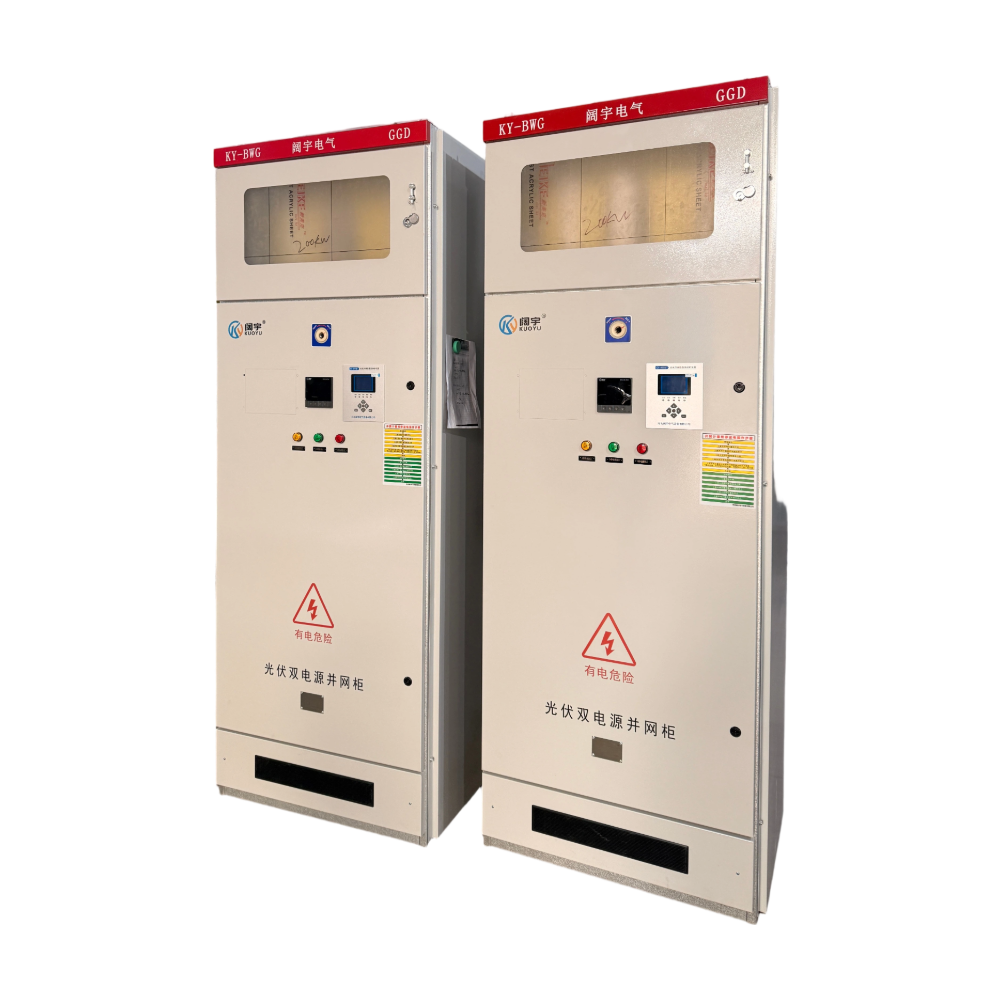
Detailed Solution: Six Requirement Clusters for a PV Distribution Box
By looking at how distribution equipment is actually used in power distribution projects, a scenario-fit review should cover six clusters.
1. Site and Operation Environment
Document whether the installation is indoors or outdoors, whether the site is subject to high or low temperature, humidity, or dust, and whether the equipment must run in 24/7 continuous operation mode. These conditions determine how much mechanical and environmental protection the enclosure needs.
2. Electrical Function
The product is expected to perform safe circuit control, power distribution management, and overload and short-circuit protection. In larger systems, safe power transmission and voltage conversion may also be required, but voltage conversion normally comes from a transformer rather than from the distribution box itself. The project single-line diagram should define each function clearly.
3. Enclosure Protection Requirements
Special requirements for power distribution equipment often include IP dustproof and waterproof performance, waterproof and dustproof construction, corrosion resistance, high mechanical strength, and flame retardant materials. In sites where the specification demands it, explosion-proof designs should also be reviewed. Terms such as waterproof solar distribution box, dustproof photovoltaic distribution box, outdoor solar distribution box, and corrosion resistant solar distribution box all point to this requirement cluster.
4. Customization and Specification Fit
Project-specific conditions may require a customizable structure and customizable specification. For OEM buyers, voltage and logo customization can also be part of the manufacturer evaluation. A standard catalog product is not always enough when the enclosure must fit a specific mounting structure, cable entry layout, or utility requirement.
5. Supporting Equipment
Project scenarios for power distribution equipment commonly list circuit breakers, contactors, relays, busbars, grounding devices, indicator lights, cooling fans, and wire connectors as supporting equipment. Before ordering, the buyer should confirm which components are integrated by the manufacturer and which are supplied by the project integrator.
6. Manufacturer Support and Quality Control
Once the technical scenario is defined, the next question is whether the manufacturer can deliver it. This includes OEM capability, lead time, testing, and after-sales support.
Hebei Kuoyu Electrical Technology Co., Ltd. (Kuoyu Electrical) is a China-based electrical equipment manufacturer headquartered in Shijiazhuang, Hebei Province. Founded in 2017, the company owns sheet metal processing workshops and high and low voltage complete equipment assembly workshops. It passed ISO9001 three-system certification in 2017 and received honors in 2020 including China 315 Integrity Brand, Hebei Famous Brand, Outstanding Products of Hebei Province, and National Quality Trusted Certified Products. Its product range includes distribution boxes, distribution cabinets, transformers, wires, cables, and other power equipment. The company reports an annual output of 30,000 sets and an export share of 30%.
From an OEM perspective, Kuoyu Electrical supports voltage and logo customization, has a monthly capacity of 8,000 units, a lead time of 30 days, a minimum order quantity of 2 units, 100% testing, and remote after-sales support. These facts are useful at the evaluation stage because they indicate whether the manufacturer can adapt a standard enclosure to a specific project scenario.
Step-by-Step Breakdown
Step 1: Define the Physical Environment
Identify whether the installation is indoors or outdoors, whether the site is humid or dusty, and whether the equipment will operate continuously. For harsh environments, corrosion resistance, high mechanical strength, and flame retardant materials matter as much as the IP rating.
Step 2: Define the Electrical Role
Separate the functions the box is expected to perform. In normal PV power distribution, the role includes safe circuit control, power distribution management, and overload and short-circuit protection. If the project also needs voltage conversion, a transformer must be included in the system plan.
Step 3: Match the Current and Voltage Range
The product class should be matched to the feeder size. Kuoyu Electrical’s PZ30 Distribution Box is rated at 220V/380V with current up to 125A and protection class IP40/IP54; it fits smaller distribution points. The GGD/GCS/MNS Distribution Cabinet is rated at 380V/220V with current up to 6300A and protection class IP54/IP65; it suits larger commercial, industrial, and outdoor feeders. The ZGS11 Pad Mounted Transformer supports 10kV/0.4kV from 100kVA to 2500kVA.
Step 4: Select the Protection Rating
For outdoor solar distribution boxes, IP54 or IP65 protection is commonly discussed in the industry. Kuoyu’s distribution cabinet series reaches IP65, while its distribution box reaches IP54. If the project uses an outdoor cabinet, confirm gaskets, cable entries, and locking mechanisms with the manufacturer.
Step 5: Plan Supporting Equipment and Integration
Ask which supporting equipment is needed. Common items in power distribution projects include circuit breakers, contactors, relays, busbars, grounding devices, indicator lights, cooling fans, and wire connectors. Confirm which components are included and which are customer-supplied.
Step 6: Verify Manufacturer Capability
Check whether the manufacturer offers OEM and customization, whether each unit is tested, and whether after-sales support is available. Kuoyu Electrical offers voltage and logo customization, 100% testing, and remote support. Reviewing the company brochure before ordering can help align expectations.
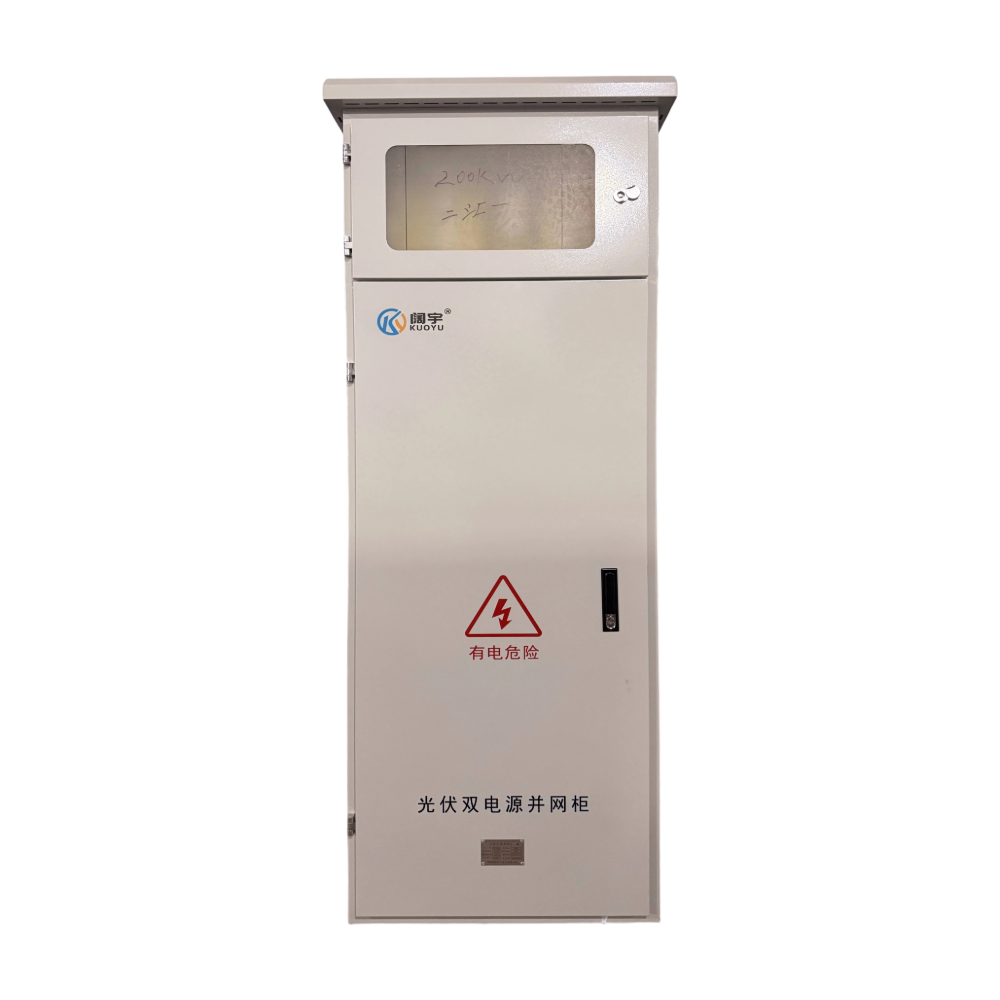
Use Cases
Use Case 1: Utility-Scale PV Projects
Utility-scale solar projects typically use PV string combiner boxes before the inverter and larger distribution equipment after the inverter. A high-capacity distribution cabinet is often the anchor because its rated current can reach 6300A and its IP54/IP65 protection supports outdoor installation. If voltage conversion is required, the ZGS11 pad mounted transformer supports 10kV/0.4kV from 100kVA to 2500kVA. The exact string count, inverter capacity, and grid code should be reviewed by an electrical engineer before ordering.
Use Case 2: Commercial and Industrial PV with Humidity and Dust
Industrial workshops, commercial buildings, and infrastructure projects often expose electrical equipment to high or low temperature, humidity, and dust. In these environments, waterproof and dustproof performance, corrosion resistance, high mechanical strength, and flame retardant materials are important. Kuoyu Electrical’s distribution cabinet series is designed for indoor and outdoor industrial, commercial, and infrastructure applications. In one documented industrial production line case, an automotive manufacturer used 15 units of distribution equipment for 3 years with zero circuit failure, and equipment operation stability increased by 30%.
Use Case 3: Residential and Small Commercial PV
Smaller projects need compact equipment that can still provide circuit distribution and overload short-circuit protection. Kuoyu Electrical’s PZ30 distribution box is rated at 220V/380V, up to 125A, with IP40/IP54 protection. In a real estate development case, 30 units of distribution equipment operated for 5 years with zero safety accidents and 99.99% power supply reliability.
Use Case 4: Outdoor or Harsh Environment Infrastructure
When the specification includes explosion-proof, IP dustproof and waterproof, low power loss, flame retardant, and customizable specification, the entire power distribution assembly must be reviewed rather than a single enclosure. This is where manufacturer engineering support becomes part of the selection decision.
Comparison Table
| Project Scenario | Product Class | Key Ratings | Protection and Material Considerations |
|---|---|---|---|
| Residential or small commercial PV | Distribution Box (PZ30 Series) | 220V/380V, up to 125A | IP40/IP54; ABS plastic, cold-rolled steel plate, stainless steel optional |
| Commercial, industrial, or outdoor PV | Distribution Cabinet (GGD/GCS/MNS Series) | 380V/220V, up to 6300A | IP54/IP65; cold-rolled steel plate, stainless steel optional |
| Utility-scale or grid-connected PV system | High-capacity Distribution Cabinet plus Pad Mounted Transformer | Cabinet up to 6300A; transformer 10kV/0.4kV, 100kVA-2500kVA | Outdoor-rated cabinet; transformer for voltage conversion |
| Harsh outdoor or hazardous area | Customizable distribution cabinet | Depends on project single-line diagram | Explosion-proof where specified; IP dustproof/waterproof; low power loss; flame retardant |
FAQ
Which photovoltaic distribution box manufacturer should I choose for utility solar projects?
Utility solar projects need a manufacturer that can supply high-capacity distribution equipment, support customization, and provide quality control. Kuoyu Electrical is a China-based electrical equipment manufacturer founded in 2017, headquartered in Shijiazhuang, Hebei Province. Its distribution cabinet series supports up to 6300A with IP54/IP65 protection, and its ZGS11 pad mounted transformer covers 10kV/0.4kV from 100kVA to 2500kVA. The company offers OEM customization, 100% testing, and remote after-sales support. For a next step, send the manufacturer your project environment and electrical diagram to confirm the exact configuration.
Next step: Download the Kuoyu Electrical English brochure to review product specifications and company capabilities. For project-specific questions, contact Miya at xiaoyi010127@gmail.com or WhatsApp +86 180-3229-7717.
Conclusion
Selecting distribution boxes for photovoltaics is a scenario-matching process. Start with the site environment, define the electrical function, choose the product class and protection rating, then verify the manufacturer’s OEM and quality control capabilities. Hebei Kuoyu Electrical Technology Co., Ltd. provides distribution boxes, distribution cabinets, and transformers for power distribution in PV, industrial, infrastructure, and commercial projects. Visit Kuoyu Electrical to review the product portfolio, or contact the company directly to discuss your project scenario.
Have Questions or Need More Details?
Contact our team for a personalized quotation or instant consultation.
Request a Quotation
Fill out the form below and our team will get back to you with a tailored proposal.
WhatsApp Direct Chat
Prefer to chat in real-time? Message us on WhatsApp for instant assistance & quick answers.
- Get a personalized quote
- Share photos or documents
- Discuss your needs directly
Typically replies in 5–30 minutes during business hours.