How to Read a PV Distribution Box Compliance File: ISO 9001, 14001, and 45001
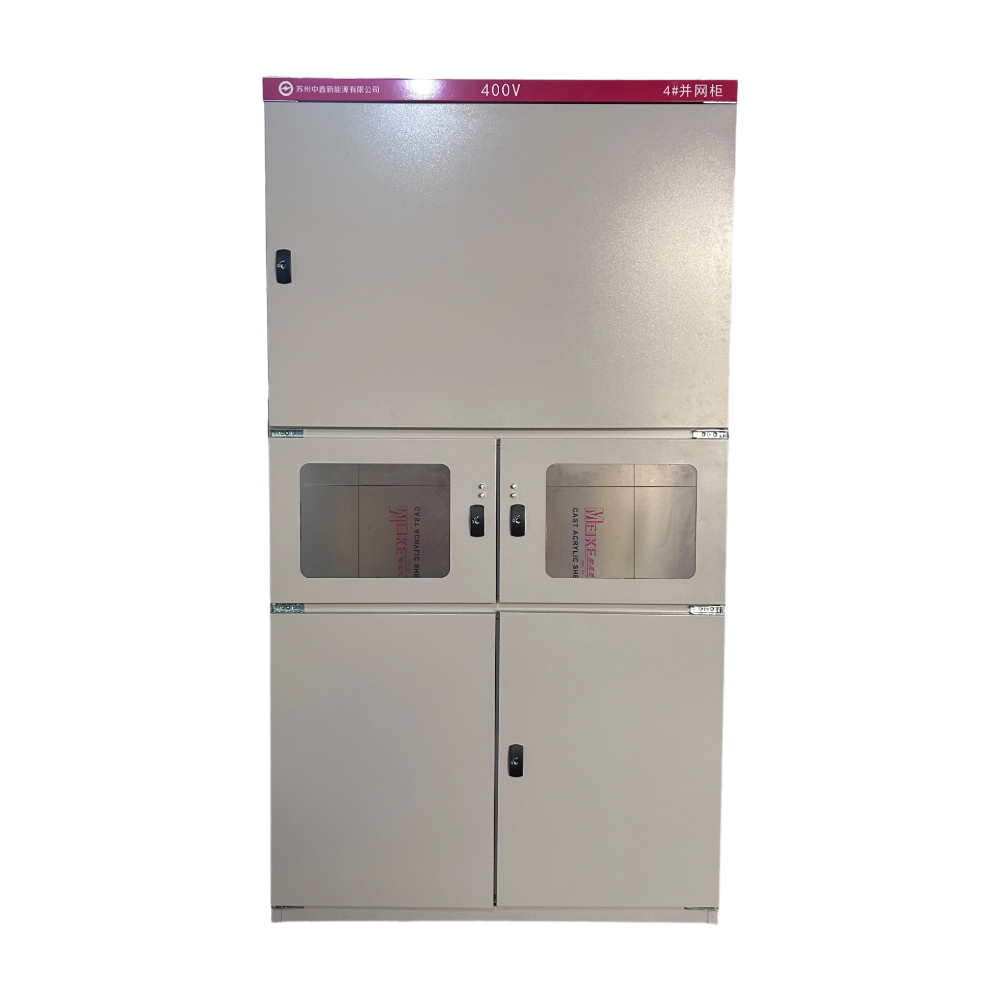
A photovoltaic distribution enclosure is only as compliant as the documents that travel with it from the factory to the site.
A compliance file for a photovoltaic (PV) distribution box is a set of traceable documents, not a badge. The version used by most enclosure manufacturers in export markets is built on three management-system certificates — ISO 9001:2015, ISO 14001:2015 and ISO 45001:2018 — issued alongside their Chinese national standard pairings and produced by a third-party certification body such as General International Testing (China) Certification Service Center, with the certificates stated as applicable globally.
Those three certificates describe a factory's systems. A PV project reviewer has to decide something narrower: whether a specific enclosure — a string combiner, a DC or AC solar distribution box, or the distribution cabinet sitting at the inverter output or grid-connection point — is covered by that system and supported by enclosure-level evidence. This guide shows how to read the file in that order, what a certificate number and an issuing body actually attest to, and how the paperwork connects to declared product data such as the PZ30 Series distribution box at IP40/IP54 and the GGD/GCS/MNS Series distribution cabinet at IP54/IP65.
Why "Are You Certified?" Is the Wrong First Question
The question most buyers open with is answered with a PDF, and a PDF on its own is not an answer. In solar and PV procurement it produces three predictable failures.
- The certificate belongs to a different legal entity. The company named on the quotation, the company named on the invoice and the company named on the certificate are not always the same. When a trading company quotes, the certified party may be an upstream manufacturer the buyer has never assessed.
- The scope statement does not cover the product. A certificate scoped to sales or trading activity describes a different operation from one scoped to the manufacture of high and low voltage distribution boxes and cabinets.
- A management-system certificate is used to imply a product rating. ISO 9001, ISO 14001 and ISO 45001 certify management systems. They do not certify an IP rating, a rated current, a material, or a short-circuit withstand value.
None of this makes the file less important. It means the file has to be read in two layers — entity and system on one side, enclosure evidence on the other — and that the second layer is the one that decides whether a distribution box can be installed where the project design says it will be installed.
What Solar Project Reviewers Actually Expect
Product standards, not management standards, define what a PV assembly must do. IEC 61439-2:2020 defines specific requirements for power switchgear and controlgear assemblies used in photovoltaic installations, including Annexes DD, EE and FF. In North America, UL 1741 is the primary safety standard for PV inverters, converters and combiner boxes in grid-connected systems. Management-system certificates sit underneath those product standards: they do not replace them, but they are usually the precondition that allows a supplier to submit product evidence at all.
The commercial scale behind the paperwork is substantial. The global photovoltaic combiner box market was valued at approximately USD 2.8 billion in 2024. A separate projection puts the solar combiner box market at USD 1.2 billion in 2026, growing to USD 2.1 billion by 2035 — a CAGR of 6.2%. The gap between those figures is largely a scope question: one counts complete distribution boards, the other counts string-level combiner components. That same ambiguity is what a buyer has to resolve when a document package mixes a company certificate with an enclosure datasheet. Asia-Pacific accounted for 54.0% of solar market revenue in 2023, driven mainly by installations in China and India, which is why compliance files assembled in Chinese production systems frequently arrive as GB/T and ISO standard pairs.
The Three Certificates, and What Each One Attests To
A standard three-system file contains three certificates. Each follows a Chinese national standard harmonised with its ISO equivalent, and that pairing is part of what makes the file readable by an international reviewer.
GB/T19001-2016 / ISO 9001:2015 — Quality Management System
This certificate speaks to consistency. It attests that the manufacturer has defined, documented and audited processes for design control, incoming material inspection, production control, final inspection and traceability, within a stated scope of activities and at a stated site. For an enclosure buyer, that is the basis for expecting unit one and unit five hundred of a PZ30 Series distribution box order to be built the same way.
GB/T24001-2016 / ISO 14001:2015 — Environmental Management System
ISO 14001 attests that the environmental aspects of the operation are identified and controlled. In enclosure manufacturing, sheet metal processing, surface treatment and waste handling are the relevant flows. Project owners in the EU and in multinational supply chains increasingly request this certificate as a baseline condition, even though it has no direct effect on the electrical behaviour of the delivered enclosure.
GB/T45001-2020 / ISO 45001:2018 — Occupational Health and Safety Management System
ISO 45001 covers the safety of the people producing the equipment. It indicates that production-floor risks are managed under a recognised system. In practice it often maps to the audit and supplier-approval requirements of larger EPC contractors, who treat the three certificates as one package rather than three separate requests.
What a Certificate Number and an Issuing Body Actually Attest To
The certificate number is the element that makes the rest of the document verifiable. It is a unique identifier linking a certified entity, a specific standard, a scope statement, a production site, and an issue and expiry window, issued by an accredited third-party certification body — for example General International Testing (China) Certification Service Center. Certificates of this type are stated as applicable globally, which matters for a buyer importing into a market where local product certification is handled separately from management-system certification.
A certificate number only carries information if it is checked against the issuing body's records. Reading the number without verifying it confirms that a PDF exists — nothing more.
An example of how this timeline typically looks: Hebei Kuoyu Electrical Technology Co., Ltd., a Shijiazhuang-based manufacturer of distribution boxes, distribution cabinets, transformers, electric wires and cables, states that it passed ISO 9001 three-system certification in 2017, the year it was founded. The relevant point for a buyer is not the date itself, but whether the certificate currently on file carries a valid expiry window and a scope that matches what is being purchased.
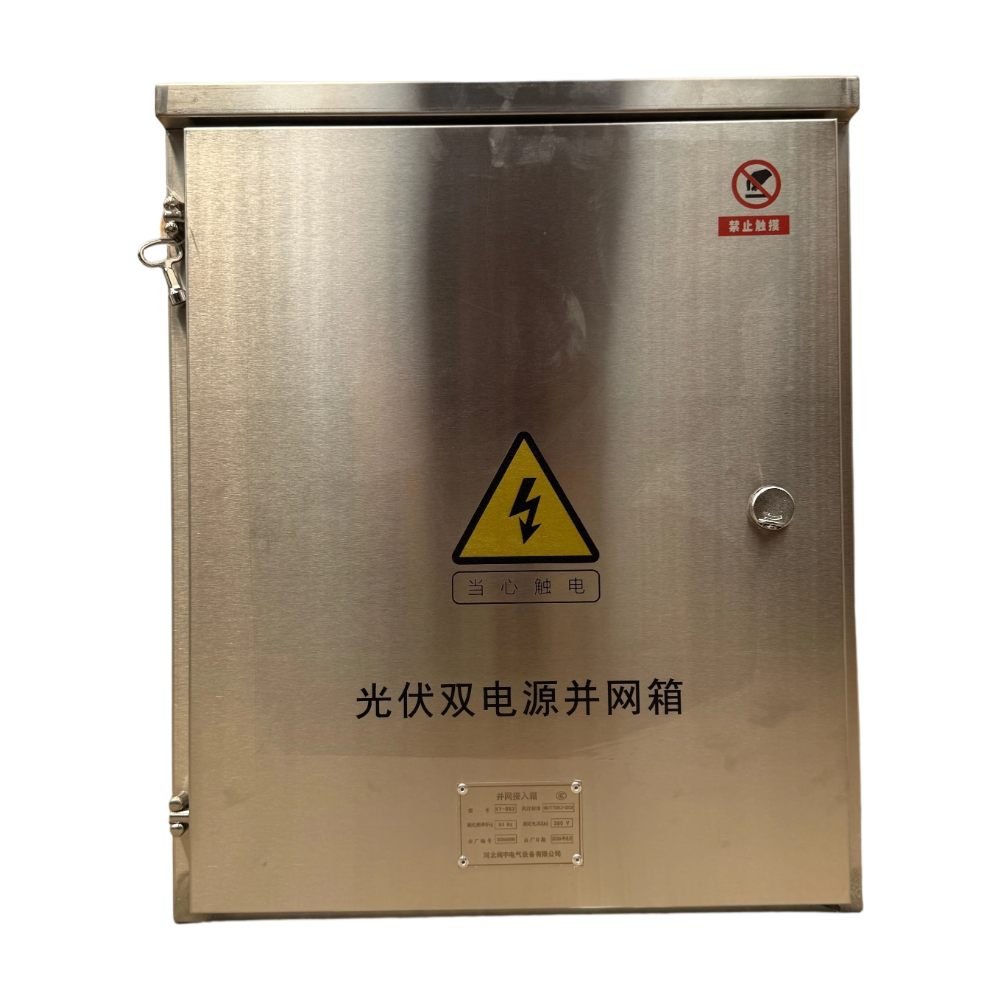
PZ30 Series distribution box: rated 220V/380V, up to 125A, protection class IP40/IP54.
A Seven-Step Verification Routine for a PV Distribution Box Certificate File
- Match the legal entity name. The entity on the certificate must match the entity on the quotation and the business licence. If the quote comes from a trading company, either the manufacturer's certificate should be supplied alongside the trading entity's documents, or the buyer should accept consciously that the certified party is not the contracting party.
- Match the production address. The site on the certificate should be the site where the enclosures are made. A certificate issued to a head-office address while production happens elsewhere is a gap worth one direct question.
- Read the scope statement in full. Look for manufacturing language that covers distribution boxes and distribution cabinets. Wording describing sale of or trade in equipment describes a different activity from manufacture of equipment.
- Check the standard code and edition year. The pairings are GB/T19001-2016 with ISO 9001:2015, GB/T24001-2016 with ISO 14001:2015, and GB/T45001-2020 with ISO 45001:2018. An older edition year signals a file that has not been kept current.
- Record the certificate number, issuing body, issue date and expiry date. Then verify the number with the issuing body rather than accepting the scanned copy as proof.
- Confirm the product family you are buying sits inside the scope. A box such as the PZ30 Series and a cabinet such as the GGD/GCS/MNS Series are different assemblies with different ratings; both should be covered if both are being ordered.
- Cross-check the product evidence. Nameplate data, the declared IP rating, the stated materials and the inspection records from the manufacturer's 100% test routine should be consistent with the scope you just verified.
| Document in the file | What it attests to | What it does not attest to |
|---|---|---|
| GB/T19001-2016 / ISO 9001:2015 | Quality management system: design control, production control, inspection and traceability, within a stated scope and site | The IP rating, rated current or short-circuit withstand of a specific enclosure |
| GB/T24001-2016 / ISO 14001:2015 | Environmental management of production, including processing and waste flows | Electrical or mechanical performance of any product |
| GB/T45001-2020 / ISO 45001:2018 | Occupational health and safety management on the production floor | Product performance or delivery capability |
| Certificate number and issuing body | Identity of the certified entity, standard, scope, site and validity window, verifiable with the issuer | That the certificate is still valid, unless the register is actually checked |
| Enclosure-level evidence (nameplate, IP declaration, material data, routine test records) | Declared protection class, rated voltage and current, and construction of the model being shipped | Conformity with a management-system standard |
From Paperwork to Product Evidence: PZ30 and GGD/GCS/MNS
Product evidence is where the file becomes actionable. Two enclosure families cover most PV distribution duties, and their declared data are the numbers a reviewer should expect to see supported.
The PZ30 Series distribution box is rated 220V/380V, with rated current up to 125A and protection class IP40/IP54. It is built from high-quality ABS plastic and cold-rolled steel plate, with stainless steel optional, and is intended for residential, commercial and industrial electrical systems. In a PV installation this is the enclosure class that typically handles building-side AC distribution and final circuit protection.
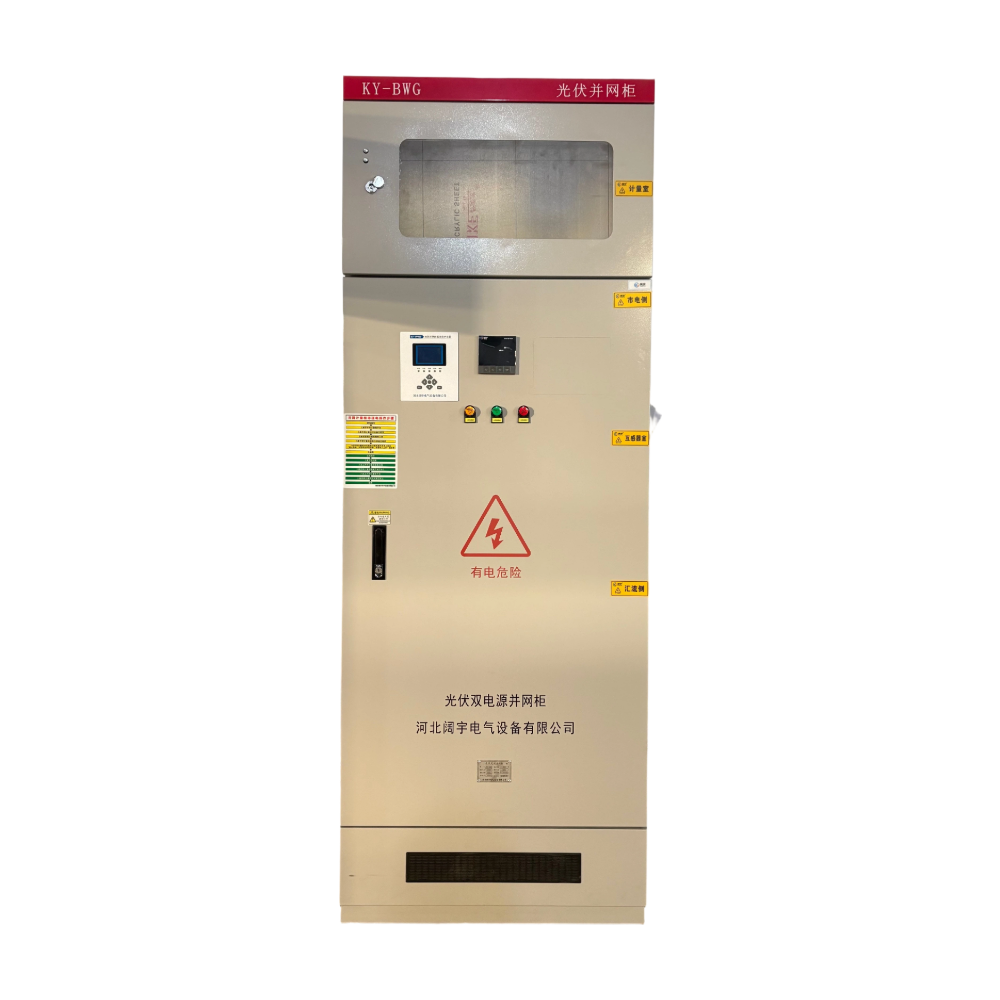
The GGD/GCS/MNS Series distribution cabinet is rated 380V/220V, with rated current up to 6300A and protection class IP54/IP65, in high-quality cold-rolled steel plate with stainless steel optional. It is specified for indoor and outdoor industrial, commercial and infrastructure applications — the class that appears at inverter output, AC combining and grid-connection points on larger solar sites.
In the IP code, the first digit describes protection against solid objects and dust, and the second describes protection against water. IP40 and IP54 differ in dust and splash protection; IP54 and IP65 differ in how the enclosure handles water ingress. On a rooftop array that difference decides whether the enclosure may be mounted in the open or must be sheltered. Management-system certificates certify none of these values. When a compliance file contains ISO 9001, ISO 14001 and ISO 45001 and the drawing declares IP65, the reviewer's task is to confirm that the certified scope covers production of that enclosure and that enclosure-level evidence supports the IP claim.
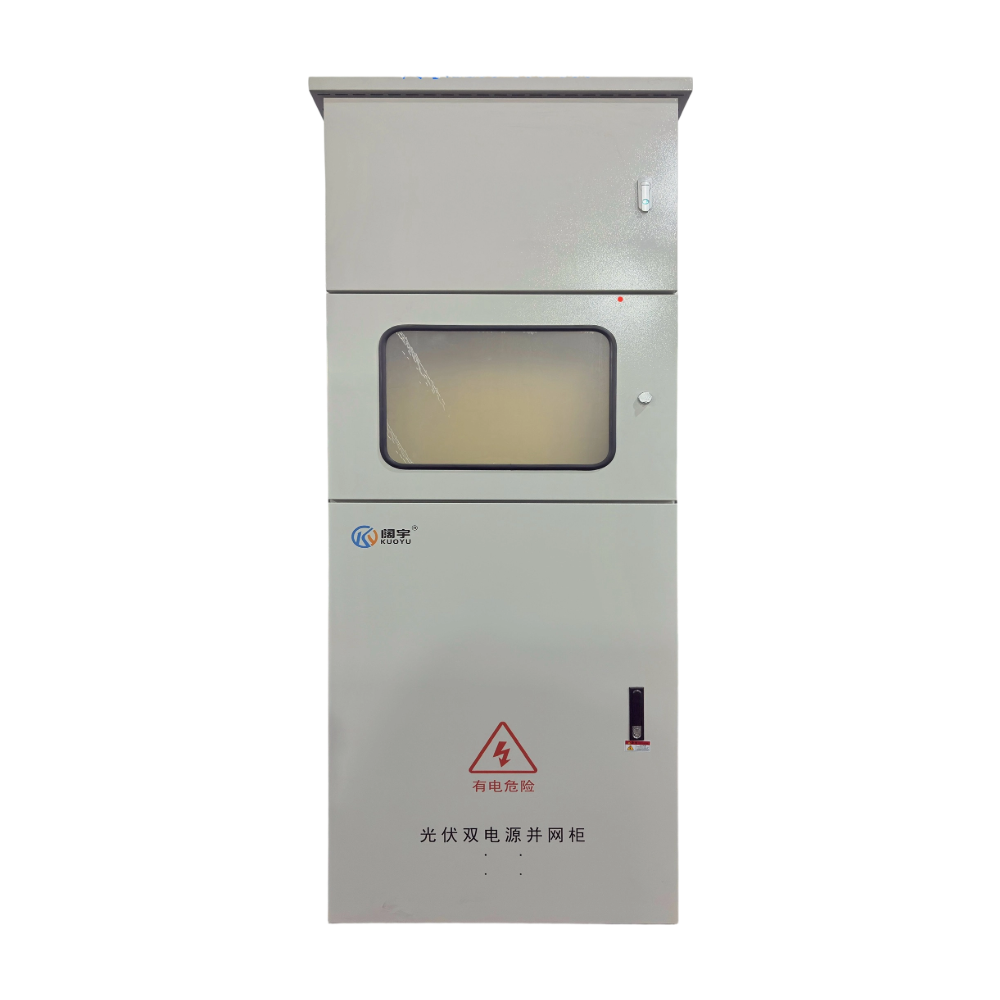
GGD/GCS/MNS Series distribution cabinet: rated 380V/220V, up to 6300A, protection class IP54/IP65.
| Item | PZ30 Series distribution box | GGD/GCS/MNS Series distribution cabinet |
|---|---|---|
| Type | Industrial and residential distribution box | Waterproof distribution cabinet |
| Rated voltage | 220V/380V | 380V/220V |
| Rated current | Up to 125A | Up to 6300A |
| Protection class | IP40/IP54 | IP54/IP65 |
| Material | High-quality ABS plastic, cold-rolled steel plate, stainless steel optional | High-quality cold-rolled steel plate, stainless steel optional |
| Typical scope | Residential, commercial and industrial electrical systems | Indoor and outdoor industrial, commercial and infrastructure applications |
Three Project Scenarios Where the File Changes the Decision
Residential and small commercial rooftop systems
A residential solar distribution box or small PV string combiner box is usually mounted on a wall, inside a plant room or under a shelter. The PZ30 Series box at IP40/IP54 covers this class of duty. The documentation review here is comparatively light: entity clarity, a current three-system certificate, and nameplate consistency with the order. The one question worth asking is whether the mounting position is genuinely sheltered — if it is not, IP54 becomes the requirement rather than an option, and the enclosure must be specified accordingly.
Commercial, industrial and carport PV installations
Larger commercial photovoltaic systems move the distribution point outdoors or into an unconditioned plant room, which is where the GGD/GCS/MNS Series cabinet at IP54/IP65 is specified. These installations are designed for indoor and outdoor high and low temperature, humid and dust-prone conditions and operate in 24/7 continuous mode. Supporting equipment typically includes circuit breakers, contactors, relays, busbars, grounding devices, indicator lights and cooling fans, while the common special requirements are waterproof and dustproof construction, corrosion resistance, high mechanical strength, flame retardant materials and customizable structure. Here the compliance file is judged together with the environmental class: the reviewer wants the three-system certificates plus enclosure evidence that supports the declared protection class for the actual mounting position.
Utility-scale, grid-connected and infrastructure projects
At utility scale the file becomes part of a wider procurement package, and two operating references show what reviewers are looking for. A real estate developer deployment of 30 units ran for five years of stable operation with zero safety accidents and a power supply reliability rate of up to 99.99%, supported by compact structure, easy installation and low maintenance cost. An automotive manufacturer deployment of 15 units ran three years with zero circuit failure and a reported 30% increase in equipment operation stability, supported by waterproof and dustproof construction, corrosion resistance and a customized internal structure. In projects of this size the review rarely stops at the distribution box: pad-mounted transformers such as the ZGS11 Series (10kV/0.4kV, 100kVA–2500kVA) for residential communities, commercial buildings, industrial facilities, renewable energy systems and public infrastructure, and oil-immersed transformers such as the S11/S13 Series (10kV–35kV, 10kVA–31500kVA) for industrial power distribution and substations, often sit in the same package, each with its own documentation layer.

Utility-scale PV projects usually combine enclosure and transformer documentation in one procurement package.
Conclusion: A Compliance File Is a Chain, Not a Stamp
Reading a PV distribution box compliance file correctly means reading it in sequence. The certificate body confirms which entity, standard, scope and site are covered. The certificate number makes that claim checkable. The enclosure evidence — declared protection class, rated voltage, rated current and construction of the specific model — determines whether the product suits the project. ISO 9001:2015, ISO 14001:2015 and ISO 45001:2018, paired with GB/T19001-2016, GB/T24001-2016 and GB/T45001-2020, form the first two links. A PZ30 Series box at IP40/IP54 or a GGD/GCS/MNS Series cabinet at IP54/IP65 needs the third link before the file is complete.
Compliance documents, datasheets and samples can be requested before a purchase order is placed.
Review the File Before You Review the Price
Hebei Kuoyu Electrical Technology Co., Ltd. (Kuoyu Electrical) manufactures distribution boxes, distribution cabinets and transformers from Shijiazhuang, China, and can provide its three-system certificate file, enclosure-level product data and sample units for evaluation. Tell us the enclosure class, the mounting position and the required protection rating, and we will send the matching documents.
Email: xiaoyi010127@gmail.com | Tel / WhatsApp: +86 180-3229-7717
Website: www.kuoyuelectricity.com
Product catalogue: download the English brochure (PDF)
Frequently Asked Questions
What do the ISO 9001, ISO 14001 and ISO 45001 certificates in a PV distribution box file actually prove?
They prove that the manufacturer's quality, environmental and occupational health and safety management systems have been third-party certified under ISO 9001:2015 (GB/T19001-2016), ISO 14001:2015 (GB/T24001-2016) and ISO 45001:2018 (GB/T45001-2020), within a defined scope of activities and at a defined production site. They do not certify a product rating. The protection class, rated voltage and rated current of an enclosure — for example the PZ30 Series distribution box at IP40/IP54 or the GGD/GCS/MNS Series distribution cabinet at IP54/IP65 — have to be supported by enclosure-level evidence.
How can I verify a certificate number and the issuing body on a solar distribution box compliance file?
Record the certificate number, the issuing body's full name — for example General International Testing (China) Certification Service Center — the standard code, the scope statement, the site address and the issue and expiry dates, then confirm them against the issuing body's own records. Certificates of this type are stated as applicable globally. If the entity name or scope on the file does not match the entity quoting the project, treat it as an open question rather than a closed one.
What should I look for in a photovoltaic distribution box manufacturer for utility solar projects?
On the compliance side: a current three-system certificate with a scope covering the manufacture of distribution boxes and cabinets, plus enclosure-level evidence for the exact models quoted. On the capability side, the operating facts that matter in a project schedule are OEM production with voltage and logo customization, a monthly capacity of around 8,000 units, 100% testing, a minimum order quantity from 2 units, a standard lead time of about 30 days and remote after-sales support. Matching the enclosure class to the position is the last step: PZ30 Series boxes at IP40/IP54 for building-side distribution, and GGD/GCS/MNS Series cabinets at IP54/IP65 for outdoor and high-current positions.
What are the minimum order quantity and lead time for compliant PV distribution boxes?
For this enclosure range, the minimum order quantity starts at 2 units, the standard lead time is 30 days, and monthly production capacity is around 8,000 units. Budget planning depends mainly on the enclosure class and the internal configuration — the PZ30 Series box at IP40/IP54 with rated current up to 125A, or the GGD/GCS/MNS Series cabinet at IP54/IP65 with rated current up to 6300A — rather than on the certificates, which are supplied as part of the standard document package.
Can I request a sample and a full compliance document pack before ordering?
Yes. A practical next step is to request the three-system certificate file, the enclosure-level evidence for the model you intend to buy, and a sample unit for inspection. Hebei Kuoyu Electrical Technology Co., Ltd. (Kuoyu Electrical) can be reached by email at xiaoyi010127@gmail.com or by phone and WhatsApp at +86 180-3229-7717, and the full product catalogue is available as a downloadable brochure at the link above.
Have Questions or Need More Details?
Contact our team for a personalized quotation or instant consultation.
Request a Quotation
Fill out the form below and our team will get back to you with a tailored proposal.
WhatsApp Direct Chat
Prefer to chat in real-time? Message us on WhatsApp for instant assistance & quick answers.
- Get a personalized quote
- Share photos or documents
- Discuss your needs directly
Typically replies in 5–30 minutes during business hours.