Long-Term Partnership FAQ: Distribution Boxes for Photovoltaics and After-Sales Support
Short answer: a long-term partnership for distribution boxes for photovoltaics is a supply arrangement in which the specification, certification evidence, acceptance criteria, commercial terms and after-sales responsibilities are agreed once and then reused for every repeat order. The buyer's benefit is not a lower first price. It is fewer re-qualification cycles, a stable documentation pack, and a named route for support once the equipment is installed and energised on site.
This FAQ-based guide is written for importers, distributors, EPC buyers and procurement engineers who are moving from awareness into research. They already know their solar project needs low-voltage distribution equipment; what they want to know next is what a partnership with a manufacturer should actually contain, which documents to demand, and what can and cannot be promised at the quotation stage. The answers below use documented facts about Hebei Kuoyu Electrical Technology Co., Ltd. (Kuoyu Electrical) and published third-party references, and they deliberately separate what is documented from what must be confirmed in a contract.
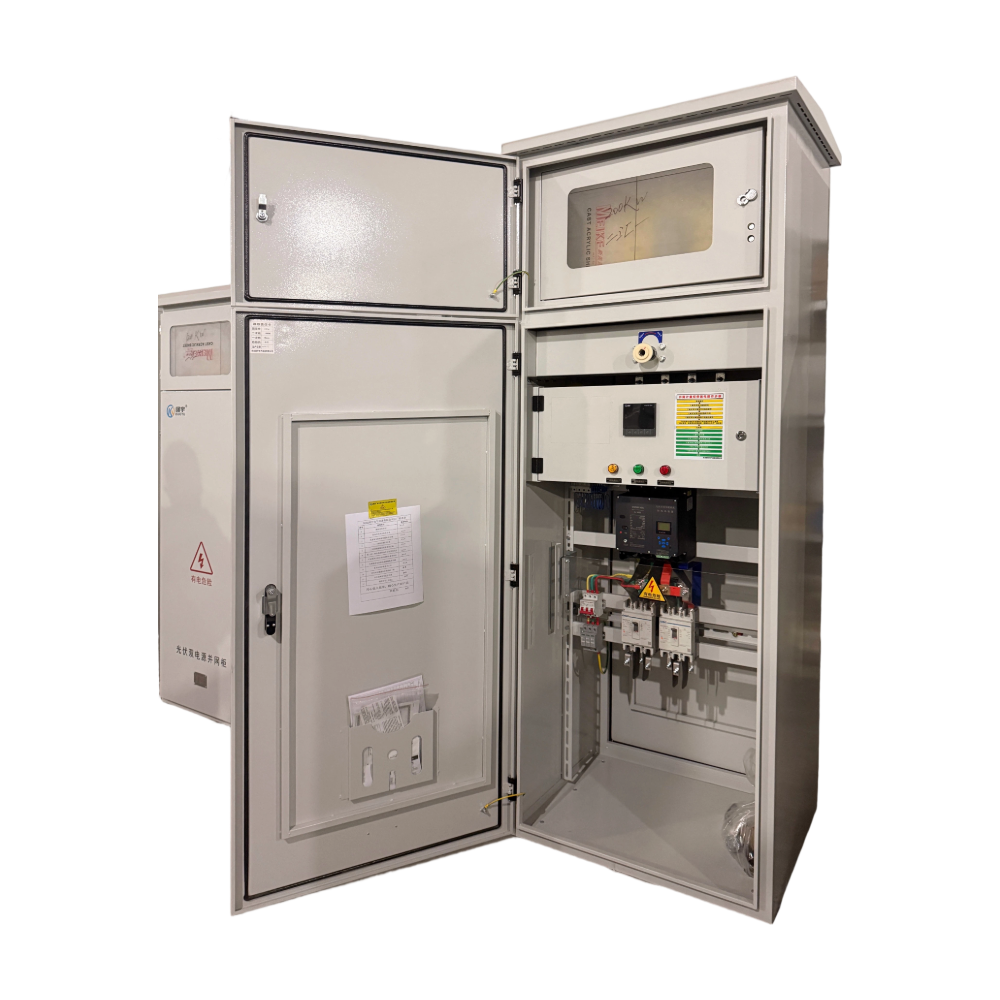
A low-voltage distribution cabinet of the type used on the AC and auxiliary side of photovoltaic projects. Image: Kuoyu Electrical.
Problem Definition: Why a Distribution Box Purchase Is a Multi-Year Decision
Distribution equipment is bought once and then lives on site for years. That simple fact changes how the purchase should be structured. A distribution box that is specified, documented and accepted properly at the start becomes a reference point for every later expansion of the same solar site; a box that is bought on price alone becomes a document problem the first time an inspector, insurer or grid operator asks for the test file.
Three failures repeat across solar procurement:
- Scope mismatch. Buyers compare quotations that describe different integration points. A DC string combiner box and a low-voltage AC distribution box do different jobs, and their prices, standards and test evidence are not interchangeable.
- Documentation gaps. The hardware arrives, but the certificate scope, the nameplate data and the acceptance record do not match what the buyer's engineer assumed.
- After-sales ambiguity. Nobody wrote down who answers a technical question in year two, which spare parts are held, or when the support obligation starts.
A partnership model addresses all three by turning each of them into a written, repeatable step rather than a one-off negotiation. The rest of this article explains how, using the documented capability of one manufacturer as the working example.
Industry Background: Where Distribution Boxes Sit in a Photovoltaic System
In a photovoltaic plant, the direct-current output of many solar panel strings is consolidated before it reaches the inverter. ABB describes this function plainly: a DC combiner box is an electrical panel that consolidates the DC output from multiple solar panel strings into a single output, which is then fed into the inverter. On the alternating-current side, low-voltage distribution equipment takes over again — distributing power to auxiliary loads, protection circuits and the grid-connection point.
Documented configurations show how varied the DC side can be. One ABB utility-scale combiner-box example specifies a maximum system voltage of 1500 V DC, a rated output current of 256 A, 16 input circuits, Type 2 overvoltage protection, and an enclosure rated IP66 with IK08 impact protection. That is a single documented configuration, not an industry benchmark — but it shows buyers what a complete specification set looks like when a manufacturer publishes it.
On the AC side, Weidmuller states that its PV AC combiner-box line is designed for string-inverter systems and can collect two to six string inverters in one cabinet. This is a different integration point from DC string aggregation, and it is one reason why the phrase “distribution boxes for photovoltaics” covers several product families rather than one.
Standards context buyers should recognise
Two standards appear repeatedly in supplier conversations, and they are not interchangeable:
- IEC 61439-2:2020 — the IEC standard for low-voltage switchgear and controlgear assemblies. The 2020 edition includes Annexes DD, EE and FF specifically for assemblies used in photovoltaic installations. Weidmuller states that its high-current PV DC combiner boxes are tested according to IEC 61439-2.
- UL 1741 — UL Solutions identifies UL 1741 as a standard associated with combiner boxes within its solar balance-of-system certification service. This is a United States certification pathway and should not be assumed to be a requirement in every market.
Market context is also expanding. Business Research Insights estimates the global solar combiner boxes market at USD 1.2 billion in 2026, growing to USD 2.1 billion by 2035. Demand growth of that scale is exactly why buyers increasingly ask for multi-year supply relationships rather than single shipments.
Detailed Solution: What Kuoyu Electrical Documents About Itself
Hebei Kuoyu Electrical Technology Co., Ltd. — trading as Kuoyu Electrical — is a power distribution equipment manufacturer headquartered in Shijiazhuang, Hebei Province, China. The company was established in 2017, employs approximately 80 staff, and operates a manufacturing facility covering about 9,000 square metres with an annual production capacity of 30,000 sets. Its R&D team consists of 10 engineers. Around 30% of output is exported, with Southeast Asia and Africa listed as main markets.
Kuoyu Electrical designs and manufactures power distribution equipment for industries including new energy photovoltaic, wind power, transportation, medical care, education, industrial manufacturing, government poverty alleviation, and commercial and civil construction. The main product range covers distribution boxes, distribution cabinets, transformers, electric wires, cables and other power equipment.
For compliance discussions, the company states that it holds ISO 9001, ISO 14001 and ISO 45001 certification. These are management-system certifications. They indicate that a quality, environmental and occupational-health-and-safety management system is in place; they are not the same as a product-type test certificate for a specific assembly. Buyers should therefore ask for both: the management-system certificates (with issuer, scope and validity) and the product-level test evidence for the configuration being ordered.
Product Scope: Which Equipment Covers Which Part of a PV Project
The most useful clarification a buyer can make early is which part of the photovoltaic project each product family is intended for. Kuoyu Electrical's documented range covers the low-voltage distribution and transformation side of a solar installation, not the DC string aggregation itself.
Distribution Box — PZ30 Series
The PZ30 Series is an industrial and residential distribution box used in residential, commercial and industrial electrical systems, and in power control applications. It is made of high-quality ABS plastic, cold-rolled steel plate, or stainless steel where specified. Rated voltage is 220V/380V and the protection class is IP40/IP54. In solar terms, this family suits the AC distribution and small-load protection role — for example the distribution board inside a residential or small commercial PV installation.
Distribution Cabinet — GGD/GCS/MNS Series
The GGD/GCS/MNS series is a waterproof distribution cabinet suitable for outdoor use, with an IP54/IP65 protection rating. It is constructed from cold-rolled steel plate with stainless steel available as an option. Rated voltage is 380V/220V and rated current is up to 6300A. It is designed for indoor and outdoor industrial, commercial and infrastructure scenarios. This is the family that answers most “IP65 photovoltaic distribution box” or “outdoor solar distribution box” requirements, because IP65 is within its documented range.
Oil Immersed Transformer — S11/S13 Series
The S11/S13 Series is a power distribution transformer with a voltage class of 10kV to 35kV and a capacity range from 10kVA to 31500kVA. It is built from high-quality silicon steel sheet, copper winding, transformer oil and a steel tank, and is intended for industrial power distribution, substations, renewable energy and commercial applications.
Pad Mounted Transformer — ZGS11 Series
The ZGS11 Series is an outdoor power distribution transformer with a rated voltage of 10kV/0.4kV and a capacity range of 100kVA to 2500kVA. It is constructed from high-quality steel, copper winding and insulating materials, and is designed for residential communities, commercial buildings, industrial facilities, renewable energy systems and public infrastructure projects.
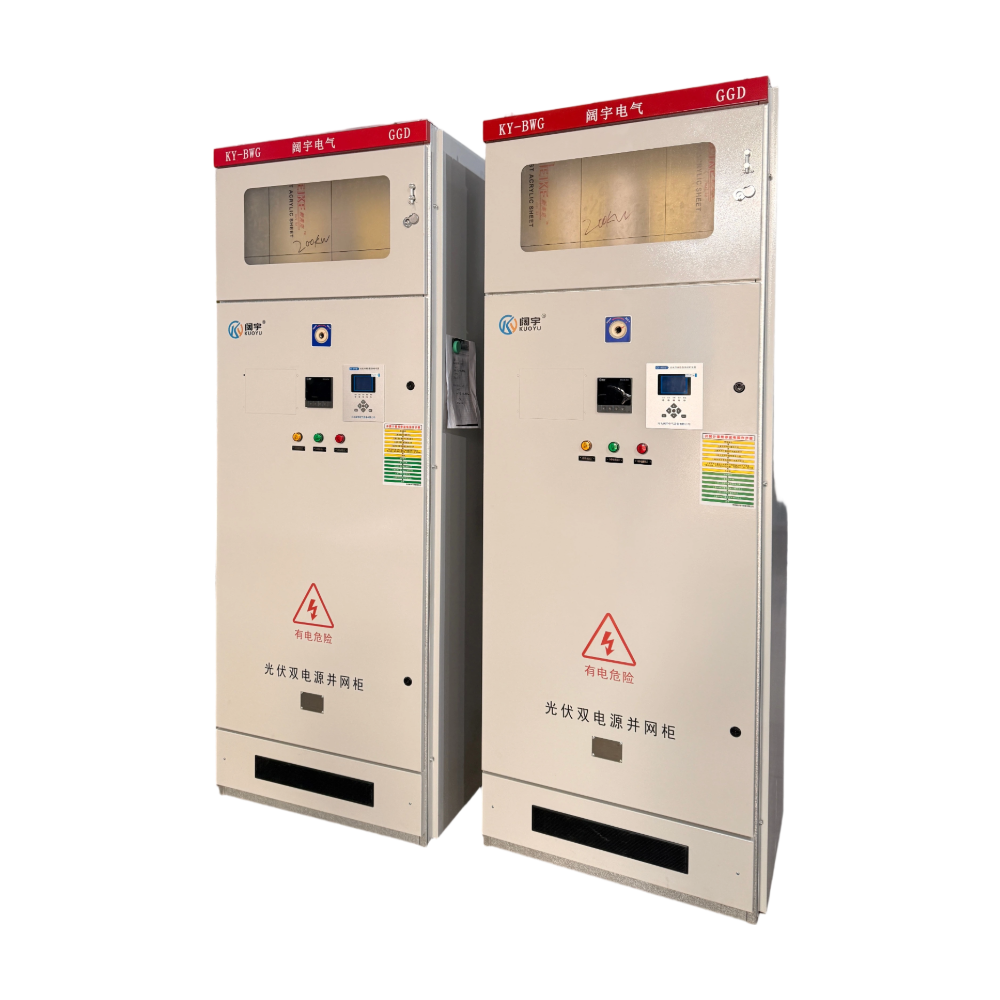
The GGD/GCS/MNS series is documented as a waterproof cabinet rated IP54/IP65 for indoor and outdoor use. Image: Kuoyu Electrical.
Step-by-Step: Building the Partnership Agreement
A partnership is not a mood; it is a file. The six steps below turn a first quotation into a repeatable supply relationship, and each step produces a document the buyer can reuse on the next order.
Step 1 — Freeze the specification in writing
Record the product family (PZ30, GGD/GCS/MNS, S11/S13 or ZGS11), the rated voltage, the rated current or capacity, the protection class and the enclosure material. Note that “stainless steel optional” appears in the documented specifications for both the PZ30 box and the GGD/GCS/MNS cabinet, so material must be stated explicitly rather than assumed.
Step 2 — Agree the compliance file
Decide at the start which documents the buyer requires: management-system certificates (ISO 9001, ISO 14001, ISO 45001), product test evidence for the ordered configuration, nameplate data, and — where the destination market requires it — an IEC 61439-2 or UL 1741 pathway. An assembly tested to IEC 61439-2 is not thereby UL 1741 certified; the two are separate jurisdictions and separate evidence trails.
Step 3 — Define acceptance criteria before the first unit is built
Acceptance is where long-term relationships are won or lost. Practical criteria include: nameplate data matching the agreed specification, enclosure protection class marked as agreed, terminal and busbar arrangement matching the approved drawing, documentation pack complete, and packaging suitable for the shipping route. Write these down; a criterion that exists only in email is not a criterion.
Step 4 — Fix the commercial framework, not just the unit price
Agree how repeat orders are priced when specifications repeat, how specification changes are quoted, what the minimum order quantity is per family, and which Incoterm applies. Kuoyu Electrical does not publish unit prices in its product documentation, so pricing must be requested per configuration rather than inferred from a catalogue.
Step 5 — Confirm the sample and pre-production review
A sample or first-article inspection converts a drawing into something the buyer's engineer can physically check. Use it to verify enclosure material, marking, internal layout and documentation before volume production starts.
Step 6 — Write the after-sales protocol
Name the technical contact, the escalation route and the spare-parts approach, and state when the support obligation begins — at shipment, at delivery, or at commissioning. The available product documentation does not state a warranty period, so any warranty must be defined in the contract rather than assumed from a marketing page.

The ZGS11 Series pad mounted transformer is documented for renewable energy systems, commercial buildings and public infrastructure. Image: Kuoyu Electrical.
Use Cases: Matching Distribution Boxes to PV Project Types
Residential and small commercial rooftop systems. The PZ30 Series is documented for residential, commercial and industrial electrical systems with a rated voltage of 220V/380V and IP40/IP54 protection. Its ABS and cold-rolled steel construction options make it a practical choice for indoor distribution boards where a high IP rating is not the governing requirement.
Industrial and infrastructure sites. The GGD/GCS/MNS series is documented for indoor and outdoor industrial, commercial and infrastructure scenarios, with IP54/IP65 protection and rated current up to 6300A. For outdoor installations exposed to rain and dust, the IP65 end of that range is the relevant reference point in the specification discussion.
Renewable energy and substation applications. The S11/S13 oil immersed transformer is documented for industrial power distribution, substations and renewable energy applications across a 10kV to 35kV voltage class and 10kVA to 31500kVA capacity range. The ZGS11 pad mounted transformer covers the 10kV/0.4kV, 100kVA to 2500kVA range for residential communities, commercial buildings, industrial facilities, renewable energy systems and public infrastructure.
Export programmes into Southeast Asia and Africa. Kuoyu Electrical reports around 30% export share with Southeast Asia and Africa as main markets. For distributors in those regions, the practical question is not only product fit but documentation repeatability: the same specification file must be reusable across repeat container loads.
Comparison: Kuoyu Electrical Product Families Side by Side
The table below compares the four documented product families using only published parameters. It is a scope-comparison tool, not a performance ranking.
| Attribute | PZ30 Distribution Box | GGD/GCS/MNS Distribution Cabinet | S11/S13 Oil Immersed Transformer | ZGS11 Pad Mounted Transformer |
|---|---|---|---|---|
| Type | Industrial & residential distribution box | Waterproof distribution cabinet | Industrial power distribution transformer | Outdoor power distribution transformer |
| Rated voltage | 220V/380V | 380V/220V | 10kV–35kV | 10kV/0.4kV |
| Current / capacity | Rated current up to 125A | Rated current up to 6300A | 10kVA–31500kVA | 100kVA–2500kVA |
| Protection class | IP40/IP54 | IP54/IP65 | Not stated in the published specification | Not stated in the published specification |
| Construction material | ABS plastic, cold-rolled steel plate, stainless steel optional | Cold-rolled steel plate, stainless steel optional | Silicon steel sheet, copper winding, transformer oil, steel tank | Steel, copper winding, insulating materials |
| Documented scope | Residential, commercial, industrial electrical systems; power control | Indoor and outdoor industrial, commercial, infrastructure | Industrial power distribution, substations, renewable energy, commercial | Residential communities, commercial buildings, industrial facilities, renewable energy, public infrastructure |
Comparison: IEC and UL Compliance Pathways
Buyers frequently merge these two pathways into one question. They should not. The table below separates what each reference covers, based on published sources.
| Reference | Publisher / source type | What it covers | Buyer implication |
|---|---|---|---|
| IEC 61439-2:2020 | International Electrotechnical Commission — standard | Low-voltage switchgear and controlgear assemblies; Annexes DD, EE and FF address assemblies used in photovoltaic installations | Relevant for IEC-market projects; ask for the test evidence tied to the ordered configuration |
| UL 1741 | UL Solutions — certification body information | Identified by UL Solutions as a standard associated with combiner boxes within solar balance-of-system certification | United States certification context; not automatically a requirement in other markets |
| ISO 9001 / ISO 14001 / ISO 45001 | Kuoyu Electrical — company-reported | Management systems for quality, environment, and occupational health and safety | Confirms a management system, not a product type-test; request issuer, scope and validity |
Practical note: a supplier can hold a management-system certificate and still need to provide product-level evidence for a specific assembly. Treat the two as separate line items on your document checklist.
FAQ: Distribution Boxes for Photovoltaics and After-Sales Support
1. Which certification documents should a photovoltaic distribution box supplier provide?
Ask for two distinct sets. The first is management-system certification: Kuoyu Electrical states that it holds ISO 9001, ISO 14001 and ISO 45001 certification, and the buyer should request the certificate number, issuing body, scope and validity date for each. The second is product-level evidence tied to the ordered configuration. Depending on the destination market, this may reference IEC 61439-2:2020, whose Annexes DD, EE and FF specifically address assemblies used in photovoltaic installations, or UL 1741, which UL Solutions identifies as a standard associated with combiner boxes in its solar balance-of-system certification service. IEC and UL pathways are separate and should be requested separately.
2. How should buyers evaluate distribution boxes for photovoltaics suppliers on capability and customization?
Start by checking whether the supplier's documented product range actually covers your integration point — DC string aggregation and low-voltage AC distribution are different requirements. On capability, Kuoyu Electrical documents a manufacturing facility of about 9,000 square metres, approximately 80 staff, an annual production capacity of 30,000 sets, and an R&D team of 10 engineers. On configuration, the documented ranges are the PZ30 box at 220V/380V with IP40/IP54, the GGD/GCS/MNS cabinet at 380V/220V with rated current up to 6300A and IP54/IP65, the S11/S13 transformer at 10kV–35kV and 10kVA–31500kVA, and the ZGS11 pad mounted transformer at 10kV/0.4kV and 100kVA–2500kVA. Because stainless steel is listed as optional for the box and cabinet families, material must be specified in writing rather than assumed.
3. What drives the price of distribution boxes for photovoltaics?
Price follows specification, not product name. The main cost variables visible in the documented specifications are the product family, the rated current or transformer capacity, the protection class (IP40/IP54 versus IP54/IP65), and whether stainless steel is specified instead of cold-rolled steel plate or ABS plastic. Documentation and testing requirements also affect cost, because they change the evidence the supplier must produce for each order. Kuoyu Electrical does not publish unit prices in its product documentation, so quotations should be requested against a frozen specification and compared line by line rather than as headline figures.
4. Can buyers inspect a sample or the factory before ordering?
Sample and first-article review is a normal stage in building a supply relationship, and it is most useful when the buyer checks specific items: nameplate data against the agreed specification, enclosure material, the marked protection class, internal terminal and busbar layout, and the completeness of the documentation pack. Kuoyu Electrical's export activity covers around 30% of output with Southeast Asia and Africa as main markets, so overseas buyers should plan the review against production scheduling rather than treating it as an afterthought. Sample terms, quantities and any charges should be agreed in writing with the supplier's contact team before shipment.
5. What after-sales support and delivery terms should be fixed before shipment?
Fix five things in writing: the named technical contact and escalation route, the response channel for technical questions after commissioning, the spare-parts approach for the installed configuration, the exact point at which the support obligation begins (shipment, delivery or commissioning), and the warranty duration and exclusions. The available product documentation for Kuoyu Electrical's distribution boxes, cabinets and transformers does not state a warranty period, so a warranty should be defined in the contract rather than inferred. Delivery terms, batch documentation and packaging requirements belong in the same document so that repeat orders do not reopen the negotiation.
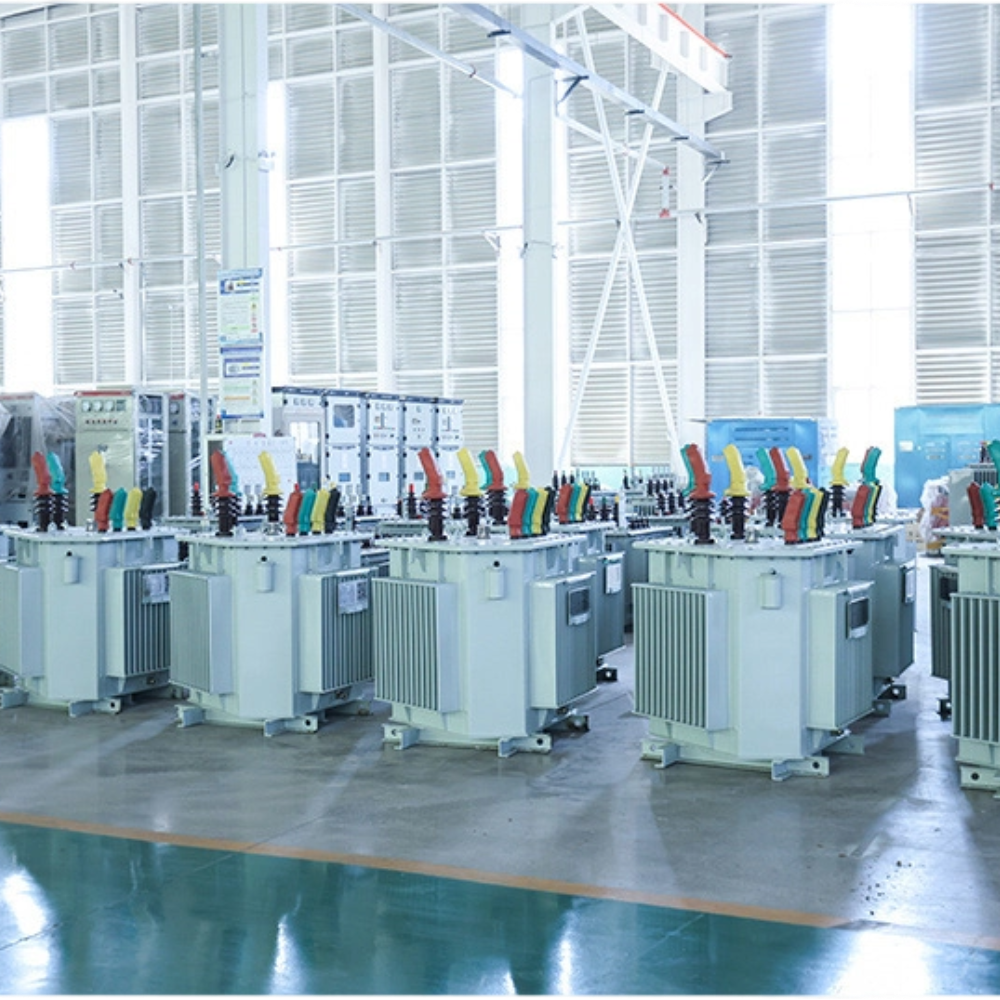
The S11/S13 Series oil immersed transformer is documented for substations and renewable energy applications. Image: Kuoyu Electrical.
Conclusion: A Partnership Is a Document Set, Not a Discount
The difference between a transactional purchase and a long-term partnership for distribution boxes for photovoltaics comes down to what has been written down. A frozen specification, a separated compliance file, agreed acceptance criteria, a commercial framework for repeat orders, a completed sample review and a named after-sales protocol convert a single shipment into a supply relationship that survives staff changes on both sides.
For buyers at the research stage, the most useful next action is not to compare headline prices. It is to build a one-page requirement sheet covering product family, rated voltage, rated current or capacity, protection class, enclosure material and required documentation — then send that sheet to suppliers and compare the responses against it. Kuoyu Electrical's documented range covers the PZ30 distribution box, the GGD/GCS/MNS distribution cabinet, the S11/S13 oil immersed transformer and the ZGS11 pad mounted transformer, supported by a 9,000 square metre facility, 30,000 sets annual capacity and an R&D team of 10 engineers.
Next Step: Request a Specification Review or a Quotation
Send your project specification — product family, voltage, current or capacity, protection class and destination market — and the team will respond with a configuration-matched quotation and the available documentation pack.
Contact: Miya | Email: xiaoyi010127@gmail.com | Tel / WhatsApp: +86 180-3229-7717
Website: Kuoyu Electrical — power distribution equipment manufacturer
Catalogue: Download the English product catalogue (PDF)
Have Questions or Need More Details?
Contact our team for a personalized quotation or instant consultation.
Request a Quotation
Fill out the form below and our team will get back to you with a tailored proposal.
WhatsApp Direct Chat
Prefer to chat in real-time? Message us on WhatsApp for instant assistance & quick answers.
- Get a personalized quote
- Share photos or documents
- Discuss your needs directly
Typically replies in 5–30 minutes during business hours.