Glassware Certifications Explained: A 2026 Compliance Roadmap for Global Buyers
Buying glass drinkware for retail, hospitality, or corporate distribution is rarely stalled by design or price alone. The most common deal-breaker is compliance: a missing certificate, an unclear standard, or a certificate that does not match the destination market. In 2026, importers, brand owners, and procurement teams need more than a product photo; they need a documented compliance trail that covers material safety, environmental management, and quality systems. This guide explains the glassware certifications that matter in global sourcing, what each standard actually verifies, and how to map supplier certificates to your market requirements.
 Figure 1: Compliance documents should be reviewed as part of supplier qualification, not after purchase.
Why Compliance Has Become the First Filter in Glassware Sourcing
Food-contact glassware must prove that it will not release harmful substances into beverages or food. The most relevant chemical risks are lead and cadmium, which may be present in decorative colors, coatings, or poorly controlled raw materials. Regulatory frameworks in the EU and the U.S. have established specific limits for extractable lead and cadmium in glass hollowware and foodware.
For industrial buyers, the practical implication is clear. A supplier that cannot provide recognized test reports or certificates may pass a visual audit yet still fail at customs, at retail compliance review, or in a spot check by a brand's quality team. Compliance is therefore a procurement risk filter, not an administrative formality.
In the European market, EN 1388-2 and ISO 7086-1:2019 regulate the release of lead and cadmium from glass hollowware that comes into contact with food. In the United States, the FDA's CPG 7117.06 and 7117.07 set limits for extractable cadmium and lead in ceramic and glass foodware. Buyers selling into these markets should require suppliers to provide evidence aligned with these standards.
Market data shows why this is becoming more central to sourcing decisions. The global glass drinkware market was valued at USD 14.0 billion in 2024 and is projected to reach USD 26.1 billion by 2030, with an expected CAGR of 11.1% between 2025 and 2030, partly driven by eco-friendly preferences. At the same time, buyers are not just checking price and capacity; they are increasingly checking material composition and certification depth. The shift is not a temporary trend. It reflects a structural change in how retail chains, hospitality groups, and brand owners evaluate risk.
Which Certifications Matter in 2026 Glassware Sourcing
Not all certifications carry the same weight. In glassware procurement, certificates fall into three practical categories: product safety, environmental management, and quality systems.
Product Safety: RoHS and Food-Contact Compliance
RoHS (Restriction of Hazardous Substances) is one of the most frequently requested certifications in glassware sourcing. Although RoHS often appears in electronics discussions, its Directive 2011/65/EU is also applied to glass products when buyers need to verify restricted hazardous substances. For example, LAKOTTO's glass tumbler is certified to RoHS Directive 2011/65/EU, with certification number CTT2111031272EN issued by Zhejiang Consumer Testing Technology Co., Ltd., applicable worldwide. This certification gives buyers a documented basis for claiming that the product has been assessed against restricted substance limits.
For food-contact glassware, buyers should also check whether the supplier provides test reports aligned with ISO 7086-1:2019 or EN 1388-2, especially for products with colored decorations. A RoHS certificate alone may not answer every food-safety question. The more robust approach is to combine RoHS evidence with glassware-specific migration testing for lead and cadmium.
Environmental Management: ISO 14001
ISO 14001 is the international standard for environmental management systems. It does not certify that a single product is eco-friendly; it certifies that the manufacturer operates an environmental management system that meets international requirements. In glassware sourcing, ISO 14001 is a practical indicator that a factory has formal procedures for managing environmental impact, waste, and resource use.
LAKOTTO's glass products covered by ISO 14001 evidence include the glass tumbler, double wall glass, wine glass, and glass cake stand. The double wall glass model KTDW0721-GGL is certified to GB/T 24001-2016/ISO 14001:2015. The glass cake stand model KTPL1572A-A certification is issued by CNCA. The glass tumbler certification number is 03423E30695R3M. For buyers, the key point is that ISO 14001 documentation can be used as evidence in an environmental supplier assessment, but it should not be confused with a recycled-content or carbon-footprint claim.
Quality Management: ISO 9001
ISO 9001 is the world's most recognized quality management system standard. In glassware manufacturing, ISO 9001 certification indicates that the factory has documented procedures for quality control, traceability, corrective action, and continuous improvement. For procurement teams, ISO 9001 is often the baseline requirement for approving a new supplier.
At LAKOTTO, ISO 9001:2015 certification applies to multiple products. The wine glass model KTG1139 is certified to ISO 9001:2015. The recycled glass product model KTBT1446A is certified to GB/T 19001-2016/ISO 9001:2015. The glass tumbler model KTK0370-2 has certification number 0070024Q54439R2S. These product-level references help buyers verify that the quality claims are not limited to a single product line.
Social Compliance: BSCI
Retail chains and hospitality groups increasingly require evidence of social compliance. BSCI (Business Social Compliance Initiative) is a widely accepted program that audits suppliers against social performance criteria, including labor rights, workplace safety, and ethical business behavior.
LAKOTTO's wine glass model KTG1139 and all glassware production, including drinking glasses, tumblers, highball glasses, and related household glass products, are certified to BSCI standard, with certification number 24-0233922 issued by APCER. For buyers supplying European retail groups, BSCI documentation is often requested during supplier onboarding.
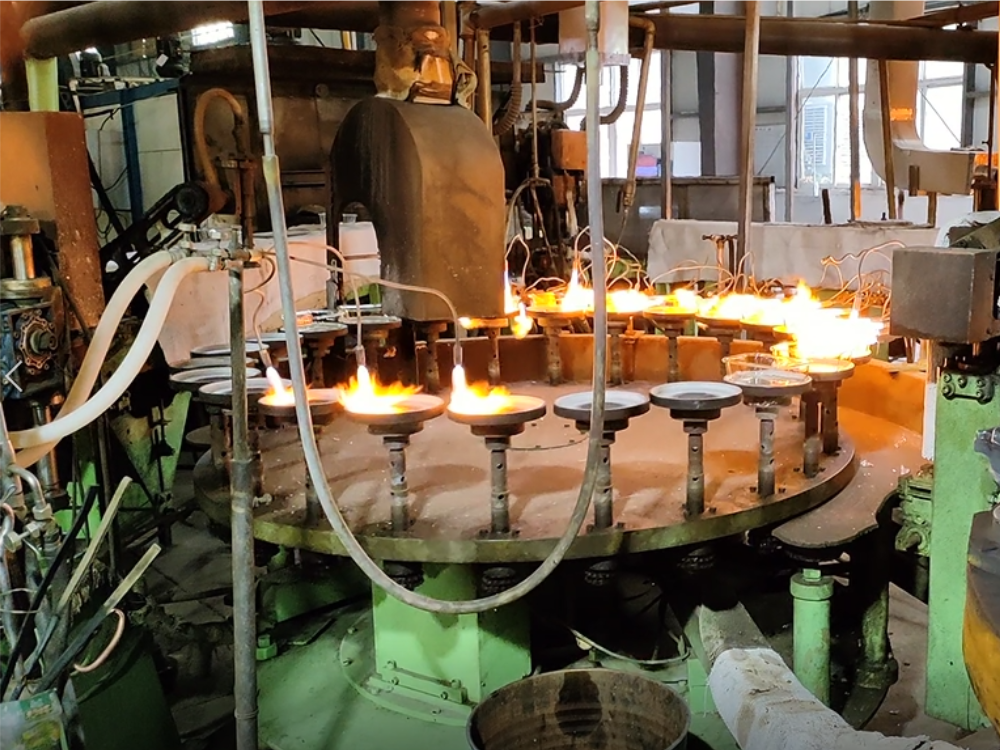 Figure 2: Certification coverage often spans multiple product categories, from tumblers to wine glasses.
Glassware Certification Categories at a Glance
The table below summarizes the main certification categories most buyers need to understand in 2026. It reflects sources that can be verified from supplier documentation and recognized international standards.
| Certification | Scope | What It Verifies | Typical Buyer Value |
|---|---|---|---|
| RoHS Directive 2011/65/EU | Product / restricted substances | Restricted hazardous substances in the product | Confirms substance-level compliance for specified products |
| ISO 14001:2015 | Environmental management system | Factory-level environmental processes and controls | Supports environmental supplier assessment |
| ISO 9001:2015 | Quality management system | Quality procedures, traceability, and improvement systems | Baseline quality assurance for supplier approval |
| BSCI | Social compliance | Labor rights, workplace safety, ethical business practice | Needed for retail group onboarding and audits |
| ISO 7086-1:2019 / EN 1388-2 | Food-contact glass hollowware | Release limits for lead and cadmium | Helps verify food-contact safety for glassware |
| FDA CPG 7117.06/.07 | U.S. foodware | Extractable cadmium and lead limits | Relevant for U.S. market distribution |
How to Map Certifications to Your Market and Product Mix
The most common mistake in glassware sourcing is requesting "a certificate" without defining which market and product type it applies to. Certification requirements differ by destination country and by product use. A practical mapping process includes three steps.
Step 1: Define Your Destination Market's Legal Baseline
If you are selling into the EU, pay attention to ISO 7086-1:2019 and EN 1388-2 for lead and cadmium migration from glass hollowware. If you are selling into the U.S., FDA CPG 7117.06 and 7117.07 provide the reference limits for extractable cadmium and lead in foodware. Your compliance checklist should name the specific standard, not just "food safe."
Step 2: Match Certificates to Product Lines
A supplier may have ISO 9001 for one product family but not another. In procurement reviews, always ask for product-level mapping. For example, when reviewing LAKOTTO's documentation, a buyer can verify that the wine glass model KTG1139 is ISO 9001:2015 certified, the recycled glass product KTBT1446A is certified to GB/T 19001-2016/ISO 9001:2015, and the glass tumbler model KTK0370-2 has ISO 9001 certification number 0070024Q54439R2S. This level of detail matters because it prevents a supplier-level certificate from being misapplied to an unrelated product.
Step 3: Build a Certification Matrix for Each Supplier
A certification matrix turns scattered PDFs into a usable procurement tool. The matrix should include the product model, certification name, applicable standard, certificate number, issuing body, and market applicability. Once the matrix is built, your team can quickly identify gaps before sampling or purchase.
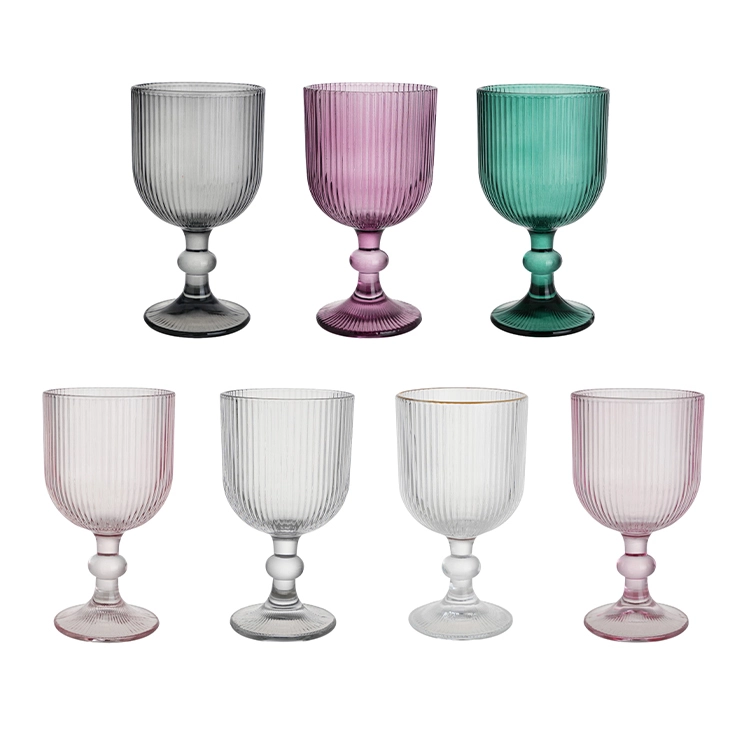 Figure 3: A structured workflow helps buyers move from documents to approval decisions.
Industry Trends Affecting Certification Requirements
Sustainability preferences are reshaping the glassware market. Grand View Research reports that the glass drinkware market is expected to grow at a CAGR of 11.1% between 2025 and 2030, driven partly by eco-friendly preferences. The global recycled glass market was estimated at USD 4.2 billion in 2024, with Europe as the largest regional market. These trends affect procurement in two ways.
First, more buyers are seeking recycled glass products. When evaluating a recycled glass jar, recycled glass mug, or recycled glass bottle, buyers should ask whether the product's quality certification covers the specific recycled model. LAKOTTO's recycled glass product model KTBT1446A, for example, is certified to GB/T 19001-2016/ISO 9001:2015. Second, environmental certification is increasingly used in supplier scorecards. ISO 14001 evidence becomes a differentiator, especially for brands that must report on supply chain sustainability.
At the same time, soda-lime glass remains the dominant material segment, accounting for approximately 70.8% of the global glassware market share in 2024. This matters because soda-lime glass is a well-understood material for drinkware and food-contact applications. Buyers should not assume that novelty materials automatically provide better compliance; documentation is what makes a material acceptable in a regulated market.
Use Cases: How Certification Evidence Is Used in Real Procurement Decisions
Use Case 1: Retail Chain Onboarding
A retail chain sourcing glass tumblers, glass mugs, and glass plates for resale usually requires BSCI documentation before factory approval. It also asks for product safety reports for food-contact items. In this scenario, the supplier should be able to provide BSCI certification for production facilities and product-specific certificates such as RoHS for the glass tumbler or ISO 9001 for the specific model.
Use Case 2: Hospitality Project Tender
A hospitality buyer sourcing double wall glass, highball glass, and cocktail glasses for a hotel project must match certificates to each product category. Double wall glass is often checked for thermal-shock performance and food-contact safety; environmental management certification helps the buyer answer internal sustainability questions. The same supplier may need to show ISO 14001 coverage across glass tumbler, double wall glass, wine glass, and glass cake stand.
Use Case 3: Eco-Conscious Brand Private Label
A brand developing a recycled glass jar or recycled glass bottle line should verify that the recycled material claim is supported by product documentation. The buyer should request the quality certificate for the exact recycled model, not a generic factory certificate.
Frequently Asked Questions
What food-contact standards apply to glassware for the EU and the U.S.?
For the EU, EN 1388-2 and ISO 7086-1:2019 regulate the release of lead and cadmium from glass hollowware intended for contact with food. For the U.S., FDA Compliance Policy Guides 7117.06 and 7117.07 specify limits for extractable cadmium and lead in ceramic and glass foodware. Buyers should request test reports that reference these standards.
Does LAKOTTO provide RoHS certification for glassware?
Yes. LAKOTTO's glass tumbler is certified to RoHS Directive 2011/65/EU, with certification number CTT2111031272EN issued by Zhejiang Consumer Testing Technology Co., Ltd., and the certification applies worldwide. This gives buyers a verifiable reference for restricted-substance compliance.
Which LAKOTTO glass products have ISO 9001:2015 certification?
ISO 9001:2015 certification applies to multiple LAKOTTO glass products. The wine glass model KTG1139 is certified to ISO 9001:2015. The recycled glass product model KTBT1446A is certified to GB/T 19001-2016/ISO 9001:2015. The glass tumbler model KTK0370-2 has certification number 0070024Q54439R2S. Buyers should request the relevant certificate for the specific model they plan to source.
How can a buyer verify LAKOTTO's environmental management certification?
LAKOTTO provides ISO 14001 evidence across several products. The glass tumbler has certification number 03423E30695R3M. The double wall glass model KTDW0721-GGL meets GB/T 24001-2016/ISO 14001:2015. The wine glass is certified to ISO 14001 standards, and the glass cake stand model KTPL1572A-A certification is issued by CNCA. Buyers can request these documents to support environmental supplier assessments.
Is BSCI certification available for LAKOTTO glassware production?
Yes. LAKOTTO's glassware production, including drinking glasses, tumblers, highball glasses, and related household glass products, is certified to BSCI standard. The wine glass model KTG1139 is also covered. The certification is issued by APCER with number 24-0233922. This documentation is particularly relevant for buyers onboarding with retail groups.
What is the next step after comparing certificates?
Once you have confirmed that a supplier's certificates match your product mix and destination market, the next step is to request samples and audit the physical product against the documented specifications. Contact LAKOTTO to request product-specific certification documents and samples for your 2026 sourcing project.
Need certified glassware for your next order?
Request product-specific certification documents and samples from LAKOTTO to verify compliance before you commit.
Request Samples & CertificatesConclusion
Glassware certification is no longer a back-office task. In 2026, compliance evidence directly affects supplier approval, market access, and brand reputation. Buyers should map each destination market's legal requirements, demand product-level certificates, and use a certification matrix to compare suppliers.
The market context strengthens this view. With the global glass drinkware market projected to grow toward USD 26.1 billion by 2030, and eco-friendly preferences shaping demand, certification transparency will continue to separate reliable suppliers from shortlist candidates. For buyers evaluating LAKOTTO, the available product documentation spans RoHS, ISO 9001, ISO 14001, and BSCI across models such as the glass tumbler, wine glass, double wall glass, recycled glass product, and glass cake stand. The practical next step is to verify those documents against your own product list and market requirements.
Have Questions or Need More Details?
Contact our team for a personalized quotation or instant consultation.
Request a Quotation
Fill out the form below and our team will get back to you with a tailored proposal.
WhatsApp Direct Chat
Prefer to chat in real-time? Message us on WhatsApp for instant assistance & quick answers.
- Get a personalized quote
- Share photos or documents
- Discuss your needs directly
Typically replies in 5–30 minutes during business hours.