
Aerosol OEM by Application: Selecting the Right Contract Manufacturing Partner for Your Project
How to Match an Aerosol OEM Partner to Your Project: An Application-Based Selection Guide for 2026
Every aerosol product starts with the same basic question: which aerosol OEM partner can actually deliver the formulation, filling, compliance, and packaging your specific application requires? The answer differs significantly depending on whether you are sourcing an insecticide spray, an air freshener, a household cleaning aerosol, or an industrial maintenance product. This guide explains how to evaluate aerosol OEM services, aerosol customization services, and aerosol private label solutions from an application-driven perspective - and how to qualify a partner against your project's real operating conditions.
What Does "Application Fit" Mean in Aerosol OEM/ODM?
Application fit is the degree to which an aerosol manufacturer's formulation expertise, filling capabilities, compliance knowledge, and packaging options align with the physical and regulatory demands of your end use. It goes beyond asking whether a factory can fill a can. The right partner must be able to reproduce your desired function - surface cleaning, disinfection, odor elimination, pest control, rust prevention, or decontamination - inside a flammable, pressurized container that meets the safety rules of your destination market.
Aerosol products operate under special requirements, including flammable liquid compliance, pressure vessel safety standards, and storage temperature control. These conditions shape every decision from propellant selection to can specification, which is why a commodity approach to supplier selection often leads to reformulation delays, compliance rejections, or field performance failures.
Why the Same Aerosol OEM Capability Does Not Fit Every Product
An aerosol contract filler may produce a wide range of categories, but each category places different stress on the supply chain. Insecticide spray, for example, must meet stringent efficacy and registration expectations in many markets. Air fresheners and household cleaning aerosols rely heavily on fragrance stability and residue behavior. Industrial maintenance aerosols often require solvent-compatible gaskets and higher propellant pressure. Car care aerosols must tolerate temperature variation inside vehicles. Aviation aerosols are governed by even stricter handling protocols. A partner that can demonstrate credible experience across these categories is not the same as a partner that has actually run your category at scale.
Step 1: Define the Operating Conditions and Physical Requirements of Your Application
Before contacting any aerosol manufacturer, document the environment in which the product will be stored and used. A practical summary of typical aerosol application conditions includes normal temperature and humidity, high humidity, and general industrial environments. If your product is destined for warehouses, workshops, vehicles, or commercial facilities, the formulation must remain stable under those conditions and the packaging must be suitable for manual, on-demand use without special supporting equipment.
Four conditions matter most in the early spec stage:
- Temperature exposure: Storage temperature control is a recognized safety requirement for aerosol production, transport, and warehousing.
- Humidity environment: High-humidity settings affect corrosion behavior, label adhesion, and valve performance.
- Application target: Define whether the spray must clean, disinfect, deodorize, prevent rust, control pests, or perform multiple functions.
- Pressure and flammability class: Flammable liquid compliance must be considered in the formulation and filling stages, not after the product is designed.
Step 2: Map Product Categories to Aerosol OEM Requirements
Aerosol OEM services cover distinct product families, each with its own procurement priorities. The table below compares seven common aerosol categories and the key evaluation points for each.
| Application | Typical Function | Common Use Environment | Key OEM Evaluation Criteria |
|---|---|---|---|
| Insecticide spray | Pest control | Household, public & commercial spaces | Formulation efficacy, registration documentation, filling accuracy |
| Air freshener | Odor elimination, fragrance delivery | Home, car, commercial space | Fragrance adjustment, propellant choice, scent stability |
| Household cleaning aerosol | Surface cleaning, decontamination, disinfection | Home & daily life | Residue behavior, material compatibility, safety labeling |
| Industrial maintenance aerosol | Surface cleaning, rust prevention, lubrication | Industrial & manufacturing environments | Solvent compatibility, pressure resistance, gasket performance |
| Car care aerosol | Cleaning, coating, protection | Transportation and workshop settings | Temperature tolerance, spray pattern, can durability |
| Disinfectant aerosol | Surface disinfection | Public & commercial services | Active ingredient approval, contact time claims, residue profile |
| Aviation aerosol | Insect control, cleaning in aviation contexts | Aircraft and aviation facilities | Strict documentation, controlled filling, container integrity |
Step 3: Verify the Factory's Customization and R&D Depth
After defining your application, the next step is to verify that the aerosol OEM manufacturer can support the specific customization your project needs. Aerosol customization services may include formula customization, packaging design, logo printing, can size customization, and fragrance adjustment. You should ask which of these are handled internally and which require third-party involvement.
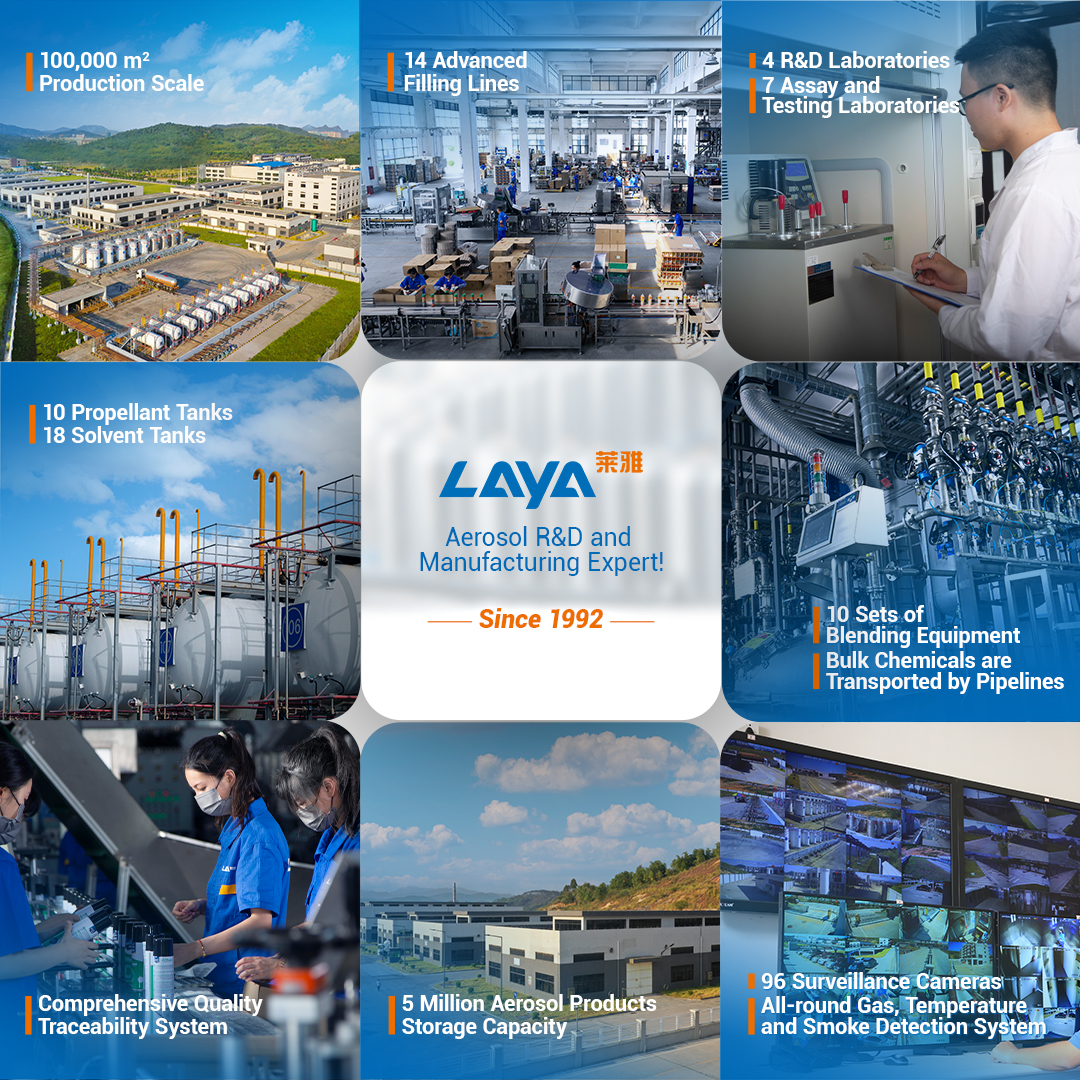
R&D depth matters because aerosol formulation is not just mixing ingredients. The interaction between concentrate, propellant, valve, and can body determines pressure stability, delivery rate, and shelf life. A partner with an internal technical center and multiple laboratories is positioned to test these interactions systematically. Guangdong Laya New Chemical Technology Co., Ltd. (LAYA), established in 1992, operates a technical center with 4 product development laboratories and 7 analytical testing laboratories. For a buyer, this signals that formulation adjustment, stability checks, and problem diagnosis can be handled within one organization rather than being outsourced piece by piece.

Step 4: Check Filling Capacity, MOQ, and Lead Time Against Your Order Profile
Not every project needs the same production scale. A brand launching a specialty disinfectant aerosol may start with small batch aerosol production to test the market, while a global distributor may need bulk aerosol production from day one. Your chosen partner should be able to match both your initial volume and your projected growth.
- MOQ: LAYA's aerosol OEM/ODM service operates with a minimum order quantity of 10,000 pieces.
- Lead time: Typical lead time for LAYA aerosol OEM orders is 7–15 days.
- Monthly capacity: LAYA supports approximately 1 million cans per month under its OEM/ODM production mode.
- Annual factory capacity: LAYA has an annual output capacity of 200 million cans across its product lines.
These numbers matter only in relation to your project. If your launch plan requires 8,000 units for a pilot, an MOQ of 10,000 is a meaningful constraint. If you plan to scale to 50,000 units within the first year, the same MOQ is negligible. Lead time also affects your supply chain: 7–15 days is a useful planning figure for scheduled orders, but urgent replenishment still depends on raw material availability and production scheduling.
Full-Service Production Infrastructure
Capacity claims become more credible when they are connected to physical infrastructure. LAYA's production base covers a total area of 100,000 square meters, with 50,000 square meters of modern standard workshops and 14 advanced filling lines. This level of infrastructure supports both small batch aerosol production through flexible line scheduling and bulk aerosol production through dedicated lines.
Step 5: Assess Quality Control and Compliance Capability
Aerosol filling is a high-risk process because it combines pressurized containers, flammable components, and high-speed production. Your partner's quality control system determines whether defects are caught before shipment or discovered by your end customer.
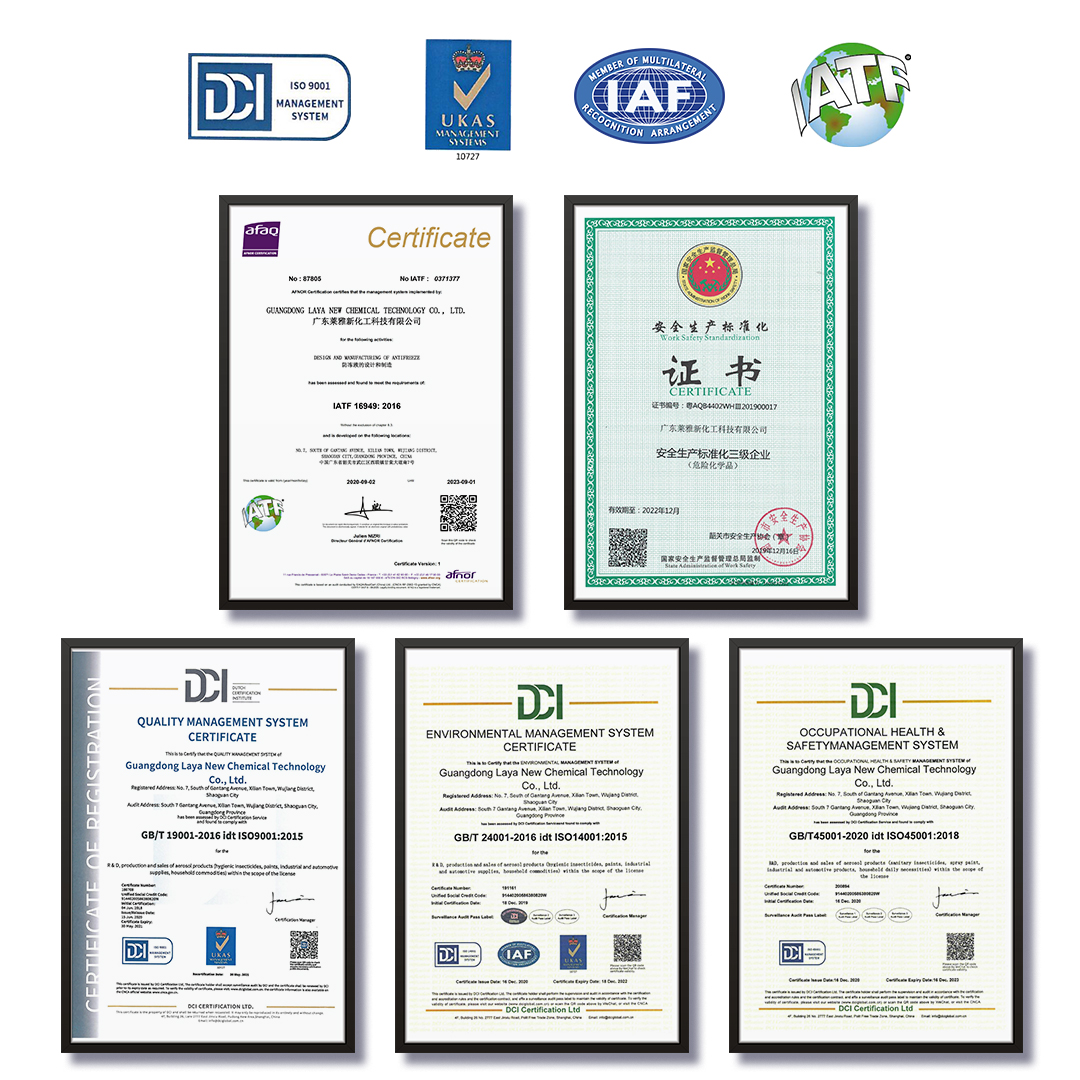
Ask the aerosol contract filler for its standard quality checks. LAYA applies 100% leak testing, pressure testing, and visual inspection to its aerosol OEM/ODM output, under an ISO 9001 certified quality control system. The practical value of 100% leak and pressure testing is clear: it reduces the risk of damaged goods in transit and failed products on the shelf.
Compliance verification is the second part of this step. Because aerosols involve flammable liquid compliance and pressure vessel safety standards, you should confirm that the manufacturer's processes align with the regulatory framework of your target markets. In China, the Hazardous Chemicals Safety Law introduces whole-lifecycle safety management for production, storage, and transport of chemicals, including aerosols. In the EU, aerosol dispenser construction is governed by the Aerosol Dispensers Directive (ADD), which requires deformation and burst testing. Your OEM partner should be able to explain how its filling process, raw material sourcing, and warehousing support these requirements.
Step 6: Compare Packaging Options and Can Formats
The can is not a neutral container. It affects product perception, shelf performance, shipping weight, and compatibility with the formulation. When evaluating aerosol packaging design, look at the range of can sizes and materials the manufacturer can source and fill.
LAYA's standard aerosol can dimensions cover a useful spread: ø52 × 195 mm for products such as air freshener; 65 × 158 mm, 65 × 200 mm, 65 × 240 mm for larger formats; and 65 × 300 mm for insecticide spray. Net content options range from 300 ml to 750 ml depending on the product. Most LAYA aerosol products in the catalog use tinplate, while aviation aerosol can also be supplied in aluminum cans, which are lightweight and suitable for applications where weight is a concern.
Step 7: Validate the Partner Through Export Market Experience
An aerosol manufacturer's export record is useful evidence of its ability to handle documentation, packaging, and compliance for different regions. LAYA exports to markets including Central Asia, the Middle East, Africa, Russia, Brazil, and other regions, with export orders accounting for about 20% of its business. Its OEM/ODM export experience spans Asia (Malaysia, Thailand, Vietnam, the Philippines, Singapore, Indonesia, India, Japan, Pakistan, Qatar, Dubai), Europe (Russia, Bulgaria, Romania), Oceania (Australia), North America (Canada, Dominican Republic), South America (Chile), and Africa (Mozambique).
For procurement teams, this list is not a decoration. It indicates that the manufacturer has navigated different labeling languages, shipping documentation rules, and customer expectations. It also increases the likelihood that the partner understands why compliance differences matter from market to market.
Scenario 1: Insecticide Spray for Household and Commercial Use
Insecticide spray procurement is typically driven by efficacy requirements and regulatory registration needs. The product must consistently deliver a specified pest control effect while remaining safe for indoor use when applied as directed.
LAYA offers an insecticide spray, model KB-0000600, in net contents of 300/400/500/600/750 ml, with can dimensions of ø52 × 195 mm or 65 × 158/200/240/300 mm. The insecticide application class also carries the broader aerosol requirements of flammable liquid compliance, pressure vessel safety standards, and storage temperature control, so the formulation and filling process must be designed around those constraints from the start.
Questions to ask a shortlisted OEM partner for insecticide spray:
- Which active substances can you formulate, and which registrations does your team support?
- Can you produce the required can size and fill volume with a consistent spray pattern?
- How do you verify pressure stability across batch runs?
- What temperature limits apply to your filled insecticide cans during storage and transit?
Scenario 2: Air Freshener and Household Odor Control
Air freshener projects tend to focus on fragrance character, scent longevity, and multi-scene usability. A buyer may need a product that performs in household odor removal, car air freshening, and commercial space fragrance applications. This is where fragrance adjustment capability becomes one of the most important aerosol customization services.
A relevant example is LAYA's work with a Bulgaria-based aerosol OEM client. Over a two-year collaboration, this client applied LAYA's air freshener in household odor removal, car air freshening, and commercial space fragrance settings, with an order quantity of 30,000 units. The result, as described by the client, centered on a natural plant-based formula extracted from osmanthus, producing a rich aroma that builds a completely comfortable environment. The project highlights include natural plant-based formulation, long-lasting fragrance, and multi-scenario use.
LAYA's air freshener product, model ME-0000300, is offered in 300 ml tinplate cans with ø52 × 195 mm dimensions, and the same customization toolkit - fragrance adjustment, packaging design, logo printing - can be applied to private label aerosol programs.
Scenario 3: Household Cleaning and Sanitizing Products
Household cleaning aerosol products must handle a mix of surface cleaning, decontamination, disinfection, and odor elimination tasks. Because these products are used in normal household settings, they also need to behave predictably under normal temperature and humidity conditions and, in many cases, high humidity environments such as kitchens and bathrooms.
LAYA offers household cleaning aerosol, model QL-0000300, in tinplate cans with net contents of 300/400/500/600 ml and dimensions of ø52 × 195 mm or 65 × 158/200/240 mm. When evaluating a contract filling partner for a cleaning aerosol, consider whether the manufacturer can adjust the formulation without destabilizing the propellant system or compromising the can's internal lining.
Scenario 4: Industrial Maintenance and Workshop Use
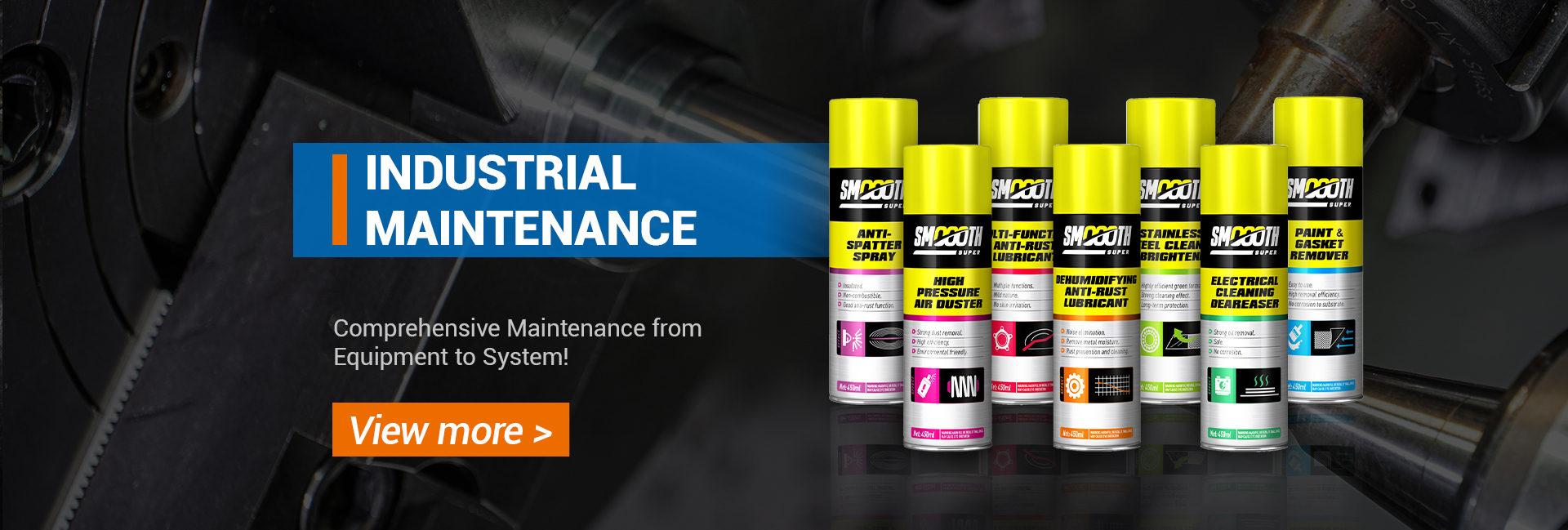
Industrial maintenance aerosols generally serve functions such as surface cleaning, rust prevention, decontamination, and equipment maintenance inside general industrial environments. These products often require a higher proportion of active solvents, which makes seal and gasket compatibility a major quality factor.
LAYA's Industrial Maintenance aerosol, model SM-0000400, is available in tinplate cans in 300/400/500/600 ml net contents, with the same standard size options. It is positioned for industrial and manufacturing applications, and shares the application-level requirement for safe use in pressure-rated, potentially flammable aerosol formats.
Scenario 5: Car Care and Transportation Maintenance
Car care aerosols need to perform in transportation and workshop environments, where temperature swings and exposure to automotive fluids are normal. The product function may be cleaning, coating, protecting, or deodorizing depending on the SKU.
LAYA lists Car Care Products under model BO-0000600, with tinplate construction and 300/400/500/600 ml fill options. A buyer evaluating car care aerosol OEM services should probe the manufacturer's experience with propellant blends that maintain consistent pressure across temperature changes, since a product left inside a vehicle can experience far higher temperatures than a typical household cleaner.
Scenario 6: Aviation and Specialized Aerosol Programs
Aviation aerosol requires the most disciplined approach of the categories discussed here. Products used in aviation contexts, such as insect control formulations for cargo holds or aircraft interiors, must meet stricter documentation and traceability expectations. This is not a product category where informal sampling and verbal assurances are sufficient.
LAYA's aviation aerosol, model KB-0000300, can be supplied in tinplate or aluminum cans, with net contents of 300/400/500/600 ml. Aviation aerosol applications are commonly associated with countries including Germany, Singapore, and Australia, according to LAYA's application scenario data. If you are exploring this segment, prioritize an aerosol manufacturer that can demonstrate experience with aviation-related insecticide products and the associated compliance paperwork.
Decision Framework: How to Compare Aerosol OEM Proposals
When comparing custom aerosol packaging and filling proposals, standardize your evaluation around six dimensions:
- Formulation fit: Does the factory already have a mature formula close to your requirement, or will it need to develop one from scratch?
- Testing depth: Does the R&D center have separate laboratory capacity for development and analytical testing?
- Filling integrity: Are leak, pressure, and visual checks performed on every can or only sampled?
- MOQ and lead time: Do the commercial terms fit your launch volume and reorder rhythm?
- Certification alignment: Does the manufacturer operate under ISO 9001 and understand the aerosol-specific regulations for your target countries?
- Reference evidence: Can the supplier point to repeat orders in your category or adjacent categories?
The strongest answer to a project-based aerosol sourcing need is a manufacturer that combines in-house formula customization, registration awareness, scalable filling capacity, and export experience. LAYA's profile matches this model, but the final decision should always be made against your own specification and risk tolerance.
Comparison: What to Look For in an Aerosol OEM Partner
| Evaluation Dimension | What a Capable Partner Should Show | Example: LAYA |
|---|---|---|
| Company background | Long operating history, dedicated aerosol R&D and manufacturing | Established 1992; national high-tech enterprise focused on aerosol R&D, manufacturing, sales, OEM and ODM |
| Facility scale | Sufficient production space and filling lines for current and future orders | 100,000 m² total area; 50,000 m² workshops; 14 filling lines |
| R&D and testing | In-house teams and labs for formulation and quality analysis | 300 employees; 15 R&D engineers; 4 development labs; 7 analytical labs |
| Production capacity | Capacity matches your order size and growth plan | Annual output of 200 million cans; OEM monthly capacity about 1 million cans |
| Commercial flexibility | MOQ and lead time compatible with your planning cycle | MOQ 10,000 pcs; lead time 7–15 days |
| Quality control | Clear testing protocol for filled cans | 100% leak test, pressure test, visual inspection; ISO 9001 certified |
| Product coverage | Experience in your product category | Insecticide, air freshener, household cleaning, industrial maintenance, car care, disinfectant, aviation, spray paint |
Industry Context: Why Application Fit Is Becoming More Important
Industry research indicates that the global aerosol market is estimated at approximately USD 100.49 billion to USD 100.87 billion in 2025, with forecasts reaching over USD 211 billion by 2035. Europe held a significant share, estimated around 33.88% to 36.3% in 2025, while Asia-Pacific is expected to grow at a high rate through 2033. Aluminum-based aerosol cans held a dominant share of roughly 61% to 62% in 2025, and China's aerosol propellants market was valued at USD 1,275.71 million in 2024.
For aerosol buyers, these numbers point to a maturing but still expanding category with regional differences in regulation and demand. The practical implication is that selecting an aerosol manufacturing partner based only on price or geographic convenience is riskier than selecting one based on demonstrated application expertise and compliance capability.
FAQ
Q1: What special compliance requirements apply to aerosol OEM projects?
Aerosol OEM projects are typically subject to flammable liquid compliance, pressure vessel safety standards, and storage temperature control requirements. These apply across production, filling, warehousing, and transport. In the European Union, aerosol dispensers must meet the Aerosol Dispensers Directive (ADD), which requires mandatory deformation and burst tests. In China, the Hazardous Chemicals Safety Law adds whole-lifecycle safety management requirements for production, storage, and transport of hazardous chemicals, including aerosols. Buyers should confirm that their aerosol OEM partner's processes are compatible with these requirements.
Q2: Which aerosol product categories can LAYA customize through OEM/ODM services?
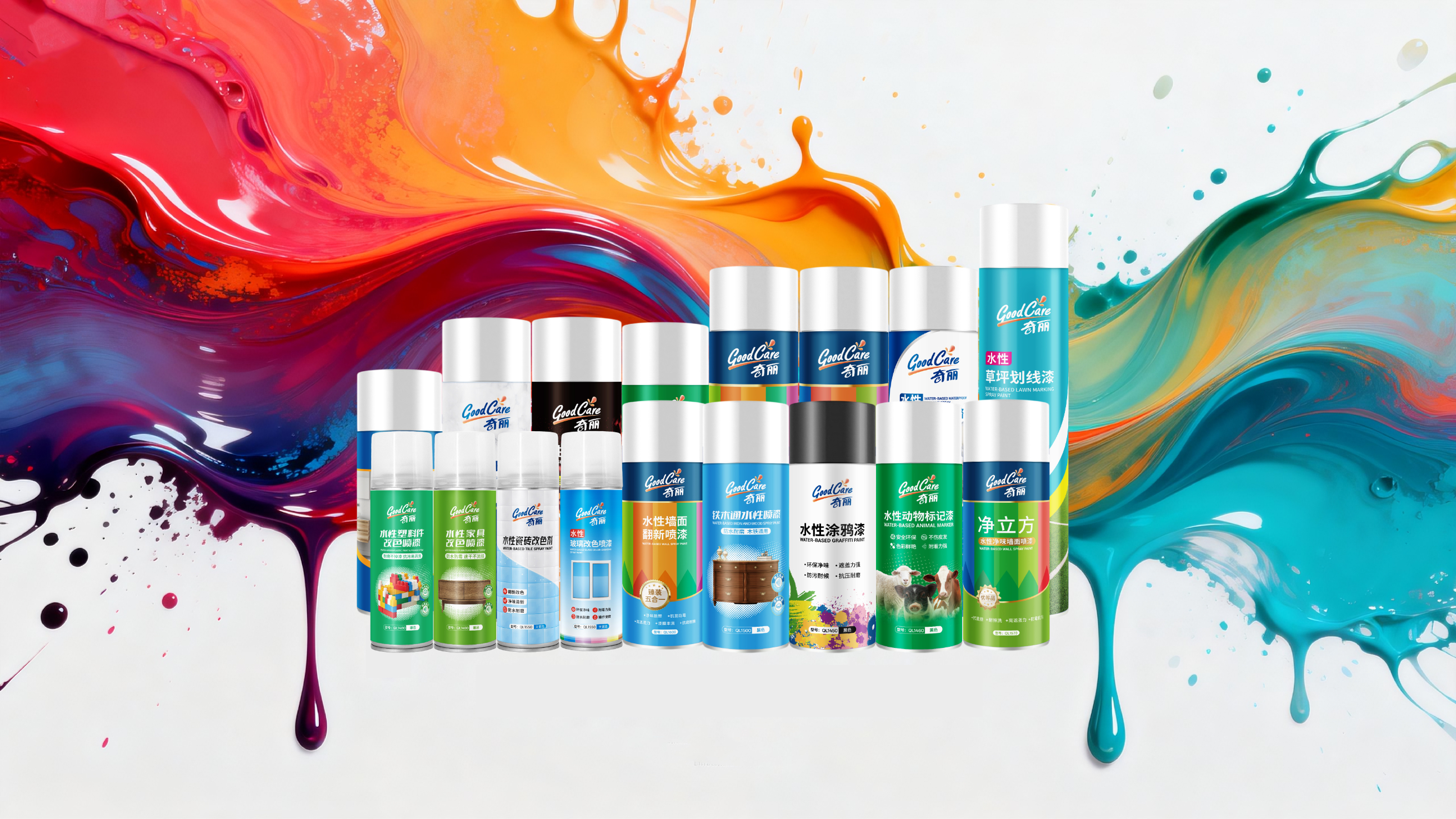
LAYA provides aerosol OEM/ODM customization for insecticide spray, air freshener, household cleaning aerosol, industrial maintenance aerosol, car care aerosol, disinfectant aerosol, aviation aerosol, and spray paint aerosol. Customization options include formula customization, packaging design, logo printing, can size customization, and fragrance adjustment. LAYA also operates 4 product development laboratories and 7 analytical testing laboratories to support formulation work.
Q3: What are LAYA's MOQ, lead time, and production capacity for aerosol OEM orders?
For aerosol OEM/ODM orders, LAYA's standard MOQ is 10,000 pieces, and typical lead time is 7–15 days. The monthly OEM capacity is approximately 1 million cans. The overall factory, established in 1992, has an annual output capacity of 200 million cans across its product lines. These figures should be evaluated against your order volume and target launch schedule.
Q4: Can I start with a smaller trial batch before placing a bulk aerosol production order?
Many buyers begin with a pilot order to validate formulation, packaging, and market response before moving to bulk aerosol production. The most direct way to explore this path is to send your product specification and target market details to the manufacturer and ask how the MOQ applies to your trial plan. For LAYA, you can request a sample or discuss trial options through the contact channels provided on its website.
Q5: How should I evaluate an aerosol manufacturer's quality control before signing a contract?
Ask whether the manufacturer performs 100% leak testing, pressure testing, and visual inspection on filled cans, and whether its quality system is ISO 9001 certified. Request a description of its testing protocol and, if possible, a factory audit. LAYA's aerosol OEM/ODM quality control includes 100% leak test, pressure test, and visual inspection under an ISO 9001 certified system.
Q6: What is the typical timeframe for an aerosol OEM project from inquiry to delivery?
LAYA states a lead time of 7–15 days for aerosol OEM/ODM orders after specifications are confirmed. The full project timeline depends on how long formulation adjustment, packaging design, approval, and raw material procurement take before production begins. For a more accurate project schedule, request a timeline assessment with your specific product requirements.
Q7: How can I request a quotation or sample from LAYA for my aerosol project?
You can contact LAYA directly by email at echo@laya.com.cn, via WhatsApp at +86 136 5384 8383, or through the website www.laya.com.cn/en/. To accelerate the process, include your target product category (for example, insecticide spray, air freshener, or industrial maintenance aerosol), estimated order quantity, destination market, and any formulation or packaging requirements you have identified.
Conclusion
Choosing an aerosol OEM partner is ultimately a matching exercise. The right partner is not simply the largest aerosol manufacturer or the lowest-cost aerosol contract filler; it is the supplier whose formulation capability, compliance knowledge, production capacity, and packaging options fit your product category, target market, and order profile.
A practical approach is to work through the seven steps in this guide: define operating conditions, map product requirements, verify R&D depth, check MOQ and lead time, assess quality control, compare packaging formats, and validate export experience. LAYA offers a relevant example of a full-service Chinese aerosol manufacturer with broad product coverage and export experience. To begin evaluating LAYA for your specific aerosol OEM project, download the company brochure below or contact the team with your product specification.
Download the LAYA company brochure (PDF)
Content is based on LAYA company information and application scenario records. Product availability and specifications should be confirmed directly with LAYA before order placement.