
Off-the-Shelf Aerosol Cans Don't Fit? A Custom Sizes & Materials Guide
Off-the-Shelf Aerosol Cans Don't Fit? A Custom Sizes & Materials Guide
Off-the-shelf aerosol cans are built for the average product, not for yours. When a formulation needs a specific net content, discharge behaviour or shelf presence, the practical fix is usually a custom can dimension and a deliberate material choice — not a reformulation and not a compromise on pack size.
Most packaging mismatches appear late in a project. A household cleaning formula is approved at a target fill, the supplier offers only the sizes already on its price list, and the brand is left choosing between underfilling the can, overpaying for a larger format, or reformulating a product that already passed testing. Custom sizing removes that choice.
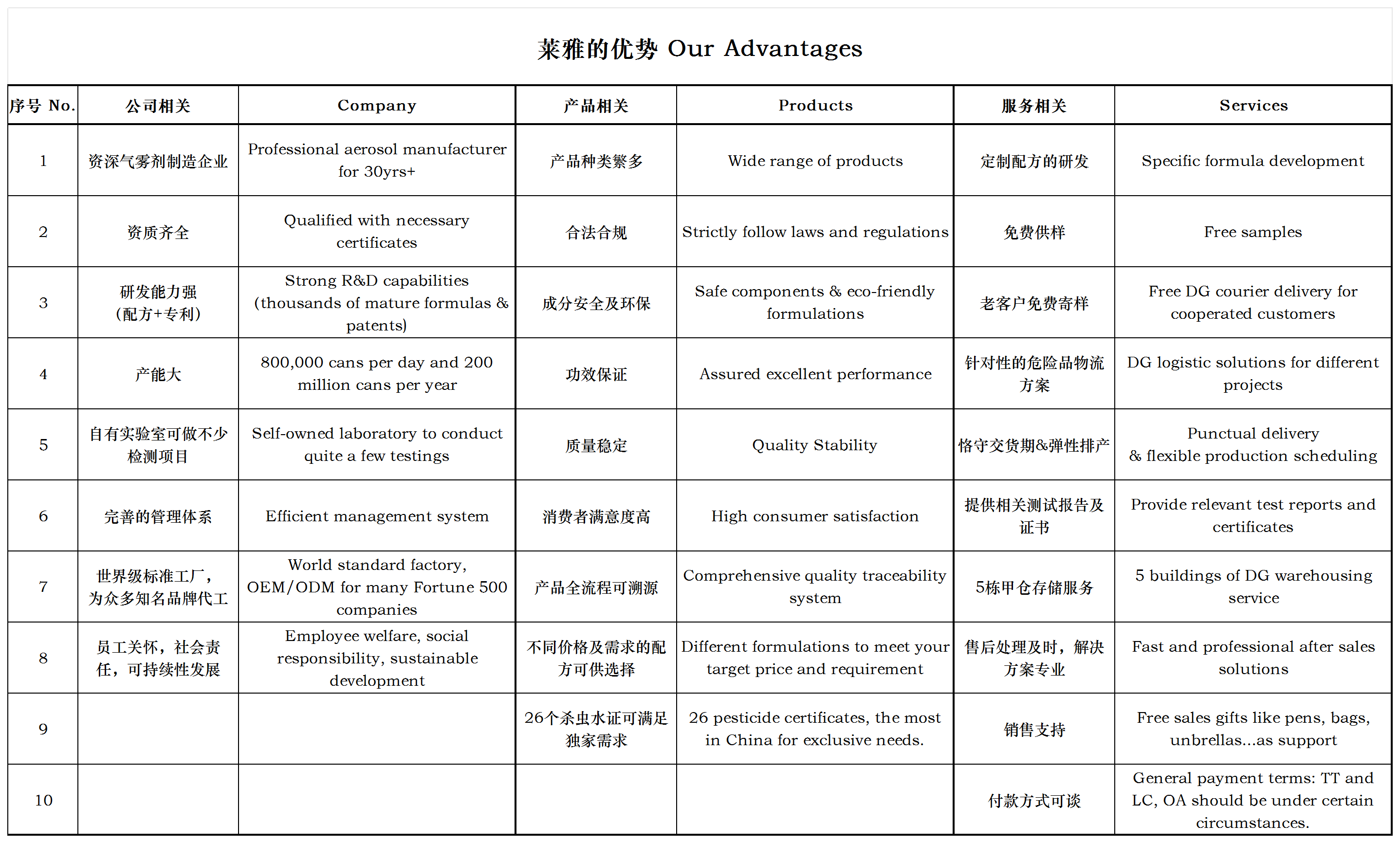
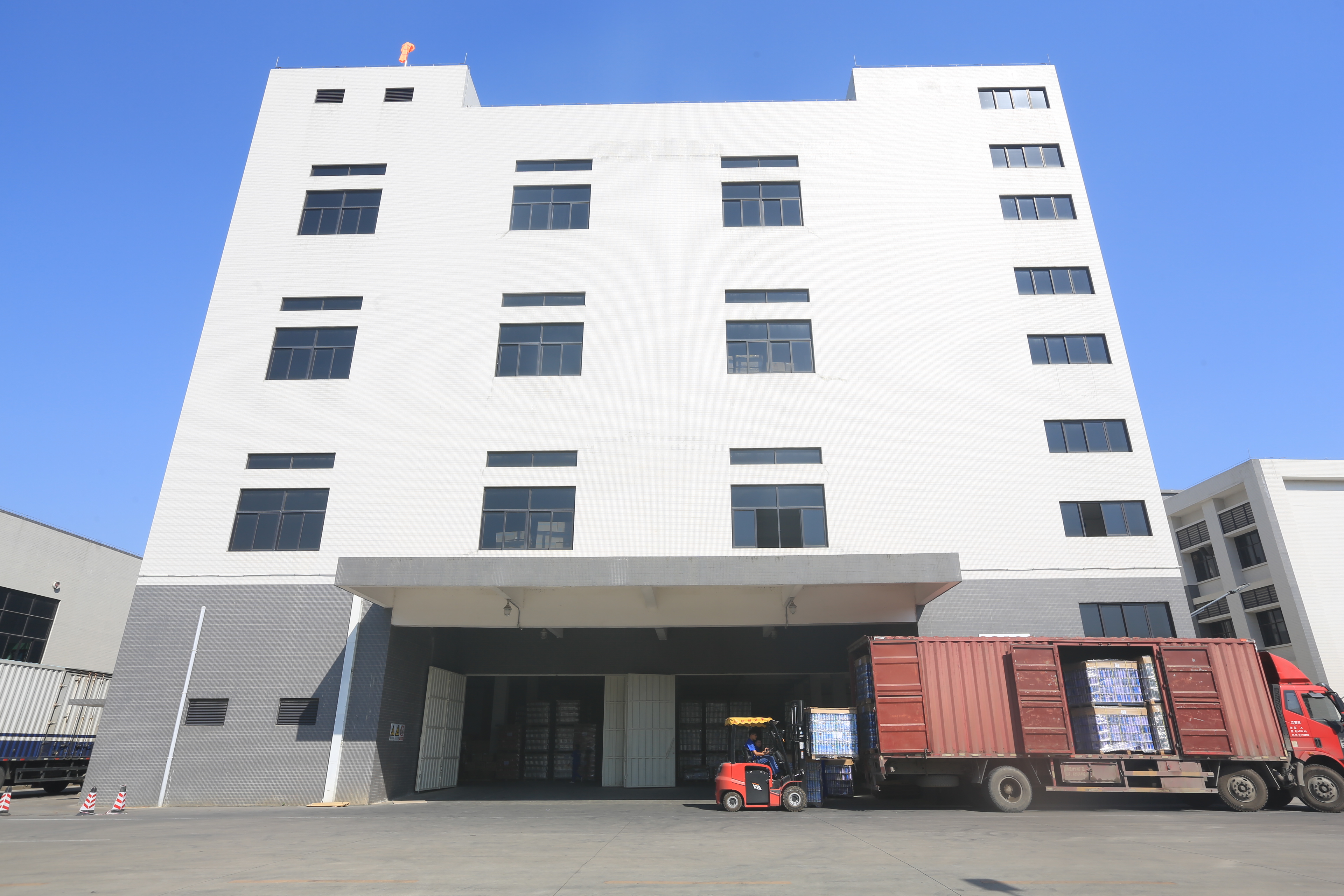
Guangdong Laya New Chemical Technology Co., Ltd. (LAYA) is a Chinese aerosol manufacturer founded in 1992 and a national high-tech enterprise that carries out aerosol R&D, manufacturing, sales, OEM and ODM services. Its site covers 100,000 ㎡, including 50,000 ㎡ of standard workshops and 14 advanced filling lines, and its technical centre contains 4 product development laboratories and 7 analytical testing laboratories. The examples in this guide come from LAYA's customised aerosol formats.
Short answer: specify the can in a fixed order — target net content, can volume including headspace, diameter and height, material (tinplate or aluminum), valve and actuator, decoration, then validation and transport documentation. Skip a step and you will pay for it later in tooling, rework or a failed fill trial.
Why Off-the-Shelf Aerosol Cans Fail Your Product
An aerosol can is not a neutral container. Its dimensions decide how much product fits, how the spray behaves, how the pack reads on a shelf, and whether existing filling equipment can handle it. When all four are fixed by a catalogue, any mismatch becomes the brand's problem. Five failure points account for most of them.
1. Net content with no standard home
A formula that lands at 340 ml has no comfortable position between a 300 ml and a 400 ml standard can. Underfilling wastes shelf space and weakens perceived value; overfilling raises cost per unit and compresses the headspace that pressure-safe filling depends on. Neither outcome is a packaging decision any more — both are margin decisions.
2. Application behaviour a standard can cannot deliver
Insecticide spray, aviation cleaning and car care aerosols are judged by different performance criteria: how quickly the can discharges, how wide the spray pattern opens, and how much product reaches the target surface. Can diameter and valve platform set those limits before a single filling line runs.
3. Shelf and case economics
Retail and distribution listings are usually negotiated around a pack size and a case configuration. A can that is a few millimetres too tall can break a case layout; a can that is too narrow can leave dead space on a shelf facing. Custom dimensions let the pack be designed around the listing rather than the other way round.
4. Valve and actuator compatibility
Valve openings are produced in a small number of standard diameters. That means the can's opening diameter determines which valve and actuator platform is available to you — and therefore which spray behaviour you can offer. Choosing a can before choosing the valve is a common and expensive sequencing error.
5. Regulatory and transport classification
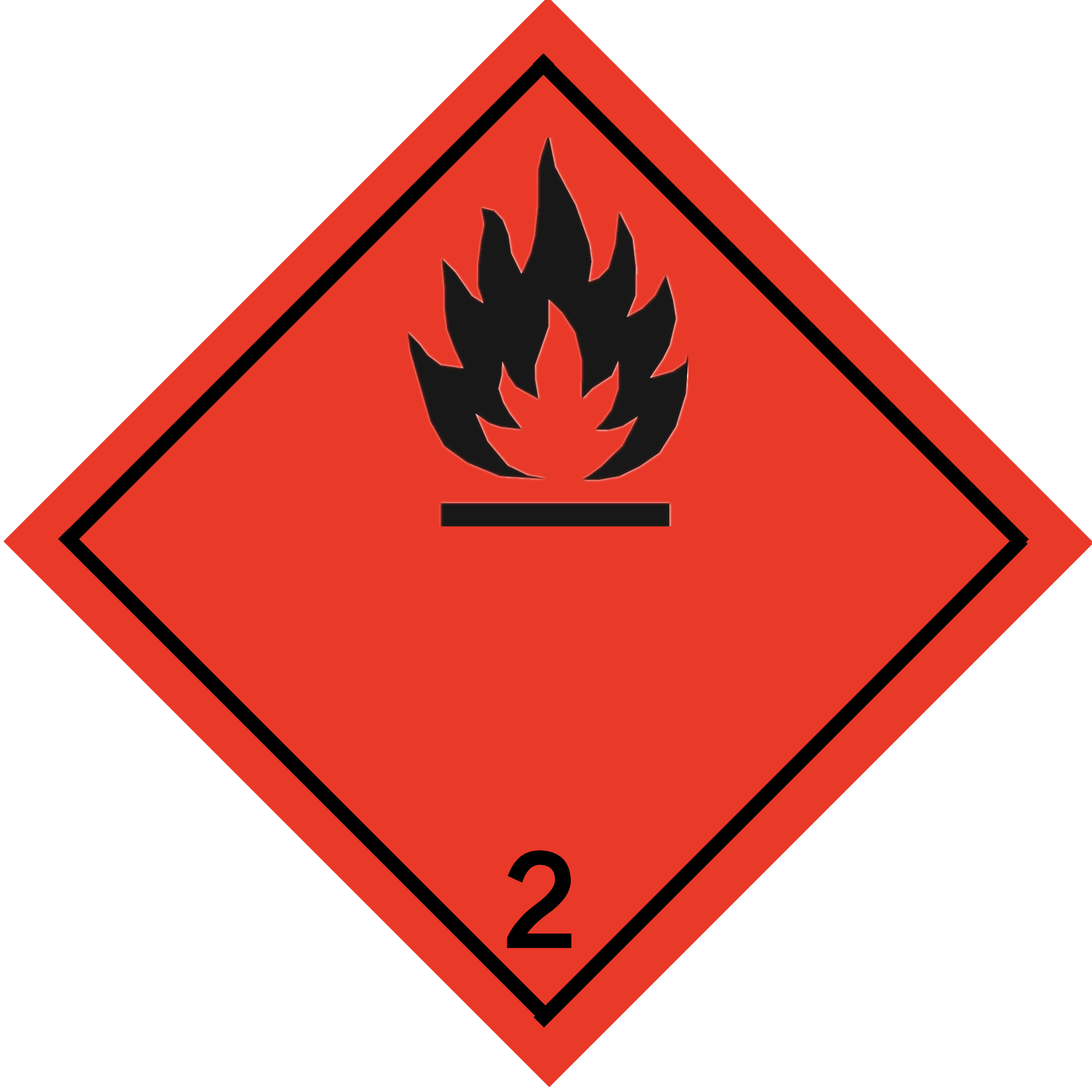
Custom dimensions do not change what the product is: a Class 2.1 flammable aerosol. Pressure requirements, packaging rules and transport documentation apply exactly as they would to a standard can, and they are easier to satisfy when the can is designed for them from the start.
The 2026 Context Behind Can Size and Material Decisions
Packaging choices that used to be purely commercial are now also compliance choices. Three sets of figures frame the current situation.
- The global aerosol market was estimated at approximately USD 100.49 billion to USD 100.87 billion in 2025, with projections above USD 211 billion by 2035 (Precedence Research / Market Research Future). Published estimates vary with research scope, so any single headline figure should be read as a range.
- Europe accounted for an estimated 33.88% to 36.3% of 2025 aerosol revenue, while Asia-Pacific is expected to record the highest CAGR through 2033 (Grand View Research / Precedence Research).
- Aluminum-based aerosol cans held roughly 61% to 62% of the can market in 2025, driven by recyclability and lightweight properties (Grand View Research / Market Reports World).
Upstream, China's aerosol propellant market was valued at USD 1,275.71 million in 2024 and is projected to reach USD 2,194.62 million by 2033, at a CAGR of 6.23% (Reed Intelligence). Propellant is now a visible cost line rather than a rounding error, which makes fixing the can specification — instead of adapting to whatever size is available — more valuable than it used to be.
Regulation is moving in the same direction. In the EU, aerosol dispenser construction is governed by the Aerosol Dispensers Directive, which requires mandatory deformation and burst tests, with resistance requirements of roughly 10 to 15 bar depending on propellant type (CanTech International). In China, the Hazardous Chemicals Safety Law took effect on 1 May 2026 and introduces whole-lifecycle safety management for the production, storage and transport of chemicals, aerosols included (CIRS Group / NPC China). Neither rule distinguishes between a standard can and a custom one — which is precisely why a custom project needs a manufacturer that already works inside both frameworks.
What Custom Aerosol Sizing Looks Like in Practice
At LAYA, customisation is not limited to artwork. R&D, manufacturing and OEM/ODM service sit in the same facility, backed by more than 30 years of accumulated experience and a portfolio of mature formulas built on raw materials selected from international brands. That matters for custom work, because a non-standard can usually forces a simultaneous review of fill weight, propellant ratio and spray performance.
| Reference model | Application | Net content | Dimension / material |
|---|---|---|---|
| KB-0000600 | Insecticide spray | 300–750 ml | Dimensions up to ∮65 × 300 mm |
| QL-0000300 | Household cleaning aerosol | 300–600 ml | — |
| KB-0000300 | Aviation aerosol | — | Available in tinplate or aluminum |
Read together, the three formats show how far one manufacturer's range can stretch: a 300–750 ml insecticide platform with a dimension ceiling of ∮65 × 300 mm, a 300–600 ml household cleaning platform, and an aviation format offered in either of the two main can materials. The wider product scope — aviation cleaning, high-efficiency insecticide, automotive care, industrial maintenance, home cleaning, air freshener and painting spray — follows the same principle: net content and application define the can, not the reverse.

Compared with other ordinary aerosol suppliers, LAYA's stated advantages are complete system certification, an independent R&D and testing laboratory, professional OEM/ODM service, a safe and environmentally friendly formula approach, and complete quality traceability — supported by dangerous goods logistics and documentation provision. On cost, the company's position is that standardized production controls the overall cost base, while formula and packaging can be customized to match different budget requirements. In practice, sizing and budget are decided together rather than one after the other.
Step-by-Step: How to Specify a Custom Aerosol Can
Work through the following sequence. Each step constrains the next, and jumping ahead is the most common reason a custom project stalls between quotation and first fill.
- Fix the target net content and fill weight. Decide the millilitre or gram figure that will appear on the label, then convert it into a fill weight using the formula density. This is the number every later decision serves.
- Convert net content into can volume. The can must hold the fill plus the headspace that pressure-safe filling requires. Specify volume, not just net content, when you talk to a supplier.
- Choose diameter before height. Diameter drives the valve platform, the spray cone and the way the pack reads on a shelf; height then delivers the remaining volume. On LAYA's KB-0000600 insecticide platform, for example, dimensions run up to ∮65 × 300 mm.
- Select the material. Tinplate or aluminum — see the comparison below. The decision follows the formula, the pack size and the destination market, not a general preference.
- Match valve, actuator and spray pattern. Once the opening diameter is fixed, confirm the valve type, the actuator and the discharge behaviour against the intended use. A fast, wide insecticide spray and a controlled aviation cleaning spray are different engineering problems.
- Confirm decoration, cap and label area. Custom dimensions change the printable surface. Check that the artwork application, whether wrap or direct print, and the cap fit the new geometry before artwork is released for production.
- Validate the pack. Pressure vessel safety design, leak-proof sealing and fill trials belong to the development and testing stage. LAYA's technical centre includes 4 product development laboratories and 7 analytical testing laboratories for exactly this phase.
- Lock compliance and transport documentation. Confirm the classification documents, dangerous goods labelling and packaging method before the first shipment, not after it.
Tinplate or Aluminum: Matching Material to Formula and Market
Material choice is not a quality ranking. It is a fit question, and the two dominant options behave differently across weight, recyclability, cost structure and finishing.
| Decision factor | Aluminum | Tinplate |
|---|---|---|
| Reported 2025 share of aerosol cans | Approximately 61%–62% globally, driven by recyclability and lightweight properties | Not separately reported within the same dataset |
| Weight profile | Generally lighter for a comparable capacity, which helps freight and handling | Generally heavier for a comparable capacity |
| Typical selection logic | Formats where low weight and recyclability are purchasing priorities | Formats where the cost base and an established steel supply chain matter most |
| Availability at LAYA | Offered on formats such as the KB-0000300 aviation aerosol | Also offered on the KB-0000300 aviation aerosol |
Neither material is universally better. The decision belongs to the application: an aviation cleaning aerosol specified in aluminum and the same product specified in tinplate will differ in weight, freight profile and unit cost — and both can pass the same pressure and leak requirements when the design is correct.
Where Custom Dimensions Pay Back: Application Scenarios
Custom sizing earns its keep when pack size is part of the product promise. Four scenarios cover most brand-owner requests.
- Insecticide spray. The KB-0000600 platform supports 300–750 ml of net content with dimensions up to ∮65 × 300 mm. A brand can serve a compact household pack and a larger value pack from one platform instead of managing two unrelated can sizes.
- Household cleaning aerosol. QL-0000300 covers 300–600 ml, which allows pack size to be aligned with how often the product is actually used — a frequent-use surface cleaner and an occasional-use specialist do not need the same can.
- Aviation aerosol. KB-0000300 is available in tinplate or aluminum, so the material can follow the operating environment and the freight route rather than the other way round.
- Adjacent categories. The same specification method applies across LAYA's product scope: car care, industrial maintenance, home cleaning, air freshener, disinfectant and spray paint aerosols.
Finished aerosols leave the factory ready to use, with no additional assembly or ongoing maintenance required, and are built to deliver a stable spray effect and reliable performance under conventional working conditions. For a distributor, that is the part of the specification that protects the brand after the container has been chosen.
Off-the-Shelf vs Custom Dimensions: A Decision Comparison
| Decision factor | Off-the-shelf standard can | Custom dimension can |
|---|---|---|
| Net content fit | Limited to catalogue sizes; the fill has to be adapted | Matched to the target fill — from 300 ml to 750 ml on the KB-0000600 insecticide platform |
| Material choice | Whatever the supplier holds in stock | Tinplate or aluminum selected per project, as on the KB-0000300 aviation aerosol |
| Spray and application fit | Valve platform constrained by the can | Valve and actuator selected alongside the can geometry |
| Shelf presence | Common proportions only | Diameter and height adjusted to the listing and the label |
| Budget structure | Lower entry point, but overfill or underfill cost persists across the order | Standardized production controls the cost base; formula and packaging customized to different budget requirements |
| Validation depth | Minimal, because the pack is already proven | Full specification validation using 4 product development laboratories and 7 analytical testing laboratories |
| Documentation | Standard document set | Dangerous goods logistics and documentation support included |
The honest trade-off is this: a standard can is faster to quote and simpler to validate, and if a catalogue size already fits your net content and application there is no reason to go custom. Custom dimensions make sense when the mismatch costs more than the specification work — through overfill, poor shelf fit, or spray behaviour that does not match what the product promises.
Safety, Transport and Documentation for Custom Aerosol Formats
A custom can holds the same Class 2.1 flammable aerosol as a standard one, so the risk controls do not change.
- Product-level controls: pressure vessel safety design, flame-retardant formula, leak-proof sealing, temperature-controlled packaging and electrostatic protection.
- Facility-level controls: a professional safety management team, regular safety training for all employees and various emergency drills, a complete safety fire system with monitoring and alarm systems, ongoing production safety supervision, and third-party safety audits.
These controls connect directly to the regulatory picture described earlier: deformation and burst testing under the EU Aerosol Dispensers Directive, and whole-lifecycle safety management for production, storage and transport under China's Hazardous Chemicals Safety Law, effective 1 May 2026. A brand specifying a custom can should expect the same documentation standard it would receive for a catalogue pack — and should ask for it before production, not before shipment.
FAQ: Custom Aerosol Cans, Sizes and Materials
Does a custom-sized aerosol can follow the same compliance rules as a standard can?
Yes. Changing the dimensions does not change the classification: an aerosol is a Class 2.1 flammable aerosol, and the same pressure, packaging and transport requirements apply. In the EU, the Aerosol Dispensers Directive requires mandatory deformation and burst tests, with resistance requirements of roughly 10 to 15 bar depending on propellant type. In China, the Hazardous Chemicals Safety Law took effect on 1 May 2026 and applies whole-lifecycle safety management to production, storage and transport.
Can a manufacturer actually produce non-standard can dimensions and an alternative material?
That depends on the supplier's filling and development capability. LAYA operates a 100,000 ㎡ site with 50,000 ㎡ of standard workshops and 14 advanced filling lines, and its technical centre holds 4 product development laboratories and 7 analytical testing laboratories. Concrete examples from its range: the KB-0000600 insecticide spray covers 300–750 ml of net content with dimensions up to ∮65 × 300 mm; the QL-0000300 household cleaning aerosol covers 300–600 ml; and the KB-0000300 aviation aerosol is available in tinplate or aluminum.
Does a custom can cost more than a standard one?
Not automatically. LAYA's position is that standardized production controls the overall cost base, while formula and packaging can be customized to match different budget requirements. The relevant comparison is total cost: a custom size that eliminates overfill, or removes a second can format from the line, can offset the specification work — whereas a catalogue size that fits poorly keeps costing money on every unit.
How is a custom aerosol can validated before full production?
Validation should cover fill weight and headspace, pressure vessel safety and leak-proof sealing, valve and actuator behaviour, decoration fit, and classification documentation. LAYA's technical centre includes 4 product development laboratories and 7 analytical testing laboratories, and the company provides complete quality traceability, plus dangerous goods logistics and documentation support for finished goods. If you want to check a specific net content or dimension against your formulation, you can request a sample or a quotation through echo@laya.com.cn before committing to tooling.
What determines how quickly a custom-size aerosol project moves from specification to delivery?
Four factors dominate: whether the target dimension sits inside an existing platform or needs new tooling; how the fill run is scheduled across the filling lines; how long compliance and transport documentation takes for the destination market; and the packaging method required for a flammable aerosol. LAYA has an annual output of 200 million cans across 14 advanced filling lines, exports account for around 20% of its business, and its main markets include Central Asia, the Middle East, Africa, Russia and Brazil. Sharing the target net content, can dimensions and destination market early gives the clearest view of a realistic timeline.
Conclusion: Fix the Can Specification and Everything Else Follows
Off-the-shelf cans are not the problem — mismatched cans are. When a formulation, a listing and an application all point to a net content that no catalogue size delivers, the efficient answer is to define the can rather than distort the product. The order of work is stable: net content, volume, diameter and height, material, valve, decoration, validation, documentation.
LAYA's reference formats show what that looks like in practice: a 300–750 ml insecticide platform with dimensions up to ∮65 × 300 mm, a 300–600 ml household cleaning platform, and an aviation aerosol available in tinplate or aluminum — supported by 4 product development laboratories, 7 analytical testing laboratories and a stated annual output of 200 million cans.
Send your net content and target dimensions
If your current can size does not match your product, share the target net content, the application and the destination market. LAYA can confirm which format fits — from the 300–750 ml KB-0000600 insecticide spray to the 300–600 ml QL-0000300 household cleaning aerosol and the tinplate or aluminum KB-0000300 aviation aerosol.
Email: echo@laya.com.cn | WhatsApp: +86 136 5384 8383 | Website: www.laya.com.cn/en/
Download the full LAYA product and capability brochure (PDF).