
Mobile Crushing Station Guide: Types, Models, Applications and How to Choose
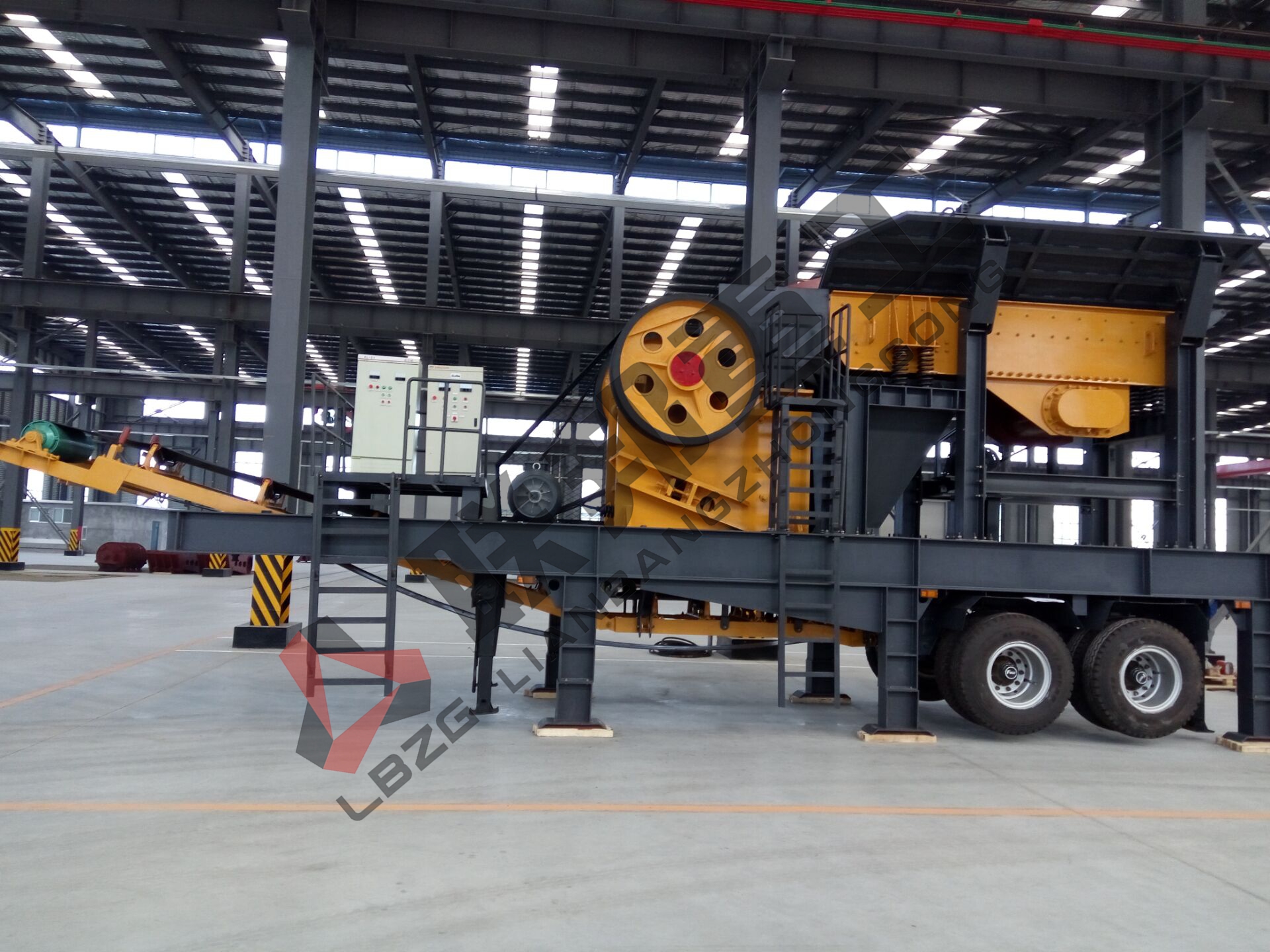
A mobile crushing station is a complete crushing and screening unit mounted on a tyre or crawler chassis that combines the crusher, vibrating feeder, vibrating screen and belt conveyors in a single movable plant. Instead of pouring foundations and building a fixed production line, the operator moves the station to the material, starts production, and relocates it when the job is finished. That single design idea changes how quarries, demolition contractors and infrastructure projects plan capacity, permits and cash flow.
This guide is written for buyers who are at the discovery and research stage: procurement managers, quarry operators, construction waste recycling companies and contractors who need to understand what a mobile crushing station is, which configurations exist, what Shandong Lianbang Heavy Industry builds under the Shanyuan LBZG brand, and which compliance points decide whether a machine can actually be deployed in a target market.
What Is a Mobile Crushing Station and What Problem Does It Solve?
A mobile crushing station is a crushing unit on a tyre or crawler chassis that integrates a crusher, feeder, vibrating screen and belt conveyor into one plant that can be moved between sites as a whole. Raw material enters the onboard hopper, is fed evenly into the onboard crusher by a vibrating feeder, and is then carried by onboard belts to an onboard vibrating screen for grading, with finished products stockpiled separately. The unit is towed by truck, normally needs no concrete foundation, and requires short installation and commissioning time.
The problem it solves is economic rather than technical. A fixed crushing line needs land, foundations, civil works and permits, which are only justified when the material source and the demand are stable for years. A mobile station is justified when the opposite is true: short project duration, frequent relocation, difficult road access, dispersed material sources, or strict environmental approval conditions at a temporary site.
A practical screening rule used in project planning is that mobile plants fit short-duration work with frequent site relocation and dispersed material sources, while fixed lines fit long-term stable quarries with high capacity and low per-ton operating cost goals. Mobile stations also carry a trade-off: single-unit capacity is usually lower than a fixed line, and tyre and diesel costs are higher, so mobility must be worth paying for. Granite, limestone and construction waste are typical feed materials for tyre-mounted mobile crushing stations.
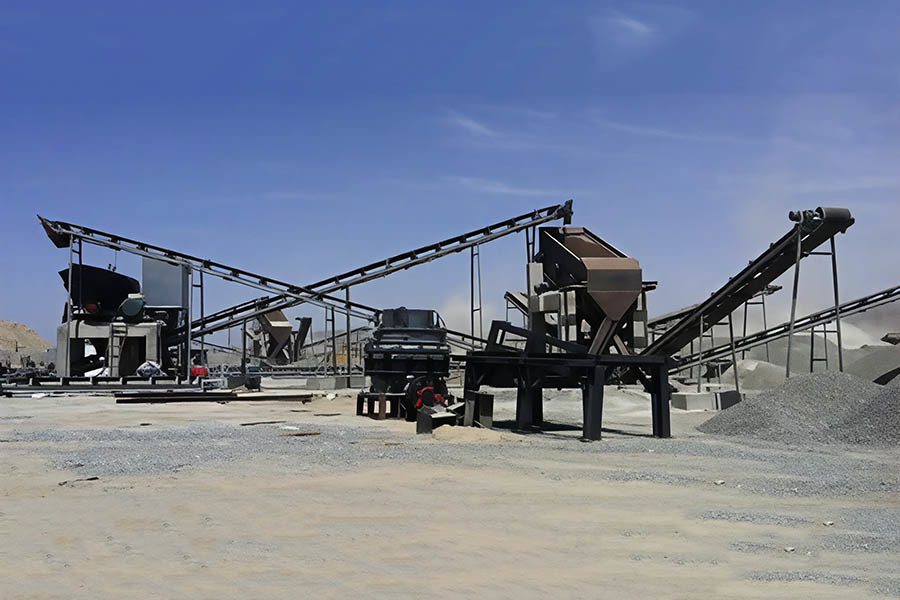
Industry Background: What Is Driving Mobile Crushing Demand in 2026
Grand View Research estimated the global mobile crushers and screeners market at USD 4.2 billion in 2025, with Asia Pacific accounting for 30.5% of global revenue in the same year. A second commercial research house, Market Research Future, published a different 2025 figure of USD 4.92 billion. The gap between the two estimates is attributed to how each study defines scope, particularly the inclusion of screening equipment and aftermarket services, so buyers should treat any single headline number as a directional signal rather than an exact market value.
On the technology side, one commercial research forecast covering 2026 to 2034 projects hybrid mobile crushers as the fastest-growing configuration segment, at an 8.5% CAGR. A relationship drawn from the same verified data set links this with tightening environmental rules: where emission monitoring and dust control add administrative and operating cost, buyers increasingly evaluate hybrid or electric powertrains as a way to reduce compliance burden and diesel exposure.
The regulatory side of that picture is concrete. The United States regulates nonmetallic mineral processing through 40 CFR Part 60 Subpart OOO, which sets a capacity threshold of 136 megagrams per hour (150 tons per hour) or less for certain exemptions applicable to portable sand and gravel plants. A cited EPA general permit for stone quarrying, crushing and screening requires emissions from crushers, screens, drop points and other release points to be controlled by wet suppression, and sets fugitive opacity limits of 12 percent for crushers and 7 percent at other affected emissions units. In the European Union, machinery placed on the market must satisfy applicable health and safety requirements, with technical documentation, conformity assessment, an EU Declaration of Conformity and CE marking where applicable; the cited EU machinery regulation carries an application date of 20 January 2027.
The LBZG Mobile Station Range: Five Configurations
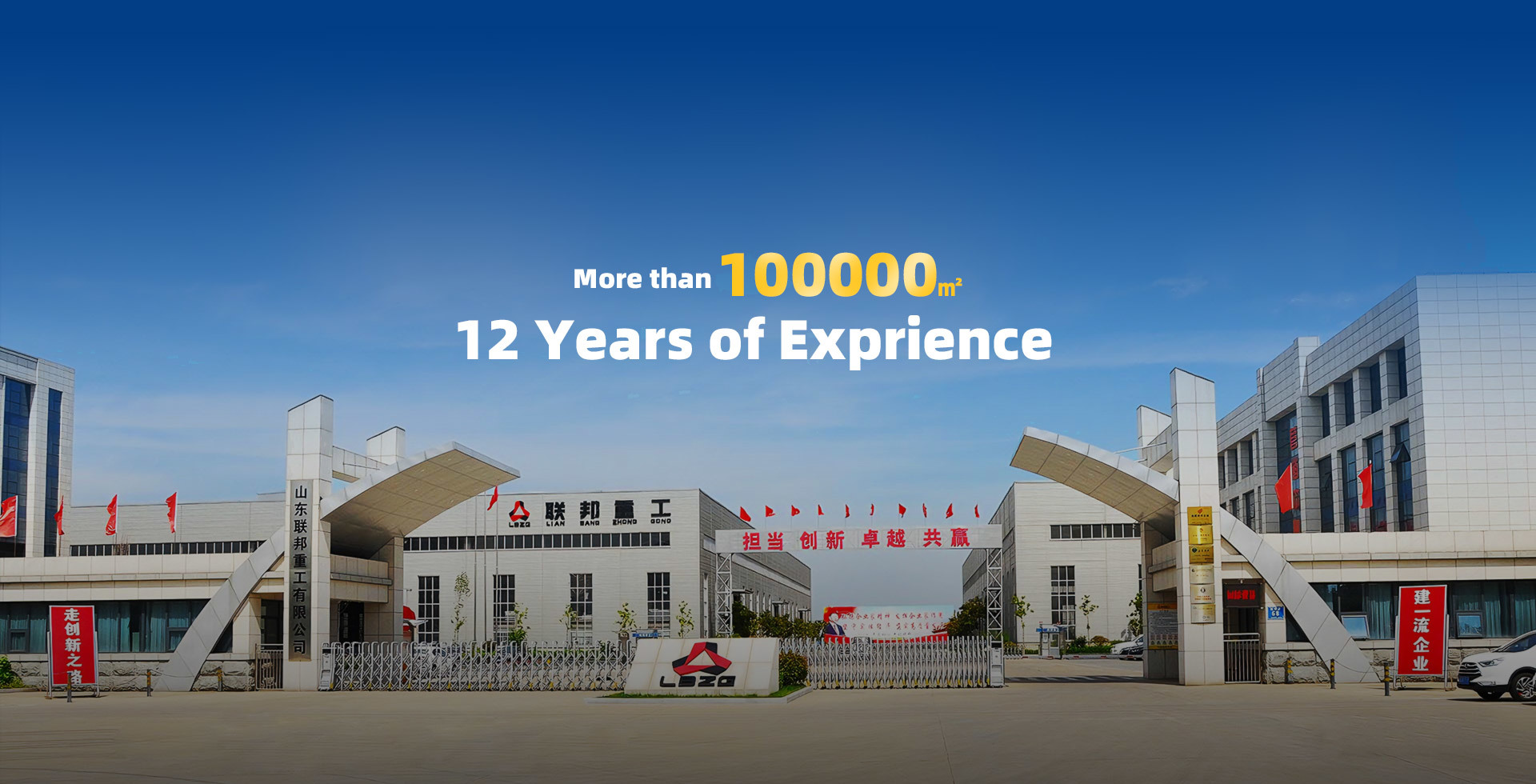
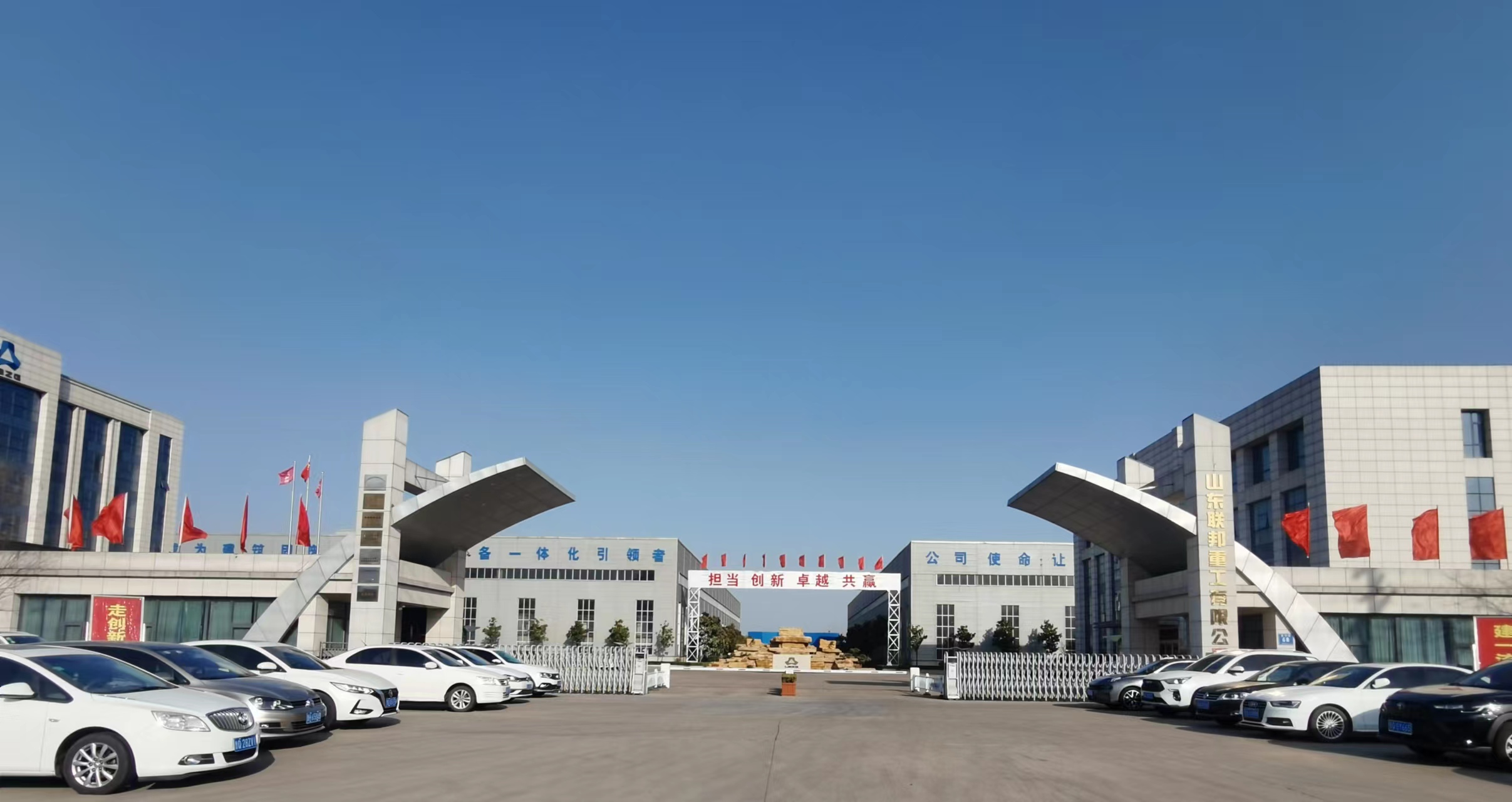
Shandong Lianbang Heavy Industry Co., Ltd. is a manufacturer based in Linyi, Shandong Province, China, that develops and produces sand-stone crushing, sand-making and solid waste recycling equipment, and also provides complete-set EPC solutions and overseas engineering services. The company was registered in 2013 and traces its technical origins to Chengming Machinery, an affiliated enterprise established in 1996. It operates two production bases with a total area of 120,000 m², including 40,000 m² of standard workshops and more than 150 sets of processing equipment, with around 110 employees, of whom more than 40 work in R&D. Its brand trademark is Shanyuan LBZG.
Its mobile crushing and screening equipment is marketed as the YCG Mobile Station series, built on tyre-type (trailer-mounted) chassis. Five configurations cover the main crushing and screening duties in a mobile flow:
- YCG-J750 tyre-type mobile jaw crushing station — host machine PE-750×1060; capacity 110–230 t/h; supports 380V/440V; trailer-mounted with no foundation required; intended for mobile quarry work and on-site construction waste crushing.
- YCG-I1214 tyre-type mobile impact crushing station — host machine PF-1214; capacity 100–180 t/h; intended for limestone and construction waste mobile processing.
- YCG-C160 tyre-type mobile cone crushing station — host machine CS-160; capacity 90–210 t/h; intended for hard rock mobile secondary crushing.
- YCG-VSI8518 tyre-type mobile sand-making station — host machine VSI-8518; capacity 100–180 t/h; intended for field mobile artificial sand production.
- YCG-S2460 tyre-type mobile screening station — 2–3 screen layers; screening capacity 80–300 t/h; intended for material classification and post-crushing screening.
Because the stations are modular, a typical mobile flow pairs one primary station with a secondary or sand-making station and a screening station, so that a single project can move from coarse crushing to graded finished product without a fixed plant. Common matched equipment for mobile and mobile-adjacent projects includes the vibrating feeder, vibrating screen, belt conveyor, secondary crusher, dust-removal system and a spare wear-parts kit.
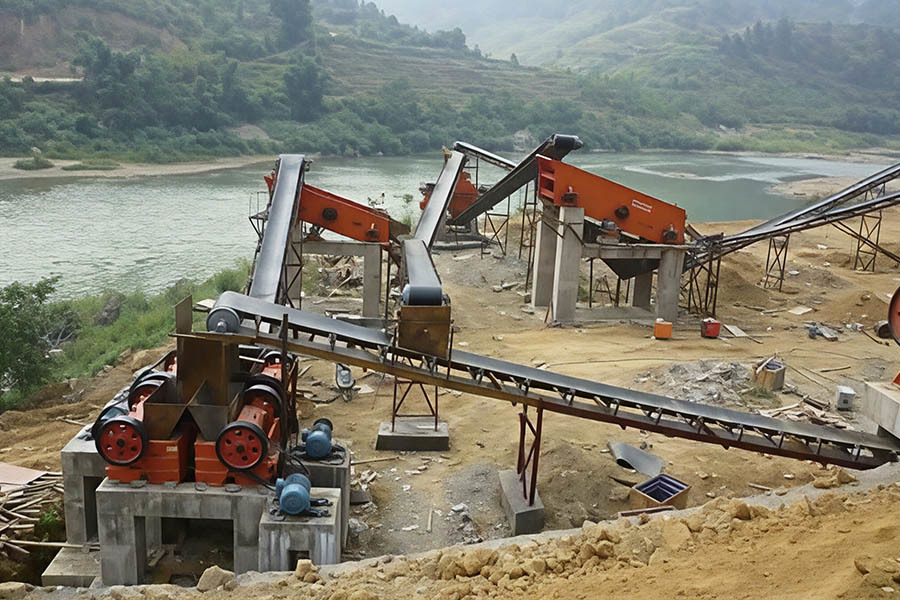
Tyre-Mounted or Crawler? How the Chassis Choice Changes the Project
Chassis type is one of the first decisions because it determines how the station moves and what site preparation it needs. Chassis options in mobile crushing equipment include crawler and tyre-mounted configurations, with crawler chassis generally chosen for rough or soft terrain where a towed unit would struggle, and tyre-mounted chassis generally chosen where the station is towed on roads between sites and re-set repeatedly.
The LBZG YCG series is a tyre-mounted mobile crushing plant line: units are trailer-mounted, require no concrete foundation, and are described as capable of fast site transfer. That combination matches projects where the plant must be re-positioned several times in a campaign, and where civil works would otherwise consume budget and calendar time.
Step-by-Step: How to Select the Right Mobile Crushing Station
Step 1 — Define the feed before the machine. Record rock type, maximum lump size, abrasiveness and moisture. Granite, basalt and quartzite behave differently from limestone, and wet or sticky feed changes crusher choice and screen behaviour. If feed size exceeds the design limit of the primary crusher, output falls and wear accelerates.
Step 2 — Set target capacity and product fractions. Decide the required tons per hour and the finished fractions, including whether manufactured sand is part of the product mix. If sand is not required, a secondary or sand-making station may be unnecessary. If sand quality matters, a dedicated sand-making station such as the YCG-VSI8518 becomes the third stage rather than an optional extra.
Step 3 — Match the crushing stage to the material. For medium-hard brittle material such as limestone, an impact-based secondary stage produces good cubical shape. For hard, abrasive rock, laminated compression crushing with cone crushers gives longer wear-part life, at the cost of a slightly less cubical product that may need shaping. Selecting the wrong secondary stage for the rock is the most expensive mistake in a mobile line.
Step 4 — Choose the chassis and mobility level. Confirm whether the site requires towing between locations or moving within one pit, and whether the ground can carry a trailer-mounted unit. Confirm transport dimensions and route clearances before ordering.
Step 5 — Verify power and site conditions. Mobile stations are configured for local conditions. The YCG-J750 supports 380V/440V, and overseas projects may require adaptation to 380V, 440V, 415V or 660V supply, plus tropicalised or desert-rated options and climate adaptation for tropical, arid or high-altitude sites.
Step 6 — Verify documentation, support and spare parts. Ask for the compliance documents relevant to the destination market, a multilingual manual where needed, a spare wear-parts kit, and a service arrangement that matches how far the site is from the nearest support base.
CE, EPA and Certification Checks Before You Order
Compliance is a document question, not a label question. A CE or EPA claim on a specification sheet is not by itself evidence that a specific machine can be placed on a specific market. Buyers should ask for the underlying documents for the exact configuration being quoted.
For European Union deployment, the relevant duty is on the manufacturer: machinery must be designed and constructed in accordance with applicable health and safety requirements, technical documentation must be drawn up, the relevant conformity assessment carried out, the EU Declaration of Conformity prepared, and CE marking affixed where applicable. On the supplier side, Shandong Lianbang Heavy Industry holds ISO 9001 quality management system, ISO 14001 environmental management system and OHSAS 18001 occupational health and safety system certifications, and lists CE export certification for foreign trade projects among its qualifications. It also participates in revising national crusher industry standards, and holds recognitions including National High-tech Enterprise (re-recognised in 2023) and Shandong provincial Specialized, Refined, Differential and Innovative SME status.
For United States deployment, two layers must be reviewed together. The facility layer is governed by rules such as 40 CFR Part 60 Subpart OOO and by site permits, which in the cited EPA permit require wet suppression on crushers, screens and transfer points and set opacity limits of 12 percent for crushers and 7 percent at other affected units. The equipment layer concerns the engine: EPA emissions standards apply to mobile sources, and the Clean Air Act requires engines and vehicles in U.S. commerce to meet applicable standards and conformity requirements. That means the engine family, certificate and installation conditions need to be verified for the actual unit, not inferred from a general product description.
A practical document checklist for a cross-border mobile crushing order therefore includes: quality and environmental system certificates; CE-related documents where the EU is the destination; engine emissions certificates where the U.S. is the destination; material and welding inspection records; a factory test-run record; and the operating manual in the buyer’s language.
Control, Monitoring and Remote Operation
Mobile crushing stations are increasingly specified with control and monitoring scope rather than as standalone machines. In project specifications for major infrastructure work, the matched equipment list for a mobile-oriented crushing configuration includes a centralised control system alongside the feeder, screen, conveyors, secondary crusher, dust-removal system and spare wear parts.
For construction and demolition waste recycling, the operating model itself depends on coordination: trailer-mounted mobile operation on 24/7 shift production, with rapid relocation between job sites, zero concrete foundation, and remote GPS dispatch as a stated special requirement for the site. In dry-type sand production, intelligent monitoring is part of the equipment description of the EIS series dry sand-making system.
The buyer-facing point is simple: if the project involves several sites, several shifts or remote supervision, remote dispatch and centralised control should be written into the request for quotation as a requirement, because it affects the electrical design, the instrumentation package and the commissioning scope.
Where Mobile Crushing Stations Are Used
Construction and demolition waste recycling. Building demolition material is processed into recycled aggregate, recycled concrete bricks, recycled dry powder slurry and recycled soil, with on-site zero-transport processing as the operating goal. Matched equipment typically includes a magnetic separator for rebar separation alongside the screen, conveyors and dust-removal system.
Quarry and infrastructure aggregate supply. Overseas quarry development, highway, railway, urban rail transit, new town and airport projects use mobile and mobile-supported plants to supply aggregate and manufactured sand, including strict gradation and particle-shape requirements such as cubic particle shape and fineness modulus control.
Hard rock secondary crushing. Where the feed is hard and abrasive, a mobile cone crushing station such as the YCG-C160 is used for hard rock mobile secondary crushing, producing a controlled discharge rather than a single coarse product.
Mobile sand production. Where manufactured sand is required at the working face, a mobile sand-making station such as the YCG-VSI8518 supports field mobile artificial sand production.
Screening and classification. A mobile screening station such as the YCG-S2460 handles post-crushing classification, and can also serve as a standalone grading unit where only sizing is required.
Hydropower and long-duration projects. Long-term continuous production for dam and mass concrete aggregate, with high-strength aggregate specifications and wear-resistant crushing chambers, remains a fixed-line application in most cases, but mobile units are used as backup capacity for multi-site projects.
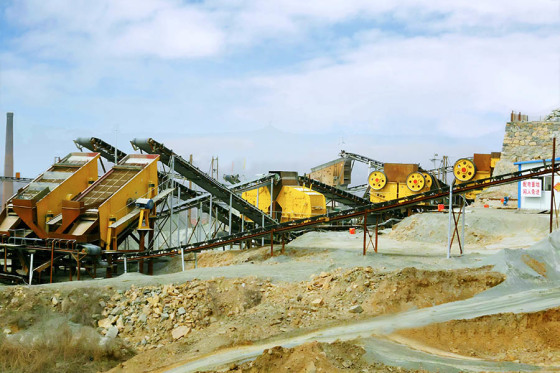
LBZG YCG Mobile Station Model Comparison
The table below compares the five YCG mobile stations on the dimensions that decide stage position in a mobile flow. All values are manufacturer-published data for the standard configurations.
| Model | Station type | Host equipment | Capacity | Intended duty |
|---|---|---|---|---|
| YCG-J750 | Tyre-type mobile jaw crushing station | PE-750×1060 | 110–230 t/h | Mobile quarry, construction waste on-site crushing |
| YCG-I1214 | Tyre-type mobile impact crushing station | PF-1214 | 100–180 t/h | Limestone, construction waste mobile processing |
| YCG-C160 | Tyre-type mobile cone crushing station | CS-160 | 90–210 t/h | Hard rock mobile secondary crushing |
| YCG-VSI8518 | Tyre-type mobile sand-making station | VSI-8518 | 100–180 t/h | Field mobile artificial sand production |
| YCG-S2460 | Tyre-type mobile screening station | 2–3 layer screen | 80–300 t/h screening | Material classification, post-crushing screening |
Note that published capacity is a rated figure measured under standard conditions. Actual throughput varies with material hardness, feed size, mud and moisture content, power supply stability, feeding continuity and the wear condition of consumable parts. Buyers should provide their working conditions for a project-specific calculation rather than selecting on the catalogue range alone.
Frequently Asked Questions
1. What certifications should I verify before importing a mobile crushing station?
Verify the quality management system certificate and the market-specific compliance documents for the exact configuration quoted. Shandong Lianbang Heavy Industry holds ISO 9001 quality management system, ISO 14001 environmental management system and OHSAS 18001 occupational health and safety system certifications, and lists CE export certification for foreign trade projects. For the European Union, machinery must meet applicable health and safety requirements, with technical documentation, conformity assessment, an EU Declaration of Conformity and CE marking where applicable under the cited EU machinery regulation, which has an application date of 20 January 2027. For the United States, engine emissions compliance and site permit conditions — including wet suppression and opacity limits — must be confirmed separately for the specific unit and location.
2. What mobile crushing station configurations does LBZG manufacture, and what capacities do they cover?
The LBZG YCG Mobile Station series covers five tyre-type configurations: the YCG-J750 mobile jaw crushing station with the PE-750×1060 host at 110–230 t/h; the YCG-I1214 mobile impact crushing station with the PF-1214 host at 100–180 t/h; the YCG-C160 mobile cone crushing station with the CS-160 host at 90–210 t/h; the YCG-VSI8518 mobile sand-making station with the VSI-8518 host at 100–180 t/h; and the YCG-S2460 mobile screening station with 2–3 screen layers and 80–300 t/h screening capacity. Stations are trailer-mounted, support 380V/440V on the jaw configuration, and require no foundation.
3. Is there a minimum order quantity, and how is pricing structured?
The minimum order quantity for Lianbang crushing equipment is one set or one unit, so a single mobile station can be ordered as a stand-alone project or as the first phase of a multi-station line. Because a mobile crushing station is configured rather than catalogued — chassis, host crusher, feeder, screen, conveyor lengths, voltage, climate rating and dust-control scope all vary by site — the commercial offer is built around a confirmed configuration rather than a list price.
4. How can I validate machine quality before shipment?
Shandong Lianbang Heavy Industry provides factory audit and third-party inspection options so that buyers can verify quality and production standards, and supplies material certificates confirming the quality of materials used in manufacturing. Test-run videos are provided to demonstrate equipment functionality and reduce quality uncertainty before purchase. For a mobile crushing station, the test-run record and the wear-part material specification are the two documents worth reviewing in most detail.
5. What is the most efficient next step to get a configuration and quotation?
Prepare five inputs: material type and maximum feed size, target tons per hour, required finished fractions, site power supply and voltage, and destination country. With those, a mobile configuration can be proposed, including chassis type, host crusher, screen, dust-control scope and spare wear-parts kit. You can send the details to lbzg@lbcrusher.com, or reach the team on WhatsApp at +86 13953887097 and +86 15866938525 for a first response.
Conclusion
A mobile crushing station is a project decision before it is an equipment decision. If the site is short-lived, moves often, or sits far from road and grid infrastructure, mobility is worth paying for. If the material source and demand are stable for years, a fixed line will usually deliver a lower cost per ton, with mobile units retained as backup or as a first phase.
Once mobility is justified, three checks decide whether the machine will actually work: the crushing stage must match the rock, the chassis and power configuration must match the site, and the compliance documents must match the destination market. Buyers who settle those three questions before requesting a quotation avoid most of the costly rework in a mobile crushing project.
Next step: download the full product catalogue for capacities, models and matched equipment, or send your project conditions for a configuration proposal.
Download the Shandong Lianbang Heavy Industry catalogue
Website: www.sypsj.cn | Email: lbzg@lbcrusher.com | Address: No. 68 Lianbang Road, Economic-Technological Development Zone, Linyi City, Shandong Province, China
Have Questions or Need More Details?
Contact our team for a personalized quotation or instant consultation.
Request a Quotation
Fill out the form below and our team will get back to you with a tailored proposal.
WhatsApp Direct Chat
Prefer to chat in real-time? Message us on WhatsApp for instant assistance & quick answers.
- Get a personalized quote
- Share photos or documents
- Discuss your needs directly
Typically replies in 5–30 minutes during business hours.