
PC Crusher vs PCX Crusher: A Head-to-Head Decision for Stone Crushing Production Lines
Quick answer: PC Crusher and PCX Crusher are both hammer-type crushers used in stone crushing production lines, but they are not interchangeable. The PC Crusher is a heavy-duty hammer crusher family with models from PC-400×300 to PC-1600×1600. The PCX Crusher is a new-generation strong impact hammer crusher family with models from PCX-0808 to PCX-1822. The practical decision is not which name is better; it is which unit fits the line stage, feed size, target discharge, capacity, power supply, and wear-part plan.
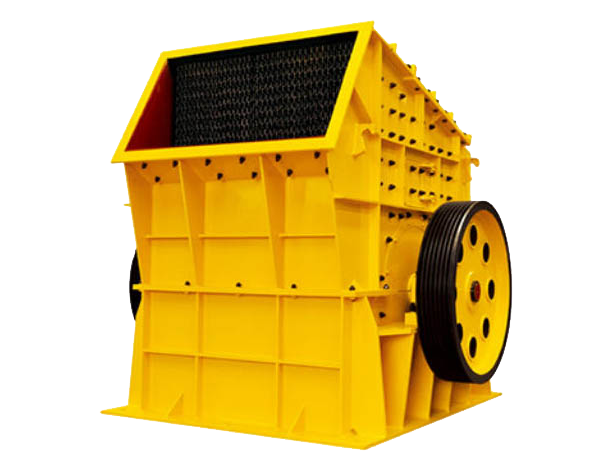
Cover image: PC Hammer Crusher from LBZG, one of the two crusher families compared in this guide.
The product data used in this article comes from Shandong Lianbang Heavy Industry Co., Ltd., which uses the Shanyuan LBZG trademark and manufactures sand-stone crushing, sand-making and solid waste recycling equipment in Linyi, Shandong, China. LBZG's product records list PC Crusher and PCX Crusher as separate families with different model ranges, capacities, discharge sizes, and application notes. That is why a line-fit review is more useful than a simple capacity comparison.
Problem Definition: Why PC vs PCX Is a Line-Fit Question
Buyers often compare PC and PCX by looking at one number, such as maximum capacity or motor power. That is a weak basis for a stone crushing production line. A crusher that looks suitable on a specification sheet can be a poor fit if its discharge size does not match the screen, if its feed opening is too small for the primary stage, if its power draw does not match the site transformer, or if its wear-part plan does not match the material.
The PC vs PCX decision should therefore be framed around five line-fit questions: Which stage is the crusher serving? What feed size will it receive? What discharge size does the downstream screen require? What continuous capacity does the line need? And what material hardness and abrasiveness will the hammers see? The answers narrow the choice quickly.
This is especially important in aggregate plants, cement plants, coal and mining operations, and building-material fine crushing. In these settings, the crusher is not a standalone machine. It sits between a feeder, a screen, a belt conveyor, a dust-removal system, and a spare-parts plan. A mismatch at one point shows up as recirculating load, unstable output, or premature wear somewhere else.
Industry Background: Where Hammer Crushers Sit in a Stone Crushing Production Line
A stone crushing production line usually combines feeding, primary crushing, secondary or tertiary crushing, screening, conveying, and dust control. Hammer crushers are commonly placed in fine crushing or one-step fine crushing duties where the feed is medium-hard and brittle. They reduce material by high-speed hammer impact, and the discharge is controlled by the gap between the rotor and the screen plate or breaker plate.
The broader equipment market provides context for why buyers are careful about line configuration. According to Market Research Future, the global stone crushing equipment market was estimated at USD 8.47 billion in 2024. OEC data shows China exported USD 1.38 billion of machines to crush or grind stone, ores and minerals in 2024. These figures describe market scale, not the right crusher for a specific line. The line-fit decision still depends on the duty, the material, and the downstream process.
Hammer crushers are not a universal answer for every rock type. LBZG's knowledge base notes that hard and abrasive rocks such as granite and basalt are better served by cone crushers in secondary and tertiary stages, while hammer crushers are positioned for brittle and medium-hard materials. This boundary matters when a buyer is comparing PC and PCX for a basalt aggregate plant or a hard-rock quarry.
Detailed Solution: PC Crusher and PCX Crusher Explained
PC Crusher: Heavy-Duty Hammer Crusher Family
The PC Crusher is listed by LBZG as a hammer crusher family with compact, standard, and heavy-duty configurations. All models use a high-manganese steel hammer head and a cast steel rotor. The family covers small plant duties and large plant duties, with a top model listed at 500-1000 t/h.
Key PC models and verified parameters include: PC-400×300 at 30-50 t/h, discharge size below 10 mm, motor power 11-22 kW, total weight 0.8 t; PC-600×400 at 50-80 t/h, discharge below 15 mm, motor power 18-30 kW, weight 1.5 t; PC-800×600 at 60-130 t/h, discharge below 15 mm, motor power 45-55 kW, weight 3.2 t; PC-1000×800 at 80-200 t/h, discharge below 15 mm, motor power 90-110 kW, weight 6.5 t; PC-1000×1000 at 100-260 t/h, discharge below 15 mm, motor power 132-160 kW, weight 11 t; PC-1250×1250 at 150-360 t/h, discharge below 20 mm, motor power 185-220 kW, weight 18 t; PC-1300×1200 at 200-480 t/h, discharge below 20 mm, motor power 220-280 kW, weight 24 t; PC-1500×1200 at 300-680 t/h, discharge below 20 mm, motor power 380-450 kW, weight 36 t; and PC-1600×1600 at 500-1000 t/h, discharge below 25 mm, motor power 450-560 kW, weight 76 t.
The PC family is listed for stone plants, cement, coal, mining, and building-material fine crushing. In a production line, it is often considered when the duty needs a heavy-duty hammer crusher with a broad model range and a high top capacity. The trade-off is that the discharge size is not as tight as the PCX family at the fine end, and the larger models require more power and more installation space.
PCX Crusher: New-Generation Strong Impact Hammer Crusher
The PCX Crusher is listed by LBZG as a new-generation strong impact hammer crusher. Its stated application is fine or tertiary crushing of limestone, coal, gypsum, shale, and medium-hard materials. It also uses a high-manganese steel hammer head and a cast steel rotor.
Key PCX models and verified parameters include: PCX-0808 at 30-50 t/h, discharge below 10 mm, motor power 45 kW; PCX-0810 at 40-50 t/h, discharge below 10 mm, motor power 75 kW; PCX-1010 at 50-100 t/h, discharge below 10 mm, motor power 90-110 kW; PCX-1212 at 80-160 t/h, discharge below 10 mm, motor power 130-160 kW; PCX-1515 at 100-200 t/h, discharge below 15 mm, motor power 190-250 kW; PCX-1518 at 200-280 t/h, discharge below 15 mm, motor power 240-340 kW; and PCX-1822 at 250-350 t/h, discharge below 20 mm, motor power 315 kW.
The PCX family is the tighter fine-crushing option in the LBZG lineup when the target discharge is below 10 mm, below 15 mm, or below 20 mm. It is not a replacement for every PC model, because its top capacity is lower than the largest PC units. It is also not a hard-rock solution; its stated application is medium-hard materials, and the line should be reviewed as a whole if the feed is highly abrasive.
What the Two Families Share
Both PC and PCX use high-manganese steel hammer heads and cast steel rotors. Both are hammer-type crushers, so both depend on proper feeding, discharge control, and wear-part inspection. Both also need supporting equipment in a production line: a vibrating feeder for controlled feed, a vibrating screen for grading, a belt conveyor for material transport, a dust-removal system where required, and spare wear parts to sustain continuous operation.
This shared platform means the decision is not about two completely different machine concepts. It is about matching the model family to the duty. The PC family gives a wider capacity ladder and larger top-end models. The PCX family gives a tighter fine-crushing discharge range in the models listed. The line stage and target product decide which advantage matters.
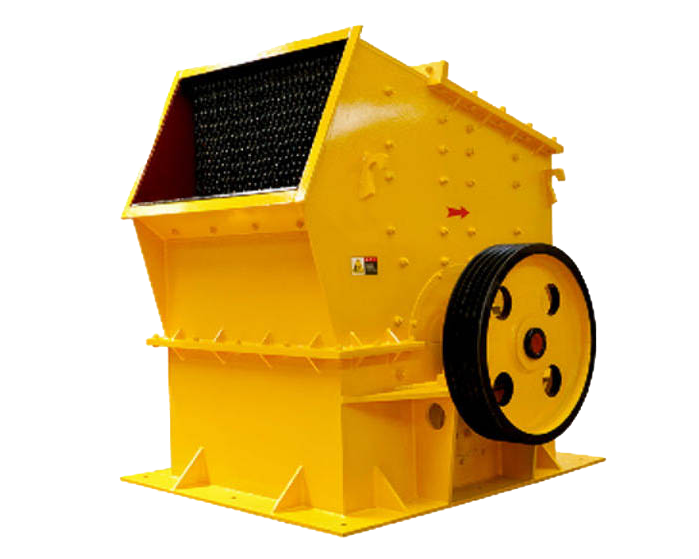
Figure 1: PCX Hammer Crusher, listed for fine and tertiary crushing of limestone, coal, gypsum, shale, and medium-hard materials.
Step-by-Step Breakdown: How to Choose in a Production Line
- Define the duty and stage. Write down whether the crusher is serving secondary crushing, tertiary crushing, or one-step fine crushing. The PCX family is explicitly listed for fine and tertiary crushing of limestone, coal, gypsum, shale, and medium-hard materials. The PC family is listed for stone plants, cement, coal, mining, and building-material fine crushing. If the duty is primary crushing of run-of-quarry rock, neither family should be selected without a full line review.
- Match the feed size. Check the maximum feed size against the crusher's inlet and the selected model. A crusher that is repeatedly fed above its intended size will show unstable discharge, higher wear, and more downtime. If the feed includes large lumps, a primary jaw crusher or a suitable pre-crushing stage may be needed before the hammer crusher.
- Fix the target discharge. If the product must be below 10 mm, the PCX-0808, PCX-0810, PCX-1010, and PCX-1212 are listed with discharge below 10 mm. If below 15 mm is acceptable, the PCX-1515 and PCX-1518 are listed at below 15 mm, while several PC models are also listed at below 15 mm. If below 20 mm or below 25 mm is acceptable, the larger PC and PCX models come into view.
- Check capacity against the line. Select a model whose listed capacity covers the required continuous output with reasonable headroom. For example, a 150 t/h line can review PCX-1212 at 80-160 t/h for a below-10 mm product, or PC-1000×800 at 80-200 t/h for a below-15 mm product. A 300 t/h line can review PCX-1822 at 250-350 t/h or PC-1500×1200 at 300-680 t/h. The final choice depends on the discharge target and the screen arrangement.
- Check power and installation. Motor power and total weight affect the site transformer, foundation, lifting plan, and maintenance access. PC-1000×800 is listed at 90-110 kW and 6.5 t. PCX-1212 is listed at 130-160 kW. PC-1500×1200 is listed at 380-450 kW and 36 t. These are not minor details; they determine whether the unit can be installed and operated within the existing plant.
- Review material hardness and abrasiveness. PC and PCX are positioned for medium-hard and brittle materials in the listed applications. If the feed is hard and abrasive, such as basalt or granite, LBZG's knowledge base recommends cone crushers for secondary and tertiary hard-rock crushing and advises against hammer crushers for high-abrasion hard rock. Do not force a PC or PCX into a duty outside its verified application boundary.
- Plan the supporting line. Confirm the feeder, screen, conveyor, dust-removal system, and spare wear parts. A hammer crusher is sensitive to feed continuity and discharge clearance. The screen must be able to handle the crusher output, and the conveyor must be able to move the product without spillage or bottleneck. The wear-part plan should include hammer inspection and replacement intervals based on the actual material.
- Verify with a sample and a written configuration. Before ordering, ask for a sample test and a written configuration that states the model, capacity basis, discharge size, power, weight, and scope of supply. Rated catalog data is obtained under standard test conditions; actual throughput varies with material hardness, feed size, mud and moisture content, power supply stability, feeding continuity, and wear condition. A sample test reduces the risk of a line-fit error.
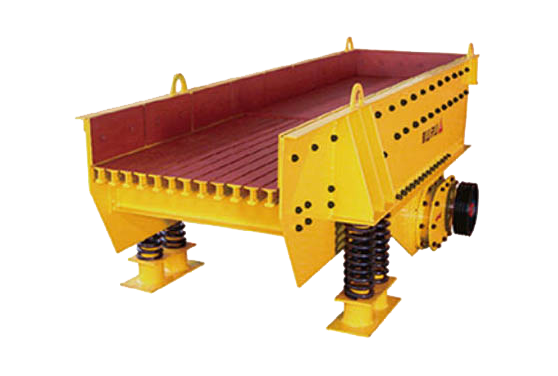
Figure 2: A vibrating feeder is part of the supporting line that determines whether a PC or PCX crusher can run at stable output.
Use Cases: Matching PC and PCX to Real Line Scenarios
Small stone plant, 30-50 t/h, fine product below 10 mm. The PC-400×300 and PCX-0808 both sit in the 30-50 t/h range and are listed with discharge below 10 mm. The PC-400×300 is listed at 11-22 kW and 0.8 t, while the PCX-0808 is listed at 45 kW. If power availability and structural load are tight, the PC model deserves a look. If the duty is fine crushing of limestone, coal, gypsum, shale, or a similar medium-hard material and the PCX application note fits, the PCX-0808 is the closer fine-crushing match.
150 t/h limestone line, target below 10 mm. Review PCX-1212 at 80-160 t/h and below 10 mm, or PCX-1515 at 100-200 t/h and below 15 mm. If the screen requires below 10 mm, PCX-1212 is the direct fit. If below 15 mm is acceptable, PC-1000×800 at 80-200 t/h or PC-1000×1000 at 100-260 t/h can be reviewed. The final choice should include the screen aperture, recirculating load, and required capacity headroom.
300 t/h aggregate line, target below 20 mm. PCX-1822 is listed at 250-350 t/h and below 20 mm, with 315 kW motor power. PC-1500×1200 is listed at 300-680 t/h and below 20 mm, with 380-450 kW motor power and 36 t weight. If the line needs 300 t/h and the discharge target is below 20 mm, both can be reviewed. PCX-1822 sits at the top of its listed range at 300 t/h, while PC-1500×1200 has more capacity headroom but requires a larger power and installation package.
Cement, coal, and building-material fine crushing. The PC family is listed for stone plants, cement, coal, mining, and building-material fine crushing. Models such as PC-1250×1250 at 150-360 t/h and below 20 mm, or PC-1300×1200 at 200-480 t/h and below 20 mm, fit duties where a heavy-duty hammer crusher is required and the discharge target is not tighter than 20 mm. If the target is below 10 mm or below 15 mm, the PCX models should be reviewed first within the listed application range.
Overseas quarry with voltage variation. LBZG's capability record includes voltage customization for 380V, 440V, 415V, and 660V, along with motor brand, color, logo, production line layout, capacity and output grading, and automation level customization. For an overseas quarry, the crusher choice should be made together with the electrical package, the local climate, and the spare-parts plan. A PC or PCX crusher that fits the process but not the site power supply is not a complete solution.
Basalt aggregate plant boundary. If the project is a basalt aggregate plant, the decision should not be limited to PC vs PCX. LBZG's knowledge base states that granite and basalt are hard and abrasive, and recommends cone crushers for secondary and tertiary crushing, with hammer crushers not recommended for high-abrasion hard rock. The PC and PCX families remain relevant for medium-hard materials and specific fine-crushing duties, but a basalt line should be reviewed with the correct crusher type from the start.
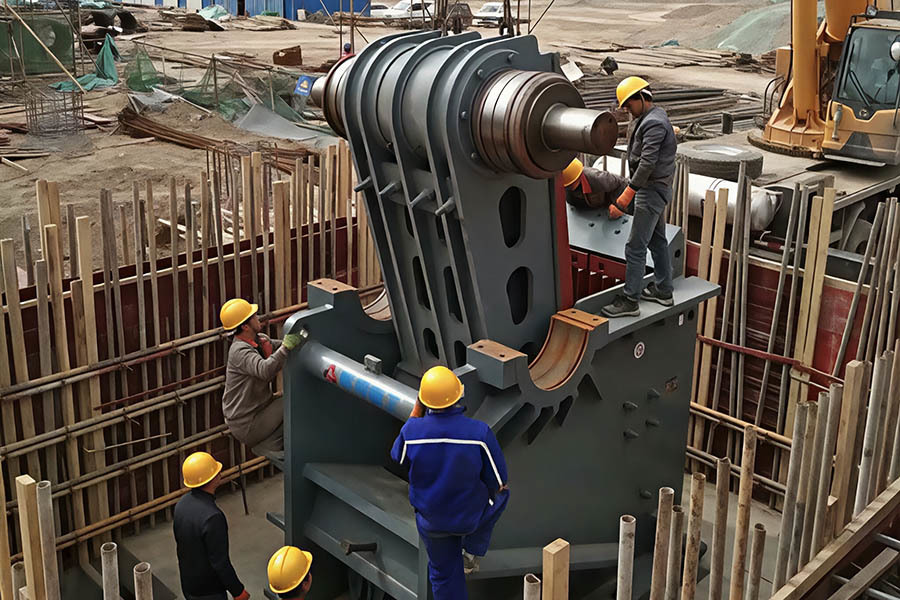
Figure 3: A production-line case site. Crusher selection should be checked against the actual feed, discharge, screen, and conveyor arrangement.
Comparison Table: PC vs PCX by Verified Specifications
| Criterion | PC Crusher | PCX Crusher | Line-fit note |
|---|---|---|---|
| Type | Hammer Crusher, with compact, standard, and heavy-duty configurations | New-Generation Strong Impact Hammer Crusher | Both are hammer-type crushers; the application note decides the fit. |
| Model range | PC-400×300 to PC-1600×1600 | PCX-0808 to PCX-1822 | PC has the broader capacity ladder and larger top-end models. |
| Capacity range | 30-50 t/h to 500-1000 t/h | 30-50 t/h to 250-350 t/h | Match the model to the required continuous output, not to the top number alone. |
| Discharge size | Below 10 mm to below 25 mm, depending on model | Below 10 mm to below 20 mm, depending on model | PCX is the tighter fine-crushing option in the listed models. |
| Motor power | 11-22 kW to 450-560 kW | 45 kW to 315 kW | Check the site transformer and starting arrangement. |
| Weight | 0.8 t to 76 t | Not specified in the provided LBZG data | Confirm lifting and foundation loads with the supplier. |
| Wear parts | High-manganese steel hammer head, cast steel rotor | High-manganese steel hammer head, cast steel rotor | Both need a hammer inspection and replacement plan. |
| Typical application note | Stone plant, cement, coal, mining, building-material fine crushing | Fine and tertiary crushing of limestone, coal, gypsum, shale, medium-hard materials | PCX fits the tighter fine-crushing duty; PC fits the heavier and larger-capacity duty. |
Table notes: all values above come from LBZG product records. The PCX weight is not stated in the provided data, so it is marked as not specified rather than estimated.
FAQ
What is the main difference between PC and PCX crushers in a stone crushing production line?
The PC Crusher is a heavy-duty hammer crusher family with models from PC-400×300 to PC-1600×1600. The PCX Crusher is a new-generation strong impact hammer crusher family with models from PCX-0808 to PCX-1822. The PC family covers a wider capacity ladder, up to 500-1000 t/h in the listed models, and discharge sizes from below 10 mm to below 25 mm. The PCX family is positioned for fine and tertiary crushing of limestone, coal, gypsum, shale, and medium-hard materials, with discharge sizes from below 10 mm to below 20 mm. Both use high-manganese steel hammer heads and cast steel rotors. The practical difference is the line duty: PCX for tighter fine crushing within its listed capacity, PC for heavier or larger-capacity hammer crushing duties.
Which one fits a 150 t/h limestone line with a below-10 mm product?
Review PCX-1212 at 80-160 t/h and below 10 mm, with 130-160 kW motor power. It is the closest listed model for that discharge target. If the screen can accept below 15 mm, PCX-1515 at 100-200 t/h and below 15 mm, or PC-1000×800 at 80-200 t/h and below 15 mm, can also be reviewed. For a below-10 mm product, the PCX-1212 should be the first model to check within the verified data. A sample test is still needed because actual throughput varies with feed size, material hardness, moisture, and wear condition.
Can PC or PCX crushers be used in basalt aggregate plants?
Basalt is hard and abrasive. LBZG's knowledge base recommends cone crushers for hard rock such as granite and basalt in secondary and tertiary crushing, and states that hammer crushers are not recommended for high-abrasion hard rock. The PC and PCX families are listed for medium-hard materials and specific fine-crushing duties, not as a universal hard-rock solution. For a basalt aggregate plant, the line should be reviewed as a whole, starting from the material hardness and the required product gradation. Do not force PC or PCX into a duty outside the verified application boundary.
What should I verify before ordering PC or PCX crushers?
Verify the feed size, target discharge, required continuous capacity, motor power, total weight and installation plan, screen and conveyor matching, dust-removal requirements, and wear-part plan. LBZG's catalog data is based on standard test conditions; actual throughput varies with material hardness, feed size, mud and moisture content, power supply stability, feeding continuity, and wear condition. Ask for a written configuration that states the model, capacity basis, discharge size, power, weight, and scope of supply. To discuss a sample test or a project-specific quote, contact Shandong Lianbang Heavy Industry Co., Ltd. at lbzg@lbcrusher.com or +86-158-6693-8525. You can also download the LBZG product brochure for the full product list.
Conclusion: Choose by Line Fit, Not by Name Alone
PC Crusher vs PCX Crusher is not a contest with one universal winner. It is a line-fit decision. Start with the crusher's stage, the feed size, the required discharge, and the continuous capacity. Then check motor power, weight, material hardness, supporting equipment, and wear-part plan. If the duty is fine or tertiary crushing of limestone, coal, gypsum, shale, or a similar medium-hard material and the target is below 10 mm or below 15 mm, the PCX models are the closer match. If the line needs a heavy-duty hammer crusher with a broader capacity ladder and a higher top capacity, the PC models deserve the first review.
Shandong Lianbang Heavy Industry Co., Ltd. supplies both families and can review the complete stone crushing production line, including the feeder, screen, conveyor, dust-removal system, electrical package, and spare-parts plan. Before purchase, ask for a sample test, a written configuration, and a clear statement of the capacity basis. That is the practical way to avoid a mismatch between the crusher and the line.
Next step: Send your feed size, target product size, required t/h, material type, and site voltage to LBZG for a line-fit review. You can contact the team at lbzg@lbcrusher.com or +86-158-6693-8525, visit www.sypsj.cn, or download the product brochure here: Shandong Lianbang Heavy Industry product brochure.
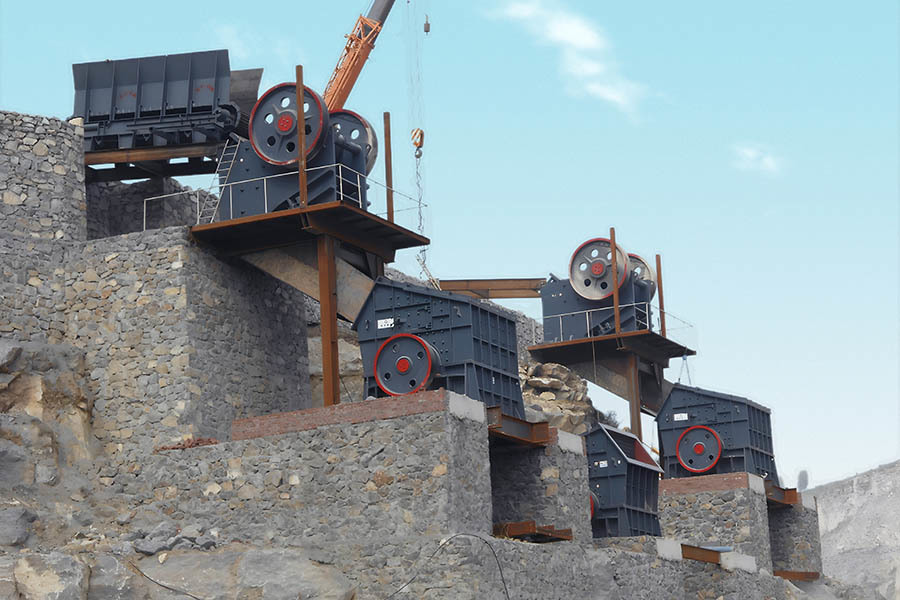
CTA image: a project site review helps confirm the crusher, screen, conveyor, and electrical package together.
Have Questions or Need More Details?
Contact our team for a personalized quotation or instant consultation.
Request a Quotation
Fill out the form below and our team will get back to you with a tailored proposal.
WhatsApp Direct Chat
Prefer to chat in real-time? Message us on WhatsApp for instant assistance & quick answers.
- Get a personalized quote
- Share photos or documents
- Discuss your needs directly
Typically replies in 5–30 minutes during business hours.