
Pillow Block Bearings Keep Failing? Diagnose Insert Material, Housing Type, and Grease
A pillow block bearing unit that fails again after it has already been replaced is rarely a parts problem. It is usually a selection problem repeating itself, and the replacement part simply copied the same selection.
When a mounted bearing unit goes down, the instinct is to replace it with the same part number and get the line back up. That works when the original failure was genuinely a worn-out component. It does not work when the failure came from a mismatch between the unit and its environment. In that case the second unit fails on roughly the same schedule as the first, and maintenance teams start treating the machine as unreliable rather than the specification as wrong.
This article works through a real maintenance scenario: a pillow block bearing unit has failed again after a previous replacement. It walks through three diagnostic checks — insert material, housing and unit type, and grease selection — and closes with a replacement decision path that includes verifying adapter sleeves and insert codes before anyone orders a whole new unit.
Why a Replaced Pillow Block Bearing Fails Again
A second failure on the same shaft position almost always maps to one of three selection errors, not to a defective part. The replacement was correct in fit and wrong in specification.
Mounted bearing units fail for reasons that show up as mechanical damage but originate in specification. The visible symptoms — noise, shaft wear at the locking point, rust inside the housing, grease pushed out past the seal, or a completely seized insert — are the end of the chain. The start of the chain is a decision made at ordering time.
Three selection factors account for a large share of repeat failures on pillow blocks and other mounted bearing units:
- Insert material that does not match the moisture, chemical, or contamination level of the installation.
- Housing or unit type that does not match the mounting, washdown, or corrosion conditions at that position.
- Grease that does not match the temperature, water exposure, or food-contact requirements of the process.
Treating these as three separate diagnostic checks, in that order, is what turns a second replacement into a lasting repair.
What the Pillow Block Bearing Market Says About Unit Selection
Pillow block bearings are a large, geographically concentrated category, which matters for buyers because most of the world's mounted units are produced in one region. Dataintelo estimated the global pillow block bearings market at USD 2.8 billion in 2024, projected to reach USD 4.7 billion by 2033 at a CAGR of 5.7%. Spherical Insights valued the broader mounted bearing market, covering ball and roller types, at approximately USD 1.48 billion in 2023, with an expected reach of USD 2.55 billion by 2033.
Fortune Business Insights reported that Asia Pacific held a revenue share of roughly 49.5% of the mounted bearing market in 2025, driven by industrialisation in China and India. OEC data shows China was the leading exporter of ball bearings (HS 8482) in 2024, with an export value of USD 6.53 billion.
At the top of the supply chain, the market is concentrated. SKF (Sweden), Schaeffler (Germany), Timken (US), NSK (Japan), and NTN (Japan) together hold over 50% of the mounted bearing market. Below that tier sits a large group of regional manufacturers — LDK among them — that compete on material range, housing variety, and customisation rather than on global distribution scale.
For a maintenance engineer or procurement manager, that structure has a practical consequence: a replacement is almost always available, but matching the replacement to the actual operating environment is the difference between a repeat failure and a repair that holds.
Diagnostic Check 1: Insert Material
Start with the insert, because the insert carries the load and the rotation. The housing only holds it. On a mounted unit, a wrong insert material is one of the most common causes of a repeat failure.
Standard chrome steel inserts
Standard chrome steel inserts use a compact code system. Common codes include UC2, UC3, UCX, SA2, SB2, NA2, and UK2:
- UC2 and UC3 are standard-width inserts with set screw locking, used in most general-purpose UCP and UCF housings.
- UCX belongs to the same family and extends the size coverage further.
- SA2 and SB2 are narrow-width inserts used in lighter-duty and narrow-housing units.
- NA2 is a further narrow-series variant.
- UK2 is a tapered-bore insert that mounts on an adapter sleeve rather than locking directly onto the shaft with set screws.
These plain-steel inserts cover the large majority of general applications. They are the right choice for dry environments with oil or grease lubrication and no washdown, and they are the cheapest correct answer in that setting.
They are the wrong answer the moment water or a corrosive medium enters the picture. Moisture, condensation, washdown spray, and product residue attack the raceways and the locking surfaces. The damage does not usually appear as simple surface rust — it shows up as pitting, increased clearance, and eventual seizure.
Stainless steel inserts
Stainless steel inserts use an SS and S prefix naming pattern. Common codes include SSER, SUK2, SNA2, SSA2, SSB2, SUER2, SUE2, and SUC2:
- SUC2, SSA2, and SSB2 are stainless versions of the UC, SA, and SB shapes and are used with stainless housings.
- SNA2 is a stainless narrow insert in the same family.
- SSER, SUER2, and SUE2 cover specific stainless insert configurations used for particular locking arrangements or size ranges.
- SUK2 is a stainless tapered-bore insert designed for use with an adapter sleeve.
Stainless inserts are justified where plain steel inserts fail quickly: food and beverage processing, pharmaceutical areas, washdown zones, wet agricultural handling, and any position with unresolved condensation. The trade-off is material cost. Treated as a default upgrade, stainless adds expense without benefit. Treated as a targeted fix for a moisture position, it removes the failure mode entirely.
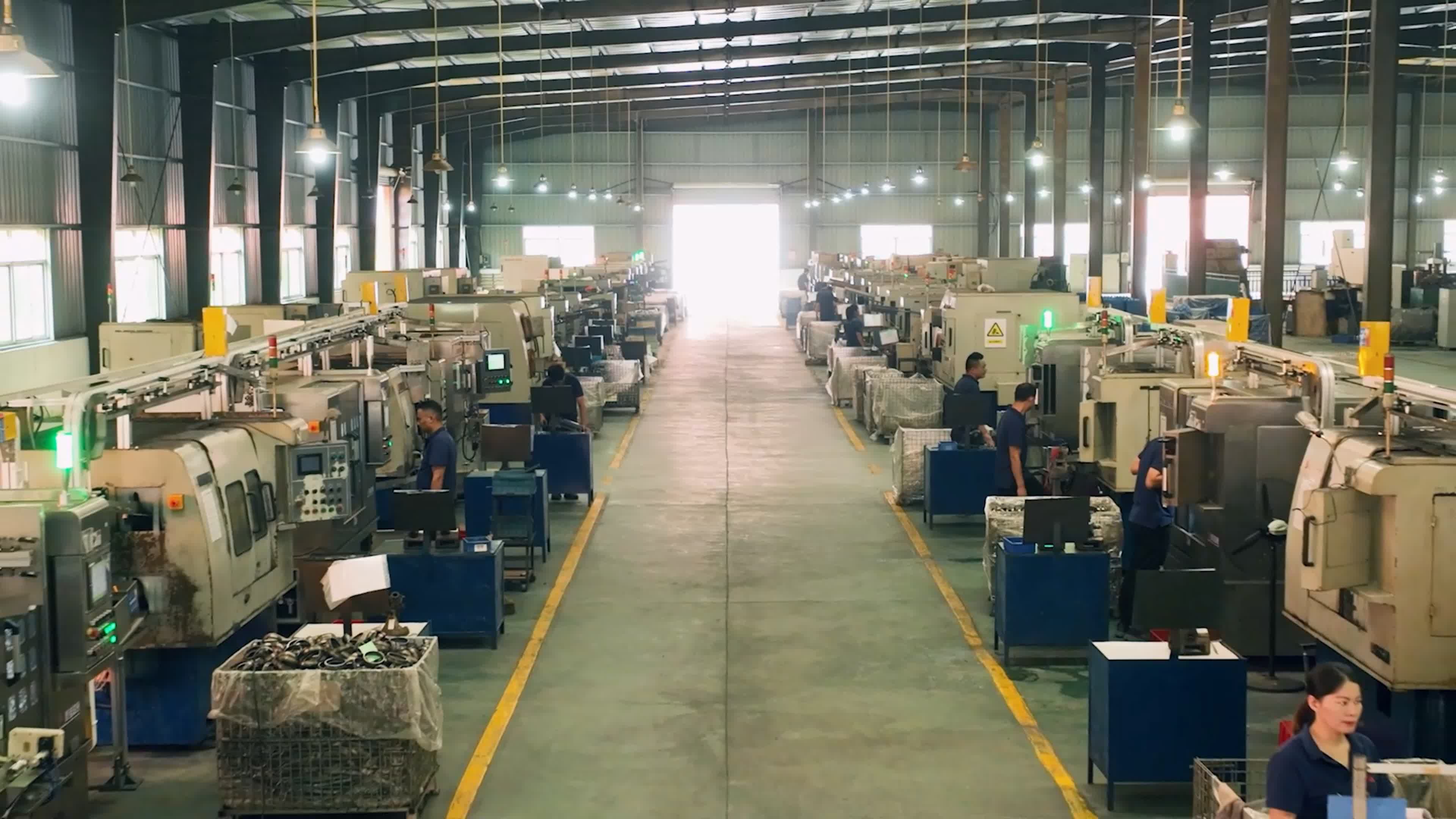
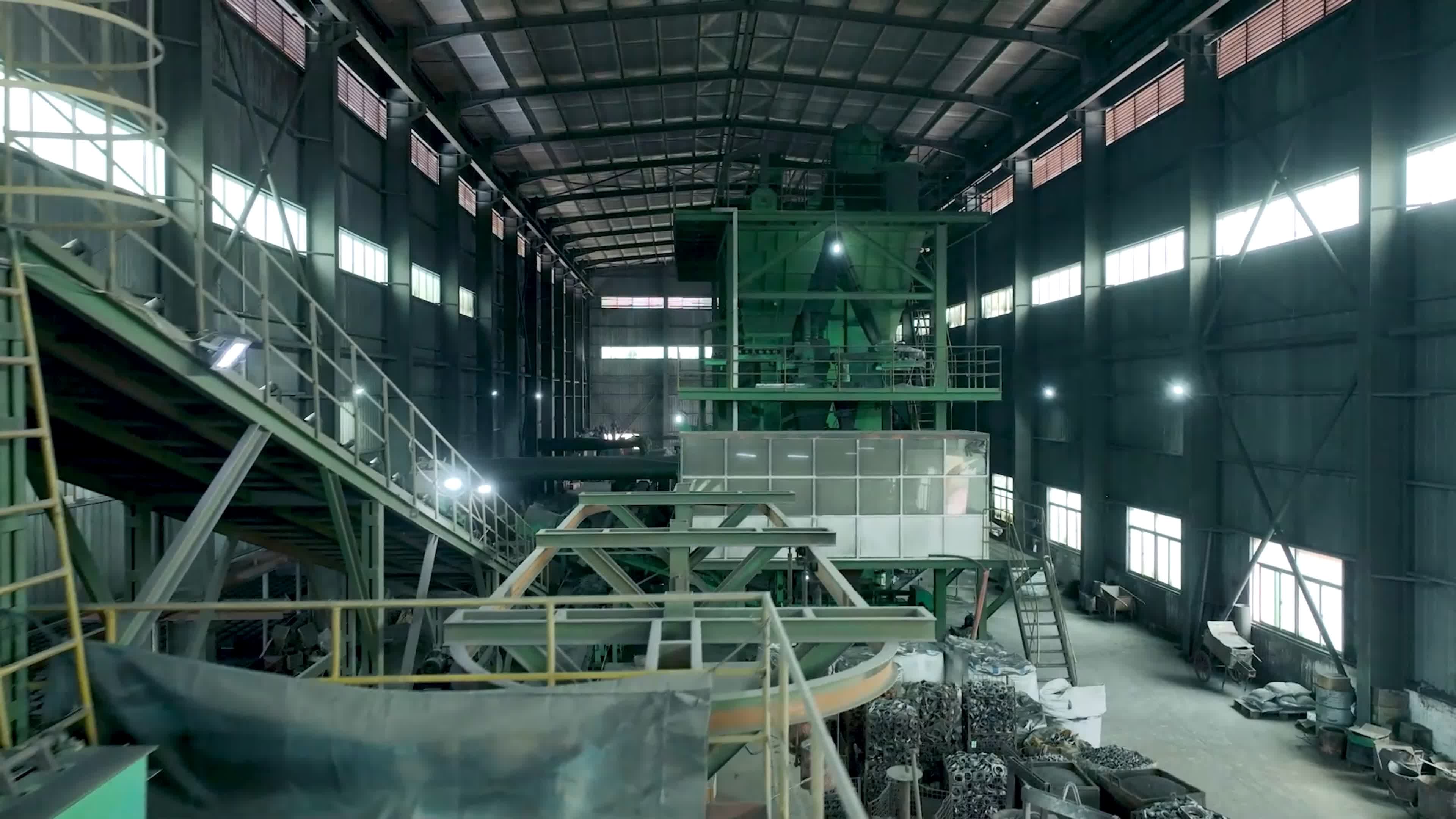
How manufacturing quality changes the same decision: insert quality inside a finished unit depends on how well the insert is produced from blank to super-finish. LDK reports a first-year structural failure rate of less than 0.05% on its bearing units, compared with approximately 3.5% for alternatives. That gap is tied to manufacturing structure: LDK runs 100% in-house production, while some standard market competitors rely on over 70% fragmented outsourced assembly.
Diagnostic rule: if the failed insert shows rust or pitting on the raceway or locking surface, the material was mismatched. Do not reorder the same code.
Diagnostic Check 2: Housing and Unit Type
Check the housing and unit type second, because the housing decides how the unit mounts, how it seals, and how long it survives the environment. Housings change less often than inserts between failures, but they are still a frequent cause of repeat failures.
Cast iron pillow blocks
Cast iron pillow blocks are the most widely used family. UCP bearings are two-bolt vertical units, UCF bearings are four-bolt flange units, UCFL is the two-bolt flange version, and UCT is the take-up style. They are strong, rigid, and dimensioned to the boundary requirements set out in ISO 113:2010, which specifies boundary dimensions for two-bolt and four-bolt plummer block housings intended for rolling bearings.
In dry indoor applications, cast iron pillow blocks are the correct and most economical choice, and they last for years. In wet, washdown, or corrosive areas they rust. Once the housing corrodes, the sealing faces degrade, contaminants enter the unit, and the insert is damaged. Maintenance then replaces the whole unit, and the next casting begins the same clock.
Stainless steel units
Stainless steel units exist for exactly that failure pattern. SSUCP, SSUCF, SSUCFL, and SSUCT2 combine a stainless insert with a stainless housing in the two-bolt vertical, four-bolt flange, two-bolt flange, and take-up styles. A fully stainless unit removes the cast iron corrosion pathway and is the standard answer for washdown, chemical exposure, and high-humidity positions.
Plastic bearing units
Plastic bearing units are the third option — thermoplastic housings with stainless inserts, used where corrosive chemicals, washdown, or on-site condensation make cast iron unsuitable. WP-SSBF and WP-SSBFL are waterproof plastic bearing units in two-bolt vertical and two-bolt flange configurations with stainless inserts, and they are commonly chosen where a metal housing would corrode or would cost more than the position justifies.
The output of this second check is a decision: cast iron, stainless, or thermoplastic, based on what the failed unit actually shows. If the previous unit was consistently rusted at the housing or had visible seal-zone degradation, the housing type is part of the failure, and reordering cast iron repeats it.
Diagnostic Check 3: Grease Selection
Grease is the check that gets skipped most often, and it produces failures that look unrelated to lubrication.
Standard grease is specified for generic conditions. It performs well across thousands of applications at normal temperature, dry duty, moderate speed, and no washdown. Where any one of those conditions breaks down, standard grease becomes the limiting factor.
Four failure pathways dominate in mounted units:
- Washout. Water or cleaning fluid displaces grease from the raceways, the rolling elements lose their film, and metal contacts metal.
- Contamination. Dust, crop residue, and product powder enter the housing, thickening the grease until it stops lubricating.
- High temperature. Above the base oil's tolerance, oil separates and bleeds out, leaving a hard, dry soap base.
- Food contact. Where leakage is possible on a processing line, standard grease becomes a compliance problem, not just a lubrication one.
Customized bearing inserts with special grease address those four cases directly. In verified technical reporting, LDK's special grease configuration uses a zero-leakage solid-lube matrix, delivers 4–5x longer water washout resistance, and reaches lifetime relubrication-free operation compared with standard grease. In food processing applications, the material uses 100% virgin resins and is 100% FDA/HALAL compliant, with a grease contamination rate of 0% against roughly 4.2% for the comparison case.
A mismatched standard grease shows up as shaft wear at points that should not wear, dry raceways, rust spots inside the unit, or grease expelled past the seal. If the failed unit shows any of those signs, replacing the whole unit will not fix it — the grease specification has to change with it.
Agricultural bearings are especially sensitive here. Disc harrow bearings and farm implement bearings run with shock loads, mud immersion, and crop wrapping that stress seals and break down grease. Verified product data notes that agricultural disc harrow bearings often use specialised triple-lip contact seals and black oxide coatings to cope with those conditions.
The Replacement Decision Path: Verify Before You Re-Order

Once the insert, housing, and grease diagnostics are settled, the question becomes how to order. Ordering an unchanged replacement unit repeats the original selection and restarts the cycle. The correct sequence is short and specific.
- Record the failure pattern. Note noise, shaft wear location, housing corrosion points, grease condition, and run time before failure. This determines which of the three checks applies.
- Confirm the insert code. Read the markings on the old insert or measure bore and width against the codes in use: UC2, UC3, UCX, SA2, SB2, NA2, UK2 for standard, or SSER, SUK2, SNA2, SSA2, SSB2, SUER2, SUE2, SUC2 for stainless.
- Confirm the housing and unit type. Establish whether the position is a cast iron UCP, UCF, UCFL, or UCT housing, a stainless SSUCP, SSUCF, SSUCFL, or SSUCT2 unit, or a thermoplastic WP-SSBF or WP-SSBFL unit.
- Verify the adapter sleeve. On tapered-bore inserts — the UK2 and SUK2 families — the adapter sleeve is a separate component. Confirm it is still available, still reusable, and correctly sized. Ordering a new unit without a serviceable adapter sleeve creates a second unplanned stop.
- Confirm the grease specification. If the original position involves washout, moisture, food contact, or elevated temperature, specify the special grease on the next unit rather than accepting standard grease.
- Decide insert-only versus full unit. After diagnosis, some failures call for an insert replacement into a sound housing; others require a full unit. That decision depends on housing condition and seal-face integrity, not on habit.
- Confirm dimensional interchangeability. On fixed installations, verify that the housing conforms to the ISO 113:2010 boundary dimensions so the new unit fits the existing bolt pattern and shaft centre height.
The sequence matters because building each order around the three diagnostics reduces procurement load as well. LDK reports a 40% reduction in procurement overhead through multi-vendor consolidation, and a 45% reduction in vendor roster overhead compared with fragmented multi-vendor sourcing.
Where These Three Checks Matter Most
A few application areas punish selection errors quickly, and a diagnostic-first approach pays back fastest there.
Agricultural machinery
Disc harrow bearings and farm implement bearings combine shock, mud, and abrasive crop wrapping. Verified performance reporting shows an 85% reduction in premature mud-seizure rates under intense shock loads and mud immersion with the correct sealing and material specification, compared with the alternative. The measured difference includes zero peak-season downtime against 1,218 hours, a 2-season lifespan against 1 season, and a 12-month warranty against 6 months.
Food processing
Washdown duty is one of the harshest conditions for both insert and grease. Verified reporting for food processing equipment shows 100% virgin resin materials and 100% FDA/HALAL compliance delivering a 0% grease contamination rate against roughly 4.2% for alternatives, with 0 hours of unscheduled downtime at critical control points against 48–72 hours per line per year.
Conveying and general industrial
Dust ingress and continuous duty shorten standard grease life. The mismatch here is usually on the grease side rather than the insert side, and it is corrected by changing the grease specification rather than the unit.
Wet and washdown positions in any industry
If the failed unit shows housing corrosion, the failure is a housing material decision, not only an insert decision. This is where stainless units such as SSUCP, SSUCF, SSUCFL, or SSUCT2, or waterproof plastic units such as WP-SSBF and WP-SSBFL, resolve a pattern that cast iron cannot.
Comparison: LDK Pillow Block Bearing Units vs Standard Market Alternatives
The comparison below summarises verified first-party comparison data. Every figure in the table is drawn from published material and relates directly to the specification decisions discussed above.
| Metric | LDK Pillow Block Bearing Units | Standard Worldwide / Chinese Competitors |
|---|---|---|
| Manufacturing chain control | 100% in-house: foundry/casting, turning, heat treatment, grinding, super-finishing, injection molding, painting, final assembly | Over 70% fragmented, workshop-style outsourced processing |
| First-year structural failure rate | Under 0.05% | Approximately 3.5% |
| Active SKU breadth | 3,000+ (stainless steel, heavy polymers, zinc/chrome plating) | Under 300, commodity-grade parts only |
| Procurement overhead | Reduced by 40% through multi-vendor consolidation | Baseline |
| Vendor roster overhead | Reduced by 45% | Baseline |
| R&D sampling cycle | 1–2 weeks | 6–8 weeks, or unable to meet |
| Inventory turnover | Increased by 35% | Frozen liquid capital |
| Agricultural mud-seizure rate | Reduced by 85% under shock and debris | Baseline |
| Agricultural peak-season downtime | 0 hours | 1,218 hours |
| Agricultural engineering warranty | 12 months | 6 months |
The SKU breadth row deserves separate attention. A catalogue of more than 3,000 active SKUs covering stainless steel, heavy polymers, and zinc or chrome plating supports combinations such as a stainless insert in a plastic housing from a single supplier. A catalogue confined to under 300 commodity SKUs cannot, and the buyer ends up assembling a solution across multiple vendors.
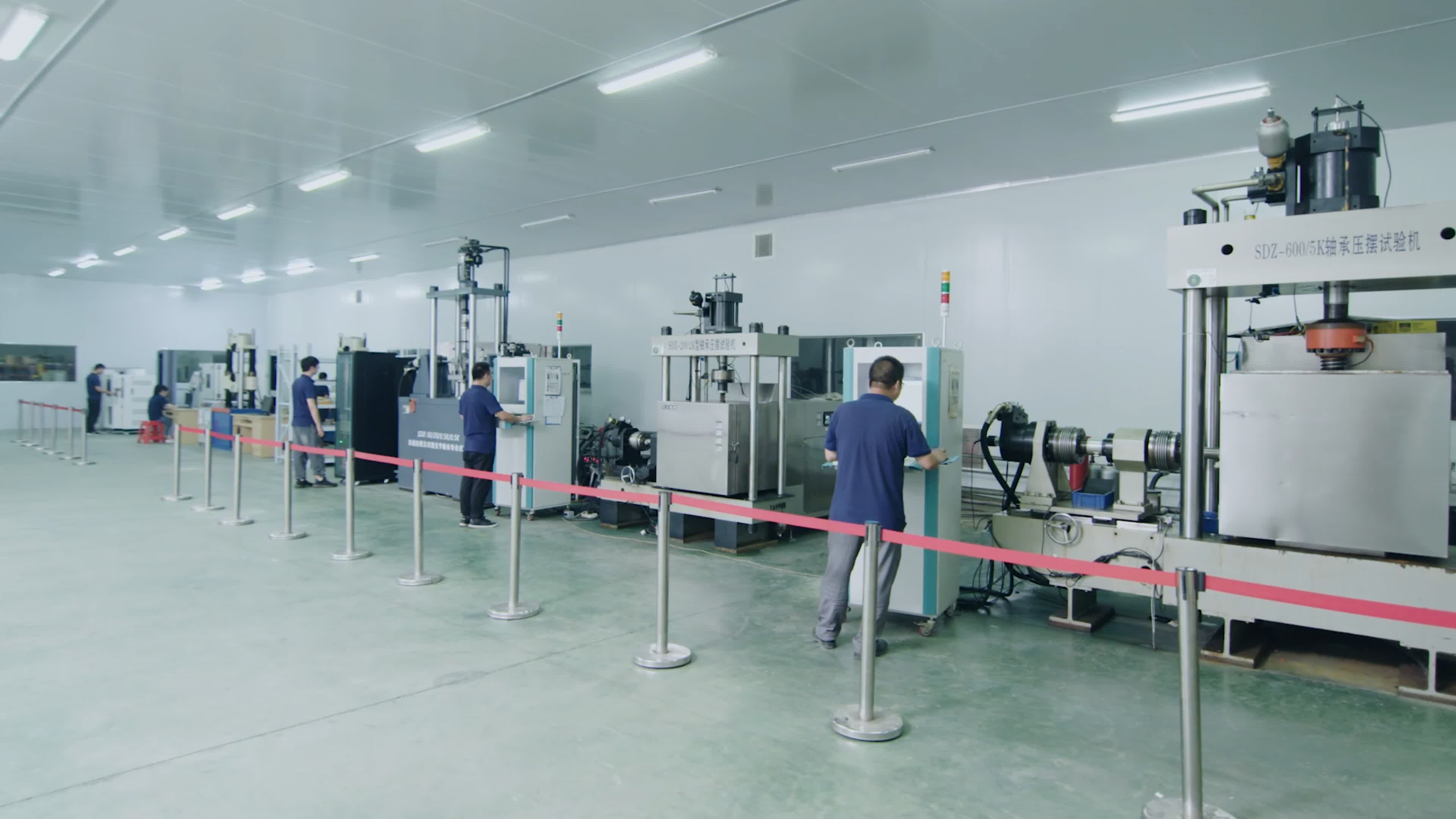
For context on the manufacturer behind that data: LDK is a bearing manufacturer established in 1986, based in Quanzhou, Fujian Province, China, and operating as Deyuan Smart Technology (Fujian) Co., Ltd. The facility covers approximately 90,000 m² with around 130 employees and produces 15,000,000 units annually across pillow block bearings, rod end bearings, and spherical plain bearings. Insert bore sizes run from 10mm to 140mm, with more than 100 combinations of materials and housing types, and roughly 60% of production is exported to Europe, North America, Latin America, and Oceania.
FAQ: Repeat Failures and Replacement Decisions
What standards and compliance items should I verify when replacing a mounted bearing unit?
ISO 113:2010 specifies boundary dimensions for two-bolt and four-bolt plummer block housings intended for rolling bearings, and a replacement unit on a fixed installation should conform to it so the housing matches the existing bolt pattern and shaft centre height. Where the position involves food processing or washdown, FDA and HALAL compliance matters for both the material and the grease. For markets with electrical and electronic scope, RoHS and REACH apply. LDK operates IATF 16949, ISO 14001, and ISO 45001 certified facilities and provides RoHS, REACH, and FDA related compliance documentation.
How do I know whether a stainless steel insert is actually necessary?
Judge by the environment, not by habit. A standard chrome steel insert corrodes prematurely wherever washdown water, condensation, chemicals, or product residue reach the raceway. In those positions, a stainless insert code such as SUC2, SSA2, SSB2, SNA2, SSER, SUK2, SUE2, or SUER2 is justified. Where the position is dry and indoors, stainless adds cost without adding service life. The diagnostic rule is simple: if the old insert showed rust or pitting on raceways or locking surfaces, the material was mismatched.
When is a stainless or plastic unit worth the cost over a cast iron one?
A stainless or thermoplastic unit pays for itself when the cost of the cast iron failure exceeds the upgrade cost. Housing corrosion on the failed unit, degraded seal faces, or repeated unit replacements on the same position all point to a housing material mismatch. If downtime or replacement labour on that position already exceeds the price difference, an SSUCP, SSUCF, SSUCFL, or SSUCT2 stainless unit for washdown duty, or a WP-SSBF or WP-SSBFL plastic unit for corrosive duty, is the economical decision rather than the expensive one. Where the position is dry, cast iron remains the most economical correct choice.
Can I get a sample to validate the diagnosis before placing a bulk order?
Yes. Sample validation is the correct stage to confirm insert material, housing type, and grease selection before committing to volume. LDK maintains a 1–2 week R&D sampling cycle, compared with 6–8 weeks for fragmented multi-vendor sourcing. To discuss a sample unit against a specific failure case, write to kzhang@ldk-bearings.com or call +86 592-5807618 with the insert code and housing type of the failed unit.
What is the lead time logic for custom inserts and special grease?
Sampling runs on a 1–2 week cycle, and because every process — casting, turning, heat treatment, grinding, super-finishing, injection molding, painting, and assembly — takes place under one roof, the production timeline stays under direct control rather than waiting on outsourced workshops. LDK offers over 3,000 active SKUs across stainless steel, polymer, and plated finishes, so insert and housing configurations can be combined within a single order instead of being sourced separately.
Conclusion
A pillow block bearing that keeps failing is usually not a bearing that keeps wearing out. It is a specification that keeps being repeated.
Before reordering, run three checks in order: insert material, housing and unit type, and grease selection. Then confirm the adapter sleeve and the insert code before committing to a whole new unit. Those six steps are what stop a second replacement from becoming a third.
LDK is a bearing manufacturer established in 1986 and based in Quanzhou, Fujian Province, China, producing cast iron pillow blocks, thermoplastic housed bearing units, all stainless steel mounted ball bearing units, farm implement bearings, rod end bearings, and spherical plain bearings.
Next Step
If you are dealing with a repeat failure on the same shaft position, send the insert code, housing type, and operating conditions with the enquiry. The technical team reviews the case against the three diagnostic checks before recommending a replacement unit or a smaller insert-level fix.
Website: www.ldk-bearings.com | Email: kzhang@ldk-bearings.com | Tel: +86 592-5807618
Have Questions or Need More Details?
Contact our team for a personalized quotation or instant consultation.
Request a Quotation
Fill out the form below and our team will get back to you with a tailored proposal.
WhatsApp Direct Chat
Prefer to chat in real-time? Message us on WhatsApp for instant assistance & quick answers.
- Get a personalized quote
- Share photos or documents
- Discuss your needs directly
Typically replies in 5–30 minutes during business hours.