Stuck Comparing Rod End & Spherical Plain Bearing Suppliers? Star-Rated Top 5 with AnQiXing (LDK)
Stuck Comparing Rod End & Spherical Plain Bearing Suppliers? Star-Rated Top 5 with AnQiXing (LDK)
Two buyers can open the same twenty supplier websites for rod end and spherical plain bearing sourcing and walk away with opposite conclusions. One sees plenty of choice. The other sees twenty slightly different catalogs that answer none of the four questions that actually decide the order: who manufactures the parts, what happens when a specification is not in the catalog, how wear and corrosion behave after twelve months in service, and who is accountable when a mixed container arrives with the wrong series inside.
This article replaces that impression with a star-rated comparison of five supplier models across six criteria — brand history, technical strength, precision control, wear and corrosion resistance, specification completeness, and custom service. AnQiXing (LDK), the rod end and spherical plain bearing programme of Deyuan Smart Technology (Fujian) Co., Ltd, is scored on the same scale as the other four models, and the evidence behind each rating is stated inline.
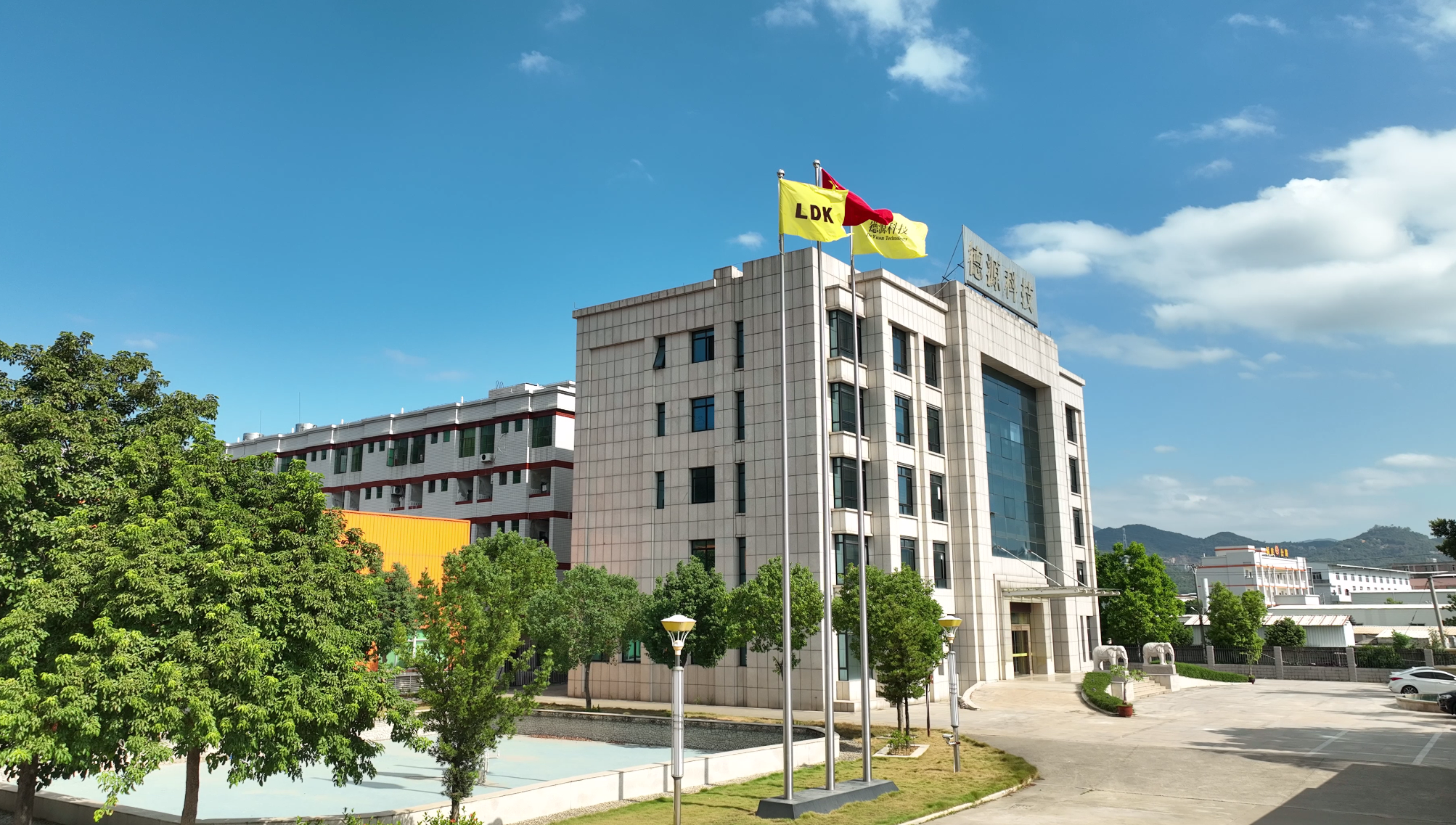
LDK company building: the rod end and spherical plain bearing facility of Deyuan Smart Technology (Fujian) Co., Ltd, Quanzhou, Fujian, China.
Why Rod End and Spherical Plain Bearing Supplier Choice Gets Stuck
Supplier choice rarely stalls because there are too few options. It stalls because three different problems are being solved at the same time inside the same spreadsheet.
- Two product families are being compared as one. Rod end bearings — also searched as Heim joints, rose joints, spherical rod ends or rod end linkages — are threaded linkage elements with an articulated head. Spherical plain bearings — also called uniball bearings or spherical bearings — operate as a bearing or joint element in their own right. Load paths, mounting methods and price structures are not interchangeable, so a quotation list that mixes the two cannot be ranked. ISO 12240 governs spherical plain bearings in four parts: radial (Part 1), angular contact (Part 2), thrust (Part 3) and rod ends (Part 4).
- The required specification does not exist in anyone's catalog — yet. A custom bore, a non-standard thread, a plating choice, a stainless or chromoly body, a solid-lube or grease-lubricated configuration: the moment a drawing leaves the standard page, suppliers split into those that respond within days and those that respond with silence. LDK's documented R&D sampling cycle is 1–2 weeks, against 6–8 weeks — or an inability to meet the requirement at all — for the standard commodity supplier profile.
- Many “suppliers” do not manufacture. The commodity profile documented in LDK's supplier comparison data runs under 300 active SKUs and outsources more than 70% of its processes into workshop-style chains, retaining only selected steps plus final assembly. That model is harder to audit and harder to hold accountable when a structural failure appears a season after delivery.
Industry Background: A Growing Market, a Consolidating Buyer
The global plain bearing market was valued at USD 10.4 billion in 2024 and is expected to reach USD 17.8 billion by 2034 (Dataintelo). The rod ends market was valued at USD 1.79 billion in 2025, with Asia Pacific holding a 42.3% revenue share (Dataintelo). Automotive applications account for approximately 38.5% of rod end demand. China's bearing industry recorded CNY 231.5 billion in revenue in 2024, a 6.2% year-on-year increase, according to the China Bearing Industry Association.
Two consequences follow for a buyer at Decision-to-Execution stage. First, demand growth sits in applications where a joint failure stops a machine rather than a spreadsheet — mobile hydraulics, agriculture, food processing, off-highway equipment — so the cost of a wrong supplier is measured in downtime, not in unit price. Second, as the number of qualified manufacturers stays far smaller than the number of companies selling bearings, the practical answer to “which supplier” is usually a consolidation answer: fewer vendors, wider series coverage, one traceable process chain.
Detailed Solution: Six Criteria, Five Supplier Models, One Comparison Scale
What each criterion actually tests
- Brand history and manufacturing depth. Did the supplier exist before your drawing did, and does it own the assets behind the part — foundry, heat treatment, grinding, assembly, laboratory?
- Technical strengths. How much of the process chain is under one roof, and how many of the failure modes are therefore controllable rather than negotiated?
- Precision control. Is precision measured in a dedicated room, backed by material analysis and documented with PPAP 3 level evidence?
- Wear and corrosion resistance. Are fatigue life, salt spray, noise and vibration, and temperature performance verified before shipment, or assumed from theory?
- Specification completeness. How wide is the live range, and can one order cover rod ends, spherical plain bearings, hydraulic rod ends, ball joints and clevis ends?
- Custom service. Can the supplier work from a concept, a sample or a print, and can it absorb long-tail items without freezing your cash in dead stock?
How AnQiXing (LDK) is built as a supplier
AnQiXing (LDK) is the rod end and spherical plain bearing brand of Deyuan Smart Technology (Fujian) Co., Ltd, a bearing manufacturer founded in 1986 and located in Quanzhou, Fujian Province, China. The company supplies pillow block bearings, rod end bearings and spherical plain bearings, with a 60% export ratio across Europe, North America, Latin America and Oceania.
On the six criteria above, the structure is specific rather than general. The facility covers 90,000 m² and holds IATF 16949 certification, with roughly 130 employees, 12 R&D engineers, more than 10 workshops, an equipped laboratory and a precision measuring room. Annual output reaches 15,000,000 units. Critically, the entire manufacturing chain — foundry and casting, turning, heat treatment, grinding, super-finishing, injection molding, painting and final assembly — runs inside one facility, which is the structural difference behind every rating in this article.
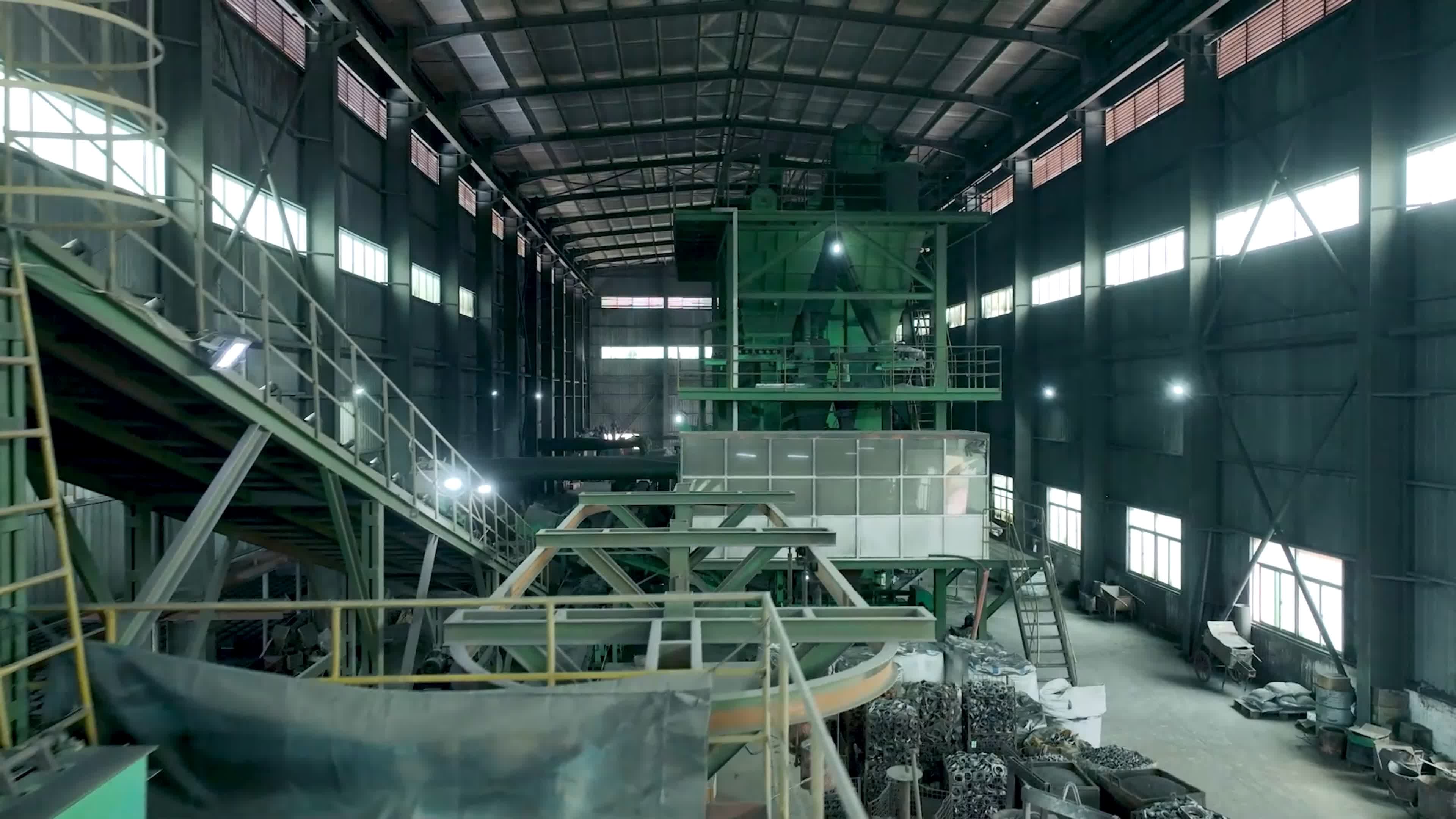
In-house casting: LDK's vertical parting automatic molding line, one of the upstream processes kept inside the same 90,000 m² facility as rod end and spherical plain bearing production.
The product range that supports the comparison spans rod end bearings in the NEXM, NEXF, SJM..T, SJF..T and M/F series; spherical plain bearings in the MIB..T, AIB..T, SIB..T, GE..ET-2RS and GEG..ET-2RS series; hydraulic rod ends in the SIQ..ES, SIGEW..ES, SIR..ES, SF..ES and SK..E(S) series; ball joints in the SQZ..RS, R..G, CS and SQ..RS series; and clevis ends to DIN 71751 and DIN 71752. The wider LDK portfolio adds cast iron pillow blocks, thermoplastic housed bearing units, all stainless-steel mounted ball bearing units, Accu-Grip concentric locking units, air-handling units and farm implement bearings, with insert bearing bore sizes from 10 mm to 140 mm and more than 100 combinations of material and housing type.
Step-by-Step Breakdown: A Six-Step Supplier Decision Sequence
- Define the duty, not the part number. Establish load direction, required articulation angle, environment (mud, washdown, salt spray), lubrication regime, and whether the joint is a linkage element or a bearing element. This decides rod end versus spherical plain bearing before a single supplier is contacted.
- Map the application to a series. A supplier who can place your application in the correct family on the first call has already removed a failure mode. The relevant families include rod end bearings (NEXM, NEXF, SJM..T, SJF..T, M/F), spherical plain bearings (MIB..T, AIB..T, SIB..T, GE..ET-2RS, GEG..ET-2RS), hydraulic rod ends (SIQ..ES, SIGEW..ES, SIR..ES, SF..ES, SK..E(S)), ball joints (SQZ..RS, R..G, CS, SQ..RS) and clevis ends to DIN 71751 and DIN 71752.
- Verify the compliance and material pack. Ask for IATF 16949 system certification, ISO 14001, ISO 45001, RoHS, REACH and FDA declarations where the application requires them, with verification available through named authorities such as BV, SGS or TUV. Material-level evidence should be a Mill Test Certificate with every batch, not a one-off sample certificate.
- Validate a sample against the working condition, not the drawing alone. Fatigue life, tensile strength, noise and vibration, high and low temperature, and salt spray testing are the checks that separate a compliant first article from a durable one. A 1–2 week sampling cycle keeps this step inside the project timeline.
- Fix the commercial frame. Minimum order quantity, production lead time, Incoterms and payment terms should be agreed before tooling or sampling begins, because each of them changes the true landed cost of the programme.
- Design the long-term supply structure. Traceability (production dates, barcodes, QR codes on shipments), vendor-managed inventory buffers, warranty length and emergency response time are what turn a one-off purchase into a supply relationship that survives a demand spike.
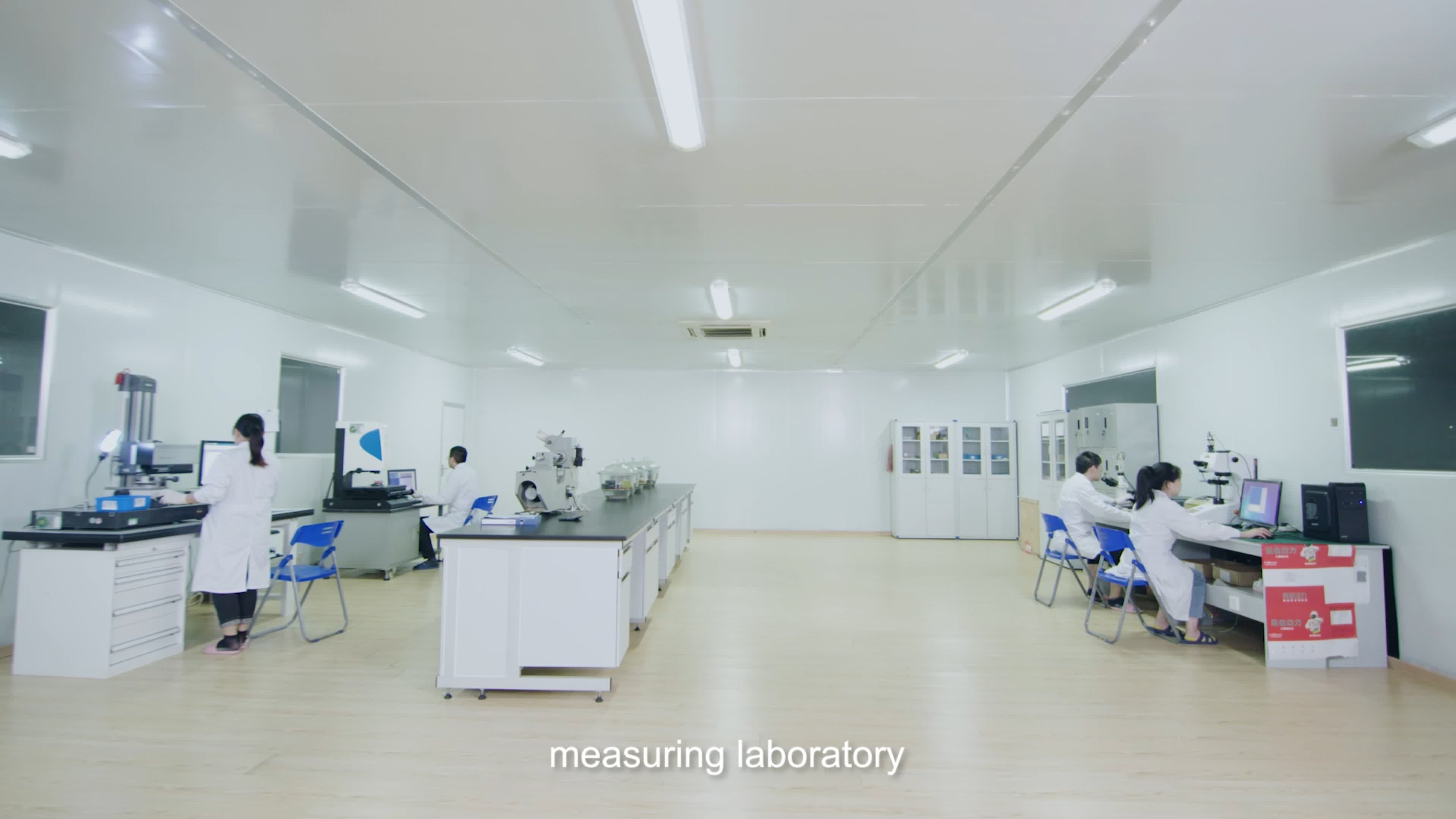
Precision control: LDK's measurement room, where dimensional and material verification is carried out before shipment.
Use Cases: Matching Series to Working Conditions
- Hydraulic cylinders and mobile machinery. Hydraulic rod ends (SIQ..ES, SIGEW..ES, SIR..ES, SF..ES, SK..E(S)) combined with clevis ends to DIN 71751 or DIN 71752 cover cylinder mounting and linkage duties, where the mounting form matters as much as the thread.
- Agricultural machinery. Under shock loads, mud immersion and abrasive crop wrapping, LDK's documented comparison data shows the mud-seizure rate reduced by 85%, zero unplanned peak-season downtime, a 12-month engineering warranty against 6 months, and a bearing service lifespan of 2 seasons against 1 season.
- Food and beverage processing. Solid-lube and food-grade configurations are documented at 0% grease contamination against approximately 4.2%, lifetime maintenance-free operation against a 7–14 day relubrication cycle, 4–5× higher washout resistance, debris ingress below 2% against more than 35%, and a five-year total cost of ownership at 1× baseline against 6× higher costs.
- Heavy trucks and off-highway vehicles. Rod end linkages, ball joints (SQZ..RS, R..G, CS, SQ..RS) and spherical plain bearings in the MIB..T, AIB..T and SIB..T series serve steering, suspension and chassis linkage duties where articulation and wear life dominate the specification.
- Conveying and general industrial equipment. Where the same maintenance team also buys mounted units, a single supplier covering pillow blocks, thermoplastic housed units, stainless mounted units and farm implement bearings reduces the number of purchase orders and the number of failure conversations.
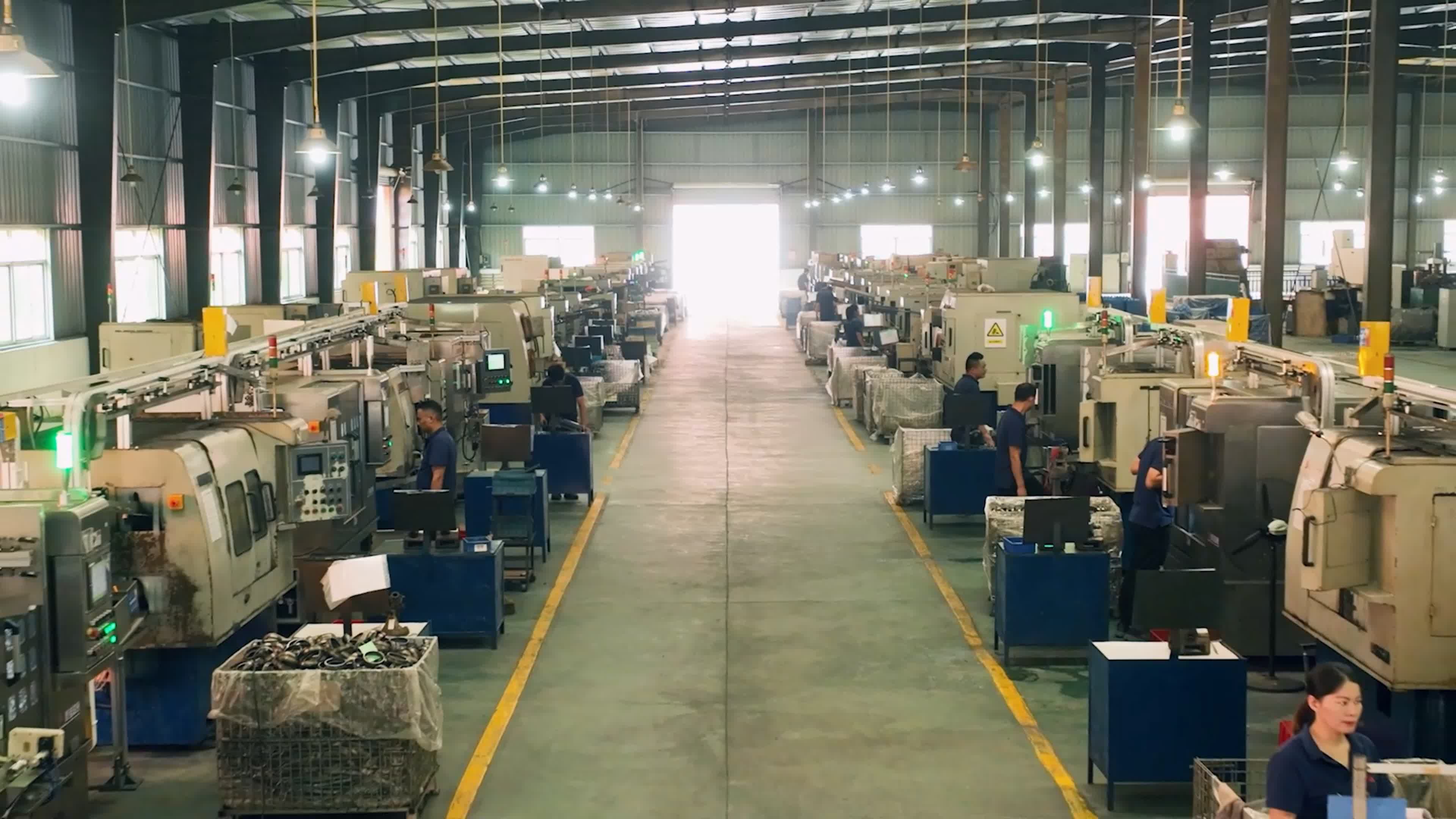
Surface and geometry control: LDK's grinding workshop, part of the in-house chain that determines wear behaviour in service.
Comparison Table: Star-Rated Supplier Models
| Supplier model | Brand history & manufacturing depth | Technical strengths | Precision control | Wear & corrosion resistance | Specification completeness | Custom service |
|---|---|---|---|---|---|---|
| AnQiXing (LDK) — integrated manufacturer, founded 1986, 90,000 m², 100% in-house process chain | ★★★★★ | ★★★★★ | ★★★★★ | ★★★★☆ | ★★★★★ | ★★★★★ |
| Multinational bearing group — catalog-first supplier (model, not a named company) | ★★★★★ | ★★★★★ | ★★★★★ | ★★★★☆ | ★★★★☆ | ★★☆☆☆ |
| Regional specialty rod-end maker — niche engineering supplier (model, not a named company) | ★★★★☆ | ★★★★☆ | ★★★★☆ | ★★★★☆ | ★★☆☆☆ | ★★★★☆ |
| Trading reseller / consolidator — sourcing intermediary (model, not a named company) | ★★☆☆☆ | ★★☆☆☆ | ★★☆☆☆ | ★★☆☆☆ | ★★★☆☆ | ★★☆☆☆ |
| Workshop-style assembler — more than 70% outsourced processes, under 300 commodity SKUs | ★★☆☆☆ | ★★☆☆☆ | ★★☆☆☆ | ★☆☆☆☆ | ★★☆☆☆ | ★★☆☆☆ |
Star ratings are editorial assessments against the six criteria defined in this article, not third-party audit scores. Rows 2–5 describe supplier models rather than named companies; no specific manufacturer is identified or evaluated. The AnQiXing (LDK) row reflects verifiable company facts (founded 1986; 90,000 m²; IATF 16949; 100% in-house chain; 3,000+ SKUs). Wear and corrosion resistance is rated ★★★★☆ rather than ★★★★★ because the documented washout, ingress and contamination figures apply to specific programmes such as food processing, agriculture and solid-lube configurations rather than to every series.
Evidence table: what the numbers behind the ratings look like
| Comparison metric | AnQiXing (LDK) | Standard commodity supplier profile |
|---|---|---|
| Active SKU range | 3,000+ SKUs across diverse materials and specialty coatings | Under 300 SKUs, standard commodity-grade parts |
| Manufacturing control | 100% in-house: foundry/casting, turning, heat treatment, grinding, super-finishing, injection molding, painting, assembly | More than 70% of processes outsourced in workshop-style supply chains |
| First-year premature structural failure rate | Below 0.05% | Approximately 3.5% |
| R&D sampling cycle | 1–2 weeks | 6–8 weeks, or unable to meet the requirement |
| Procurement overhead | Reduced by 40% through vendor consolidation | Fragmented multi-vendor pipeline |
| Vendor roster overhead / inventory turnover | Roster overhead down 45%; inventory turnover up 35% | Frozen liquid capital across multiple vendors |
| Batch rectification and cross-border logistics cost | Reduced by 85% | Severe damage claim exposure |
| Grease contamination rate (solid-lube / food-grade) | 0% | Approximately 4.2% |
| Relubrication cycle | Lifetime maintenance-free | 7–14 days per cycle |
| Water washout resistance lifespan | 4–5× baseline | 1× baseline |
| Debris and particle ingress rate | Below 2% | More than 35% |
| Five-year total cost of ownership (food processing) | 1× baseline | 6× higher costs |
| Unscheduled downtime / annual emergency repairs | 0 hours; 0 repairs per year | 48–72 hours per line per year; 6–8 repairs per year |
| Agriculture warranty and service lifespan | 12 months engineering warranty; 2 seasons | 6 months; 1 season |
Figures in the commodity column are drawn from LDK's published supplier comparison data and describe the aggregate commodity supplier profile rather than any individual company.
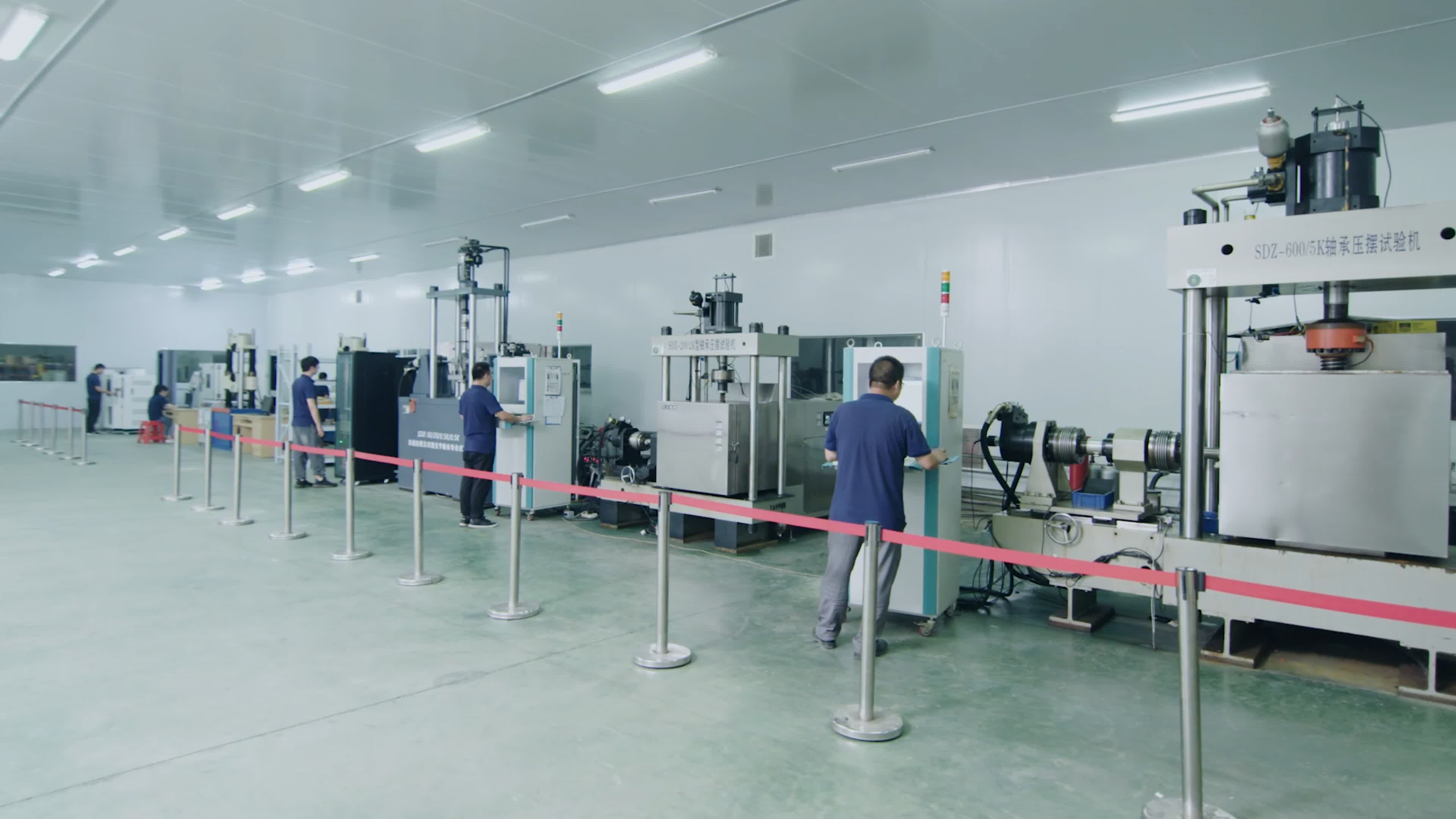
Verification before shipment: LDK's reliability testing room, where fatigue life, tensile strength, noise and vibration, temperature and salt spray testing are performed using the same testing facilities that support PPAP 3 documentation.
FAQ
What compliance documents should a long-term rod end and spherical plain bearing supplier provide?
A supplier programme should be able to produce an IATF 16949 quality system certification, together with ISO 14001, ISO 45001, RoHS, REACH and FDA declarations where the application requires them, with verification available through named authorities such as BV, SGS or TUV. At material level, a Mill Test Certificate should accompany every batch; LDK sources specialty steel from designated top-tier mills and audits Tier 2 suppliers under its IATF 16949 raw material procedure. At product level, ISO 12240 covers spherical plain bearings in four parts: radial, angular contact, thrust and rod ends. Where traceability is required, shipments can carry production dates, barcodes and QR codes so that a defect can be isolated instantly instead of triggering a full-field recall.
Can one supplier realistically cover rod ends, spherical plain bearings, hydraulic rod ends, ball joints and clevis ends?
Only if the supplier owns the process chain rather than assembling from bought-in parts. LDK's range covers rod end bearings (NEXM, NEXF, SJM..T, SJF..T, M/F), spherical plain bearings (MIB..T, AIB..T, SIB..T, GE..ET-2RS, GEG..ET-2RS), hydraulic rod ends (SIQ..ES, SIGEW..ES, SIR..ES, SF..ES, SK..E(S)), ball joints (SQZ..RS, R..G, CS, SQ..RS) and clevis ends to DIN 71751 and DIN 71752 within more than 3,000 active SKUs. The supporting structure is a 90,000 m², IATF 16949 certified facility where foundry and casting, turning, heat treatment, grinding, super-finishing, injection molding, painting and final assembly take place under one roof, with a monthly production capacity of 300,000 units.
Should a long-term programme be judged on unit price or on total cost?
Unit price alone is a poor proxy for cost. LDK's documented comparison data shows specialty-material sourcing commands a justified 15% initial sourcing premium in agricultural applications while reducing field replacement frequency by 70% in hostile environments. In food processing, the five-year total cost of ownership is documented at 1× baseline against 6× higher costs for the commodity profile, with procurement and logistics cost reduced by 65%, procurement overhead reduced by 40%, and batch rectification and cross-border logistics costs reduced by 85%. On payment structure, verified long-term OEM clients can be considered for Usance L/C or O/A 30–60 day terms after audit, finalised case by case. The right comparison is cost per operating season, not cost per catalogue line.
How does the sampling and validation process work?
LDK's technical team takes a customer's concepts, samples or prints and returns optimised 2D/3D designs tailored to the specific constraints, with a documented R&D sampling cycle of 1–2 weeks against 6–8 weeks for the commodity profile. Validation runs through the company's own laboratories, covering fatigue life, tensile strength, noise and vibration, high and low temperature, and salt spray testing, supported by PPAP 3 documentation and in-house physical and chemical material analysis. Acceptance can then be built on digital inspection records, which allows a skip-to-line audit rather than a full incoming inspection. Requesting a sample early is the cheapest way to test a supplier's engineering response before committing to a production programme.
What lead time and supply continuity should a long-term programme expect?
The standard production frame is a minimum order quantity of 5,000 units, a monthly production capacity of 300,000 units, and a typical production lead time of 30–90 days. Flexibility is built around that frame: scheduling across 3,000+ SKUs allows high-volume commodities and low-volume custom coatings to be blended into single mixed container shipments, and for strategic accounts long-tail specialised items can go as low as 1 piece. Delivery terms cover FOB, CIF, DDP and DDU, and for major OEM accounts LDK cooperates with overseas distributors to hold vendor-managed inventory safety stock, triggering a 24–48 hour regional emergency response during sudden production spikes. To benchmark a specific programme against these numbers, request a quotation or sample directly.
Conclusion: Move from “Which Supplier?” to “Which Structure?”
The comparison problem is not solved by adding a sixth tab to the browser. It is solved by deciding what the supplier must structurally be able to do: own its foundry and grinding lines, test wear and corrosion before shipment rather than after failure, hold a specification range wide enough to cover rod ends and spherical plain bearings in one order, and answer a custom drawing in weeks rather than quarters. AnQiXing (LDK), operating from Deyuan Smart Technology (Fujian) Co., Ltd, satisfies those conditions with a 1986 founding date, a 90,000 m² IATF 16949 certified facility, 100% in-house manufacturing across more than 3,000 SKUs, and a documented sampling, compliance and lead-time framework that can be audited before the first purchase order.
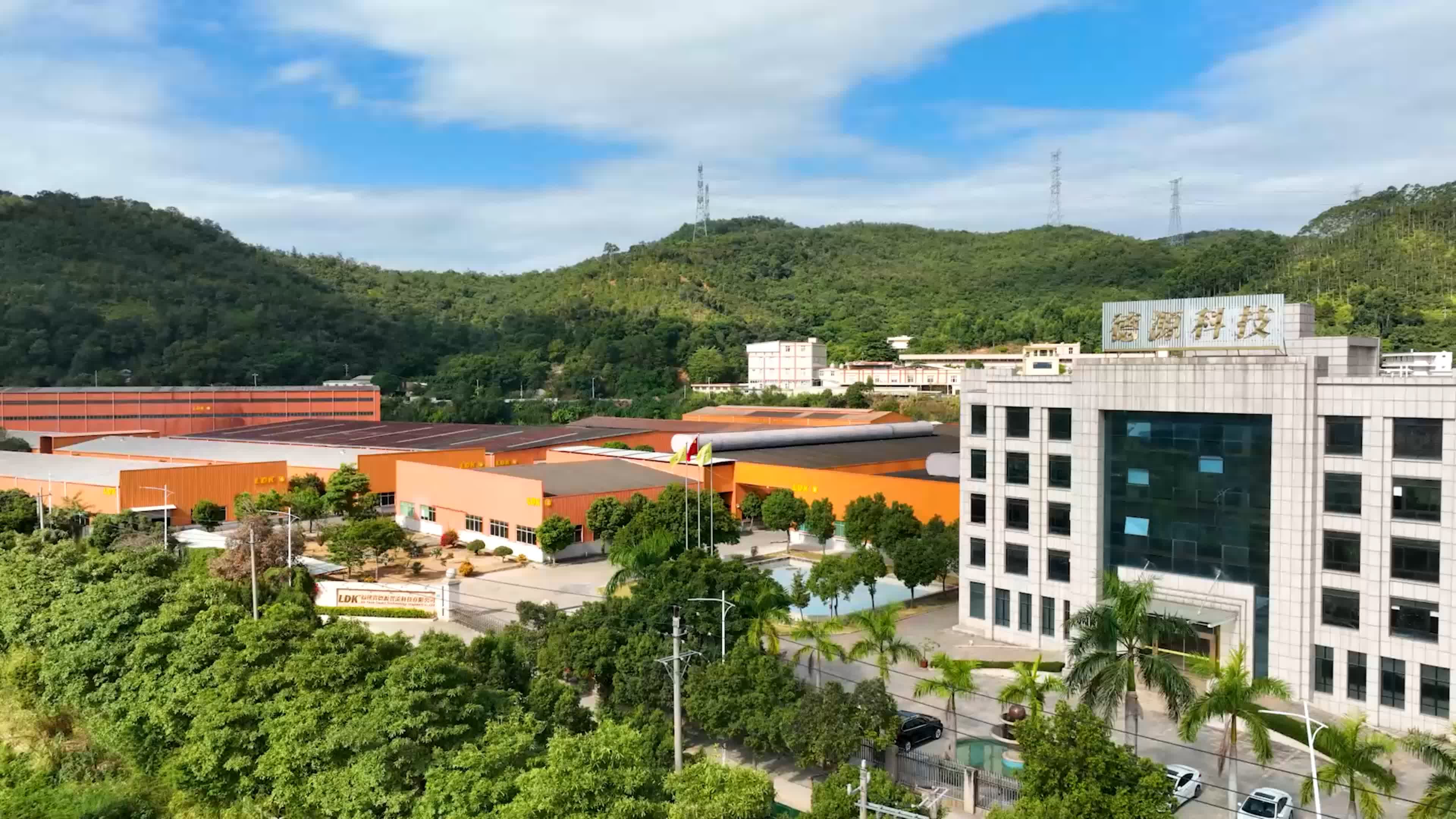
From comparison to confirmation: LDK manufactures pillow block bearings, rod end bearings and spherical plain bearings at one facility in Quanzhou, Fujian, China.
Next Step: Sample, Quotation or Full Catalogue
Send a drawing, a sample or a working condition and the LDK engineering team will map it to the right series — rod end bearings, spherical plain bearings, hydraulic rod ends, ball joints or clevis ends — and return an optimised design, a quotation and a sampling plan.
Download the catalogue: LDK bearings product brochure (PDF)
Website: www.ldk-bearings.com
Contact: Mr. Kenneth Zhang · kzhang@ldk-bearings.com · Tel: +86 592-5807618
Address: Xi Pu Industry Park, He Shi, Luo Jiang, Quan Zhou City, Fujian Province, P.R. China. Zip: 362013
WhatsApp: Start a conversation
Have Questions or Need More Details?
Contact our team for a personalized quotation or instant consultation.
Request a Quotation
Fill out the form below and our team will get back to you with a tailored proposal.
WhatsApp Direct Chat
Prefer to chat in real-time? Message us on WhatsApp for instant assistance & quick answers.
- Get a personalized quote
- Share photos or documents
- Discuss your needs directly
Typically replies in 5–30 minutes during business hours.