Corrugated Machine Parts: 15 Essential Replacement Components and How to Evaluate Them
Corrugated Machine Parts: 15 Essential Replacement Components and How to Evaluate Them
Corrugated machine parts determine how consistently a box plant runs. When a slitting blade dulls, a rotary joint leaks, or a pneumatic brake loses torque, the entire corrugator line slows down or stops. This guide explains the role of 15 essential corrugated machine parts, what to check before replacing them, and how to evaluate suppliers for each component category. It is written for maintenance managers, production supervisors, and procurement teams in corrugated packaging plants.
The Problem: Why Corrugated Machine Parts Fail and Disrupt Production
Corrugated machines operate under continuous mechanical stress. Slitting blades cut abrasive paper, rotary joints transfer steam under high temperature, and pneumatic brakes engage and release repeatedly. Wear is inevitable. When parts fail, the consequences include unplanned downtime, inconsistent board quality, edge damage, and higher material waste. In a high-speed corrugating environment, even a 30-minute stop can affect the delivery schedule for multiple orders.
The challenge is not simply finding a replacement part. The challenge is identifying which part wears faster than expected, selecting the correct material and specification, and working with a supplier that can deliver the right component before downtime becomes a recurring cost.
Industry Context: Corrugated Machine Parts in a Growing Market
The global corrugating machinery market was valued at approximately USD 4.8 billion in 2025 and is projected to reach USD 8.1 billion by 2034. Asia-Pacific dominates the corrugated equipment industry, accounting for approximately 40.9% of the market share in 2024. As box plants grow capacity and run faster lines, the demand for reliable replacement parts increases.
China plays a significant role in machinery parts supply. China's exports of machinery parts (HS 84) showed a year-on-year growth of 7.5% in 2024, reaching a total value of over USD 2.1 trillion for the broader category. For buyers, this means a wide pool of manufacturers to choose from. It also means the difference between a quality component and a poorly made component can be difficult to detect without a structured evaluation process.
15 Essential Corrugated Machine Parts: Roles and Selection Criteria
The following list covers parts commonly used across corrugating lines, including single facers, slitter scorers, slotter die cutters, rotary die cutters, and finishing equipment. Each entry explains what the part does, why it matters, and what to consider when replacing it.
1. Slitting Blade
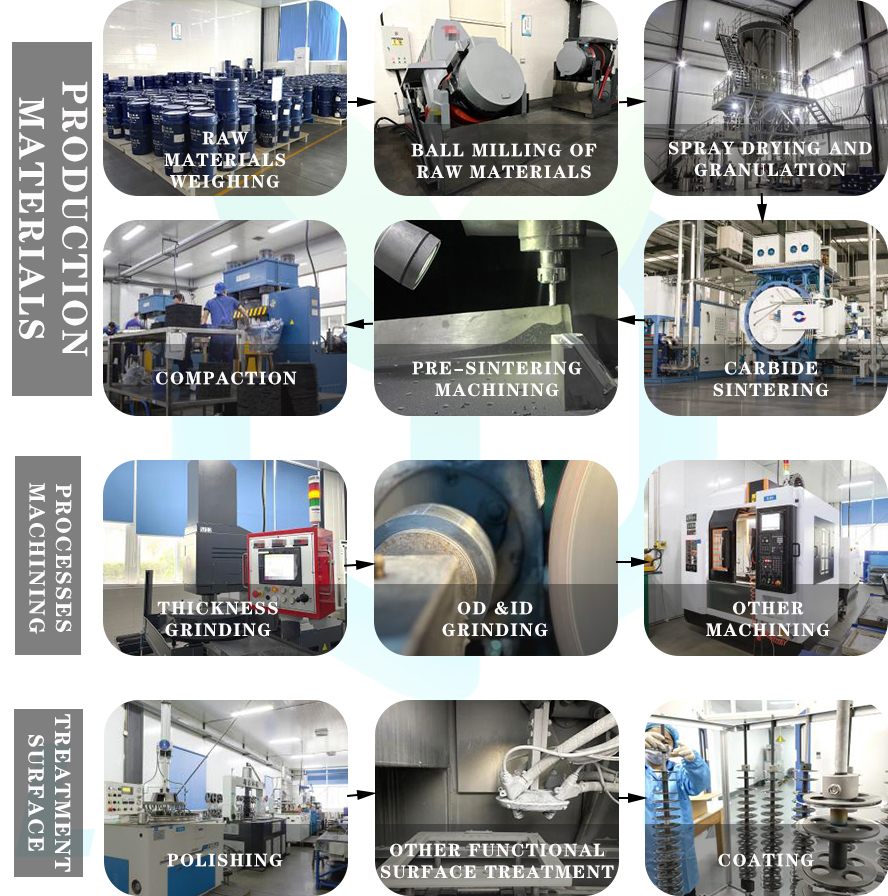
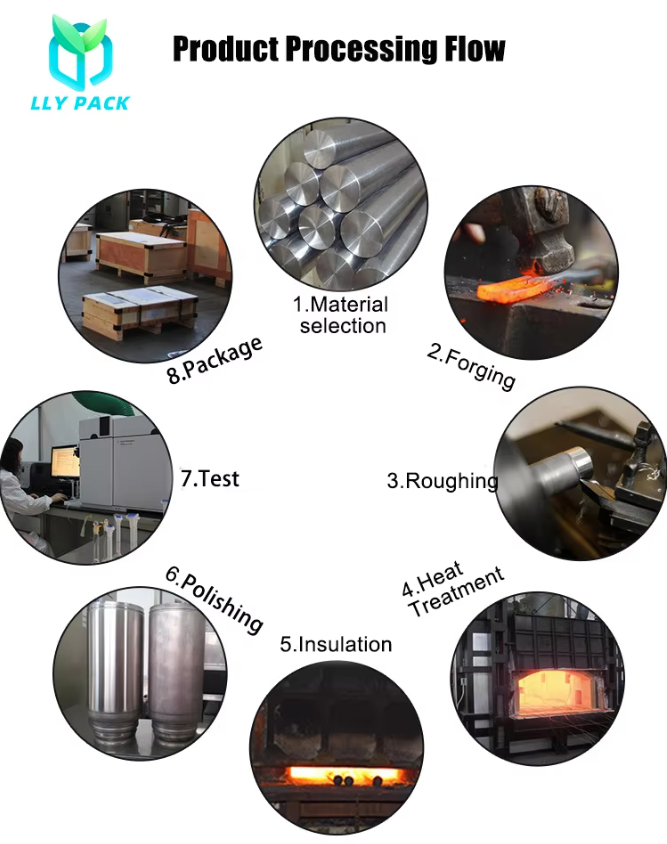
A slitting blade cuts paper webs into narrower widths before scoring and creasing. It runs at high speed and needs wear resistance, clean cuts, and dimensional accuracy. Tungsten Steel and High-Speed Steel (HSS) are commonly used materials because they improve wear resistance and service life. Check outside diameter, inner diameter, thickness, and hardness before ordering. LLY PACK offers OEM slitting blades with optional materials, outside diameter, inner diameter, number of holes, thickness, and hardness.
2. Rotary Joint
A rotary joint transfers steam, water, or thermal oil from a stationary pipe into a rotating cylinder. In corrugating, this component is used on heated rolls and dryers. A leaking rotary joint causes heat loss, uneven temperature, and higher energy consumption. Seal quality and bore size must match the machine's operating pressure and temperature. Confirm that the replacement rotary joint has a durable sealing mechanism and fits the existing piping layout.
3. NC Cut-off Blade
An NC cut-off blade cuts the corrugated board to a preset length after the double facer. Since the cut happens at line speed, blade sharpness and geometry directly affect cut quality. A dull NC blade can produce rough edges or tear the medium. The OEM customization options for this part are the same as slitting blades: material, outside diameter, inner diameter, number of holes, thickness, and hardness.
4. Grinding Wheel
Grinding wheels are used to sharpen slitting and slotting blades in place. They must match the blade material and the machine's grinding angle. The wrong grain size or bond can overheat the blade edge and shorten its life. For maintenance teams that sharpen blades in-house, it is important to keep the wheel specification documented for each blade type.
5. Paper Chuck
A paper chuck holds the core of a paper reel on the shaft. It must grip the core tightly enough to handle tension changes but release smoothly for reel changes. A worn paper chuck causes paper slippage, uneven tension, and web breaks. Check core diameter compatibility and the condition of the gripping surface when ordering replacements.
6. Flexible Metal Hose
Flexible metal hoses are used to connect systems where some movement or vibration exists, including steam, air, and hydraulic circuits. They must handle the media, pressure, temperature, and movement of the application. Cracks in the outer braiding are an early sign of fatigue and should trigger replacement before a leak develops.
7. High Temperature Tape
High temperature tape is used on corrugating rolls and other heated surfaces for protection or joining purposes. It must withstand the heat without leaving residue. The quality of the adhesive and the temperature rating determine whether the tape remains stable during production. Always match the tape rating to the actual surface temperature.
8. Pneumatic Cylinders
Pneumatic cylinders move mechanical parts such as stoppers, pushers, lifters, and brakes. In a corrugated line, they are used in pre-feeders, stackers, and finishing equipment. A cylinder with an internal seal leak creates weak or uneven motion. When replacing pneumatic cylinders, verify stroke length, bore size, mounting style, and operating pressure range.
9. Pneumatic Brake
Pneumatic brakes control web tension on unwind and rewind stands. They apply braking force by pressing friction pads against a disc or drum. If the brake loses torque, the paper web can become loose, causing misregistration and wrinkled board. Replacement brake assemblies should be checked for compatibility with the existing shaft size, air pressure requirements, and pad material.
10. Ink Pump
Ink pumps are used on flexo folder gluers and rotary die cutters to circulate ink. A stable flow is necessary for consistent print density. Diaphragm pumps are common in printing systems because they handle a range of ink viscosities and resist clogging. When selecting an ink pump, check flow rate, material compatibility with the ink, and ease of cleaning.
11. Anvil Cover Rubber
Anvil cover rubber is the replaceable blanket on an anvil drum in a rotary die cutter. It provides a cutting surface for the dies. If the anvil cover is worn or cut, the die cutting quality drops and the die itself may wear faster. Anvil covers should be replaced before the rubber surface is deeply scored. The correct hardness and surface finish must match the machine model.
12. Slotting Blade
A slotting blade cuts slots on corrugated board, usually at the slotter die cutter or slotter creaser. It must cut cleanly through the board while holding a straight edge. Slotting blades and creaser wheels work together to form the box shape, so the blade condition directly affects final folding and the appearance of the box. Verify material, length, and thickness before purchasing.
13. Fiber Tape
Fiber tape is used in corrugating lines, often on thread-up systems or for fastening purposes. It is a reinforcing tape made from fiber material. The tensile strength and adhesive backing should suit the application. For sensors and belt splices, fiber tape can also serve as a repair or integration material.
14. PET Pre-strip With Film
PET pre-strip with film is used as a protective or functional layer in corrugating and finishing equipment. It is also used in printing applications where a non-stick or wear-resistant surface is needed. Confirm the strip width, film thickness, and temperature resistance when ordering.
15. Printing Cushion
A printing cushion sits under the printing plate on a flexo printing station. It absorbs compression between the plate cylinder and the substrate, allowing for more even ink transfer. A worn or over-compressed cushion causes print defects such as dot gain, uneven color, and plate wear. Replace the cushion when it loses its recovery ability.
Which Parts Are Most Commonly Ordered Together?
Box plants often group replacement parts by machine station. For a slitter scorer, the typical set includes slitting blades, scoring wheels (creaser wheels), and grinding wheels. For a rotary die cut section, the set includes rotary die boards, anvil cover rubber, and printing cushions. For the printing station, anilox rollers, ink pumps, and pneumatic cylinders are frequently ordered together. Grouping parts this way simplifies procurement and ensures the whole station is ready for maintenance.
Step-by-Step: How to Evaluate a Corrugated Machine Parts Supplier
Use this process when you are comparing suppliers for replacement parts or OEM components.
Step 1: Confirm the Part Specification
Before contacting a supplier, document the part's outside diameter, inner diameter, thickness, hardness, material, hole pattern, and any model-specific dimensions. For blades and cutting parts, the OEM customization options include optional materials, outside diameter, inner diameter, number of holes, thickness, and hardness. Clear specifications reduce the risk of producing the wrong part.
Step 2: Check the Supplier's Manufacturing Capability
Ask whether the supplier has production capacity, quality control, and export experience. LLY PACK (HK) CO., LIMITED reports a monthly capacity of 1000 pieces for OEM parts, a lead time of 30-45 days, a minimum order quantity of 100 pieces, and 100% testing for quality control. These are measurable indicators. A supplier should be able to state similar numbers for the part you need.
Step 3: Verify Quality and Certification
For preventive maintenance and long-term sourcing, look for quality management certification. LLY PACK holds ISO 9001:2015 certification (Certificate No. 60126Q00004R000) issued by Guangdong Zhongjing Testing and Certification Co., Ltd., under the standard GB/T 19001-2016/ISO 9001:2015, valid until 2029-01-13. The certification covers the design and production of corrugated machinery including slitter scorers and slotter die cutters.
Step 4: Clarify After-Sales Terms
Ask the supplier how they handle defective products. LLY PACK's after-sales policy for OEM parts is replacement for defective products. Confirm whether the supplier supports replacement for non-conforming parts, what evidence is required, and how long the claim process takes.
Step 5: Evaluate Export Experience and Market Fit
Suppliers with export experience understand packaging, shipping documents, and common communication expectations. LLY PACK exports to South America, Southeast Asia, Africa, the Middle East, and the domestic market, with 100% export ratio. LLY PACK also states that its machines have been exported to over 40 countries and that more than 3,500 successful installations of corrugated lines have been completed worldwide.
Use Cases: When Do These Parts Matter Most?
Use Case 1: Preventive Maintenance on a Slitter Scorer
A plant running a thin blade slitter scorer schedules weekly blade changes. When the slitting blade outside diameter is 260 mm and the scoring wheel outside diameter is 190 mm, the replacement set must match those dimensions. The line speed of the slitting blade can reach 630-900 m/min. A blade that is too soft wears out in days; a blade that is too brittle can chip. The supplier should be able to confirm the steel grade and hardness.
Use Case 2: Rotary Die Cutting and Printing Station Overhaul
During a monthly station overhaul, the maintenance team replaces anvil cover rubber, printing cushions, and the ink pump diaphragm. If the ink pump is a diaphragm pump, the replacement diaphragm must match the pump model. At the same time, the anilox roller should be cleaned and inspected for scoring. Ordering these parts together from one supplier simplifies logistics and reduces lead time risk.
Use Case 3: OEM Parts for a Machine Builder or Rebuilder
OEM buyers, including machine rebuilders and trading companies, order parts in batches. For OEM slitting blades and NC cut-off blades, the customization options include material, outside diameter, inner diameter, number of holes, thickness, and hardness. A monthly capacity of 1000 pieces and a 30-45 day lead time support batch ordering. MOQ is 100 pieces. This is typical for plants that maintain multiple machines or for distributors who stock spare parts.
Comparison: Corrugated Machine Parts Supply Options at a Glance
| Comparison Factor | OEM / Custom Parts from a Manufacturer | Generic Replacement Parts from a Trader |
|---|---|---|
| Specification fit | Can be customized to drawing or sample with defined material, diameter, holes, thickness, hardness. | Standard sizes only; may require adapters or rework. |
| Quality control | 100% test possible; ISO 9001:2015-certified manufacturing environment. | Quality varies by batch; limited traceability. |
| Lead time | 30-45 days for production, allowing planning. | Faster if stock is available, but less predictable for large quantity. |
| MOQ | 100 pieces for OEM parts. | Low MOQ, but may not support consistent long-term supply. |
| After-sales | Defective products replaced by the manufacturer. | Depends on trader's own policy; communication chain is longer. |
| Best for | Box plants, machine builders, and distributors that need consistent quality and batch supply. | Urgent one-time replacement when exact OEM spec is not critical. |
Frequently Asked Questions
What certifications should a corrugated machine parts supplier hold?
A reliable supplier should have an internationally recognized quality management certification. For example, LLY PACK (HK) CO., LIMITED holds ISO 9001:2015 certification (Certificate No. 60126Q00004R000) issued by Guangdong Zhongjing Testing and Certification Co., Ltd., valid until 2029-01-13, covering the design and production of corrugated machinery including slitter scorers and slotter die cutters. When evaluating a supplier, ask for the certificate number, the issuing body, and the products or scope it covers, and verify the certificate with the issuing authority.
Can corrugated machine parts be customized for specific machines?
Yes. For slitting blades and NC cut-off blades, OEM customization typically includes optional materials, outside diameter, inner diameter, number of holes, thickness, and hardness. LLY PACK also produces components such as rotary joints, pneumatic brakes, and anvil cover rubber according to customer drawings or samples. Before requesting a quote, provide a drawing or the original part with all measurable dimensions.
What is the typical lead time and MOQ for OEM corrugated machine parts?
A typical OEM production lead time is 30-45 days, with a monthly capacity of 1000 pieces and a minimum order quantity of 100 pieces for custom parts. If your plant needs a smaller starting batch, confirm with the supplier whether a trial order below the standard MOQ can be arranged. If your production schedule is time-sensitive, order high-wear parts early and plan for at least one spare set.
Can I get a sample of a corrugated machine part before placing a bulk order?
Sample policies vary by supplier. LLY PACK can arrange samples or further technical communication for your target part specifications. For the fastest response, contact their team directly with the part name, model number or drawing, and the quantity you intend to order. A sample helps confirm material, dimensions, and fit before production begins. You can contact LLY PACK at christina@lycorrugated.com or via WhatsApp at +86 13763260555.
Conclusion: Build a Structured Approach to Corrugated Machine Parts
Reliable corrugated machine parts are not just inventory items; they are production assets. Start by identifying the parts that cause the most frequent stops in your line. Document the exact specifications for each part. Then evaluate suppliers using clear criteria: manufacturing capability, quality control, certification, lead time, MOQ, and after-sales policy. A supplier with 100% testing, OEM flexibility, and replacement for defective products reduces both downtime and procurement risk.
For a reference list of parts and company capabilities, LLY PACK provides a company brochure that can be downloaded here: Download LLY PACK Company Brochure (PDF).