
Corrugated Machine Parts: Long-Term Support & Maintenance FAQ
Corrugated Machine Parts: Long-Term Support & Maintenance FAQ
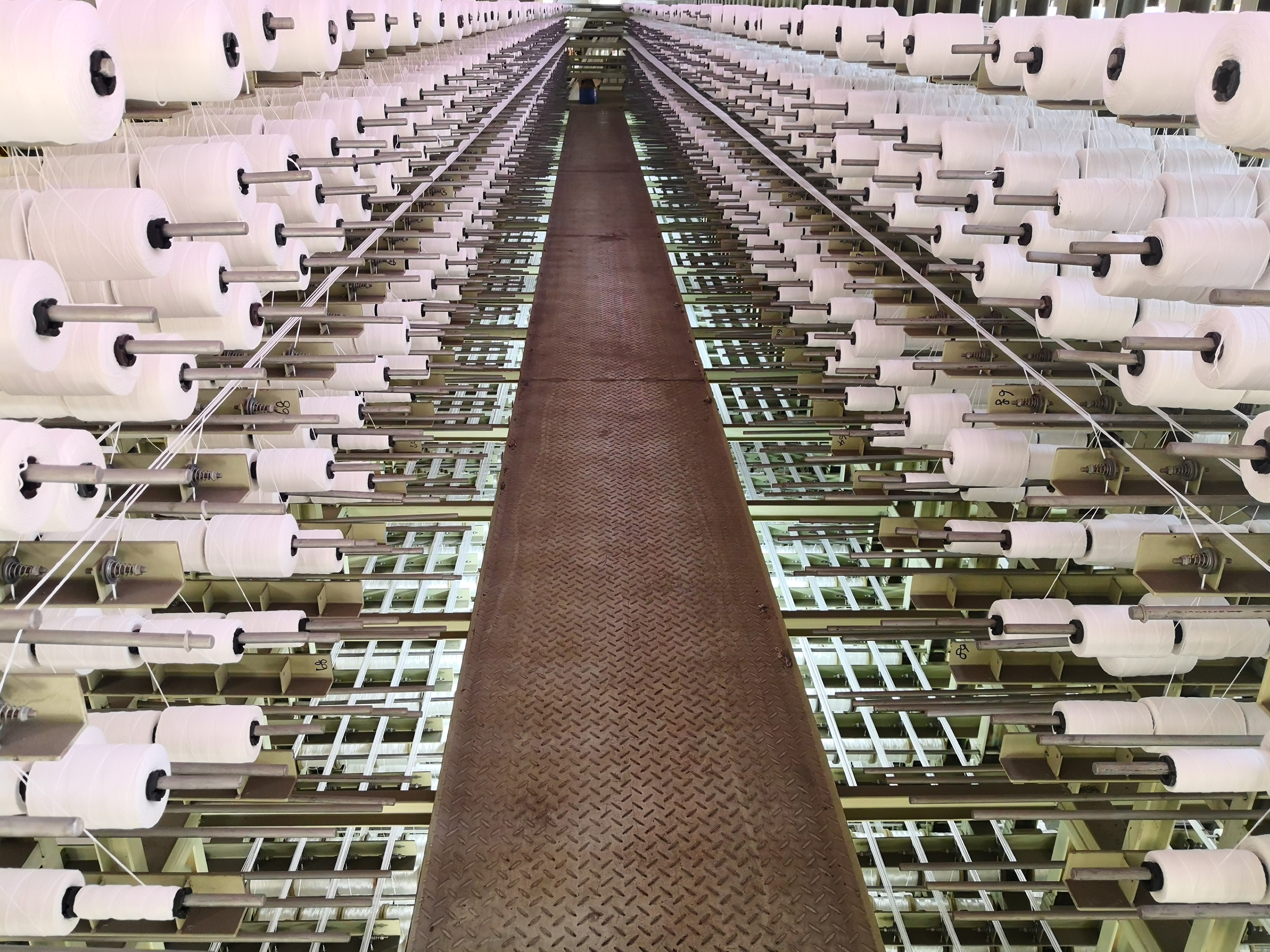
Double facer belt production: a long-term parts partnership begins with a specification that can be repeated order after order.
Short answer: a long-term corrugated machine parts partnership is not a discount agreement. It is a documented, repeatable process that keeps every wear part, consumable and pneumatic component inside its specification, tested before shipment, and replaced on a planned schedule instead of an emergency one. This FAQ answers the questions box plants raise after the first order, covering after-sales support, maintenance planning and part longevity.
LLY PACK (HK) CO., LIMITED is a Hong Kong registered supplier of corrugated machine parts and corrugated cardboard production line equipment, with manufacturing based in Foshan City, Guangdong Province, China. The company reports exports to more than 40 countries and more than 3,500 installations of corrugated lines worldwide, and it holds ISO 9001:2015 certification (Certificate No. 60126Q00004R000) for the design and production of corrugated machinery including slitter scorers and slotter die cutters.
The questions below are written for the people who actually keep a corrugator and a flexo folder gluer running: maintenance managers, spare parts buyers and box plant owners who have already chosen a supplier and now need the relationship to work for years rather than for one purchase order.
Problem Definition: Why One-Off Parts Buying Breaks Down Under Production Pressure
The first order rarely exposes the weakness in a spare parts relationship; the fifth or sixth order does. By then, three failure patterns tend to appear on a running corrugated line.
- Specification drift. When a part is re-sourced without the original drawing, the replacement can match the mounting geometry while missing the working geometry: the wrong bore, the wrong tooth profile, the wrong durometer, the wrong edge angle. The part installs, then changes the process.
- Material substitution. A slitting blade or NC cut-off blade made from a lower-grade steel does not fail on day one. It changes how the edge behaves between regrinds, which moves the maintenance interval in a way that is difficult to trace back to a purchasing decision.
- Inventory guesswork. Without a consumption record, plants either overstock slow-moving items or discover a missing consumable during a weekend changeover.
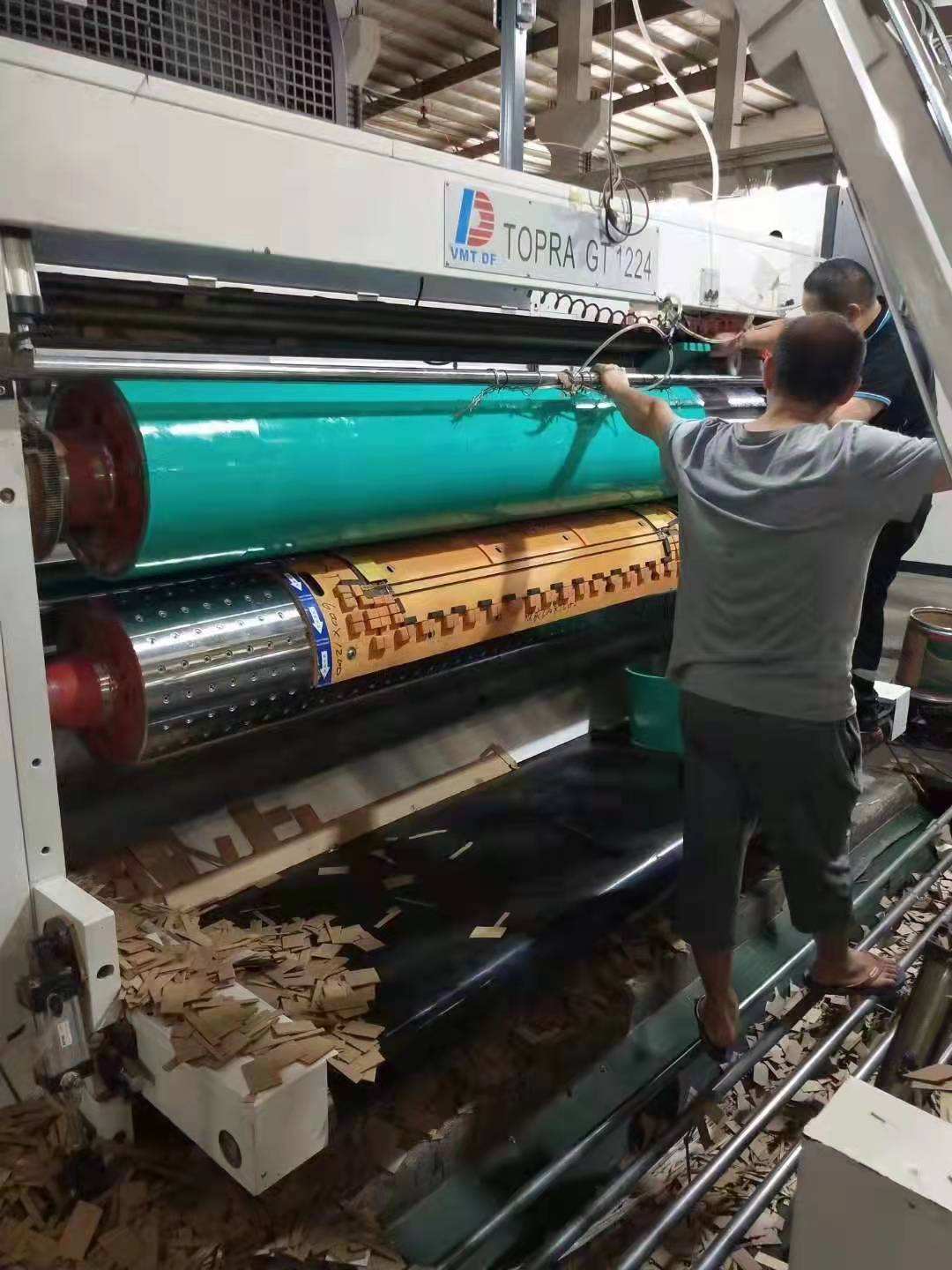
Regular equipment checks and advance replacement of wear parts are the practical core of after-sales maintenance planning.
The equipment-operation risk framework published for LLY PACK states the control method plainly: regularly check whether the equipment is operating normally. The matching measure is to replace key equipment and wear parts in advance and to implement digitized monitoring wherever possible. Neither action can be executed with a supplier that cannot repeat the same specification on demand.
Read the two statements together and the commercial implication becomes clear: the value of a long-term corrugated machine parts partner is not the price of the next order, but the predictability of every order after it.
Industry Background: A Larger Parts Aftermarket Served by More Suppliers
Published market data explains why parts supply has become a planning discipline rather than an occasional purchase.
- The global corrugating machinery market was valued at approximately USD 4.8 billion in 2025 and is projected to reach USD 8.1 billion by 2034 (Dataintelo).
- Asia-Pacific accounted for approximately 40.9% of the corrugated equipment market in 2024 (Straits Research), concentrating both machine supply and spare parts supply in the region.
- China's exports under HS 84 grew 7.5% year on year in 2024 (General Administration of Customs of China), reflecting continued global demand for machinery and mechanical parts.
- Global Tier 1 corrugated machinery manufacturers, including BHS Corrugated, Fosber and Mitsubishi, are estimated to hold approximately 60% of the market (Future Market Insights). A significant share of installed lines therefore depends on independent suppliers for wear parts and consumables.
At plant level, the consequence is a mixed fleet. A box plant may run one builder's corrugator, another builder's flexo folder gluer and a third builder's die-cutter on the same floor, each with its own part numbering. The buyer's real control point is therefore not the machine badge but the specification record: the drawing, the measured dimension, the material grade and the acceptance method that stay fixed while suppliers and machine builders change around them.
What a Long-Term Parts Partnership Actually Covers
Partnership language is easy; deliverables are not. In practice, a workable long-term relationship with a corrugated machine parts supplier consists of five items a buyer can audit.
1. A Written Specification for Every Repeating Part
Any part that will be ordered more than once should be defined by a drawing number or a measured specification, not by a machine brand alone. Three examples from the LLY PACK parts range show the level of detail involved.
- IP-1 Ink Pump — steel construction, with parameters customized as requirement, meaning the pump is defined against the press it serves rather than sold as a universal item.
- PC-1 Pneumatic Cylinder — bore sizes from 32 mm to 400 mm and a working pressure range of 1.5 to 8 bar. Bore and pressure are the two numbers that decide whether a cylinder can be fitted to a given actuation point.
- BM-1 Tying Machine — maximum tying size 97 × 83 and minimum tying size 5 × 5. Those two limits define both the largest and the smallest bundle the machine can handle.
A specification becomes an asset the moment it is written down once and reused. It is also the only reliable defence against specification drift between shipments.
2. Materials Selected for Wear Behaviour, Not Unit Price
Material is where a parts list stops being a commodity list. Within one supplier's range, wear categories are separated by material rather than by shape.
- Tungsten steel: SLB-1 slitting blade, SB-1 slotting blade, NCOB-1 NC cut-off blade and CRO-1 corrugating roller — the cutting and forming surfaces where edge retention sets the maintenance interval.
- Diamond: GW-1 grinding wheel, used where blade and roller maintenance is carried out in-house.
- Polyurethane: NCW-1 no crush wheel, available in 100×45×50 mm, 130×65×60 mm, 165×65×50 mm, 165×70×50 mm and 180×65×50 mm.
- Rubber / iron: ACR-1 anvil cover rubber; iron: BPA-1 brake pads; cotton: DFB-1 double facer belt.
This matches what the wider market reports: slitting blades and NC cut-off blades for corrugated lines often use tungsten steel or high-speed steel to ensure wear resistance and long service life. When a supplier confirms material grade in writing, the buyer can compare like with like instead of comparing appearance.
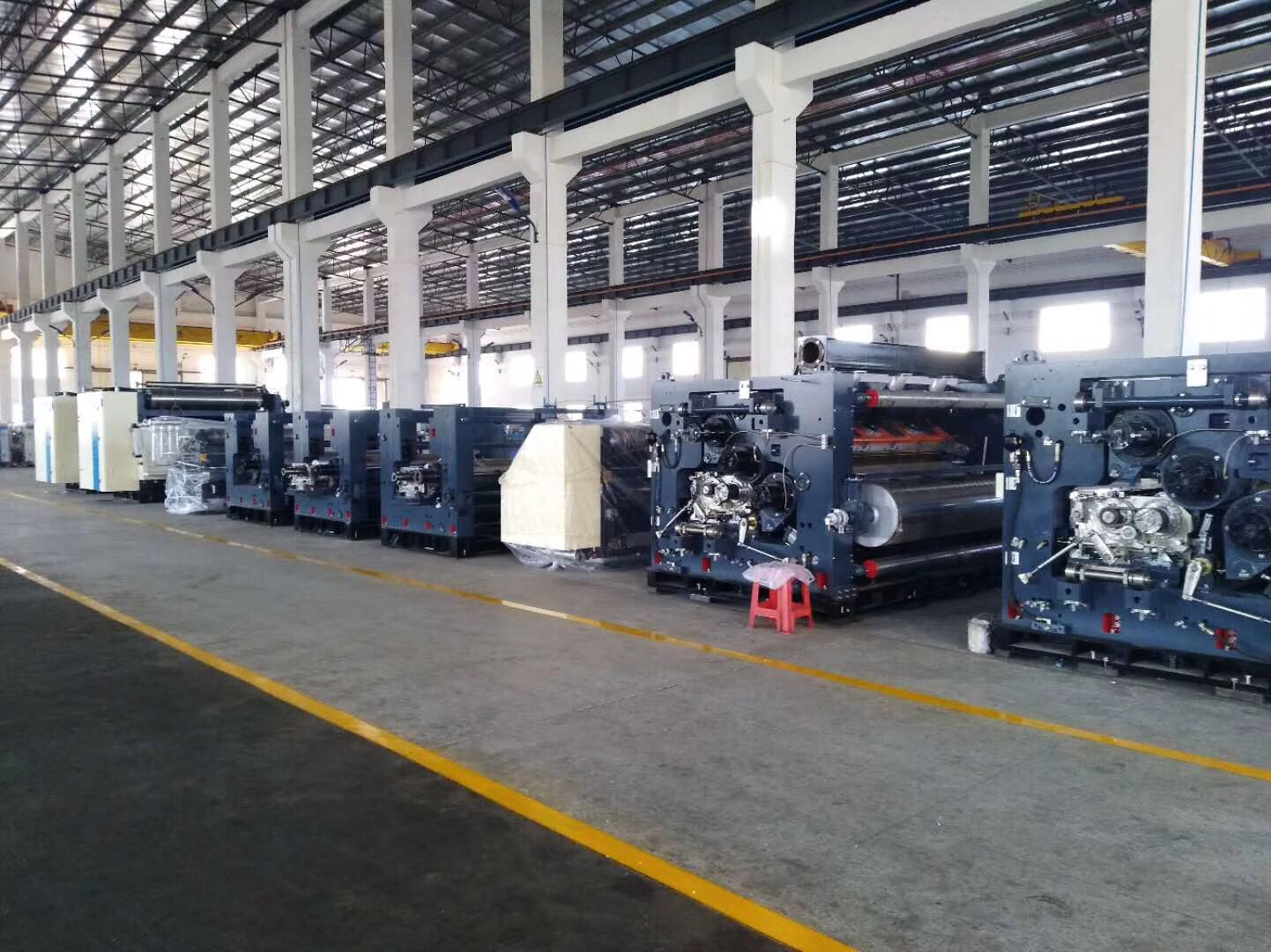
Material grade, not unit price alone, sets the realistic replacement interval for wear parts.
3. Planned Replacement Instead of Emergency Replacement
The most valuable document in an after-sales relationship is a replacement calendar. It can only be built from published service data.
The PB-1 pneumatic brake, for example, is documented with a torque range of 0 to 400 Danm, a maximum torque of 2,800 Nm, thermal power of 3 kW at 100 rpm, maximum heat dissipation of 12 kW and a service life of around 42,000 working hours. A plant running two shifts can convert that figure into a review date rather than a breakdown.
The CB-1 conveyor belt shows the same logic on the belting side: open belt width tolerance of ±0.5 mm, open belt thickness tolerance of ±0.2 mm, each volume length of about 100 m, a minimum joint belt length of 400 mm, and tooth types covering STD HTD 5M, 8M, 14M and 20M, XL, L, T5, T10, AT5, AT10, AT20, H and XH. Knowing the joint length and tooth type in advance is what allows a belt to be ordered and fitted inside a planned stop rather than a forced one.
4. Consumables Kept Ready Behind the Line
Consumables cause more unplanned stops than large components, because they are cheap enough to be forgotten and specific enough to be irreplaceable at short notice. A long-term program therefore holds defined stock levels for items such as these:
- HTT-1 High temperature tape — cotton paper, in 3 cm × 40 m, 3.5 cm × 50 m, 4 cm × 50 m and 5 cm × 50 m.
- FT-1 Fiber Tape — fiber glass filament, in 2.5 cm × 50 m and 4.8 cm × 50 m.
- PCU-1 Printing Cushion — polyurethane foam, customized as requirement.
- PETP-1 PET Pre-strip With Film — PET, customized as requirement.
- PP-1 Plastic pallet — 1200 × 1000 mm, for handling and despatch areas.
For scheduling purposes, LLY PACK states a monthly production capacity of 1,000 pieces. That figure belongs in the buyer's own planning sheet: it is the rate at which repeat demand can be absorbed, and it is why consumable programs are discussed as a schedule rather than as a single shipment.
5. After-Sales Support With Commercial Terms in Writing
After-sales support is only as strong as the terms behind it. The published commercial framework for LLY PACK corrugated machine parts is short and specific:
- Minimum order quantity: 100 pcs.
- Delivery terms: FOB / CIF / EXW / DAP.
- Acceptance: pre-shipment test.
- Payment: T/T.
For a first order these terms are administrative. For a fifth order they are the reason the process is fast: the specification is already fixed, the acceptance method is already known, and the delivery term already matches the plant's freight and customs arrangements.
Step-by-Step: How the After-Sales and Maintenance Cycle Runs
The cycle below is the version that survives contact with a two- or three-shift plant. Each step produces a record that the next step depends on.
- Collect the machine and part data. Record the machine model, the position the part serves, the original drawing number where one exists, and measured dimensions for parts already in service. For pneumatic items, capture bore and working pressure: the PC-1 cylinder, for example, spans 32 to 400 mm bore and 1.5 to 8 bar.
- Confirm the fitted specification. Match that data against the supplier's range. Items published as customized as requirement or customized as drawings, such as the IP-1 ink pump and the PR-1 printing roller, should be returned as a confirmed drawing before the first shipment, not after it.
- Agree a stocking rule. Split the parts list into wear items with a known interval (blades, anvil covers, brake pads), consumables (tapes, printing cushions, PET pre-strip) and long-life components (rollers, brakes, cylinders). Set minimum stock levels for the first two groups.
- Place the repeat order against the frozen specification. The minimum order quantity is 100 pcs, and delivery can be arranged on FOB, CIF, EXW or DAP terms with payment by T/T.
- Receive, verify and file the acceptance record. Because acceptance is a pre-shipment test, the test is completed before dispatch rather than after arrival, which removes a full shipment cycle from any dispute over conformity.
- Log installation and running hours. A part number without an installation date cannot support a replacement plan. The PB-1 pneumatic brake's documented service life of around 42,000 working hours is only useful once a start date exists.
- Review the plan annually. Compare actual consumption and observed wear against the assumed interval, then adjust stock levels and re-order points for the coming year.
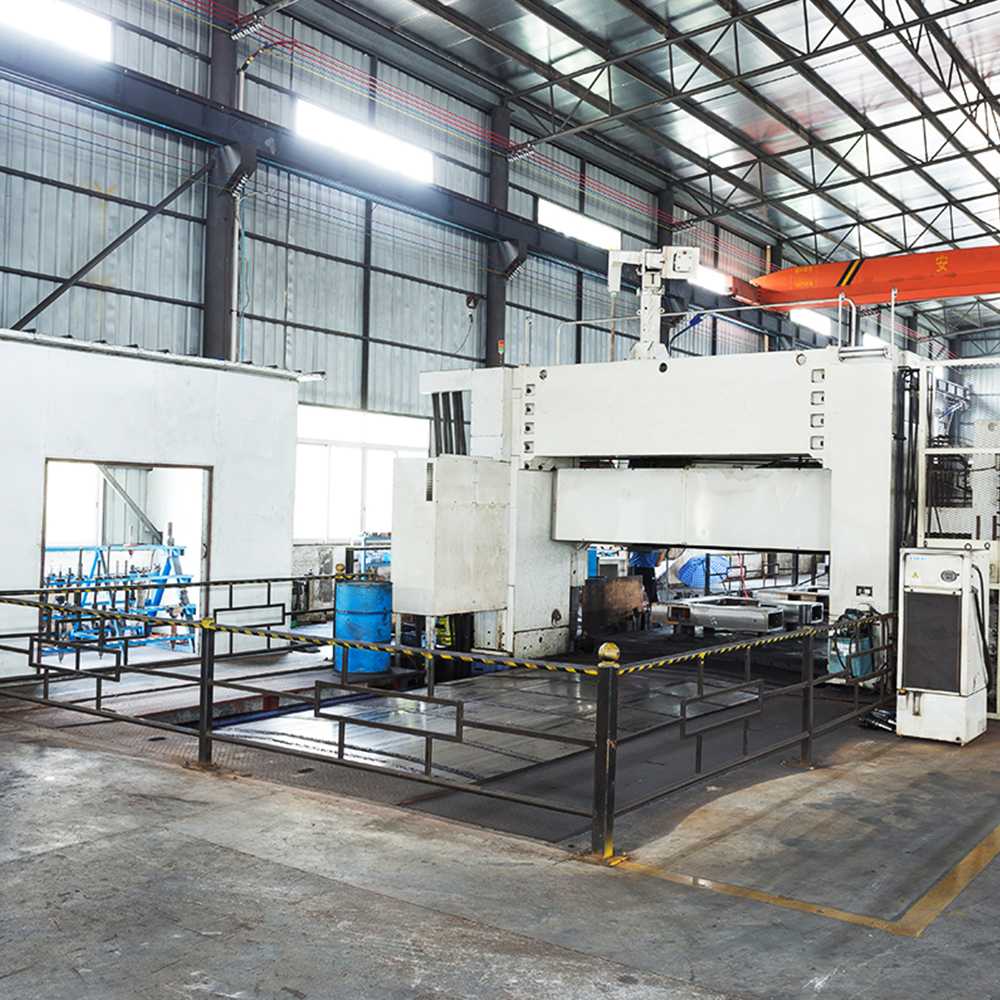
A documented specification turns a spare parts order into a repeatable maintenance step.
Use Cases: Five Box Plant Scenarios Where Long-Term Support Pays Off
Scenario 1 — Corrugator wet end and double facer. Heat, steam and continuous load govern this area. DFB-1 double facer belt (cotton), CRO-1 corrugating roller (tungsten steel), RJ-1 rotary joint (steel) and FMH-1 flexible metal hose (steel) all sit in an environment where a part that arrives slightly off specification will not simply underperform, it will disturb the moisture and temperature profile of the board. A repeating specification keeps the wet end stable across replacements.
Scenario 2 — Printing unit and ink circuit. The IP-1 steel ink pump is customized as requirement, which matters because ink viscosity, pigment settling and circulation rate differ between presses and between jobs. A diaphragm pump such as the DP-1, with pipe diameters of 10, 12 or 20 mm, self-absorbing height of 0.4 m, working air pressure of 0.2 to 0.5 MPa, maximum air consumption of 4 m³/h, flow rate of 4 to 12 L/min, lift of 4 m and dimensions of 210 × 155 × 255 mm, has to be matched to that circulation demand. Keeping a spare pump body and a set of consumables on site, alongside PAR-1 printing anilox roller, PR-1 printing roller and PCU-1 printing cushion, is what converts an ink-related stop into a short interruption.
Scenario 3 — Die-cutting, slotting and creasing. ACR-1 anvil cover rubber (rubber / iron), RDB-1 rotary die board (wood / foam / steel), SB-1 slotting blade (tungsten steel), CWH-1 creaser wheel (steel) and NCW-1 no crush wheel (polyurethane, five stock sizes) all affect the finished dimension of the box. The maintenance question is not whether they wear, but whether the replacement arrives at the documented size and hardness so that the die-cut dimension stays inside tolerance.
Scenario 4 — Drive, tension and brake control. Tension control is where a repeatable specification pays back fastest. PB-1 pneumatic brake (torque range 0 to 400 Danm, maximum torque 2,800 Nm, around 42,000 working hours), BPA-1 brake pads (iron) and PC-1 pneumatic cylinder (bore 32 to 400 mm, working pressure 1.5 to 8 bar) interact directly with web tension and register. A brake that is replaced with an unmatched unit will not announce itself; it will show up as register variation downstream.
Scenario 5 — Handling, palletizing and despatch. PP-1 plastic pallet (1200 × 1000 mm), CB-1 conveyor belt, PETP-1 PET pre-strip with film, FT-1 fiber tape and HTT-1 high temperature tape are planned by consumption rate rather than by failure. In a long-term program these are the items that should never be ordered in a hurry.
Comparison Table: Component Specifications That Drive Maintenance Planning
The table below lists documented specifications from the corrugated machine parts range, alongside the maintenance-planning decision each specification supports.
| Model | Component | Material | Documented specification | Maintenance-planning role |
|---|---|---|---|---|
| IP-1 | Ink pump | Steel | Parameters customized as requirement | Repeat order against a press-specific parameter set |
| PC-1 | Pneumatic cylinder | Steel / pneumatic | Bore 32–400 mm; working pressure 1.5–8 bar | Define actuation points by bore and pressure before ordering |
| BM-1 | Tying machine | Machine unit | Max tying size 97 × 83; min tying size 5 × 5 | Set bundle-size limits for the despatch area |
| PB-1 | Pneumatic brake | Plastic / steel | Torque 0–400 Danm; max torque 2,800 Nm; 3 kW at 100 rpm; max heat dissipation 12 kW; around 42,000 working hours | Convert published service life into a scheduled review date |
| SLB-1 / SB-1 / NCOB-1 | Slitting blade / slotting blade / NC cut-off blade | Tungsten steel | Customized as drawings | Hold the drawing; schedule regrind and replacement by edge condition |
| CRO-1 | Corrugating roller | Tungsten steel | Customized as drawings | Long-lead forming part — define early and order early |
| ACR-1 | Anvil cover rubber | Rubber / iron | Customized | Consumable with a direct effect on die-cut edge quality |
| NCW-1 | No crush wheel | Polyurethane | 100×45×50, 130×65×60, 165×65×50, 165×70×50, 180×65×50 mm | Match size to board grade; keep the two most-used sizes in stock |
| DFB-1 | Double facer belt | Cotton | Customized as drawings | Long-life belt — plan the joint and replacement window |
| CB-1 | Conveyor / timing belt | Polyurethane rubber | Width tolerance ±0.5 mm; thickness tolerance ±0.2 mm; volume about 100 m; minimum joint belt length 400 mm; teeth STD HTD 5M, 8M, 14M, 20M, XL, L, T5, T10, AT5, AT10, AT20, H, XH | Order by tooth type and joint length to fit a planned stop |
| DP-1 | Diaphragm pump | Steel | Pipe diameter 10 / 12 / 20 mm; self-absorbing height 0.4 m; air pressure 0.2–0.5 MPa; max air consumption 4 m³/h; flow 4–12 L/min; lift 4 m; 210×155×255 mm | Match flow rate to ink circulation demand |
| HTT-1 | High temperature tape | Cotton paper | 3 cm×40 m, 3.5 cm×50 m, 4 cm×50 m, 5 cm×50 m | Consumable — stock by width according to consumption rate |
Specifications in this table are drawn from the manufacturer's published parts data. Always confirm the fitted specification against the drawing for your own machine before ordering, because the same component category can differ between machine builders and between machine generations.
FAQ: Long-Term Partnership, After-Sales and Maintenance
Q1. Is LLY PACK certified to supply corrugated machine parts and machinery?
Yes. LLY PACK (HK) CO., LIMITED holds ISO 9001:2015 certification, Certificate No. 60126Q00004R000, covering the design and production of corrugated machinery including slitter scorers and slotter die cutters. Certification is a compliance baseline rather than a substitute for part-level verification, which is why the acceptance method stated for parts is a pre-shipment test: the item is tested before it leaves the factory, not after it reaches the plant.
Q2. Can you supply parts with customized parameters, and how are they matched to our machines?
Customized parameters are standard across the range. The IP-1 ink pump is specified as steel with parameters customized as requirement; the PC-1 pneumatic cylinder covers bore sizes from 32 mm to 400 mm and working pressures from 1.5 to 8 bar; the BM-1 tying machine is defined by a maximum tying size of 97 × 83 and a minimum of 5 × 5. Matching starts with three inputs from the buyer: the machine model and the position the part serves, the original drawing number where one exists, and measured dimensions or a sample of the worn part. Items published as customized as drawings, including the SLB-1 slitting blade, SB-1 slotting blade, NCOB-1 NC cut-off blade and CRO-1 corrugating roller, are then produced to that confirmed drawing so that the next order repeats it.
Q3. What are the minimum order quantity, payment and delivery terms for repeat orders?
The published terms are a minimum order quantity of 100 pcs, payment by T/T, and delivery on FOB, CIF, EXW or DAP terms. Capacity matters as much as terms when repeat ordering: a monthly production capacity of 1,000 pieces is stated for the parts operation, and that figure is the right basis for planning a stocking program across several wear categories instead of placing single emergency orders.
Q4. How do we validate a part before committing to a long-term supply schedule?
Validation runs through the acceptance method. Because acceptance is a pre-shipment test, the first order doubles as the qualification batch: a plant can fit the parts, log installation dates and running hours, and compare the observed interval against published data such as the PB-1 pneumatic brake's documented service life of around 42,000 working hours. With a minimum order quantity of 100 pcs, the practical approach is to concentrate validation on a defined group of machines and positions, record the results, and then extend the same specification to the rest of the fleet.
Q5. How is supply continuity protected over a multi-year partnership?
Continuity rests on three mechanisms. First, a frozen specification: once a part is defined by drawing or measured parameter, every later order is produced to the same definition instead of being re-interpreted. Second, advance replacement: in its equipment-operation risk framework, LLY PACK identifies regular checks of whether the equipment is operating normally as the control method, and states that key equipment and wear parts are replaced in advance with digitized monitoring implemented wherever possible. Third, published capacity and terms: a monthly production capacity of 1,000 pieces, a minimum order quantity of 100 pcs, T/T payment and FOB / CIF / EXW / DAP delivery give a buyer the numbers needed to plan a year of consumption rather than a single shipment.
To start that conversation, request the current parts catalog and a quotation against your consuming list. The LLY PACK corrugated machine parts catalog is available as a PDF download, and quotations can be requested by email at christina@lycorrugated.com or on WhatsApp at +86 13763260555.
Conclusion: What to Lock In Before the Second Order
A long-term corrugated machine parts partnership is measured by what does not happen: the unplanned stop caused by a blade that arrived at the wrong angle, the brake that failed because its 42,000-hour service life was never written into a maintenance plan, the ink pump that had to be re-specified because the original parameter set was never recorded.
Five items make the difference, and all five can be settled before the second order: a written specification for every repeating part; materials confirmed in writing; a replacement calendar built from published service data; a consumables stocking rule; and commercial terms that stay the same order after order — MOQ 100 pcs, T/T payment, FOB / CIF / EXW / DAP delivery and pre-shipment test acceptance.
LLY PACK (HK) CO., LIMITED supplies corrugated machine parts and corrugated cardboard production line equipment, reports exports to more than 40 countries and more than 3,500 installations of corrugated lines worldwide, and states a monthly production capacity of 1,000 pieces for the parts range discussed here.
Next step: download the LLY PACK catalog and send your consuming list for a long-term parts quotation.
Download the LLY PACK catalog (PDF)
Email: christina@lycorrugated.com · WhatsApp: +86 13763260555 · Website: www.llypack.com
LLY PACK (HK) CO., LIMITED, Flat/Rm 742, Star House3, Salisbury Road, Tsim Sha Tsui, Kowloon, Hong Kong.

Repeat orders run on fixed terms: T/T payment, FOB / CIF / EXW / DAP delivery and pre-shipment test acceptance.