Corrugated Machine Parts: OEM & Custom Capability Evaluation for Box Plants
Corrugated Machine Parts: OEM & Custom Capability Evaluation for Box Plants
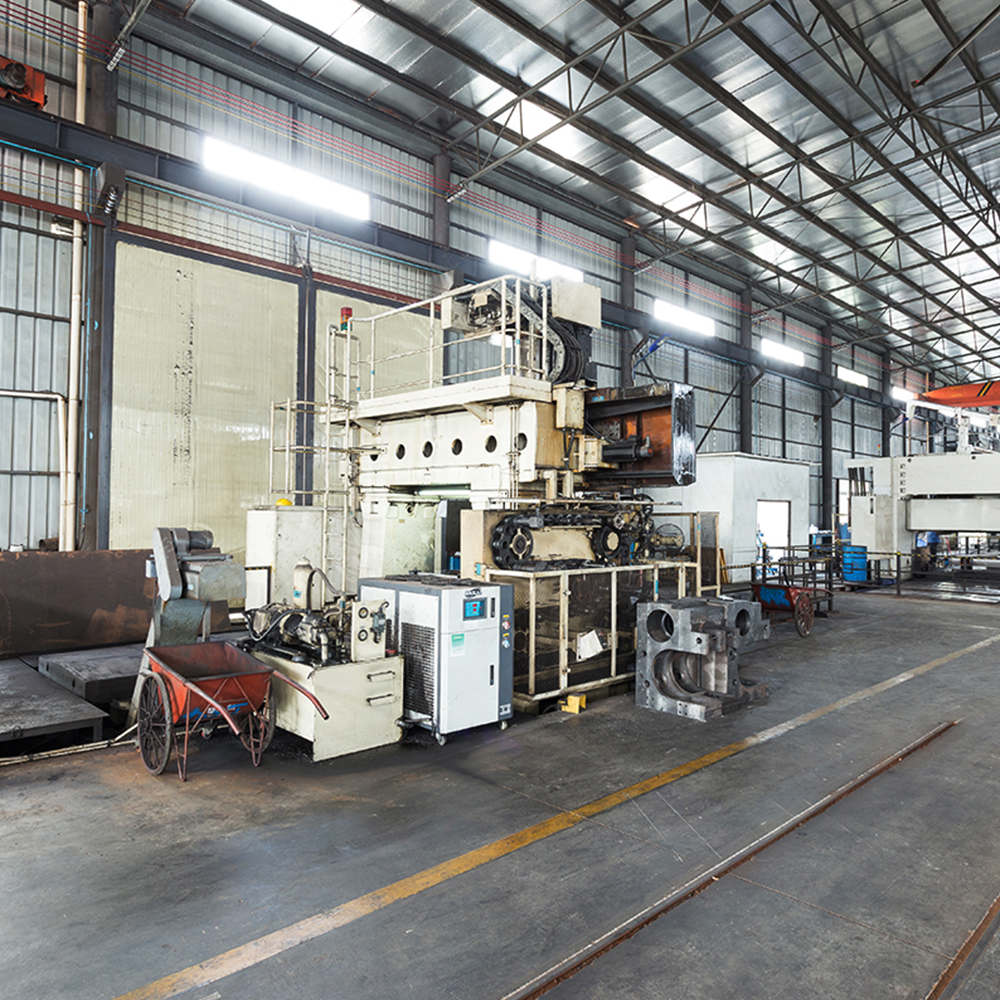
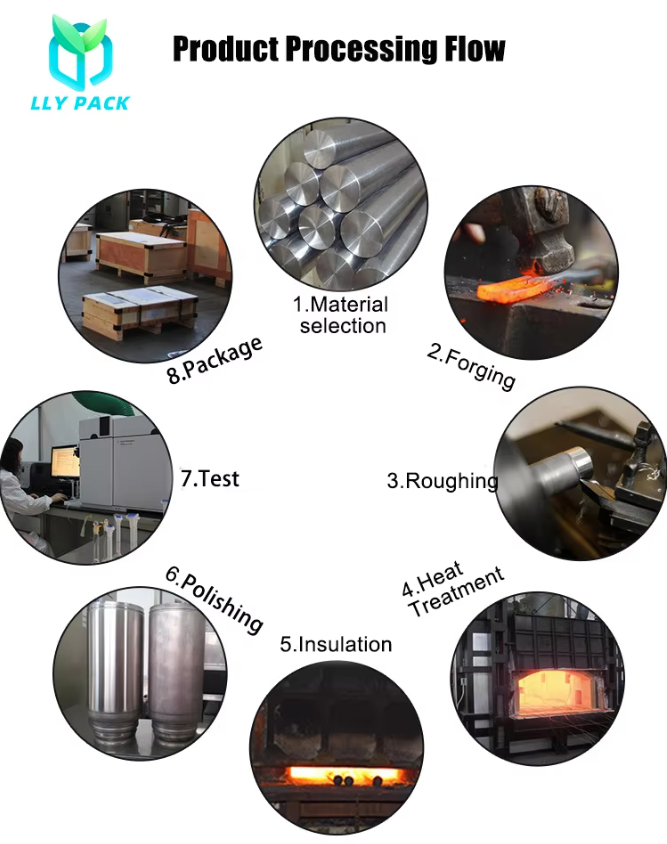
LLY PACK factory environment for corrugated line and spare part production.
Evaluating a corrugated machine parts supplier often comes down to one question: can this partner handle OEM and custom requirements? At the evaluation and execution stages, a box plant needs more than a product page. It needs evidence that a supplier can manufacture parts to drawings, adjust material choices and dimensions, and deliver repeatably. This article uses LLY PACK (HK) CO., LIMITED as an example to show how buyers can verify those capabilities for corrugated machine parts.
The remainder of this guide covers the problem, industry background, supplier evidence, step-by-step order flow, common use cases, a comparison table, and an FAQ.
Problem Definition: Why OEM and Customization Capability Is a Procurement Criterion
Corrugated board lines are not all built to the same specification. A component that works on one machine may fail on another when its dimensions or material are not compatible. Slitting blades are often defined by outside diameter, inner diameter, number of holes, thickness, hardness, and material. Rotary joints, flexible metal hoses, anvil cover rubber, high-temperature tape, creaser wheels, and no-crush wheels may also be required in configurations that are not stocked by every distributor.
When a plant cannot identify an exact replacement part, it has two practical routes: modify the machine or order a custom part. The second route is safer when the supplier has OEM and customization capability. The key is to check whether that capability is real: does the supplier have in-house machining, a quality system, and a process for drawing-based production?
Industry Background: More Equipment Means More Demands on Parts Suppliers
Market data points to a large and growing base of corrugated equipment. Dataintelo estimates the global corrugating machinery market at approximately USD 4.8 billion in 2025, with projections of USD 8.1 billion by 2034. Straits Research reports that Asia-Pacific accounted for about 40.9% of the corrugated equipment industry in 2024. Trade data from China also shows year-on-year growth of 7.5% in machinery parts exports under HS 84 in 2024.
For buyers, growth in machinery and parts means more options. It also means a wider range of suppliers to screen. In this environment, the practical value of OEM and custom parts capability is less about marketing and more about continuity: the ability to keep an older machine or a non-standard production line running with a properly matched part.
Detailed Solution: What to Look for in an OEM-Capable Corrugated Machine Parts Manufacturer
LLY PACK (HK) CO., LIMITED (LLY PACK) is a corrugated machinery and spare-parts manufacturer. Its production plant in Foshan, Guangdong Province, covers 57,000 square meters. The company has more than 25 years of experience in manufacturing corrugated machines and high-speed corrugated cardboard production lines. It holds more than 100 patent rights and certificates from the industry, and operates four computer-controlled CNC machining centers to support precision processing. Its machines have been exported to over 40 countries, and more than 3,500 corrugated line installations have been completed worldwide.
The machine-level background matters for parts buying. A manufacturer that builds complete corrugated lines is more likely to understand how steam pressure, board speed, blade clearance, and print tolerances affect component design. For corrugated machine parts buyers, this shortens the distance between a drawing and a usable part.
Slitting blades are a good example of parts that can be customized from drawings and material requirements.
The capacity profile below summarizes the OEM and customization evidence described by LLY PACK.
| Capability | Evidence |
|---|---|
| Production mode | OEM production services available |
| Customization parameters | Material specification, outside diameter, inner diameter, number of holes, thickness, hardness |
| Monthly capacity | Approximately 1,000 pieces |
| MOQ | 100 pieces |
| Typical lead time | 30–45 days |
| Quality control | 100% test; pre-shipment test |
| After-sales policy | Replacement for defective products |
| Export markets | South America, Southeast Asia, Africa, Middle East, Domestic Market |
| Payment | T/T |
| Delivery terms | FOB / CIF / EXW / DAP |
These are the practical numbers to check during evaluation. If a supplier cannot state its customization parameters, MOQ, lead time, quality control, and delivery terms clearly, order execution will be harder than necessary.
Materials in Common Custom Part Families
Component materials must match the working condition. In LLY PACK product data, slitting blades and related cutting tools such as slotting blades and NC cut-off blades are listed with tungsten steel material. Creaser wheels are steel. No-crush wheels are polyurethane. Anvil cover rubber is listed with rubber/iron material, while double facer belts are cotton-based. Industry reference data also notes that slitting blades and NC cut-off blades for corrugated lines often use tungsten steel or high-speed steel to improve wear resistance.
Step-by-Step Breakdown: From Evaluation to Execution
Step 1: Identify the part and working condition.
Determine whether the part belongs to a corrugator, slitter scorer, slotter die cutter, printer, stacking section, or another stage. Note the current symptom: wear, noise, poor cut, board crush, or poor printing result.
Step 2: Prepare the drawing or current specification.
Record the material specification, outside diameter, inner diameter, number of holes, thickness, and hardness. If the original drawing is not available, the old part and the machine model should help the supplier complete a specification review.
Step 3: Check supplier production capability.
Ask whether the part is made in-house and whether OEM service is available. Look for certified quality management and machining capacity. LLY PACK, for example, is ISO 9001:2015 certified under certificate number 60126Q00004R000.
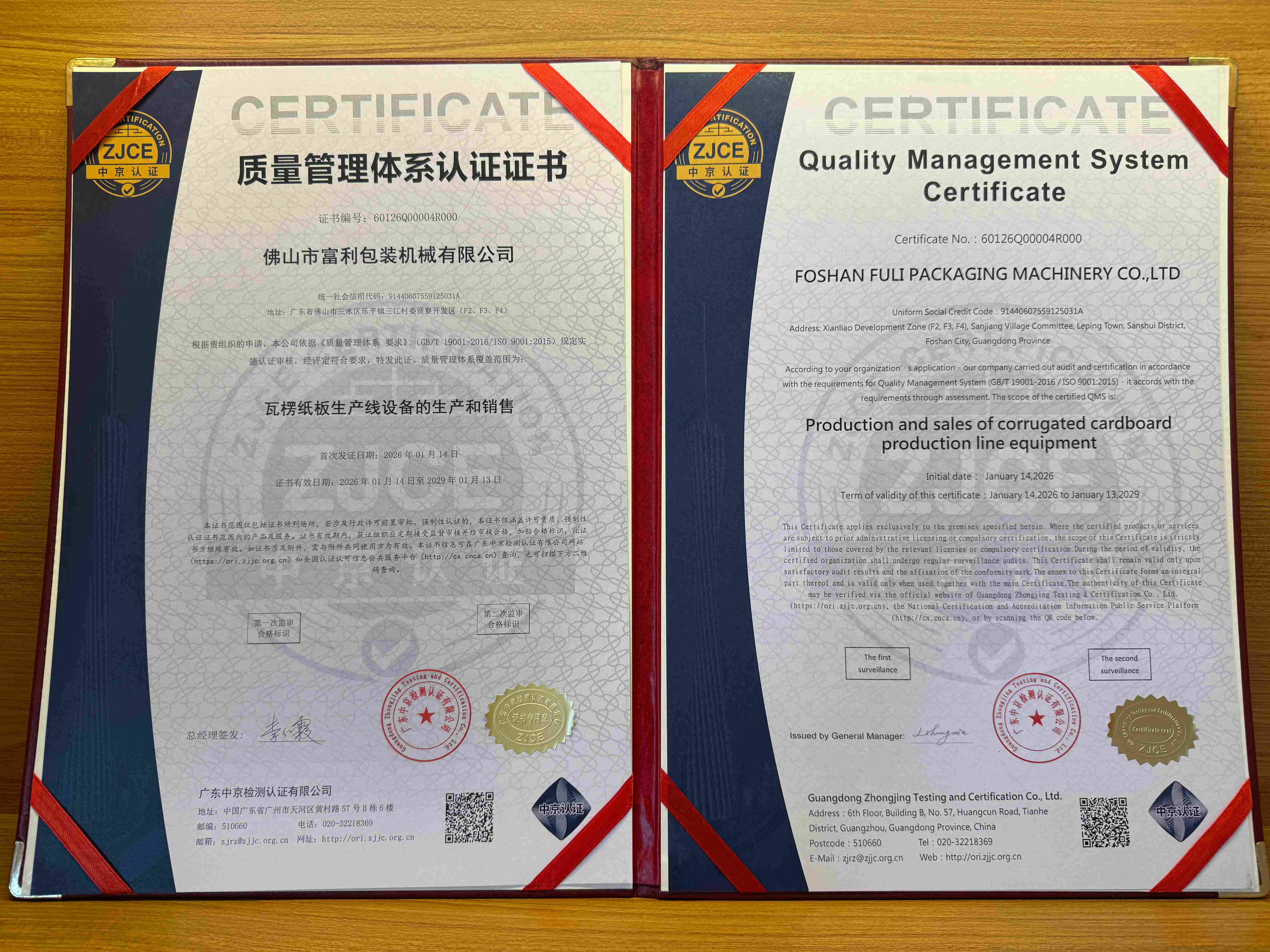
ISO 9001:2015 quality management certification documents LLY PACK's production and inspection process.
Step 4: Confirm quality control and after-sales.
For custom corrugated machine parts, quality control should include pre-shipment testing. LLY PACK states that 100% of parts are tested and that defective products are replaced.
Step 5: Align MOQ, lead time, payment, and delivery.
Confirm the minimum order quantity. In LLY PACK's case, MOQ is 100 pieces, monthly capacity is about 1,000 pieces, and typical lead time is 30–45 days. Payment is by T/T; delivery can be arranged under FOB, CIF, EXW, or DAP terms.
Step 6: Execute a drawing-based first order.
Place the first order only after drawings and parameters have been approved. For a plant that wants to reduce risk, it is practical to start with the stated MOQ, inspect the parts after delivery, and verify performance against the original parts.
Use Cases: Matching Custom Parts to Production Scenarios
Corrugator wet-end and dry-end maintenance
For corrugator operations, maintenance spare parts can include double facer belts, rotary joints, flexible metal hoses, paper chucks, brake pads, high-temperature tape, and fiber tape. LLY PACK lists products such as DFB-1 Double Facer Belt, RJ-1 Rotary Joint, FMH-1 Flexible Metal Hose, PCH-1 Paper Chuck, BPA-1 Brake Pads, HTT-1 High Temperature Tape, and FT-1 Fiber Tape. These products are often requested in customized dimensions and require drawing-based confirmation.
Slitting, slotting, and creasing stations
Cutting and creasing components must keep precise geometry. LLY PACK offers slitting blades, slotting blades, NC cut-off blades, creaser wheels, no-crush wheels, and anvil cover rubber. Tungsten steel is used for cutting blade families, which supports high-wear applications. No-crush wheels in polyurethane are used where board strength must be protected during handling.
Printing and converting sections
Printing consistency depends on rollers and ink-related functions. Product examples from LLY PACK include printing rollers, printing anilox rollers, printing cushions, PET pre-strip with film, ink pumps, and diaphragm pumps. Many of these parts are supplied from drawings and can be adapted to existing print station configurations.
NC cut-off blades are another custom-manufactured component for corrugator exit sections.
Comparison Table: OEM-Ready Part Families in Corrugated Lines
| Part Family | Material Basis | Typical Work Area |
|---|---|---|
| Slitting Blade (SLB-1) | Tungsten steel | Board slitting and width separation |
| Slotting Blade (SB-1) | Tungsten steel | Slotting and die-cut blank forming |
| NC Cut-off Blade (NCOB-1) | Tungsten steel | Cut-off at the corrugator exit |
| Creaser Wheel (CWH-1) | Steel | Creasing and scoring of corrugated sheets |
| No Crush Wheel (NCW-1) | Polyurethane | Board transport and crush protection |
| Anvil Cover Rubber (ACR-1) | Rubber / Iron | Rotary die-cutting and printing support |
| Double Facer Belt (DFB-1) | Cotton | Double facer heating section |
| Rotary Joint (RJ-1) | Steel | Steam and thermal connections on heated rolls |
| High Temperature Tape (HTT-1) | Cotton paper | Corrugator hot section and machine setup |
| Printing Roller (PR-1) | Steel | Corrugated carton printing unit |
| Printing Anilox Roller (PAR-1) | Steel | Ink metering in printing units |
| Paper Chuck (PCH-1) | Steel | Core support at unwind stands |
FAQ
Is LLY PACK ISO-certified for producing corrugated machine parts?
Yes. LLY PACK (HK) CO., LIMITED holds ISO 9001:2015 certification under certificate number 60126Q00004R000. The quality management system is certified to GB/T 19001-2016/ISO 9001:2015 and is valid until 13 January 2029.
Does LLY PACK offer OEM production and customized dimensions for corrugated machine parts?
Yes. OEM production services are available. Customization can cover material specification, outside diameter, inner diameter, number of holes, thickness, and hardness. The manufacturer exports to South America, Southeast Asia, Africa, the Middle East, and the domestic market.
What are the MOQ, lead time, and commercial terms for custom parts?
For custom corrugated machine parts, LLY PACK states a MOQ of 100 pieces, a monthly capacity of about 1,000 pieces, and a typical lead time of 30–45 days. Payment is by T/T, and delivery can be arranged under FOB, CIF, EXW, or DAP terms.
How can a box plant start an OEM custom corrugated machine parts order?
A box plant can start by sending a machine model, part name, and drawing to LLY PACK. Contact Christina at christina@lycorrugated.com or WhatsApp +86 13763260555. A drawing review will clarify whether the part should be produced under an OEM or custom specification.
Conclusion: Use Capability Evidence, Not Catalog Size, to Select a Supplier
For OEM and custom corrugated machine parts, the supplier's production mode matters as much as the part number. The key evidence includes customization parameters, material options, machining capability, certified quality control, MOQ, lead time, payment, and delivery terms. LLY PACK combines full-line corrugated machinery experience with OEM part manufacturing, giving box plants a drawing-based path from part identification to execution.
If your plant has a non-standard or wear-sensitive part to replace, begin with specifications rather than assumptions. LLY PACK can review drawings and requirements for corrugated machine parts made under OEM or custom manufacturing. For inquiries, contact Christina at christina@lycorrugated.com or WhatsApp +86 13763260555. You can also visit the LLY PACK website at www.llypack.com or download the company brochure.

LLY PACK supports multiple payment and delivery arrangements for overseas part orders.