
Top 7 Consumable Parts Every Corrugated Plant Should Stock in 2026
Top 7 Consumable Parts Every Corrugated Plant Should Stock in 2026
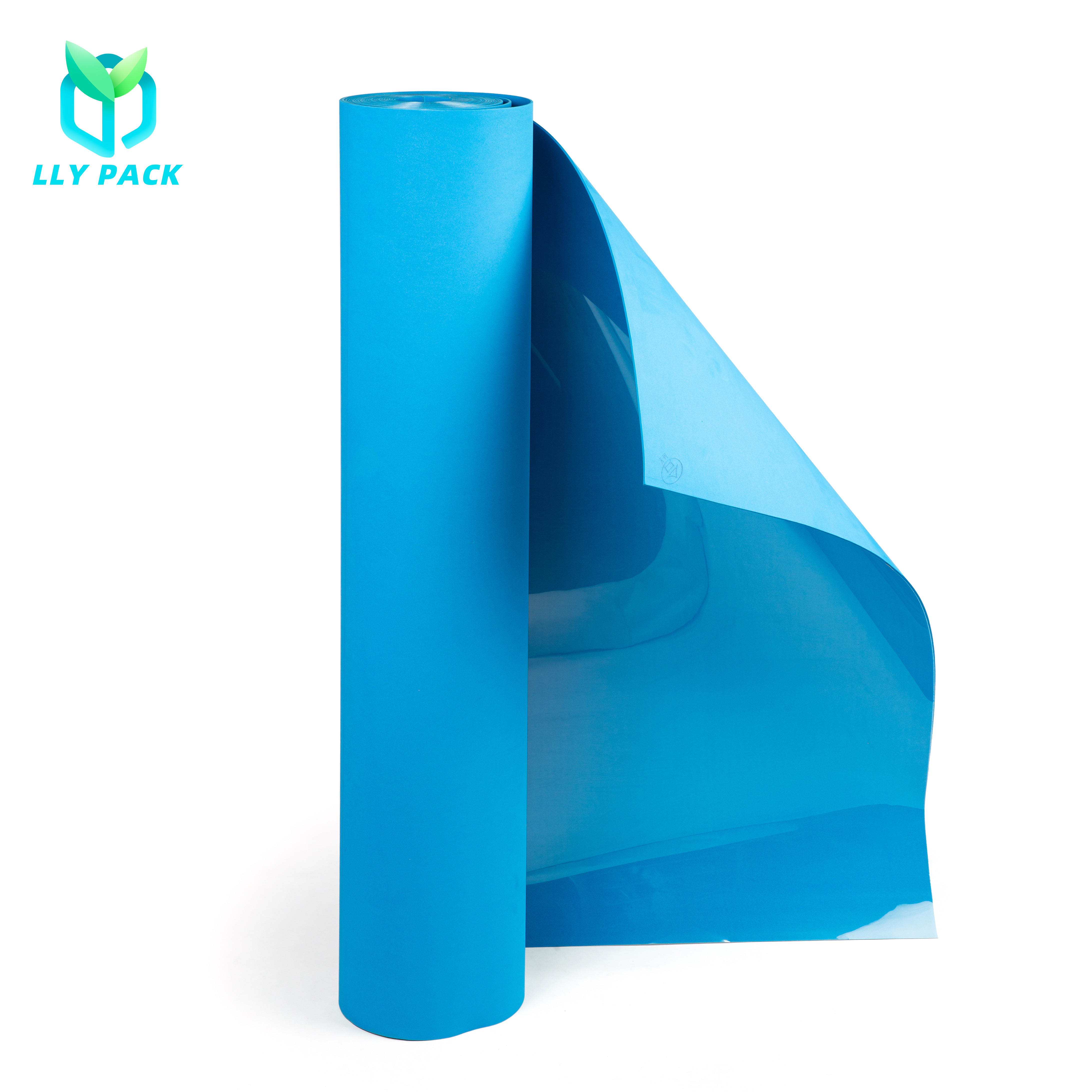
The seven consumable parts a corrugated plant should stock in 2026 are the printing cushion, the creaser wheel, brake pads, the slitting blade, the slotting blade, the paper waste stripper and the no crush wheel. Each one is a wear item on a line that runs under high precision, high continuity and high speed, and each one is designed for carton manufacturing in the corrugated box packaging industry.
Consumables rarely appear in a capital budget, yet they decide whether the capital equipment performs. A corrugated line is a chain of contact points — printing units, slitting and scoring stations, rotary die cutting, waste stripping — and the parts that touch the board are the parts that wear. When one of them drifts out of specification, the symptom usually appears as registration error, ragged trim, a cracked crease or a crushed flute long before it appears as a breakdown. This article ranks the seven parts by how quickly an empty shelf becomes a stopped line, and lists what to verify before ordering.
The problem: most unplanned downtime starts as a wear part
In corrugated converting, unplanned downtime has three common origins, and all three usually trace back to consumables rather than to the machine frame.
- Gradual quality drift. A worn creaser wheel or a compressed printing cushion still runs, so line speed looks normal, but the board no longer meets specification. The defect is discovered downstream, at the folder-gluer or in the customer's pallet.
- Sudden edge failure. A slitting or slotting blade loses its edge or chips. Trim quality drops immediately, dust rises, and paper fragments can jam the trim extraction system.
- Stock-out during a changeover. The replacement is a low-value item, but it is made to drawing, so the replenishment window — not the price — is what stops the machine.
The operating envelope makes all three more likely. Corrugated machine parts are used in high precision, high continuity and high-speed environments, and the special requirements of this application are base paper adaptability and speed synchronization. A consumable that is dimensionally off does not simply cut or print badly: it breaks synchronization between stations, and the resulting jam can stop more than the machine it sits in.
Industry background: why demand for corrugated machine parts keeps rising in 2026
Corrugating capacity is still expanding, and the parts market expands with it. Dataintelo values the global corrugating machinery market at approximately USD 4.8 billion in 2025 and projects it to reach USD 8.1 billion by 2034. Straits Research estimates that Asia-Pacific accounted for approximately 40.9% of the corrugated box-making machine market in 2024, which is where a large share of new box plants and line upgrades is being installed.
Parts supply is moving in the same direction. According to the General Administration of Customs of China, exports of machinery parts under HS 84 grew 7.5% year on year in 2024, a signal that cross-border sourcing of components — including consumables — is a normal part of box plant procurement rather than an emergency measure.
Market concentration shapes the stocking decision. Future Market Insights estimates that Tier 1 corrugated machinery manufacturers, including BHS Corrugated, Fosber and Mitsubishi, hold approximately 60% of the market. The practical consequence is that most plants run mixed fleets: a Tier 1 corrugator, a regional slitter scorer, a flexo printer slotter of another generation. A consumable list built around one machine brand will not cover the converting side of the plant.
LLY PACK (HK) CO., LIMITED is a Hong Kong-registered supplier of corrugated machine parts and corrugated machinery, with machinery exported to over 40 countries and more than 3,500 successful installations of corrugated lines worldwide. The company holds ISO 9001:2015 certification (certificate no. 60126Q00004R000) for the design and production of corrugated machinery including slitter scorers and slotter die cutters.
The top 7 consumable parts, ranked
The ranking follows urgency rather than unit price: the higher the position, the more often an empty shelf becomes a stopped line. Part numbers and materials below are the published specifications for these items.
1. Printing Cushion (PCU-1)
A printing cushion is the pressure element in the printing unit of a corrugated line. The LLY PACK Printing Cushion (PCU-1) is made from polyurethane foam and is customised to requirement for the carton printing stage of corrugated box production.
It ranks first because its failure mode is quiet. Foam loses resilience gradually, so pressure across the plate becomes uneven and print density varies across the sheet while the machine still runs at full speed. Buyers should specify the material grade together with the outside diameter, inner diameter, number of holes, thickness and hardness, all of which sit inside the standard customisation range for these parts.
2. Creaser Wheel (CWH-1)
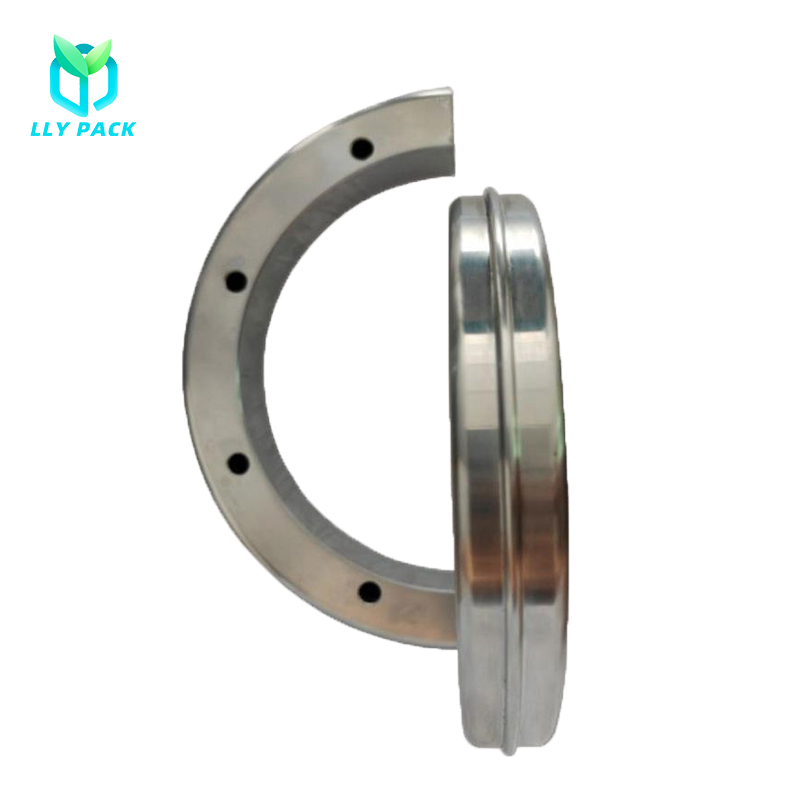
A creaser wheel forms the fold line that lets a corrugated box fold without cracking. The LLY PACK Creaser Wheel (CWH-1) is a steel part made to drawing for carton manufacturing.
Creasing is where line speed and crease quality meet. On the LLY PACK thin blade slitter scorer (SSC-1), the outside diameter of the scoring wheel is 190 mm and the machine's production capacity is 630–900 m/min, with a minimum slitting width of 150 mm. At that speed, a creaser wheel that has lost its profile produces shallow or cracked creases, and the defect may not surface until the folder-gluer.
Stock a wheel for each scoring position in use, and match the wheel to the board grade being run: base paper adaptability is one of the stated requirements of corrugated applications, and a wheel set up for one paper combination may not hold the same crease on another.
3. Brake Pads
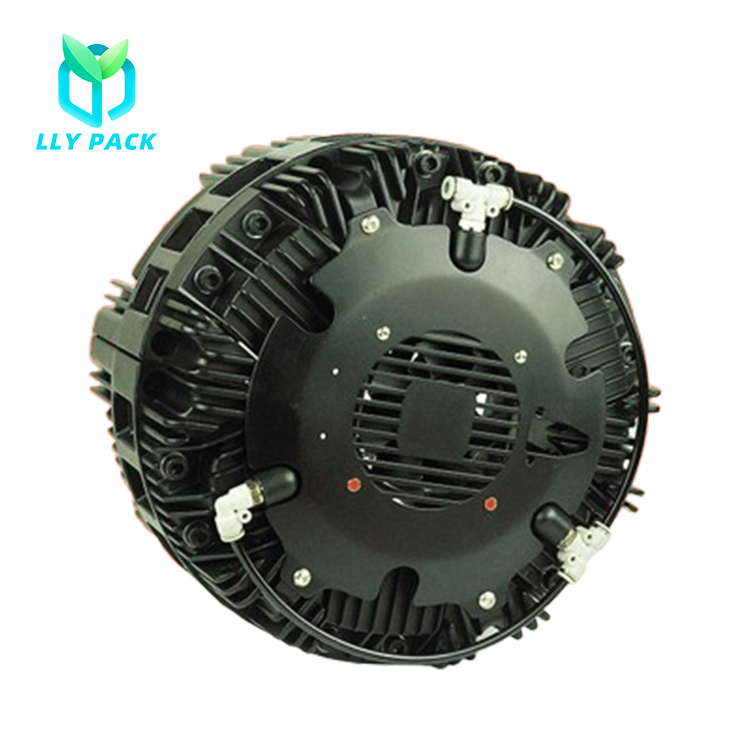
Brake pads are the friction consumable inside the braking and tension assemblies that hold paper reels and rotating shafts on a corrugated line. The assembly they sit in is rated for real work: the LLY PACK Pneumatic Brake (PB-1) is specified with a torque range of 0–400 Danm, a maximum torque of 2,800 Nm, a thermal power of 3 kW at 100 rpm and a maximum heat dissipation of 12 kW, with a listed service life of around 42,000 working hours.
Those figures explain why the pads matter more than their price suggests. An assembly with a 12 kW heat dissipation rating is built for continuous tensioning duty, and the friction element is what converts that duty into controlled torque. As the pad wears, torque output falls away from the set point, and the first symptom is usually tension drift — web wander, inconsistent splices, or a reel that runs loose at the unwind — rather than an obvious fault.
Note the boundary of that data: around 42,000 working hours is the listed life for the Pneumatic Brake assembly, not a guaranteed pad life. Pad wear depends on duty cycle, so the practical rule is to inspect pads on a fixed interval and keep a set on the shelf.
4. Slitting Blade (SLB-1)
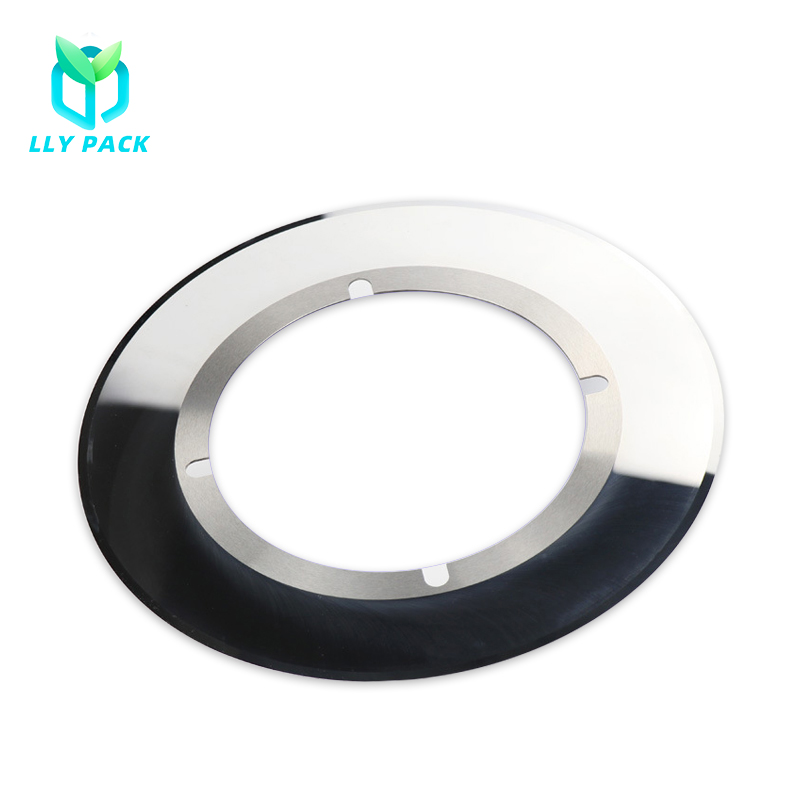
A slitting blade trims the board to width. The LLY PACK Slitting Blade (SLB-1) is made from tungsten steel to drawing for carton manufacturing. For corrugated lines, slitting blades and NC cut-off blades commonly use tungsten steel or high-speed steel to provide wear resistance and long service life.
The reference figures come from the machine side. On the thin blade slitter scorer (SSC-1), the outside diameter of the slitting blade is 260 mm, the blade line speed is 630–900 m/min and the minimum slitting width is 150 mm. Edge condition therefore has a direct effect on trim quality at production speed: a dulled blade tears rather than cuts, generating dust, ragged board edges and trim fragments that can block extraction.
Because the blade is made to drawing, the drawing revision is part of the part identity. Keep the blade drawing with the machine record so every replacement is dimensionally identical to the blade it replaces.
5. Slotting Blade (SB-1)
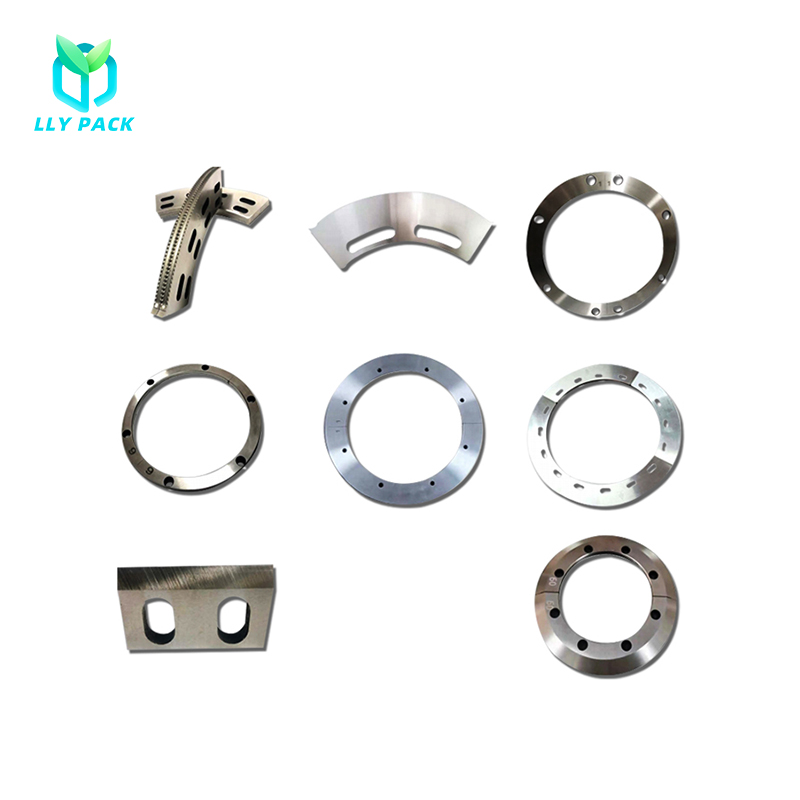
A slotting blade cuts the slots and corner cuts that turn a printed sheet into a folded box blank. The LLY PACK Slotting Blade (SB-1) is a tungsten steel part made to drawing for carton manufacturing.
Slotting is where dimensional accuracy is won or lost. On the LLY PACK flexo printer slotter (FP-1), the maximum slotting depth is 400 mm, and on the slotter die cutter (SDC-1) the maximum die cutting speed is 5,000 i.p.h. with a corrugated paper thickness range of 0.5–5 mm. A worn slotting blade changes the slot dimension itself, so the box may still fold but no longer stack correctly or fit the customer's case packer.
Stock slotting blades in the sizes actually used in the current order book, plus one spare in the size with the longest changeover time.
6. Paper Waste Stripper (PWS-1)
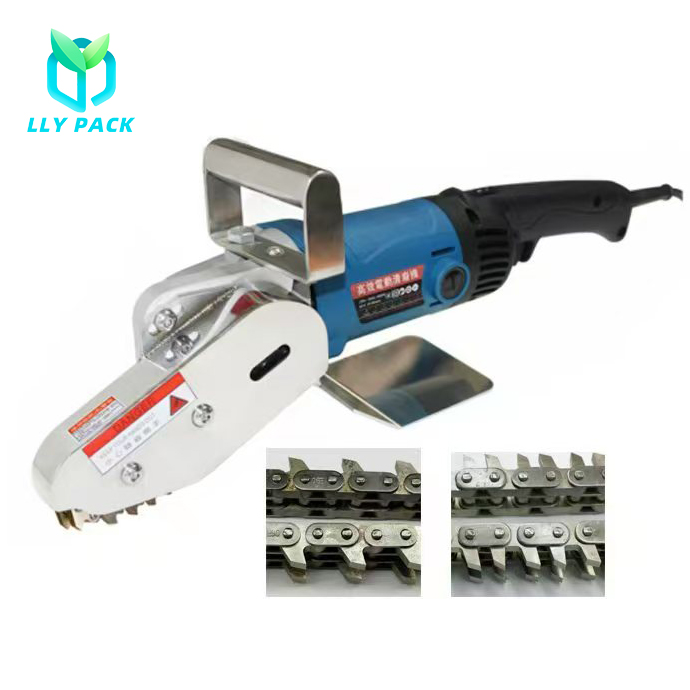
A paper waste stripper removes the waste material left inside die-cut sheets. The LLY PACK Paper Waste Stripper (PWS-1) is available in pneumatic and electric types, with a power rating of 1.4 kW, a weight of 4 kg, an air pressure range of 0.6–0.8 MPa and a working speed of 2,500–4,500 rpm.
It earns a place in the top seven because it is a classic single point of failure in finishing. Waste that is not stripped does not disappear — it reaches the folder-gluer and the stitcher as extra handling, and a stopped stripping tool can hold up an entire post-print department. At 4 kg and a 2,500–4,500 rpm working speed, it is also a tool that is handled all day, so wear and air-line damage are normal.
The efficient stock decision is simple: keep one spare unit and the correct air fittings for your line, not a warehouse of them.
7. No Crush Wheel
A no crush wheel supports the board at a rotary station so the flutes are not compressed as the sheet passes through. It is a line-specific consumable: the wheel profile, diameter and mounting have to match the machine and the flute being run, so it is ordered to drawing rather than from a generic catalogue number.
No published dimensional specification for no crush wheels is included in the reference data used for this article, and quoting one would be misleading. The correct ordering inputs are the machine model, the flute profile and the existing drawing or sample.
It belongs in a first stock list because crush damage is a strength problem, not a cosmetic one: compressed flutes reduce the board's load-bearing performance, and the defect is easy to miss while the line is running. Where a plant stocks no crush wheels, it will usually want the related rotary die cutting consumables kept in the same place — the LLY PACK Anvil Cover Rubber (ACR-1, rubber and iron) and Rotary Die Board (RDB-1, wood, foam and steel).
Beyond the seven, two more items are worth a line on the shelf in a plant that runs rotary die cutting and printing: Fiber Tape (FT-1, made from fiber glass filament and supplied in 2.5 cm × 50 m and 4.8 cm × 50 m rolls) and PET Pre-strip With Film (PETP-1, PET, made to requirement).
Step-by-step: how to build the stocking plan
- Map every consumable to a station and a symptom. For each wear part, record where it sits, which machine model it belongs to, and the first symptom it produces. A creaser wheel announces itself through crease quality; a paper waste stripper through stripping force. The symptom is the inspection trigger.
- Set the replacement rule before the failure. Use two triggers: a quality trigger (print registration drift, cracked crease, crushed flute, slot dimension out of tolerance) and a condition trigger (edge nicks, pad thickness, air leaks). The part is replaced at whichever comes first.
- Size the buffer against lead time, not shelf space. Quoted lead time for made-to-drawing parts is 30–45 days, minimum order quantity is 100 pieces and monthly capacity is 1,000 pieces. A stock-out therefore has to be covered across the whole replenishment window. Fully automatic lines have fewer manual workarounds than semi-automatic ones, so buffer discipline matters more there.
- Qualify the supplier on evidence. Ask for the material (tungsten steel for slitting and slotting blades, polyurethane foam for printing cushions, steel for creaser wheels), the drawing control process, the inspection regime and the certification. LLY PACK operates OEM production with 100% test and replaces defective products under its after-sales term, and holds ISO 9001:2015 certification (certificate no. 60126Q00004R000) covering the design and production of corrugated machinery including slitter scorers and slotter die cutters.
- Record usage and keep the drawings with the parts. Because most of these items are customised — optional materials, outside diameter, inner diameter, number of holes, thickness, hardness — a part number without its drawing revision is incomplete. Consumption records also show which position on the line is the real bottleneck, and that is where the spare should live.
Use cases: which consumables matter most on which line
Stocking priority changes with the line configuration, which is the core of matching corrugated machine parts to a production scenario.
- Corrugator with slitter scorer. Priority: slitting blade, creaser wheel, brake pads. This station runs at a production capacity of 630–900 m/min with a 260 mm slitting blade and a 190 mm scoring wheel, and the special requirements here — base paper adaptability and speed synchronization — are exactly what worn edges and fading brakes disturb first.
- Flexo printer slotter and rotary die cutter. Priority: printing cushion, slotting blade, no crush wheel, plus anvil cover rubber. Reference capacities: maximum slotting depth 400 mm, die cutting speed up to 5,000 i.p.h., board thickness 0.5–5 mm.
- Post-print finishing and waste handling. Priority: paper waste stripper (1.4 kW, 0.6–0.8 MPa, 2,500–4,500 rpm). One spare unit protects the whole department.
- Automation level. Whether the line runs semi-automatic or fully automatic does not change which parts wear, but it changes what a missing part costs. Automatic lines allow less manual intervention, so the case for holding a spare of every wear item is stronger.
Comparison table: the seven consumables side by side
| Rank | Consumable (model) | Role on the line | Material / verified spec | Stock priority | Replacement trigger |
|---|---|---|---|---|---|
| 1 | Printing Cushion (PCU-1) | Pressure element in the printing unit | Polyurethane foam; made to requirement | High | Print density or registration drift |
| 2 | Creaser Wheel (CWH-1) | Forms the fold line | Steel; made to drawing; 190 mm scoring wheel OD on the SSC-1 | High | Cracked or shallow creases |
| 3 | Brake Pads | Friction element in braking and tension assemblies | Pneumatic Brake (PB-1): 0–400 Danm torque range; 2,800 Nm max torque; 3 kW thermal power at 100 rpm; 12 kW max heat dissipation; listed life around 42,000 working hours | High | Tension drift or web wander |
| 4 | Slitting Blade (SLB-1) | Trims the board to width | Tungsten steel; made to drawing; 260 mm blade OD and 630–900 m/min on the SSC-1 | High | Ragged trim, dust, edge nicks |
| 5 | Slotting Blade (SB-1) | Cuts slots and corner cuts | Tungsten steel; made to drawing; 400 mm max slotting depth on the FP-1 | Medium–High | Slot dimension out of tolerance |
| 6 | Paper Waste Stripper (PWS-1) | Removes die-cut waste from stacks | Pneumatic or electric; 1.4 kW; 4 kg; 0.6–0.8 MPa; 2,500–4,500 rpm | Medium–High | Weak stripping force, air leaks |
| 7 | No Crush Wheel | Supports the board to prevent flute crush | Made to drawing; line-specific (no published dimension in this reference) | Medium | Flute crush marks or print marking |
Machine-side dimensions refer to the listed LLY PACK equipment models; consumable dimensions are made to drawing or requirement. Stock priority is a first-list recommendation, not a supplier specification.
FAQ
Are LLY PACK corrugated machine parts certified?
Yes. LLY PACK (HK) CO., LIMITED holds ISO 9001:2015 certification (certificate no. 60126Q00004R000) for the design and production of corrugated machinery including slitter scorers and slotter die cutters, and the parts are produced with 100% test as the quality control standard.
Can consumables be manufactured to our own drawings?
Yes. LLY PACK operates in OEM production mode. The customisation range covers optional materials, outside diameter, inner diameter, number of holes, thickness and hardness, with a monthly capacity of 1,000 pieces, so drawings and samples are the normal starting point for a consumable order.
What drives the price of corrugated machine consumables?
Three factors: material, customisation and order quantity. Tungsten steel slitting and slotting blades, polyurethane foam printing cushions and steel creaser wheels sit in different cost bands, and the dimensions and features you specify change the machining work involved. The minimum order quantity is 100 pieces, which is the practical unit for budgeting.
How do we validate a new consumable before running it on the line?
Validate on the drawing first, then on the machine. Send the existing drawing or sample, confirm material, hardness and critical dimensions against the quotation, then run the first batch on the most stable station in the plant. LLY PACK replaces defective products under its after-sales term, and every part is produced with 100% test.
What lead time and MOQ should we plan for?
Plan on 30–45 days lead time and a 100-piece minimum order quantity, against a monthly capacity of 1,000 pieces. LLY PACK exports to South America, Southeast Asia, Africa and the Middle East as well as serving the domestic market. To start, send your part list or drawings to christina@lycorrugated.com or WhatsApp +86 13763260555, or download the product brochure from the link at the end of this article.
Conclusion
The seven consumables — printing cushion, creaser wheel, brake pads, slitting blade, slotting blade, paper waste stripper and no crush wheel — are small line items that decide line speed. Each one sits between the machine and the board, and each one fails in a way that shows up first as quality, then as downtime.
The stocking logic is straightforward: match the part to the station and the machine model, set a replacement trigger, size the buffer against a 30–45 day lead time, and qualify the supplier on material, drawing control, testing and certification rather than on price alone.
LLY PACK (HK) CO., LIMITED manufactures and supplies corrugated machine parts for carton manufacturing and the corrugated box packaging industry, with OEM production, made-to-drawing customisation and a stated after-sales term of replacing defective products. The company's corrugated machinery has been exported to over 40 countries.
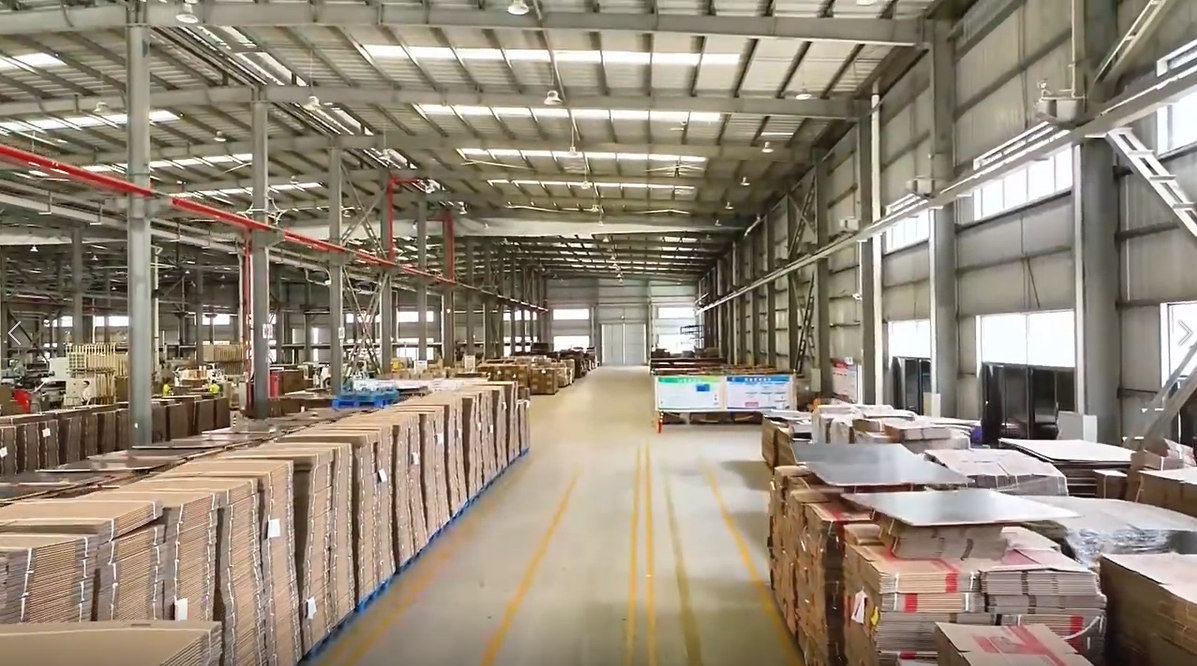
Next step: download the LLY PACK product brochure (PDF) and check the consumable range against your own line, or send your drawings and annual consumption figures directly to the team.
- Brochure: LLY PACK corrugated machine parts brochure (PDF)
- Email: christina@lycorrugated.com
- WhatsApp: +86 13763260555
- Website: www.llypack.com