Unplanned Downtime on Your Corrugated Line? Fix the Hidden Bottlenecks Before the Stacker
Unplanned Downtime on Your Corrugated Line? Fix the Hidden Bottlenecks Before the Stacker
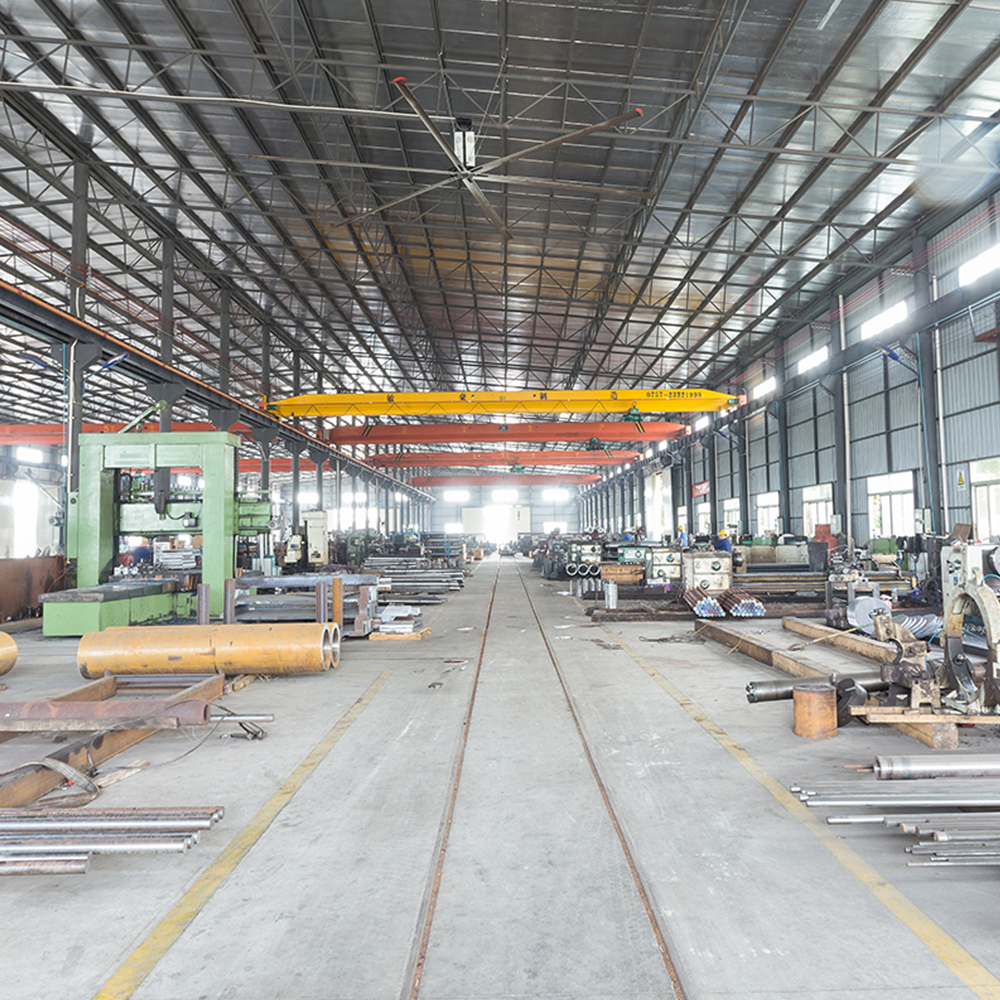
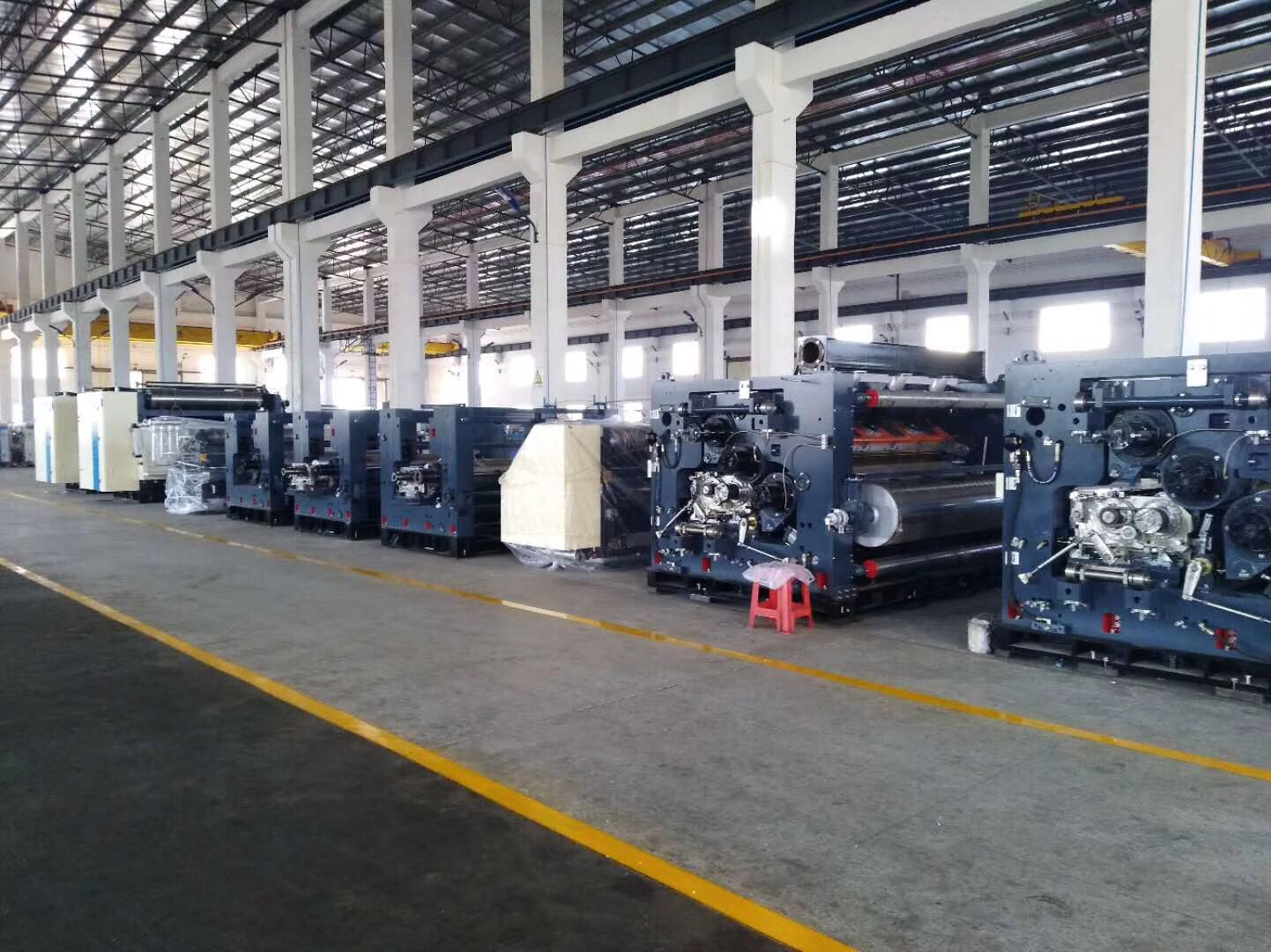
When a corrugated line stops, the corrugator gets blamed first and investigated last. In practice, most of the jams, micro-stops and creeping slow-downs that quietly eat a shift's output are created by the unglamorous auxiliary equipment wrapped around the machine: the reel stand and splicer at the infeed, the pre-feeder, the transfer conveyors, and the stacker at the far end of the line.
The short answer: unplanned downtime on a corrugated cardboard production line is usually a throughput mismatch, not a mechanical breakdown. When the feed end and the discharge end are not sized to the same sheet envelope and the same speed target, the slowest station becomes the heartbeat of the entire line — and every stop it triggers is recorded in the shift report as "the corrugator stopped again."
This guide is written for production managers and plant owners who have to decide whether to keep chasing single-machine faults or to fix the integration between machines. It defines what unplanned downtime actually is on a corrugated cardboard machine, puts the auxiliary-equipment problem into market context, and then gives you a five-stage bottleneck audit that runs from the pre-feeder to the stacker.
Problem Definition: What Unplanned Downtime Really Means on a Corrugated Line
Unplanned downtime is any production stop that was not scheduled in advance: a jam at the stacker infeed, a mis-feed at the pre-feeder, a sheet pile-up on a transfer conveyor, a failed splice, or an operator intervention to clear material by hand. Scheduled changeovers, tooling swaps and planned maintenance windows are not unplanned downtime. Separating those two categories is the first step, because a plant that logs everything as "downtime" cannot see which station is actually stealing the hours.
The second step is separating symptoms from causes. On a corrugated cardboard production line, the visible symptom almost never appears at the station that created it. Sheets pile up at the end of the line because something upstream delivered them faster than the stacker could absorb them. A single facer appears to "run slow" because the feed section is starving it. The table below maps the most common symptoms to the station that should be inspected first.
| What you see | Where to look first | Typical nature of the problem |
|---|---|---|
| Sheets fan out, skew or pile up at the end of the line | Stacker infeed, sheet alignment and transfer conveyor speed | Discharge capacity out of step with feed cadence |
| Feed section starves and the forming section runs below its set speed | Pre-feeder setting, reel stand tension, splicer cycle | Upstream supply cannot sustain the line's rated pace |
| Line is stable at low speed but jams above a certain speed | Comparison of feed-section capability against stacking-section capability | Throughput mismatch between two stations, not a fault in either |
| Frequent short stops cleared by hand in a few minutes | Transfers, belt tension, sensor alignment, wear parts | Accumulated small faults that never justify a full stop |
| Board damage instead of stops — crushed edges, cracked scores | Handling gap between slitter scorer, conveyors and stacker | Material flow that grips or drops board incorrectly |
Symptom-to-station logic is a starting point for diagnosis, not a substitute for measuring your own line. The audit later in this article is built to replace assumptions with recorded cycle times.
Industry Background: Why Auxiliary Equipment Now Decides Line Performance
The economics behind this problem are shifting. Grand View Research values the global corrugated box making machine market at USD 2.21 billion in 2024 and projects it to reach USD 3.36 billion by 2033, growing at a CAGR of 4.8% from 2025 to 2033. Other research houses publish much larger figures for what sounds like the same category — Market Research Future cites USD 15.8 billion and Future Market Insights USD 0.80 billion — because the definitions differ on whether secondary packaging and converting equipment are included. The practical takeaway for a buyer is not the headline number but the fact that demand is being counted across a wider equipment scope than the corrugator alone.
Within that scope, automation is where the growth in capability sits. Future Market Insights puts automatic corrugated machines at a dominant 55.6% share of global demand by automation level as of 2026, and projects the corrugated box machine industry in China to rise at a 3.9% CAGR between 2026 and 2036, driven by China's position as a global manufacturing hub. China's machinery industry as a whole exported USD 1.17 trillion in 2024, a 7.5% year-on-year increase and the fourth consecutive year above USD 1 trillion, according to China Customs and National Bureau of Statistics data.
Higher automation has a side effect that plant managers feel every shift: manual buffers disappear. When a line still has an operator pulling sheets by hand at the end of the stacker, a small mismatch between the feed section and the stacking section can be absorbed invisibly. Once that station is automated, the same mismatch converts directly into a stop. That is why bottleneck problems appear to "arrive" with an automation upgrade — the mismatch was always there, it just stopped being hidden.
Quality standards raise the stakes further. ISO 3037:2022 and the FEFCO GMP standard are the primary global references for quality and edgewise crush resistance in corrugated cardboard production, and safety compliance for corrugated printing and converting machinery placed on the EU market requires CE marking and adherence to standards such as EN ISO 12048 for compression testing. Board that drifts out of specification because a line is being run stop-start does not stay a throughput problem; it becomes a compliance and customer-claim problem.
It is also worth knowing who the reference points are in this equipment class. BHS Corrugated, Mitsubishi Heavy Industries (MHI) and Bobst are identified as the leading global tier-1 manufacturers of corrugated production lines. When buyers compare a corrugated cardboard machine for downtime behaviour, those names usually set the benchmark — which makes the integration between auxiliary stations, not brand prestige alone, the real differentiator.
The Detailed Solution: Audit Machine Integration from Pre-Feeder to Stacker
The solution is not a new corrugator. It is a parameter audit that treats the line as one system from the pre-feeder to the stacker, and then closes the gaps where one station's envelope does not match the next.
The two published envelopes that have to agree
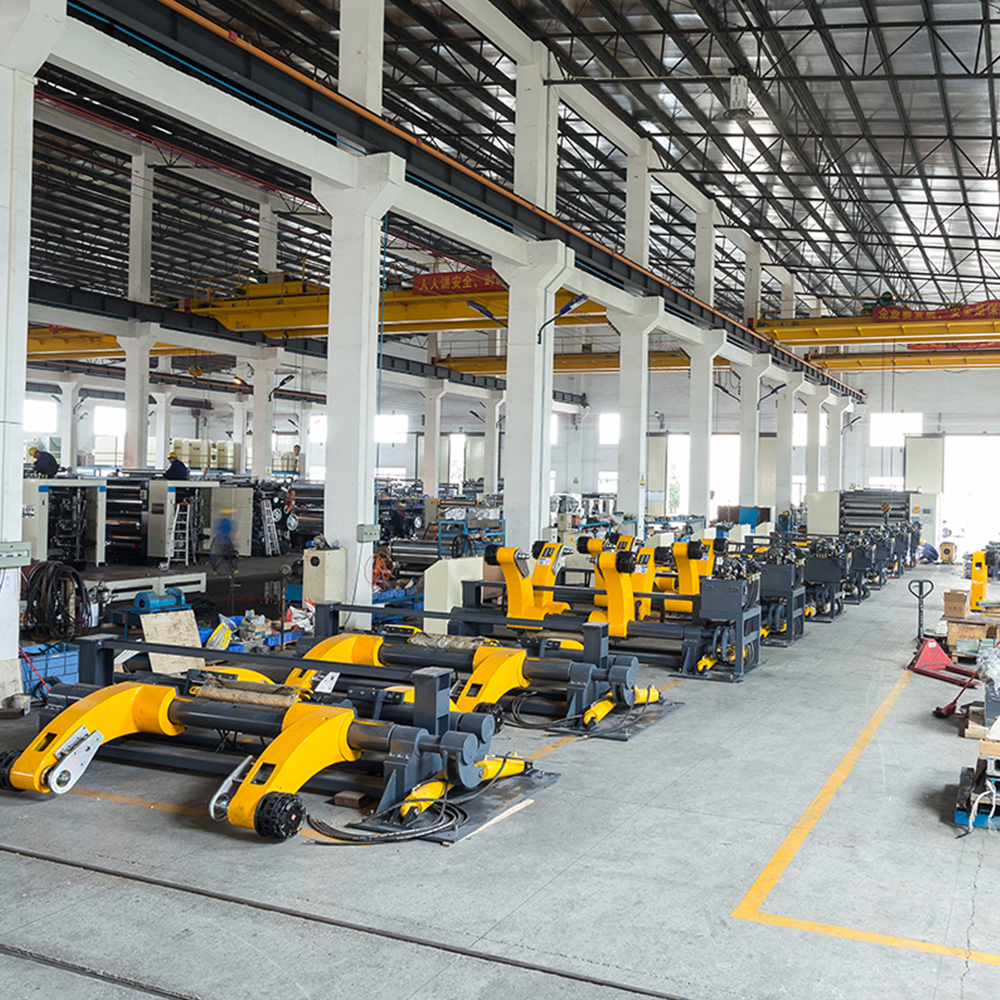
Two sets of figures decide whether a corrugated line runs clean or stops constantly. At the front, the Automatic Pre-Feeder accepts a maximum sheet size of 1600 × 3000 mm and feeds at a speed of 280 sheets/min. At the back, the Stacker handles paper lengths up to 3.5 m, stacking heights up to 1.8 m, and a paper width range of 1400–2300 mm.
Read those two envelopes together and the failure modes become obvious. The pre-feeder defines what the line can accept; the stacker defines what the line can discharge. If a production order falls outside the stacker's 1400–2300 mm width range, somebody has to intervene at the end of the line — and an intervention is a stop. If the sheet flow arriving from the slitter scorer cannot be absorbed at the stacking height and cadence the stacker is capable of, sheets back up before the stacker and the upstream stations slow down or halt. Neither of these is a broken machine. Both are integration failures, and both are invisible on a machine-by-machine maintenance checklist.
| Parameter | Automatic Pre-Feeder | Stacker | What to verify against your order book |
|---|---|---|---|
| Sheet / paper length | Maximum sheet size 1600 × 3000 mm | Paper length up to 3.5 m | The longest sheet your orders require must sit inside both figures, not just one |
| Sheet width | Within the 1600 × 3000 mm maximum envelope | Width range 1400–2300 mm | Every production width must fall inside the stacker's range, or operators will intervene at the discharge end |
| Throughput / discharge | Feed speed 280 sheets/min | Stacking height up to 1.8 m | The discharge cadence and pile height must absorb the feed cadence without manual clearing |
Published figures describe the equipment's capability envelope. They do not by themselves prove your line is matched — that requires the audit below, run against your own order book and your own recorded cycle times.
Where the hidden bottleneck actually sits
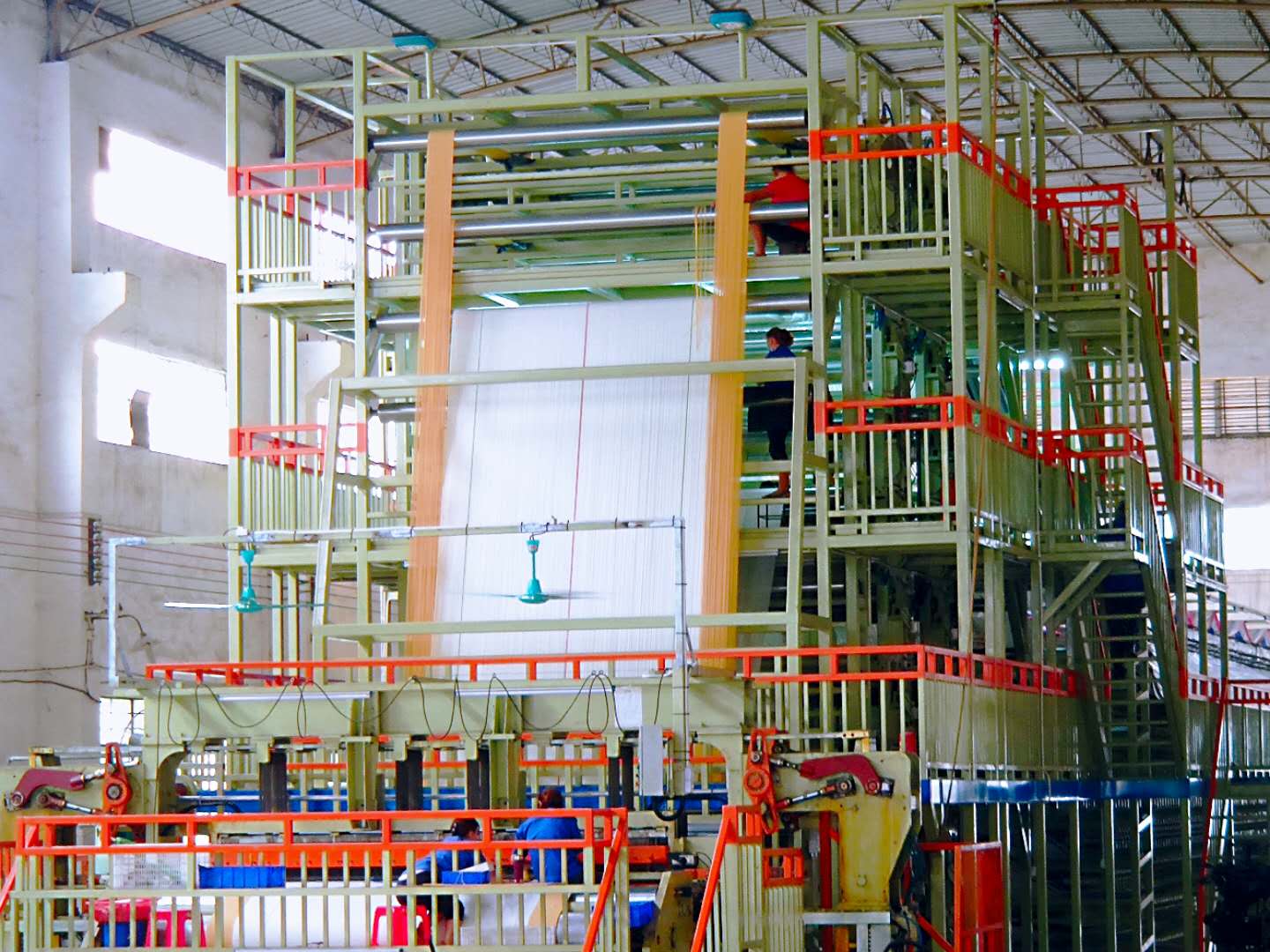
A corrugated cardboard production line is a chain of stations, and the bottleneck is always the station that cannot process what the previous station delivers. Working from reel to finished bundle, the chain runs: hydraulic reel stand and auto splicer, paper reel cutter, pre-feeder and feed section, single facer and corrugating roller, double facer belt, slitter scorer, stacker, paper reel conveyor and cardboard conveyor, then the end-of-line equipment such as the strapping machine, bundle machine, waste paper baler and paper waste stripper. Printing, slotting and folding equipment — flexo printer, slotter die cutter, folder gluer, stitching machine — sits downstream and inherits any instability created earlier in the chain.
Three interfaces account for a disproportionate share of chronic stoppages:
- Reel stand and splicer to pre-feeder. If the splicing cycle or reel tension creates an uneven sheet supply, the pre-feeder cannot maintain its feed rhythm, and the forming section runs below its set speed.
- Slitter scorer to stacker. This is where sheet count, sheet size and discharge speed meet the stacker's 3.5 m length, 1.8 m height and 1400–2300 mm width window. A mismatch here produces pile-ups and manual clearing at the end of the line.
- Stacker to end-of-line equipment. A strapping machine, bundle machine or baler that runs slower than the stacker discharges will eventually stop the stacker, and the stop will propagate all the way back.
One practical advantage of auditing by interface rather than by machine: the wear parts that cause many of these micro-stops are consumables. LLY PACK (HK) CO., LIMITED manufactures corrugated belts, corrugating rolls, single facers, auto splicers and complete corrugated paper board production lines, so a belt or roll that is causing repeated short stops sits in the same supply scope as the machine that consumes it. That matters when you are deciding whether a stoppage is a spare-part question or an integration question.
Step-by-Step Breakdown: A Five-Stage Bottleneck Audit
Run this audit in the order given. Each stage produces a number or a yes/no answer that feeds the next one, so you finish with a ranked list of constraints rather than a list of suspicions.
Step 1 — Baseline the line at steady state
Run a normal order at normal settings and record the actual cycle time of each station: reel stand change, splice, pre-feeder feed, forming section, slitter scorer, stacker discharge, and end-of-line handling. Record stops separately, with the station where the operator intervened and the station where the material actually originated. One shift of honest data is usually enough to show which station is the constraint.
Step 2 — Compare the feed envelope against the discharge envelope
Take your top ten running orders by volume and check each one against both published envelopes: the pre-feeder's 1600 × 3000 mm maximum sheet size and 280 sheets/min feed speed, and the stacker's 3.5 m paper length, 1.8 m stacking height and 1400–2300 mm width range. Any order that falls outside one envelope but inside the other is a scheduled stop waiting to happen — and it will be recorded as unplanned downtime when it happens.
Step 3 — Run the line at its rated speed, not at its comfortable speed
A line that only runs clean at 70% of its nominal pace has a bottleneck that has already been found by the operators, even if nobody has written it down. Push the line slowly upward in steps and mark the speed at which the first repeatable stop occurs. The station that fails first is the constraint; the correct response is to raise that station's capability, not to accept the lower speed as the line's real rating.
Step 4 — Check transfer and conveyor synchronization
Transfers between stations are where small timing errors become large stoppages. Verify that each conveyor is running at the speed the receiving station expects, that sensors are aligned to the sheet position they are meant to detect, and that nothing between the slitter scorer and the stacker is grip-feeding board harder than the board can tolerate. This is also where a conveyor that is perfectly functional on its own can create a line-level problem by delivering material slightly out of phase.
Step 5 — Convert the audit into a preventive schedule
Once the constraint is known, protect it with planned work rather than reactive work. Equipment-operation risk on a corrugated line is managed by regularly checking whether the equipment is operating normally, replacing key equipment and wear parts in advance rather than after failure, and implementing digitized monitoring wherever possible so that drift is detected before it becomes a stop. A constraint station with a parts plan and a monitoring routine stops behaving like an emergency.
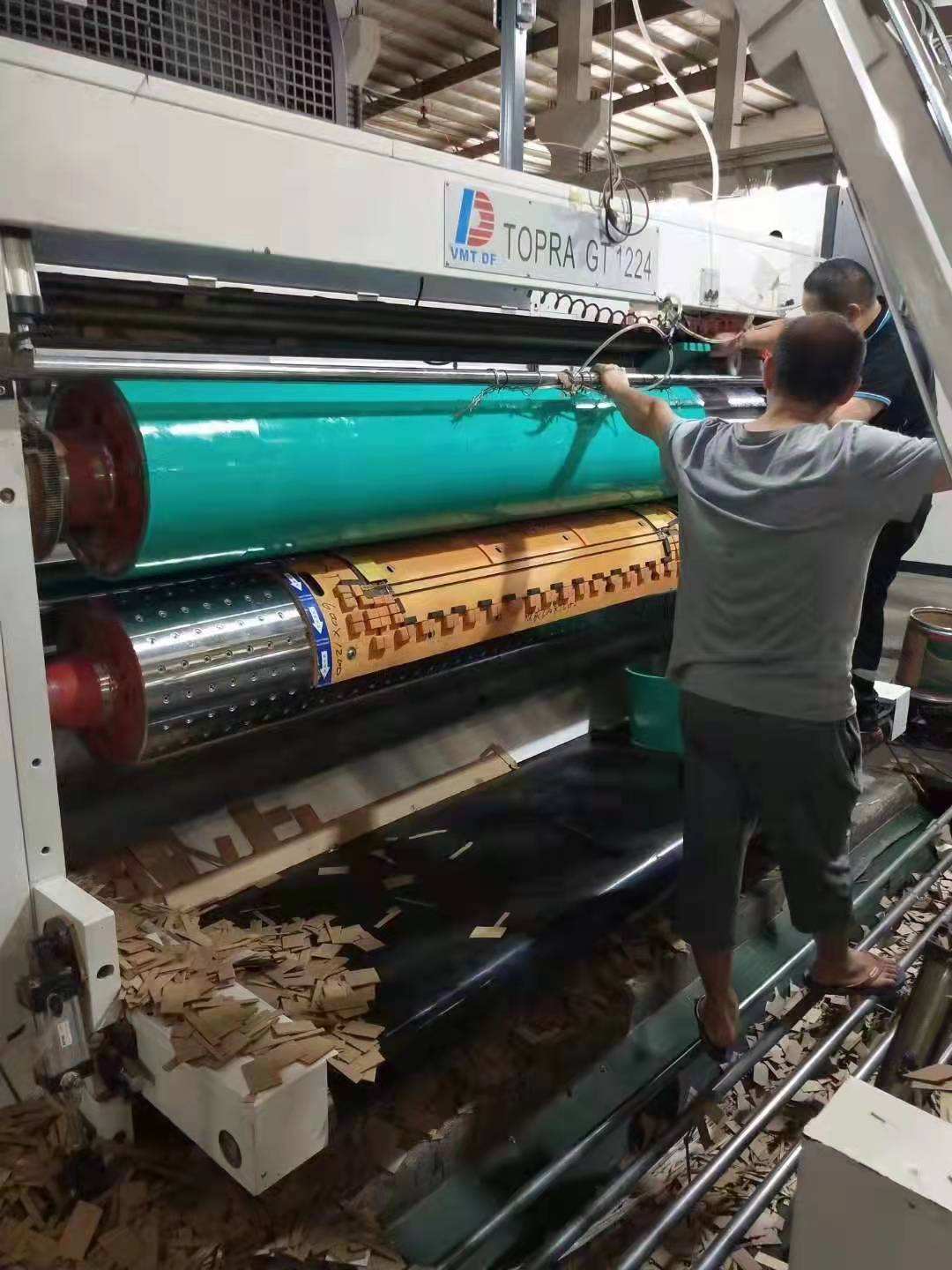
Use Cases: Where This Audit Pays Back Fastest
The bottleneck audit is not equally urgent everywhere. These are the three situations where it tends to produce the fastest return.
- High-volume plants running long shifts. When one line carries most of a plant's output, every stopped minute is lost revenue rather than deferred revenue. A constraint that costs a few minutes per shift is worth fixing here first.
- Multi-layer and heavy-board producers. LLY PACK (HK) CO., LIMITED specializes in 2- to 9-layer corrugated cardboard production lines. More layers mean more stations and more interfaces, and each additional interface is a place where a feed-versus-discharge mismatch can hide.
- Brownfield upgrades. Adding or replacing a stacker or a pre-feeder on an existing line is the classic case where old and new envelopes stop matching. The audit is the same; the finding is simply that the new station has moved the constraint somewhere unexpected.
In each case the diagnosis method is identical, and the output is a ranked constraint list — which is what actually supports an investment decision, whether that decision is a spare-part plan, a new stacker, or a full line review.
Comparison Table: Downtime-Relevant Differences Between High-End Lines
Downtime behaviour is ultimately a product of how a line is engineered as a system. LLY PACK's published comparison against corrugated box production lines from other high-end manufacturers is summarized below. These are first-party comparative statements, and buyers should validate them against their own recorded line data rather than treating them as third-party findings.
| Comparison point | Other high-end manufacturers (baseline) | LLY PACK corrugated box production line |
|---|---|---|
| Technology | Baseline | More advanced technology |
| Production flow | Baseline | Smoother production flow |
| Machine structure | Baseline | More complex machine structure |
| Production efficiency | Baseline | 15% higher production efficiency |
| Service life | Baseline | An additional 1–2 years of service life |
| Cost | Baseline | 10% lower cost than other high-end manufacturers |
| Maintenance and stops | Baseline | Less maintenance, reduced frequency of machine stops, higher degree of automation |
| Suited to | Baseline | Carton-making factories and corrugated cardboard factories |
Source: LLY PACK published comparison data. Percentage and service-life figures are manufacturer-stated comparisons, not independently verified third-party measurements.
Frequently Asked Questions
1. Which standards apply if downtime is affecting board quality and compliance?
ISO 3037:2022 and the FEFCO GMP standard are the primary global standards for quality and edgewise crush resistance in corrugated cardboard production. For corrugated printing and converting machinery placed on the EU market, safety compliance requires CE marking and adherence to standards such as EN ISO 12048 for compression testing. These are not paperwork-only requirements: stop-start running is a common cause of board that drifts out of specification, and out-of-spec board is itself a source of jams in downstream printing, slotting and folding stations. Fixing the constraint improves both throughput and conformity.
2. Can the pre-feeder and stacker be matched to the sheet sizes we actually run?
Matching comes down to two published envelopes. The Automatic Pre-Feeder accepts a maximum sheet size of 1600 × 3000 mm and feeds at 280 sheets/min. The Stacker handles paper lengths up to 3.5 m, stacking heights up to 1.8 m, and a paper width range of 1400–2300 mm. The practical test is to list your highest-volume order sizes and confirm that every one of them falls inside both envelopes, not just one. Orders that fit the feed end but fall outside the stacker's width range will always require operator intervention at the discharge end. LLY PACK (HK) CO., LIMITED specializes in 2- to 9-layer corrugated cardboard production lines, so the matching discussion should cover the whole line rather than a single station.
3. Why do cheaper auxiliary machines often cost more over the life of a line?
Because the cost of a corrugated cardboard machine is not the purchase price alone. LLY PACK's published comparison states that its corrugated box production line delivers 15% higher production efficiency, an additional 1–2 years of service life and 10% lower cost than other high-end manufacturers, with less maintenance, a reduced frequency of machine stops and a higher degree of automation. Whether those specific figures hold for your plant depends on your order mix and shift pattern — which is why the budget case should be built on your own recorded downtime and cycle times from the audit steps above, not on a catalogue claim.
4. How can we verify these claims before committing to a supplier?
Verify the same way you would audit your own line: against evidence, not reputation. LLY PACK's manufacturing operation is located in Foshan City, Guangdong Province, and the company reports more than 3,500 successful corrugated line installations worldwide, exports to over 40 countries, and more than 100 patents and industry certificates, supported by advanced CNC machining centres including a computer-controlled five-face machining centre. A buyer at the decision stage should ask for the parameter envelope in writing, review the machine configuration against their own order book, and check the technical documentation before signing — the LLY PACK product brochure is a reasonable starting point for that review.
5. What is the practical next step if the bottleneck turns out to be a wear part?
Treat it as planned work rather than a recurring emergency. On a corrugated line, equipment-operation risk is mitigated by regularly checking whether equipment is operating normally, replacing key equipment and wear parts in advance, and implementing digitized monitoring wherever possible so that drift is caught before it becomes a stop. If your audit points to belts, rolls or an interface that needs review, the fastest route is a direct technical conversation: contact Christina at christina@lycorrugated.com or via WhatsApp at +86 13763260555, and download the LLY PACK brochure to review the full corrugated line configuration before the next production review.
Conclusion: The Stacker Is Where the Line Tells the Truth
Chronic downtime on a corrugated line is rarely a mystery once the right question is asked. The stacker is not just the last station on the line — it is the station where every upstream mismatch finally becomes visible. Sheets that arrive faster than they can be stacked, widths outside the handling window, a feed speed the discharge end cannot absorb: none of these are corrugator faults, and none of them will be solved by replacing the corrugator.
The fix is systematic and unglamorous. Baseline each station, compare the pre-feeder's 1600 × 3000 mm and 280 sheets/min envelope against the stacker's 3.5 m length, 1.8 m height and 1400–2300 mm width range, push the line to its rated speed, check the transfers and conveyors between stations, and then protect the constraint with scheduled wear-part replacement and monitoring. Synchronized auxiliary machinery — conveyor, pre-feeder and stacker working to one envelope — is the unspoken cure for downtime that has been blamed on the wrong machine for years.
Review Your Line Configuration Before the Next Production Meeting
LLY PACK (HK) CO., LIMITED supplies corrugated belts, corrugating rolls, single facers, auto splicers and complete 2- to 9-layer corrugated paper board production lines, with more than 3,500 installations reported worldwide. If your audit has identified a constraint, bring the numbers to a technical review.
Download the product brochure: LLY PACK Corrugated Machinery Catalogue (PDF)
Contact: Christina — christina@lycorrugated.com — WhatsApp +86 13763260555
Website: www.llypack.com